
Reviewed · HIKING & TREKKING
Sa Pa: 2-Day Trekking Trip with Ethnic Minority Homestay
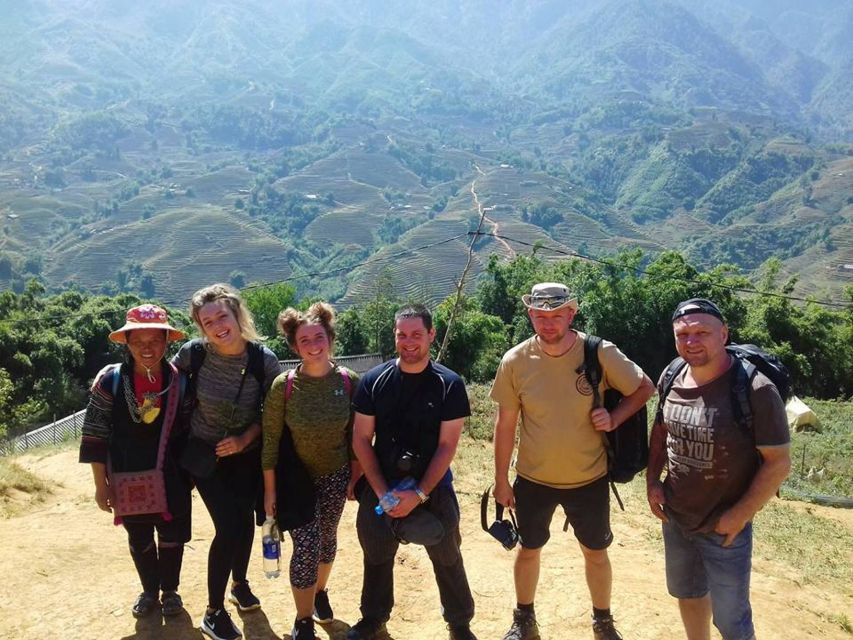
The best part of this Sa Pa trek is the change of pace. You leave town behind and walk through the Muong Hoa Valley, where rice terraces, mountain paths, wooden homes, and village life become the day’s scenery. I like the 11-kilometer first day and the chance to sleep in a Dzay family homestay rather than return to Sa Pa each evening.
I also like the small groups of up to 14 people, the included meals, and guides such as Lan, Khu, Nhu, and Son, who are often praised for their English and care with uneven trails. The main drawback is weather: rain can turn the paths slippery and muddy, and some local women may walk beside you offering goods for sale.
In This Review
- Key points at a glance
- Why this two-day route works so well
- Day one: Y Linh Ho and the long walk to Ta Van
- Dinner, sleep, and the Dzay homestay
- Day two: bamboo forest, waterfall, and the Muong Hoa River
- What the $55 price really covers
- Weather, footwear, and physical demands
- The people and the cultural side
- Who should book this Sa Pa trek?
- Should you book it?
- FAQ
- How long is the trek each day?
- Where does the trek start?
- Where do I sleep overnight?
- What meals are included?
- Is the guide English-speaking?
- Is the trek difficult?
- What should I bring?
- Is the tour suitable for children or people with mobility concerns?
- What happens if I need to cancel?
Key points at a glance
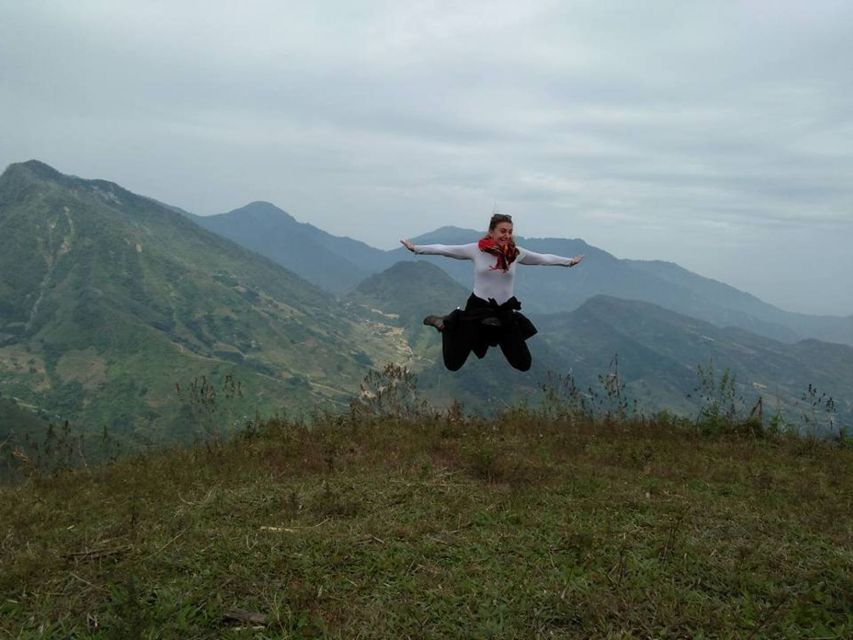
- Two days through the Muong Hoa Valley: Walk from Sa Pa to Y Linh Ho, Lao Chai, Ta Van, and Giang Ta Chai instead of seeing the valley from a vehicle.
- A real overnight stay: Sleep in a Dzay village homestay, with dinner and breakfast included.
- H’mong and Dzay culture: Visit minority villages, see a typical wooden house, and learn about local customs from an English-speaking guide.
- Mountain and terrace views: Clear weather can reveal Fansipan and broad rice paddies, while the second day brings bamboo forest and river scenery.
- Good value at $55: The price covers the guide, entrance fees, three meals, water, homestay lodging, and return transport.
- Mud is part of the deal: Bring proper trekking shoes, especially from October through March or after rain.
Why this two-day route works so well
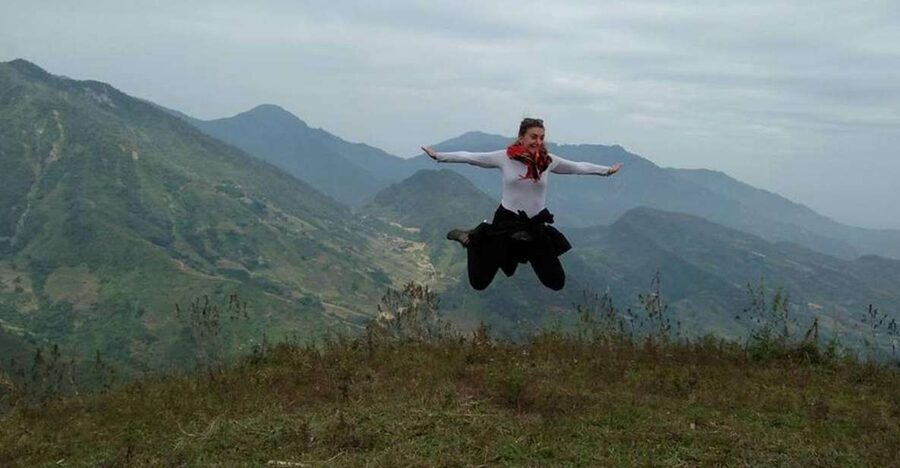
Sa Pa itself can feel busy, but this trip quickly moves into the valley below town. The walking gives you time to notice small details: the shape of the terraces, the construction of village homes, and the different communities spread along the route.
The first day covers about 11 kilometers from Sa Pa through Y Linh Ho and Lao Chai to Ta Van. That is long enough to feel like a proper trek, though the distance alone does not tell the whole story. Slippery descents, stones, mud, and uneven dirt paths can make the route tiring after wet weather.
You are not simply walking from one viewpoint to another. The guide explains the communities you pass and helps place the scenery in context. Guides named Lan and Khu receive especially strong praise for clear English, patience, humor, and their willingness to adjust the pace. Nhu, Son, Coo, Lang, and other guides are also associated with warm, helpful service.
The group limit of 14 matters here. Narrow paths are easier to manage with a small party, and you have a better chance to ask questions without losing the guide’s attention. Some departures may be much smaller, with one group reported at five people, which can make the evening at the homestay more sociable.
More Hiking Tours in Sapa
- Sa Pa: Muong Hoa Valley Trek and Local Ethnic Villages
★ 4.6 · 864 reviews - Sapa: Eco Adventure Terrace Fields and Local Villages Trek
★ 4.9 · 636 reviews - From Sapa: 1-Day Guided Trek to Lao Chai & Ta Van with Lunch
★ 4.9 · 416 reviews
Day one: Y Linh Ho and the long walk to Ta Van
Your pickup is from a hotel in central Sa Pa. The route then heads toward the Muong Hoa Valley, where the walking begins. The exact starting time depends on availability, so check that before arranging a bus or train connection later in the day.
Y Linh Ho is the first major village stop. It is associated with the Black H’mong community, and the visit gives you a chance to learn about local customs and see a traditional wooden house. The house visit is a useful counterpoint to the huge mountain views. It shifts your attention from scenery to daily life and building traditions.
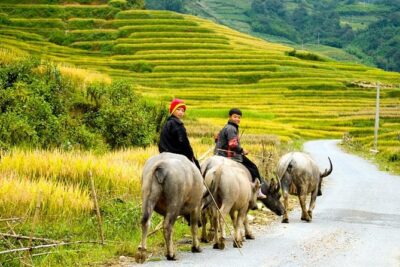
The valley views are the main reward on this section. On a clear day, you can see Fansipan and the rice paddies spread across the slopes. Rice terraces look especially striking from above, but the walking route also takes you close to them, along paths that feel connected to village life rather than built only for sightseeing.
The route continues toward Lao Chai, another important settlement along the trek. Here, you pass more homes and fields while learning about the different minority groups in the area. The value of a local guide is clear during this stretch. A map can show you where you are, but it cannot explain the customs, languages, and differences between communities as well as a guide who knows the area.
Expect help on the steeper and muddier parts. Local women sometimes walk with the group for part of the first day and offer a steadying hand on slippery ground. This can be useful in wet weather, but you should understand the social side of it: they may hope you will buy handicrafts or other goods afterward. You are not required to purchase anything, so decide politely and clearly before the sales pressure becomes tiring.
The final destination is Ta Van village, where you check into a Dzay homestay. This is not a luxury hotel. It is a simple local home used to host visitors, with shared cultural space and basic sleeping arrangements. Still, the homestay is repeatedly described as comfortable, clean, warm, and welcoming. Some rooms have internet and power outlets, though you should not book this trip expecting hotel-level facilities.
Dinner, sleep, and the Dzay homestay
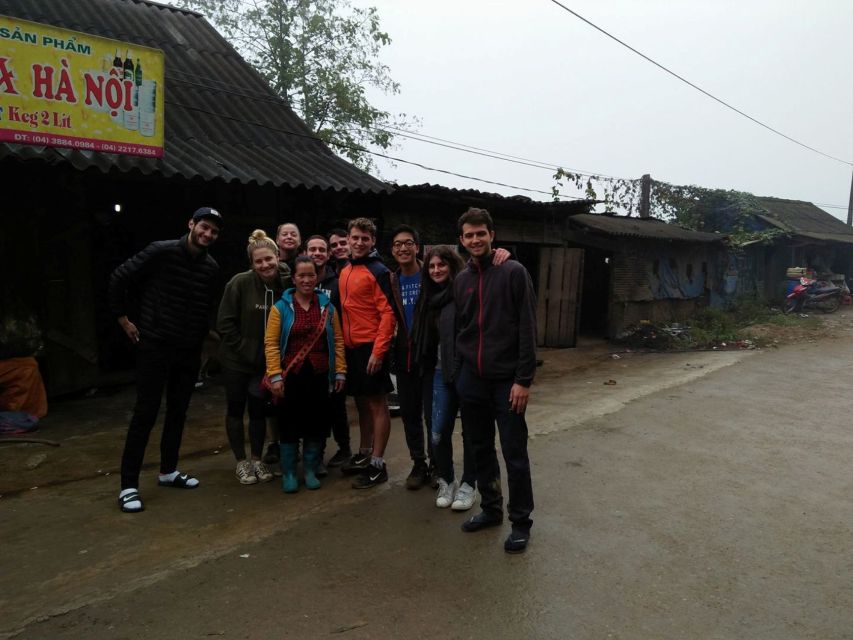
The overnight stay is the part that gives this trip its character. A short visit to a village can show you houses and rice fields, but staying overnight allows the day to end in the community rather than at a resort back in Sa Pa.
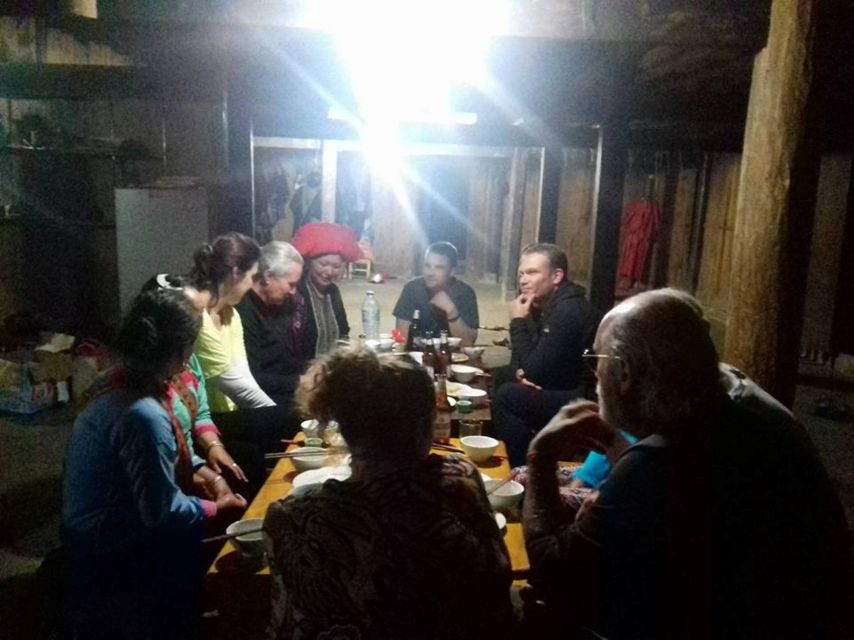
Dinner is hosted in the village and included in the price. The food is described as home-cooked and generous, with meals receiving some of the warmest praise. You may also be offered a local rice spirit, sometimes called happy water. Enjoy it carefully, since the next morning begins with another walk.
The evening is quiet. There may not be much to do after dinner, but that is less of a problem after 11 kilometers on foot. You can talk with the group, eat with the host family, and rest under warm blankets. The homestay is best understood as a cultural stay with basic comfort, not as an evening entertainment program.
There is one practical concern to keep in mind. One report noted bedbugs in some beds. That does not mean every room has a problem, but it is a fair reason to pack a small sleep sheet or personal liner if you are sensitive about shared accommodation. Keep expectations sensible and ask the operator about current conditions if this is important to you.
Day two: bamboo forest, waterfall, and the Muong Hoa River
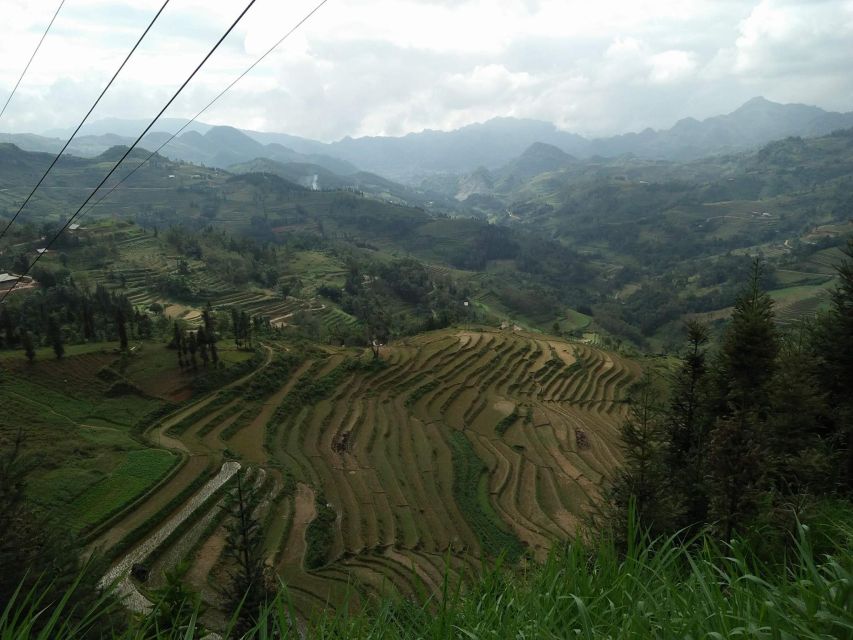
After breakfast at the homestay, you set out for roughly 8 kilometers on a dirt trail. This day is shorter, but it still involves uneven ground. The scenery changes as the route moves past a small H’mong village and toward a bamboo forest.
The bamboo section gives the trek a different feel from the open rice terraces of day one. You trade wide mountain views for a more enclosed trail, then continue toward a waterfall. The waterfall is a natural rest stop and a chance to cool down.
Swimming in the Muong Hoa River is part of the plan, but treat it as an optional pleasure rather than a guaranteed highlight in every season. Weather, water conditions, and your own comfort matter. Bring suitable clothing if you hope to swim, and remember that the trail may still be muddy afterward.
Lunch is served at a local restaurant before the return drive to Sa Pa. Two lunches are included, one on each day, along with the hosted dinner and homestay breakfast. Mineral water is also provided. Drinks beyond the included water are not covered, so carry some cash for anything extra.
The return transfer is by bus. Allow extra time if you have a tight onward connection. One outing involved a 40-minute wait in a van for another group, almost causing a missed bus to Hanoi. That may not happen on your departure, but it is sensible not to schedule an immediate connection after the tour ends.
More Sa Pa trips worth a second look
- Sapa 1 Day Long Trek: Trek to Hau Thao and Sa Seng Villages
★ 4.6 · 344 reviews - EXPLORE SAPA: 2D1N TREKKING & HMONG CULTURE WITH DINH
★ 4.9 · 191 reviews - Sa Pa: 6-Hours Muong Hoa Valley Trek with Local Ethnic guide
★ 4.5 · 178 reviews - Half Day Sapa Trekking to Visit Lao Chai – Ta Van
★ 4.7 · 126 reviews
What the $55 price really covers
At $55 per person, this is strong value if you want a guided overnight trek rather than a series of quick photo stops. The package includes an English-speaking guide, entrance tickets, two lunches, a village dinner, breakfast, homestay accommodation, mineral water, and return transport to Sa Pa.
You are also paying for local organization. The guide handles the route and cultural explanation, while the homestay and meals make the overnight section possible without requiring you to arrange separate lodging. For a two-day experience, the cost is modest.
The price does not include drinks. There is also a $30 per-person surcharge for Lunar New Year from January 26 through February 2, 2025, payable at the meeting point. Check the current dates and price when booking, since seasonal charges can change.
The tour offers free cancellation up to 24 hours before departure and a reserve-now, pay-later option. Those policies are useful if your Sa Pa plans depend on weather or changing transport, but they do not remove the need to check the start time and return schedule carefully.
Weather, footwear, and physical demands
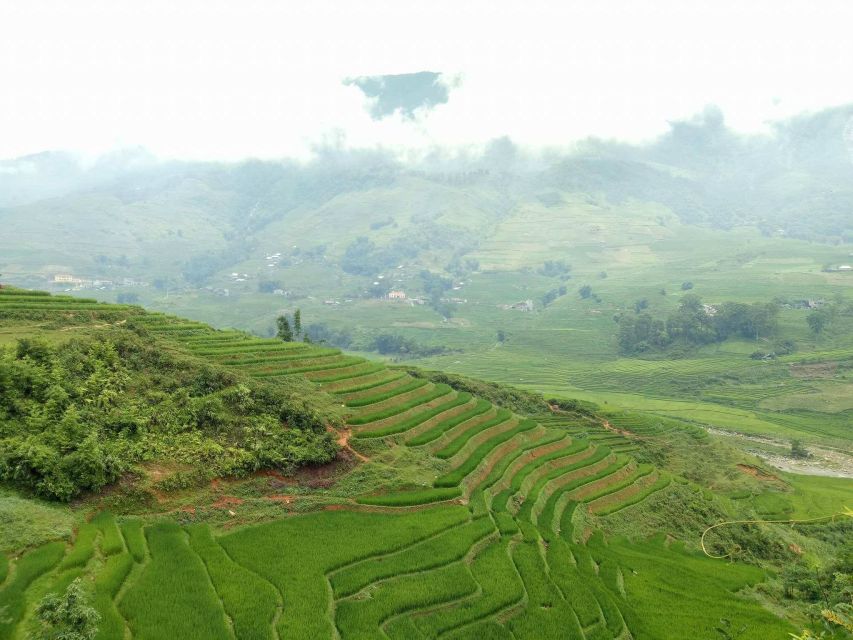
You should take the word trekking seriously. The route is suitable for a healthy person who can walk several hours over dirt trails and uneven ground, but it is not designed for a mobility-impaired participant or anyone who needs a fully accessible route.
Rain is the biggest practical issue. Wet paths can become slick on the descent into the valley, and mud may slow the group. Local assistance can help, but it does not replace proper shoes. Bring trekking shoes with solid grip, not smooth-soled sneakers.
Warm clothing is recommended from October through March. Pack sunglasses, sunscreen, insect repellent, and comfortable walking clothes. A light waterproof layer is also sensible, though only the listed essentials are specifically required.
The activity is not suitable for children under six, pregnant women, people with back problems, or people with mobility impairments. If you are unsure about your fitness, remember that the guides can adjust the pace and sometimes offer shorter or longer route choices, but the terrain itself remains uneven.
The people and the cultural side
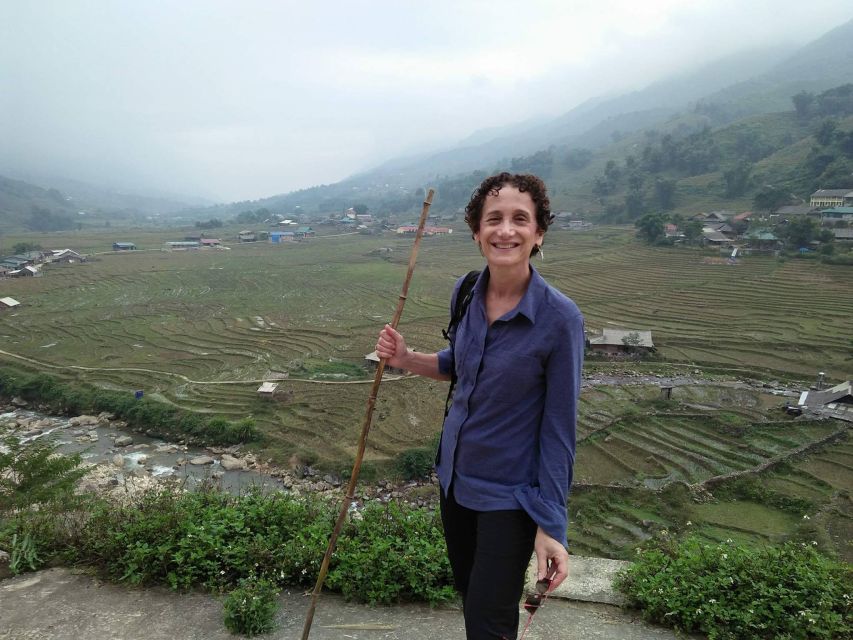
The most valuable part of the trip is the human context. You visit H’mong and Dzay communities, see village homes, and spend a night with a Dzay host family. That does not turn the trek into a formal cultural class. Instead, the information arrives while you are walking, eating, and observing everyday surroundings.
Guides Lan and Khu are particularly good names to look for when reading current departure details, although guide assignments can change. Lan is praised for explaining H’mong culture, answering questions, and keeping the mood light. Khu is described as friendly, patient, and eager to share local knowledge. Other guides, including Nhu and Son, have also received praise for kindness and organization.
Respect matters. Ask before taking photographs of people or entering homes, listen when your guide explains local customs, and avoid treating the villages as scenery alone. The walking route passes through living communities, not an open-air museum.
The informal help from local women can be useful, but you should approach those encounters with balance. Accept assistance if you need it, then handle any sales requests with a firm but courteous answer. Carrying small cash may be convenient, but do not feel that a purchase is the price of receiving help.
Who should book this Sa Pa trek?
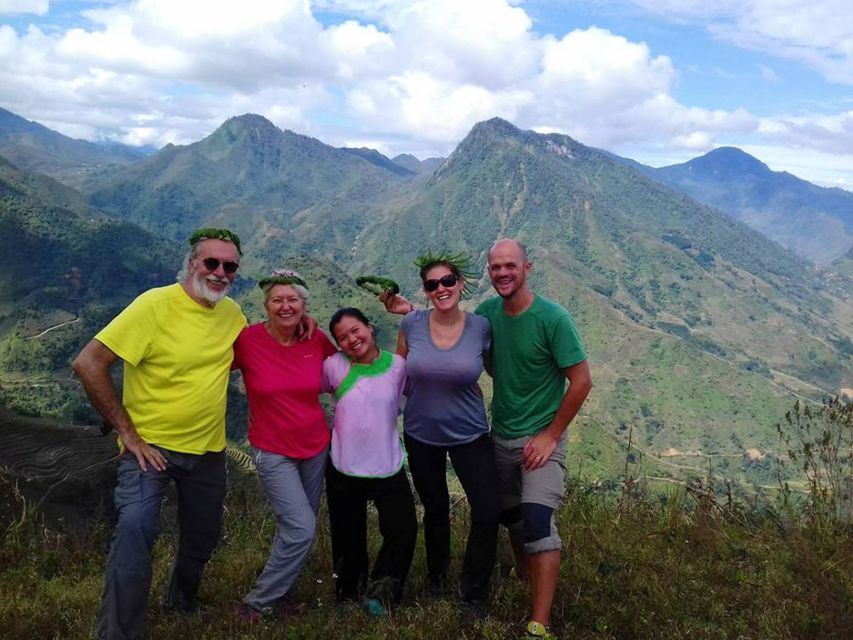
I would choose this trip if you want mountain views plus a closer look at village life. It suits people who enjoy active days, simple lodging, shared meals, and small-group conversation.
It is also a good choice if you have only two days in Sa Pa and want more than a half-day walk. The overnight stay makes the experience feel less rushed, and the second day adds bamboo forest, a waterfall, and the river rather than repeating the first day’s scenery.
I would think twice if you need reliable hotel comfort, dislike mud, or have an important bus connection immediately after the return transfer. The homestay is comfortable by village standards, but it is still basic. Bad weather can make the trek much harder than the mileage suggests.
For the best chance of wide views, weather matters more than any promise in the schedule. Cloud and rain can hide Fansipan and soften the terrace views, but they also create a more demanding walk. Go prepared, and you will have a better time in either case.
Should you book it?
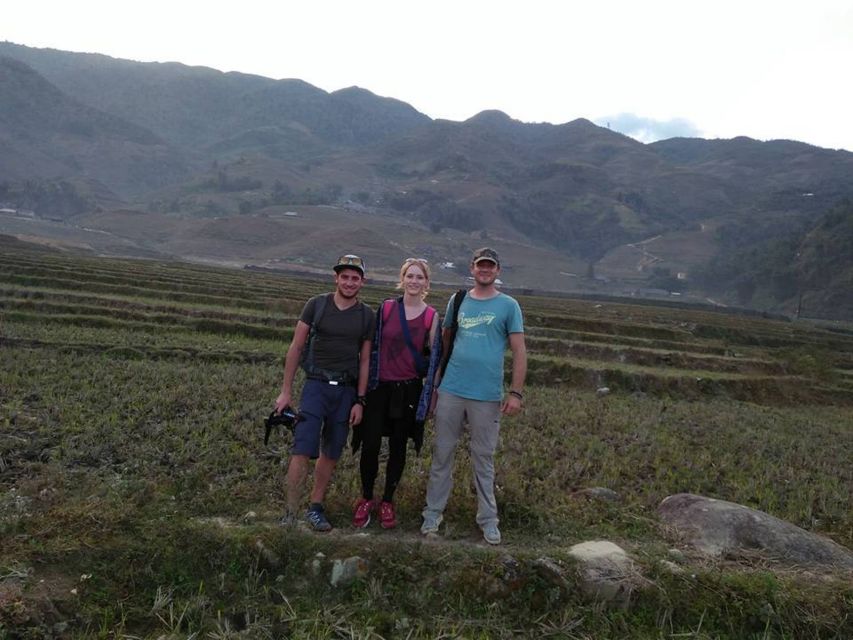
Book this two-day Sa Pa trekking trip if you want a reasonably priced route with real walking, local meals, and an overnight village stay. The strongest reasons are the varied itinerary, helpful English-speaking guides, small groups, and the chance to meet H’mong and Dzay communities in a more natural setting.
Skip it if you need accessible paths, private hotel rooms, or a precise return time. For everyone else, $55 buys a lot: two days of scenery, several meals, a homestay, a guide, tickets, water, and transport. Bring shoes that can get muddy, keep your schedule flexible, and treat the homestay as part of the adventure rather than a substitute for a city hotel.
FAQ
How long is the trek each day?
The first day covers about 11 kilometers from Sa Pa through Y Linh Ho and Lao Chai to Ta Van. The second day covers about 8 kilometers from Ta Van through the bamboo forest and Giang Ta Chai before returning to Sa Pa.
Where does the trek start?
Pickup is available from hotels in Sa Pa town center. The activity begins in Sa Pa before continuing into the Muong Hoa Valley.
Where do I sleep overnight?
You spend the night at a homestay in a Dzay ethnic minority village in Ta Van.
What meals are included?
The tour includes two lunches at local restaurants, one hosted dinner in the village, and one breakfast at the homestay. Mineral water is also included.
Is the guide English-speaking?
Yes. The tour includes a live English-speaking guide. Guides named Lan, Khu, Nhu, Son, Coo, and Lang have led departures.
Is the trek difficult?
The route is described as suitable for a healthy person, but it includes dirt trails, uneven ground, and slippery mud after rain. Comfortable trekking shoes are important.
What should I bring?
Bring comfortable trekking shoes, warm clothing, sunglasses, sunscreen, and insect repellent. Warm clothes are especially recommended from October through March.
Is the tour suitable for children or people with mobility concerns?
It is not suitable for children under six, pregnant women, people with back problems, people with mobility impairments, or disabled people.
What happens if I need to cancel?
You can cancel up to 24 hours in advance for a full refund. A reserve-now, pay-later option is also available.
More 2-Day Experiences in Sa Pa
- From Hanoi: 2-Day 2-Night Sapa Tour by Overnight Train
★ 4.4 · 96 reviews - 2-Day Fansipan Mountain Trek – Indochina’s Highest Peak
★ 4.3 · 42 reviews - From Sapa Homestay Hideaway 2-Day Local Life Adventure
★ 4.7 · 26 reviews - From Hanoi: Explore Sapa 2-Day Tour
★ 4.3 · 22 reviews
Recently reviewed around Sa Pa
- Sapa3D2N TrekkingAdventures,Valleys,Bambooforest,Waterfall★ 4.8 · 24 reviews
- Sapa: Y Linh Ho – Lao Chai, and Ta Van Trekking Day Tour★ 5.0 · 25 reviews
- Sapa: Ta Phin Village Trek & Red Dao Herbal Bath★ 5.0 · 22 reviews
- Sapa Trekking Bargains With Local Guide★ 4.9 · 91 reviews
- Sapa: Muong Hoa Mountain Views and Villages Trek with Lunch★ 4.3 · 28 reviews
- From Sapa: Guided Full-Day Trekking with Lunch and Drop-Off★ 4.2 · 86 reviews
- Sapa: Motorbike Tour 1 Day Visit Waterfalls & Local Villages★ 5.0 · 112 reviews
- Sapa: Private Highlights Day Tour with Lunch★ 4.8 · 61 reviews
Hiking & Trekking, compared.

Halong Bay Full Day with Kayaking, Hiking viewpoint, Cave – Deluxe To Luxury
Read our review →
Muong Hoa Valley Trek and Local Ethnic Villages
Read our review →
Sapa 3 Days 2 Nights Trekking Tour (1 Night In Ta Van Village, 1 Night In Hotel)
Read our review →
Eco Adventure Terrace Fields and Local Villages Trek
Read our review →
3-Day Trekking Adventure of Sapa from Hanoi – Stay Ta Van Village
Read our review →
Number one top rated ethical cultural trekking and homestay by ETHOS
Read our review →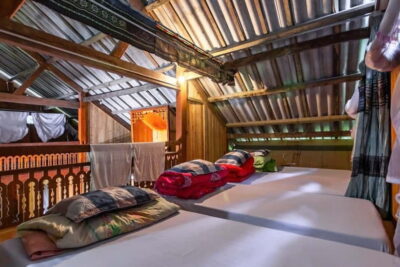
2-Day Sa Pa Ethnic Homestay Tour & Trek with Limousine Bus
Read our review →Browse the lists this tour appears in