
Reviewed · HIKING & TREKKING
EXPLORE SAPA: 2D1N TREKKING & HMONG CULTURE WITH DINH
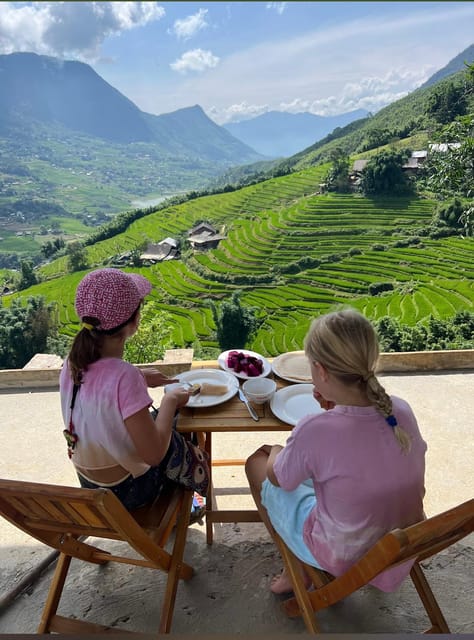
The most meaningful part of this Sapa trek is not simply reaching a waterfall or taking photos of rice terraces. It is spending the night with Dinh, a Hmong woman from Ta Van, and seeing how a local family has turned guiding and hospitality into support for children’s education. I especially like the small-group village setting and the chance to hear about Hmong and Giay life from someone who lives there. I also like that the meals, homestay, guide, village fees, and return transport are included for $43.
You should know what you are signing up for: this is an 18-kilometer mountain trek, not a gentle stroll. Mud, steep paths, wet rice-field tracks, and uneven ground are possible, especially after rain. The schedule is useful, but group size and lunch delays can sometimes push the finish later than the stated 2 to 3:30 PM window.
In This Review
- Key points at a glance
- Why this Sapa trek feels different
- Day 1: Sapa to Y Linh Ho, Lao Chai, and Ta Van
- The Ta Van homestay and family evening
- Day 2: Bamboo forest, Giang Ta Chai, and the Red Dao area
- How hard is the 18-kilometer trek?
- What the $43 price includes
- Who should book this experience?
- Should you book Dinh’s Sapa trek?
- FAQ
- How long is the Sapa trek?
- Where does the trek start and finish?
- Where do you stay overnight?
- Are meals included?
- Can you swim at the waterfall?
- What should you do with large bags?
- Is the trek suitable for children?
- What happens if you need to cancel?
Key points at a glance

- A real family homestay: Sleep at Dinh’s home in Ta Van, with private-room or bungalow options available by request.
- Two distinct trekking days: Walk from Sapa to Ta Van on Day 1, then through bamboo forest and Giang Ta Chai on Day 2.
- Local culture with a personal guide: Dinh explains Hmong, Giay, and Red Dao traditions, clothing, farming, and village life.
- A community-minded stay: Evening activities include meeting children connected with Dinh’s education project.
- Excellent food value: Two lunches, dinner, and breakfast are included, with vegetarian meals available.
- Bring serious footwear: Rain can turn the trails muddy and slippery, so hiking shoes matter more than stylish clothes.
Why this Sapa trek feels different
Sapa has plenty of short walks and photo stops. This outing gives you two days to move through the valley at walking pace, from the town down to rural villages and then back by a different route. That extra night changes the experience. You are not just looking over the terraces from a roadside viewpoint. You sleep among them, eat in a local home, and have time to ask questions.
Dinh leads the experience with help from relatives such as Su, Ku, Zu, Mo, and other family members, depending on the group. The exact guide arrangement can vary, but the focus remains personal. You can expect explanations about the Hmong way of life and the differences between nearby ethnic communities, rather than a quick march from one viewpoint to the next.
The evening is part of the main attraction. After dinner, Dinh shares her own story and talks about her work helping local children attend school. Children may perform a traditional dance, and you can spend time with them before joining in local drinking games with happy water, a rice wine commonly served in the area.
This is not a polished resort stay. The charm comes from the ordinary details: a family kitchen, a hot shower, basic but comfortable sleeping quarters, and a mountain view from the homestay. If you want a highly managed hotel-style tour, choose something else. If you want direct contact with local life, this is the right sort of plan.
More Hiking Tours in Sapa
- Sa Pa: Muong Hoa Valley Trek and Local Ethnic Villages
★ 4.6 · 864 reviews - Sapa: Eco Adventure Terrace Fields and Local Villages Trek
★ 4.9 · 636 reviews - From Sapa: 1-Day Guided Trek to Lao Chai & Ta Van with Lunch
★ 4.9 · 416 reviews
Day 1: Sapa to Y Linh Ho, Lao Chai, and Ta Van
The trek begins at 9:00 AM with pickup at your hotel in Sapa Town or a meeting outside the main church. That start gives you time to have breakfast and prepare, but do not arrive with a heavy suitcase. Bring a daypack with water, sunscreen, mosquito spray, cash, and a change of clothes.
The route drops from Sapa toward Y Linh Ho. The first part gives you broad views across steep hills, rice terraces, and mountain valleys. The word drops matters here. Downhill walking can be hard on your knees, and wet ground makes the descent less secure. Wear shoes with a firm grip and expect your footwear to get dirty.
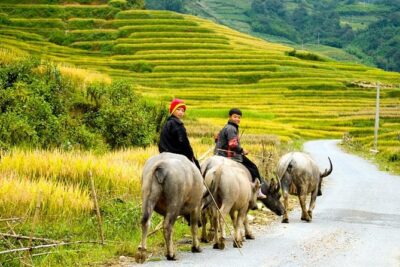
Y Linh Ho is a good early stop because the setting quickly feels more rural than Sapa Town. You walk through cultivated slopes and paths connecting local communities. Depending on the time of year, the terraces may show newly planted rice, mature green crops, or golden fields ready for harvest. The scenery changes with the farming calendar, so no two visits look quite the same.
Lunch comes at a small restaurant run by a local Hmong family. It is a practical break rather than a formal restaurant meal, and it gives you a chance to refuel before the longer afternoon walk. Two lunches are included in the price, but extra drinks are not, so carry some cash for bottled water, beer, or other purchases.
From there, the trail continues to Lao Chai, one of the oldest and largest Hmong villages in the area. Dinh uses this section to explain how different ethnic groups live, work, dress, and organize their communities. Her personal connection makes these details easier to understand than a general museum display or a guidebook paragraph.
Lao Chai is also where the realities of popular trekking become more visible. Some local sellers may approach you with handmade goods or other items. Buying something can support local families, but you should not feel obliged to purchase. A friendly, clear answer is enough.
The final section leads to Ta Van, a village associated with both Hmong and Giay communities. Rice terraces surround the area, and you may see people planting or harvesting, depending on the season. The walk can feel tiring by this point, especially in heat or rain, but the reward is arriving at the homestay rather than returning to town.
The Ta Van homestay and family evening
Dinh’s family homestay is one of the strongest reasons to choose this trip. Accommodation is simple, authentic, and cozy, with basic amenities. You can request a private room or a bungalow with a mountain and rice-terrace view when booking. The exact option depends on availability, so state your preference early.
A hot shower is available after the trek, and the sleeping arrangements are described as comfortable by people who stayed there. One useful cold-weather detail is the heated blanket, which can be welcome in Sapa’s damp mountain climate. Still, remember that this is a family home, not a full-service hotel. Bring a small toiletry kit and keep your expectations practical.
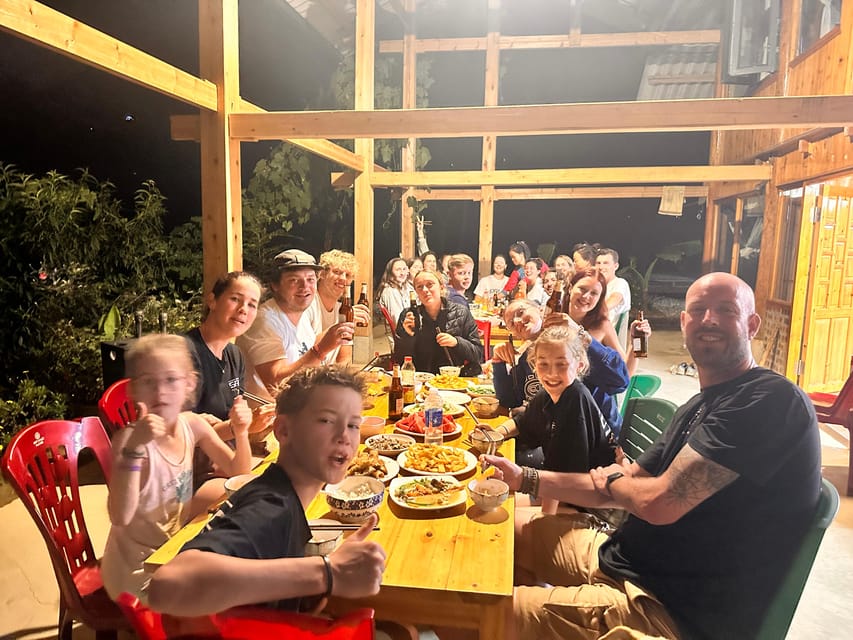
The meal preparation gives you a chance to take part instead of simply sitting down at a table. You may join Dinh’s family for an informal cooking session before dinner. The food uses fresh local ingredients, and vegetarian meals are available for breakfast, lunch, and dinner. Portions are generous, which is good news after several hours on the trail.
Dinner also opens the door to conversation. Dinh shares how she learned English, built her guiding work, and began helping children in the community with their education. The project gives the money you spend a clear local purpose, though it is still wise to view it as a personal community effort rather than a formal charity program with detailed public reporting.
The children’s dance and evening games add warmth, but they may not suit every personality. If you do not drink alcohol, you can simply decline the rice wine. Families with children may enjoy meeting the younger members of the household, while solo visitors often find the shared meal an easy way to connect with the group.
Day 2: Bamboo forest, Giang Ta Chai, and the Red Dao area
The second day starts more gently, with coffee or tea at the homestay and breakfast before walking. That quiet morning is a real benefit of staying overnight. You can wake to the valley instead of rushing out of Sapa with a daypack and a camera.
The route covers about 7 to 8 kilometers and takes around four hours. You walk through bamboo forest and rice terraces toward Giang Ta Chai. The forest section feels cooler and more enclosed than the open terrace paths of Day 1, giving the two days a useful change of pace.
Giang Ta Chai’s waterfall is the main natural stop. You can swim if conditions are suitable and if you want a cold-water break. Bring a swimsuit or quick-drying clothes if swimming appeals to you, and pack a plastic bag for wet items. Swimming is optional, so you can also sit near the water and rest.
The trail then enters an area associated with the Red Dao ethnic group before reaching the main road. This section adds another cultural layer to the walk. Dinh’s explanations help you see that Sapa is not one single cultural destination. Several ethnic communities live in the same broad valley, with their own customs and traditions.
A final lunch comes before the taxi ride back to Sapa. Transport back to town is included, which saves you the trouble of arranging a ride from a rural village. The planned end time is between 2:00 and 3:30 PM, but allow extra room if you have a bus, train, or other fixed departure.
One group of 13 had a slower second-day lunch and a delay moving bags to the main road, finishing closer to 4:30 PM. That is not a reason to reject the trip, but it is an important planning tip. If you have an evening bus, avoid scheduling it too tightly.
More Sa Pa trips worth a second look
- Sapa 1 Day Long Trek: Trek to Hau Thao and Sa Seng Villages
★ 4.6 · 344 reviews - Sa Pa: 6-Hours Muong Hoa Valley Trek with Local Ethnic guide
★ 4.5 · 178 reviews - Sa Pa: 2-Day Trekking Trip with Ethnic Minority Homestay
★ 4.7 · 145 reviews - Half Day Sapa Trekking to Visit Lao Chai – Ta Van
★ 4.7 · 126 reviews
How hard is the 18-kilometer trek?
The stated fitness level is moderate. Over two days, you walk roughly 9 to 11 kilometers on Day 1 and 7 to 8 kilometers on Day 2, with about 5.5 hours of walking on the first day and four hours on the second.
Distance alone does not tell the full story. The paths can be steep, narrow, muddy, soggy, and uneven. Rain the night before can change the footing, and the hills make the route more demanding than the numbers suggest. You do not need advanced climbing skills, but the packing list’s reference to climbing gear reflects the rough nature of parts of the trail more than a need for technical equipment.
The guide team can offer easier or harder route choices and adjust the walk during the day. That flexibility helps, but you should still be comfortable walking for several hours. Good hiking shoes are essential. Trainers may work in dry weather, but they are a poor choice for wet slopes.
Pack lightly. If your hostel allows it, leave your main bag in Sapa and carry only what you need for one night. If you have nowhere to store it, Dinh can help transport the bag to her house, so you do not need to carry it over the trail.
Useful items include:
- Hiking shoes with solid grip
- A daypack
- Water and the provided large bottle
- Sun hat and biodegradable sunscreen
- Mosquito spray
- Cash for drinks or local purchases
- Dry clothes for the homestay
- A swimsuit if you want to swim at the waterfall
What the $43 price includes
At $43 per person, this is strong value for a two-day mountain experience. The price covers a local guide for both days, entry fees for four villages, one night of accommodation, two lunches, dinner, breakfast, one large bottle of water per person per day, and the taxi back to Sapa.
Meals make a big difference to the cost. You are not paying separately for the main food stops, and vegetarian options are available. The homestay also removes the need to arrange a separate night in Ta Van, while the return transport solves the final logistics.
The low price does come with trade-offs. The accommodation is basic, the group is shared, and extra drinks cost more. You may also encounter local sellers along the route. In other words, you are paying for a community-based walking trip, not a private luxury excursion.
Group size can vary. Smaller groups give you more direct conversation and easier pacing, while a larger group may slow lunch and bag transfers. If your schedule is tight, ask about the expected group size and leave several hours of flexibility after the planned finish.
Booking is flexible, with reserve-now and pay-later availability and full refunds for cancellations made at least 24 hours ahead. Children under three can join free if you inform Dinh in advance. The experience is not suitable for people over 95, and the moderate fitness requirement matters more than the age rule for most people.
Who should book this experience?
I would choose this trek if you want scenery and personal contact in equal measure. It suits nature lovers, solo visitors, couples, and families with older children who can manage a full day on uneven mountain paths.
It is especially good for anyone who wants to understand more about Hmong culture through conversation and a home stay. Dinh’s personal story and education work give the visit more meaning than a standard route with only photo stops.
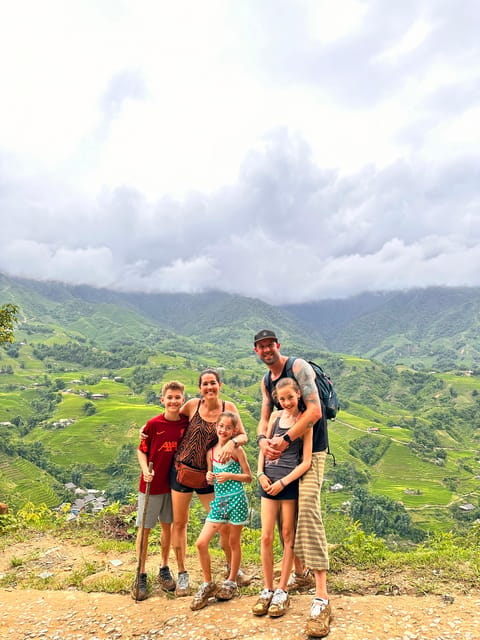
Families should note that children have been well supported on the walk, with relatives helping and, when needed, carrying younger children for short periods. Still, the terrain remains demanding, so parents should judge their child’s stamina and comfort with mud, steep trails, and several hours outdoors.
You may want another option if you need a guaranteed private tour, polished accommodation, strict departure times, or easy paved paths. This trip is also a poor fit if you dislike group activities, family-style meals, or being around children and local social customs.
Should you book Dinh’s Sapa trek?
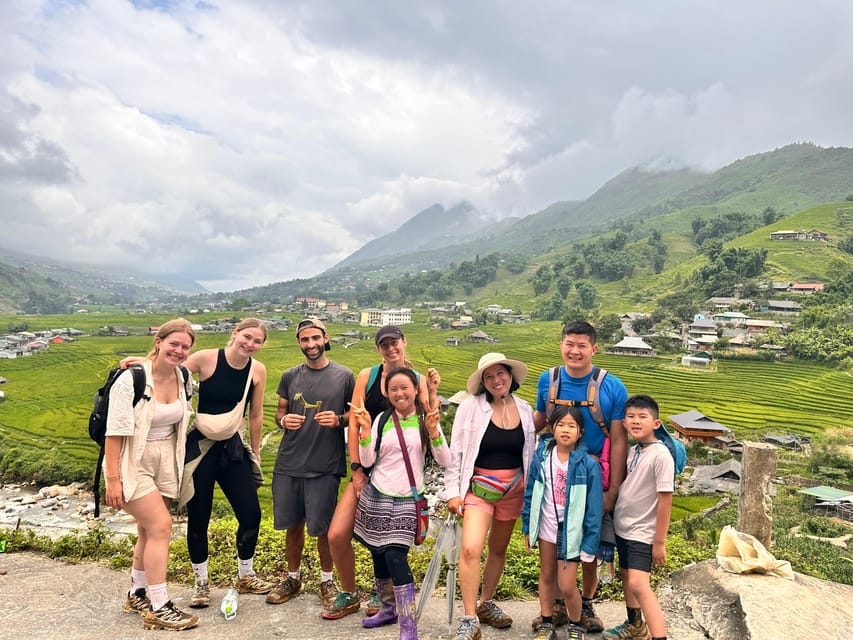
Yes, if you want an affordable two-day route with a real family homestay, strong scenery, and a guide who connects the walk to her own community. The combination of rice terraces, bamboo forest, village paths, local meals, and a waterfall swim gives you plenty to do without making the trip feel rushed.
Go prepared for mud, basic rooms, possible schedule changes, and extra spending on drinks or crafts. Book before 1:00 PM on the first day if you want the complete itinerary, request your preferred room type early, and avoid placing a tight bus connection after the tour.
For $43, this is an unusually full Sapa experience. You get the views, but you also get the people, stories, food, and family setting that make the valley more than a series of viewpoints.
FAQ
How long is the Sapa trek?
The trek covers about 18 kilometers over two days and one night. Day 1 is approximately 9 to 11 kilometers and takes about 5.5 hours. Day 2 is approximately 7 to 8 kilometers and takes about four hours.
Where does the trek start and finish?
The tour starts at 9:00 AM from your hotel in Sapa Town or outside the local main church. It finishes after lunch on Day 2, with a taxi taking you back to Sapa from the village area.
Where do you stay overnight?
You stay at Dinh’s family homestay in Ta Van Village. The accommodation is simple and has basic amenities. A private room or a bungalow with a mountain and rice-terrace view may be requested when booking.
Are meals included?
Yes. The price includes two lunches, one dinner, and one breakfast. Vegetarian options are available for all meals. Extra drinks during the trek, including bottled water or beer, are not included.
Can you swim at the waterfall?
Yes, swimming at the Giang Ta Chai waterfall is an optional activity. Bring suitable swimwear and something to carry wet clothing if you plan to enter the water.
What should you do with large bags?
Ask your hostel if you can leave large bags there and bring only the essentials. If that is not possible, Dinh can help transport your bags to her house so you do not have to carry them during the trek.
Is the trek suitable for children?
Children under three can join free, but you should inform Dinh in advance. The route has steep and uneven sections, so children need to be able to cope with a moderate two-day trek.
What happens if you need to cancel?
You can cancel up to 24 hours before the experience for a full refund. The tour also offers a reserve-now and pay-later option.
More 2-Day Experiences in Sa Pa
- From Hanoi: 2-Day 2-Night Sapa Tour by Overnight Train
★ 4.4 · 96 reviews - 2-Day Fansipan Mountain Trek – Indochina’s Highest Peak
★ 4.3 · 42 reviews - From Sapa Homestay Hideaway 2-Day Local Life Adventure
★ 4.7 · 26 reviews - From Hanoi: Explore Sapa 2-Day Tour
★ 4.3 · 22 reviews
Recently reviewed around Sa Pa
- Sapa3D2N TrekkingAdventures,Valleys,Bambooforest,Waterfall★ 4.8 · 24 reviews
- Sapa: Y Linh Ho – Lao Chai, and Ta Van Trekking Day Tour★ 5.0 · 25 reviews
- Sapa: Ta Phin Village Trek & Red Dao Herbal Bath★ 5.0 · 22 reviews
- Sapa Trekking Bargains With Local Guide★ 4.9 · 91 reviews
- Sapa: Muong Hoa Mountain Views and Villages Trek with Lunch★ 4.3 · 28 reviews
- From Sapa: Guided Full-Day Trekking with Lunch and Drop-Off★ 4.2 · 86 reviews
- Sapa: Motorbike Tour 1 Day Visit Waterfalls & Local Villages★ 5.0 · 112 reviews
- Sapa: Private Highlights Day Tour with Lunch★ 4.8 · 61 reviews
Hiking & Trekking, compared.

Halong Bay Full Day with Kayaking, Hiking viewpoint, Cave – Deluxe To Luxury
Read our review →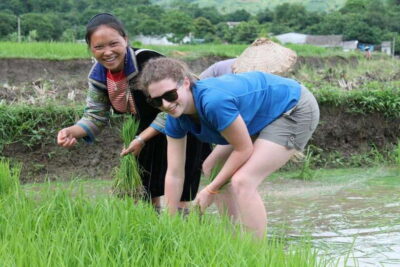
Muong Hoa Valley Trek and Local Ethnic Villages
Read our review →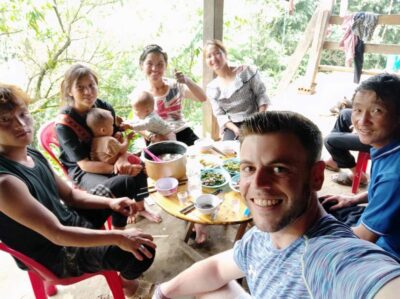
Sapa 3 Days 2 Nights Trekking Tour (1 Night In Ta Van Village, 1 Night In Hotel)
Read our review →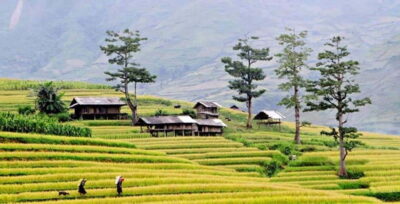
Eco Adventure Terrace Fields and Local Villages Trek
Read our review →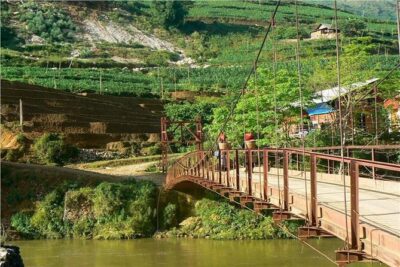
3-Day Trekking Adventure of Sapa from Hanoi – Stay Ta Van Village
Read our review →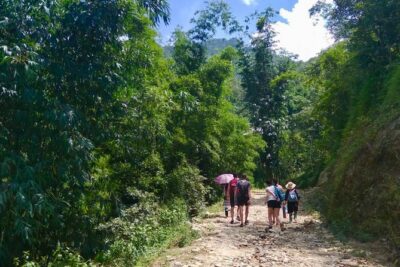
Number one top rated ethical cultural trekking and homestay by ETHOS
Read our review →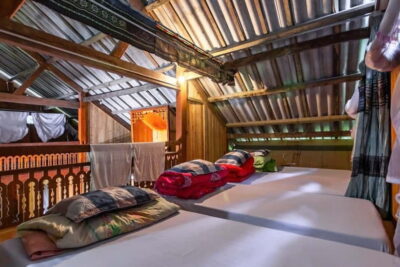
2-Day Sa Pa Ethnic Homestay Tour & Trek with Limousine Bus
Read our review →Browse the lists this tour appears in