
Reviewed · HIKING & TREKKING
Sa Pa: 6-Hours Muong Hoa Valley Trek with Local Ethnic guide
Muong Hoa Valley is where Sa Pa’s famous rice terraces become a real walk, not just a photo stop. This six-hour route leads downhill from Sa Pa through Y Linh Ho, Lao Chai, and Ta Van, with Black Hmong and Dzay communities along the way. The scenery is superb, but the path can turn into a muddy test of balance.
I like the direct contact with village life, especially the chance to see hemp weaving, batik, indigo dyeing, rice farming, and traditional homes rather than simply viewing the valley from a road. I also like the small group, capped at 11 people, and the help available on tricky sections from local women who know every bend in the path.
The main catch is the trek itself. It covers about 10 kilometers, mostly downhill or over uneven ground, and can be slippery after rain. If you are not comfortable walking for several hours, this is not a gentle sightseeing outing.
In This Review
- Key points to know before booking
- Why the Muong Hoa Valley route works so well
- From Sa Pa to Y Linh Ho in 20 minutes
- Lao Chai and the best rice terrace views
- Hmong crafts: indigo, batik, and hemp
- Lunch at a local restaurant
- Ta Van and the Dzay way of life
- Weather, footwear, and the real difficulty
- Guides, group size, and transport
- What this tour gets right, and where it falls short
- Should you book the Muong Hoa Valley trek?
- FAQ
- How long is the Muong Hoa Valley trek?
- Which villages does the trek visit?
- Which ethnic communities do you learn about?
- Is lunch included in the price?
- Is the trek suitable for older people?
- What should I wear and bring?
- Is the route suitable for wheelchair users?
- Is hotel pickup available?
- Can I cancel the booking?
Key points to know before booking
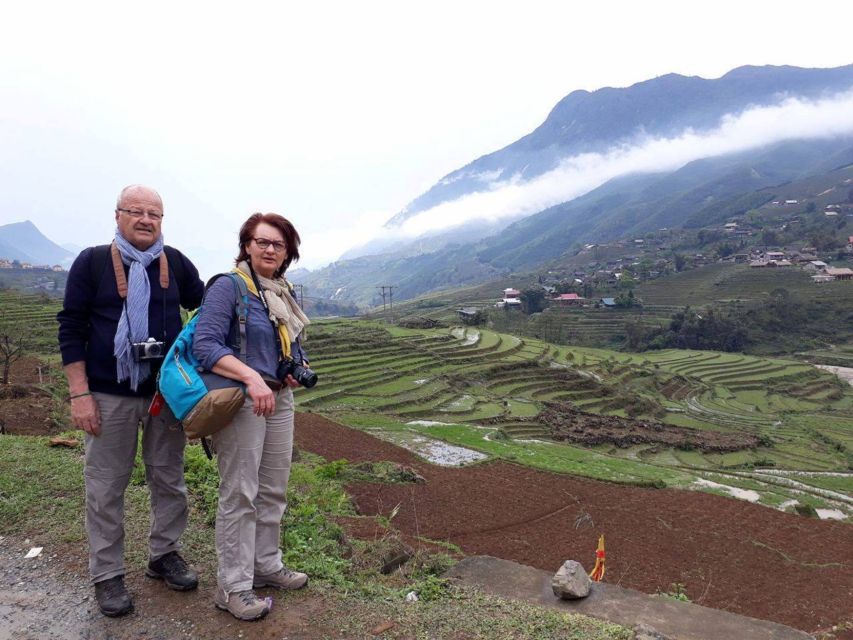
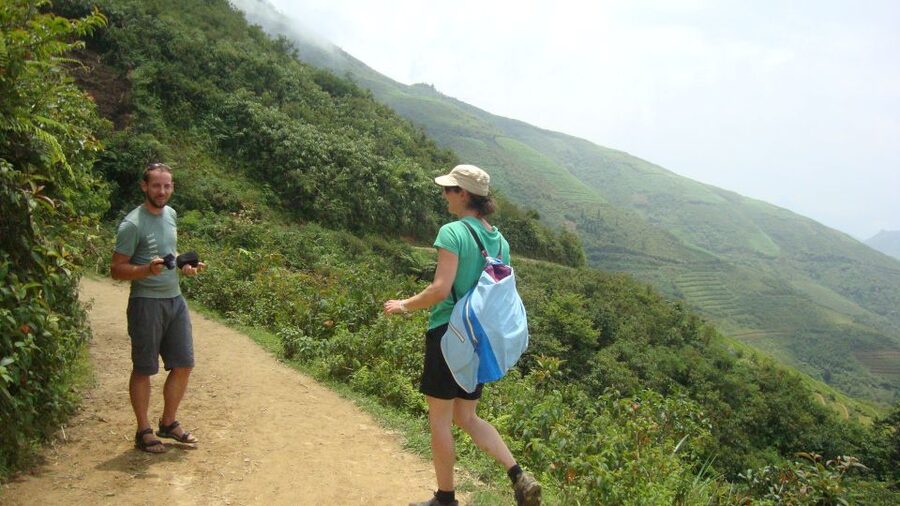
- About 10 kilometers on uneven paths: Expect dirt, stone, concrete, slopes, rice-field edges, and bamboo or forest sections.
- Three villages in one route: Y Linh Ho, Lao Chai, and Ta Van each offer a different look at rural life.
- Black Hmong and Dzay culture: You learn about contrasting dress, customs, crafts, homes, and farming practices.
- Local help on difficult ground: Women from nearby communities may assist you across muddy or steep sections.
- Lunch costs extra: A local restaurant meal is available, but food and soft drinks are not included in the tour price.
- Return by bus, not on foot: The route is one-way, ending in Ta Van before transport brings you back to central Sa Pa.
Why the Muong Hoa Valley route works so well
At $18 per person, this is unusually good value for a six-hour outing, provided you are fit enough for the walk. The fee includes transport by bus, an English-speaking guide, entrance tickets, and one 500-milliliter bottle of water.
You are paying for access as much as for transport. The route takes you away from Sa Pa’s busy center and into villages connected by footpaths, slopes, and rice terraces. An independent walk can show you the same views, but a local guide adds context about the Black Hmong and Dzay people and helps you follow the right route.
The small-group limit matters. With no more than 11 participants, the guide can usually keep an eye on the slower walkers and explain things without shouting across a large crowd. Past guides have included Sang, Sai, Su, and Dong, with Sang receiving especially warm praise for clear English, humor, and care on the trail.
The price does not include lunch, drinks, insurance, VAT, or personal purchases. Plan on carrying some extra money for food and perhaps a handmade item, but remember that buying is optional. One practical wrinkle is that the booking information lists different Lunar New Year surcharges for different years, including $20 and $30 per person. Confirm the current amount before you go.
More Hiking Tours in Sapa
- Sa Pa: Muong Hoa Valley Trek and Local Ethnic Villages
★ 4.6 · 864 reviews - Sapa: Eco Adventure Terrace Fields and Local Villages Trek
★ 4.9 · 636 reviews - From Sapa: 1-Day Guided Trek to Lao Chai & Ta Van with Lunch
★ 4.9 · 416 reviews
From Sa Pa to Y Linh Ho in 20 minutes
The walk begins with a scenic 20-minute stretch from Sa Pa toward Y Linh Ho village. This opening gives you time to leave the town behind and adjust to the pace before the rougher ground begins.
Y Linh Ho is associated with the Black Hmong community. The visit is not built around a grand monument or a formal show. Instead, you get a look at village life and a chance to speak with local people through your guide.
That ordinary setting is one of the route’s strengths. You can ask about farming, clothing, household work, and daily routines, though the depth of conversation will depend on your guide and the group. English is the tour language, and several guides have been praised for explaining village customs clearly.
Please handle this part of the day with care. Ask before photographing children, and do not touch children’s heads. Respectful behavior matters more here than collecting one more picture.
Lao Chai and the best rice terrace views
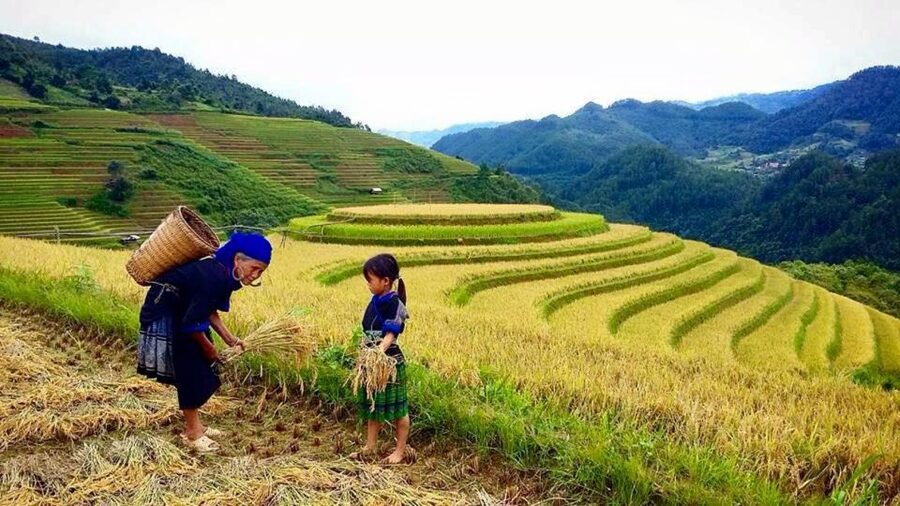
The route continues to Lao Chai, where the valley opens into broad views of terraced rice fields. This is the section that makes the trek worthwhile for many people. The terraces change with the season, and weather can alter the experience sharply.
In clear conditions, you may see layered fields and mountain scenery stretching through the valley. In winter, fog can hide much of the view, especially in the morning. That does not erase the cultural side of the trip, but you should not book a mountain walk expecting guaranteed blue skies.
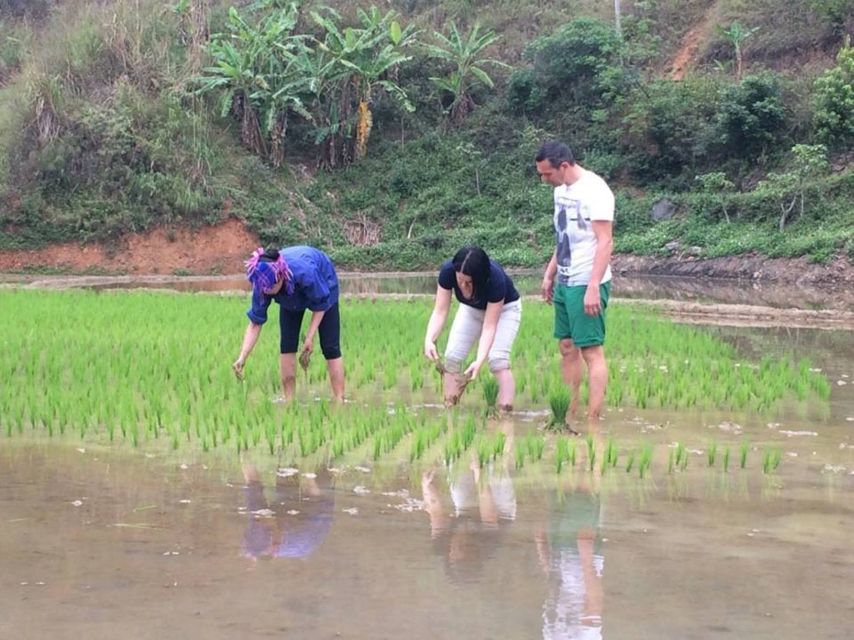
The path is often downhill, with uneven roads and narrow sections around fields. In dry weather, it may feel manageable for a reasonably fit person. In rain, the same route can become slick and demanding. Several people needed help descending muddy jungle or rice-field paths, and local women sometimes walk alongside the group to steady hikers.
That help is useful, but it can create a social complication. The women who assist may later offer handmade goods for sale. Some people appreciate the chance to buy directly from local makers, while others feel pressured, especially at lunch. You should feel free to thank them without buying, and decide in advance what you are comfortable spending.
Hmong crafts: indigo, batik, and hemp
Lao Chai also provides the clearest look at Hmong craft traditions. You may learn about indigo dyeing, batik making, and hemp weaving, all connected to clothing and household culture.
These activities add meaning to the costumes you see in the villages. Instead of treating traditional clothing as decoration, the guide can explain how materials are prepared and how patterns are made. You also get a better sense of the time and labor behind handmade textiles sold along the route.
The craft element is informative, but it is not a long workshop with guaranteed hands-on practice. The stated program is focused on experiencing and learning about the techniques. If you are hoping to make a full textile yourself, keep your expectations modest.
You will also encounter local products for sale. The goods can be attractive and handmade, but prices may be higher than you expect, and direct selling is part of the experience. Carry only the cash you are willing to use, and do not let gratitude for trail assistance turn into an obligation.
More Sa Pa trips worth a second look
- Sapa 1 Day Long Trek: Trek to Hau Thao and Sa Seng Villages
★ 4.6 · 344 reviews - EXPLORE SAPA: 2D1N TREKKING & HMONG CULTURE WITH DINH
★ 4.9 · 191 reviews - Sa Pa: 2-Day Trekking Trip with Ethnic Minority Homestay
★ 4.7 · 145 reviews - Half Day Sapa Trekking to Visit Lao Chai – Ta Van
★ 4.7 · 126 reviews
Lunch at a local restaurant
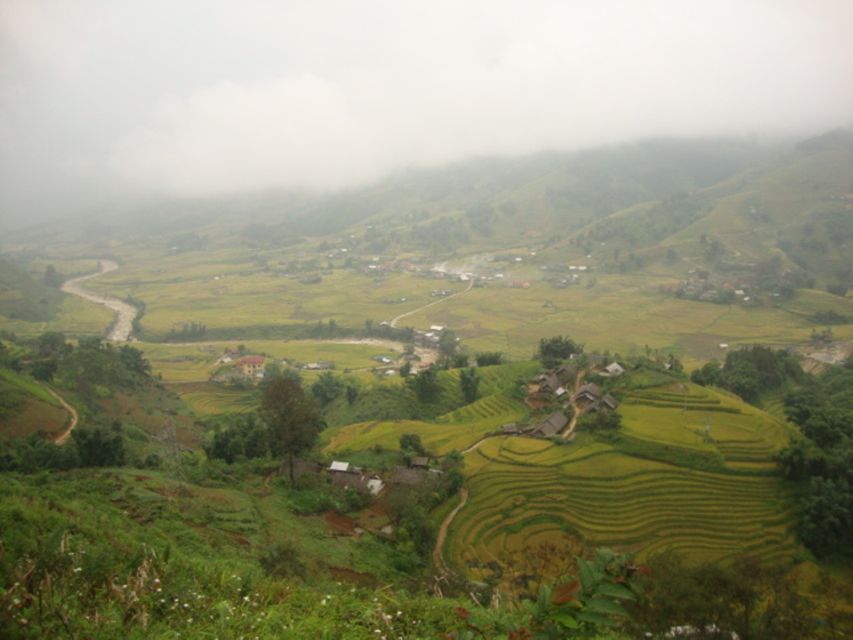
After the Lao Chai section, the group stops for lunch at a local restaurant. Food is not included, so you pay separately for the meal and any soft drinks.
The meal has received mixed impressions. Many people found it tasty, plentiful, and varied, while one account described it as bland. That is normal for a group meal in a rural setting, where dishes may be prepared for a broad range of tastes rather than seasoned aggressively.
The lunch stop can also be the most uncomfortable part of the day for some. Local women and children may approach the tables to sell crafts, and the selling can continue through the meal. If that bothers you, sit with your group, keep your response polite and firm, and remember that you do not need to purchase anything.
Even with that drawback, the stop gives you a useful break. Six hours on foot is a serious outing, and a seated meal lets you recover before the final section toward Ta Van.
Ta Van and the Dzay way of life
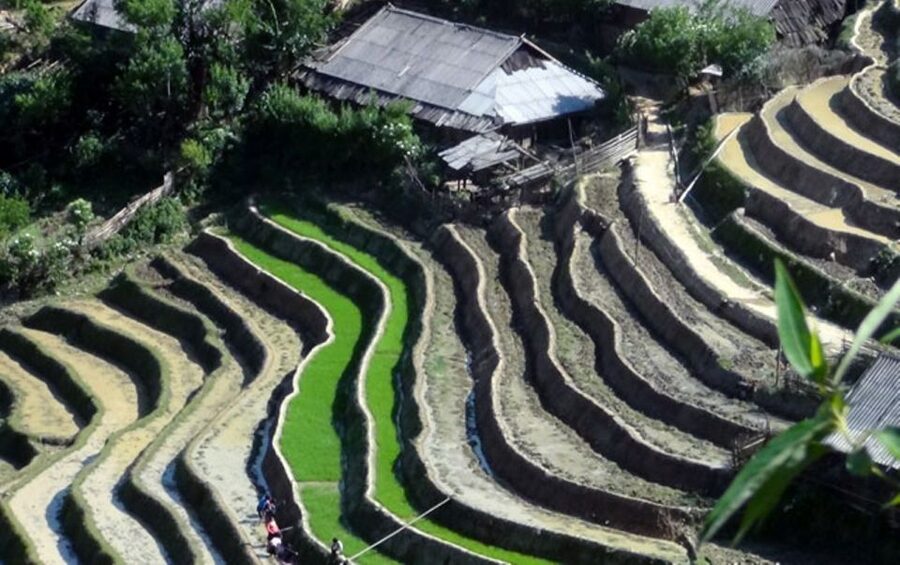
The trek ends at Ta Van village, home to members of the Dzay community. This adds a second cultural viewpoint after the Black Hmong villages earlier in the day.
The most interesting contrast is in customs and clothing. Your guide can help you notice differences rather than treating all minority communities around Sa Pa as one group. You may also visit traditional homes and hear about weaving and rice cultivation.
Ta Van is a good final walking section because it links household life with the valley’s farmland. Rice is not simply a scenic feature here. It shapes the work calendar, the terraces, and much of the local economy.
The route is not a loop. You keep walking forward through the valley, then take a bus back to the operator’s office in central Sa Pa. This is convenient after a tiring descent, but it also means you should not expect to return to your hotel directly unless the pickup and drop-off arrangements allow it.
Weather, footwear, and the real difficulty
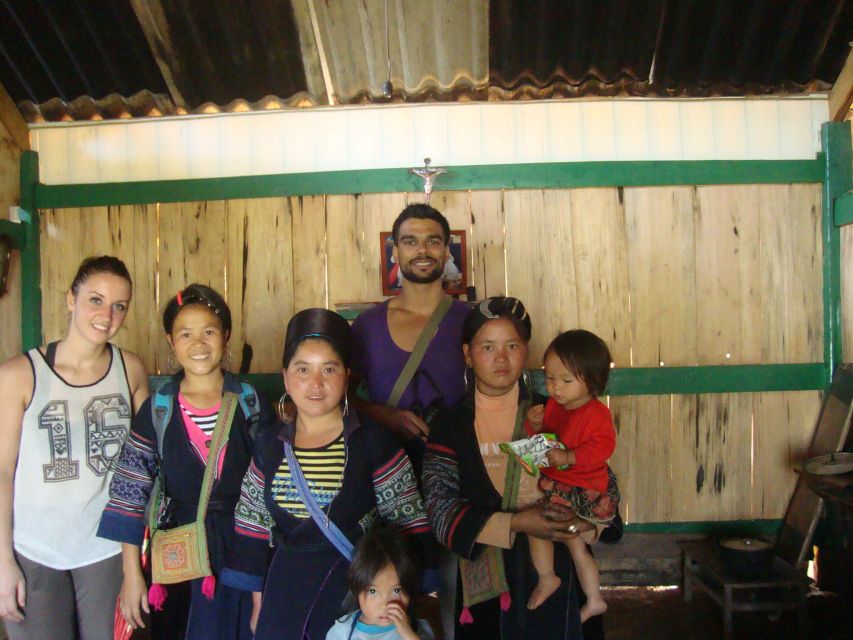
The tour description calls this a challenging 10-kilometer trek, and that warning deserves attention. You do not need to be an expert hiker, but you should be comfortable walking several hours on uneven ground, including downhill slopes.
Heat can make steep sections harder than the distance suggests. Rain is the bigger problem. Mud can cover shoes, bridges and narrow paths can feel awkward, and wet stone or concrete can be slippery. One practical tip from winter walkers is to bring an extra pair of shoes because your main pair may end the day thick with mud.
Wear proper trekking shoes, not smooth-soled sneakers. Between October and March, bring warm clothing, while in hot months you will want sun protection and enough water. The tour provides one 500-milliliter bottle per person, so you may want to bring more if you normally drink a lot while walking.
Useful items include:
- Trekking shoes with good grip
- Sunglasses and sun cream
- Insect repellent
- Warm layers from October through March
- Extra footwear if rain is in the forecast
- Cash for lunch, drinks, or optional purchases
This walk is not suitable for pregnant women, wheelchair users, people with mobility impairments, or children under six. Older people are specifically advised against the route because wet conditions can make it dangerous. Families with older children have completed it, but you should judge fitness rather than rely only on age.
Guides, group size, and transport
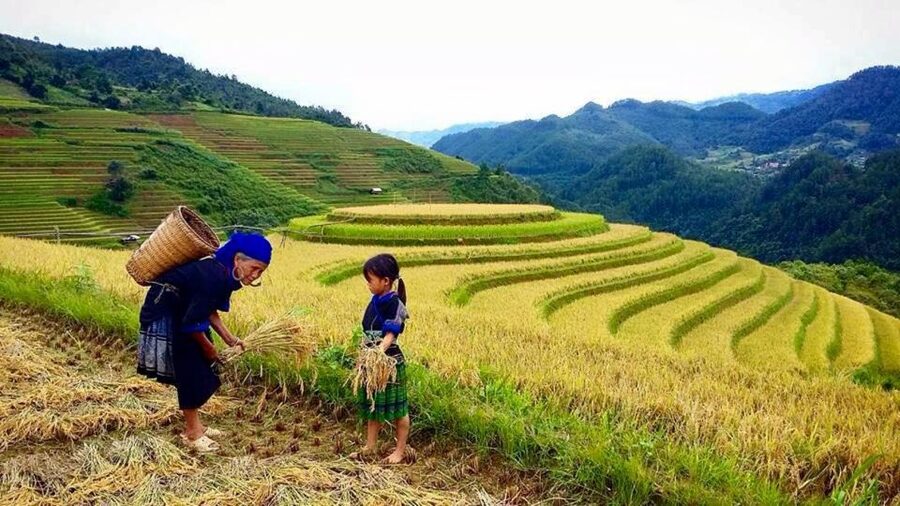
Your English-speaking guide is central to the experience. The strongest guides on this route explain local life, keep the group together, adjust the pace, and help you understand what you are seeing. Sang, Sai, and Su are names connected with especially positive experiences, while Dong was singled out for trail assistance.
English ability can vary. Communication has generally been understandable, though not always grammatically polished. For this kind of trip, a guide who knows the villages and terrain well is often more useful than perfect English.
Pickup is available from hotels in Sa Pa town only. You must provide your hotel name and address so the operator can confirm whether a vehicle can reach you or whether you need to go to a meeting point.
One transport failure has occurred when guests were missed at hotel pickup and later taken by motorbike to catch the group. That appears to have been an exception, but it is sensible to confirm pickup details the day before and keep the operator’s contact information handy.
The return bus is welcome after the final village. The tour ends at the local office in Sa Pa center, not necessarily at your hotel.
What this tour gets right, and where it falls short
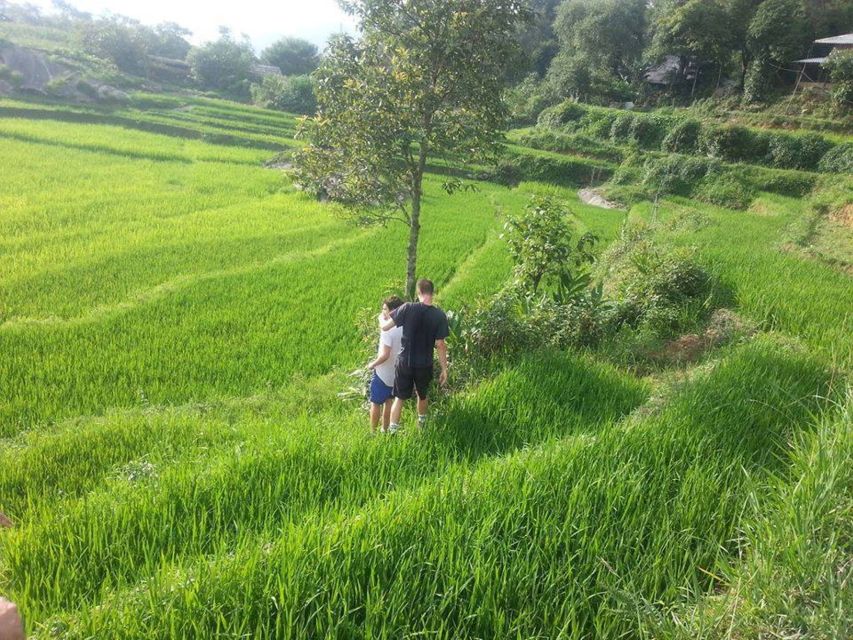
The most praised parts are consistent: the views, the local guides, the help on difficult paths, the village contact, and the chance to fit a full valley walk into a single day. People who had limited time in Sa Pa found the six-hour format especially useful.
The tour also does a good job of combining scenery and culture. You are not only walking through rice terraces, and you are not only sitting in a village listening to a talk. The day moves through fields, forest, homes, craft traditions, and two distinct communities.
The weak points are practical rather than dramatic. The route can be harder than the short description suggests, particularly in heat or rain. Lunch may be plain, and sales approaches can make the meal feel less relaxed. Pickup communication also deserves a little care.
At $18, those compromises are reasonable for most fit walkers. The low cost does not mean the trek is easy, though. Think of the price as excellent value for a demanding cultural hike, not as a cheap bus tour with a few photo stops.
Should you book the Muong Hoa Valley trek?
Book it if you want close views of Sa Pa’s rice terraces, a local guide, village visits, and a proper walk in one compact outing. It is a strong choice for first-time visitors with limited time, active couples, families with capable older children, and anyone interested in Hmong and Dzay culture.
Skip it if you need flat paths, guaranteed dry weather, private transport, or a quiet lunch without sales approaches. If rain is forecast, bring serious footwear and accept that the scenery may be partly hidden by fog.
For the best chance of enjoying it, confirm your hotel pickup, ask about the current holiday surcharge, bring extra water and cash, and treat the 10 kilometers as a real trek. Do that, and this route offers a lot for the money, with scenery and village contact that a quick Sa Pa viewpoint cannot provide.
FAQ
How long is the Muong Hoa Valley trek?
The activity lasts about six hours and covers approximately 10 kilometers.
Which villages does the trek visit?
The route includes Y Linh Ho, Lao Chai, and Ta Van villages.
Which ethnic communities do you learn about?
You learn about the Black Hmong and Dzay communities, including differences in customs, clothing, homes, crafts, and farming.
Is lunch included in the price?
No. You can eat at a local restaurant, but food and soft drinks cost extra.
Is the trek suitable for older people?
Older people are advised not to take this 10-kilometer trek because it can be challenging and dangerous in wet weather.
What should I wear and bring?
Bring trekking shoes, sunglasses, sun cream, and insect repellent. Warm clothes are recommended from October through March.
Is the route suitable for wheelchair users?
No. The activity is not suitable for wheelchair users, people with mobility impairments, or pregnant women.
Is hotel pickup available?
Pickup is available from hotels in Sa Pa town only. The operator must confirm whether your hotel can be reached or whether you need to go to a meeting point.
Can I cancel the booking?
Yes. You can cancel up to 24 hours in advance for a full refund, and you can reserve now and pay later.
Recently reviewed around Sa Pa
- Sapa3D2N TrekkingAdventures,Valleys,Bambooforest,Waterfall★ 4.8 · 24 reviews
- Sapa: Y Linh Ho – Lao Chai, and Ta Van Trekking Day Tour★ 5.0 · 25 reviews
- Sapa: Ta Phin Village Trek & Red Dao Herbal Bath★ 5.0 · 22 reviews
- Sapa Trekking Bargains With Local Guide★ 4.9 · 91 reviews
- Sapa: Muong Hoa Mountain Views and Villages Trek with Lunch★ 4.3 · 28 reviews
- From Sapa: Guided Full-Day Trekking with Lunch and Drop-Off★ 4.2 · 86 reviews
- Sapa: Motorbike Tour 1 Day Visit Waterfalls & Local Villages★ 5.0 · 112 reviews
- Sapa: Private Highlights Day Tour with Lunch★ 4.8 · 61 reviews
Hiking & Trekking, compared.

Halong Bay Full Day with Kayaking, Hiking viewpoint, Cave – Deluxe To Luxury
Read our review →
Muong Hoa Valley Trek and Local Ethnic Villages
Read our review →
Sapa 3 Days 2 Nights Trekking Tour (1 Night In Ta Van Village, 1 Night In Hotel)
Read our review →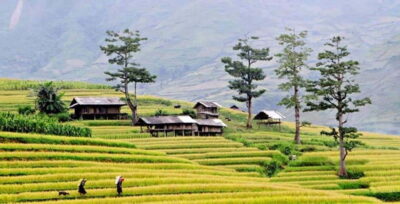
Eco Adventure Terrace Fields and Local Villages Trek
Read our review →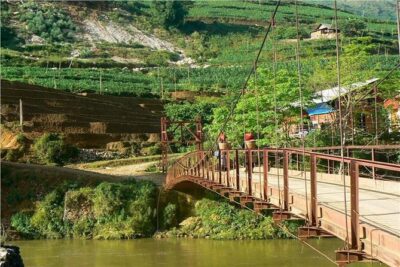
3-Day Trekking Adventure of Sapa from Hanoi – Stay Ta Van Village
Read our review →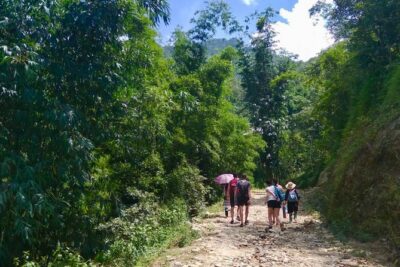
Number one top rated ethical cultural trekking and homestay by ETHOS
Read our review →
2-Day Sa Pa Ethnic Homestay Tour & Trek with Limousine Bus
Read our review →Browse the lists this tour appears in