
Reviewed · HIKING & TREKKING
Half Day Sapa Trekking to Visit Lao Chai – Ta Van
Sapa’s best scenery begins when the town ends. This half-day trek drops you into the Muong Hoa Valley, where narrow paths pass rice terraces, streams, farms, and villages before reaching Ta Van. You walk with a local guide, learn about Black Hmong and Dzay communities, and return to town by bus before lunch.
I like the 9-kilometer route, which gives you a real mountain walk without taking up a full day. I also like the local guides, especially the chance to hear about village life from people connected to the area. The main drawback is the terrain: mud, steep sections, and slippery ground can turn a pretty walk into a demanding one. Local women may also accompany you and press you to buy handicrafts.
In This Review
- Key points to know before booking
- Leaving Sapa for Y Linh Ho
- Walking the rice terraces toward Lao Chai
- What makes Lao Chai different
- Continuing to Ta Van, home of the Dzay
- The Ta Van Bridge pickup and return to Sapa
- How difficult is the 9-kilometer walk?
- Weather, crowds, and the feel of the route
- Is $22 a good value?
- Who should book this Sapa trek?
- FAQ
- How long does the Sapa trek take?
- How far do you walk?
- Which villages does the route visit?
- Where does the tour start?
- How do you return to Sapa?
- Is an English-speaking guide included?
- Are entrance tickets included?
- What should I wear?
- Is the tour suitable for wheelchair users?
- Should you book it?
Key points to know before booking
- A 9-kilometer valley trek: Expect about four hours on foot, not a gentle stroll on a paved path.
- Three rural communities: The route includes Y Linh Ho, Lao Chai, and Ta Van, with time to stop, look around, and take photos.
- Local English-speaking guides: Guides including Soso, Sua, Song, Tung, Tran, and Ku have been praised for explaining farming, customs, and daily life.
- Weather changes the walk: Rain can bring mud and slippery tracks, while clear skies open wide views of the Hoang Lien Son mountains.
- A useful short visit: You return to Sapa around midday, making this a good choice if you have only one night or a packed itinerary.
- Good value at $22: Transport, a guide, and entrance tickets are included, though drinks and personal purchases cost extra.
Leaving Sapa for Y Linh Ho
The morning begins with hotel pickup in Sapa between 8:10 and 8:20. You prepare a light pack, then travel by air-conditioned bus toward Y Linh Ho, where the walk begins. A short 15-minute on-foot segment is listed before the village visit, so you should be ready to start walking soon after leaving town.
This setup saves you from spending your limited trekking time on the road. Sapa is surrounded by steep hills, and the bus lets you reach the valley floor quickly. The route is handled by an experienced driver, and the same transport later collects you at Ta Van Bridge.
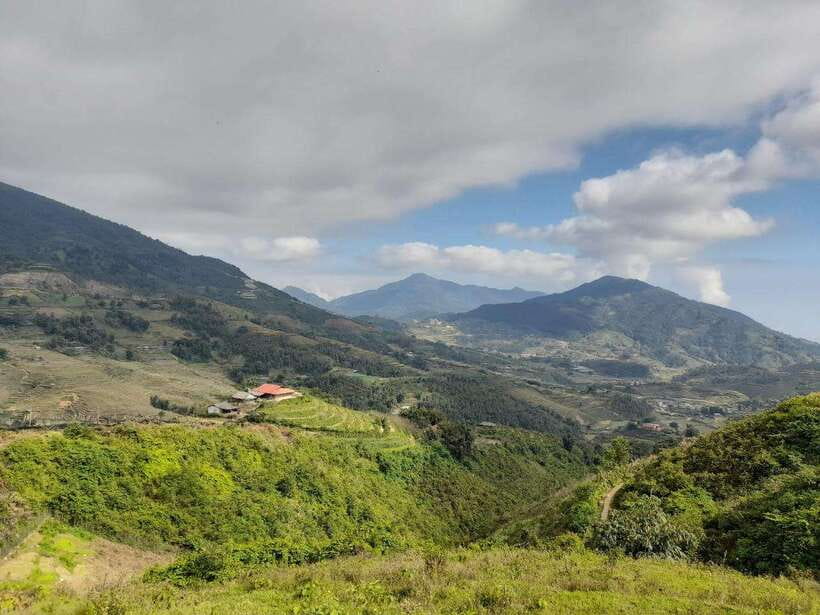
At Y Linh Ho, the pace changes. The stop is planned for about an hour and includes a visit, guided explanation, and time for photos. You may walk beside fields and rural paths, with the valley opening around you as the town fades from sight.
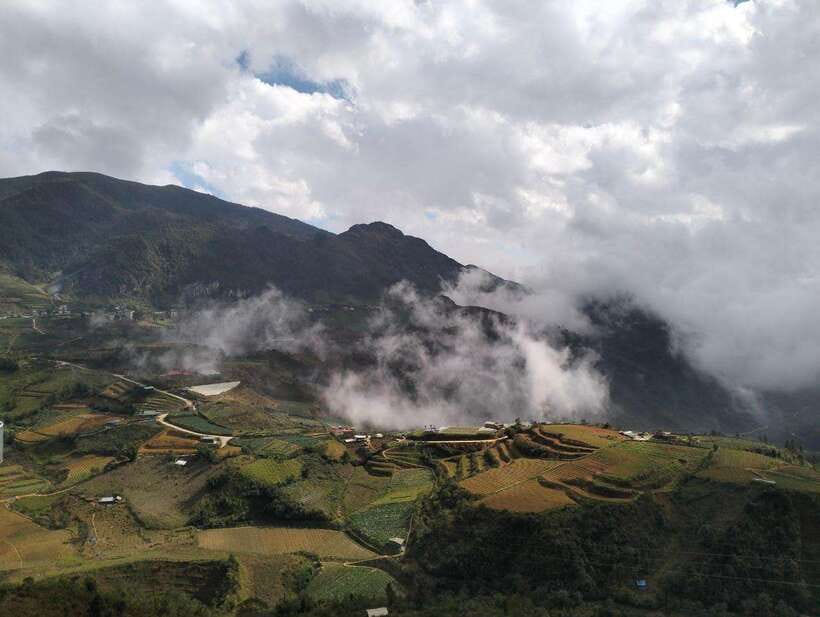
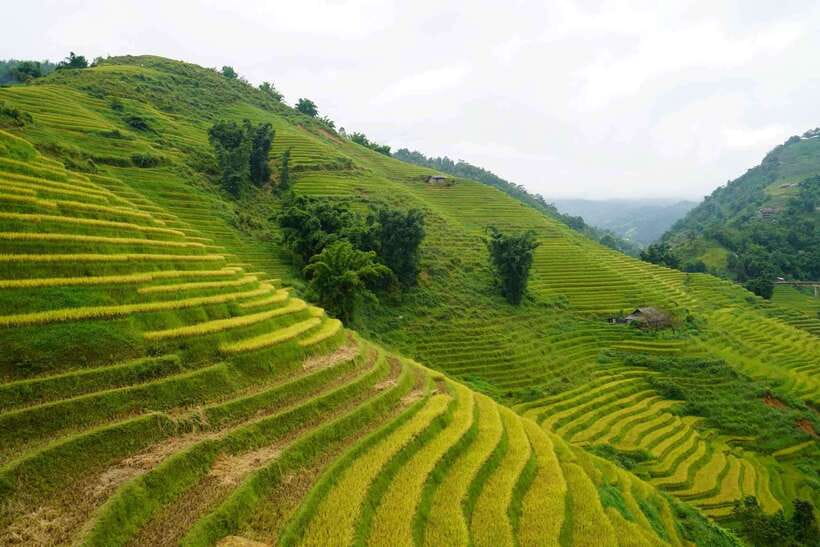
The views are the main reason to choose this route. On a clear morning, you can see rice terraces cut into the hillsides, the Muong Hoa Stream below, and the Hoang Lien Son range beyond. Clouds are common in Sapa, particularly in cooler or wetter weather, so do not treat a panoramic view as guaranteed.
More Hiking Tours in Sapa
- Sa Pa: Muong Hoa Valley Trek and Local Ethnic Villages
★ 4.6 · 864 reviews - Sapa: Eco Adventure Terrace Fields and Local Villages Trek
★ 4.9 · 636 reviews - From Sapa: 1-Day Guided Trek to Lao Chai & Ta Van with Lunch
★ 4.9 · 416 reviews
Walking the rice terraces toward Lao Chai
From Y Linh Ho, the trek continues through rice terraces and along Muong Hoa Stream toward Lao Chai. This is the heart of the outing, and the ground is more natural than prepared. You may walk on dirt tracks, village roads, uneven paths, and sections that become muddy after rain.
I would rate the route as manageable for someone used to walking, but not ideal for anyone expecting a flat countryside path. Several people found the short trek physically challenging because of steep ground, heat, or slippery conditions. The distance is about 9 kilometers in total, with roughly four hours on foot.
Lao Chai is associated with the Black Hmong community. Your guide explains local customs and everyday work, with the setting doing much of the teaching. The walk through the fields gives you a better sense of how farming fits into village life than a quick roadside photo stop would.
Guides are a major part of the experience. Soso has been praised for her English, humor, and explanations of village life. Sua has shared details about her own fields and farming practices, while Song and Tung have been singled out for clear cultural explanations and friendly manner. Guide quality can vary by departure, but the tour uses local English or Vietnamese-speaking guides rather than relying only on a remote guide in Sapa.
Take your time with photos, but do not let the camera turn the entire walk into a series of stops. The best part is the movement between viewpoints, fields, and homes. You see how the valley changes as you walk, not just how it looks from one marked viewpoint.
What makes Lao Chai different
Lao Chai is not simply a scenic stop. It is one of the places where the route connects the terraces with the people who work them. Your guide can provide context about the Black Hmong community, local farming, and the contrast between village life and Sapa town.
That local connection is valuable, but you should keep your expectations grounded. This is a guided village trek, not a formal cultural workshop. The schedule leaves about an hour for the Lao Chai visit, and the main activity remains walking through the valley.
You may also encounter local women who walk alongside the group. Some offer help on muddy or steep sections, while others sell handmade goods. A few visitors found the attention uncomfortable, particularly when children joined in or sellers continued to ask after a refusal.
The practical approach is to decide before you leave how you will handle this. You can politely say no, avoid promising a purchase, and keep small personal expenses separate from the tour price. If you do buy something, treat it as a personal purchase rather than an expected part of the tour. The selling is a real part of the route, and it can affect how relaxed the walk feels.
Continuing to Ta Van, home of the Dzay
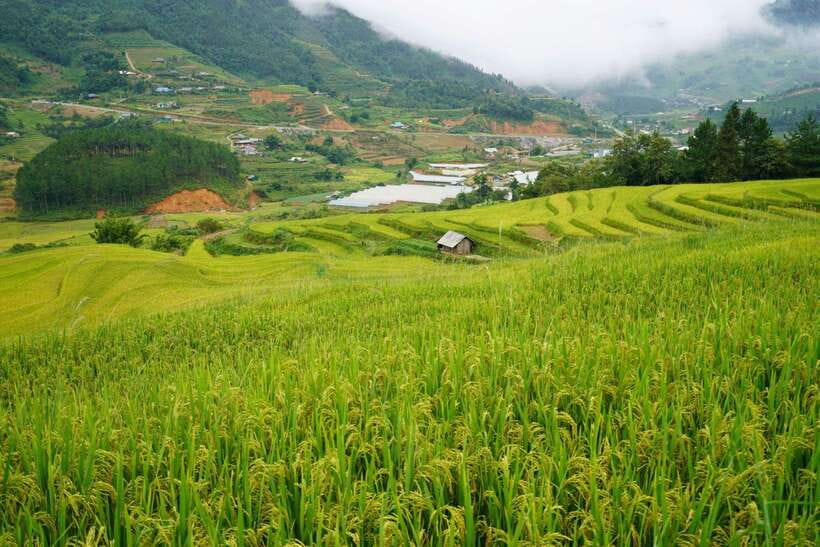
After Lao Chai, the path continues toward Ta Van village. This section gives you more time among the terraces and rural lanes before reaching the home of the Dzay people. The planned Ta Van stop lasts about an hour and a half, including a break, a guided visit, and photos.
Ta Van is a useful final stop because it adds another ethnic community to the day. The guide can help you understand that Sapa’s villages are not all the same. Customs, clothing, homes, and daily routines differ between groups, and the route gives you a simple way to see those differences within one morning.
The scenery remains the attraction. You pass fields and village streets, with mountain views changing as the path bends through the valley. Clear weather can make this section especially rewarding. In fog or rain, the walk becomes more atmospheric but the distant views may disappear.
One positive feature is the sense of scale. You are not rushing through several far-flung sites. Y Linh Ho, Lao Chai, and Ta Van sit along a route that can be covered on foot, followed by a road transfer back to town. That makes the experience feel more connected than a bus tour with repeated photo stops.
More Sa Pa trips worth a second look
- Sapa 1 Day Long Trek: Trek to Hau Thao and Sa Seng Villages
★ 4.6 · 344 reviews - EXPLORE SAPA: 2D1N TREKKING & HMONG CULTURE WITH DINH
★ 4.9 · 191 reviews - Sa Pa: 6-Hours Muong Hoa Valley Trek with Local Ethnic guide
★ 4.5 · 178 reviews - Sa Pa: 2-Day Trekking Trip with Ethnic Minority Homestay
★ 4.7 · 145 reviews
The Ta Van Bridge pickup and return to Sapa
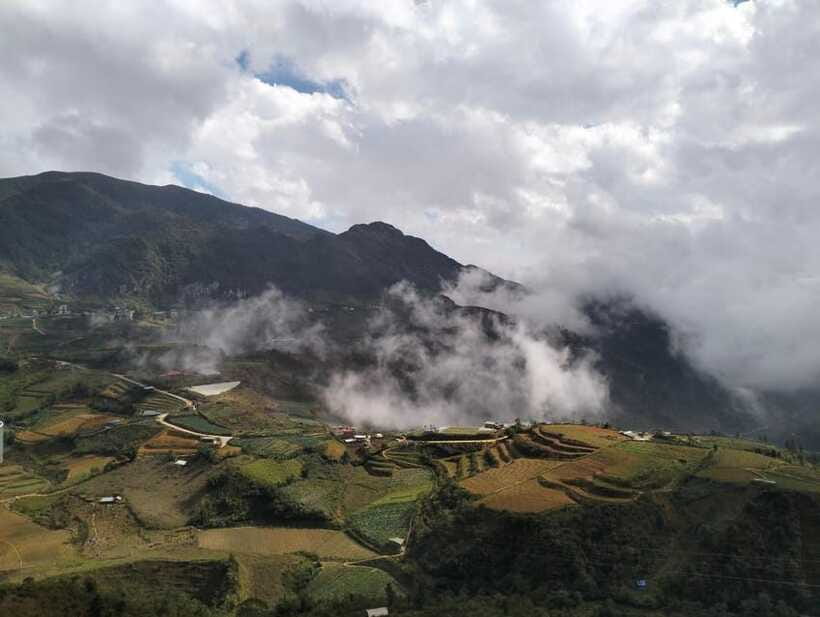
At about 11:30, the bus collects you at Ta Van Bridge. The listed drive back to Sapa takes around 45 minutes, with the tour ending in town at about noon. Some departures have arrived closer to 12:30, so leave a little flexibility if you are catching a train, changing hotels, or booking lunch at a fixed time.
The transport is a practical part of the design. You walk one way through the valley instead of retracing your steps, then ride back in an air-conditioned vehicle. For a half-day outing, that is a good use of time and energy.
The schedule can slip if pickup is late or weather slows the group. One departure did not complete the full route after a delayed start. If finishing every kilometer matters to you, avoid arranging an immediate connection after the stated noon return.
How difficult is the 9-kilometer walk?
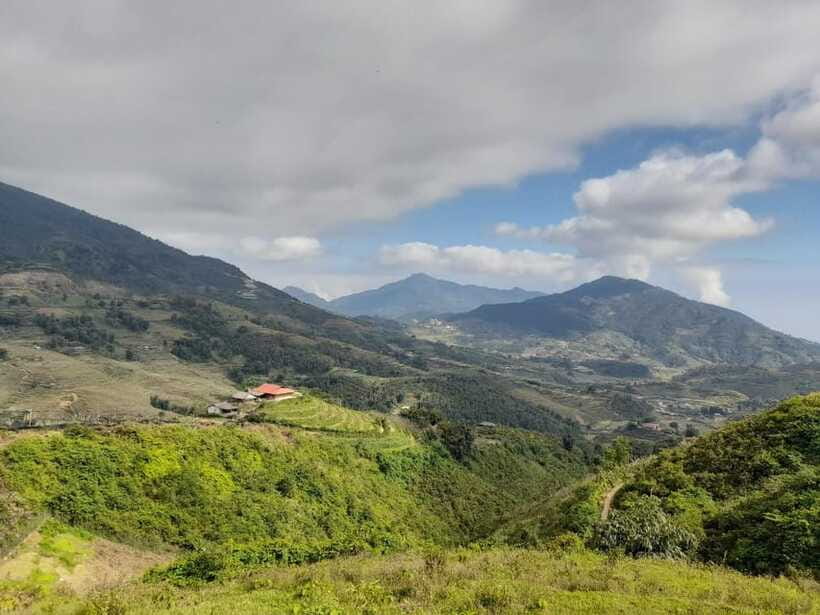
The trek requires a reasonable level of fitness. You do not need technical climbing skills, but you should be comfortable walking for about four hours over uneven ground. Some sections are steep, and rain can make the path wet, muddy, and slippery.
Wear hiking shoes with good grip. Sports shoes are listed as acceptable, but ordinary smooth-soled sneakers may be a poor choice in wet conditions. One participant specifically recommended rubber boots after a muddy outing, though boots may feel hot and heavy in dry weather.
Pack light, as requested. Bring:
- Hiking shoes or sturdy sports shoes
- A sun hat and sunglasses
- Sunscreen
- A camera
- Sportswear and hiking pants
- A small first aid kit
Heat is another factor. A summer walk through open fields can feel strenuous even when the distance looks modest. Carry water, since beverages are not included. The tour information also advises suitable outdoor clothing, which matters because Sapa conditions can change quickly.
This experience is not suitable for wheelchair users. The uneven paths, slopes, and muddy sections make that limitation important, not a minor technical note.
Weather, crowds, and the feel of the route
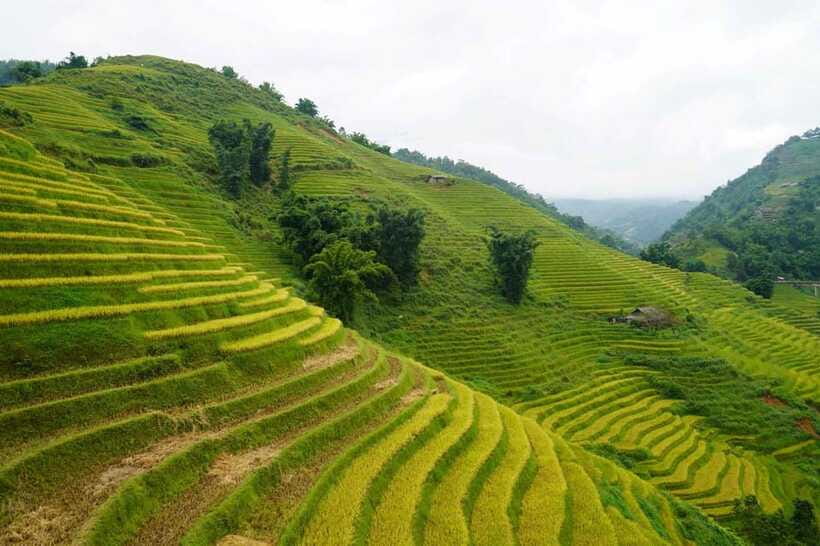
Sapa weather can decide how much you enjoy this trek. Clear skies reveal the terraces, river, villages, and Hoang Lien Son mountains. Rain can hide the peaks and make the route physically harder, though it also brings out the need for careful local guidance.
The route is not limited to polished tourist paths. You may walk through quiet stretches of fields and less crowded tracks, depending on the guide and group. Soso has taken small groups along quieter paths, including places with few other people around. That can make the experience feel more personal.
At other points, the villages and selling activity may make the walk feel less private. The experience is best understood as a working rural area that also receives visitors. You get access to real homes, fields, and paths, but you should not expect an untouched setting.
Group size affects comfort. A small group can move at a shared pace and make it easier to ask questions. If you are less fit or worried about slowing others down, a private or smaller-group option would be worth considering, although this specific price is for the standard activity.
Is $22 a good value?
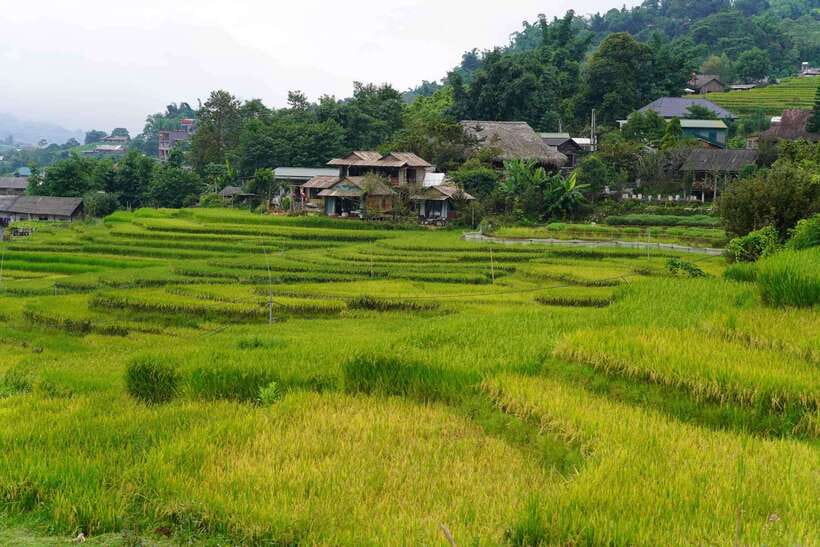
At $22 per person, this is a strong-value way to see the Muong Hoa Valley. The price includes the bus from Sapa to Y Linh Ho, the return journey from Ta Van, an English-speaking local guide, and entrance tickets to the listed sites.
You are paying for access and structure as much as transport. Without a guide, you could still see mountain scenery, but you would miss much of the explanation about Black Hmong and Dzay life. The guide also helps you handle the route when paths are wet or difficult.
The price does not include drinks, travel insurance, VAT, or personal expenses. Handicrafts offered during the walk are not part of the tour, so budget separately if you plan to shop.
For a visitor with only 24 hours in Sapa, the value is especially clear. You get a substantial walk, several villages, cultural explanation, and a return to town around lunchtime. A full-day trek may offer more distance, but this shorter version leaves room for lunch and other plans.
Who should book this Sapa trek?
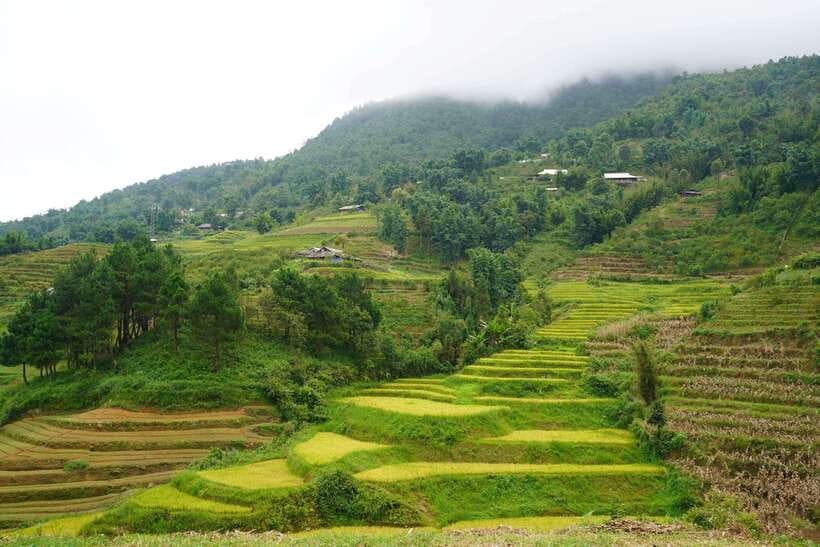
I would choose this tour if you want mountain scenery and village visits but cannot give up a full day. It suits people who enjoy active sightseeing, local guides, and a little uncertainty underfoot.
It is also a good fit for families with older children or active adults. One family of five found the distance and timing worked well, finishing in time for lunch. Still, the heat, mud, and steep paths mean you should judge your group by fitness rather than age alone.
You may want a different option if you need smooth paths, dislike sales pressure, or want a quiet walk with no interaction from local sellers. You should also reconsider if rain is forecast and you have no proper footwear.
Cancellation is flexible up to 24 hours before departure for a full refund, and you can reserve while paying later. Those terms are useful in Sapa, where weather can change the appeal of a mountain trek quickly.
FAQ
How long does the Sapa trek take?
The activity is advertised as 270 minutes, or four and a half hours. The planned schedule begins around 8:10 or 8:20 and ends in Sapa around noon, though delays or weather can affect the finish.
How far do you walk?
The trek is about 9 kilometers and takes roughly four hours on foot.
Which villages does the route visit?
The route includes Y Linh Ho, Lao Chai, and Ta Van. Lao Chai is associated with the Black Hmong, while Ta Van is home to the Dzay people.
Where does the tour start?
Pickup is in Sa Pa, with hotel pickup listed between 8:10 and 8:20 in the morning.
How do you return to Sapa?
A bus collects you at Ta Van Bridge at about 11:30 and drives you back to Sapa. The listed bus journey takes about 45 minutes.
Is an English-speaking guide included?
Yes. An English-speaking local guide in Sapa is included. The available tour languages are English and Vietnamese.
Are entrance tickets included?
Yes. Entrance tickets to the indicated sites are included in the price.
What should I wear?
Wear hiking shoes or sports shoes with good grip, plus sportswear and hiking pants. Also bring sun protection, including sunglasses, a sun hat, and sunscreen. Muddy conditions may require more protective footwear.
Is the tour suitable for wheelchair users?
No. The tour is not suitable for wheelchair users because the route includes uneven, steep, and potentially muddy paths.
Should you book it?
Book this trek if you want a short but substantial taste of Sapa. The combination of terraces, mountain views, Muong Hoa Stream, three village areas, and local cultural explanation gives you far more than a quick viewpoint visit.
Go prepared for a real walk. Bring water, wear shoes you trust on mud, allow extra time after noon, and decide how you will respond to souvenir sellers. If you accept those tradeoffs, $22 buys an efficient and memorable morning in the valley, with the added benefit of being back in Sapa for lunch.
Recently reviewed around Sa Pa
- Sapa3D2N TrekkingAdventures,Valleys,Bambooforest,Waterfall★ 4.8 · 24 reviews
- Sapa: Y Linh Ho – Lao Chai, and Ta Van Trekking Day Tour★ 5.0 · 25 reviews
- Sapa: Ta Phin Village Trek & Red Dao Herbal Bath★ 5.0 · 22 reviews
- Sapa Trekking Bargains With Local Guide★ 4.9 · 91 reviews
- Sapa: Muong Hoa Mountain Views and Villages Trek with Lunch★ 4.3 · 28 reviews
- From Sapa: Guided Full-Day Trekking with Lunch and Drop-Off★ 4.2 · 86 reviews
- Sapa: Motorbike Tour 1 Day Visit Waterfalls & Local Villages★ 5.0 · 112 reviews
- Sapa: Private Highlights Day Tour with Lunch★ 4.8 · 61 reviews
Hiking & Trekking, compared.

Halong Bay Full Day with Kayaking, Hiking viewpoint, Cave – Deluxe To Luxury
Read our review →
Muong Hoa Valley Trek and Local Ethnic Villages
Read our review →
Sapa 3 Days 2 Nights Trekking Tour (1 Night In Ta Van Village, 1 Night In Hotel)
Read our review →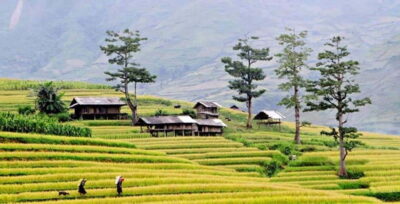
Eco Adventure Terrace Fields and Local Villages Trek
Read our review →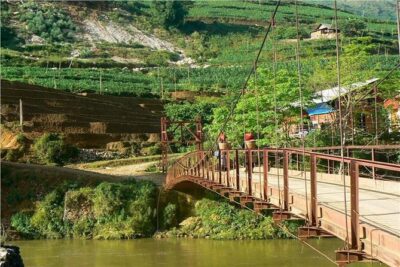
3-Day Trekking Adventure of Sapa from Hanoi – Stay Ta Van Village
Read our review →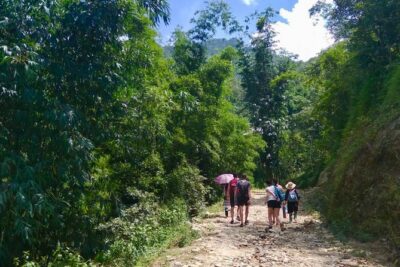
Number one top rated ethical cultural trekking and homestay by ETHOS
Read our review →
2-Day Sa Pa Ethnic Homestay Tour & Trek with Limousine Bus
Read our review →Browse the lists this tour appears in