
Reviewed · HIKING & TREKKING
Number one top rated ethical cultural trekking and homestay by ETHOS
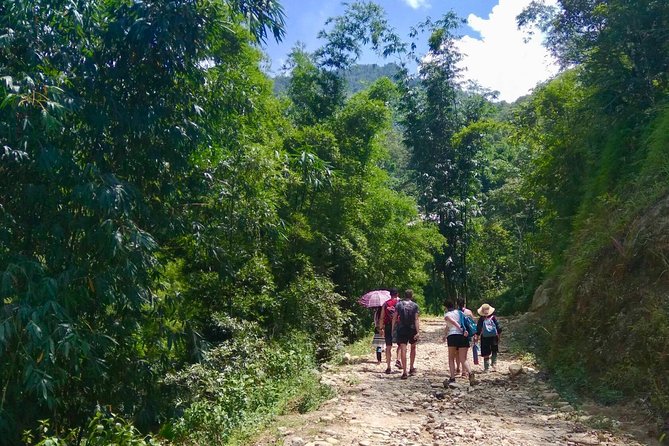
The best part of this private Sapa trek is the homestay. You do not simply walk past village homes, take a few photos, and return to town. You spend the night with a local family, share meals, and get time to ask about daily life in the Hmong and Dao communities. The route also takes you through rice terraces, bamboo forests, and quiet village paths that are difficult to find without a local guide.
I like the personal format and the flexibility. Your guide can adjust the second day to suit your energy, and guides such as Cha, Ha, Ker, My, and Kae have been praised for explaining local customs, plants, family life, and village traditions. I also like that the price includes two lunches, dinner, breakfast, transport, and the homestay, rather than leaving the main costs to you.
The main caution is the physical effort. The first day covers about 14 kilometers, or nine miles, with undulating ground followed by a steep climb of around two kilometers. You need moderate fitness, sturdy footwear, and a willingness to sleep in a village home rather than a standard hotel.
In This Review
- Key points to know before booking
- Starting at 8:30 am in Sapa
- The first six kilometers through Sapa Valley
- The steep two-kilometer climb
- Lunch with the host family
- An overnight stay among the rice paddies
- A flexible second morning
- What the guides add to the walk
- The price and what it covers
- Who should book this Sapa homestay?
- My verdict on the ETHOS trek
- FAQ
- How long is the ETHOS Sapa trek?
- What time does the tour start?
- Is this a private tour?
- Where does the homestay take place?
- What meals are included?
- Is transportation included?
- How difficult is the trek?
- Can I choose the route on the second day?
- What happens if the weather is poor?
Key points to know before booking
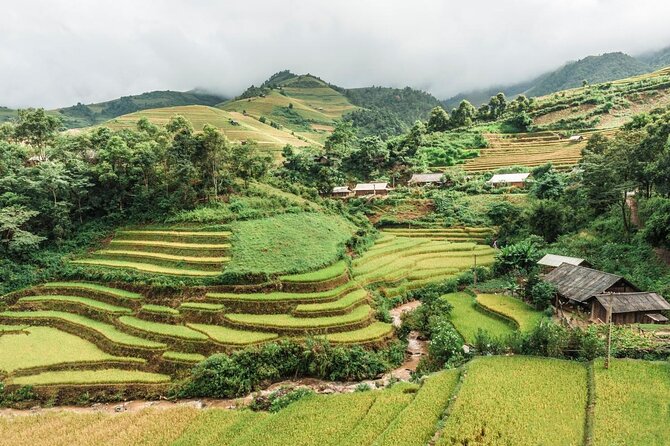
- A 14-kilometer first day: The opening walk begins gently but includes uneven ground and a steep uphill section later.
- A real village overnight: You stay with a host family among rice paddies, not in a hotel in central Sapa.
- A private guide for your group: Only your party takes part, so the pace and second-day route can be adjusted.
- Local insight is central: Guides explain Hmong and Dao culture, village life, plants, and family traditions.
- Meals are included: The package covers one dinner, one breakfast, and two lunches, along with water and refreshments.
- A flexible return: On day two, you choose how far and how hard to walk, then take a taxi back to Sapa.
Starting at 8:30 am in Sapa
You meet at ETHOS, Spirit of the Community, at 79 Nguyen Chi Thanh Street in Sapa. The start time is 8:30 am, which gives you a clear morning departure rather than a late start that cuts into the walking day.
The meeting point is near public transport, and private transport is included during the experience. The exact transport arrangement matters less than the practical result: you do not need to organize every transfer yourself while moving between the town and the village area.
Because this is a private activity, your group is not combined with strangers. That can make a real difference on a walking tour. You can pause when you want, ask more questions, or discuss changing the pace without holding up a large party.
The booking requires at least two people. That makes this a better choice for couples, friends, or family members traveling together than for a solo visitor looking for a guaranteed departure.
More Hiking Tours in Sapa
- Sa Pa: Muong Hoa Valley Trek and Local Ethnic Villages
★ 4.6 · 864 reviews - Sapa: Eco Adventure Terrace Fields and Local Villages Trek
★ 4.9 · 636 reviews - From Sapa: 1-Day Guided Trek to Lao Chai & Ta Van with Lunch
★ 4.9 · 416 reviews
The first six kilometers through Sapa Valley
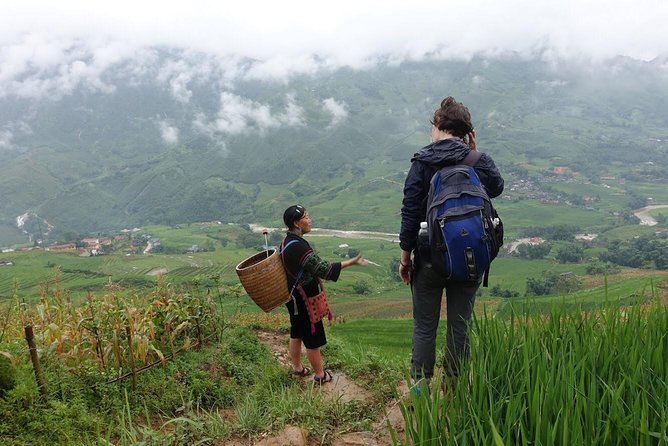
The first day begins with roughly six kilometers over relatively easy, undulating ground. Easy does not mean flat, however. Sapa’s paths rise and fall, and the surface can become demanding underfoot, especially when conditions are wet.
This opening section passes through rice terraces and traditional villages. The scenery is a major part of the appeal, but the route is not only about taking in wide views. Your guide helps connect the fields, houses, footpaths, and forest to the people who live here.
Guides named Cha, Ha, Ker, My, and Kae have each been associated with different departures, so you should expect the guide assigned to your date to vary. That is worth knowing before you book. The guide’s role is not just to lead the way, but to explain village life and help you meet local families respectfully.
One useful strength of a private format is the chance to ask simple questions as they occur to you. You can ask about the plants along the path, the homes you pass, or the customs of the communities you visit. The experience is at its best when you treat the walk as a conversation, not just a scenic hike.
The steep two-kilometer climb
After the easier opening stretch comes a steep climb of about two kilometers. This is the point where the tour changes from a pleasant country walk to a proper mountain trek.
I would plan for this section rather than hope it feels easy. Wear shoes with a good grip, carry only what you need for the overnight stay, and keep water close. The tour includes water and refreshments, but sensible pacing still matters.
The climb is also one reason the activity asks for moderate physical fitness. You do not need to be an expert hiker based on the information provided, but you should be comfortable walking for several hours over uneven ground and handling a sustained uphill section.
The reward is access to village and forest areas away from the main town. Bamboo forest, rice paddies, and steep paths give the day a stronger sense of place than a short viewpoint visit. You are seeing the valley by walking through it, one village and hillside at a time.
Lunch with the host family
The first day includes lunch with your host family, along with a second lunch during the trip. The shared meal is important because it shifts the focus from sightseeing to ordinary life.
You are not simply being shown a village from the outside. You have time to sit down, eat, and speak with the people who live there. The exact food is not specified, so I would avoid booking this with a fixed menu in mind. The value is the setting and the contact, not a restaurant-style dining experience.
The guide helps make these encounters easier. Past departures have included explanations of family life, local plants, and traditions, as well as introductions to relatives and other village residents. You should still approach the visit with care. A family home is not a stage set, and a respectful guest listens as much as they ask questions.
For many people, this meal will be more memorable than another photo stop. It offers a pause after the morning’s walking and a natural way to understand the community you are visiting.
More Sapa trips worth a second look
- Sa Pa Full Day Trekking Tour
★ 5.0 · 414 reviews - Sapa 1 Day Long Trek: Trek to Hau Thao and Sa Seng Villages
★ 4.6 · 344 reviews - EXPLORE SAPA: 2D1N TREKKING & HMONG CULTURE WITH DINH
★ 4.9 · 191 reviews - Sa Pa: 6-Hours Muong Hoa Valley Trek with Local Ethnic guide
★ 4.5 · 178 reviews
An overnight stay among the rice paddies
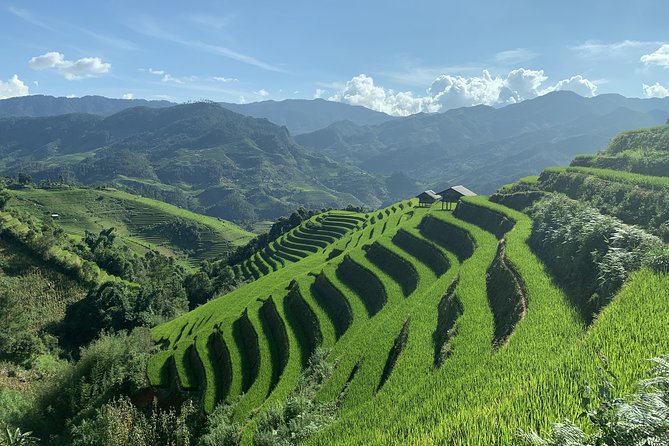
The homestay is the heart of the two-day program. You spend the night with a host family in a village set among rice paddies, then have dinner and breakfast there.
The description does not promise hotel-style facilities, private rooms, or a particular bathroom arrangement. That is useful to keep in mind. You should choose this experience because you want a village stay, not because you expect the comforts and privacy of a Sapa guesthouse.
The strongest benefit is time. A short village stop can show you scenery, but an overnight stay gives you a chance to see the community beyond the walking route. You may learn more about family routines, local customs, and the way the village fits into the valley simply by being there through the evening and morning.
The homestay also gives the trek a clear purpose. You are not racing back to Sapa after the final viewpoint. You have a place in the village, a meal to share, and a second morning to continue at a chosen pace.
ETHOS places community involvement at the center of its work. The company describes its goal as supporting local livelihoods and creating respectful exchanges. That does not remove every question about cultural tourism, but it gives the experience a clearer community focus than a standard route where local residents appear only as scenery.
A flexible second morning
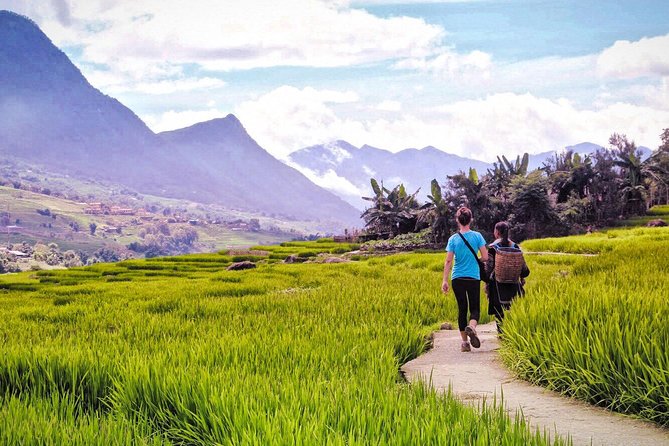
Day two is intentionally less fixed. You continue walking, but you have flexibility over both distance and challenge before taking a taxi back to Sapa in the afternoon.
This is a smart design choice. After a long first day and a night in a village, some people will want another substantial walk. Others will prefer a shorter route with more time for conversation and the homestay. Your private group can discuss the balance with the guide.
The flexibility also makes the tour easier to match to different fitness levels, though it does not erase the demands of day one. If the first day leaves you tired, the second morning gives you room to scale back instead of forcing another long route.
The afternoon taxi brings you back to Sapa, and the activity ends at the original meeting point. Private transport is included, so you are not left to arrange your own return from an unfamiliar village.
What the guides add to the walk
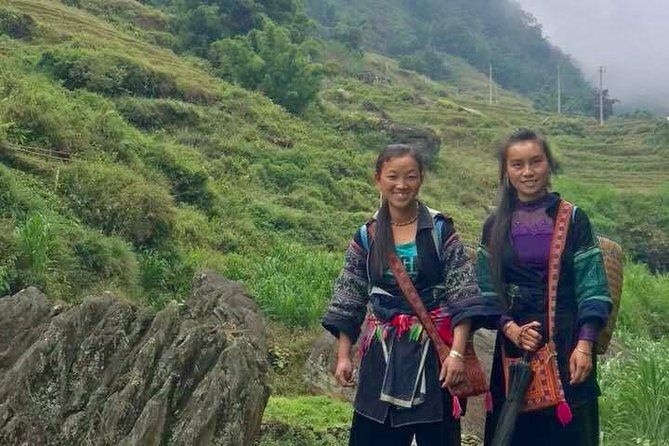
The guides are repeatedly central to the quality of this experience. Cha has been praised for insight into local life and for making the homestay feel welcoming. Hoa provides an introduction to the cultural background, while Ha has led walks with explanations involving family life and village communities.
Other named guides include Ker, My, and Kae. Ker has been described as a warm and experienced host, My as someone who helped explain everyday village life, and Kae as a guide who led visitors along forest, rice-field, and jungle paths with few other tourists around.
You should not assume you will receive a particular guide unless ETHOS confirms it. Still, these names show the kind of guiding the company aims to provide: local explanation, personal contact, and a route that goes beyond the most obvious paths.
This matters in Sapa because scenery alone is easy to find. Understanding who farms the terraces, how families live, and what traditions shape the villages gives the walk more meaning. The guide is the link between the physical route and the people who call the valley home.
The price and what it covers
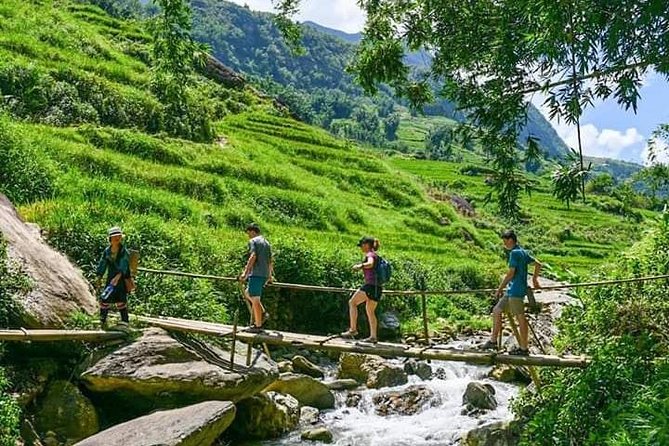
At $93.34 per person, this is not the cheapest way to see Sapa, especially if you compare it with a simple day hike. But the comparison is incomplete.
Your fee covers a private two-day activity, the homestay, private transportation, water and refreshments, two lunches, dinner, and breakfast. It also includes a local guide and the return taxi from the village area to Sapa. Adding those costs separately would make a basic hike and overnight stay less simple than the headline price suggests.
The best value comes from the private format and the overnight contact with the host family. If you only want photographs of rice terraces, you can find shorter and less expensive outings. If you want a local guide, a village stay, meals, and a flexible second day in one package, the price is reasonable.
The tour is commonly booked well ahead, with an average lead time of 59 days. That does not guarantee every date will sell out, but it suggests you should not leave the booking until the last moment if your Sapa schedule is fixed.
Who should book this Sapa homestay?
I would recommend it to you if you want cultural contact to be as important as the walk. It suits couples, friends, and families who can handle a full first day on foot and who are comfortable sharing a village home.
It is also a good fit if you prefer a private experience. Your group can ask more questions, adjust the second day, and spend time with the guide without the stop-start rhythm of a large party.
You may want to choose another activity if you need a soft bed, predictable facilities, or a flat and easy route. The first day is long, the climb is steep, and the homestay is not presented as a hotel substitute.
The tour also requires good weather. If poor conditions force cancellation, you are offered another date or a full refund. For your own planning, remember that changes or cancellations made less than three full days before the local start time are not refunded.
My verdict on the ETHOS trek
Book this tour if you want Sapa to be more than a series of viewpoints. The rice terraces and bamboo forests are attractive, but the stronger reason to go is the time spent with a host family and the guide’s explanation of Hmong and Dao life.
I especially like the combination of a serious first-day walk and a flexible second morning. It gives you both the physical pleasure of crossing the valley and the slower pace needed for a meaningful homestay.
Skip it if you are not ready for a 14-kilometer day, a steep two-kilometer climb, or simple village accommodation. For the right person, though, the private format, included meals, local guiding, and community focus make this one of the better ways to experience Sapa beyond town.
FAQ
How long is the ETHOS Sapa trek?
The experience lasts approximately two days. The first day covers about 14 kilometers, or nine miles, and the second day has a flexible walking distance and difficulty.
What time does the tour start?
The tour starts at 8:30 am from ETHOS, Spirit of the Community, at 79 Nguyen Chi Thanh Street in Sapa.
Is this a private tour?
Yes. Only your group participates in the activity, and a minimum group size of two people is required for booking.
Where does the homestay take place?
You spend the night with a host family in a village set among rice paddies in the Sapa Valley.
What meals are included?
The price includes one dinner, one breakfast, and two lunches.
Is transportation included?
Yes. Private transportation is included, and a taxi returns you to Sapa during the afternoon of the second day.
How difficult is the trek?
The tour requires moderate physical fitness. The first six kilometers are relatively easy but undulating, followed by a steep climb of around two kilometers.
Can I choose the route on the second day?
The second day is flexible in both distance and challenge. You can discuss the preferred level of walking with your guide.
What happens if the weather is poor?
The experience requires good weather. If it is canceled because of poor weather, you can choose a different date or receive a full refund.
Recently reviewed around Sapa
- Sapa3D2N TrekkingAdventures,Valleys,Bambooforest,Waterfall★ 4.8 · 24 reviews
- Sapa: Y Linh Ho – Lao Chai, and Ta Van Trekking Day Tour★ 5.0 · 25 reviews
- Sapa: Ta Phin Village Trek & Red Dao Herbal Bath★ 5.0 · 22 reviews
- Sapa Trekking Bargains With Local Guide★ 4.9 · 91 reviews
- Sapa: Muong Hoa Mountain Views and Villages Trek with Lunch★ 4.3 · 28 reviews
- From Sapa: Guided Full-Day Trekking with Lunch and Drop-Off★ 4.2 · 86 reviews
- Sapa: Motorbike Tour 1 Day Visit Waterfalls & Local Villages★ 5.0 · 112 reviews
- Sapa: Private Highlights Day Tour with Lunch★ 4.8 · 61 reviews
Hiking & Trekking, compared.

Halong Bay Full Day with Kayaking, Hiking viewpoint, Cave – Deluxe To Luxury
Read our review →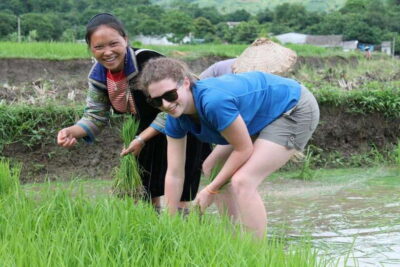
Muong Hoa Valley Trek and Local Ethnic Villages
Read our review →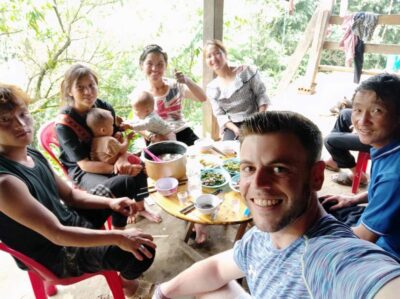
Sapa 3 Days 2 Nights Trekking Tour (1 Night In Ta Van Village, 1 Night In Hotel)
Read our review →
Eco Adventure Terrace Fields and Local Villages Trek
Read our review →
3-Day Trekking Adventure of Sapa from Hanoi – Stay Ta Van Village
Read our review →
2-Day Sa Pa Ethnic Homestay Tour & Trek with Limousine Bus
Read our review →
1-Day Guided Trek to Lao Chai & Ta Van with Lunch
Read our review →Browse the lists this tour appears in