
Reviewed · HIKING & TREKKING
Sa Pa: Muong Hoa Valley Trek and Local Ethnic Villages
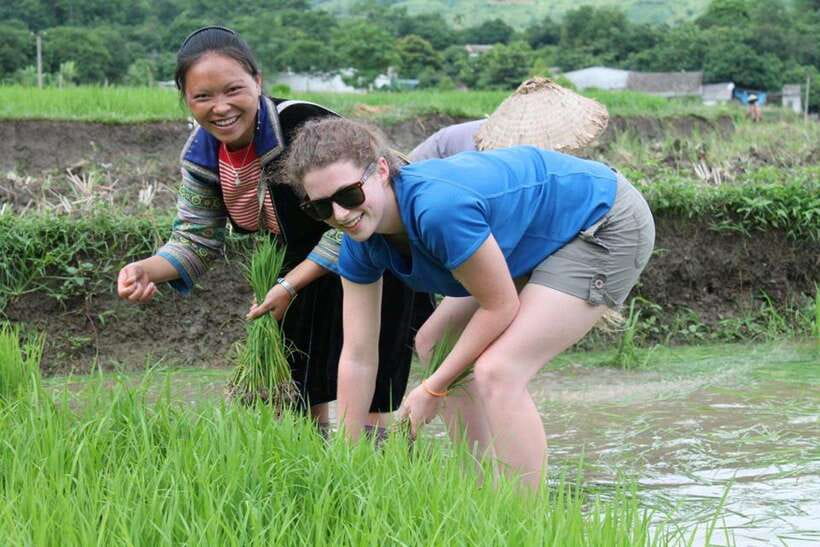
The best part of this Sa Pa trek is the changing ground beneath your feet. You move from misty rice terraces to a river crossing, village lanes, a suspension bridge, ancient rock carvings, and a bamboo forest in one long morning. I especially like the small-group limit of 11 people and the chance to eat lunch inside a local home rather than in a restaurant built for tour buses.
I also like the guides’ role in making the villages understandable. Guides such as Su, Chai, Khu, Sunny, and Nhu have been praised for explaining local customs and daily life in clear English. The catch is simple: this is a real trek, not a gentle village stroll. Rain can turn the trail into a slippery, exhausting route, and ordinary sneakers may leave you wet, muddy, and annoyed.
In This Review
- Key points to know before booking
- Why this Muong Hoa Valley trek works
- Starting in Sa Pa and entering the valley
- Lao Chai and the Black Hmong villages
- Ta Van Giay, the suspension bridge, and ancient carvings
- Lunch inside a village home
- The bamboo forest and Giang Ta Chai
- How difficult is the 10-kilometer route?
- Guides make the difference
- Price, group size, and what you actually get
- What to pack for the valley
- The best and worst conditions for this outing
- Who should book this Sa Pa trek?
- FAQ
- How long is the Muong Hoa Valley trek?
- What villages does the tour visit?
- Is lunch included?
- What should I wear?
- Is the trek difficult after rain?
- Is hotel pickup available?
- Can I cancel the activity?
- Should you book it?
Key points to know before booking
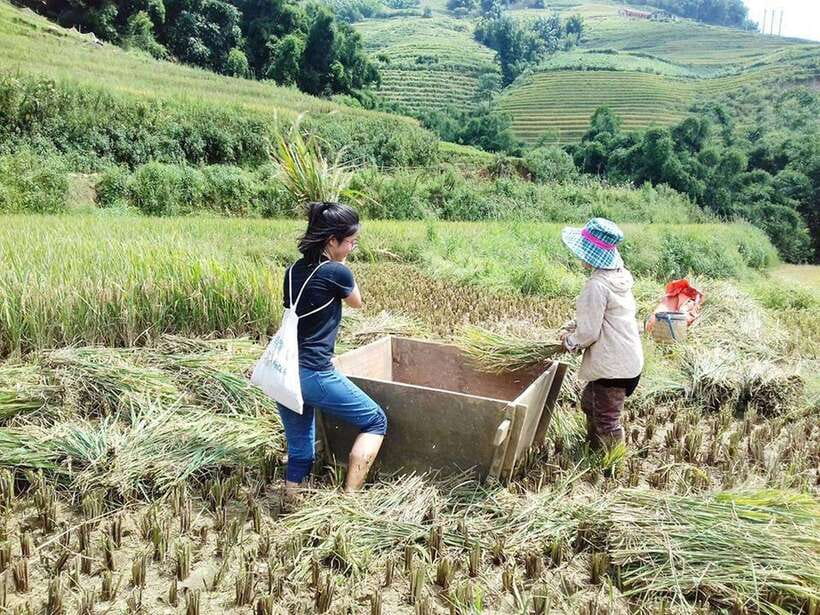
- A 10-kilometer route with real changes in terrain: Expect rice terraces, narrow paths, creeks, mud, stone, and uphill sections.
- Three ethnic villages in one outing: The route visits Black Hmong, Ta Van Giay, and Red Dao communities.
- A local-home lunch: You eat at a village house, with vegetarian food available when arranged in advance.
- Ancient rock carvings near the river: Look for figures of men, stilt houses, and decorative patterns.
- Helpful local escorts may join the muddy sections: Bring cash if you want to thank them by buying a small item from their wares.
- Excellent value at $23: The price includes a guide, entry tickets, lunch, transport, and 500 milliliters of water, but not drinks or personal purchases.
Why this Muong Hoa Valley trek works
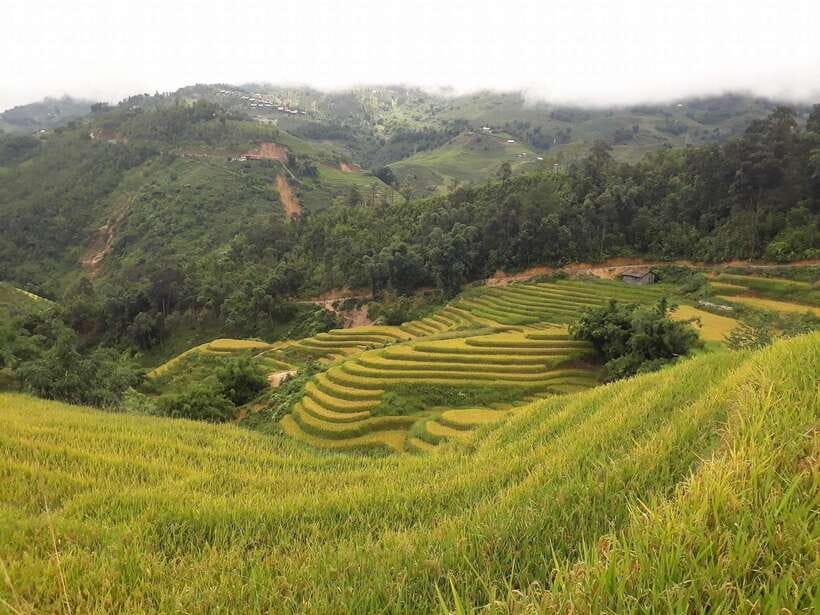
Sa Pa is famous for its steep rice terraces, but a town viewpoint only gives you the postcard version. This walk takes you down into the Muong Hoa Valley, where the terraces are part of working village life rather than a distant backdrop.
You follow a route between fields and homes, with the Muong Hoa River nearby for much of the day. The experience is strongest when your guide explains what you are seeing: how the villages differ, how people use the land, and what daily life looks like away from Sa Pa’s busy center.
The outing has a 4.6 rating from 864 ratings, and the praise is consistent in a few important areas. Guides are often described as friendly, attentive, and good at explaining local culture. The scenery and lunch also earn repeated approval.
Still, do not book this because the price makes it sound easy. The official distance is 10 kilometers, and some phone readings have shown closer to 12.5 kilometers. The route can be straightforward in dry weather, but rain changes everything. On wet days, local women may walk alongside the group and offer a hand on steep or muddy sections. Their help can be very useful, but they will usually expect you to buy something afterward.
More Hiking Tours in Sapa
- Sapa: Eco Adventure Terrace Fields and Local Villages Trek
★ 4.9 · 636 reviews - From Sapa: 1-Day Guided Trek to Lao Chai & Ta Van with Lunch
★ 4.9 · 416 reviews - Sapa 1 Day Long Trek: Trek to Hau Thao and Sa Seng Villages
★ 4.6 · 344 reviews
Starting in Sa Pa and entering the valley
Pickup is available from hotels in central Sa Pa or from the Vietnam Nomadtrails office. Pickup outside the Sa Pa area is not available, so you need to arrange your own way into town if you are staying farther out.
The tour ends at about 3:30 PM, making it a practical half-day outing for a full Sa Pa schedule. You spend around six hours on the activity, though the walking itself is the main event and not something to rush.
The first stretch leads away from the town and toward the valley. Morning mist can sit over the terraces, softening the view and making the fields feel almost hidden. On a clear day, you get long views over the patterned hillsides. On a cloudy day, you may see less distance, but the mist gives the valley a different mood.
You follow a small trail toward the Muong Hoa River. This is where your footwear matters right away. The path may be firm and easy under dry conditions, but wet ground can make the first descent tricky. Several people have found themselves slipping on muddy slopes, so wear shoes with a strong grip and do not bring anything precious or difficult to clean.
Lao Chai and the Black Hmong villages
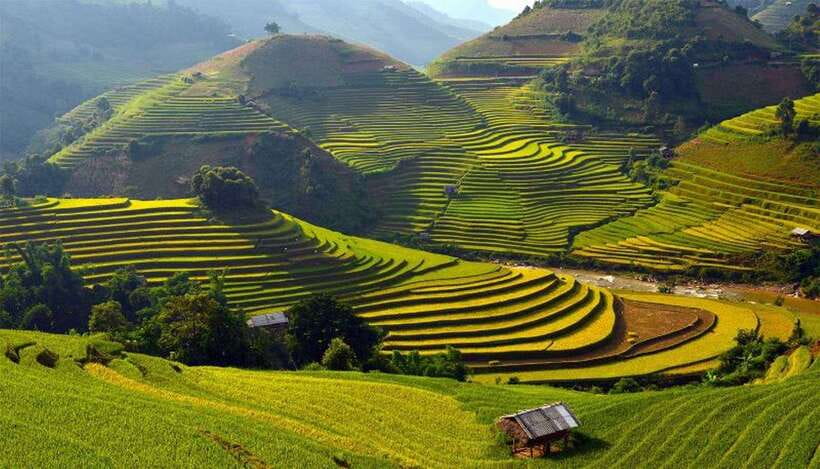
The route continues through well-tended rice fields toward Lao Chai, home to Black Hmong communities. The appeal here is not a formal attraction. It is the chance to see homes, paths, fields, and people living within the valley you have just been looking at from above.
Your guide gives this section much of its value. Guides including Chai, Su, Sunny, and Thao Nu have been praised for discussing tribal customs, local traditions, and the surrounding area without turning the walk into a dry lecture. Ask questions as you go. The route is easier to appreciate when you understand that the terraces are not simply pretty scenery, but part of local work and food production.
You may see people working around the fields and water buffalo in the countryside. The exact sights depend on the season and the day, but the walk gives you a closer view of rural life than a short stop at a roadside viewpoint.
There is also a social wrinkle to prepare for. Local Hmong women may join the group, especially when the path becomes muddy or steep. They know where to place a foot and can offer practical support. Afterward, you may be expected to buy a small item from their goods as a thank you. This is not part of the $23 tour price, so carry some Vietnamese cash if you want to take part. If this kind of sales interaction bothers you, understand it before booking.
Ta Van Giay, the suspension bridge, and ancient carvings
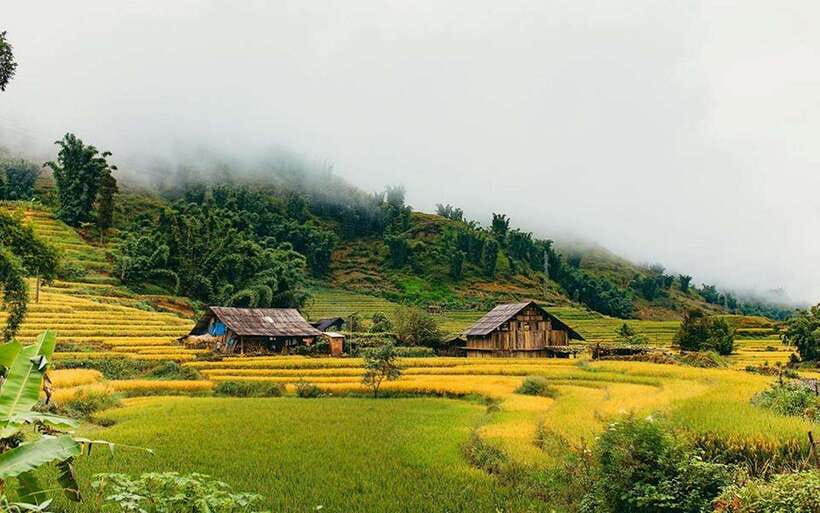
From Lao Chai, you continue toward Ta Van Giay. This part of the route follows the Muong Hoa River and keeps the focus on the valley’s villages and farmland.
About two kilometers from the settlement, you cross a small suspension bridge. It is a modest feature, but it adds a sense of movement to the trek. You are not simply walking from one village to another on a fixed pavement route. The bridge, river, rough paths, and terraces make the day feel like a proper countryside crossing.
The ancient rock carvings are one of the more unusual stops. They show men, stilt houses, and decorative designs. They are not presented as a large museum display, so do not expect a polished visitor center or extensive interpretation on site. Their interest comes from finding old marks in the same valley where people still live and work.
This is a good point to slow down and look closely. The carvings can be easy to pass if you are focused only on the next muddy step. Your guide can help identify what you are seeing and explain why the site matters.
More Sa Pa trips worth a second look
- EXPLORE SAPA: 2D1N TREKKING & HMONG CULTURE WITH DINH
★ 4.9 · 191 reviews - Sa Pa: 6-Hours Muong Hoa Valley Trek with Local Ethnic guide
★ 4.5 · 178 reviews - Sa Pa: 2-Day Trekking Trip with Ethnic Minority Homestay
★ 4.7 · 145 reviews - Half Day Sapa Trekking to Visit Lao Chai – Ta Van
★ 4.7 · 126 reviews
Lunch inside a village home
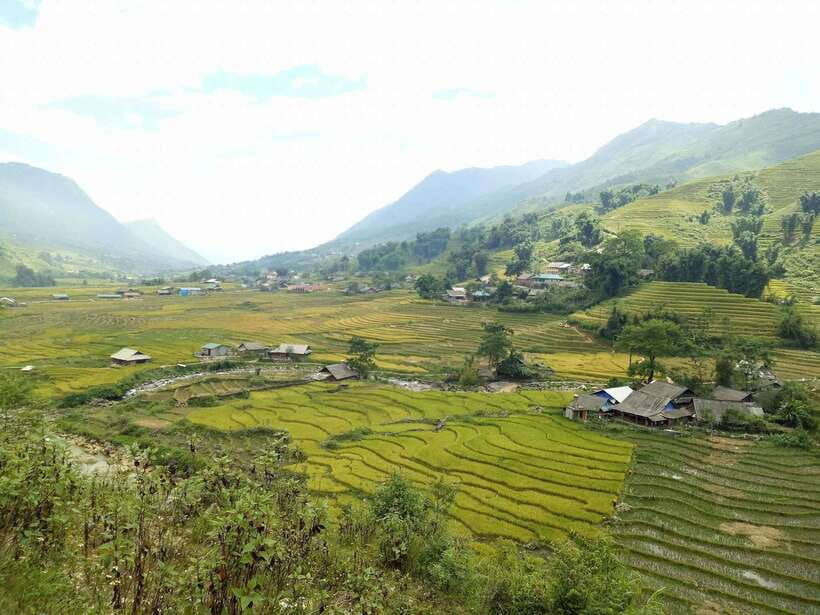
Lunch takes place at a local house in the village. For me, this is one of the strongest reasons to choose this outing over a basic scenic hike. Eating in a home gives the day a human pause, and it lets you sit down with the group after several hours on your feet.
The meal is described as generous and tasty, with examples including rice, vegetables, tofu, eggs, and vegetarian spring rolls. Vegan food can be accommodated, but tell the operator when booking rather than waiting until lunchtime.
The lunch is also a useful break in the physical schedule. You walk for roughly two hours, stop for a drink, continue for another couple of hours, and then have the main meal. Drinks beyond the included 500-milliliter bottle of mineral water are not included, so bring enough water or money for a drink stop.
Do not expect a restaurant-style meal or a private dining room. This is a local-house stop, and the setting is part of the point. If you want a highly polished food experience, this may feel basic. If you want a closer look at how a village meal fits into the day, it is a good match.
The bamboo forest and Giang Ta Chai
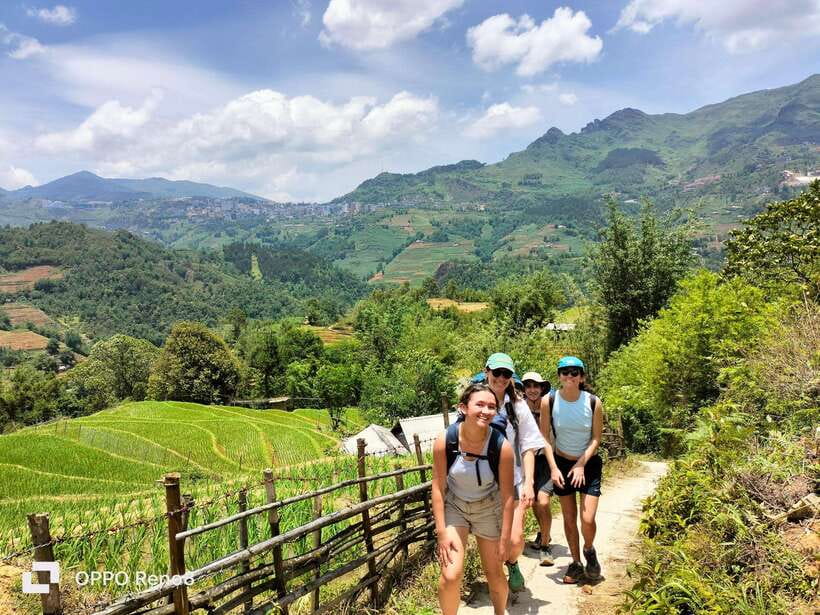
After lunch, the route heads through a bamboo forest toward Giang Ta Chai, a Red Dao ethnic minority village. The forest changes the feel of the walk. Rice fields open the views, while bamboo narrows your focus to the trail, roots, slopes, and wet ground.
This can be one of the hardest sections after rain. Several walkers have described the bamboo route as especially slippery, with wet rocks and steep muddy areas. Some have fallen, and others have needed a hand from local helpers. Your guide will point out unstable rocks and safer foot placements, but no guide can remove the physical challenge.
This is where proper hiking shoes earn their place. High-grip boots are best. Trainers may work in dry weather, but they do not offer much help on steep mud. In the wet season, some local helpers wear rubber boots because they walk this ground every day. You should not assume your everyday sneakers will cope as well.
The trail eventually reaches a waterfall where you get a short rest. It is a welcome pause before the final uphill climb. The waterfall stop is not a long sightseeing session, but it breaks up the forest section and gives you time to catch your breath.
From there, you climb toward the main road, where your driver waits for the return to Sa Pa. That final uphill section can feel demanding after several hours of walking, so keep some energy in reserve rather than treating lunch as the end of the hard work.
How difficult is the 10-kilometer route?
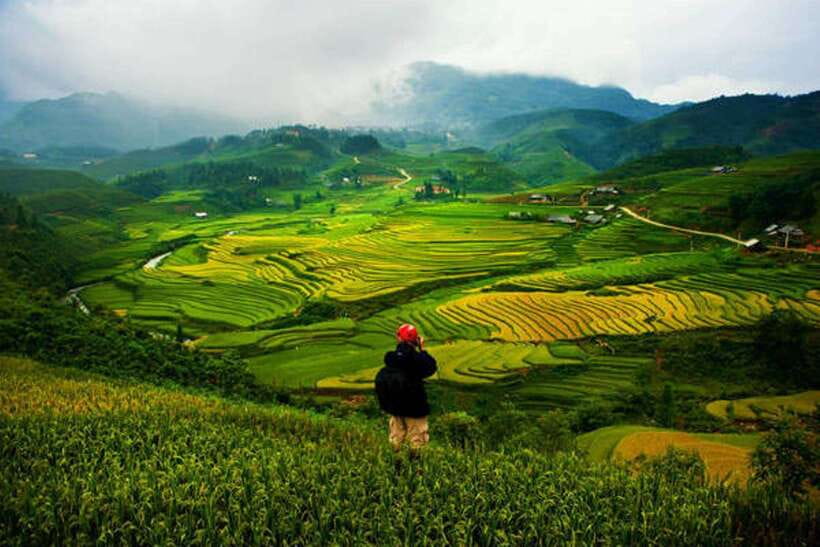
The honest answer is: it depends heavily on weather. In dry conditions, people who are used to walking on uneven ground often find the route manageable. Some have called it fun rather than strenuous, especially when the route is dry and the group is small.
After rain, the same trail can become a serious hike. Expect slippery mud, wet rocks, rough ground, steep patches, and creek crossings. A good level of fitness is needed, and you should be comfortable walking for several hours without regular paved paths.
This activity is not suitable for people with mobility impairments or children under six. It is also a poor choice if you want a relaxed morning with little exertion. If you are unsure, ask yourself whether you would be comfortable walking 10 kilometers on uneven ground in changing weather.
Your guide can help set the pace and may offer a more natural, challenging route or an easier option in some areas. That flexibility is useful, but it does not turn the tour into an easy walk.
Guides make the difference
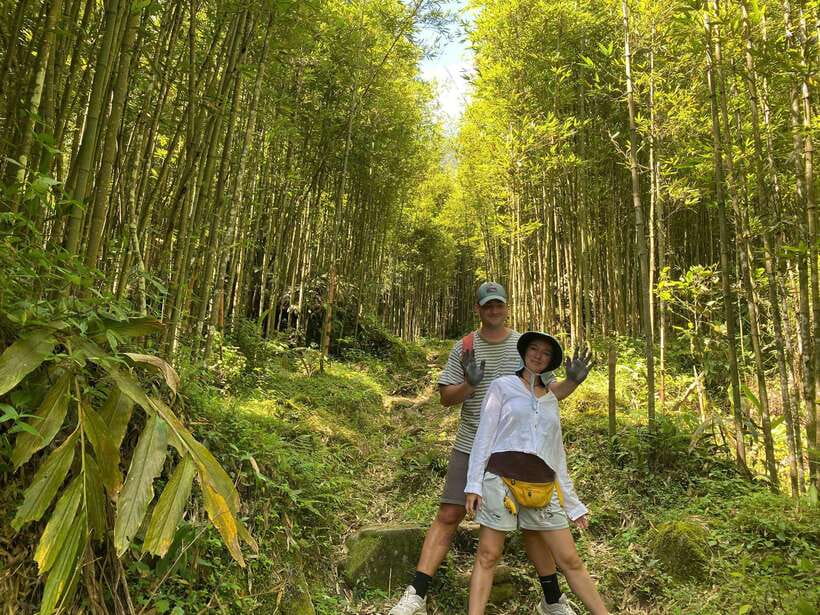
The guide is central to this experience because the route itself has limited formal interpretation. A good guide tells you what you are seeing, keeps the group together, and helps you make sensible choices on rough ground.
The guides named in recent bookings include Kau, Chai, Su, Sunny, Khu, Nhu, Minh, Linda, Coo, Choo, and Thao Nu. The assigned guide will vary, but the useful qualities to look for are clear English, patience, and a willingness to explain local life rather than simply lead from the front.
Su has been praised for safety reminders and careful route management. Chai has been described as friendly and good at sharing local culture. Khu has been noted for helping with the trail and arranging a memorable home lunch. Sunny has been praised for local stories and for finding ways to help people through muddy slopes.
You may not receive the exact guide mentioned by someone you know, so book this for the route and format rather than one particular person. Still, the repeated strength of the guiding is a good sign.
Price, group size, and what you actually get

At $23 per person, this is a strong-value outing if you want a full day of walking and local food. The price includes pickup from central Sa Pa, an English-speaking guide, entry tickets, lunch, transport at the end, and 500 milliliters of water.
The small-group limit is 11 people. Groups can be smaller, sometimes only three people, which gives you more room to ask questions and makes it easier for the guide to adjust the pace. A smaller group also feels better on narrow trails and inside a local home.
You pay extra for drinks, soft drinks, and personal purchases. A French-speaking guide costs $19 per person, payable upon confirmation. There is also a $30 per-person Lunar New Year surcharge from February 14 to February 21, 2026, payable at departure.
The biggest hidden cost is not really hidden, but you should plan for it. Local women who help on difficult sections generally expect you to buy something from their wares. You do not need to fill your bag, but carrying cash lets you handle the moment politely and without fuss.
What to pack for the valley
Start with hiking shoes that have real grip. The request to bring hiking shoes is not a formality. Wet-weather reports repeatedly describe mud, slipping, soaking, and shoes that needed cleaning afterward.
Pack:
- Trekking shoes or high-grip hiking boots
- Sunglasses and sunscreen
- Insect repellent
- Warm clothes from October through March
- Extra cash for drinks or local purchases
- A small bag instead of oversize luggage
Do not bring new white sneakers. They may finish the day dirty, and ordinary trainers can be unsafe on steep mud. If the forecast looks wet, consider footwear that you are willing to get soaked.
The included water is only 500 milliliters per person. Since the route lasts about six hours, you may want to carry more water if you normally drink often while hiking.
The best and worst conditions for this outing
Dry weather gives you the clearest views and the firmest trail. You are more likely to appreciate the rice terraces, village paths, and valley shape without spending every minute watching your feet.
Fog and light rain do not ruin the cultural side of the tour. You can still visit the villages, eat lunch, and walk the forest. The scenery will be less open, though, and the ground may become much harder.
The rice terraces are especially striking when the fields are green, but the tour runs across different seasons, so the exact appearance changes. From October to March, warm clothing matters because Sa Pa can feel cool, especially in mist.
One practical environmental drawback is that rubbish has been seen along parts of the trail and river. It does not erase the beauty of the valley, but it may disappoint you if you expect untouched countryside.
Who should book this Sa Pa trek?
Book it if you want to combine scenery with village life and you are happy to work for the views. It suits people who enjoy a full half-day walk, local food, small groups, and direct contact with rural communities.
It is also a good option if your Sa Pa schedule is short. In six hours, you see several villages, the terraces, a river, ancient carvings, a bamboo forest, and a waterfall, with transport back to town.
Skip it if you need smooth paths, dislike mud, or want guaranteed clear mountain views. You should also think twice if you have limited mobility or are bringing a young child under six.
FAQ
How long is the Muong Hoa Valley trek?
The advertised route is 10 kilometers and the activity lasts about six hours. Some GPS readings have recorded a longer distance, so plan for a substantial day of walking.
What villages does the tour visit?
The route passes through Lao Chai, where Black Hmong communities live, Ta Van Giay, and Giang Ta Chai, a Red Dao ethnic minority village.
Is lunch included?
Yes. Lunch at a local home is included. Vegetarian meals can be arranged, and vegan guests should mention their diet when booking.
What should I wear?
Wear hiking shoes or boots with strong grip. Bring sunglasses, sunscreen, and insect repellent. Warm clothes are recommended from October through March.
Is the trek difficult after rain?
Yes. Rain can make the trail very muddy and slippery, especially in the bamboo forest and on steep sections. A good level of fitness and proper footwear are important.
Is hotel pickup available?
Pickup is available from hotels in central Sa Pa or from the Vietnam Nomadtrails office. Pickup from outside the Sa Pa area is not available.
Can I cancel the activity?
You can cancel up to 24 hours in advance for a full refund. You can also reserve now and pay later.
Should you book it?
I would book this trek if you want Sa Pa at ground level: rice terraces beside working villages, a local meal, rough paths, and a guide who can explain the people and places around you.
The $23 price is particularly good for a small group with lunch, tickets, and transport included. Just treat the route seriously. Bring high-grip shoes, extra cash, and clothes that can handle mud. If you do that, this is a memorable and useful way to spend a day in the Muong Hoa Valley.
Recently reviewed around Sa Pa
- Sapa3D2N TrekkingAdventures,Valleys,Bambooforest,Waterfall★ 4.8 · 24 reviews
- Sapa: Y Linh Ho – Lao Chai, and Ta Van Trekking Day Tour★ 5.0 · 25 reviews
- Sapa: Ta Phin Village Trek & Red Dao Herbal Bath★ 5.0 · 22 reviews
- Sapa Trekking Bargains With Local Guide★ 4.9 · 91 reviews
- Sapa: Muong Hoa Mountain Views and Villages Trek with Lunch★ 4.3 · 28 reviews
- From Sapa: Guided Full-Day Trekking with Lunch and Drop-Off★ 4.2 · 86 reviews
- Sapa: Motorbike Tour 1 Day Visit Waterfalls & Local Villages★ 5.0 · 112 reviews
- Sapa: Private Highlights Day Tour with Lunch★ 4.8 · 61 reviews
Hiking & Trekking, compared.

Halong Bay Full Day with Kayaking, Hiking viewpoint, Cave – Deluxe To Luxury
Read our review →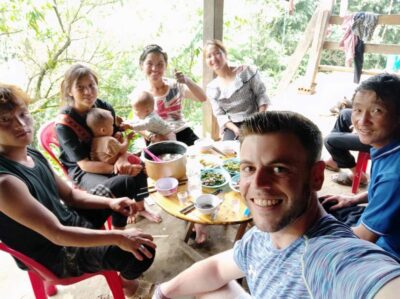
Sapa 3 Days 2 Nights Trekking Tour (1 Night In Ta Van Village, 1 Night In Hotel)
Read our review →
Eco Adventure Terrace Fields and Local Villages Trek
Read our review →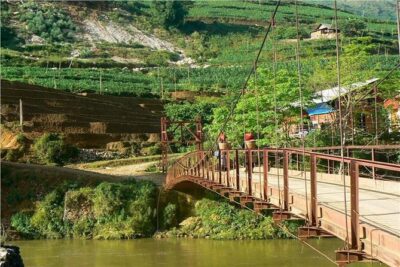
3-Day Trekking Adventure of Sapa from Hanoi – Stay Ta Van Village
Read our review →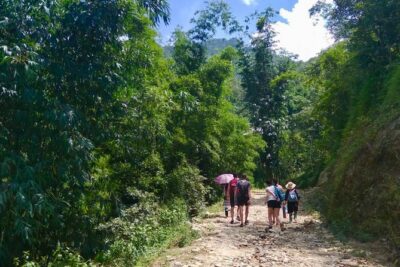
Number one top rated ethical cultural trekking and homestay by ETHOS
Read our review →
2-Day Sa Pa Ethnic Homestay Tour & Trek with Limousine Bus
Read our review →
1-Day Guided Trek to Lao Chai & Ta Van with Lunch
Read our review →Browse the lists this tour appears in