
Reviewed · SAPA TOURS
Sapa3D2N TrekkingAdventures,Valleys,Bambooforest,Waterfall
Sapa’s best moments often come away from town, and this three-day route gets you there on foot. You climb Dragon Mountain for views toward Fansipan, then follow village paths through rice terraces, bamboo forest, waterfalls, and Black Hmong and Red Dao communities. Two nights with Dinh’s family add the human side of the trip.
I like the local Hmong guiding and the fact that Dinh or her sister leads the walk, rather than sending you off with a generic escort. I also like the family homestay, where meals, singing, dancing, and the cheerful local custom of happy water make the evenings social. The main consideration is the walking: up to 15 kilometers on mountain trails each day, with steep sections, uneven ground, and changing weather.
In This Review
- Key points to know before you book
- Why this Sapa trek feels different from a town-based visit
- Day one: Dragon Mountain, Hang Da, and Hau Thao
- Day two: Su Pan, Red Dao culture, and Giang Ta Chai waterfall
- Day three: Lao Chai, Y Linh Ho, and the return to Sapa
- The homestay: the real center of the experience
- How difficult are the trails?
- What the $80 price covers
- A note about the named highlights
- Who should choose this tour?
- Should you book the Sapa 3-day trekking adventure?
- FAQ
- Where does the trek start?
- How long do you walk each day?
- Where do you stay during the trek?
- Are meals included?
- What language does the guide speak?
- Is transport back to Sapa included?
Key points to know before you book
- Dragon Mountain viewpoint: Climb about 1 kilometer to a high point around 1,900 meters for views of Sapa, Fansipan, and Muong Hoa Valley.
- Three village routes: Walk through Hang Da, Hau Thao, Su Pan, Giang Ta Chai, Ta Van, Lao Chai, and Y Linh Ho.
- Two nights with a local family: Sleep at Dinh’s homestay in Hau Thao and Ta Van, with breakfast and dinner included.
- Waterfall and bamboo forest scenery: Day two brings forest paths, Giang Ta Chai waterfall, rice fields, and a second hanging bridge.
- Small-scale cultural contact: Meet Black Hmong, Red Dao, and Tày communities, though the detailed schedule focuses mainly on Hmong and Red Dao villages.
- Strong value at $80: The price covers a guide, village fees, six meals, two nights of lodging, daily water, and the ride back to Sapa.
Why this Sapa trek feels different from a town-based visit
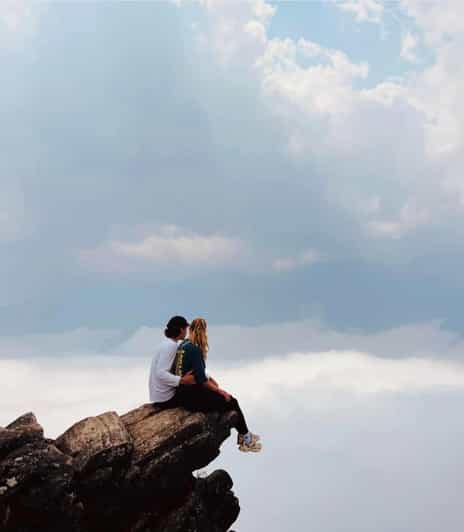
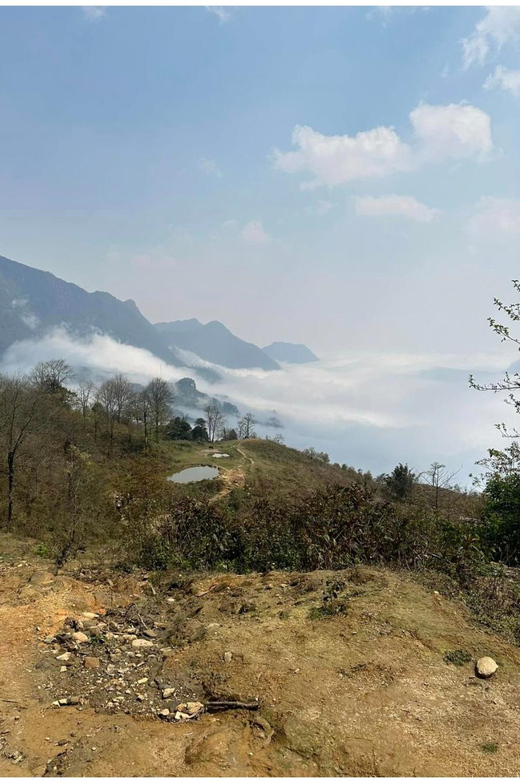
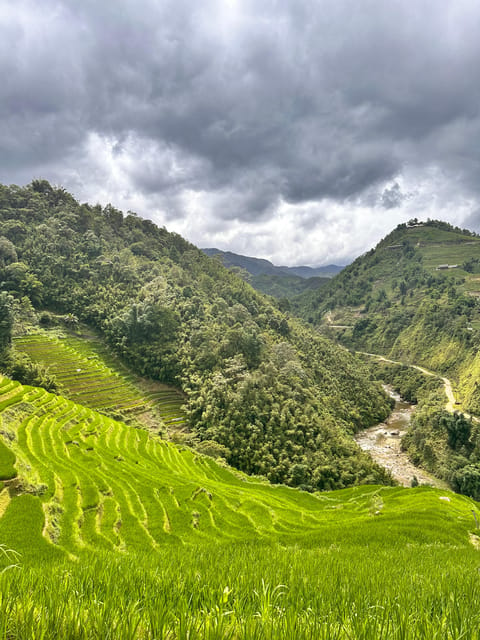
Sapa town is easy to reach and useful for hotels, food, and transport, but its busy center can feel far removed from rural life. This tour takes you quickly onto narrow mountain trails. After only about 1 kilometer of uphill walking on the first morning, you reach a viewpoint with broad views across Sapa and the Muong Hoa Valley.
That early climb sets the tone. You are not simply being driven to a photo stop. You earn the view, then continue on foot through villages and working farmland. Depending on the season, you might see people planting or harvesting rice. You will also pass animals such as buffalo, cows, and pigs, which gives the route a practical, lived-in feel.
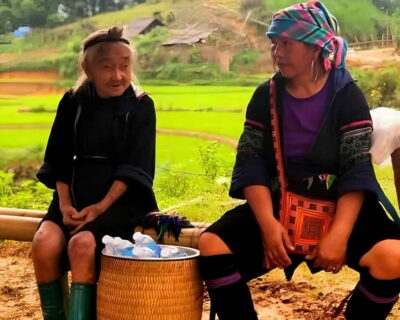
The guide is part of the appeal. Dinh is a local Hmong woman, and her sister may also guide the group. A previous guide arrangement used Dinh’s cousin, so the exact guide can vary. The important point is that the guiding comes from within the local community, with English and Vietnamese available.
At the homestay, the focus shifts from scenery to conversation. Dinh’s family welcomes you for two nights, and the evenings may include shared meals, singing, dancing, and happy water. That last detail means local rice liquor or another customary drink, so take it slowly. The atmosphere sounds warm and social, but you should not expect a quiet, private hotel evening.
Other Sa Pa days travellers weigh against this one:
- Sa Pa: Muong Hoa Valley Trek and Local Ethnic Villages
★ 4.6 · 864 reviews - Sapa: Eco Adventure Terrace Fields and Local Villages Trek
★ 4.9 · 636 reviews - From Sapa: 1-Day Guided Trek to Lao Chai & Ta Van with Lunch
★ 4.9 · 416 reviews
Day one: Dragon Mountain, Hang Da, and Hau Thao
The first day begins at 9 a.m. with pickup at your Sapa hotel or near the main church. That is a convenient start, especially if you are already staying in town. You do not need to arrange a separate transfer to the trailhead.
The route first climbs toward Dragon Mountain. At roughly 1,900 meters, the viewpoint gives you a chance to see Sapa town, Fansipan, and the wide folds of Muong Hoa Valley. Fansipan reaches 3,143 meters and is the highest mountain in Indochina, so clear weather can make this opening view one of the trip’s major highlights.
The route then heads down toward Hang Da, a Black Hmong village. The day covers about 10 to 15 kilometers and takes around six hours. That range matters. Ten kilometers on a dry, easy path is a different day from 15 kilometers on wet mountain ground, and the description does not promise identical conditions for every departure.
Lunch is served at a small restaurant run by a local family. The inclusion of lunch keeps the day simple, but you should still carry a little extra water or money for drinks. One bottle of water per person per day is included, while additional drinks are not.
After lunch, the trail continues toward Hau Thao, another Black Hmong village. You may see residents working in the fields, particularly during planting or harvest periods. The route is not a staged village show. Its value comes from seeing ordinary rural activity along the way, though the timing of farm work depends on the season.
The day ends at Dinh’s family homestay. You have time to rest, shower with hot water, and wait for dinner. That hot shower is a small but welcome detail after six hours on foot. The accommodation is a family home, not a polished resort, so bring a relaxed attitude and expect a simple rural setting.
Day two: Su Pan, Red Dao culture, and Giang Ta Chai waterfall
Day two covers about 9 to 11 kilometers in roughly five and a half hours. After breakfast, you walk from the homestay toward Hau Thao and Su Pan. Su Pan is described as a small Black Hmong village near the mountains, with traditional homes and views over rice fields.
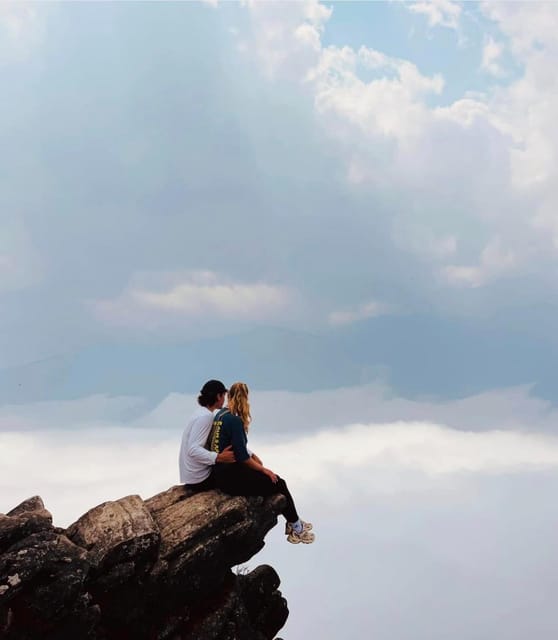
This section gives you more time to look closely at village life. The houses are described as traditional and modest, and the route provides photo opportunities across the rice terraces. Take care with the word viewpoint here. The route has attractive mountain views, but it is also a working path, not a series of built platforms with railings.
The trail then climbs toward Giang Ta Chai waterfall. Water levels and trail conditions can change, so the waterfall may feel more impressive after rain than during a dry spell. The route also includes a bamboo forest, according to the experience description and past visitor accounts. Bamboo paths can be shaded and pleasant, but they may also be slippery if the ground is wet.
Near Giang Ta Chai, you enter an area associated with the Red Dao people. Your guide explains more about local culture and daily life, and the route includes a short visit to a Red Dao family. This is one of the better reasons to take a local guide. Cultural details are more useful when someone can explain what you are seeing and answer basic questions in the moment.
You then return toward the waterfall by an alternative trail and cross a second hanging bridge. If bridges make you nervous, this is worth knowing before booking. The description does not give bridge length, height, or safety details, but crossing one is part of the planned route.
Lunch takes place at a small restaurant run by a Hmong family in Giang Ta Chai village. After the meal, you walk back to Ta Van and stay again with Dinh’s family. The repeated homestay is a practical advantage. You do not have to pack up and change beds every night, and your larger bags can remain at the house while you walk with a smaller day bag.
Day three: Lao Chai, Y Linh Ho, and the return to Sapa
The last day covers about 9 to 13 kilometers and takes around five and a half hours. You begin after breakfast and head toward Lao Chai and Y Linh Ho.
The route reaches the hanging bridge over the Muong Hoa River, then climbs into the mountains. This day brings some of the largest rice terraces on the trip, along with views toward the Hoang Lien Son range. The combination of river, bridge, terraces, and mountain paths gives the final walk a strong sense of variety.
You then continue toward Sapa. Transportation back to Sapa is included after the village portion ends. The exact point and timing of that ride are not specified, so ask Dinh when you book if you have a train, bus, or hotel check-in to catch.
Your larger bags can be transported to the homestay where you stay. That is important because carrying luggage over three days of mountain paths would make the tour much harder. Pack only what you need for the trek in a small bag, and confirm the bag transfer plan directly with the guide before departure.
A different kind of day out, same stretch of Vietnam:
- Sapa 1 Day Long Trek: Trek to Hau Thao and Sa Seng Villages
★ 4.6 · 344 reviews - Sapa: Fansipan Cable, Cat Cat Village, Moana Instagram Tour
★ 4.8 · 294 reviews - From Sapa: 3-Day Ha Giang Loop with Safe Rider (max 8 pax)
★ 4.9 · 285 reviews - Explore Sapa by TrekkingAdventures, Mountain,Rice fields
★ 4.9 · 229 reviews
The homestay: the real center of the experience
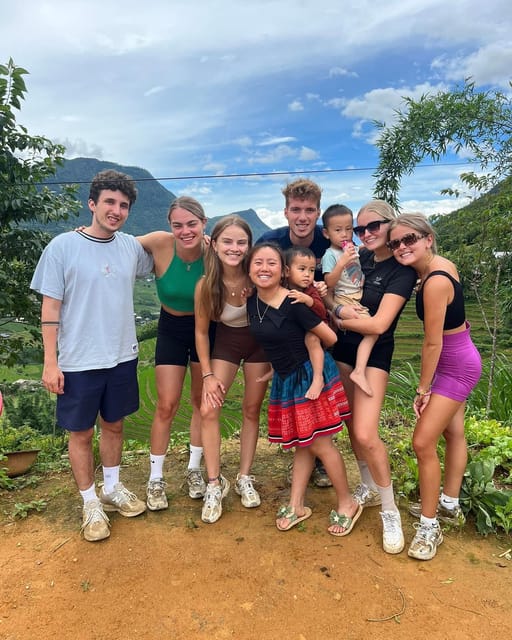
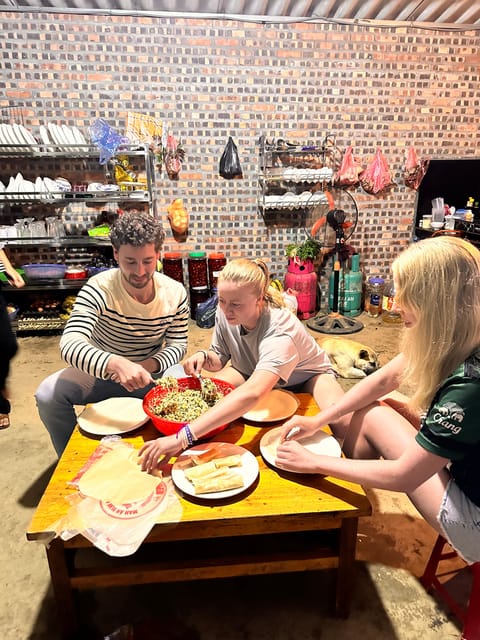
The scenery gets you onto the route, but the homestay is likely to shape your strongest memories. You stay two nights with Dinh’s family, eat two dinners and two breakfasts there, and have time to talk after the walking ends.
The food is Vietnamese home cooking, with meals prepared by a local family. Three lunches are also included, usually at small local restaurants along the route. The exact menu is not provided, so tell the guide about dietary needs before setting out rather than assuming every request can be handled at the last minute.
The social side can be lively. Dinh is described as enthusiastic and fond of singing, dancing, and sharing happy water. Her younger students live in another nearby house, and the homestay may bring you into contact with other people staying there. This can be a lovely way to meet others, but it also means the experience is communal rather than private.
Do not book this expecting hotel-style service. The appeal is sharing space with a local family and seeing how the household works. If you value a private bathroom, fixed quiet hours, or complete control over dinner and bedtime, a standard Sapa hotel may suit you better.
How difficult are the trails?
The daily distances are moderate for a regular walker, but the terrain makes this a proper trek. Day one is the longest at about 10 to 15 kilometers. Day two and day three are shorter, around 9 to 11 and 9 to 13 kilometers, yet both include uphill and downhill sections.
You should bring comfortable clothes, sunscreen, sunglasses, a sun hat, spare clothing, and swimwear. Swimwear may be useful around wet areas, but the information does not promise swimming, so do not book on that expectation.
The route includes mountain trails, rice fields, bamboo forest, a waterfall, and hanging bridges. In practical terms, wear shoes with a firm grip and bring a light rain layer, even though those items are not specifically listed. This is advice based on the type of terrain described, not a promise about trail conditions.
One bottle of water per person per day is included. That is not a large supply for several hours of walking, particularly in warm weather. Carry extra water money or ask the guide where you can buy drinks. Beer and other drinks are not included.
The tour is not suitable for people over 95, according to the activity information. That is a broad age limit rather than a statement that every younger person will find the trek easy. Your own fitness, balance, and comfort on uneven ground matter more than age alone.
What the $80 price covers
At $80 per person, this is a strong-value package if you want a guided trek with local accommodation. The price includes:
- Three days with a local English-speaking guide
- Village entry fees for eight villages
- Three lunches
- Two dinners
- Two breakfasts
- Two nights at the homestay
- One bottle of water per person per day
- Transportation back to Sapa after the village trek
The combination of guide, meals, entry fees, lodging, and return transport keeps extra costs fairly low. You may still want money for drinks and personal purchases. Travel insurance is not included, and it is your responsibility.
The price also supports a locally run experience rather than separating you from the communities you visit. Dinh’s family provides the accommodation, and local families run the lunch restaurants. That does not guarantee a perfect or luxurious trip, but it does give your money a more direct connection to local households.
The activity offers free cancellation up to 24 hours before departure and allows you to reserve now and pay later. Those terms are useful if your Sapa plans depend on changing weather or transport, but check the current conditions and start times before you commit.
A note about the named highlights
The main route clearly covers Hau Thao, Su Pan, Giang Ta Chai, Ta Van, Lao Chai, and Y Linh Ho. The broader highlights also mention Ban Ho, Tày stilt houses, and Nam Cang Valley.
Those places are not described in the three-day schedule above. If seeing Ban Ho, Tày architecture, or Nam Cang Valley is the main reason you are interested, ask Dinh to confirm the exact route before booking. The detailed itinerary points to a Muong Hoa Valley circuit, not a separate Ban Ho and Nam Cang trip.
That small clarification can save disappointment. Sapa has many valleys and ethnic villages, and tour names sometimes group several regional attractions together. The day-by-day plan is the part you should use when deciding if the route matches your priorities.
Who should choose this tour?
I would choose this experience if you want three active days, local guiding, village scenery, and a family stay rather than a hotel-based package. It suits someone who enjoys walking for several hours, accepts simple accommodation, and wants evenings with conversation instead of a fixed tourist program.
It is also a good fit if you want help with the practical pieces. The guide meets you in Sapa, village fees are handled, meals are arranged, larger bags can be taken to the homestay, and transport back to Sapa is included.
I would think twice if you want a private, quiet trip with guaranteed facilities. The route is physically active, the accommodation is a homestay, extra drinks cost more, and the exact guide may be Dinh, her sister, or another member of the family guiding team. Ask about your guide, room arrangement, luggage transfer, and the route to Ban Ho or Nam Cang before paying.
Should you book the Sapa 3-day trekking adventure?
Book it if the heart of your Sapa visit is walking through rice terraces and villages with a local Hmong family, not simply collecting scenic stops. The mix of Dragon Mountain, Muong Hoa views, bamboo forest, Giang Ta Chai waterfall, hanging bridges, and two homestay nights gives the trip a good balance of nature and daily life.
At $80, the package offers a lot for the money. Just arrive prepared for long days, uneven trails, simple lodging, and a social homestay atmosphere. If you confirm the guide and clarify the Ban Ho and Nam Cang references first, this is a practical, personal way to see Sapa beyond town.
FAQ
Where does the trek start?
The guide meets you at your hotel in Sapa or in front of Sapa’s main church at 9 a.m. on the first day.
How long do you walk each day?
Day one covers about 10 to 15 kilometers in around six hours. Day two covers about 9 to 11 kilometers in about five and a half hours. Day three covers about 9 to 13 kilometers in about five and a half hours.
Where do you stay during the trek?
You stay two nights at Dinh’s family homestay, with the first night in Hau Thao and the second night in Ta Van according to the route description.
Are meals included?
Yes. The price includes three lunches, two dinners, and two breakfasts. Additional drinks, including bottled water beyond the included daily bottle and beer, are not included.
What language does the guide speak?
The tour provides a live guide in English or Vietnamese. Dinh, her sister, or another local member of the guiding team may lead the trek.
Is transport back to Sapa included?
Yes. Transportation back to Sapa is included after the village trek ends.
Recently reviewed around Sa Pa
- Sapa: Y Linh Ho – Lao Chai, and Ta Van Trekking Day Tour★ 5.0 · 25 reviews
- Sapa: Ta Phin Village Trek & Red Dao Herbal Bath★ 5.0 · 22 reviews
- Sapa Trekking Bargains With Local Guide★ 4.9 · 91 reviews
- Sapa: Muong Hoa Mountain Views and Villages Trek with Lunch★ 4.3 · 28 reviews
- From Sapa: Guided Full-Day Trekking with Lunch and Drop-Off★ 4.2 · 86 reviews
- Sapa: Motorbike Tour 1 Day Visit Waterfalls & Local Villages★ 5.0 · 112 reviews
- Sapa: Private Highlights Day Tour with Lunch★ 4.8 · 61 reviews
- Sapa: 3-Day Ha Giang Loop Motorbike Tour★ 4.9 · 34 reviews
Sapa Tours, compared.
Muong Hoa Valley Trek and Local Ethnic Villages
Read our review →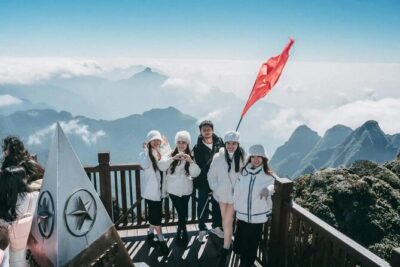
Fansipan Cable, Cat Cat Village & Moana Instagram Tour
Read our review →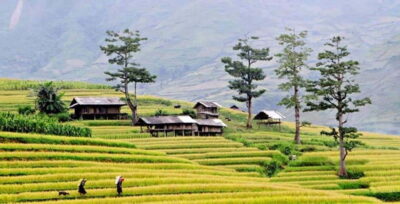
Eco Adventure Terrace Fields and Local Villages Trek
Read our review →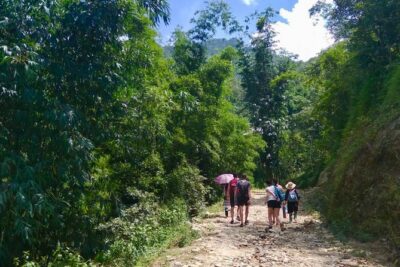
Number one top rated ethical cultural trekking and homestay by ETHOS
Read our review →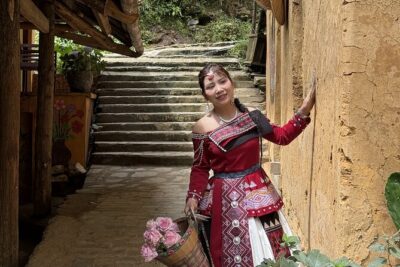
Cat Cat Village, Moana, Fansipan Cable Car, Alpine Coaster – Sapa
Read our review →
1-Day Guided Trek to Lao Chai & Ta Van with Lunch
Read our review →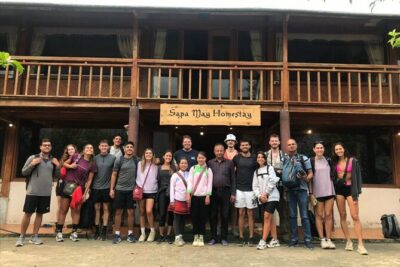
Sapa 1 Day Long Trek: Trek to Hau Thao and Sa Seng Villages
Read our review →Browse the lists this tour appears in