
Reviewed · HIKING & TREKKING
Sapa: Muong Hoa Mountain Views and Villages Trek with Lunch
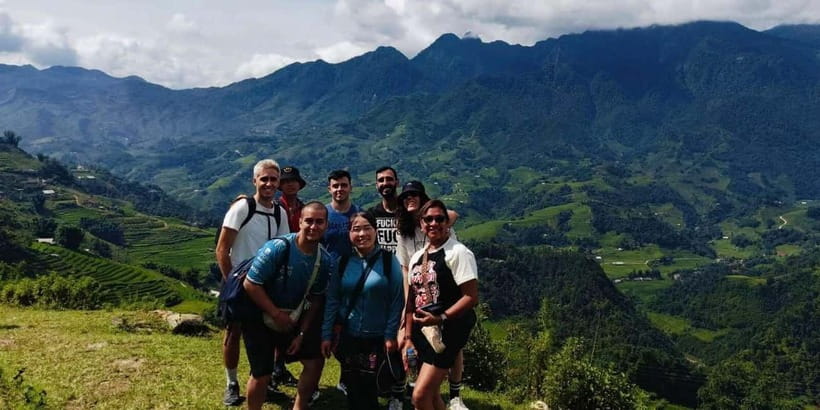
Sa Seng Mountain gives you the big Sapa view quickly: after a steep 1-kilometer climb, you look toward Fansipan, Sapa town, Muong Hoa Valley, and its famous rice terraces. I like the combination of high viewpoints and village paths, and I like that lunch takes place at a small family-run restaurant rather than a large tourist dining room.
The main caution is the pickup service. Several bookings had trouble meeting the van at the stated time, while other outings went smoothly. You should confirm the meeting point and have enough flexibility in your morning, especially if this is your last day in Sapa.
In This Review
- Key points to know before you book
- Sa Seng Mountain puts Sapa below your boots
- Hang Da reveals the working side of village life
- A family lunch breaks up the long walk
- Hau Thao connects scenery with Hmong traditions
- The final walk reaches Giang Ta Chai
- Why the $20 price is strong value
- The guide can make or break the morning pickup
- What to pack for Sa Seng and the villages
- Who should choose this Sapa trek?
- Should you book the Muong Hoa trek?
- FAQ
- Where does the tour begin?
- What time does pickup begin?
- How long does the activity last?
- What mountain will I see from Sa Seng Mountain?
- Which villages does the route visit?
- Is lunch included?
- What language does the guide speak?
- Who should avoid this trek?
Key points to know before you book
- One hard climb comes first: The 1-kilometer uphill trail takes about an hour and leads to the top of Sa Seng Mountain.
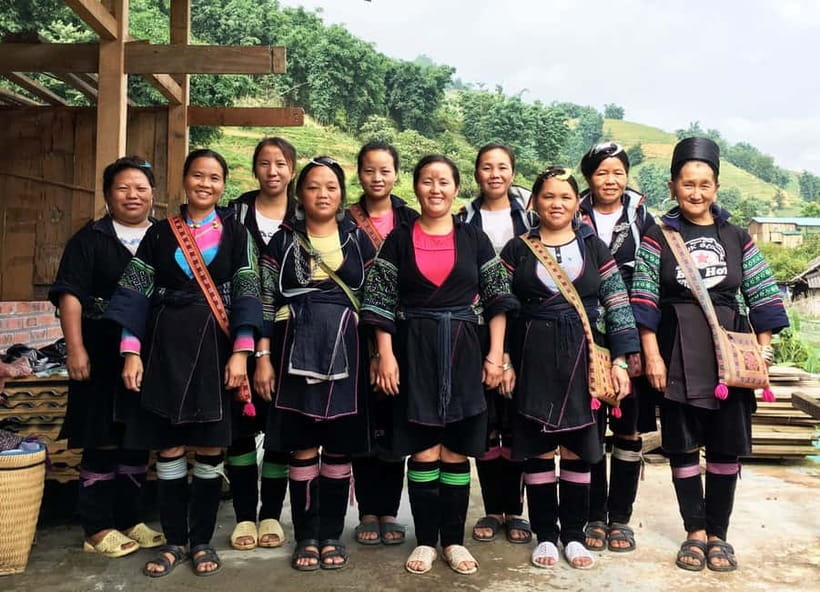
- Three different village settings: You pass through Hang Da, Hau Thao, and later walk to Giang Ta Chai for transport.
- Black Hmong culture is central: Your guide explains marriage customs, rice work, and traditional house-building methods.
- Lunch is local and simple: A family-run restaurant provides the included midday meal.
- Small groups help: The group is limited to 10, and guides including Su and Châu A Su have received strong praise for their friendliness.
- The price covers the essentials: At $20 per person, you get transport, a driver, an English-speaking guide, lunch, and a massage discount voucher.
Sa Seng Mountain puts Sapa below your boots
The day begins at Massage Lits, 01 Hoang Van Thu, in Sapa. At 9:00, the guide and van are scheduled to collect you, followed by a short introduction before the walk begins.
The first section is not a gentle warm-up. You take a small trail uphill for about 1 kilometer, with roughly an hour of hard trekking before reaching the top of Sa Seng Mountain. The steep incline is the defining physical test of the day, so comfortable shoes and proper trekking gear matter more here than they would on a standard village stroll.
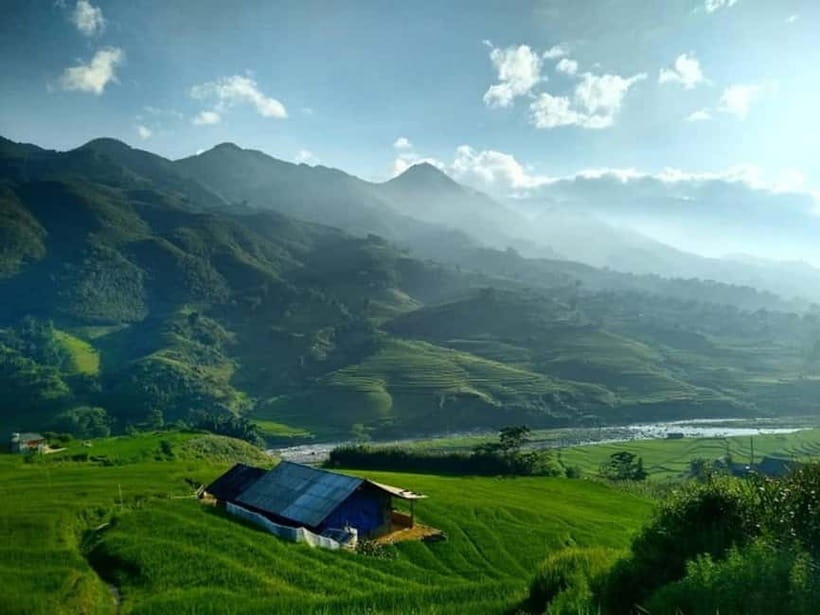
At the summit, the reward is a broad view over northern Vietnam. On a clear day, you can see Fansipan, at 3,143 meters the highest mountain in Indochina, along with Sapa town. Looking down, you see the rice terraces of Muong Hoa Valley and one of Sapa’s major rivers and valleys.
This is the point where you should take your time with photos. The high viewpoint gives you a sense of how Sapa’s villages, farmland, valleys, and mountain ridges fit together. Still, weather controls the show. The tour promises the viewpoint, but clouds or haze can reduce what you see from the summit.
If heights make you uneasy, take the warning seriously. The experience is not suitable for people with vertigo or a fear of heights, and the route includes steep mountain paths. Pregnant women, people with back problems, and people with mobility impairments should also skip this outing.
More Hiking Tours in Sapa
- Sa Pa: Muong Hoa Valley Trek and Local Ethnic Villages
★ 4.6 · 864 reviews - Sapa: Eco Adventure Terrace Fields and Local Villages Trek
★ 4.9 · 636 reviews - From Sapa: 1-Day Guided Trek to Lao Chai & Ta Van with Lunch
★ 4.9 · 416 reviews
Hang Da reveals the working side of village life
From Sa Seng Mountain, the route heads down the mountainside toward Hang Da, a village of the Black Hmong minority. The change from summit views to a lived-in village setting is one of the tour’s best features.
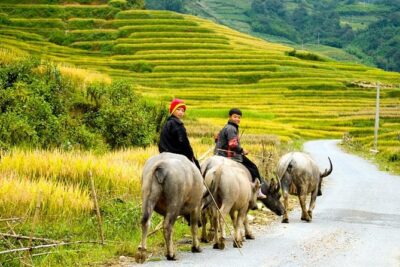
You may see buffaloes, cows, and pigs along the way. These are not just photo subjects. They are important working and household animals for local people, and seeing them helps explain how daily life is tied to farming and family resources.
The downhill section can be easier on your lungs than the climb, but it may be harder on your knees. A small mountain path is not the same as a paved sidewalk, and conditions can change with rain. Bring water, wear shoes with a good grip, and keep your hands free when possible.
Your guide is also important here. The best part of a village walk is not simply passing houses and animals. It is understanding what you are seeing. The tour is conducted in English, and guides such as Su and Châu A Su have been praised for being friendly and willing to explain the surrounding area, nature, and local life.
A family lunch breaks up the long walk
Lunch takes place at a small restaurant run by a local family. It is included in the $20 price, so you do not need to budget separately for the main meal, though personal expenses are not included.
I like this pause in the middle of the route because it gives your legs a break without turning the day into a restaurant-focused excursion. The setting is intended to feel local and modest rather than polished or elaborate. The meal is described as traditional, and one outing was specifically praised for its good food.
Do not expect a long restaurant stop with a broad menu. The information provided does not specify the exact dishes, and the meal is best viewed as practical local food during a full day on foot. If you need snacks between meals, bring them. The tour specifically advises carrying water and snacks to keep your energy up.
The lunch stop also helps make the day manageable. By this point, you have completed the demanding climb and walked down toward Hang Da. A proper pause before the next village section is useful, especially in warm weather.
Hau Thao connects scenery with Hmong traditions
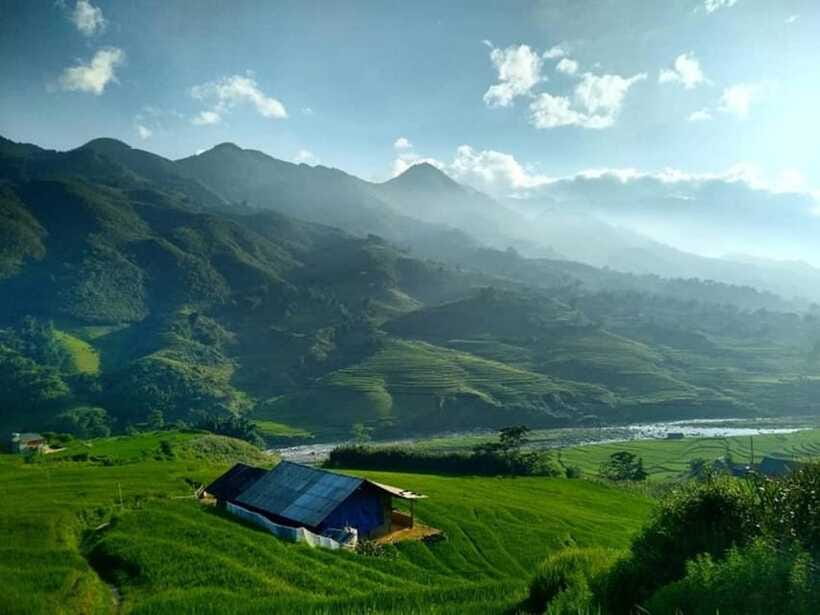
After lunch, you continue along a small road toward Hau Thao, another village of the Black Hmong ethnic minority. This section focuses less on a single dramatic viewpoint and more on how people use the land.
If the timing is right, you may see local people planting or harvesting rice. That timing matters because farming activity changes through the year. The tour does not promise a particular field task on every departure, but the guide can explain rice-field work as you pass through the area.
The guide also introduces you to Hmong marriage traditions. This is a useful cultural subject because it moves the outing beyond scenic photography. You hear about a social custom that is specific to the local community, alongside explanations of rice farming and house-building techniques.
I would treat Hau Thao as a place to observe carefully rather than rush through with a camera. You are seeing ordinary homes, fields, animals, and work areas. Keep your attention on the guide and remain respectful when taking photographs. The supplied information does not set out a formal photography rule, so the sensible approach is to ask before photographing people.
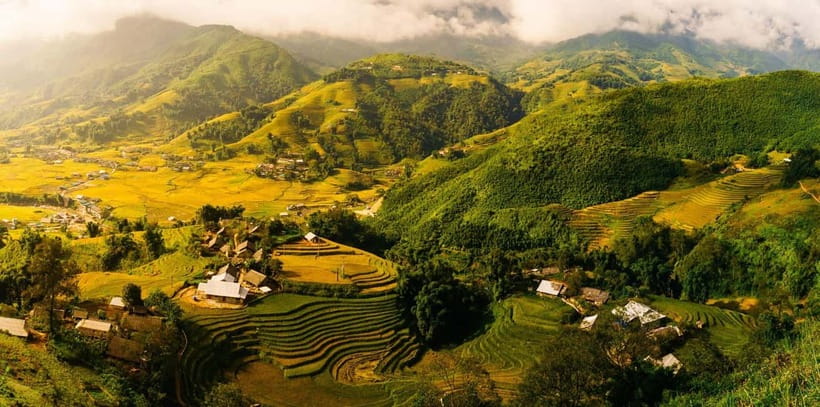
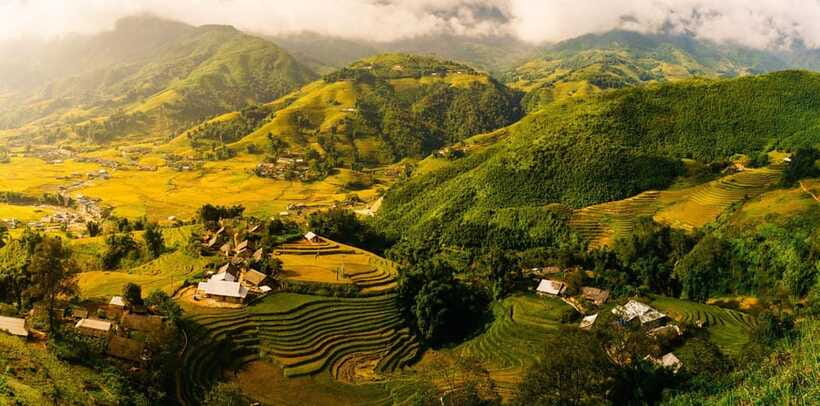
Hau Thao also gives you a second chance to appreciate the scale of Muong Hoa Valley. From the mountain paths, the terraces are not just scenic patterns. They show how farming has been shaped around steep ground, seasonal water, and village life.
More Sa Pa trips worth a second look
- Sapa 1 Day Long Trek: Trek to Hau Thao and Sa Seng Villages
★ 4.6 · 344 reviews - EXPLORE SAPA: 2D1N TREKKING & HMONG CULTURE WITH DINH
★ 4.9 · 191 reviews - Sa Pa: 6-Hours Muong Hoa Valley Trek with Local Ethnic guide
★ 4.5 · 178 reviews - Sa Pa: 2-Day Trekking Trip with Ethnic Minority Homestay
★ 4.7 · 145 reviews
The final walk reaches Giang Ta Chai
The walking portion ends with a route to Giang Ta Chai, where transport waits on the main road. The van then returns you to Sapa, finishing at Hoàng Văn Thụ.
The stated schedule places this final transfer at about 15:30. The activity is advertised as lasting nine hours, but the listed walking sequence reaches the waiting vehicle in the afternoon. Allow for changes caused by walking pace, weather, or pickup timing rather than treating 15:30 as a guaranteed arrival back in town.
Giang Ta Chai functions as the practical end point rather than another major sightseeing stop. That arrangement keeps the group from retracing the entire route and gives you a clear place to leave the mountain paths.
You should be comfortable finishing a day outdoors with some tired legs. The route includes steep uphill walking, downhill mountain paths, village roads, and a final walk to the transport. This is a trek with cultural stops, not a soft walk with occasional views.
Why the $20 price is strong value
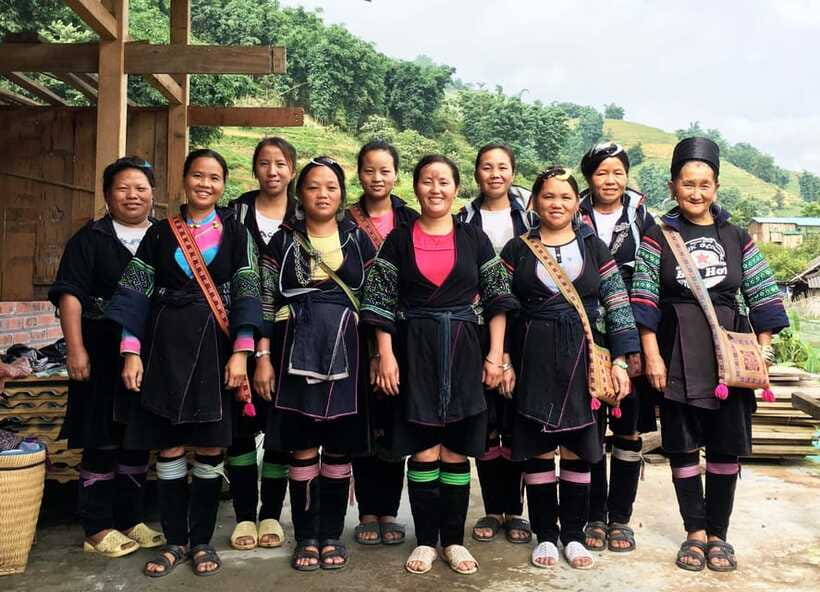
At $20 per person, the tour offers a lot for a full day: round-trip van transport, a driver, an English-speaking guide, and lunch at a local family restaurant. You also receive a voucher connected to a 20 percent massage discount at Massage Lits, 01 Hoang Van Thu, after the trip.
The value is strongest if you want one organized day that combines a demanding walk, mountain scenery, village visits, and food. Booking the pieces separately would require arranging transport into the hills, finding a guide, and locating a suitable lunch stop.
The price does not cover personal expenses, so bring money if you want extra drinks, snacks, or other purchases. The activity also offers reserve-now-and-pay-later booking and free cancellation up to 24 hours in advance, which gives you some useful flexibility. Check the available start time when booking, since the published pickup is 9:00 but availability can vary.
A small group of up to 10 people is another plus. It is large enough to share the cost of transport but small enough for the guide to explain things without addressing a crowd. One particularly successful outing had only two people, allowing plenty of conversation with the guide. You cannot count on such a tiny group, but the 10-person limit is still reasonable.
The guide can make or break the morning pickup
The strongest personal praise has gone to the guides. Su was singled out for making a two-person outing friendly and informative, while Châu A Su was praised for being kind and helping make the scenery more enjoyable. Another booking described the guide as especially friendly during a walk through rice fields and hills.
That matters on this route. You need a guide who can keep the group together on steep paths, explain local customs without turning the villages into a stage show, and help you understand the farming scenery. The guide’s attitude will shape how much you get from Hang Da and Hau Thao.
There is also a real practical weakness: not every pickup has gone well. Two bookings reported that nobody arrived at the meeting point, and one person waited more than an hour before leaving to find another tour. That is a serious concern, especially if you have a tight schedule or this is your final day in Sapa.
Meet at Massage Lits, 01 Hoang Van Thu, and arrive early. Keep the provider’s contact information handy, and do not assume that silence means the van is simply a few minutes away. The overall rating is 4.3 from 28 ratings, which reflects a generally positive experience but also shows that the pickup problem should not be ignored.
What to pack for Sa Seng and the villages
The tour’s own advice is sensible. Wear comfortable shoes and bring trekking gear, water, snacks, a hat, sunscreen, and a camera.
Your shoes are the most important item. The first climb is steep, and the route later moves over mountain paths and small roads. Sandals or smooth-soled casual shoes would be a poor choice, even if the weather looks dry at breakfast.
Water and snacks are also worth taking because the day includes an hour-long hard climb plus several later walking sections. Lunch is included, but it comes after the first major part of the trek. A small snack can help if you are hungry before reaching the restaurant.
A hat and sunscreen matter even when the air feels cool. Mountain sun can be stronger than expected, and the open viewpoint at Sa Seng offers little protection. Your camera will be useful, but do not let photography slow you down on narrow or steep paths.
Smoking is not allowed during the activity. The tour is also unsuitable for people with limited mobility, back problems, pregnancy, vertigo, or a strong fear of heights.
Who should choose this Sapa trek?
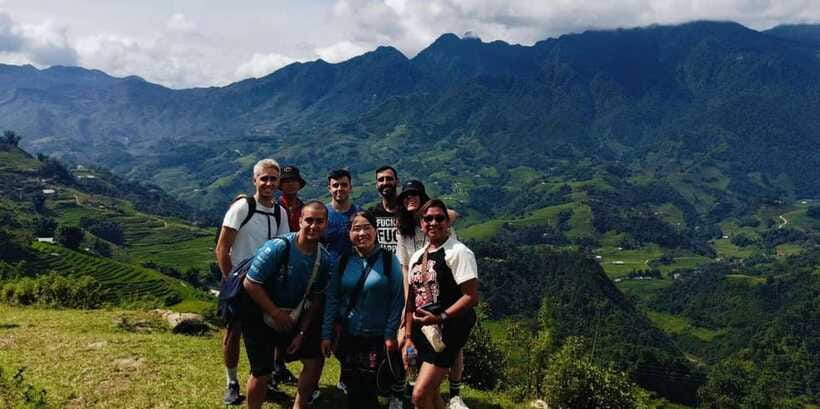
I would recommend it to you if you want an active day and prefer village life to a purely scenic cable-car outing. It suits hikers who can handle a steep first climb and who want a guide to explain Black Hmong customs, farming, animals, and homes.
It is also a good fit if you are watching your budget. The combination of transport, lunch, guide, and a small group at $20 is hard to fault when the pickup works as planned.
I would be more cautious if you need a gentle walk, have a fixed afternoon appointment, or are uncomfortable with steep mountain paths. The 9-hour listing also makes this a major part of your Sapa day, even though the stated route reaches the transport around 15:30.
The tour can also suit solo visitors who want company without joining a large crowd. The group limit is 10, and the guide-led format gives you a chance to ask questions about the villages and local customs. Just build in extra time around the pickup and return.
Should you book the Muong Hoa trek?
Book this tour if your priorities are strong mountain views, Black Hmong villages, and good value in one active day. Sa Seng Mountain delivers the main panorama, while Hang Da and Hau Thao give the outing purpose beyond taking pictures. The family lunch and local explanations add useful human detail.
Skip it if steep climbs, heights, or uncertain pickup arrangements would cause stress. I would not make this your only plan on a day when you must catch a train or bus at a precise hour.
For most fit visitors who can accept those limits, this is an appealing Sapa outing at a modest price. Confirm the meeting point, bring proper shoes and water, and give the guide enough time to explain what you are seeing. If the day goes to plan, you get far more than a viewpoint and a quick village photo stop.
FAQ
Where does the tour begin?
The meeting point is Massage Lits at 01 Hoang Van Thu in Sapa.
What time does pickup begin?
Pickup is scheduled for 9:00. Check availability when booking because starting times can vary.
How long does the activity last?
The advertised duration is nine hours. The walking route reaches Giang Ta Chai at about 15:30, where transport waits to return you to Sapa.
What mountain will I see from Sa Seng Mountain?
From Sa Seng Mountain, you can see Fansipan, which reaches 3,143 meters and is the highest mountain in Indochina. You can also see Sapa town, Muong Hoa Valley, its rice terraces, and a major river and valley in Sapa.
Which villages does the route visit?
The route includes Hang Da and Hau Thao, both villages of the Black Hmong minority. The walking section finishes at Giang Ta Chai, where the van collects the group.
Is lunch included?
Yes. Lunch is provided at a small restaurant run by a local family.
What language does the guide speak?
The live guide speaks English.
Who should avoid this trek?
The activity is not suitable for pregnant women, people with back problems, people with mobility impairments, people afraid of heights, or people with vertigo. You should also be prepared for steep inclines and bring suitable trekking gear.
More Lunch Experiences in Sa Pa
- From Sapa: Guided Full-Day Trekking with Lunch and Drop-Off
★ 4.2 · 86 reviews - From Sapa: Terrace Fields and Local Villages Trek with Lunch
★ 4.3 · 77 reviews - Sapa: Private Highlights Day Tour with Lunch
★ 4.8 · 61 reviews - Ninh Binh Heritage Full Day Tour with Buffet Lunch and Limousine
★ 5.0 · 2,692 reviews
Recently reviewed around Sa Pa
- Sapa3D2N TrekkingAdventures,Valleys,Bambooforest,Waterfall★ 4.8 · 24 reviews
- Sapa: Y Linh Ho – Lao Chai, and Ta Van Trekking Day Tour★ 5.0 · 25 reviews
- Sapa: Ta Phin Village Trek & Red Dao Herbal Bath★ 5.0 · 22 reviews
- Sapa Trekking Bargains With Local Guide★ 4.9 · 91 reviews
- From Sapa: Guided Full-Day Trekking with Lunch and Drop-Off★ 4.2 · 86 reviews
- Sapa: Motorbike Tour 1 Day Visit Waterfalls & Local Villages★ 5.0 · 112 reviews
- Sapa: Private Highlights Day Tour with Lunch★ 4.8 · 61 reviews
- Sapa: 3-Day Ha Giang Loop Motorbike Tour★ 4.9 · 34 reviews
Hiking & Trekking, compared.

Halong Bay Full Day with Kayaking, Hiking viewpoint, Cave – Deluxe To Luxury
Read our review →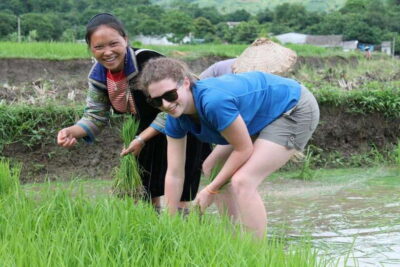
Muong Hoa Valley Trek and Local Ethnic Villages
Read our review →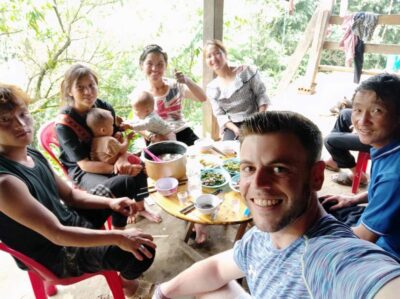
Sapa 3 Days 2 Nights Trekking Tour (1 Night In Ta Van Village, 1 Night In Hotel)
Read our review →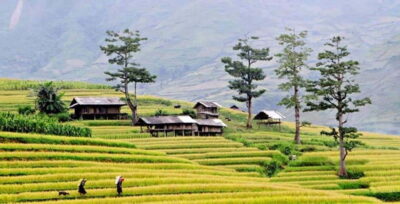
Eco Adventure Terrace Fields and Local Villages Trek
Read our review →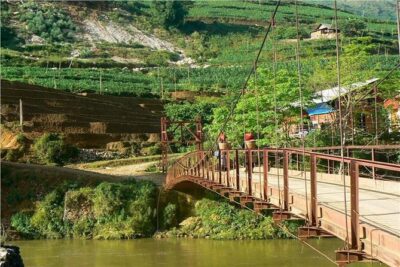
3-Day Trekking Adventure of Sapa from Hanoi – Stay Ta Van Village
Read our review →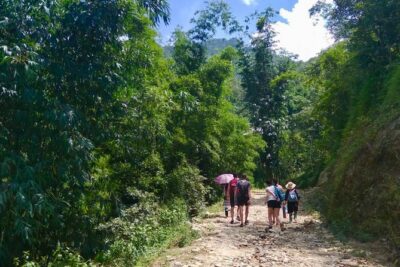
Number one top rated ethical cultural trekking and homestay by ETHOS
Read our review →
2-Day Sa Pa Ethnic Homestay Tour & Trek with Limousine Bus
Read our review →Browse the lists this tour appears in