
Reviewed · HIKING & TREKKING
Sapa: Eco Adventure Terrace Fields and Local Villages Trek
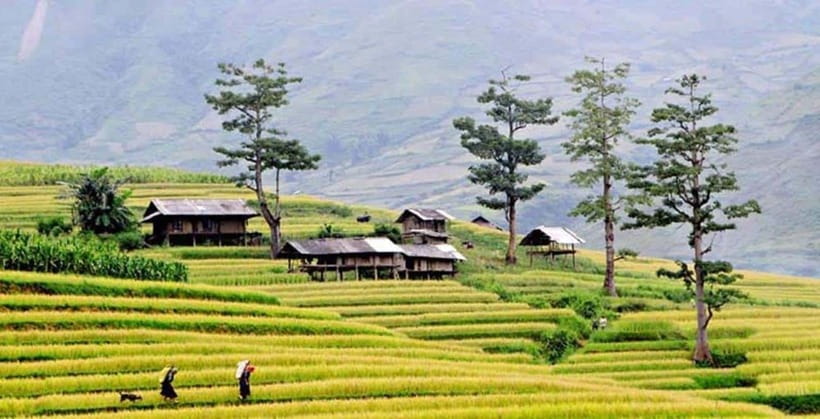
Sapa’s best stories are found below town, where rice terraces, streams, buffalo, wooden homes, and working farms replace the souvenir shops. This trek carries you through Muong Hoa Valley and several Hmong and Dzay villages, with a local guide explaining the customs and daily life you would otherwise miss.
I like the small group, limited to 10 people, and the generous 10 to 12 kilometer route for only $27. I also like the personal side of the day: guides such as Chai, Vu, Wu, and VU are praised for their English, humor, and local insight, while lunch with a Hmong family gives the walk a real human pause. The catch is simple: mud and slippery paths can make the first section tough, especially after rain.
In This Review
- Key points at a glance
- Why this Sapa trek is different from a town stroll
- 9:00 AM at Sapa Church and the first viewpoint
- Muong Hoa Valley by foot
- Y Linh Ho Village and the river crossing
- Lunch with a Hmong family at about 12:30 PM
- Lao Chai and the work behind the terraces
- Ta Van Village and the Dzay community
- The return to Sapa around 3:30 PM
- What to wear and pack for the trail
- Who gets the best value from the $27 price
- Should you book this Sapa village trek?
- FAQ
- Where does the Sapa trek begin?
- What time does the trek start?
- How long does the activity last?
- How far do you walk?
- Which villages are included?
- Is lunch included?
- Is hotel pickup included?
- What should I bring?
- Is the trek suitable for everyone?
Key points at a glance
- A real 10 to 12 km trek: This is proper countryside walking, not a short photo stop.
- Three ethnic-minority villages: Visit Y Linh Ho, Lao Chai, and Ta Van, with time in Lao Chai Sang as well.
- Guides make the day: Chai, Vu, Wu, VU, and other local guides are often praised for clear English and warm storytelling.
- Weather changes the route: Fog can hide Fansipan and the valley, while rain can turn trails into mud.
- Local lunch included: Stop around 12:30 PM for a home-cooked meal with a Hmong family.
- Come ready for dirt: Hiking shoes, warm layers, and insect repellent are listed essentials. Gumboots can be useful in wet conditions.
Why this Sapa trek is different from a town stroll
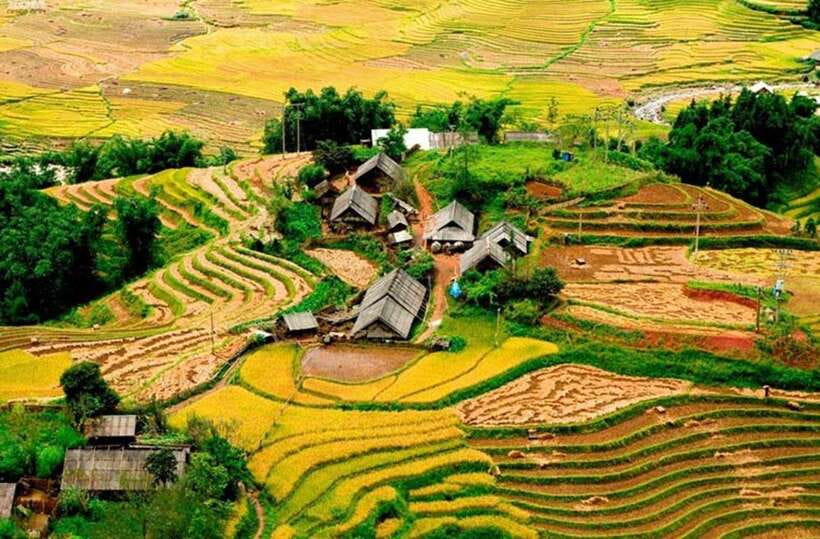
Sapa town is easy to see in a morning. The valley below takes more effort, but it gives you a much better sense of the area. You are not simply looking at terraces from a viewpoint. You are walking along their edges, crossing streams, passing farmhouses, and watching people plant or harvest rice when the season is right.
That difference matters. Sapa’s scenery is beautiful, but the farms are not a stage set. They are part of a working rural economy. A good guide helps you read what you are seeing: the way the terraces follow the hills, the role of water, the houses used by local families, and the traditions of Hmong and Dzay communities.
The group size helps here. With no more than 10 participants, it is easier to hear the guide and ask questions. It also makes it simpler for the group to slow down on steep or slick sections. Guides named Chai and Vu receive especially strong praise for combining cultural information with patience and humor. Other guides, including Wu, VU, Si, Le, Lien, Rou, Pai, Rose, and Chan, are also noted for helping people along the route.
More Hiking Tours in Sapa
- Sa Pa: Muong Hoa Valley Trek and Local Ethnic Villages
★ 4.6 · 864 reviews - From Sapa: 1-Day Guided Trek to Lao Chai & Ta Van with Lunch
★ 4.9 · 416 reviews - Sapa 1 Day Long Trek: Trek to Hau Thao and Sa Seng Villages
★ 4.6 · 344 reviews
9:00 AM at Sapa Church and the first viewpoint
The meeting point is in front of Sapa Church in the center of town. You need to provide a WhatsApp number so the guide can contact you easily. The trek begins at about 9:00 AM, a useful start time that leaves the afternoon free while allowing enough daylight for the long walk.
The opening stop is a small hill viewpoint with views toward Fansipan Peak. Fansipan is Vietnam’s highest mountain, but do not count on seeing it clearly. Sapa weather can shift fast, and fog is a regular part of the experience. Some people have had misty mornings with limited views, only to see the valley open later in the afternoon.
That uncertainty is worth accepting, but it is also a reason to plan wisely. If you have flexibility, choose a clearer forecast rather than assuming every day will deliver blue skies. Still, fog gives the mountains a different mood, and the trek remains worthwhile because the villages, terraces, and guide commentary do not depend entirely on distant views.
Muong Hoa Valley by foot
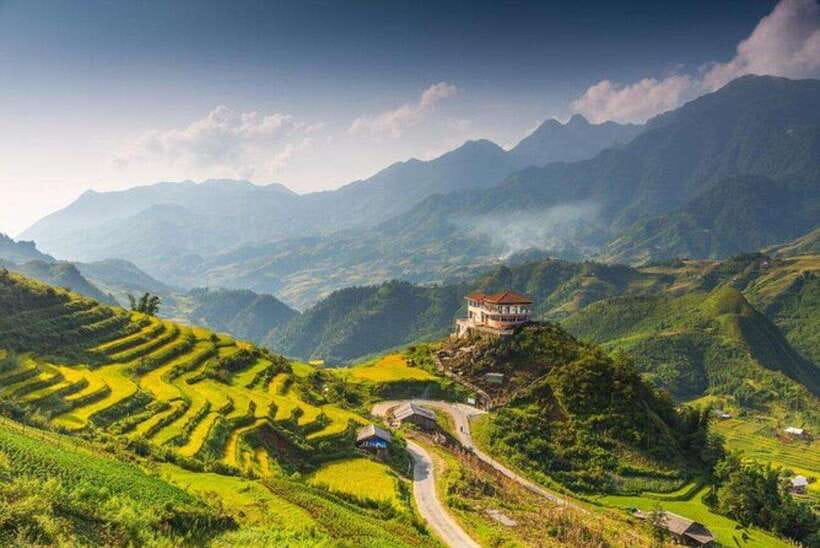
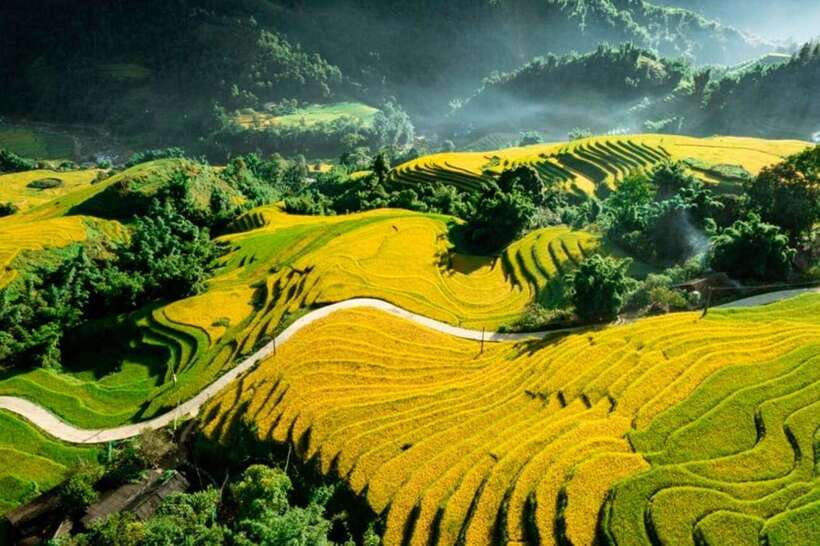
From the viewpoint, the route continues into Muong Hoa Valley. This is the visual heart of the day: layered rice terraces, tall mountains, winding water, and quiet paths between rural settlements.
The route is not presented as a gentle walk. You will cover roughly 10 to 12 kilometers, with some uneven and steep sections. Several people describe the trail as medium difficulty or challenging at the start, then easier once the group reaches village roads and paved paths.
Rain is the main troublemaker. A dry day can still leave the trail slippery if it rained earlier. After heavier rain, the first part may become very muddy, with shoes sinking into wet ground. Local women from nearby villages sometimes help people across difficult patches, holding hands or offering support on steep descents.
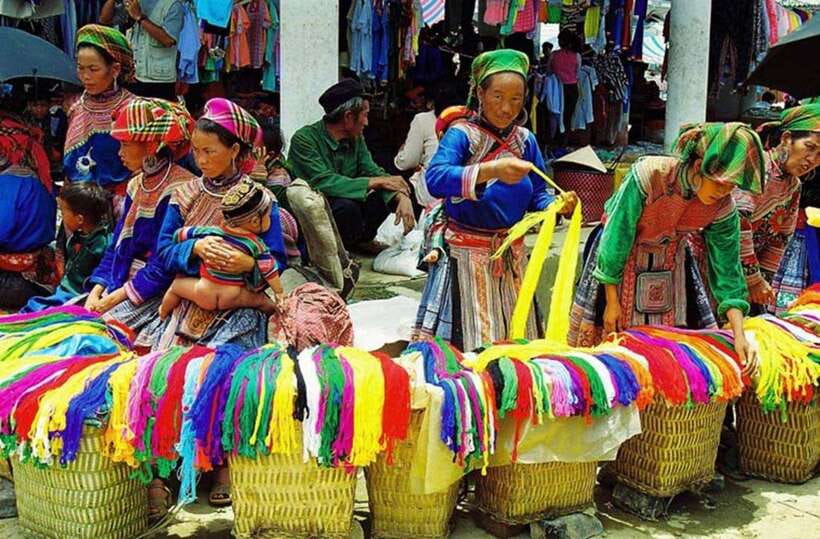
That assistance can be useful, but it also points to a cultural question. Some of the women sell handmade clothing and bags. They are described as friendly rather than aggressive, and buying something is a direct way to support local families if you find an item you genuinely want. You should not feel forced to purchase, but carrying some cash gives you the choice.
Y Linh Ho Village and the river crossing
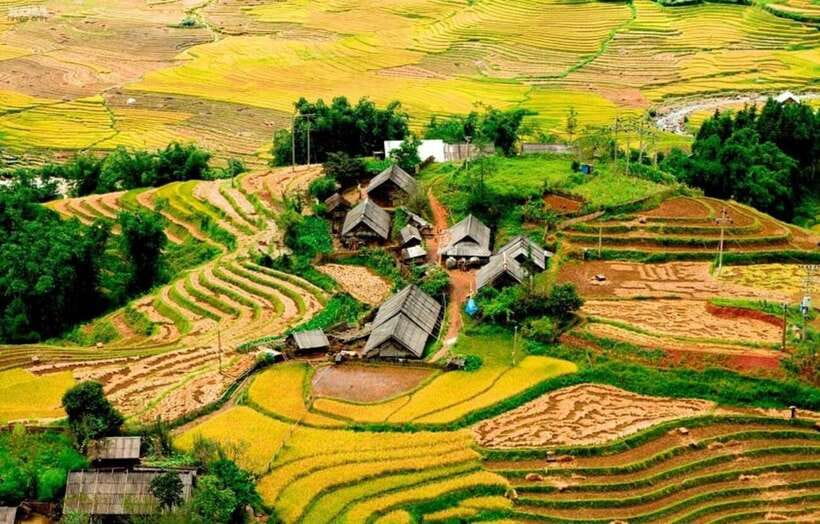
Around 11:00 AM, you reach Y Linh Ho Village, a Hmong settlement reached by crossing a small bridge over a scenic river. This section helps break up the walking. You get water, village life, and a change in scenery instead of one long march through terraces.
The Hmong are one of the ethnic groups whose culture shapes the Sapa area. The value of visiting Y Linh Ho is not just seeing houses or clothing. Your guide can explain how people live in the mountain villages, the work involved in farming, and the pressures that affect local families.
The quality of this part depends heavily on your guide. Chai is repeatedly praised for explaining local customs, women’s lives, and personal experiences in clear English. Vu is described as funny, friendly, and attentive to safety. Guides are not simply there to point out scenery. They are the bridge between a passing visitor and a place with its own rules and memories.
After the river crossing, the route heads toward Lao Chai Sang. Expect more terraces and wide mountain views, but also more walking. If you are unused to hills, use the slower pace offered by the group rather than trying to rush ahead.
More Sa Pa trips worth a second look
- EXPLORE SAPA: 2D1N TREKKING & HMONG CULTURE WITH DINH
★ 4.9 · 191 reviews - Sa Pa: 6-Hours Muong Hoa Valley Trek with Local Ethnic guide
★ 4.5 · 178 reviews - Sa Pa: 2-Day Trekking Trip with Ethnic Minority Homestay
★ 4.7 · 145 reviews - Half Day Sapa Trekking to Visit Lao Chai – Ta Van
★ 4.7 · 126 reviews
Lunch with a Hmong family at about 12:30 PM
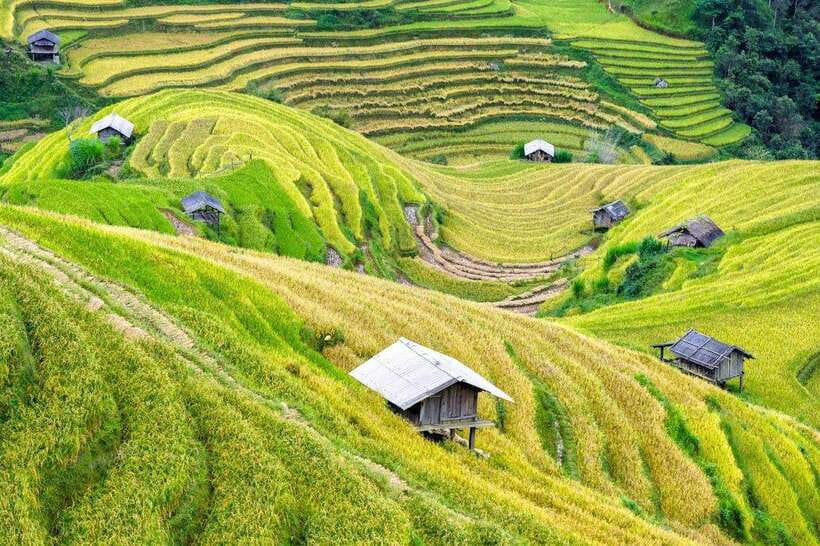
Lunch arrives at a sensible point in the day, around 12:30 PM, in Lao Chai Sang. The meal is included and is described as home-cooked or served at a local village restaurant, depending on the arrangement that day.
This is one of the tour’s strongest features. A meal gives you time to rest tired legs, but it also changes the rhythm of the experience. Instead of moving from one viewpoint to the next, you sit down in a local setting and share traditional food.
The exact dishes are not specified, so do not book this expecting a particular menu. Vegetarian and vegan options have been available for some groups, and several meals are described as very good. If you have dietary needs, raise them when booking or with the guide at the start.
The lunch stop also makes the $27 price feel fair. Entrance tickets, a local English-speaking guide, and lunch are included. You are paying for a full day of walking and cultural interpretation, not just admission to a scenic area. Drinks and personal purchases cost extra, so bring water money and perhaps cash for handmade goods.
Lao Chai and the work behind the terraces
After lunch, the trek continues to Lao Chai Village. Depending on the month, you might see villagers planting rice, tending fields, or harvesting. The terraces look different across the year, and the most famous golden views are seasonal rather than guaranteed.
This is where the route becomes a lesson in effort. Rice terraces are attractive in photographs, but their narrow bands were shaped for farming on steep mountain slopes. Walking through them gives you a closer look at the work required to grow food in this terrain.
You may also see ordinary village animals along the route, including water buffalo, pigs, ducks, chickens, and dogs. These details are small, but they make the walk feel like a visit to a living community rather than a staged cultural display.
The tour later includes a look at Hmong daily life and traditional clothing-making. This adds useful context to the textiles you may see for sale. You can learn how clothing connects to identity and community, rather than treating every patterned bag as just a souvenir.
A respectful attitude helps. Ask before entering a home or handling anything, and listen when the guide explains local customs. One group was allowed to look inside a local house, but that should be understood as an invitation, not an automatic part of every departure.
Ta Van Village and the Dzay community
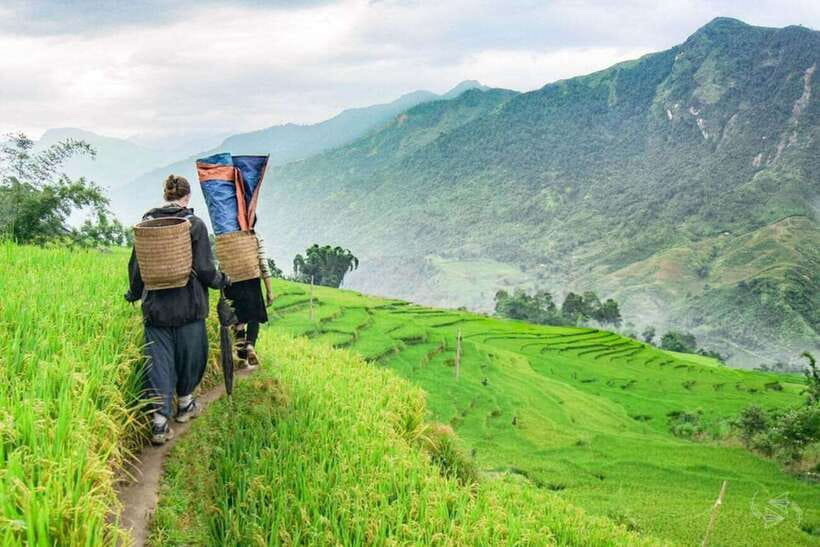
The final village is Ta Van, home to the Dzay minority, also spelled Zay in some descriptions. By this point, the walk usually shifts toward easier village paths, though your legs will know you have covered a long distance.
Ta Van gives the day a useful contrast. You have spent much of the route learning about Hmong communities, then reach a village associated with the Dzay people. Your guide can help you notice differences in customs and daily life rather than treating all mountain communities as one group.
The route is especially strong for anyone who wants culture alongside scenery. You get terraces and mountain views, but you also get explanations about local history, clothing, farming, family life, and the difficulties faced by people living in the area.
Do not expect an untouched wilderness trek. Some sections use roads or paved paths, and cars may appear near villages. That is not a flaw so much as a reminder that these are inhabited places. If you want a remote forest hike with no roads, this is not the right outing. If you want a countryside walk linked to real villages, it fits much better.
The return to Sapa around 3:30 PM
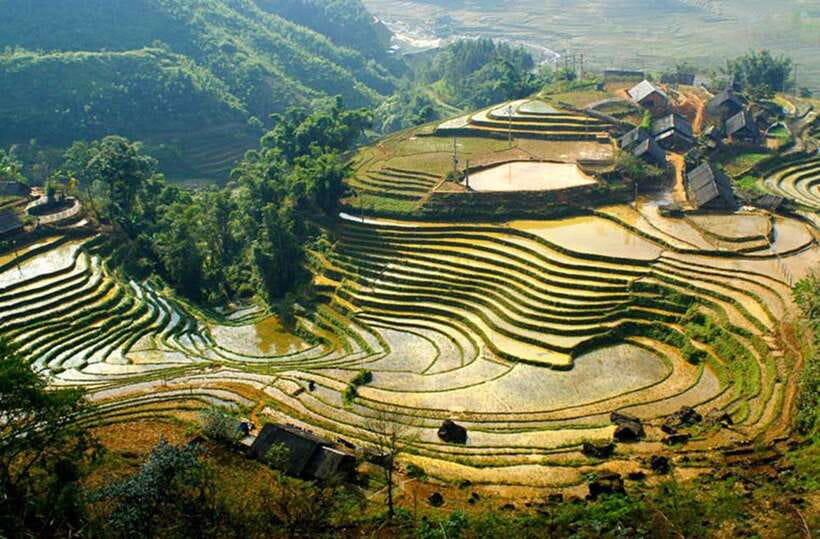
The stated finish is around 3:30 PM, after which you return to Sapa. Some trip details describe a bus transfer back into town at the end, but hotel transfer service is not included. Confirm the exact return arrangement and do not assume a hotel pickup.
The timing works well for a day trip. You get a full route without committing to an overnight stay in the valley. Still, allow some flexibility. Mud, group pace, weather, and traffic can affect the finish, and one account placed the end closer to 4:00 PM.
There is no vehicle support during the trek itself. That matters if you are considering this with young children, weak knees, or limited stamina. The experience is not suitable for children under five, pregnant women, wheelchair users, people with mobility impairments, or people over 75 according to the stated restrictions.
What to wear and pack for the trail
Your footwear is the most important choice. Hiking shoes are listed, but recent conditions make the advice more specific: bring shoes you can get dirty. In wet periods, renting gumboots before departure can be a smart move. Some people found them helpful during the muddy opening section.
Pack warm clothing because Sapa can feel cool, especially in fog or at the start of the day. Add insect repellent, water, and a small amount of cash. A rain layer and spare socks are sensible choices, though they are not specifically listed as inclusions.
You should also be ready for changing trail conditions. One day may offer sun and dry paths, while another brings fog, rain, and slick mud. The guide can offer easier road sections, but choosing the road may reduce the adventurous feel of the trek.
Who gets the best value from the $27 price
At $27 per person, this is a strong-value day for an active visitor. You receive a local English-speaking guide, entrance tickets, lunch, and several hours of walking through the valley. A small group adds value because the guide can explain more and help with difficult sections.
I would book it if you want a full countryside day and care about meeting local communities. The cultural information is a major reason to choose this route over a simple viewpoint visit. Guides such as Chai and Vu are particularly good choices if you value stories, humor, and personal insight, though guide assignment may vary.
I would hesitate if you want an easy half-day outing, dislike mud, or need a fixed finish time. The route is long, weather-sensitive, and not fully supported by vehicles. The fee is low, but the physical demand is not.
Free cancellation up to 24 hours before the start and the reserve-now, pay-later option make planning easier. Those terms are useful when mountain weather looks uncertain, but they do not solve the main question: are you ready to walk 10 to 12 kilometers?
Should you book this Sapa village trek?
Book this tour if you want terraces with context, not just terraces in a photograph. You will walk through Muong Hoa Valley, visit Hmong and Dzay communities, eat a local lunch, and hear about daily life from a guide who comes from the area.
Choose a clearer day if the mountain views matter most. Choose sturdy shoes or rented gumboots if rain is possible. Bring patience for mud, village traffic, and a route that may finish later than planned.
For active visitors, this is one of the better low-cost ways to spend a day around Sapa. It asks for effort, but gives you scenery, food, and a much closer look at the people who live among the terraces.
FAQ
Where does the Sapa trek begin?
The guide meets you in front of Sapa Church in the center of Sapa.
What time does the trek start?
The custom trek begins at about 9:00 AM.
How long does the activity last?
The listed duration is 390 minutes, or about six and a half hours. The planned return to Sapa is around 3:30 PM, though some departures may finish closer to 4:00 PM.
How far do you walk?
The trek involves approximately 10 to 12 kilometers of walking and hiking.
Which villages are included?
The route includes Y Linh Ho, Lao Chai Sang, Lao Chai, and Ta Van. Y Linh Ho and Lao Chai are associated with Hmong communities, while Ta Van is home to the Dzay minority.
Is lunch included?
Yes. Local lunch is included, with the main meal stop planned for around 12:30 PM in Lao Chai Sang.
Is hotel pickup included?
No. Hotel transfer service is not included. The meeting point is Sapa Church, and the walk returns to Sapa at the end.
What should I bring?
Bring warm clothing, hiking shoes, and insect repellent. You should also prepare for muddy conditions, especially after rain.
Is the trek suitable for everyone?
No. It is not suitable for children under five, pregnant women, wheelchair users, people with mobility impairments, or people over 75. The 10 to 12 kilometer route requires a reasonable level of fitness.
Recently reviewed around Sa Pa
- Sapa3D2N TrekkingAdventures,Valleys,Bambooforest,Waterfall★ 4.8 · 24 reviews
- Sapa: Y Linh Ho – Lao Chai, and Ta Van Trekking Day Tour★ 5.0 · 25 reviews
- Sapa: Ta Phin Village Trek & Red Dao Herbal Bath★ 5.0 · 22 reviews
- Sapa Trekking Bargains With Local Guide★ 4.9 · 91 reviews
- Sapa: Muong Hoa Mountain Views and Villages Trek with Lunch★ 4.3 · 28 reviews
- From Sapa: Guided Full-Day Trekking with Lunch and Drop-Off★ 4.2 · 86 reviews
- Sapa: Motorbike Tour 1 Day Visit Waterfalls & Local Villages★ 5.0 · 112 reviews
- Sapa: Private Highlights Day Tour with Lunch★ 4.8 · 61 reviews
Hiking & Trekking, compared.

Halong Bay Full Day with Kayaking, Hiking viewpoint, Cave – Deluxe To Luxury
Read our review →
Muong Hoa Valley Trek and Local Ethnic Villages
Read our review →
Sapa 3 Days 2 Nights Trekking Tour (1 Night In Ta Van Village, 1 Night In Hotel)
Read our review →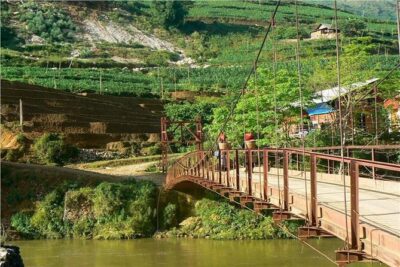
3-Day Trekking Adventure of Sapa from Hanoi – Stay Ta Van Village
Read our review →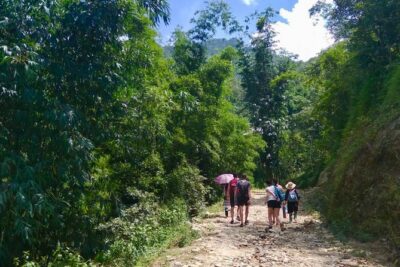
Number one top rated ethical cultural trekking and homestay by ETHOS
Read our review →
2-Day Sa Pa Ethnic Homestay Tour & Trek with Limousine Bus
Read our review →
1-Day Guided Trek to Lao Chai & Ta Van with Lunch
Read our review →Browse the lists this tour appears in