
Reviewed · HIKING & TREKKING
2-Day Sa Pa Ethnic Homestay Tour & Trek with Limousine Bus
Sa Pa is at its best away from the town center, where Black Hmong villages, rice terraces, bamboo forests, and mountain paths replace souvenir shops and traffic. This two-day trip gives you a quick but meaningful taste of that rural world, with a local Hmong guide such as Soso, Sua, or Tung leading the way.
I like the comfortable limousine or sleeper bus from Hanoi, which turns a long road journey into useful rest time. I also like the overnight stay in Ta Van, where a shared meal and a night in the village give you more contact with mountain life than a standard Sa Pa hotel. The trade-off is time: two days including the bus ride feels full, and the trek can be steep, slippery, and muddy.
In This Review
- Key points to know before booking
- Why this two-day Sa Pa route works
- Hanoi to Sa Pa by limousine or sleeper bus
- Lunch in Sa Pa before the trail
- Day one: Lao Chai, Muong Hoa Stream, and Ta Van
- The Ta Van homestay: simple, clean, and worth it
- Day two: rice paddies, bamboo forest, and Giang Ta Chai
- Weather, footwear, and the real difficulty
- The local women who walk beside you
- Guide quality and group comfort
- What the tour includes and what it does not
- Who should book this Sa Pa trip?
- Should you book it?
- FAQ
- How long is the tour?
- Is the Hanoi to Sa Pa transport included?
- What ethnic communities can I learn about?
- Where do you stay overnight?
- How difficult is the trekking?
- Are meals included?
- What should I bring?
- Can children under six join?
- Do I need Vietnamese Dong?
Key points to know before booking
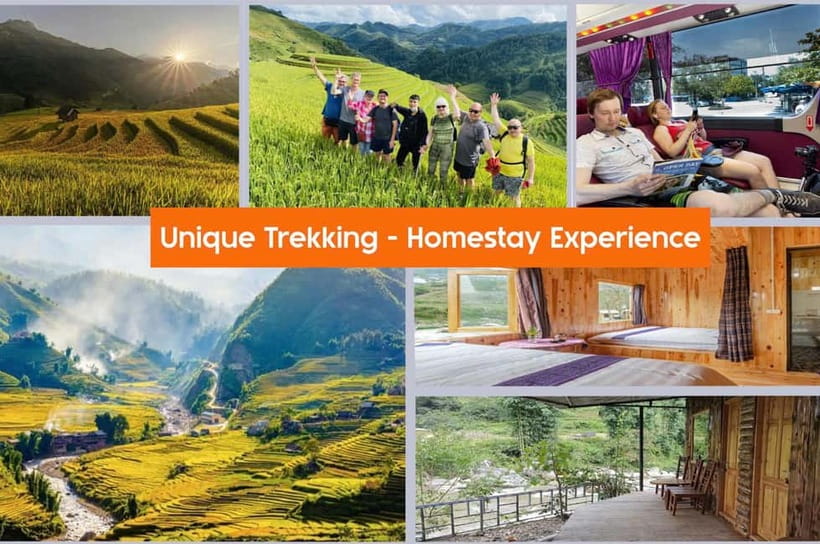
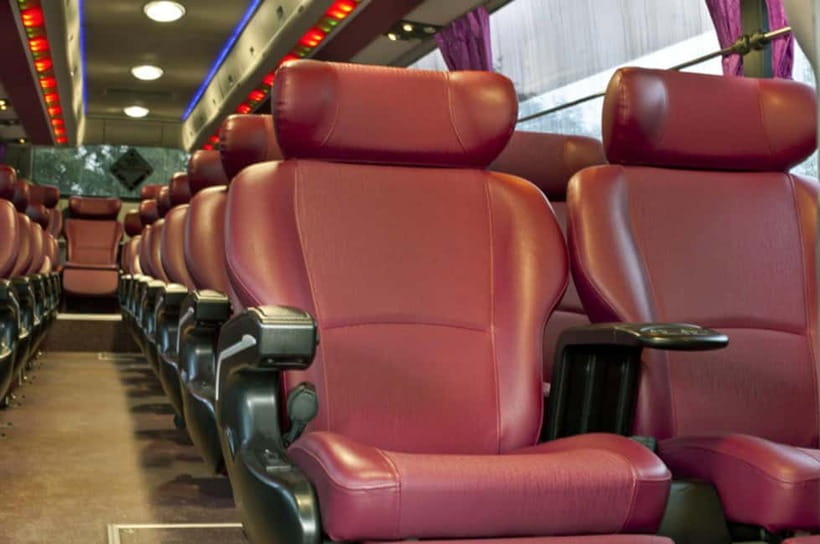
- Ride the new highway in a limousine or sleeper bus: The journey from Hanoi is long, but the upgraded bus option can include reclining seats or individual sleeper cabins, Wi-Fi, a blanket, and bottled water.
- Walk from Lao Chai to Ta Van: The first day follows rice terraces and the Muong Hoa Stream toward a Black Hmong village, then continues to the homestay.
- Expect a moderate mountain trek: Day one is about 8 kilometers and mainly downhill for some groups. Day two is about 4 kilometers with rolling sections and a bamboo forest.
- Sleep in a basic village homestay: Facilities are clean and the food is fresh, but the accommodation is simple. Private-room upgrades may be available by request.
- Prepare for persistent craft sellers: Local women may walk with the group and later offer handmade jewelry, scarves, and other goods. Bring cash only if you want to buy.
- Weather changes the experience: Fog can hide viewpoints, while rain turns trails slick. Good hiking shoes matter far more than stylish city clothes.
Why this two-day Sa Pa route works
Many quick Sa Pa trips leave you looking at mountains through a bus window. This one gets you onto the paths, past working rice fields, and into villages where the pace is slower and daily life is more visible.
You spend the first part of the trip in Sa Pa town, where you have lunch and a chance to rest after the ride from Hanoi. Then the route shifts quickly into the countryside. The change is the main appeal: one moment you are eating in town, and soon after you are walking beside terraces and a mountain stream.
The tour has earned a strong 4.8 rating from 440 ratings, and the praise is especially consistent around the guides, food, transport, and organization. That does not mean every day is easy. It means the moving parts are generally handled well, which matters when your bus, meals, village transfer, guide, and homestay all need to line up.
More Hiking Tours in Hanoi
- Halong Bay Full Day with Kayaking, Hiking viewpoint, Cave – Deluxe To Luxury
★ 5.0 · 884 reviews - From Hanoi: 2-Day Sapa Trekking Trip with Homestay & Meals
★ 4.8 · 704 reviews - Sapa 3 Days 2 Nights Trekking Tour (1 Night In Ta Van Village, 1 Night In Hotel)
★ 5.0 · 699 reviews
Hanoi to Sa Pa by limousine or sleeper bus
The bus leaves Hanoi in the morning and travels via Lao Cai on the new highway. This is not a short transfer. It takes a large part of the day, so transport comfort affects your mood when the walking begins.
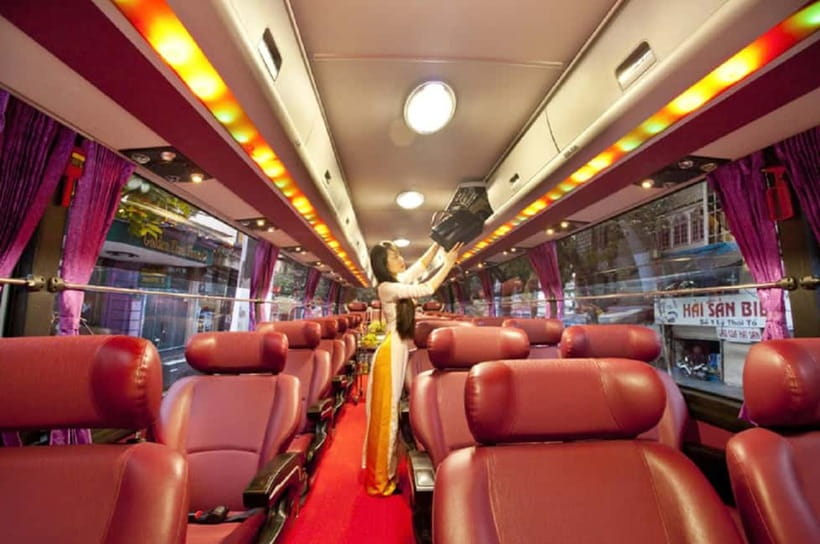
The standard limousine bus is described as comfortable, while some people choose an upgraded sleeper bus. The sleeper version can have individual cabins, a blanket, bottled water, and Wi-Fi for much of the route. If you have the option and expect to sleep during the ride, the upgrade may be worth the extra cost.
The bus stops at a meeting point in Sa Pa. A local representative meets you there and takes you to the hotel for lunch and a rest. Keep your main luggage in the bus trunk during the ride. It can then be stored at the Sa Pa hotel while you carry a smaller bag to the village.
Pack carefully for this arrangement. You will need your walking shoes, toiletries, a change of clothes, medicine, sunscreen, insect repellent, and anything else needed overnight. Do not assume you will have your full suitcase beside you during the trek.
Lunch in Sa Pa before the trail
Lunch in Sa Pa is practical rather than ceremonial. You get local dishes and a chance to eat before walking. The meal is useful because the trek begins soon afterward, and you will want solid food rather than a rushed snack.
The same hotel serves as a place to rest and shower on the second day before the return trip. That small detail makes the tour more comfortable. After a muddy mountain walk, a shower and a proper meal are welcome before another long bus ride.
Drinks are not included, so carry money for water, coffee, or other purchases. Sa Pa’s banking system can be unreliable, and the advice is simple: bring Vietnamese Dong. US Dollars, Euros, and Australian Dollars are also accepted, but local currency will usually make small purchases easier.
Day one: Lao Chai, Muong Hoa Stream, and Ta Van
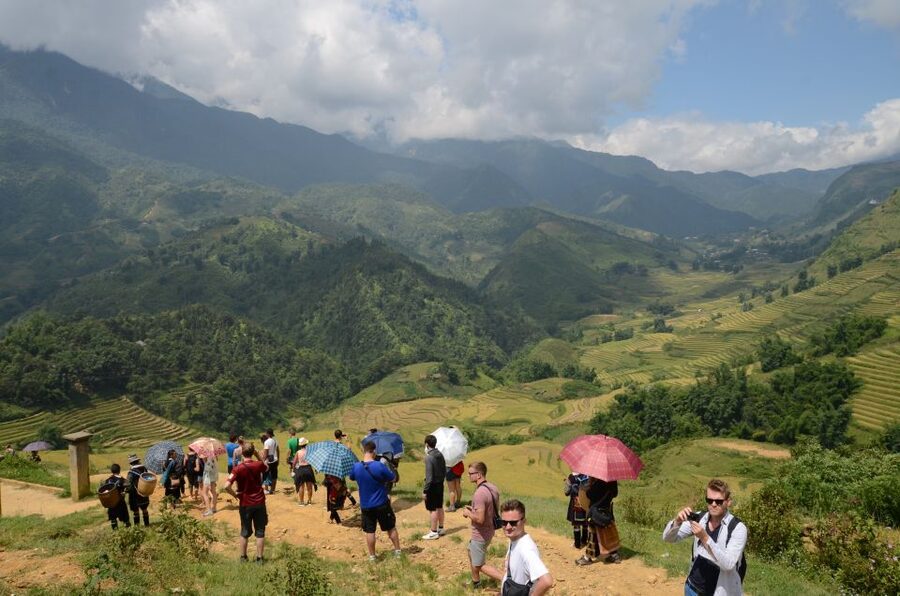
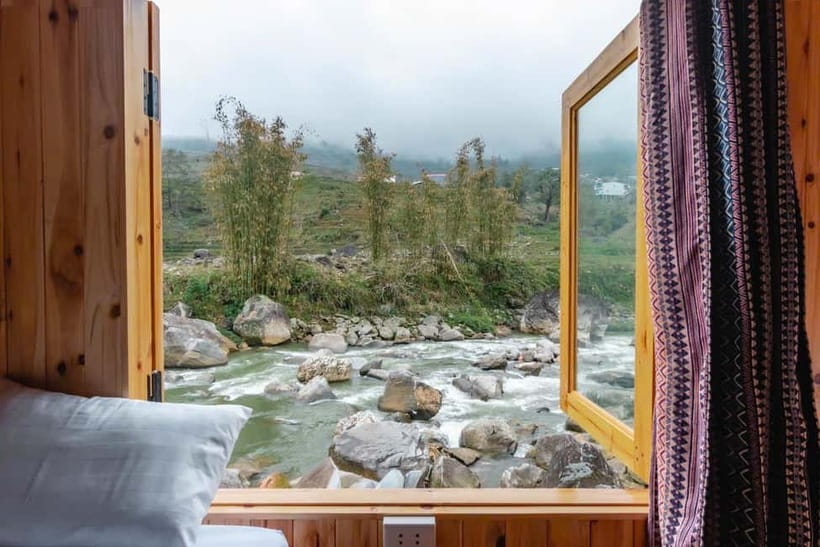
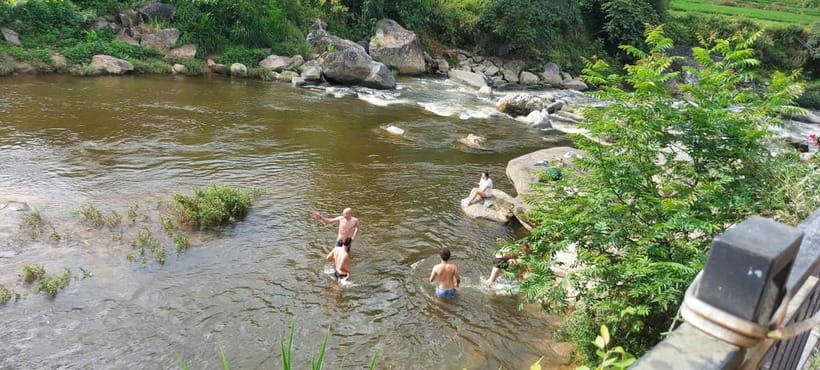
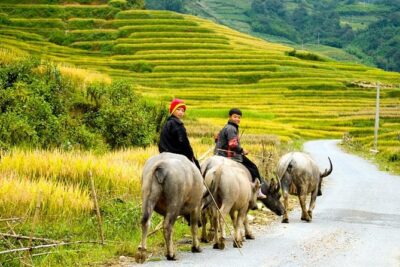
The first trek heads through the rice terraces and along the Muong Hoa Stream. The route reaches Lao Chai, a Black Hmong village surrounded by the Hoang Lien Son Mountains, before continuing toward Ta Van.
The scenery is the reason to come. Terraces fold across the hills, and the walking route gives you a closer look than a roadside viewpoint. Depending on the season, the fields may be bright green, recently harvested, or partly bare. Even outside the most famous rice-growing months, the mountain setting remains impressive.
The walking is often described as moderate. One group covered roughly 8 kilometers on day one, mostly downhill, while another found the pace and steep sections more demanding after rain. Downhill walking can sound easy, but muddy descents are hard on your knees and require careful footwork.
Your guide is central to the experience. Guides such as Soso, Sua, Soa, Sha, Wan, and Tung have been praised for clear English, humor, patience, and local knowledge. A local Hmong guide can explain clothing, village customs, farming, and family life in a way that a general city guide may not.
You may also notice traditional clothing from Hmong, Dzao, and Tay communities. The costumes are not simply colorful decoration for photographs. They are part of local identity, and the guide can help explain what you are seeing.
The route continues to Ta Van village, where you check into the homestay. This is where the trip shifts from sightseeing to participation. You are no longer just passing through a village on a path. You are eating, sleeping, and sharing space in the community.
More Hanoi trips worth a second look
- 3-Day Trekking Adventure of Sapa from Hanoi – Stay Ta Van Village
★ 5.0 · 611 reviews - Hanoi – Sapa 3 Day 2 Night Trekking With Hotel & Homestay
★ 5.0 · 389 reviews - Ninh Binh: Cuc Phuong Jungle Hike & Wildlife Day Trip
★ 4.4 · 327 reviews - From Hanoi: 2-Day Sapa Trek Tour – Luxury Limousine Transfer
★ 4.1 · 249 reviews
The Ta Van homestay: simple, clean, and worth it
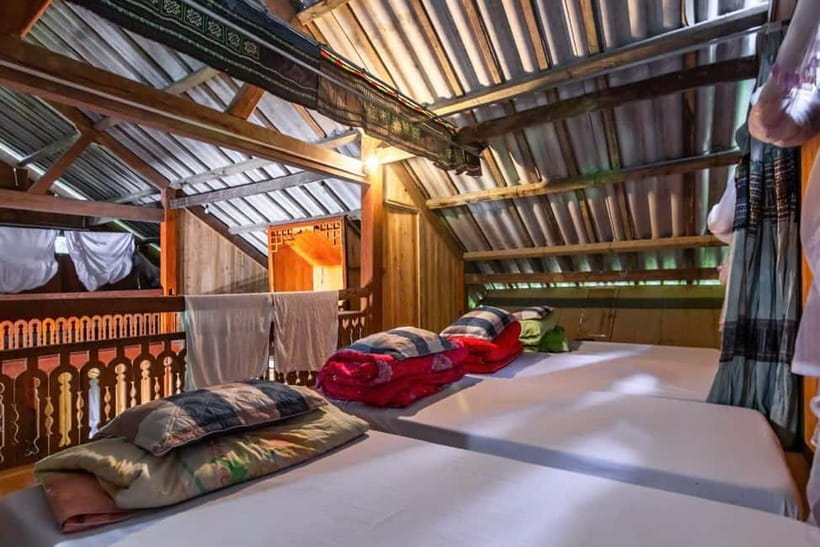
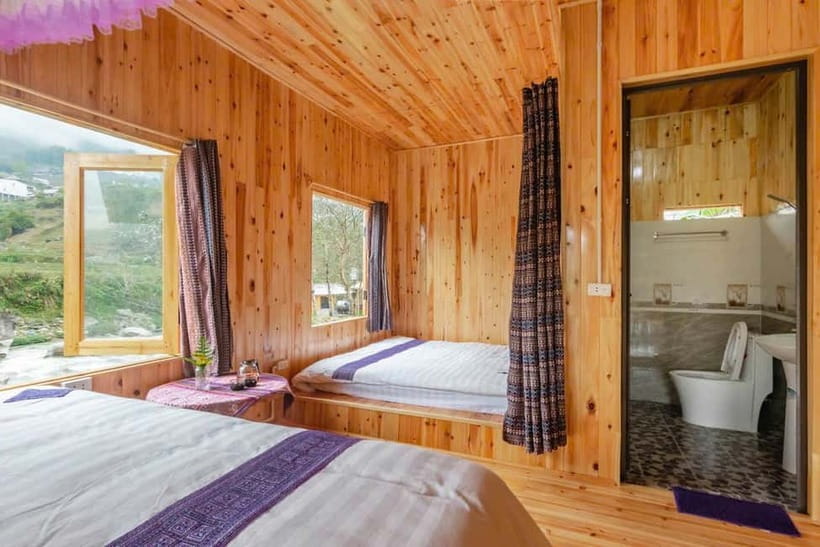
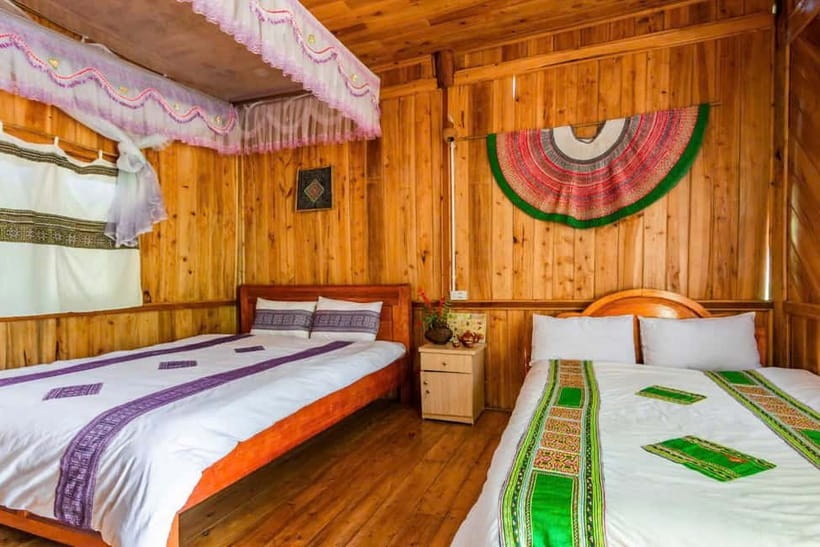
Set your expectations correctly. The homestay is basic and has simple cultural facilities, not the polished service of a city hotel. At the same time, the accommodation is generally described as clean and comfortable, with a mattress, shower, and fresh food.
Some people receive or request a private room, while the listed arrangement is a single mattress. If privacy matters, ask about an upgrade when booking. The private-room option can make the night easier for couples or anyone who sleeps lightly.
The food is one of the strongest parts of the stay. Dinner, breakfast, and the next day’s lunch are included, and meals are prepared with fresh local ingredients. Expect generous portions rather than restaurant-style presentation. Dining with the host family can be a memorable part of the evening, although the amount of time the host spends explaining local customs may vary.
The village is not silent. Early morning activity and nighttime noise are possible, so light sleepers should pack earplugs. That is not a defect so much as part of sleeping in a lived-in mountain village instead of an isolated resort.
The homestay offers clean water, but you should still bring personal toiletries and a small towel if you prefer your own. Pack light. A small overnight bag is easier to carry than a full suitcase on steep paths.
Day two: rice paddies, bamboo forest, and Giang Ta Chai
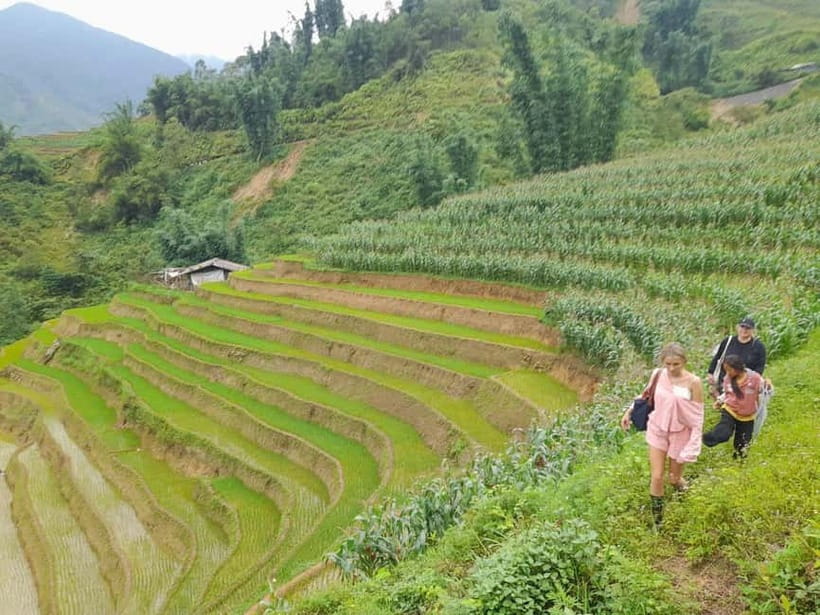
After breakfast prepared by the family, you set out again. The route passes through rice paddies and a bamboo forest, then offers a panoramic view toward Giang Ta Chai village.
The second walk is shorter, often around 4 kilometers, but distance does not tell the whole story. The path can be undulating, steep, and slippery. Bamboo forest sections add variety and shade, while the mountain views give you another angle on the villages you passed the day before.
You eventually cross the Giang Ta Chai Bridge. A vehicle meets you there and takes you back to Sa Pa for lunch, a shower, and the bus to Hanoi. This return transfer is included, so you are not left arranging your own ride from the countryside.
The return bus stops at the original meeting point. From there, you make your own way back to your hotel. Check your booking details carefully because the exact meeting point can vary according to the option selected.
Weather, footwear, and the real difficulty
Sa Pa weather can rewrite the day. Fog may hide viewpoints, and rain can make the trail muddy enough to turn a simple walk into a balance exercise. Some people have found the views breathtaking even in poor visibility, but you should not book this trip only for guaranteed mountain photographs.
Good hiking shoes are essential. Ordinary sneakers can lack the grip needed for wet earth, steep declines, and uneven paths. Bring spare socks and extra clothes in case you slip or get dirty.
Use sunscreen even on cloudy days, and pack insect repellent. Sunglasses help when the clouds clear. A waterproof layer is sensible, though the supplied information specifically emphasizes shoes, sun protection, repellent, and cash.
The walking is not suitable for people with mobility impairments, wheelchair users, or children under six. It is better suited to people who can manage uneven ground and accept a slower, less controlled outdoor experience.
The local women who walk beside you
One unusual part of the trek is the presence of local women who may accompany the group for sections of the route. They can be helpful on slippery paths, especially when you need an extra hand on a steep descent.
Later, some may sell handmade crafts such as jewelry, scarves, and other items. The sales approach can feel persistent. I suggest deciding before you leave how you want to handle it. If you want to support local artisans, bring enough Dong for a purchase. If you do not want anything, a clear and polite refusal is better than prolonged conversation.
This part may feel awkward, but it is useful to understand the setting. The women are not simply part of a staged performance. They are local people using tourism as a source of income, while you are also entitled to set a boundary about buying things.
Guide quality and group comfort
The guides receive the most repeated praise in this experience. Soso and Sua are especially frequently named, while Tung, Soa, Sha, and Wan are also described as friendly, patient, and good at explaining local life.
The best guides do more than point out scenery. They talk about their own experiences, village customs, ethnic clothing, farming, and the practical realities of life in the hills. That personal exchange is what makes the route feel more than a hike with a meal stop.
Group size may be small, though the exact number is not fixed in the supplied details. Pace can vary when some people are older, slower, or less used to steep terrain. The guides have adjusted for different abilities, but this is still an active tour, not a gentle stroll.
Customer support is available through WhatsApp, Line, Viber, or Kakaotalk. Leave a working number when you book so the provider can confirm arrangements and contact you during the trip. Communication before and during the tour is useful, especially for bus upgrades, luggage storage, and changes to return dates.
What the tour includes and what it does not
The package includes round-trip Hanoi to Sa Pa transport if you select that option, a local Hmong English-speaking guide, the Ta Van homestay, two lunches, one dinner, one breakfast, the Lao Chai and Ta Van entrance ticket, and the vehicle from Giang Ta Chai back to the hotel on day two.
Drinks, tips, and the 8 percent government tax are not included. A holiday surcharge of 700,000 Vietnamese Dong per person applies onsite on listed dates, including April 30, May 1, September 1 to 3, December 24 and 31, January 1, and Lunar New Year.
The price is not provided here, so I cannot judge it against a specific figure. In value terms, you are paying for more than transport. The guide, meals, entrance ticket, village transfer, and overnight stay are bundled together, which can make the package worthwhile if you have only two days and do not want to coordinate each piece yourself.
Who should book this Sa Pa trip?
I would choose this tour if you want mountain walking, ethnic culture, and a village overnight in one compact trip from Hanoi. It suits first-time visitors who want structure and support, especially if arranging local transport feels like needless work.
It is also a good choice for couples, solo visitors, and small groups who prefer a local guide and a more rural night. The guide support can be reassuring on muddy paths, and several people have felt well cared for throughout the trip.
I would think twice if you need luxury accommodation, guaranteed clear views, or a slow schedule. Two days is enough for a strong introduction, but it is not enough to explore Sa Pa at an unhurried pace. If you can stay longer, three days and two nights would give you more breathing room.
Should you book it?
Book this trip if the idea of walking through rice terraces, eating local food, and sleeping in Ta Van appeals more than spending both nights in Sa Pa town. The guides and transport are the strongest reasons to choose it, while the homestay adds the cultural contact that a standard day hike misses.
Bring proper footwear, cash, spare clothes, and realistic expectations about mud, fog, noise, and craft sellers. If you accept those conditions, this is a well-planned short route into northern Vietnam’s mountain communities. If you want a polished hotel break with easy paths, choose a different Sa Pa experience.
FAQ
How long is the tour?
The experience lasts two days, including transport between Hanoi and Sa Pa. You travel to Sa Pa on day one, trek to Ta Van, stay overnight, trek again on day two, and return to Hanoi by bus.
Is the Hanoi to Sa Pa transport included?
Round-trip limousine bus transport is included when you select the transport option. An upgraded sleeper bus may also be available, sometimes with individual cabins.
What ethnic communities can I learn about?
The route focuses on villages connected with the Black Hmong community, and you may also see the traditional clothing of Hmong, Dzao, and Tay people.
Where do you stay overnight?
You stay at a homestay in Ta Van village. The accommodation is basic but provides clean water, fresh food, and a mattress. A private-room upgrade may be available if requested during booking.
How difficult is the trekking?
The trek is generally moderate, with steep and slippery sections. One reported route was about 8 kilometers on day one and about 4 kilometers on day two, but weather and trail conditions affect the difficulty.
Are meals included?
The tour includes two lunches, one dinner, and one breakfast. Drinks are not included.
What should I bring?
Bring hiking shoes, sunglasses, sunscreen, insect repellent, cash, and spare clothes. You should also carry the personal items you need for the night because your main luggage is stored away from the trail.
Can children under six join?
No. The tour is not suitable for children under six, people with mobility impairments, or wheelchair users.
Do I need Vietnamese Dong?
Bring cash in Vietnamese Dong because banking services in Sa Pa can be unreliable. US Dollars, Euros, and Australian Dollars are also accepted.
More 2-Day Experiences in Hanoi
- Amanda Cruise – Ha Long, Lan Ha Bay – All Inclusive 2D1N & 3D2N
★ 5.0 · 4,358 reviews - Hanoi: 2-Day Halong & Lan Ha Bay 5-Star Cruise with Balcony
★ 4.8 · 3,300 reviews - Sapa 2 Days 1 Night From Hanoi – Overnight in Ta Van Village
★ 5.0 · 2,669 reviews - Mon Chéri Cruise 5 star: Unique 2 Days Tuan Chau – Halong bay – Lan Ha Bay
★ 5.0 · 2,422 reviews
Recently reviewed around Hanoi
- Female Riders Vespa Night Street Food + Train Street food 4 Hours★ 5.0 · 35 reviews
- Beautiful Female Riders Vespa Red River Countryside Tour 5 Hours★ 5.0 · 23 reviews
- Red River Delta Countryside+ Rural Villages, rice Paddies fields★ 5.0 · 134 reviews
- The insider’s Hanoi 4.5 hours All highlight Places & Train Street★ 5.0 · 41 reviews
- The insider’s Hanoi + Train Street 4,5 Hours Female Ao Dai Riders★ 5.0 · 53 reviews
- Street Foods Hanoi Kim Tours Vietnam★ 5.0 · 140 reviews
- Hanoi Jeep Tour – Ba Vi National Park Full Day Tour★ 5.0 · 21 reviews
- Ninh Binh Full Day Tour from Hanoi to Hoa Lu, Trang An & Mua Cave★ 5.0 · 31 reviews
Hiking & Trekking, compared.

Halong Bay Full Day with Kayaking, Hiking viewpoint, Cave – Deluxe To Luxury
Read our review →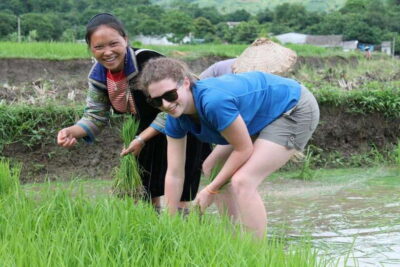
Muong Hoa Valley Trek and Local Ethnic Villages
Read our review →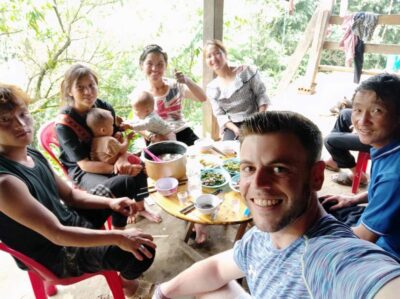
Sapa 3 Days 2 Nights Trekking Tour (1 Night In Ta Van Village, 1 Night In Hotel)
Read our review →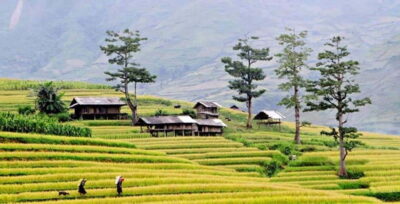
Eco Adventure Terrace Fields and Local Villages Trek
Read our review →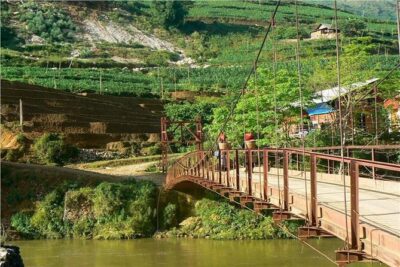
3-Day Trekking Adventure of Sapa from Hanoi – Stay Ta Van Village
Read our review →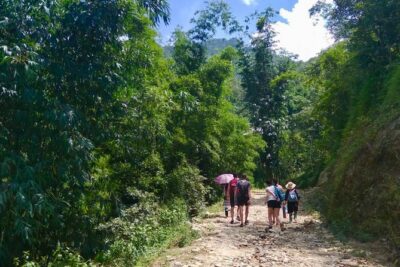
Number one top rated ethical cultural trekking and homestay by ETHOS
Read our review →
1-Day Guided Trek to Lao Chai & Ta Van with Lunch
Read our review →Browse the lists this tour appears in