
Reviewed · HIKING & TREKKING
From Sapa: Terrace Fields and Local Villages Trek with Lunch
Sapa’s best scenery begins just beyond town, where rice terraces fold across the hills and village paths lead through fields of corn and potatoes. I like the local ethnic guide, who adds context about customs and family life, and I like the local lunch, which turns a long walk into a full half-day outing. The main catch is the footing: fog and rain can turn the trails into mud.
At $22, this is an unusually low-cost way to see Sapa beyond its streets and souvenir shops. You should still prepare for a real walk of roughly 11 kilometers, a slow hotel pickup that can take 30 to 45 minutes, and conditions that may be slippery enough to require rubber boots or trekking poles.
In This Review
- Key points at a glance
- Why this Sapa trek is worth your time
- Starting in Sapa between 8:00 and 8:45
- From town streets to rice, corn, and potato terraces
- Lai Chai village and local family life
- The waterfall break and slippery trail conditions
- Local lunch after the walk
- Shuttle back to Sapa after seven hours
- What the $22 price really buys you
- Who should book this outing
- How to prepare for the Sapa weather
- Should you book the Sapa terrace trek?
- FAQ
- How long does the Sapa terrace fields trek last?
- What time does hotel pickup begin?
- What does the tour price include?
- Are drinks included with lunch?
- What should I wear for the walk?
- Is the trek suitable for everyone?
Key points at a glance
- Walk from Sapa into the countryside: Pickup begins at your hotel, then the guide leads you through town before the fields start.
- See several working terraces: Rice, corn, and potato fields provide changing views and a closer look at rural life.
- Reach Lai Chai village: The route passes through a small tribal hill village and other local communities.
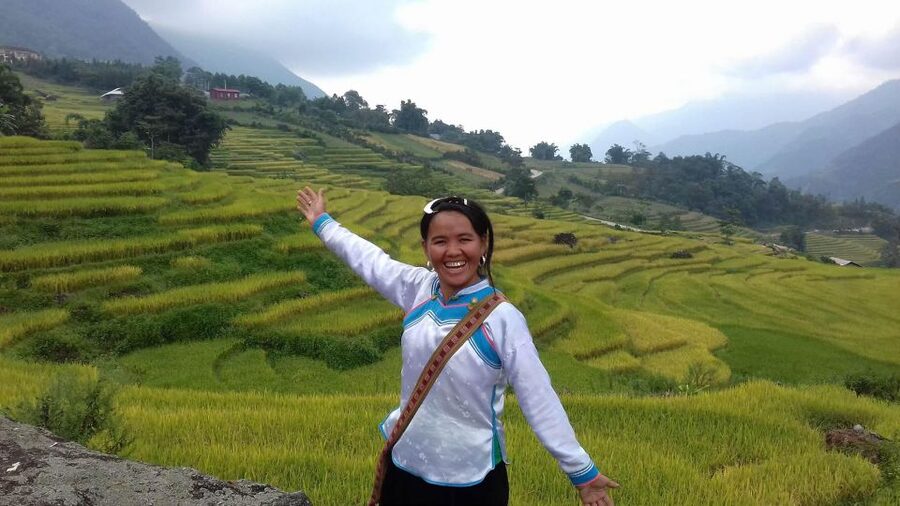
- Learn from a local ethnic guide: English explanations cover customs, habits, and daily life. Mao is one guide associated with the experience.
- Pause at a waterfall: The stop gives you time to rest and take photographs during the trek.
- Finish with lunch and a shuttle: A local restaurant meal is included, followed by transport back to your Sapa hotel.
Why this Sapa trek is worth your time
Sapa town is a useful base, but its streets can feel busy and built for tourism. This walk gives you a way to leave that setting on foot, rather than simply riding to a viewpoint and taking a few photographs.
I like the simple shape of the day. You walk through town first, then gradually move into open fields, villages, and mountain scenery. That change matters because you see daily life before reaching the most scenic parts of the route. It feels less like a single photo stop and more like a short journey through the countryside.
The outing also has a good mix of scenery and conversation. Your guide explains local habits, customs, and ethnic communities while you walk. That information is useful because terraces alone can become a string of pretty views without much meaning. Here, the guide helps you understand the people who farm the hills and live in the villages along the route.
The rating is 4.3 out of 5 from 77 ratings, which fits the experience well. The strongest praise centers on kind, attentive guides and beautiful scenery. The less glowing response points to a route that can feel somewhat touristy in places. That is a fair warning, especially if you expect a completely remote hike.
More Hiking Tours in Sapa
- Sa Pa: Muong Hoa Valley Trek and Local Ethnic Villages
★ 4.6 · 864 reviews - Sapa: Eco Adventure Terrace Fields and Local Villages Trek
★ 4.9 · 636 reviews - From Sapa: 1-Day Guided Trek to Lao Chai & Ta Van with Lunch
★ 4.9 · 416 reviews
Starting in Sapa between 8:00 and 8:45
The guide comes to your hotel lobby in Sapa town between 8:00 and 8:45 in the morning. Pickup is done on foot, hotel by hotel, so the exact meeting time depends on where you are staying.
Allow 30 to 45 minutes for this first stage. It is not wasted time if you enjoy seeing Sapa at street level, since the guide walks through town while gathering the group. If you want an early, tightly timed departure, though, this loose pickup window may test your patience.
Once everyone has met, you begin walking through Sapa itself. This gives you a look at ordinary activity before the route leaves the town behind. The walk is not just a transfer to the countryside. It forms the opening part of the experience and helps you see how quickly the town gives way to fields.
Wear shoes you can trust before you even leave the hotel. The route becomes more demanding later, and starting in flimsy footwear means you will spend seven hours wishing you had packed differently.
From town streets to rice, corn, and potato terraces
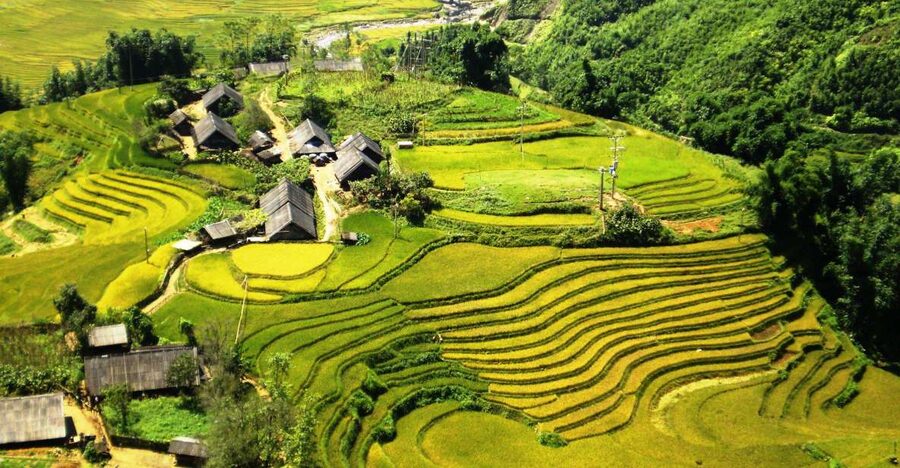
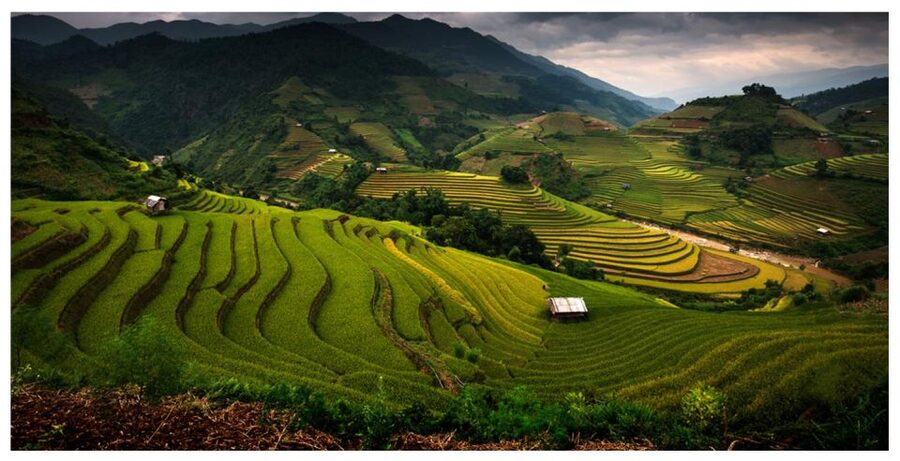
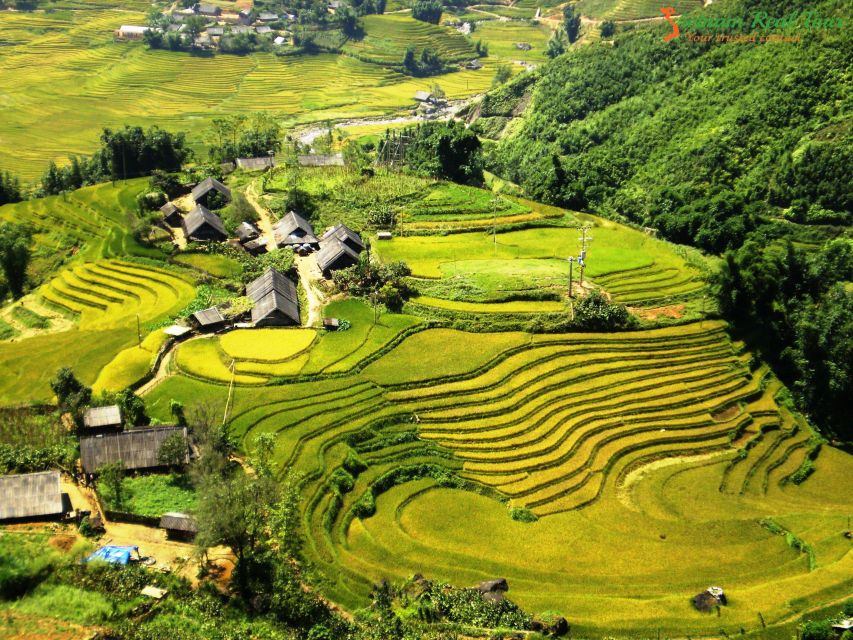
The most memorable section is the move into the cultivated hills. You follow a less touristy route through rice, corn, and potato fields, with terrace after terrace opening in front of you.
The exact appearance changes with the season. Rice terraces may look different from corn or potato plots, and the condition of the paths depends heavily on recent weather. You are not simply walking beside one type of field all day. The variety of crops gives the route a more useful picture of how the hills are farmed.
The views are the main reward. Sapa is famous for its stepped fields, but walking among them gives you a better sense of their scale than viewing them from a roadside lookout. You can stop to breathe the cool mountain air, take photographs, and listen as the guide explains what you are seeing.
The route is described as about 11 kilometers in one account, so do not treat this as a short stroll. The total activity lasts seven hours, including the village sections, waterfall break, meal, and return transfer. Much of that time is spent walking, and the terrain can make the distance feel longer.
Lai Chai village and local family life
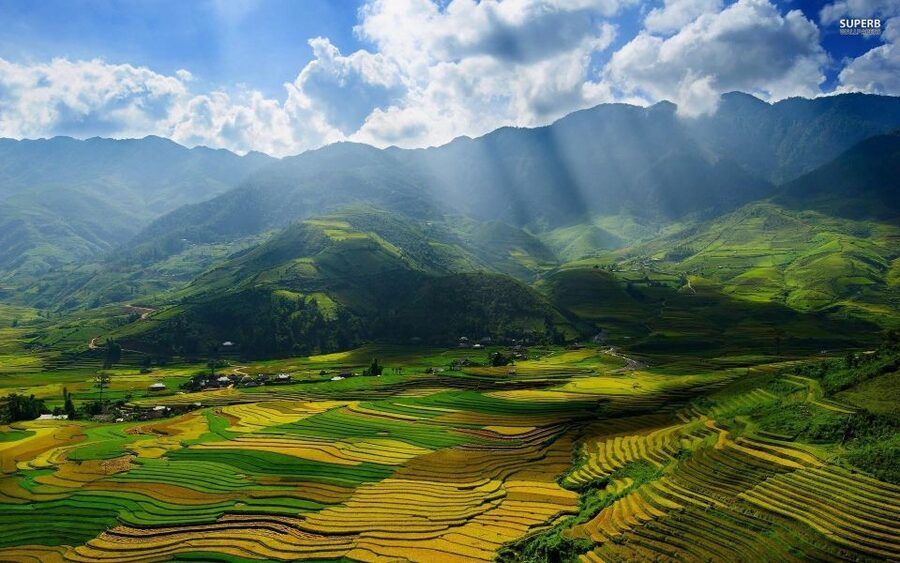
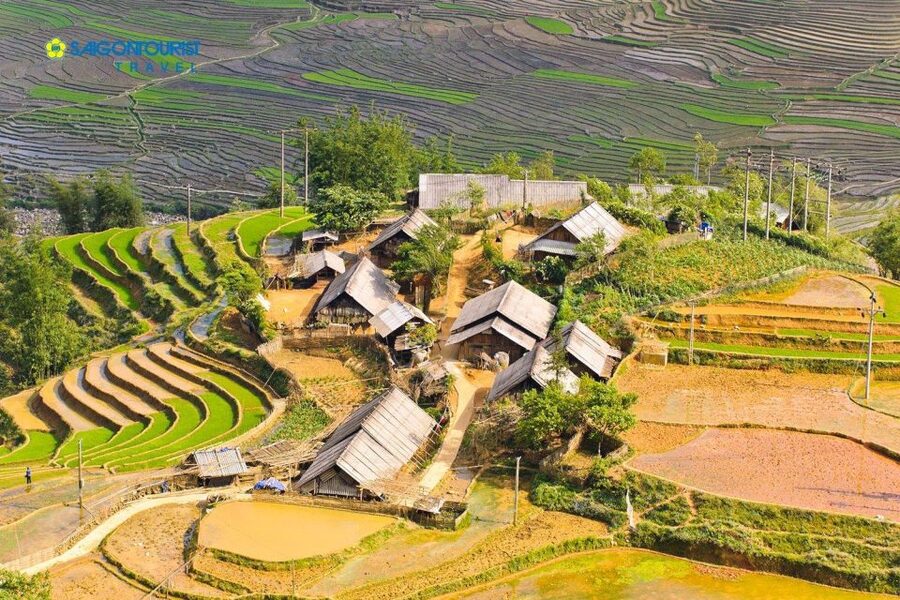
Lai Chai is a small village on the tribal hill and one of the route’s more meaningful stops. The point is not only to see buildings or take photographs. Your guide talks about the ethnic minority communities in Sapa and helps you read the village as a lived-in place.
One guide named Mao is described as especially attentive and willing to answer questions. The experience can include seeing her house and family, which gives the cultural side of the outing a personal touch. That kind of contact is more useful than a generic speech about tradition, though the depth of it will depend on your guide and the group.
You should keep your manner respectful here. Villages are homes, not just scenic backdrops. Listen first, ask questions politely, and avoid treating family life as a photo prop. The local guide is your bridge to the community, so follow their lead.
The route passes through more than one local village, allowing you to compare the surroundings rather than stopping at a single staged point. Still, do not expect complete solitude. One account found parts of the outing a little too touristy. Sapa is a major visitor destination, and popular village routes naturally have some contact with tourism.
That compromise is worth understanding before booking. You get a practical introduction to village life without paying for a private expedition into an isolated area. If your main goal is easy access to local culture, this works well. If you want a silent, untouched route, choose your expectations carefully.
More Sa Pa trips worth a second look
- Sapa 1 Day Long Trek: Trek to Hau Thao and Sa Seng Villages
★ 4.6 · 344 reviews - EXPLORE SAPA: 2D1N TREKKING & HMONG CULTURE WITH DINH
★ 4.9 · 191 reviews - Sa Pa: 6-Hours Muong Hoa Valley Trek with Local Ethnic guide
★ 4.5 · 178 reviews - Sa Pa: 2-Day Trekking Trip with Ethnic Minority Homestay
★ 4.7 · 145 reviews
The waterfall break and slippery trail conditions
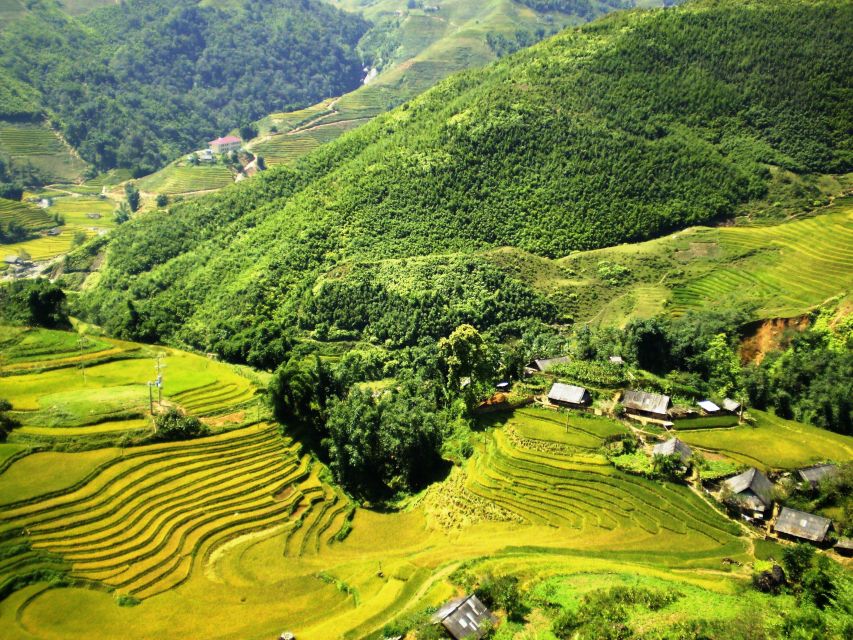
A waterfall provides a natural pause during the walk. You can rest, take photographs, and enjoy a change from the terraces. It is a small feature, but it helps break up the longer route and gives you a clear point to catch your breath.
The biggest practical issue is the trail surface. Fog can reduce visibility, while rain leaves the paths muddy and slick. One account describes slippery paths through bamboo forest and rice terraces, with rubber boots and trekking poles proving useful. Another strongly recommends rubber boots in wet weather because of mud and the risk of sliding.
That advice deserves attention. Standard trainers may be fine in dry conditions, but they are a poor choice for wet clay and uneven paths. Ask locally about conditions if rain has arrived, and consider renting or buying suitable footwear in Sapa before departure. Trekking poles can also help if you are not steady on steep or muddy ground.
The guide can assist when the trail becomes awkward. One participant received help from a local woman who prevented a fall. That is reassuring, but it does not turn the walk into an easy outing. You remain responsible for choosing clothing and footwear suited to the day.
The route is not suitable for wheelchair users, people with back or heart problems, children under five, people over 70, or anyone weighing more than 275 pounds, or 125 kilograms. Those limits are important because the walk includes rural paths rather than smooth paved surfaces.
Local lunch after the walk
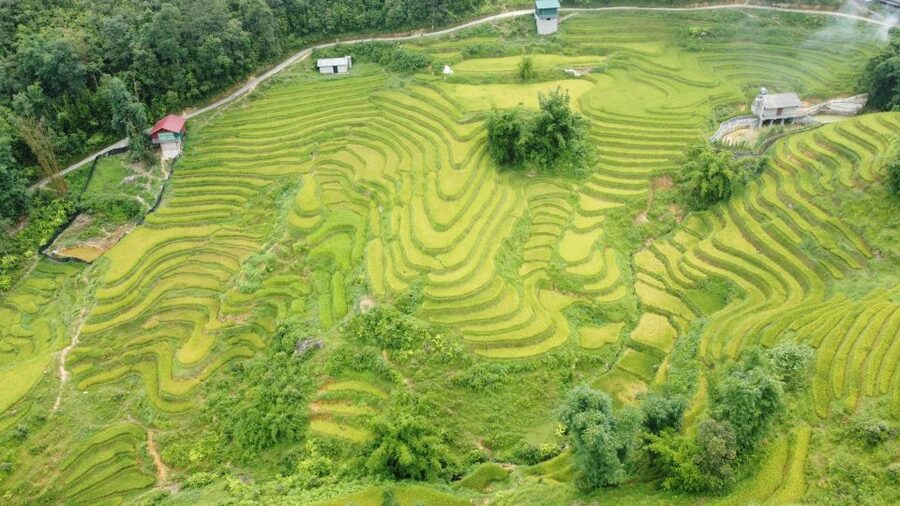
Lunch comes after the trek at a local restaurant. It is included in the $22 price, while drinks are not, so bring money for beverages.
I like this arrangement because the meal arrives when you have earned it. After several hours outdoors, a local meal is more satisfying than a quick packaged snack. The food also adds another piece of local culture, though the exact dishes are not specified and should not be assumed in advance.
If you have allergies, dietary restrictions, or strong dislikes, ask the provider before setting out. The available information confirms a local meal, but it does not give a menu or promise special dietary options.
The timing also makes practical sense. You do not need to search for a restaurant after reaching the end of the walk, and you can finish the active part of the day before sitting down. Remember to carry drinking water, since beverages are the one clear food-related extra.
Shuttle back to Sapa after seven hours
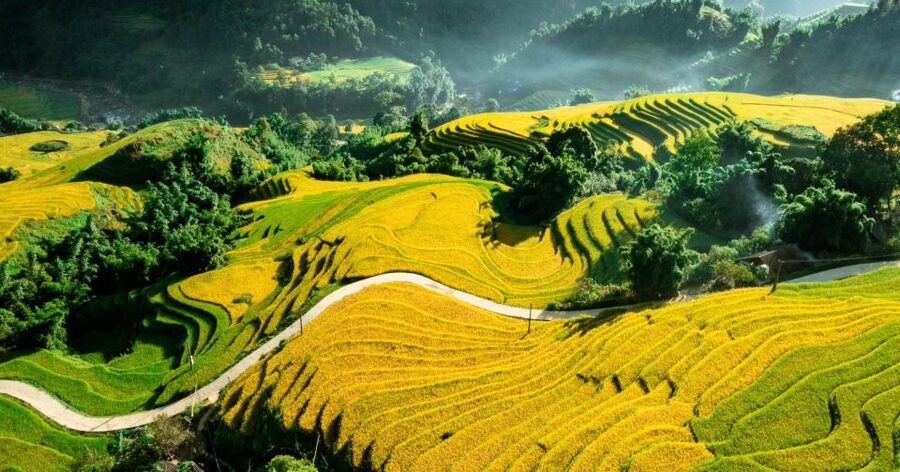
After lunch, a shuttle bus takes you back to your hotel in Sapa. This is a useful finish, especially after a walk that may reach 11 kilometers and include mud, slopes, or slippery sections.
You do not need to retrace the whole route on foot. That saves energy and makes the outing easier to fit into a wider Sapa schedule. Hotel drop-off is included, so the day ends where it began rather than at an unfamiliar point in town.
The overall duration is seven hours. Since pickup may take up to 45 minutes, the walking and lunch portions do not fill every minute of that period. Still, plan to keep most of the day free. This is not a quick morning photo trip.
What the $22 price really buys you
At $22 per person, the value is strong. The fee covers hotel pickup and drop-off, a guided trek, village entry fees, an English-speaking local ethnic guide, lunch, and the return shuttle.
The best value comes from combining several costs in one modest price. You receive a guide, access to the route, food, and transport without having to arrange each part separately. For a first visit to Sapa, that makes the day simple and affordable.
The low price also comes with limits. The pickup is shared and can take time. The route may feel touristy in sections, and the guide, food, and pace may vary. You are buying a straightforward group experience, not a private custom hike.
Free cancellation is available up to 24 hours before departure for a full refund. You can also reserve and pay later, which helps if your Sapa plans depend on weather or changing transport arrangements.
Who should book this outing
I would choose this trek if you want three things in one day: terrace views, village contact, and a local meal. It suits active adults who can walk for several hours and who are comfortable with changing weather and uneven ground.
It is also a good first countryside outing because the guide explains local customs as you go. You do not need to plan a separate village visit, find a restaurant, or organize a ride back.
I would think twice if you have mobility limits, heart or back concerns, or little tolerance for mud. The age and weight restrictions are clear, and the slippery conditions can make the route hard even for otherwise fit walkers.
Families with very young children should also skip it because children under five are not accepted. Older children may need to be assessed carefully by their parents, since the supplied information gives no promise of an easy route.
How to prepare for the Sapa weather
Pack for wet ground, even if the morning begins clear. Rubber boots are the most useful tip from the experience, and trekking poles are worth considering when fog or rain is forecast.
Bring water, a rain layer, clothes that can get dirty, and a small bag for personal items. Drinks are not included, and the trail may splash mud onto your clothing. Your camera should be protected from damp conditions.
Check the forecast before booking if you can. Fog can hide some of the big views, while rain makes the walk more physical. The outing can still be enjoyable in poor weather, but you should book it for the cultural walk and village contact, not only for perfect photographs.
Should you book the Sapa terrace trek?
Book it if you want an affordable, active introduction to Sapa’s fields and villages, and you value having a local guide explain what you are seeing. The combination of terrace scenery, Lai Chai, a waterfall, lunch, and a shuttle back is hard to match at $22.
Skip it if you want a private route, polished paths, or a completely non-touristy setting. The pickup is slow, the trails can be muddy, and some parts may feel geared toward visitors.
For most reasonably fit visitors who pack proper footwear, this is a practical choice. Aim for a dry forecast when possible, ask for a firm pickup time, and treat the 11-kilometer walk as a real hike rather than a gentle sightseeing stroll.
FAQ
How long does the Sapa terrace fields trek last?
The activity lasts seven hours, including hotel pickup, the trek, lunch, and the shuttle ride back to Sapa.
What time does hotel pickup begin?
Pickup takes place between 8:00 and 8:45 in the morning. The guide walks from hotel to hotel in Sapa town, so the process can take 30 to 45 minutes depending on your location.
What does the tour price include?
The $22 price includes hotel pickup and drop-off, a guided trek, village entry fees, an English-speaking local ethnic guide, local lunch, and the shuttle bus back to Sapa.
Are drinks included with lunch?
No. Drinks are not included, so you should bring money to buy beverages.
What should I wear for the walk?
Rubber boots are recommended in wet weather because the paths can become muddy and slippery. Trekking poles may also help when fog or rain makes the trail difficult.
Is the trek suitable for everyone?
No. It is not suitable for children under five, wheelchair users, people with back or heart problems, people over 70, or people weighing more than 275 pounds, or 125 kilograms.
More Lunch Experiences in Sa Pa
- From Sapa: Guided Full-Day Trekking with Lunch and Drop-Off
★ 4.2 · 86 reviews - Sapa: Private Highlights Day Tour with Lunch
★ 4.8 · 61 reviews - Sapa: Muong Hoa Mountain Views and Villages Trek with Lunch
★ 4.3 · 28 reviews - Ninh Binh Heritage Full Day Tour with Buffet Lunch and Limousine
★ 5.0 · 2,692 reviews
Recently reviewed around Sa Pa
- Sapa3D2N TrekkingAdventures,Valleys,Bambooforest,Waterfall★ 4.8 · 24 reviews
- Sapa: Y Linh Ho – Lao Chai, and Ta Van Trekking Day Tour★ 5.0 · 25 reviews
- Sapa: Ta Phin Village Trek & Red Dao Herbal Bath★ 5.0 · 22 reviews
- Sapa Trekking Bargains With Local Guide★ 4.9 · 91 reviews
- Sapa: Muong Hoa Mountain Views and Villages Trek with Lunch★ 4.3 · 28 reviews
- From Sapa: Guided Full-Day Trekking with Lunch and Drop-Off★ 4.2 · 86 reviews
- Sapa: Motorbike Tour 1 Day Visit Waterfalls & Local Villages★ 5.0 · 112 reviews
- Sapa: Private Highlights Day Tour with Lunch★ 4.8 · 61 reviews
Hiking & Trekking, compared.

Halong Bay Full Day with Kayaking, Hiking viewpoint, Cave – Deluxe To Luxury
Read our review →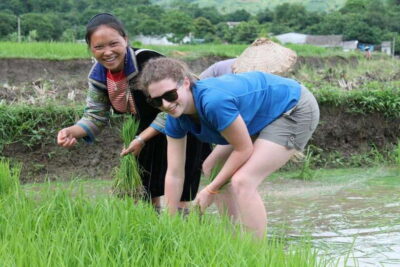
Muong Hoa Valley Trek and Local Ethnic Villages
Read our review →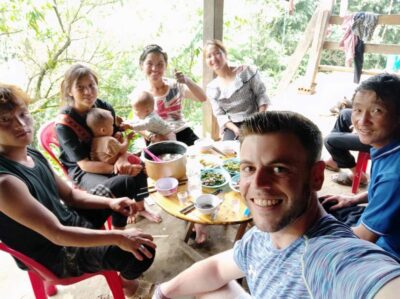
Sapa 3 Days 2 Nights Trekking Tour (1 Night In Ta Van Village, 1 Night In Hotel)
Read our review →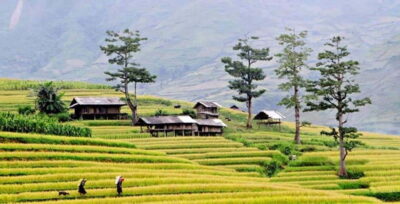
Eco Adventure Terrace Fields and Local Villages Trek
Read our review →
3-Day Trekking Adventure of Sapa from Hanoi – Stay Ta Van Village
Read our review →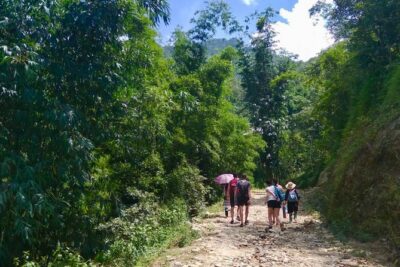
Number one top rated ethical cultural trekking and homestay by ETHOS
Read our review →
2-Day Sa Pa Ethnic Homestay Tour & Trek with Limousine Bus
Read our review →Browse the lists this tour appears in