
Reviewed · SAPA TOURS
Explore Sapa by TrekkingAdventures, Mountain,Rice fields
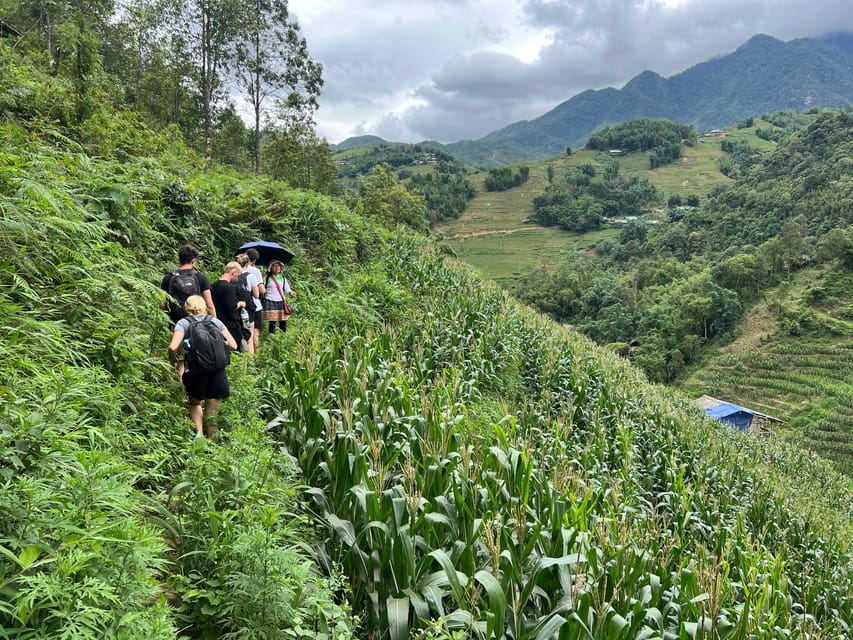
The best part of this Sapa trek is the guide. You walk with local Hmong women who grew up in the villages along the route, so the day comes with personal stories about family, marriage, farming, indigo dyeing, school, and daily life. The route leads from Sapa down through Y Linh Ho, Lao Chai, and Ta Van, with rice terraces opening below the mountain town.
I like the choice between an easier route and a harder trail, and I like that lunch, village fees, water, and the ride back to Sapa are included for $23. Guides such as Sun, Dinh, Khu, and Chuchu are praised for their humor and care. The main caution is the footing: rain can turn steep paths into slick mud, while winter fog can hide the views.
In This Review
- Key points before you book
- Why local Hmong guides make this trek different
- Starting in Sapa and descending to Y Linh Ho
- Lao Chai, the route’s lunch stop
- Walking onward to Ta Van Village
- The practical truth about mud, fog, and footwear
- The social side of a shared group trek
- What the $23 price really delivers
- Who should choose this Sapa walk
- Should you book Dinh Sapa Trekking Adventures?
- FAQ
- Where does the Sapa trek start?
- What villages does the route visit?
- How long is the trek?
- Can I choose an easier route?
- Is lunch included?
- Are vegetarian and vegan meals available?
- Is transport back to Sapa included?
- What happens if it rains?
- Is this a private tour?
- What should I bring?
Key points before you book
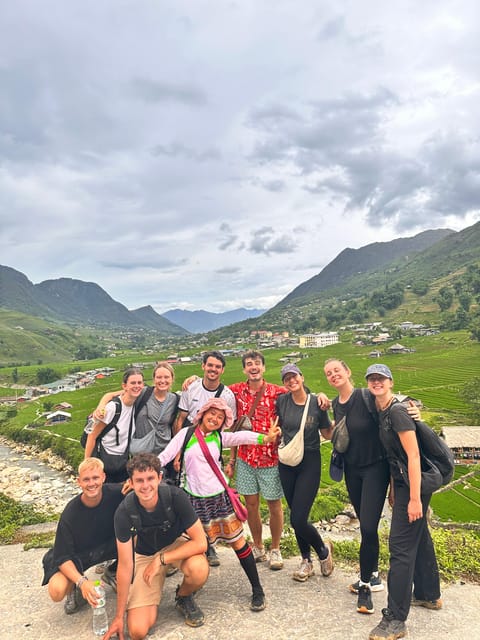
- Local Hmong women lead the walk: Your guide shares personal knowledge of village life and local customs.
- Three villages in one half-day route: The walk connects Y Linh Ho, Lao Chai, and Ta Van.
- Choose your effort level: Select an easier road route, a harder trail, or a combination of both.
- Lunch and return transport are covered: Eat in Lao Chai, then ride back to Sapa from Ta Van.
- Weather changes the experience: Clear days reveal terraces and valleys, while fog, rain, and mud can make the walk harder.
- Expect a group setting: The standard outing is shared with other people, though a private option is available for an extra charge.
Why local Hmong guides make this trek different
Sapa is easy to view from a hotel balcony or a road lookout. That gives you a pretty picture, but not much sense of how people live below the town. This walk takes you down into the valleys with women from the local Hmong community, turning the scenery into a conversation.
The guides explain what you see in practical terms: houses, animals, rice work, village customs, clothing, family life, and the differences between ethnic groups in the area. You may hear about Black Hmong traditions from a woman whose own life is tied to the villages on the route. That direct connection is the real reason to choose this outing.
The organizer, Dinh, describes a family-run effort that gives local Hmong women paid work and helps children attend school. That does not remove every concern about tourism, but it gives your spending a clear local purpose. You are not simply paying for transport to a viewpoint. You are hiring women to tell their own stories and guide you through their home region.
Guides have different personalities, but the strongest praise goes to Sun. She is often described as funny, energetic, attentive, and very clear in English. Dinh, Khu, Chuchu, Mam, Mu, and other local guides also lead the walks. Your exact guide depends on the day, but the common thread is a personal, conversational approach rather than a memorized speech.
Other Sa Pa days travellers weigh against this one:
- Sa Pa: Muong Hoa Valley Trek and Local Ethnic Villages
★ 4.6 · 864 reviews - Sapa: Eco Adventure Terrace Fields and Local Villages Trek
★ 4.9 · 636 reviews - From Sapa: 1-Day Guided Trek to Lao Chai & Ta Van with Lunch
★ 4.9 · 416 reviews
Starting in Sapa and descending to Y Linh Ho
The usual meeting time is 9:00 AM. Pickup is available at your hotel in Sapa Town, or you can meet near the main church. The church area can feel chaotic when several groups gather, so arrive ready to find your guide and listen for instructions.
From Sapa, the route heads downhill toward Y Linh Ho, a Black Hmong village. This first section is important because you leave the built-up town behind and begin seeing the valleys from walking level. The change is gradual, but the setting soon feels much more rural.
The descent is also where you need to judge your footing. Some sections are on roads or broad paths. Others are narrow, uneven, and steep, with muddy patches after rain. You may cross small streams, step over low fences, or scramble over short sections of hillside. None of this is described as technical climbing, but balance matters.
The scenery can change quickly with the weather. On clear days, the terraces and valley views are the star of the walk. In fog, you may see little beyond the path and nearby homes. Winter conditions can be especially cloudy, so do not book this only for postcard views. The cultural side of the route still works in poor weather, but the big mountain vistas may not.
Along the way, look for buffalo, pigs, and chickens around the homes and fields. These are not staged attractions. They are part of the working countryside, and a guide can explain how animals fit into village life.
Lao Chai, the route’s lunch stop
Lao Chai is one of the largest and oldest Hmong communities on the route. It gives you a longer pause after the first descent and a chance to look at the valley from a village setting rather than from a road above it.
Lunch is served at a local restaurant, with views in some places over the river, fields, or valley. The meal is included, and portions are described as generous. Vegetarian and vegan meals are available, but tell the organizer in advance so the restaurant can prepare properly.
Do not expect a refined restaurant meal. The appeal is local food, a shared table, and a chance to rest with the group. That break matters because the walk continues afterward, and the trail can feel tiring if you rush through it.
Lao Chai is also where the cultural explanations become more concrete. You may visit a traditional Black Hmong house and hear about daily routines, local materials, family life, and customs. Some guides also explain indigo dyeing, a craft connected with Black Hmong clothing.
A few people find the village section repetitive toward the end of the outing, especially if the group takes long breaks. I would keep your expectations sensible: this is a countryside walk with repeated terraces, paths, and houses, not a series of ticketed sights. The reward comes from seeing how the pieces fit together.
Walking onward to Ta Van Village
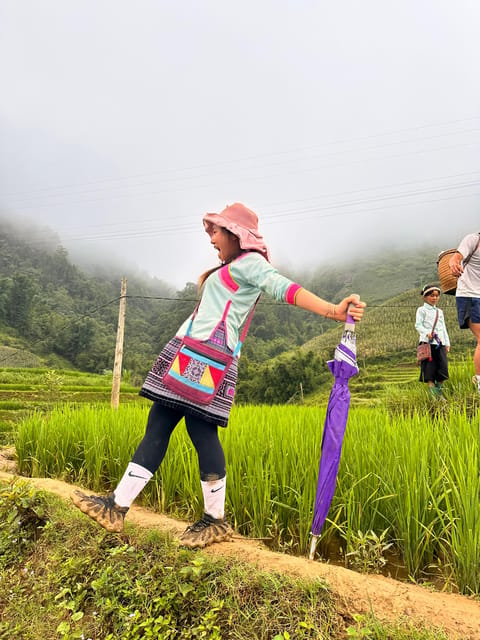
After lunch, the route continues toward Ta Van, home to the Dzay people. This adds another layer to the day. Instead of treating every mountain community around Sapa as the same, the guide points out differences between the Black Hmong and Dzay groups.
The walk to Ta Van includes more field paths and village lanes. During planting or harvest season, you may see people working in the rice terraces. Timing matters here. Rice fields are not equally photogenic all year, and the famous green or golden terraces depend on the agricultural calendar.
The route length can be adjusted. The advertised range is about 5 to 11 kilometers, with some outings taking a longer route. One option is easier, usually using more road walking. The harder choice follows rougher paths through fields and steeper sections. You can also combine a demanding start with an easier finish.
That flexibility is useful if your group has mixed fitness levels. Still, do not mistake easy for flat. Much of the route descends from Sapa, and downhill walking over mud can be harder on your knees and balance than a steady level path.
The walk often ends around 3:00 PM in Ta Van. A private car then takes you back to Sapa Town. The advertised duration is five hours, but the route description and several accounts of the outing put the full experience closer to five or six hours, including lunch, pauses, and transport. Allow the afternoon rather than booking a tight connection immediately afterward.
A different kind of day out, same stretch of Vietnam:
- Sapa 1 Day Long Trek: Trek to Hau Thao and Sa Seng Villages
★ 4.6 · 344 reviews - Sapa: Fansipan Cable, Cat Cat Village, Moana Instagram Tour
★ 4.8 · 294 reviews - From Sapa: 3-Day Ha Giang Loop with Safe Rider (max 8 pax)
★ 4.9 · 285 reviews - EXPLORE SAPA: 2D1N TREKKING & HMONG CULTURE WITH DINH
★ 4.9 · 191 reviews
The practical truth about mud, fog, and footwear
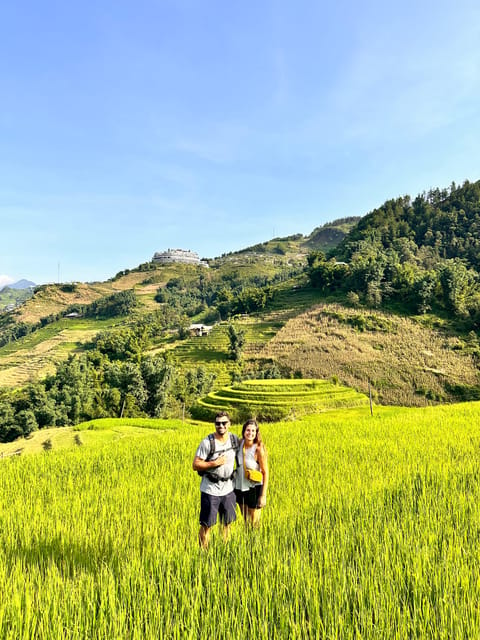
Sapa weather can make or break the visual side of this experience. Rain brings mud, slippery stones, and wet grass. Fog can cover the rice terraces even when the trail itself is easy to follow. Clear weather gives you the broad valley views that make this route famous.
Wear shoes with a real grip, not smooth-soled trainers. Choose clothes you can move in, and bring layers because Sapa can feel cool, especially in cloudy weather. A raincoat, sun hat, sunscreen, insect repellent, sunglasses, and cash all belong in your day bag.
The company says it has boots and trekking sticks available when rain makes conditions difficult. That is helpful, but you should still dress for a wet walk. Borrowed boots may keep your own shoes clean, yet they will not change the fact that the trail is slippery.
The harder route suits people with full mobility and reasonable balance. It is not appropriate for anyone who cannot manage steep, uneven ground. The activity is not suitable for people over 95, but the more useful test is whether you can comfortably walk several kilometers downhill on rough paths.
The social side of a shared group trek
This is normally a group outing, not a private walk. That keeps the $23 price low and makes it easy to meet people from different countries. It also means the pace is shaped by the slowest person, and breaks may last longer than you would choose on a private tour.
Groups can be organized into smaller sections at the start. Your guide may stop regularly to explain village life, answer questions, and help people across tricky ground. On difficult sections, other local women may walk with the group and lend a hand.
There is one social wrinkle to understand. Local women sometimes accompany the group and offer handmade goods for sale. Some people enjoy buying bracelets, textiles, or other crafts directly from the makers. Others find the sales approach persistent, especially when it continues along the trail.
You are not required to buy anything. Decide your budget before setting out, and feel free to say no clearly and politely. The guide can help set expectations, and the organizer could do more to separate guiding from selling, but the income pressure is part of the local tourism economy you are entering.
What the $23 price really delivers
At $23 per person, this is unusually good value if you want a guided walk rather than simply a transfer to a village. The fee covers an English-speaking local guide, lunch, water, village entry fees, and transport back to Sapa. You pay extra only for personal drinks and anything you choose to buy.
The return ride matters more than it may sound. Ending in Ta Van and finding your own way back could add cost and hassle, particularly after a muddy walk. Having a private car collect the group keeps the route practical.
The price also supports a local family operation rather than only a large tour company. Dinh’s family is trying to create work for Hmong women and help local children attend school. If you value direct community income, that strengthens the case.
The tradeoff is polish. This is not a luxury tour with a private vehicle beside you, a formal cultural center, or a fixed premium meal. The group size, route conditions, weather, and guide assignment shape the day. At this price, that seems fair, as long as you want an active local outing and not a controlled sightseeing circuit.
Free cancellation up to 24 hours before departure and reserve-now, pay-later booking make it easier to fit the walk into an uncertain Sapa schedule. Same-day arrangements may sometimes be possible, but booking two or three hours ahead is the safer plan.
Who should choose this Sapa walk
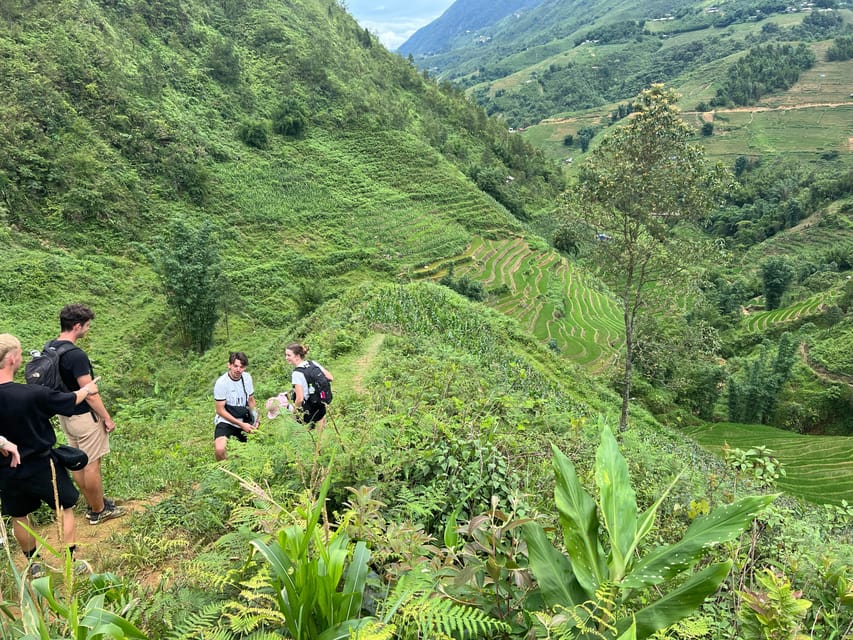
I would choose this tour if you want three things in one outing: mountain scenery, exercise, and conversation with a local guide. It works especially well for a first visit to Sapa because the route introduces several villages and two ethnic communities in a single day.
You will likely enjoy it if you:
- Like walking on natural paths rather than staying on paved streets
- Want direct explanations of local culture and family life
- Prefer a small local operator to a large sightseeing company
- Are comfortable sharing the outing with other people
- Can handle mud, steep descents, and changing weather
- Want lunch and the return ride included in the price
I would think twice if you need smooth paths, exact timing, or guaranteed mountain views. Winter fog can be heavy, and rain changes the route from a scenic walk into a balance exercise. The easier option reduces the strain, but it does not turn the outing into a fully accessible activity.
Should you book Dinh Sapa Trekking Adventures?
Yes, if you see the walk as a real rural outing rather than a perfect photo session. The strongest reason to book is the local Hmong women who guide you. Sun, in particular, is praised for her clear English, jokes, energy, and care on tricky paths. The lunch is consistently treated as a useful and tasty pause, and the combination of three villages, terraces, and return transport is hard to beat for $23.
Book for a clear-weather day if your priority is scenery, but do not cancel your plans solely because the forecast looks uncertain. Rain and fog may hide the views, yet the village visits and cultural explanations still give the walk purpose.
Bring cash, good footwear, and patience for group pacing. If you want more time in the mountains, ask about a private outing or a two-day trip. For a first taste of Sapa’s valleys and village life, this is a strong-value choice with genuine local contact and a few rough edges worth accepting.
FAQ
Where does the Sapa trek start?
You can be picked up at your hotel in Sapa Town, or meet the guide in front of Sapa’s main church.
What villages does the route visit?
The route goes from Sapa to Y Linh Ho, then Lao Chai, and finally Ta Van Village.
How long is the trek?
The advertised duration is five hours. The walking distance can be about 5 to 11 kilometers, depending on the route you choose.
Can I choose an easier route?
Yes. You can choose an easy route, a harder route, or a plan that begins hard and becomes easier.
Is lunch included?
Yes. Lunch at a local restaurant in Lao Chai is included in the price.
Are vegetarian and vegan meals available?
Vegetarian and vegan options have been provided, but you should tell the organizer in advance.
Is transport back to Sapa included?
Yes. After the walk ends in Ta Van, a private car takes you back to Sapa Town.
What happens if it rains?
Boots and trekking sticks are available for rainy conditions. You should also bring a raincoat and wear comfortable shoes and clothes.
Is this a private tour?
The standard outing is a group tour with other people. A private tour can be arranged for an additional payment.
What should I bring?
Bring sunglasses, a sun hat, sunscreen, a camera, insect repellent, comfortable walking shoes, a raincoat, and cash. Extra drinks are not included.
Recently reviewed around Sa Pa
- Sapa3D2N TrekkingAdventures,Valleys,Bambooforest,Waterfall★ 4.8 · 24 reviews
- Sapa: Y Linh Ho – Lao Chai, and Ta Van Trekking Day Tour★ 5.0 · 25 reviews
- Sapa Trekking Bargains With Local Guide★ 4.9 · 91 reviews
- Sapa: Ta Phin Village Trek & Red Dao Herbal Bath★ 5.0 · 22 reviews
- Sapa: Muong Hoa Mountain Views and Villages Trek with Lunch★ 4.3 · 28 reviews
- From Sapa: Guided Full-Day Trekking with Lunch and Drop-Off★ 4.2 · 86 reviews
- Sapa: Motorbike Tour 1 Day Visit Waterfalls & Local Villages★ 5.0 · 112 reviews
- Sapa: Private Highlights Day Tour with Lunch★ 4.8 · 61 reviews
Sapa Tours, compared.
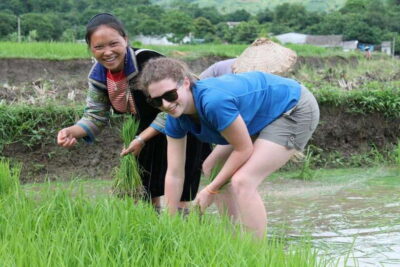
Muong Hoa Valley Trek and Local Ethnic Villages
Read our review →
Fansipan Cable, Cat Cat Village & Moana Instagram Tour
Read our review →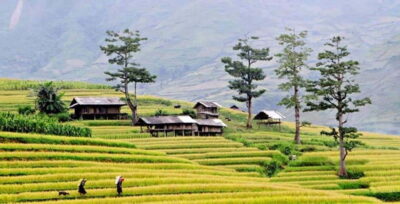
Eco Adventure Terrace Fields and Local Villages Trek
Read our review →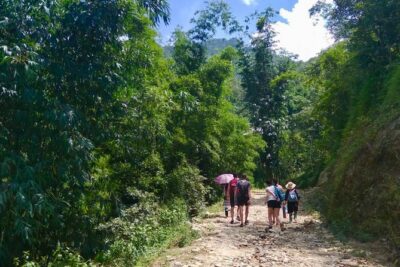
Number one top rated ethical cultural trekking and homestay by ETHOS
Read our review →
Cat Cat Village, Moana, Fansipan Cable Car, Alpine Coaster – Sapa
Read our review →
1-Day Guided Trek to Lao Chai & Ta Van with Lunch
Read our review →
Sapa 1 Day Long Trek: Trek to Hau Thao and Sa Seng Villages
Read our review →Browse the lists this tour appears in