
Reviewed · HIKING & TREKKING
2-Day Fansipan Mountain Trek – Indochina’s Highest Peak
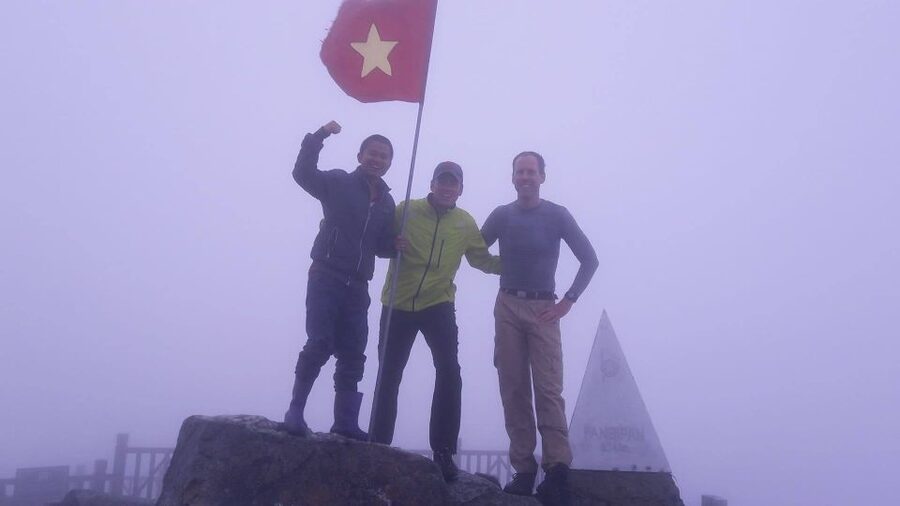
Fansipan is Vietnam’s highest peak, and this two-day trek from Sa Pa reaches the summit the old-fashioned way: on foot, through pine forest, bamboo, streams, rocks, steps, and ladders. You sleep at about 2,800 meters, then start before dawn for a sunrise arrival at 3,143 meters.
I like the early summit timing and the local support built into the price. Your guide explains the Black Mong, Red Dzao, and Dzay communities, while a Black Mong porter carries food and sleeping bags. I also like the generous meal plan. The catch is simple: this is a long, steep 26-kilometer hike, and the sleeping setup can be cold and very basic.
In This Review
- Key points before you book
- Fansipan from Sa Pa: what you are really signing up for
- Tram Ton Pass begins the climb
- Lunch at 2,200 meters, then a harder afternoon
- The pre-dawn push to Vietnam’s highest point
- The descent is where tired legs matter
- Guides, porters, and the human side of the hike
- Food, water, and what to carry
- Who will enjoy this Fansipan trek
- Price, cancellation, and practical planning
- Should you book the two-day Fansipan climb?
- FAQ
- How high is Fansipan?
- How long is the trek?
- Where does the tour start?
- What time does the tour begin?
- What meals are included?
- Is water included?
- Where do you sleep?
- Can you take the cable car down?
- Is transport from Sa Pa to Hanoi included?
Key points before you book
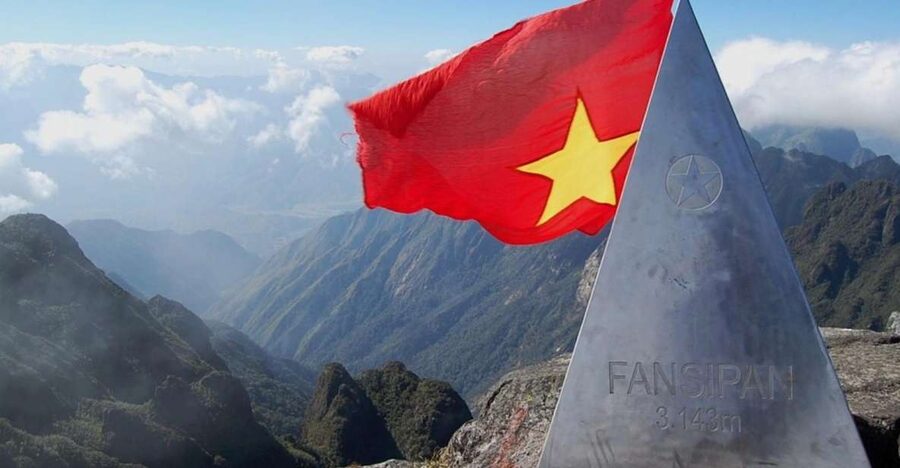
- Sunrise at 3,143 meters: Reach Fansipan around 7:30 AM, with views over Sa Pa, Lai Chau Province, and sometimes toward Yunnan in China.
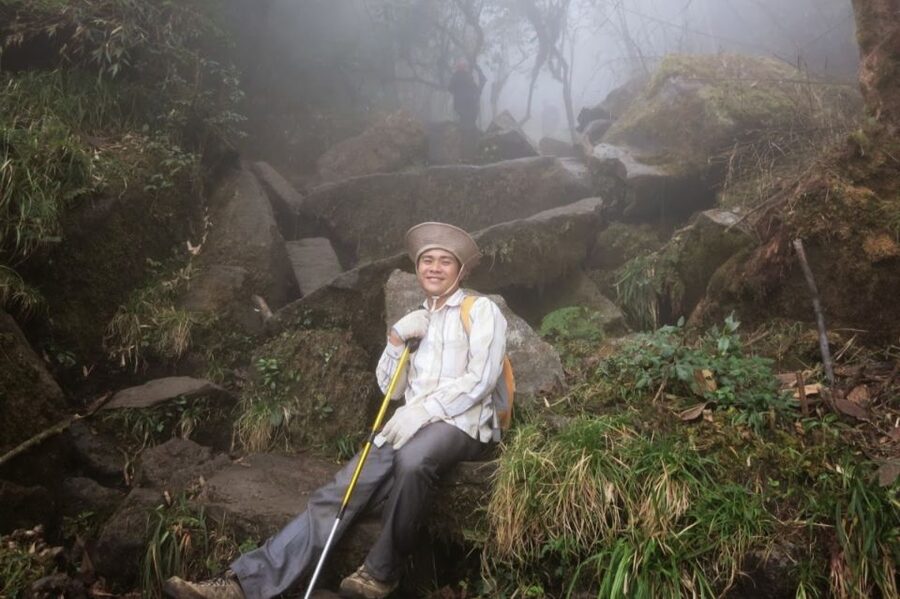
- A real mountain trek: The route includes steep ground, boulders, steps, ladders, pine forest, bamboo, and streams.
- Local support on the trail: An English-speaking guide leads you, while a Black Mong porter carries your food and sleeping bags.
- Simple overnight stay: You sleep in a sleeping bag, hut, or tent at roughly 2,800 meters.
- Meals and permits included: The $120 price covers two lunches, one dinner, one breakfast, water, entrance fees, permits, and transport to the trailhead.
- A useful escape route: If your legs give out, you can ask the guide to arrange a cable car descent for an extra charge.
Fansipan from Sa Pa: what you are really signing up for
This is not a gentle nature walk with a summit photo at the end. It is a proper mountain hike, made more manageable by a guide, porter, food, and a planned overnight stop.
You begin near Vietnam Nomadtrails’ office at 013 Tue Tinh Street in Sa Pa. The day starts with a hot shower and a place to leave large luggage. That small service matters more than it sounds. You can hike with a lighter pack, and you get a shower at the end as well.
The schedule needs one point of clarification. The detailed program says to meet at 7:00 AM, while the meeting information gives 8:00 AM. Confirm the exact start time when booking. The listed plan has you rest and look around Sa Pa before driving to Tram Ton Pass at about 9:00 AM.
The tour costs $120 per person. For that price, you receive guiding, permits, transport to and from the trailhead, three meals, water, a porter, camping equipment, and showers. That is fair value if you want a guided ascent and do not want to arrange each piece yourself. A solo traveler pays $230 for a private tour, so sharing the cost is much better value if that option suits you.
More Hiking Tours in Sapa
- Sa Pa: Muong Hoa Valley Trek and Local Ethnic Villages
★ 4.6 · 864 reviews - Sapa: Eco Adventure Terrace Fields and Local Villages Trek
★ 4.9 · 636 reviews - From Sapa: 1-Day Guided Trek to Lao Chai & Ta Van with Lunch
★ 4.9 · 416 reviews
Tram Ton Pass begins the climb
Tram Ton Pass is the starting point for the ascent. Here you meet the porter who carries the food and sleeping bags. You still need to carry your own personal items, so pack lightly rather than treating the porter as a full luggage service.
The first section takes you through pine and bamboo forest, with streams along the route. The cool mountain climate helps, but the terrain makes the day work. You gain height from roughly the trailhead to 2,200 meters for lunch, then continue to the overnight point at about 2,800 meters.
Your guide is not only there to set the pace. The route gives you a chance to learn about the Black Mong, Red Dzao, and Dzay people who live around Sa Pa. This cultural element adds meaning to the walk, especially if you want more than a summit photograph.
The exact pace depends on conditions and your group. One guide may move quickly, while another may stop often for views, photographs, and a check on how you are doing. That flexibility matters on a route where the steep sections can catch you by surprise.
Lunch at 2,200 meters, then a harder afternoon
Around noon, you stop at 2,200 meters for a picnic lunch prepared by the guide and porter. The food is part of the value here. Meals include two lunches, one dinner, and one breakfast, and the most positive feedback centers on the quality and variety of the cooking, even in simple mountain conditions.
Tell the operator about allergies or vegetarian needs before you go. Do not wait until lunch. Water is listed as 1.5 liters per day, so you should also ask how much extra water you need for your own pace and the conditions.
After lunch, the route continues uphill to the sleeping point. You are due to arrive around 4:00 PM, leaving time to rest near the tent or hut before dinner at 6:30 PM. That early dinner and early night are practical rather than luxurious. Breakfast comes at 5:00 AM, so there is no late evening around camp.
The overnight accommodation may be a sleeping bag, hut, or tent. Treat it as basic mountain shelter. One account describes temperatures falling to around zero degrees and the sleeping bag as not warm enough without extra blankets. Pack warm layers, a hat, and dry socks. Do not rely on the word camping gear to mean hotel comfort.
The base camp can also feel unorganized, and people arriving for other trips may disturb your sleep. That is not a flaw unique to this tour, but it is part of the setting. If you need quiet, bring earplugs and keep your expectations sensible.
The pre-dawn push to Vietnam’s highest point
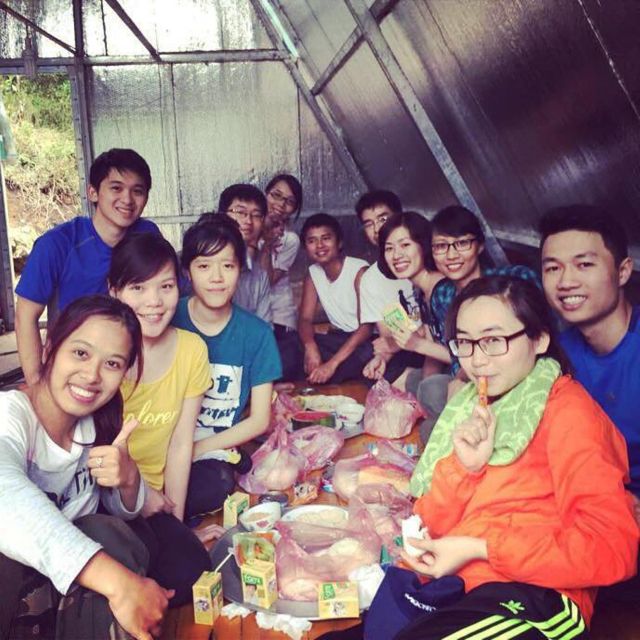
Breakfast comes at 5:00 AM with hot tea or coffee. You then leave the 2,800-meter camp and continue through bamboo forest. As you gain height, vegetation becomes thinner and the route feels more exposed.
The final section is where the physical demand becomes clear. Expect steep ground, boulders, steps, and ladders. This is why the tour advises older people against the long trek and does not accept children under 17 or people with disabilities.
The scheduled summit arrival is around 7:30 AM. If conditions cooperate, you may see the sun rise over a cloud-filled valley, with views toward Sa Pa and Lai Chau Province. On clear days, the view can extend toward the mountains of Yunnan in China.
Arriving early is one of the strongest reasons to choose this trek instead of simply taking the cable car. The summit can feel very different before the main crowds arrive. You earn the view with a dark, cold, tiring climb, but the timing gives the moment a special edge.
The summit itself is not the end of the work. After about 8:00 AM, you begin descending. A picnic lunch comes during the return route, and you continue toward Tram Ton, arriving between 3:30 and 4:30 PM.
More Sa Pa trips worth a second look
- Sapa 1 Day Long Trek: Trek to Hau Thao and Sa Seng Villages
★ 4.6 · 344 reviews - EXPLORE SAPA: 2D1N TREKKING & HMONG CULTURE WITH DINH
★ 4.9 · 191 reviews - Sa Pa: 6-Hours Muong Hoa Valley Trek with Local Ethnic guide
★ 4.5 · 178 reviews - Sa Pa: 2-Day Trekking Trip with Ethnic Minority Homestay
★ 4.7 · 145 reviews
The descent is where tired legs matter
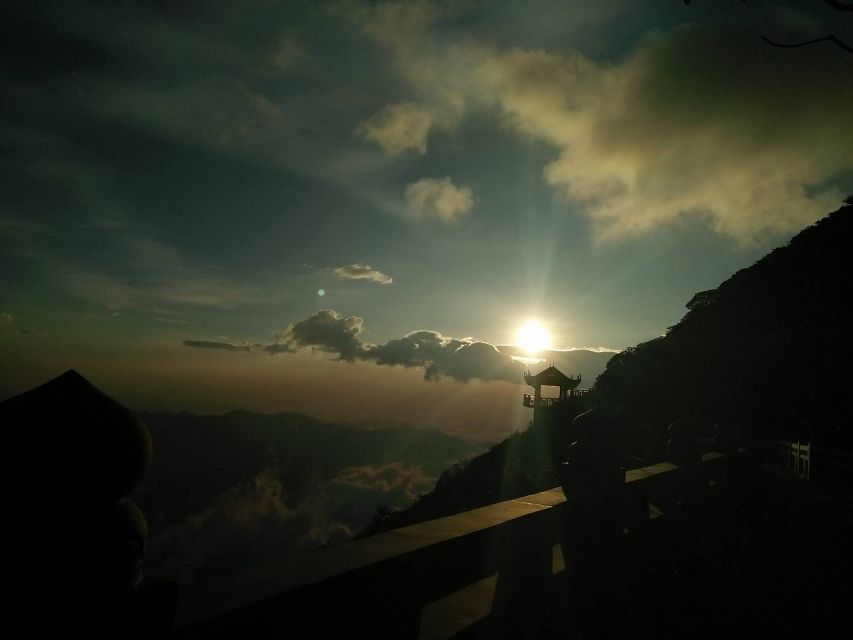
Many people focus on the climb and underestimate the return. After two days of steep walking, downhill boulders, steps, and ladders can be hard on knees and ankles.
The tour allows a practical backup. If you become too tired, ask your guide about buying a cable car ticket for the descent. The supplied information gives two different figures, 800,000 Vietnamese dong for a cable car ticket and 700,000 dong as the additional descent charge. Confirm the current price before relying on this option.
Taking the cable car down does not make the hike a failure. It can be the sensible choice if your legs are no longer safe on steep ground. One account found the cable car useful after reaching the summit, while still valuing the walk up and the views along the way.
A vehicle waits at Tram Ton for the return to Sa Pa. You can shower at the office, then continue to Hanoi by bus or train at your own cost. Build in enough time for that onward trip. The return to Sa Pa is not the same thing as transport to Hanoi.
Guides, porters, and the human side of the hike
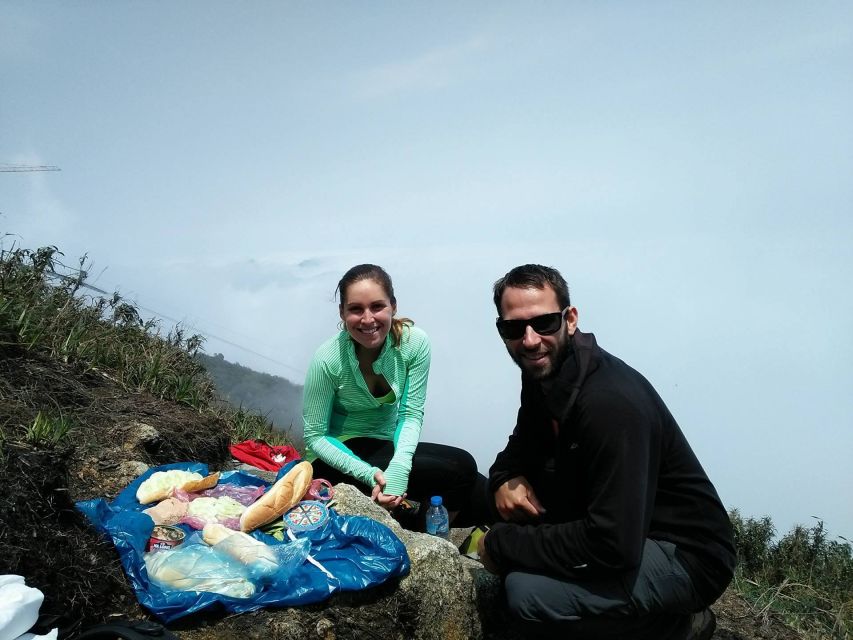
The guide can make or break a mountain trip. The strongest feedback focuses on guides who check your condition, stop for photographs, answer questions, and explain points of interest.
Guides named in the feedback include Sinh and Cha, with Cha’s spelling noted as uncertain. Sinh is praised for making the outing memorable, while Cha is described as friendly and able to answer questions while handling steep sections with ease.
English ability may vary by guide and porter. One account found the guide and porter helpful but limited in English, which reduced the cultural exchange. The tour is sold with an English-speaking guide, but you should still keep questions clear and patient.
The Black Mong porter is an important part of the arrangement. He carries food and sleeping bags, helping you keep your own load manageable. The porter is not a substitute for fitness, though. You still face the full route under your own power unless you use the cable car for the descent.
The best part of this setup is the human contact. You are not simply following signs to a summit. You have people with you who know the route and can connect the walk to local communities around Sa Pa.
Food, water, and what to carry
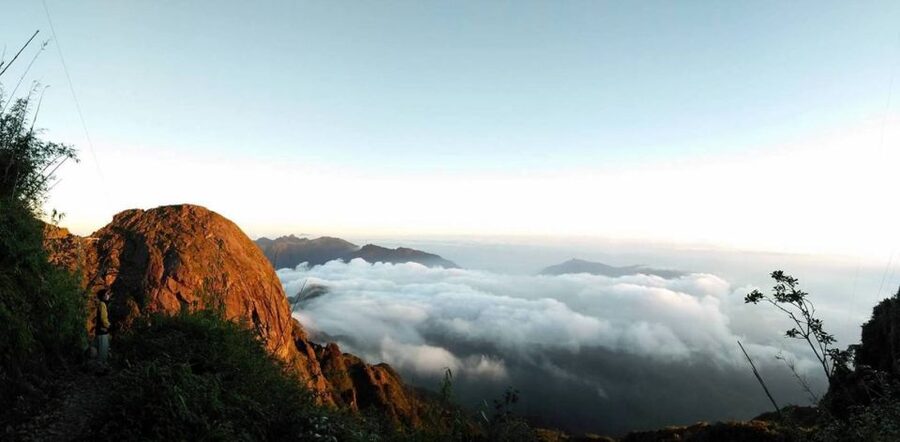
The included meals are a real strength. You receive lunch on both days, dinner at camp, and breakfast before the summit push. The food is prepared by the guide and porter, and the cooking has been described as varied and especially good given the rustic conditions.
Dietary requests must be given in advance. The tour includes 1.5 liters of water per day, but your own needs may be higher depending on weather, effort, and personal habits. Ask about refills or carry extra capacity if needed.
Keep your personal pack small but useful. The provided information supports bringing:
- Warm layers for a night that may reach around zero degrees
- Waterproof protection for clothing and equipment
- Sturdy footwear suitable for steep rocks, steps, and ladders
- Dry socks and a change of clothes
- Personal medication and basic toiletries
- Earplugs for the basic camp
- A headlamp or flashlight for the early start, unless the operator confirms one is supplied
Do not pack as if you are staying in a staffed lodge. The sleeping arrangements can be a hut, tent, or sleeping bag, and blankets may not be available.
Who will enjoy this Fansipan trek
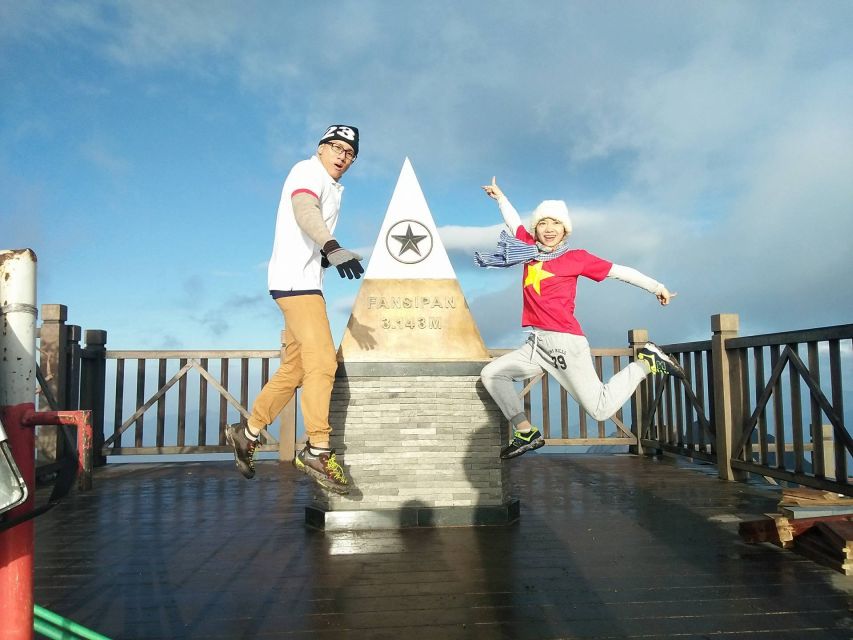
You should consider this tour if you want the satisfaction of walking to Vietnam’s highest point, prefer a small-scale mountain experience to a cable car ride, and accept simple conditions.
It suits fit adults who can manage a long 26-kilometer route over two days. You need to be comfortable with steep climbs and descents, uneven rocks, ladders, early mornings, and cold overnight conditions.
It is less suitable if you want a soft adventure, private bathroom facilities, predictable sleeping conditions, or a short route. The tour is not suitable for children under 17, people with disabilities, or elderly people who may struggle with the distance and steep ground.
A 60-year-old parent and adult child have completed the route, but that should not be treated as a promise about your own experience. Fitness, weather, pace, and prior hiking experience matter much more than age alone.
Price, cancellation, and practical planning
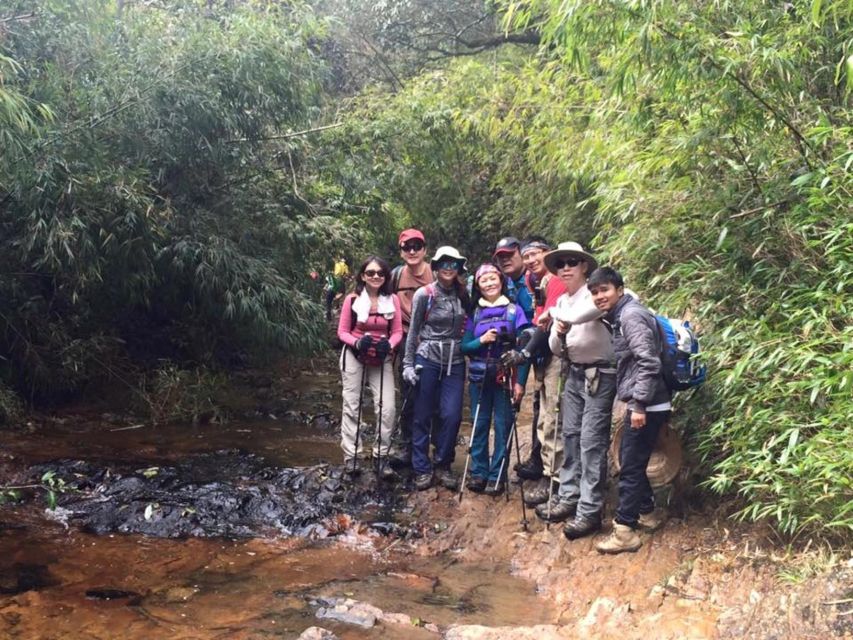
At $120 per person, this trip bundles many costs that can add up separately: permits, entrance fees, transfers, guide service, porter support, meals, water, camping gear, and showers. I consider it a good package price for people who want a guided ascent without arranging mountain logistics themselves.
Travel insurance is not included, and VAT is also excluded. Drinks beyond the supplied water are extra. A Lunar New Year surcharge of $70 per person applies from January 26 to February 2, 2025, according to the supplied conditions. Since that date range is specific, confirm current holiday pricing if your visit is later.
The operator allows free cancellation up to 24 hours before departure and offers reserve-now, pay-later booking. That gives you some flexibility, but you should still confirm the meeting time, sleeping arrangement, cable car price, and current holiday surcharge.
Transport from Sa Pa to Hanoi is not included. After your shower at the office, you arrange and pay for your own bus or train. This matters when planning the day, since you return to Sa Pa in the late afternoon.
Should you book the two-day Fansipan climb?
Book it if reaching the summit under your own power matters to you. The early arrival, local guide and porter, strong meal plan, and forest route make this more than a simple attraction visit.
Skip it if you dislike cold, basic accommodation or if a 26-kilometer route sounds excessive. The cable car is the easier way to reach the top, but it removes the challenge and much of the connection with the mountain.
For the best chance of enjoying this trip, train beforehand, pack for near-freezing conditions, confirm the meeting time, and keep your Hanoi plans flexible after the return. If you can accept hard walking and simple shelter, this is a well-priced way to experience Fansipan with a real sense of achievement.
FAQ
How high is Fansipan?
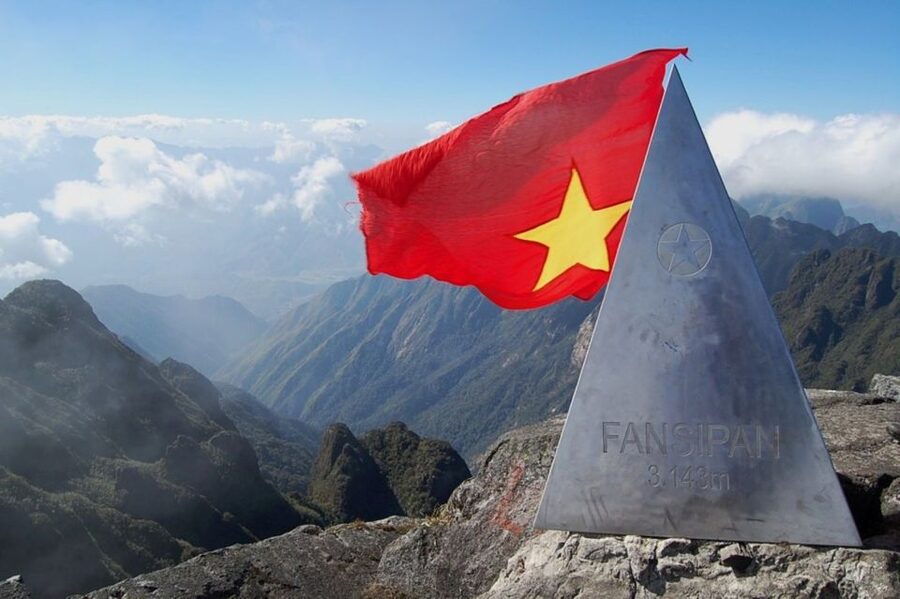
Fansipan is 3,143 meters high and is the highest peak in Vietnam.
How long is the trek?
The full trek is about 26 kilometers over two days.
Where does the tour start?
The meeting point is Vietnam Nomadtrails’ office at No. 013 Tue Tinh Street in Sa Pa, Lao Cai, Vietnam.
What time does the tour begin?
The meeting information gives 8:00 AM, while the detailed program says you are welcomed at 7:00 AM and driven to Tram Ton at about 9:00 AM. Confirm the exact starting time with the operator.
What meals are included?
The tour includes two lunches, one dinner, and one breakfast. You should provide any allergy or vegetarian requests in advance.
Is water included?
Yes. The tour includes 1.5 liters of water per day.
Where do you sleep?
Accommodation is provided as a sleeping bag, hut, or tent at about 2,800 meters. Conditions are basic, and overnight temperatures can fall to around zero degrees.
Can you take the cable car down?
Yes. If you are too tired to descend on foot, you can ask the guide to arrange a cable car ticket. The supplied information lists different prices, so confirm the current charge before departure.
Is transport from Sa Pa to Hanoi included?
No. The tour returns you to Sa Pa, where you can shower at the office. Any bus or train from Sa Pa to Hanoi is at your own cost.
More 2-Day Experiences in Sa Pa
- From Hanoi: 2-Day 2-Night Sapa Tour by Overnight Train
★ 4.4 · 96 reviews - From Sapa Homestay Hideaway 2-Day Local Life Adventure
★ 4.7 · 26 reviews - From Hanoi: Explore Sapa 2-Day Tour
★ 4.3 · 22 reviews - AUTHENIC 2D1N Trek & Bungalow Retreat with Dinh Hmong Family
★ 5.0 · 19 reviews
Recently reviewed around Sa Pa
- Sapa3D2N TrekkingAdventures,Valleys,Bambooforest,Waterfall★ 4.8 · 24 reviews
- Sapa: Y Linh Ho – Lao Chai, and Ta Van Trekking Day Tour★ 5.0 · 25 reviews
- Sapa: Ta Phin Village Trek & Red Dao Herbal Bath★ 5.0 · 22 reviews
- Sapa Trekking Bargains With Local Guide★ 4.9 · 91 reviews
- Sapa: Muong Hoa Mountain Views and Villages Trek with Lunch★ 4.3 · 28 reviews
- From Sapa: Guided Full-Day Trekking with Lunch and Drop-Off★ 4.2 · 86 reviews
- Sapa: Motorbike Tour 1 Day Visit Waterfalls & Local Villages★ 5.0 · 112 reviews
- Sapa: Private Highlights Day Tour with Lunch★ 4.8 · 61 reviews
Hiking & Trekking, compared.

Halong Bay Full Day with Kayaking, Hiking viewpoint, Cave – Deluxe To Luxury
Read our review →
Muong Hoa Valley Trek and Local Ethnic Villages
Read our review →
Sapa 3 Days 2 Nights Trekking Tour (1 Night In Ta Van Village, 1 Night In Hotel)
Read our review →
Eco Adventure Terrace Fields and Local Villages Trek
Read our review →
3-Day Trekking Adventure of Sapa from Hanoi – Stay Ta Van Village
Read our review →
Number one top rated ethical cultural trekking and homestay by ETHOS
Read our review →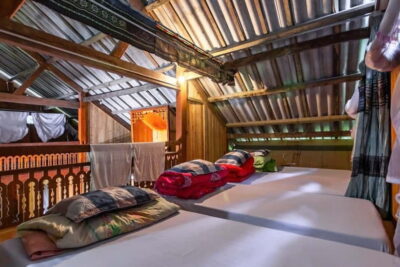
2-Day Sa Pa Ethnic Homestay Tour & Trek with Limousine Bus
Read our review →Browse the lists this tour appears in