
Reviewed · SAPA TOURS
From Sapa Homestay Hideaway 2-Day Local Life Adventure
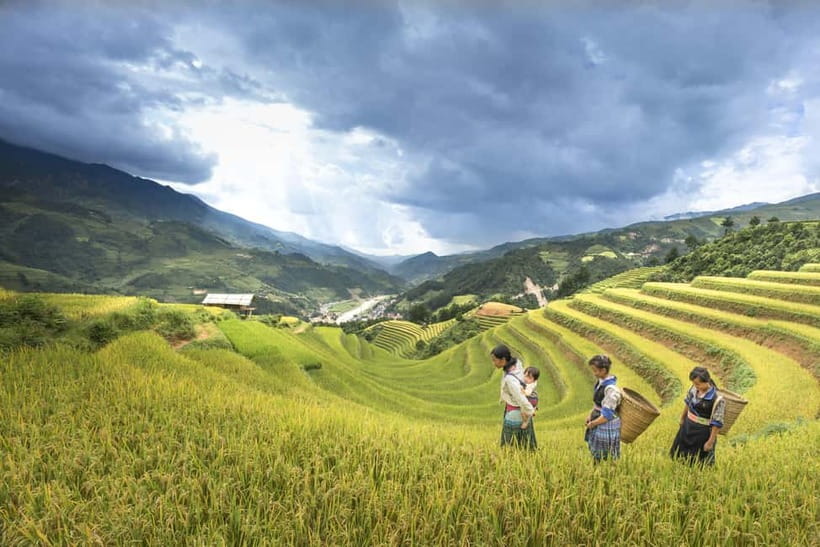
Sapa’s best moments come on foot, where rice terraces drop toward the Muong Hoa Stream and village paths lead past buffalo, chickens, dogs, cats, ducks, and sometimes even a snake at a safe distance. I like the varied route from Y Linh Ho to Lao Chai and Ta Van, and I like that a local guide helps explain H’Mong, Dao, and Giay customs instead of leaving you to guess what you are seeing.
The second strong point is the homestay evening, with a cooking lesson, dinner, free rice wine or happy tea, and time to look around Ta Van. The trade-off is the walking: about 10 kilometers on day one and another 4 kilometers on day two, with mud and slippery ground possible after rain.
In This Review
- Key points at a glance
- Why this Sapa walk feels different
- Day one: Y Linh Ho and the long walk to Ta Van
- Ta Van homestay: simple comfort with a local evening
- Day two: Giang Ta Chai, Supan, and the return bus
- What the $53 price really covers
- Fitness, weather, and what to pack
- The cultural side, without forcing it
- Who should book this two-day Sapa trip?
- Should you book it?
- FAQ
- How long is the Sapa trekking tour?
- Where does the tour start?
- Which villages does the tour visit?
- Where do you sleep?
- Are meals included?
- Is transportation included?
- What should you bring?
- Is the tour suitable for children?
- What time does the tour finish?
Key points at a glance
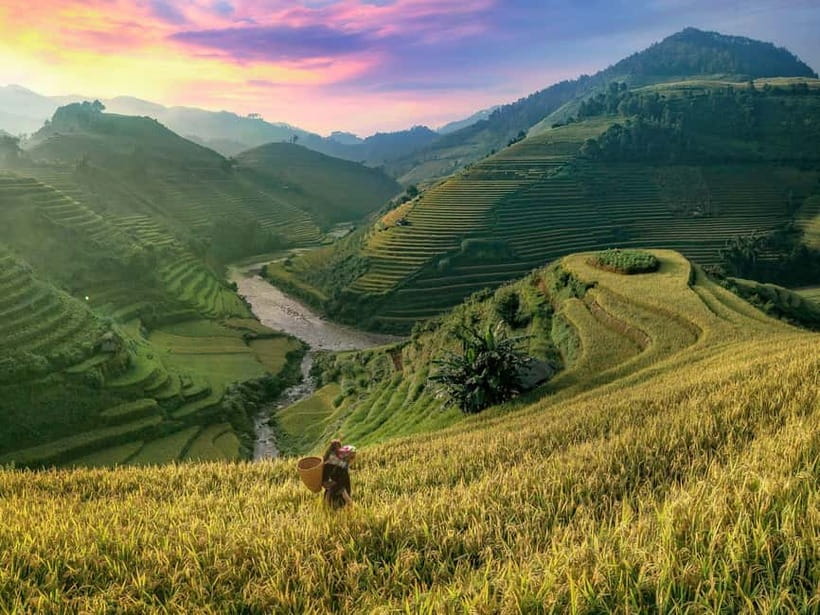
- Muong Hoa trekking route: Walk through rice terraces, bamboo forest, and mountain villages rather than seeing Sapa only from a vehicle.
- Three local communities: Visit Y Linh Ho, Lao Chai, Ta Van, Giang Ta Chai, and Supan, with H’Mong, Dao, and Giay cultural connections along the way.
- Ta Van homestay night: Sleep in a private room at a traditional homestay, with a mountain view possible from the room.
- Hands-on evening: Learn to make local dishes before dinner, then enjoy free rice wine or happy tea.
- Good-value package: The $53 price includes a guide, one night, three meals on day one and two meals on day two, entrance fees, and return transport.
- Real hiking required: Day one can be hot, muddy, or slippery, so proper shoes and reasonable fitness matter.
Why this Sapa walk feels different
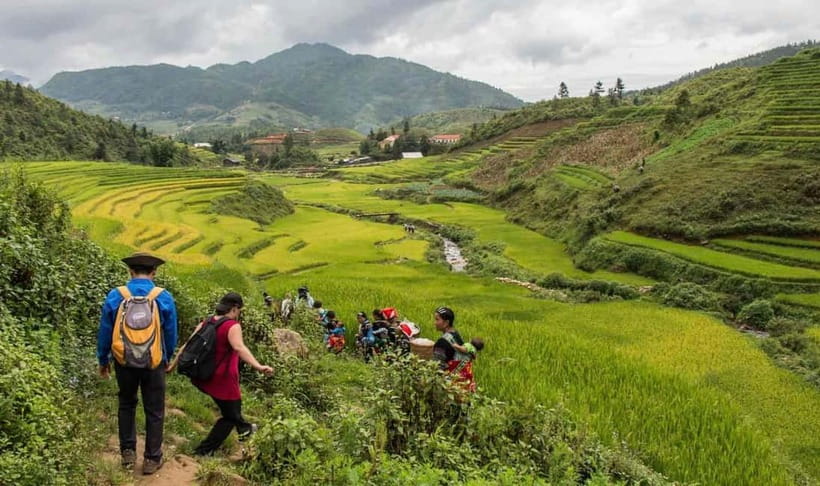
Many Sapa outings focus on viewpoints and quick village stops. This one gives you time to move between communities on foot. That matters because the scenery changes slowly: rice terraces give way to bamboo, paths follow the Muong Hoa Stream, and homes and farm animals appear along the route.
You begin between 8:15 and 8:30 a.m. with pickup from a hotel in Sapa town or from the meeting point at Sapa Delta Hotel. From there, you start walking toward Y Linh Ho. The first part sets the tone for the trip: this is a village trek, not a short photo stop followed by a bus ride.
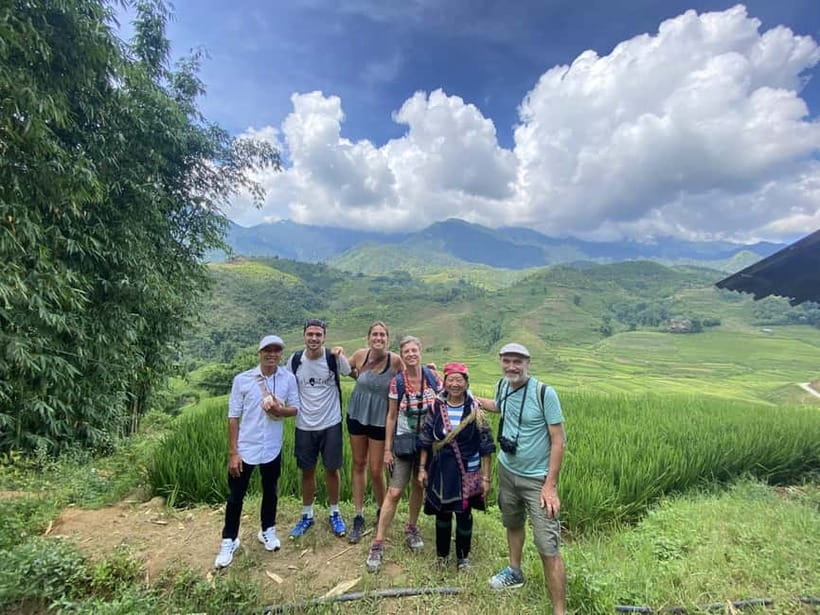
Your English-speaking local guide leads the way and explains local customs as you go. Guide Zem received particular praise for explaining village traditions and treating the group warmly. Guides can change, of course, but the local leadership is one of the main reasons this trip offers more than a pretty walk.
The tour has a friendly small-group feel. The exact group size is not stated, so do not book it expecting a private walk, but the format is intended to feel more like a shared outing than a large coach excursion.
More Sa Pa trips worth a second look
- EXPLORE SAPA: 2D1N TREKKING & HMONG CULTURE WITH DINH
★ 4.9 · 191 reviews - Sa Pa: 2-Day Trekking Trip with Ethnic Minority Homestay
★ 4.7 · 145 reviews - From Hanoi: 2-Day 2-Night Sapa Tour by Overnight Train
★ 4.4 · 96 reviews
Day one: Y Linh Ho and the long walk to Ta Van
The first day is the demanding one. You walk about 10 kilometers from the Sapa area through Y Linh Ho and Lao Chai before reaching Ta Van. The distance is manageable for people used to walking, but the surface and weather can make it harder than the number suggests.
Y Linh Ho is your first village stop. From there, the trail runs through rice terraces beside the Muong Hoa Stream. In sunny weather, the terraces and Hoang Lien Son mountain range provide the big views. In wet weather, the same route may become muddy and slick.
This is where good footwear earns its place in your bag. Hiking boots or sturdy walking shoes are a better choice than smooth-soled trainers. Bring sunscreen and insect repellent, and carry water. A summer walk can feel hot, and one person found the heat harder than the actual walking. A small fan or spray bottle can help in the warm months.
The route continues to Lao Chai, a village associated with the Black H’Mong community. Along the way, you see the countryside at walking pace. Animals are part of the scene, not a staged attraction. You might pass buffalo, poultry, cats, dogs, ducks, and other everyday signs of village life.
You may also meet local people selling handmade goods along the path. You are not required to buy anything. A polite smile and a clear no are enough if you are not interested. If you do want a souvenir, inspect it carefully and decide before taking it, since the sales encounters can be persistent.
By around 12:30 p.m., you reach Ta Van and have lunch at the homestay. The midday meal is included, as are lunch and dinner on day one, breakfast and lunch on day two, and sightseeing tickets. Drinks are extra, including water and wine, so keep some cash available.
After lunch, you check in and have free time to explore Ta Van. This pause is welcome after the morning walk. You can rest, look around the village, or simply enjoy the setting without racing to the next stop.
Ta Van homestay: simple comfort with a local evening
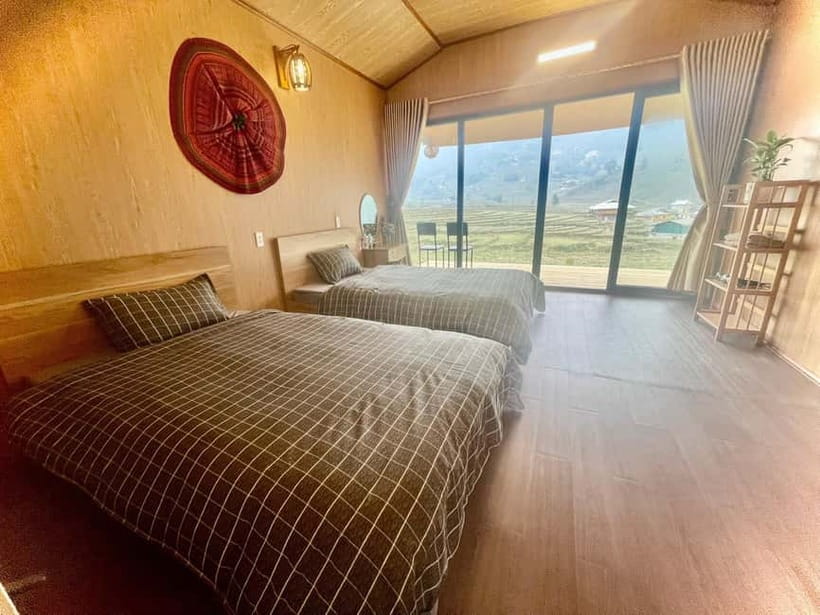
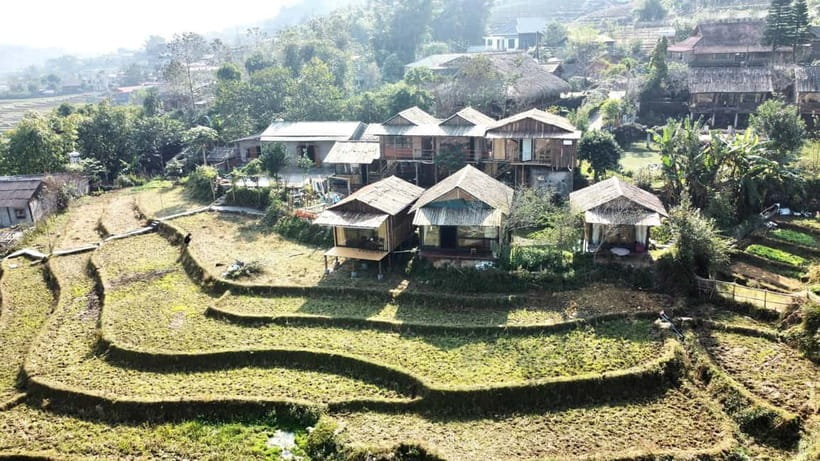
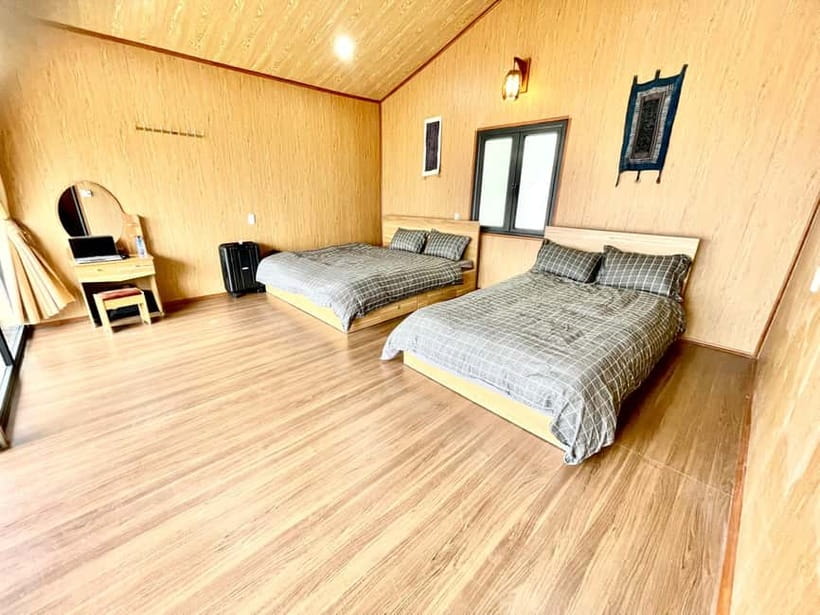
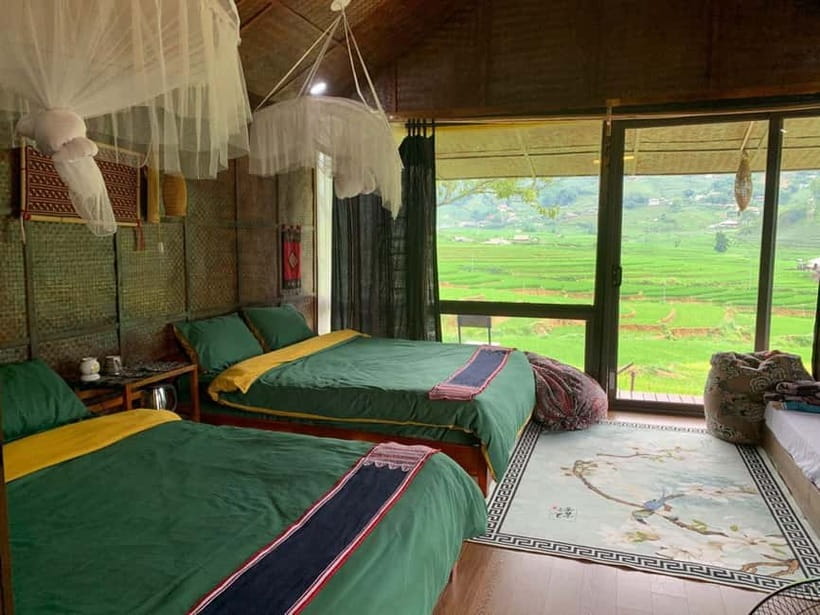
The overnight stay is in a private room at a traditional homestay in Ta Van. This gives you more privacy than a shared dorm, while still keeping the stay connected to village life. The comforts are described as just right rather than luxurious, so set your expectations at clean, practical, and local rather than hotel-style polish.
Room arrangements can vary, but one useful booking tip is to ask for a room with its own toilet if that matters to you. A private bathroom was recommended as the best choice for a more relaxed night. Views from the rooms can be excellent, but a specific view is not guaranteed.
At 5 p.m., the guide shows you how to prepare local dishes. This cooking class is small but valuable because it turns dinner into part of the cultural experience. You are not only served a meal, you see how the evening’s food comes together.
Dinner follows at about 6:30 p.m. Free rice wine or happy tea is included after the meal. Drinks with the regular meals are not included, so do not assume that bottled water, soft drinks, or extra wine are covered.
The homestay is also where the trip feels most social. You have time to talk with the guide and other people in the group, rather than returning to Sapa after the walk. If you want a polished, quiet hotel evening, this may not be your ideal overnight. If you want a simple stay with food, conversation, and village surroundings, it is a useful part of the package.
Day two: Giang Ta Chai, Supan, and the return bus
Breakfast is served between 8 and 9 a.m. The later start gives you time to eat and get ready without the early rush common on hiking trips.
At about 9:30 a.m., you begin the second walk toward Giang Ta Chai and Supan. The trek is about 4 kilometers, much shorter than day one. It is still a proper walk, and wet conditions can make the path slippery, but it should feel easier after the longer first day.
Giang Ta Chai is linked with the Red Dao community and is one of the key cultural stops on this route. Supan is another Red Dao village. Together, these visits give the second day a different focus from the Black H’Mong village of Lao Chai.
The route also includes bamboo forest and changing views across the Muong Hoa area. You get a useful contrast between the open terraces of day one and the more enclosed, wooded sections of day two. That variety helps keep the walk interesting.
Lunch is served at a local restaurant at about 12:30 p.m. After lunch, the bus leaves at approximately 1:30 p.m. for Sapa town. The tour ends around 1:30 to 2 p.m., depending on the return timing.
Transport is simple and practical: you walk out from Sapa toward the villages, then return by bus on day two. This avoids repeating the same trail and keeps the package focused on the walking sections that matter.
A different kind of day out, same stretch of Vietnam:
- Sa Pa: Muong Hoa Valley Trek and Local Ethnic Villages
★ 4.6 · 864 reviews - Sapa: Eco Adventure Terrace Fields and Local Villages Trek
★ 4.9 · 636 reviews - From Sapa: 1-Day Guided Trek to Lao Chai & Ta Van with Lunch
★ 4.9 · 416 reviews - Sapa 1 Day Long Trek: Trek to Hau Thao and Sa Seng Villages
★ 4.6 · 344 reviews
What the $53 price really covers
At $53 per person, this is a strong-value trip if you plan to trek in Sapa anyway. The price includes:
- Pickup in Sapa town
- Return bus transport to Sapa
- A local English-speaking guide
- One night in a private homestay room
- Two lunches, one dinner, and one breakfast
- Entrance and sightseeing fees
- The cooking class and village walking route
You still pay for drinks during meals and personal spending. You also need to bring suitable clothing and footwear, so factor in those costs if you arrive without hiking gear.
The value comes from combining transport, food, guiding, entry fees, and accommodation in one modest price. A cheaper self-guided day may save money, but it would not give you the same two-day route or the local explanation. A more expensive private tour may offer greater control over timing, but this package is aimed at people who want a shared, social outing.
The exact group size is not given, and that is worth checking before booking if you dislike group travel. The friendly atmosphere is a plus for solo visitors and couples who enjoy meeting people, but a small group can still mean waiting for slower walkers on muddy sections.
Fitness, weather, and what to pack
You should be comfortable walking for several hours on uneven ground. The stated distance is about 10 kilometers on day one and 4 kilometers on day two. The tour operator specifically warns that the activity is not suitable for people with mobility impairments, wheelchair users, pregnant women, people with back problems, or children under five.
People over 70 are also listed as unsuitable for the activity. That is a broad rule, so anyone near that age should not assume the trek will be easy simply because the second day is short.
Pack light. Large bags and luggage are not allowed on the trek. Bring a small daypack with:
- Hiking boots or suitable walking shoes
- Comfortable clothes
- A change of clothes
- Sunscreen
- Insect repellent
- Water
- Warm layers from October through March
The temperature changes by season. Summer can make the first day hot, while October through March requires warm clothing. Rain is the bigger concern for footing, since paths may become muddy and slippery.
You may want dry socks and a lightweight rain layer, although the supplied packing guidance does not list a rain jacket specifically. The safe lesson is simple: dress for a real walk, not a paved sightseeing tour.
The cultural side, without forcing it
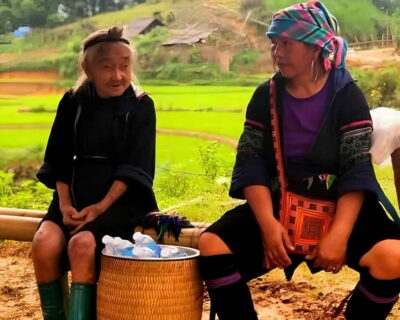
The tour takes you through communities connected with H’Mong, Dao, and Giay people. Its cultural value comes from seeing villages as part of a working countryside, with homes, farms, animals, food, and daily movement around you.
Your guide helps put those scenes into context. That is important because it is easy to pass through a village and notice only the view. A guide can explain customs and answer questions in the moment, giving the places more meaning.
The experience is not a formal museum visit, and no detailed schedule of cultural demonstrations is provided beyond the cooking class. You should book it for the combination of walking, village contact, and homestay life, not for a staged performance.
There is also a practical side to visiting communities this way. Be respectful when taking photographs, follow the guide’s lead, and do not feel pressured to buy handmade goods. The trip gives you access to local places, but that access works best when you behave as a considerate visitor.
Who should book this two-day Sapa trip?
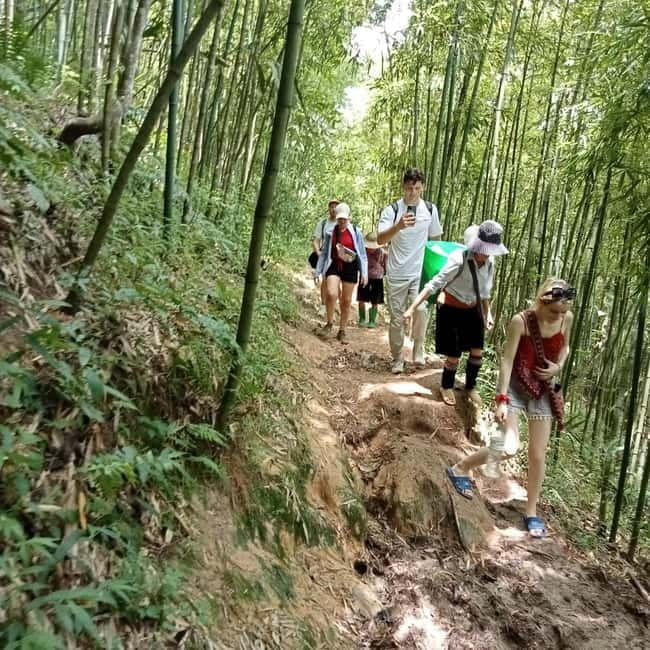
I would choose this tour if you want the classic Muong Hoa rice terraces but also want a night outside Sapa town. It suits reasonably fit walkers, solo visitors, couples, and small groups who enjoy a relaxed social setting.
It is especially useful if you want a simple all-in-one booking. You do not need to arrange a separate guide, village entry fees, meals, homestay, or return transport. The walking distance is clearly stated, which makes it easier to judge your fitness before paying.
I would think twice if you want luxury accommodation, a tightly controlled private itinerary, or an easy stroll. The path can be steep, muddy, hot, and slippery. The private room improves comfort, but this remains a homestay and not a resort.
The tour has a 4.7 rating from 26 ratings, with repeated praise for the guide, food, accommodation, cultural contact, and scenery. The most useful practical lesson is that weather affects the difficulty more than the scenery affects the enjoyment. On a dry, sunny day, the route should feel much easier than after heavy rain.
Should you book it?
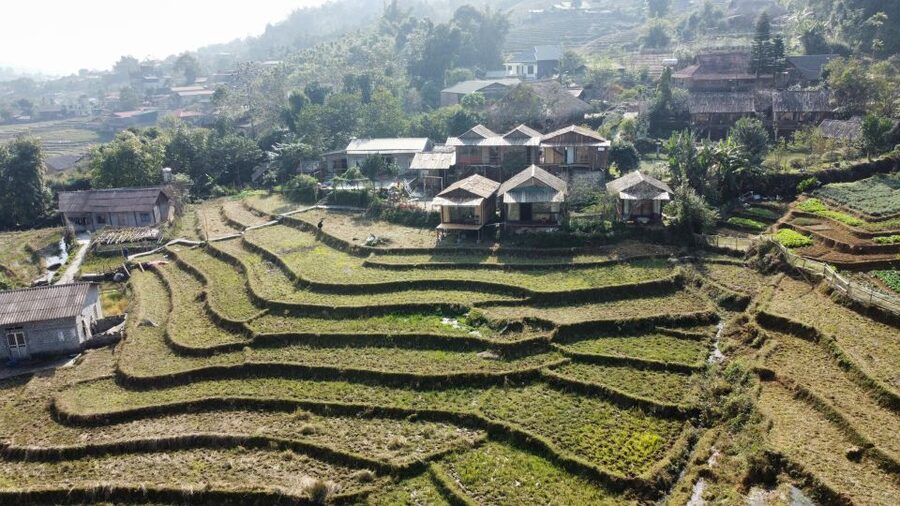
Book this Sapa Homestay Hideaway if you want two full days of village walking at a low price, with food, entry fees, a local guide, and a homestay already arranged. The mix of terraces, bamboo forest, minority villages, cooking, and local transport gives you a fuller taste of the area than a short viewpoint trip.
Skip it if you have mobility limits, back problems, are pregnant, are under five, or do not want a physically active holiday. For everyone else, bring proper shoes, pack light, prepare for weather, and ask about a private bathroom if that will make the homestay more comfortable.
FAQ
How long is the Sapa trekking tour?
The experience lasts two days and one night. Day one covers about 10 kilometers, and day two covers about 4 kilometers.
Where does the tour start?
Pickup is available from hotels in Sapa town, or you can meet at Sapa Delta Hotel between 8:15 and 8:30 a.m.
Which villages does the tour visit?
The route includes Y Linh Ho, Lao Chai, Ta Van, Giang Ta Chai, and Supan. The villages are connected with H’Mong, Dao, and Giay communities.
Where do you sleep?
You spend one night in a private room at a traditional homestay in Ta Van Village.
Are meals included?
Yes. The package includes one breakfast, two lunches, and one dinner. Drinks during meals, including water and wine, are not included.
Is transportation included?
Yes. You walk from Sapa toward the villages on day one and return to Sapa by bus on day two.
What should you bring?
Bring comfortable clothes, a change of clothes, comfortable shoes or hiking boots, sunscreen, insect repellent, and warm clothing from October through March.
Is the tour suitable for children?
The activity is not suitable for children under five years old. It is also not suitable for people with mobility impairments, wheelchair users, pregnant women, people with back problems, or people over 70 years old.
What time does the tour finish?
The bus returns you to Sapa town after lunch on day two. The tour ends at around 1:30 to 2 p.m.
Recently reviewed around Sa Pa
- Sapa3D2N TrekkingAdventures,Valleys,Bambooforest,Waterfall★ 4.8 · 24 reviews
- Sapa: Y Linh Ho – Lao Chai, and Ta Van Trekking Day Tour★ 5.0 · 25 reviews
- Sapa: Ta Phin Village Trek & Red Dao Herbal Bath★ 5.0 · 22 reviews
- Sapa Trekking Bargains With Local Guide★ 4.9 · 91 reviews
- Sapa: Muong Hoa Mountain Views and Villages Trek with Lunch★ 4.3 · 28 reviews
- From Sapa: Guided Full-Day Trekking with Lunch and Drop-Off★ 4.2 · 86 reviews
- Sapa: Motorbike Tour 1 Day Visit Waterfalls & Local Villages★ 5.0 · 112 reviews
- Sapa: Private Highlights Day Tour with Lunch★ 4.8 · 61 reviews
Sapa Tours, compared.
Muong Hoa Valley Trek and Local Ethnic Villages
Read our review →
Fansipan Cable, Cat Cat Village & Moana Instagram Tour
Read our review →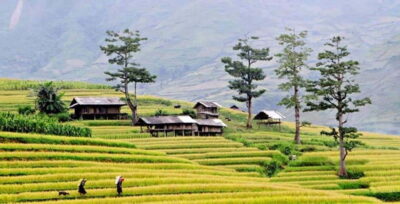
Eco Adventure Terrace Fields and Local Villages Trek
Read our review →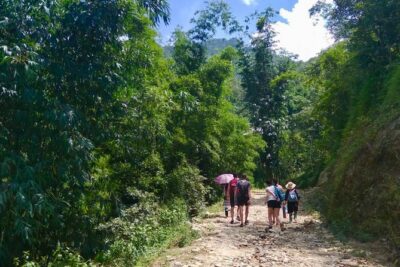
Number one top rated ethical cultural trekking and homestay by ETHOS
Read our review →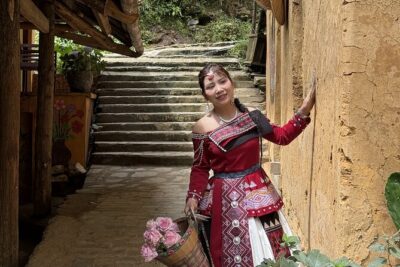
Cat Cat Village, Moana, Fansipan Cable Car, Alpine Coaster – Sapa
Read our review →
1-Day Guided Trek to Lao Chai & Ta Van with Lunch
Read our review →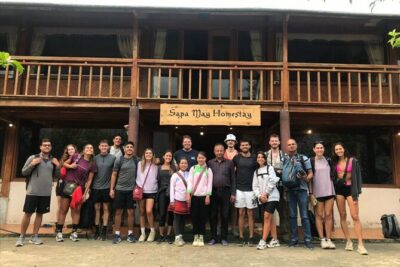
Sapa 1 Day Long Trek: Trek to Hau Thao and Sa Seng Villages
Read our review →Browse the lists this tour appears in