
Reviewed · COFFEE EXPERIENCES
Vietnamese Culture and Coffee Making Class
Vietnamese coffee is not just a drink here. It is a slow brew, a social habit, and a clever mix of local taste and French influence. In this two-hour Hoi An class, you make five different coffees, including the city’s coconut version and Hanoi’s famous egg coffee, while learning why the phin filter matters.
I like the hands-on format and the useful take-home gift: a Vietnamese phin filter, plus recipes for repeating the drinks at home. I also like the small group size, capped at 10, and the warm family-run setting, with hosts such as Linh bringing humor to the lesson. The main caution is the caffeine. Five coffees in one sitting is a lot, and one past participant found the two-hour class longer than necessary.
In This Review
- Key things to know before you book
- Why Vietnamese coffee makes a good Hoi An class
- Starting with traditional black coffee and the phin
- Happy white coffee and the appeal of sweet coffee
- Hue Imperial salt coffee brings a regional twist
- Hoi An fresh coconut coffee
- Hanoi capital egg coffee
- A family-run class with humor and local character
- What the $15.39 price really includes
- Timing, group size, and the caffeine question
- Who should book this Hoi An experience
- Booking and cancellation details
- Should you book the coffee class?
- FAQ
- How long does the Vietnamese Culture and Coffee Making Class last?
- Where does the class begin and end?
- How many coffee styles will I make?
- Is an English-speaking instructor included?
- Do I receive anything to take home?
- Is hotel transportation included?
- What is the maximum group size?
- Can I cancel for a full refund?
- What happens if bad weather cancels the class?
Key things to know before you book
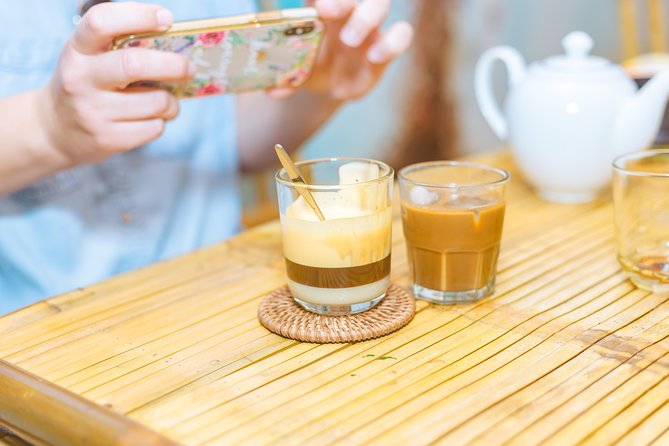
- You make five named Vietnamese styles: traditional black coffee, happy white coffee, Hue Imperial salt coffee, Hoi An fresh coconut coffee, and Hanoi capital egg coffee.
- The phin filter is part of the lesson: you learn the slow Vietnamese brewing method and take a filter home.
- The class explains culture as well as technique: French colonization, local coffee habits, and regional recipes all form part of the talk.
- It is a small-group activity: no more than 10 people can join, though a quiet departure may become a one-to-one lesson.
- Your coffee is very strong: pace yourself, especially if you normally drink only one cup a day.
- The price is modest: at $15.39 per person, five tastings, instruction, tools, recipes, and a phin make this good value.
Why Vietnamese coffee makes a good Hoi An class
Hoi An offers no shortage of cafés, but ordering a coffee only shows you the finished cup. This class lets you see how the drink is built. You handle the tools, prepare the ingredients, and taste several styles that are easy to confuse when you first encounter Vietnamese café menus.
The focus is not on fancy equipment. The central tool is the phin, a small metal filter that sits on top of a glass or cup. Coffee passes through slowly, producing the concentrated brew used in many Vietnamese drinks. The method is simple enough to use in a home kitchen, which gives the class more value than a tasting alone.
The cultural explanation also matters. You learn how coffee became part of Vietnamese life and how French colonization helped shape the country’s coffee habits. The class connects that past with drinks you can order today in Hoi An, Hue, and Hanoi.
I like this link between place and cup. The coffee is not treated as a generic international product. Each style has a regional identity, and the class gives you a practical way to remember those differences.
More Coffee Tours in Hoi An
- Hoi An: Vietnamese Coffee Culture and Coffee Making Class
★ 4.9 · 4,006 reviews - Early Morning My Son Sanctuary Trip w. Champa Food & Coffee
★ 5.0 · 629 reviews - Hoi An: My Son Early Morning with Banh My and Coffee 6 am
★ 4.7 · 205 reviews
Starting with traditional black coffee and the phin
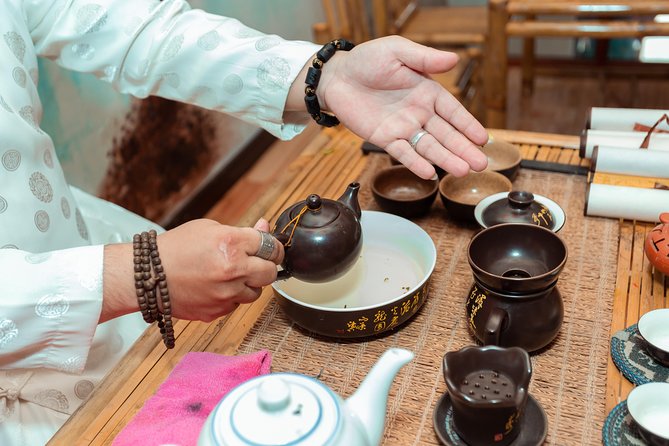
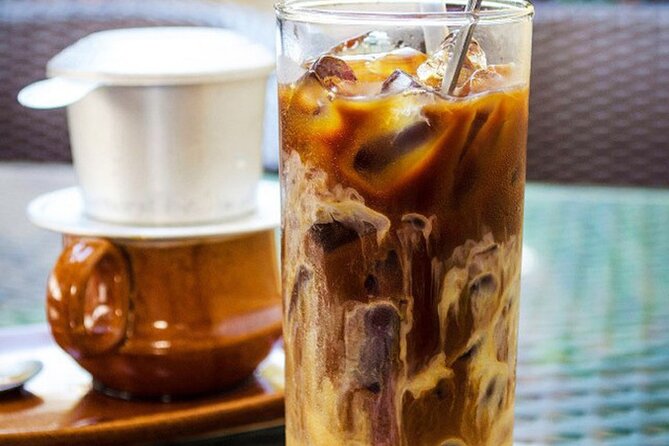
The first coffee is traditional Vietnamese black coffee made with a phin filter. This is the best place to begin because it gives you the base flavor before milk, salt, coconut, or egg changes the drink.
The process is hands-on. Coffee-making tools and ingredients are prepared for you, and the English-speaking instructor explains each step as you work. The setup is designed to be easy to follow, which is helpful if you have never used a phin before. You are not expected to arrive with barista skills.
This slower brewing style is part of the point. Vietnamese coffee is often more concentrated and forceful than the mild drip coffee many people drink at home. The black version shows that strength clearly. Take small sips rather than treating every cup like a quick espresso.
You also learn the practical details you need later, such as how to position the filter and let the coffee drip. The exact lesson may vary with the group, but the basic goal is clear: leave able to make the method without special machinery.
Happy white coffee and the appeal of sweet coffee
The next style is Vietnamese happy white coffee. The name used in the class signals a sweeter, softer version of the black brew. It gives you a useful comparison, showing how a strong coffee can become a dessert-like drink without losing its roasted character.
This part of the class suits anyone who finds straight black Vietnamese coffee too intense. You can taste how the added element changes the balance, then decide which version fits your own taste. The class is not only about copying a recipe. It helps you understand why Vietnamese coffee shops offer so many combinations.
The hosts prepare the needed items in advance, so the class keeps moving. That organization is helpful in a group setting, especially when several people are making drinks at once. Instructions are clear, and the pace leaves room for questions and jokes.
If you are hoping for a detailed professional coffee course, keep your expectations in check. This is a cultural and cooking activity for visitors, not a technical certification class. Its strength is the mix of easy instruction, tasting, and local context.
Hue Imperial salt coffee brings a regional twist
Hue Imperial salt coffee is the most surprising recipe in the set. Salt may sound odd in a coffee class, but the point is to show how a small regional variation can change the whole cup.
The name links the drink with Hue, Vietnam’s former imperial capital. That regional connection gives the tasting more meaning. You are not simply sampling five random flavors. You are moving between styles associated with different parts of the country.
Salt coffee also makes a good conversation starter because it challenges the idea that coffee must be sweet or bitter. A small change in seasoning can alter the way you notice the coffee. The class gives you time to make and taste the drink yourself, rather than presenting it as a demonstration from across the room.
This is one reason the experience works well for couples, solo visitors, and small groups. You have a natural topic to discuss while the coffee brews, and the activity makes it easy to meet people from different countries. A solo participant may even receive a one-to-one lesson if nobody else books the same session.
More Vietnamese coffee stops in Hoi An:
- Hoi An: Vietnamese Coffee Making Workshop at Local Roastery
★ 4.8 · 174 reviews - Hoi An: Lantern and Coffee Making Class
★ 5.0 · 154 reviews - Hoi An: Hands-on Vietnamese Coffee Making Class with Long
★ 4.8 · 66 reviews - Hoi An: Vietnamese Coffee Making Course
★ 4.9 · 25 reviews
Hoi An fresh coconut coffee

Hoi An fresh coconut coffee brings the lesson back to its setting. Coconut coffee is associated with the city’s tropical character, and it is often the most approachable of the five styles for people who prefer a cool, sweet drink.
The combination also gives you a clear sense of how local ingredients shape café culture. Hoi An is not presented as a backdrop only. Its own coffee style gets a place in the lesson, alongside drinks connected with Hue and Hanoi.
Many people find this the favorite cup of the session, but taste is personal. If you prefer dark, bitter coffee, you may like the black phin brew more. If you enjoy creamy or sweet drinks, the coconut version will likely be the one you remember.
You should also note the practical advantage. The class provides recipes, so you can try to reproduce the drink after returning home. The result may depend on the ingredients available where you live, but you leave with a clear starting point rather than only a photograph.
Hanoi capital egg coffee
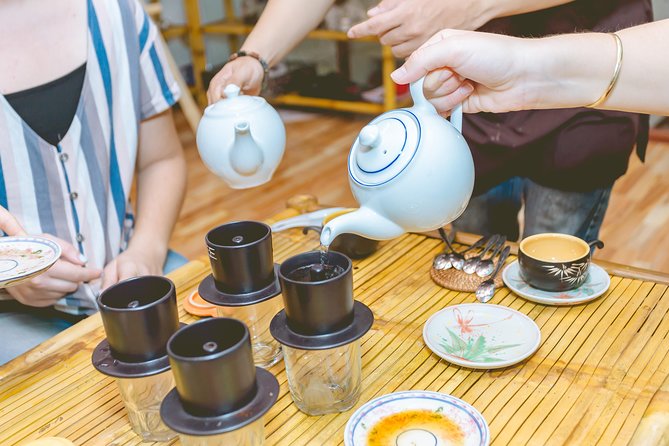
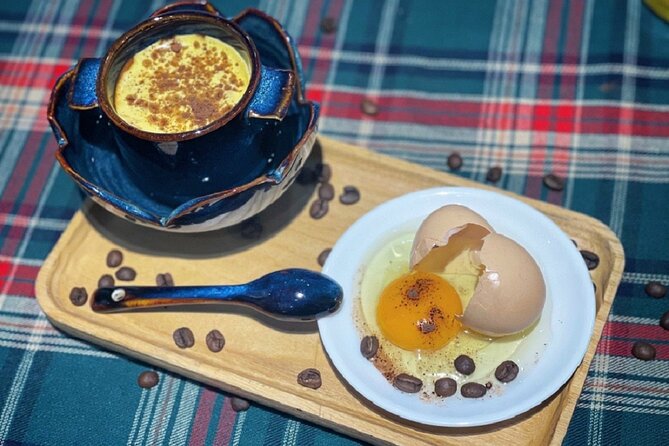
The final featured style is Hanoi capital egg coffee, one of Vietnam’s best-known coffee specialties. The drink is famous for its thick, dessert-like topping, and making it yourself explains why it feels so different from ordinary café coffee.
Egg coffee is a fitting finish because it combines strong Vietnamese coffee with a preparation that feels almost like a sweet course. You get to see the recipe come together, then taste the contrast between the concentrated coffee and the creamy top.
This is also where the class’s cultural angle pays off. The drinks are connected to places across Vietnam, so the session becomes a small food tour without leaving the meeting point in Hoi An. You learn about Hanoi, Hue, Hoi An, and national coffee habits in one sitting.
The egg coffee can be filling, especially after four other drinks. I would not plan a large dessert immediately afterward. More important, you do not need to finish every cup. The class is about making and tasting the styles, not proving that you can consume five full servings.
A family-run class with humor and local character
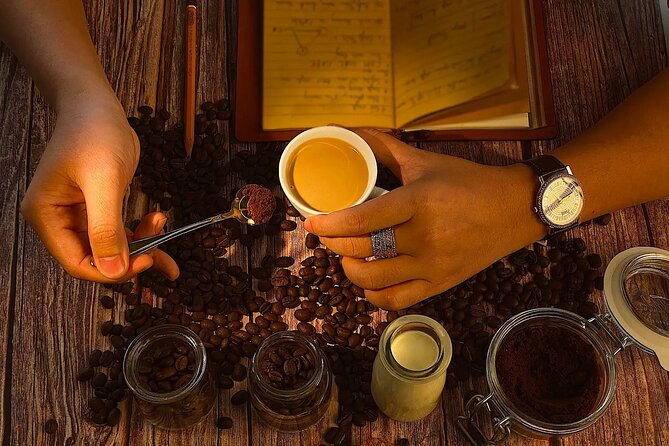
The atmosphere is a big part of the experience. This is run as a family business, and the hosts combine instruction with jokes and conversation. Linh is named as one friendly and funny instructor, and another host has a playful Taylor Swift nickname that becomes part of the entertainment.
That informal style can make the lesson feel more personal than a standard demonstration. The class is interactive, and you are encouraged to take part rather than sit quietly. People who like meeting others during a trip will get more from it than someone who wants a silent tasting.
The humor is not a perfect fit for everyone. One participant found some of it disrespectful, so you should expect a lively, teasing style rather than a polished formal presentation. Most of the available feedback describes the hosts as warm, patient, and entertaining, but personal reactions to jokes vary.
The small maximum of 10 helps. A group this size gives you access to the instructor without turning the class into a crowd. If you attend alone and happen to be the only booking, the lesson may become one-to-one, which is a useful bonus.
What the $15.39 price really includes

At $15.39 per person, this is a low-cost activity for a two-hour slot. The value comes from the number of drinks and the practical items included, not from luxury surroundings or transport.
You make five coffee styles, use the necessary tools, learn the recipes, and take home a Vietnamese phin filter. A surprise gift is also given at the end. The class provider has its own coffee bean blend, and the beans may be available to buy if you want to continue the experiment at home.
That package is stronger than a simple café tasting. You receive instruction and equipment you can reuse, and the recipes help turn the session into a skill rather than a one-off treat. It is also a good choice on a day when you want a structured activity without paying for a full excursion.
The limits are straightforward. Hotel pickup and drop-off are not included, and you return to the same meeting point at 10C Ba Trieu, Cam Pho, Hoi An. You need to arrange your own way there and back. Since the location is near public transportation, reaching it should be manageable, but the booking does not include a transfer.
Timing, group size, and the caffeine question
The activity lasts about two hours. That gives enough time to explain the background, make five coffees, taste them, and answer questions. It also means the lesson takes a meaningful part of your day, so do not book it immediately before another time-sensitive activity.
I think two hours is reasonable for people who enjoy a relaxed class. If you mainly want to taste egg coffee and take a quick photo, it may feel slow. One person felt the same session could have been completed in an hour. The hands-on pace is the reason for the longer duration, but it will not suit every schedule.
The coffee strength is the most important practical concern. You could end up drinking the equivalent of several strong servings. Several participants specifically warned about the caffeine, with one joking about palpitations and another advising you not to finish everything.
You have control over how much you drink. Taste each style, slow down, and leave some behind if you need to. This is especially important for children, anyone sensitive to caffeine, or people planning an active afternoon in Hoi An.
Who should book this Hoi An experience
I would recommend the class most strongly to coffee fans, curious eaters, and visitors who like learning a local skill. It is also a good rainy-day alternative to walking around town, although the activity itself requires good weather under its operating terms.
Couples can treat it as a relaxed shared activity. Solo visitors should feel comfortable booking, since the hosts are described as welcoming and the small format can create easy conversation. It also works for friends who want something more active than sitting in a café.
You may want to skip it if you dislike strong coffee, sweet coffee, egg-based drinks, or informal humor. It is not the right pick if you want a broad Hoi An food tour, since the focus stays on coffee and the class ends where it begins.
Most people can take part, and service animals are allowed. The activity is near public transportation, but hotel transfers are not part of the package.
Booking and cancellation details
Confirmation arrives within 48 hours, subject to availability. The class accepts mobile tickets, which keeps the arrival process simple.
Free cancellation is available if you cancel at least 24 hours before the local start time. Changes or cancellations made inside that window are not refunded. If poor weather forces the class to close, you are offered another date or a full refund.
Should you book the coffee class?
Book it if you want more than a cup of coffee and less than a full-day tour. The strongest reasons are the five regional styles, the phin filter you take home, the recipes, and the chance to learn from a family-run team in a small group.
I would schedule it early in your Hoi An visit. You can then use the recipes and phin idea as you explore cafés for the rest of your stay. Just keep your caffeine limit in mind, and do not feel obliged to finish every cup.
For $15.39, this is an easy recommendation for coffee lovers and a solid choice for anyone seeking a short, social cultural activity. If you prefer a quiet, highly formal lesson or need a one-hour stop, choose something shorter. For most visitors, the class offers a tasty introduction to the many ways Vietnam turns coffee into a daily ritual.
FAQ
How long does the Vietnamese Culture and Coffee Making Class last?
The activity lasts approximately two hours.
Where does the class begin and end?
It begins at 10C Ba Trieu, Cam Pho, Hoi An, Quang Nam 560000, Vietnam, and ends back at the same meeting point.
How many coffee styles will I make?
You will make five styles: traditional black coffee using a Vietnamese phin filter, Vietnamese happy white coffee, Hue Imperial salt coffee, Hoi An fresh coconut coffee, and Hanoi capital egg coffee.
Is an English-speaking instructor included?
Yes. Coffee-making tools, an instructor, and an English-speaking guide are included.
Do I receive anything to take home?
Yes. You receive a Vietnamese phin filter. Recipes are also provided, and a surprise gift is given at the end of the class.
Is hotel transportation included?
No. Hotel pickup and drop-off are not included. You must make your own way to the meeting point.
What is the maximum group size?
The class has a maximum of 10 participants.
Can I cancel for a full refund?
Yes, if you cancel at least 24 hours before the experience start time. Cancellations or changes made less than 24 hours in advance are not refunded.
What happens if bad weather cancels the class?
If the activity is canceled because of poor weather, you are offered a different date or a full refund.
More Workshops in Hoi An
- Hoi An: Vietnamese Foldable Lantern Making Class
★ 4.9 · 3,742 reviews - Cooking Class Hoi An:Local Market, Basket Boat, Fishing & Cooking
★ 5.0 · 3,660 reviews - Hoi An Cooking Class(Market,BasketBoat Crabfishing&Cooking Class)
★ 5.0 · 3,386 reviews - From Hoi An: Market Tour, Basket Boat Ride and Cooking Class
★ 4.8 · 2,208 reviews
Recently reviewed around Hoi An
- Romantic Sunset Dinner Cruise in Hoi An★ 4.7 · 108 reviews
- Thanh Ha Village: Pottery Workshop with Locals★ 4.4 · 223 reviews
- Snorkeling Cham Island: Snorkeling Tour by Speed Boat★ 3.6 · 26 reviews
- Hoi An: Rural Cycling Tour to Village with Basket Boat Ride★ 5.0 · 174 reviews
- Private Car Hoi An to Hue Via Hai Van Pass, Lagoon & More★ 5.0 · 22 reviews
- From Hoi An: Day Tour of My Son Temples and Marble Mountain★ 4.8 · 44 reviews
- Market Tour – Cooking Class – Coconut Boat Riding★ 4.4 · 43 reviews
- From Hoi An: Marble Mountains and My Son Sanctuary Day Trip★ 4.7 · 209 reviews
Coffee Experiences, compared.

Vietnamese Coffee Culture and Coffee Making Class
Read our review →
Hanoi Coffee Experience: 6 Brews, 9 Recipes & 3 Liquor Tastings
Read our review →
Hanoi Coffee Workshop: Taste Salt, Coconut and Egg Coffee
Read our review →
Salt Coffee Workshop Awake Your Senses With 6 Brews
Read our review →
Early Morning My Son Sanctuary Trip w. Champa Food & Coffee
Read our review →
Da Nang Cooking Class with Coffee Tasting and Market Visit
Read our review →
Fun & Easy Vietnamese Coffee Workshop in Hồ Chí Minh City
Read our review →Browse the lists this tour appears in