
Reviewed · COFFEE EXPERIENCES
Hoi An: Vietnamese Coffee Making Course
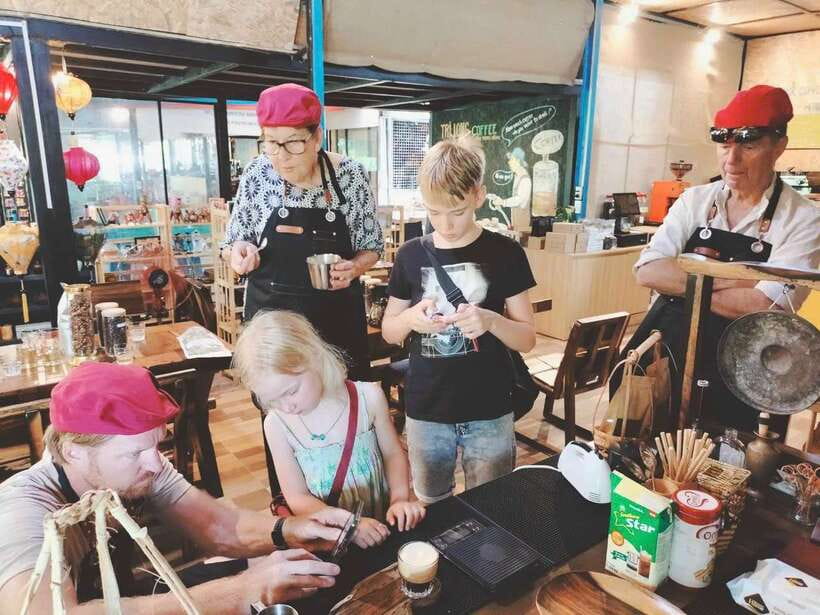
Vietnamese coffee is not just strong coffee with condensed milk. At Tri Long Coffee in central Hoi An, you can see how beans change during roasting, use the slow-dripping phin filter, and make unusual local drinks such as egg, coconut, and salt coffee. The class is practical, not just a demonstration.
I like the hands-on format and the chance to make two coffees of your choice. I also like the useful recipes supplied at the end, which give you a real chance to repeat the drinks at home. The main consideration is that hotel pickup is not included, and the exact number of coffee sessions depends on the option you choose.
In This Review
- Key points at a glance
- Why Vietnamese coffee deserves a closer look
- Meeting at Tri Long Coffee in central Hoi An
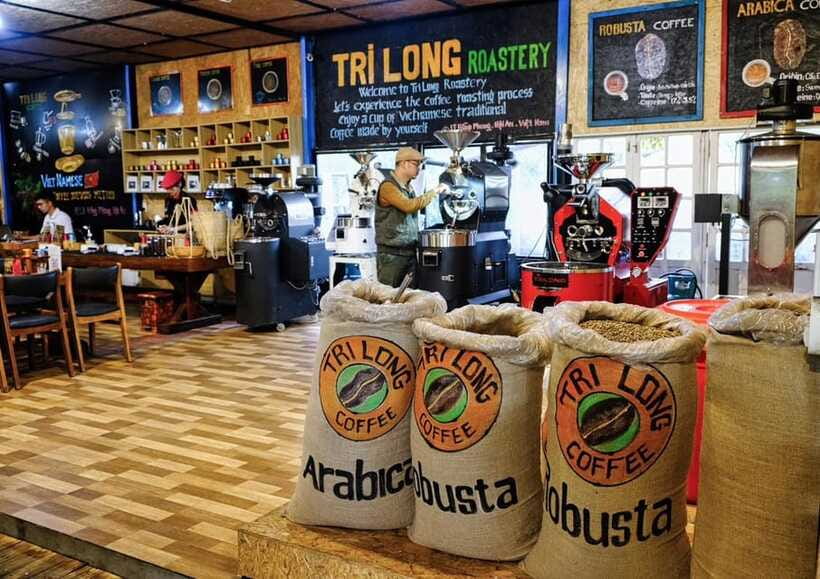
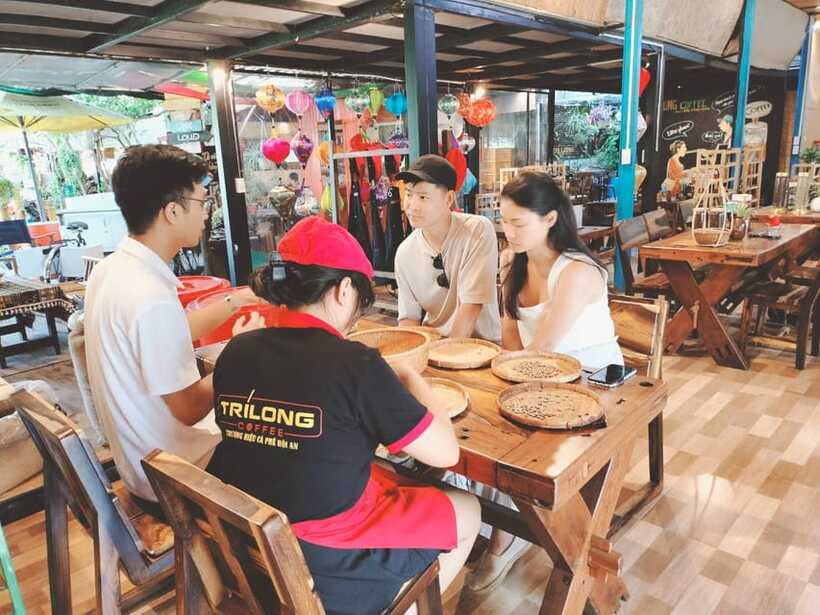
- Starting with roasted beans and roast levels
- Using the traditional Vietnamese phin filter
- Making egg coffee with a creamy topping
- Adding coconut for a tropical variation
- Discovering why salt coffee works
- Choosing two, three, or four coffee sessions
- What the 90-minute schedule feels like
- What is included for $22
- Who will enjoy this class most
- Practical booking advice for Hoi An
- Should you book the Vietnamese coffee class?
- FAQ
- Where does the coffee-making class take place?
- How long does the activity last?
- How much does the class cost?
- Which coffee styles can I make?
- Can I choose more than one coffee?
- Is the instructor English-speaking?
- Are ingredients and equipment included?
- Do I receive a coffee during the class?
- Is hotel pickup available?
- Can I cancel for a full refund?
Key points at a glance
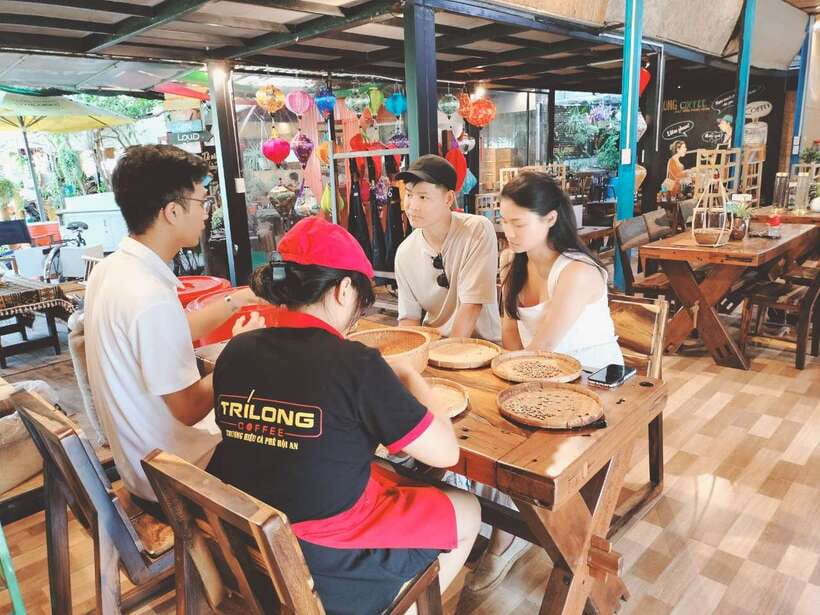
- Make your own drinks: Choose from egg, coconut, salt, or traditional Vietnamese phin coffee.
- See beans before they reach your cup: The roasting demonstration explains raw beans, roast levels, aroma, and flavor.
- A compact 90-minute class: It fits neatly into a day of exploring Hoi An.
- Useful take-home detail: Recipes are provided so you can try the drinks again after your trip.
- Good for solo visitors and groups: A private group option is available, while the class also suits people traveling alone.
- Strong value at $22: Ingredients, tools, water, instruction, and a cup you make yourself are included.
Why Vietnamese coffee deserves a closer look
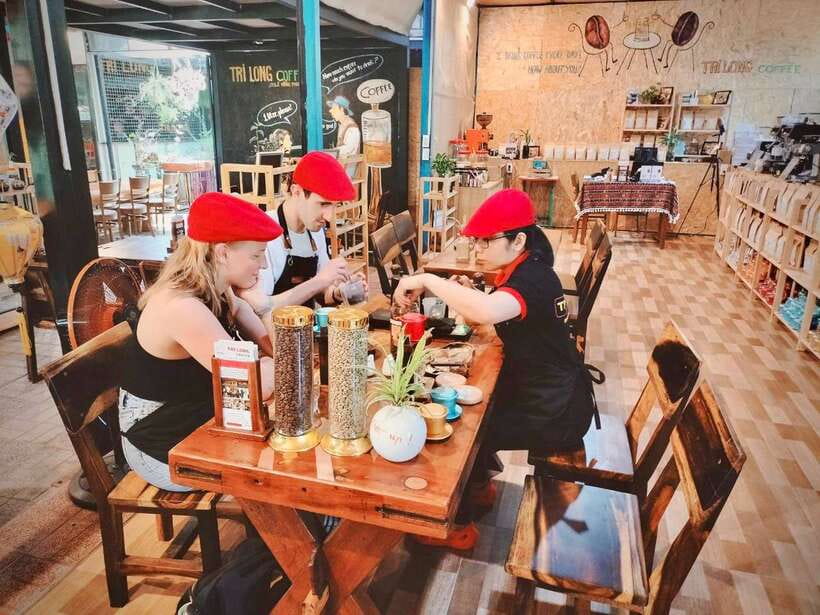
Coffee arrived in Vietnam during the French colonial period, but the country developed its own ways of roasting, brewing, and serving it. Condensed milk became a practical answer to the limited supply of fresh milk, and the slow phin filter gave Vietnamese coffee its familiar patience and strength.
This class lets you look beyond the finished glass. You learn how roasting affects taste, then see how brewing and extra ingredients change the character of the drink. That makes the lesson useful even if you normally take your coffee black.
The unusual choices are part of the fun. Egg coffee is creamy and dessert-like. Coconut coffee brings a nutty sweetness. Salt coffee sounds odd until you understand that a small amount of salt can soften bitterness and sharpen other flavors. The class gives you a chance to test those ideas rather than simply ordering a drink from a menu.
You do not need to be a coffee expert. The course is designed for curious beginners as well as people who already care about beans, roasting, and brewing. English instruction is included, and the activity takes place in downtown Hoi An rather than requiring a trip out of town.
More Coffee Tours in Hoi An
- Hoi An: Vietnamese Coffee Culture and Coffee Making Class
★ 4.9 · 4,006 reviews - Early Morning My Son Sanctuary Trip w. Champa Food & Coffee
★ 5.0 · 629 reviews - Vietnamese Culture and Coffee Making Class
★ 5.0 · 497 reviews
Meeting at Tri Long Coffee in central Hoi An
You meet the instructor at Tri Long Coffee in Hoi An city. Hotel pickup and drop-off are not included, so plan your own way to the café and allow a little extra time to find the meeting point.
That central location is useful if you are already exploring Hoi An on foot. You can place the class between the old town, lunch, and an afternoon visit to the riverside. Since the session lasts 90 minutes, it is easy to fit into a day without giving up a major sightseeing block.
No instructor name is provided for this activity, but the class is taught in English. The instructor welcomes you at the café, explains the process, and provides the coffee tools and ingredients used during the lesson.
A private group option is available. That can be helpful if you want to ask more questions, work at your own pace, or keep the class within your own party. The standard format is also suitable for a solo visitor, and the compact timing makes it less of a commitment than a long cooking course.
Starting with roasted beans and roast levels
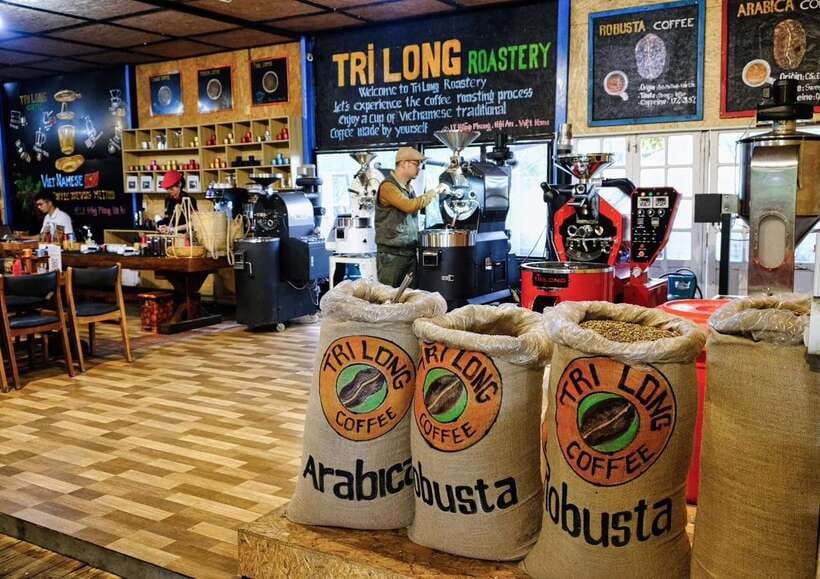
The first part follows the coffee bean from its raw state to the fragrant product used in your cup. You learn what happens during roasting and how lighter or darker roast levels influence flavor.
This is one of the most useful parts of the activity because many coffee drinks hide the bean beneath sugar, milk, coconut, or egg. By looking at the roasting stage first, you get a clearer sense of what the coffee contributes before other ingredients are added.
You can expect a demonstration rather than a full commercial roasting apprenticeship. The purpose is to explain the basic journey of the bean and show why professionally roasted coffee can taste different depending on the roast. It is a good foundation for the drinks that follow.
The class also gives you a chance to notice aroma and flavor in a more deliberate way. A strong cup does not automatically mean a better cup. Roast level, brewing method, sweetness, and bitterness all work together, and the instructor explains those connections during the session.
Using the traditional Vietnamese phin filter
The phin is a small metal filter that sits directly on top of your cup. Hot water passes slowly through compacted coffee, producing a concentrated brew. Watching the dark coffee drip one drop at a time is part of the pleasure.
You take part in a phin coffee lesson rather than simply receiving a prepared drink. The method is simple, but small choices affect the result. The amount of coffee, water, and waiting time all matter, and the instructor shows you how this traditional system works.
The finished coffee is bold and robust. It can be enjoyed black, though Vietnamese coffee is often paired with condensed milk or used as the base for other drinks. The class focuses on the distinctive balance between bitterness and sweetness, so you can understand why the phin remains central to Vietnamese coffee culture.
I like this part because the tool is inexpensive, portable, and realistic for home use. You are not learning a technique that requires a café machine. After the class, you can buy a phin and repeat the basic method in your own kitchen.
More Vietnamese coffee stops in Hoi An:
- Hoi An: My Son Early Morning with Banh My and Coffee 6 am
★ 4.7 · 205 reviews - Hoi An: Vietnamese Coffee Making Workshop at Local Roastery
★ 4.8 · 174 reviews - Hoi An: Lantern and Coffee Making Class
★ 5.0 · 154 reviews - Hoi An: Hands-on Vietnamese Coffee Making Class with Long
★ 4.8 · 66 reviews
Making egg coffee with a creamy topping
Egg coffee is one of Vietnam’s most unusual coffee styles. The drink combines coffee with egg yolks, condensed milk, and sugar, creating a thick, velvety mixture that sits somewhere between a hot drink and a dessert.
During the class, you watch the barista prepare the creamy topping, then take part in making the drink yourself if you choose egg coffee. The recipe depends on careful mixing, since the goal is a smooth texture rather than a plain egg flavor.
This is a good choice if you enjoy sweet drinks or want the most distinctive option on the menu. It is also a useful lesson in balance. The strong coffee keeps the drink from becoming simply sugary, while the egg and condensed milk soften its bitterness.
Egg coffee is not likely to replace your morning black coffee. It is filling and rich in texture, so I would treat it as a small dessert or afternoon drink. If you are sensitive to egg or simply prefer a lighter cup, choose coconut, salt, or phin coffee instead.
Adding coconut for a tropical variation
Coconut coffee uses the nutty sweetness of coconut to change the basic coffee profile. It is a natural match for Hoi An’s warm climate and makes a refreshing alternative to the heavier egg version.
You learn how coconut is added to the coffee and how the sweetness and aroma affect the drink. The result is less sharp than plain black coffee, but it still keeps the coffee at the center.
Coconut coffee is a sensible choice if you want something approachable but different. It usually feels less intense than the phin coffee served alone, and the coconut note makes it easy to enjoy even if you are still getting used to Vietnam’s strong brews.
The course does not promise a long lesson in coconut production or a visit to a plantation. This is a drink-making class, and the value is in learning the recipe and handling the ingredients yourself. You also get to drink the result while it is fresh.
Discovering why salt coffee works
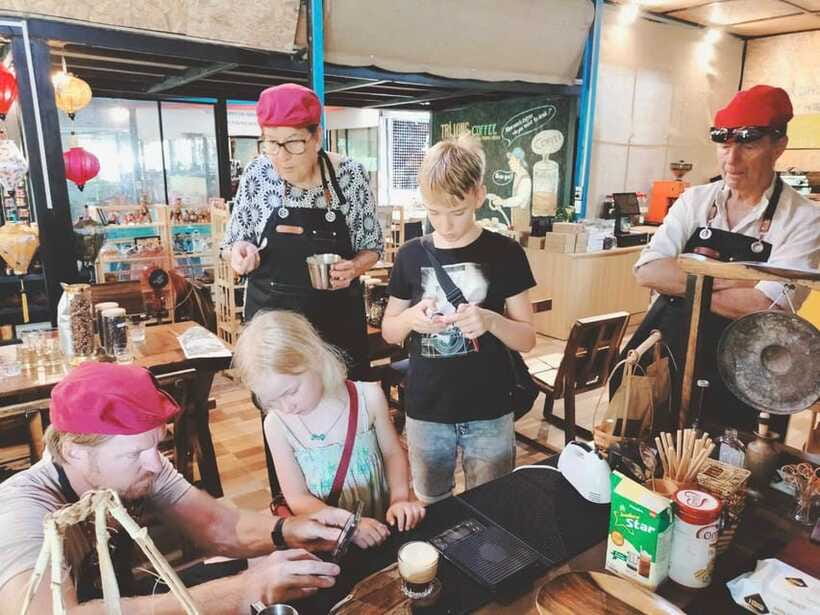
Salt coffee is the surprise option. A small pinch of salt can reduce the impression of bitterness and bring out other flavors in the coffee. The point is not to make a salty drink. It is to use salt in much the same way a cook uses seasoning.
The instructor explains the idea behind the combination, then shows you how to prepare it. This makes salt coffee more than a novelty. You get a basic lesson in how taste changes when ingredients are used in very small amounts.
Choose this style if you enjoy trying local specialties or like comparing familiar ingredients in new forms. It is also a good conversation starter when you return home and explain that salt can make coffee taste smoother.
As with egg coffee, salt coffee may not become your everyday drink. Its appeal is the balance and the surprise. If you want the clearest picture of Vietnamese brewing, choose phin coffee. If you want the most unusual recipe, choose salt coffee or egg coffee.
Choosing two, three, or four coffee sessions
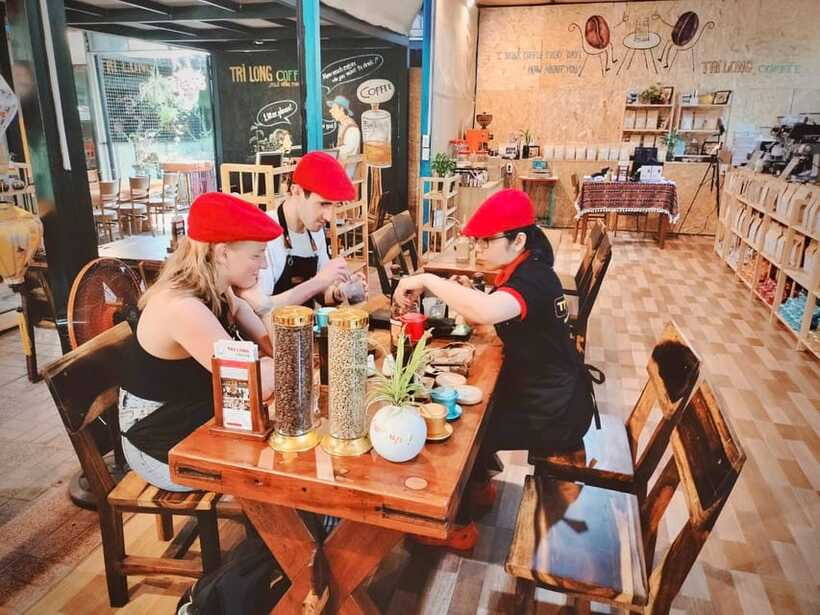
The activity offers a choice of two, three, or four sessions, allowing you to decide how much variety you want. The available styles include roasted coffee, phin filter coffee, egg coffee, coconut coffee, and salt coffee.
The two-coffee option is likely the best fit if you want a focused lesson without too much tasting. It gives you time to make drinks, ask questions, and enjoy the final cups without rushing.
Three or four sessions make more sense if you are traveling with friends and want to compare several styles. You can sample the contrast between a strong phin brew, a sweet egg coffee, a nutty coconut version, and the smoother character of salt coffee.
The exact selection should be confirmed when booking, since the activity says you can choose the type of coffee you want to make. If you already know your preferences, decide in advance. If you are unsure, ask the instructor to suggest a mix that shows the widest range of flavors.
What the 90-minute schedule feels like
Ninety minutes is enough time for a clear introduction, demonstrations, hands-on preparation, and tasting. It is not long enough to become tiring, which is helpful in Hoi An when you may already have spent hours walking around town.
The session begins with the coffee process and roasting demonstration. You then move into the phin method and the selected specialty drinks. The pace should feel active because you are working with ingredients and tools rather than sitting through a lecture.
The final part is the tasting. You drink the coffee you prepared yourself, which gives the lesson a satisfying finish. Water is included, a useful detail when tasting strong coffee and sweet drinks in the same sitting.
If you choose four styles, you may be tasting several different drinks in a short period. That is part of the appeal, but it may be too much caffeine for some people. Consider choosing smaller servings or fewer coffee types if you are sensitive to caffeine. The supplied information does not specify serving sizes, so it is sensible to ask at the start.
What is included for $22
At $22 per person, the class offers good value for a short, hands-on activity. You receive the coffee-making course, an English-speaking instructor, ingredients, tools, water, and a cup of coffee made by yourself.
The important point is that you are paying for participation, not only a beverage. A café drink in Hoi An might be cheaper, but it will not show you the roasting process, explain the phin, or teach you how to make egg, coconut, or salt coffee.
Recipes are also provided at the end, according to the class information and participant feedback. That adds lasting value, especially if you plan to buy beans or a phin filter later. One participant also noted the chance to buy beans, though bean sales are not listed as an included feature, so treat that as an optional possibility rather than a guarantee.
There are no transfers included. Your real cost is therefore the $22 price plus your transport to Tri Long Coffee. For someone already in central Hoi An, the total remains reasonable. For someone staying far outside town, add travel time and transport when comparing this with a hotel-based activity.
Who will enjoy this class most
I would recommend this class to coffee drinkers who want a local food experience with a clear cultural connection. It is especially good for people who enjoy learning by doing and want more than a quick tasting.
It also works well for solo visitors. The activity is short, social, and structured, so you do not need a large party to make it worthwhile. Couples, families with older children, and groups of friends can also compare their choices and taste several styles together.
Beginners should feel comfortable here. You do not need prior brewing experience, and the class includes all tools and ingredients. Coffee enthusiasts will find more to examine in the roasting and phin sections, while casual drinkers may prefer the egg or coconut recipes.
I would think twice if you dislike sweet drinks, avoid dairy or egg, or want a full-day farming and roasting program. The class is based in downtown Hoi An and focuses on preparation and tasting, not a visit to a coffee-growing region.
Practical booking advice for Hoi An
Check the starting times before booking, since the activity runs at set times rather than whenever you arrive. Reserve the session that fits your sightseeing plan, and leave enough time to reach Tri Long Coffee without rushing.
You can reserve now and pay later, which helps if your Hoi An schedule is still changing. Free cancellation is available up to 24 hours before the activity for a full refund. Keep those terms in mind if you are arranging the class around weather, transport, or a busy day in town.
Tell the instructor which drinks you want to make at the beginning. The choices include egg coffee, Vietnamese phin coffee, coconut coffee, and salt coffee. If you want to try more than one style, choose an option with two, three, or four sessions.
The class is delivered in English. A private group is available, which may suit families or friends who want a more personal pace. Hotel pickup and drop-off are not included, so meeting at the café is part of your planning.
Should you book the Vietnamese coffee class?
Book it if you want a compact, affordable Hoi An activity that combines local food culture with hands-on work. The strongest reasons are the range of drink choices, the practical phin lesson, the roasting explanation, and the recipes you can take home.
I especially like that you do not have to settle for one fixed drink. You can choose between traditional phin coffee and more unusual options such as egg, coconut, or salt coffee. The 90-minute length also makes it easy to fit around sightseeing.
Skip it if you are looking for a coffee plantation visit, a long roasting workshop, or hotel transport. For most coffee drinkers, though, $22 buys more than a cup. You get a small lesson in how Vietnam makes coffee its own, plus the chance to prepare and taste the result yourself.
FAQ
Where does the coffee-making class take place?
The class takes place at Tri Long Coffee in Hoi An city, in central Vietnam.
How long does the activity last?
The coffee-making course lasts 90 minutes.
How much does the class cost?
The listed price is $22 per person.
Which coffee styles can I make?
You can choose Vietnamese phin filter coffee, egg coffee, coconut coffee, or salt coffee.
Can I choose more than one coffee?
Yes. The activity offers options with two, three, or four different sessions, and you can choose the coffee types you want to make.
Is the instructor English-speaking?
Yes. Instruction is provided in English.
Are ingredients and equipment included?
Yes. Ingredients, coffee-making tools, and water are included.
Do I receive a coffee during the class?
Yes. A cup of coffee made by yourself is included.
Is hotel pickup available?
No. Hotel pickup and drop-off are not included. You meet the instructor at Tri Long Coffee.
Can I cancel for a full refund?
Yes. You can cancel up to 24 hours in advance for a full refund.
Recently reviewed around Hoi An
- Romantic Sunset Dinner Cruise in Hoi An★ 4.7 · 108 reviews
- Thanh Ha Village: Pottery Workshop with Locals★ 4.4 · 223 reviews
- Snorkeling Cham Island: Snorkeling Tour by Speed Boat★ 3.6 · 26 reviews
- Hoi An: Rural Cycling Tour to Village with Basket Boat Ride★ 5.0 · 174 reviews
- Private Car Hoi An to Hue Via Hai Van Pass, Lagoon & More★ 5.0 · 22 reviews
- From Hoi An: Day Tour of My Son Temples and Marble Mountain★ 4.8 · 44 reviews
- Market Tour – Cooking Class – Coconut Boat Riding★ 4.4 · 43 reviews
- From Hoi An: Marble Mountains and My Son Sanctuary Day Trip★ 4.7 · 209 reviews
Coffee Experiences, compared.

Vietnamese Coffee Culture and Coffee Making Class
Read our review →
Hanoi Coffee Experience: 6 Brews, 9 Recipes & 3 Liquor Tastings
Read our review →
Hanoi Coffee Workshop: Taste Salt, Coconut and Egg Coffee
Read our review →
Salt Coffee Workshop Awake Your Senses With 6 Brews
Read our review →
Early Morning My Son Sanctuary Trip w. Champa Food & Coffee
Read our review →
Da Nang Cooking Class with Coffee Tasting and Market Visit
Read our review →Browse the lists this tour appears in