
Reviewed · COFFEE EXPERIENCES
Hoi An: Hands-on Vietnamese Coffee Making Class with Long
Vietnamese coffee is more than a strong drink poured over ice. It is a small ritual, a clever brewing method, and a window into local café culture. At this one-hour class in central Hoi An, you visit a small-batch roastery, hear how coffee moves from crop to cup, and make traditional drinks with an English-speaking guide, including Long.
I like the hands-on format and the choice of recipes. You can learn phin filter coffee, egg coffee, salt coffee, or coconut coffee, and recent classes have included two recipes rather than just one. I also like the practical touch of recipe cards, which let you repeat the drinks at home instead of leaving with only a pleasant memory.
The main drawback is the short running time. One hour is enough for a focused introduction, but not for a long coffee seminar or a full tour of Vietnam’s growing regions. You also need to find your own way to the shop, and one booking has been affected by confusion over what was reserved, so check your confirmation carefully.
In This Review
- Key points before you book
- Starting at Tri Long Coffee on Phan Chau Trinh Street
- First, coffee from crop to cup
- Choosing between phin, egg, salt, and coconut coffee
- Making the drinks yourself
- Tasting the coffee in a relaxed setting
- What the one-hour format is really worth
- Group size, guide style, and the personal feel
- Who should take this class
- A few practical points before arrival
- Should you book the Vietnamese coffee class?
- FAQ
- Where does the coffee class take place?
- How long does the experience last?
- How much does the class cost?
- Which coffee styles can I learn to make?
- Do I make the coffee myself?
- Are ingredients and equipment included?
- Is a coffee specialist or guide provided?
- Is hotel pickup included?
- Can I cancel for a refund?
- Is the activity suitable for wheelchair users?
Key points before you book
- Choose two coffee styles: Recent classes have included two recipes, with choices such as coconut, salt, phin filter, and egg coffee.
- Meet at a real local roastery: The class takes place at Tri Long Coffee, 88 Phan Chau Trinh Street in Hoi An.
- Learn by making: Ingredients and equipment are supplied, so you prepare and taste the drinks rather than only watch.
- Take the recipes home: Recipe cards have been provided, including instructions for the drinks made in class.
- Expect a small, friendly setting: Some sessions have had only two people, and one booking became a private class.
- Plan for a one-hour visit: This is a compact activity that fits neatly between sightseeing stops.
Starting at Tri Long Coffee on Phan Chau Trinh Street
Your class begins at Tri Long Coffee, located at 88 Phan Chau Trinh Street in Hoi An. The meeting point is the shop itself, not a hotel pickup location, so you are responsible for getting there. Hotel transfers are not included.
That central meeting point makes this easy to pair with time in Hoi An, but you should allow enough time to locate the shop. One important practical note: a booking made through an outside reservation channel caused some confusion about the exact activity. I would bring your confirmation and check that the staff understand which coffee class you booked.
The setting is described as small and comfortable, with music playing while you enjoy the finished drinks. That matters because the class is not built like a large demonstration show. A smaller room gives you more direct contact with the coffee specialist and makes it easier to ask questions while you work.
More Coffee Tours in Hoi An
- Hoi An: Vietnamese Coffee Culture and Coffee Making Class
★ 4.9 · 4,006 reviews - Early Morning My Son Sanctuary Trip w. Champa Food & Coffee
★ 5.0 · 629 reviews - Vietnamese Culture and Coffee Making Class
★ 5.0 · 497 reviews
First, coffee from crop to cup
The opening part of the class gives you context before you start mixing ingredients. Your English-speaking guide explains Vietnamese coffee culture, the popular cafés of Vietnam, and the link between coffee, history, and everyday life.
You also learn about the beans and the roasting process. The roastery works with small-batch roasted coffee beans sourced from coffee-growing areas in Vietnam. That does not turn the class into a formal farm visit, but it gives your cup a useful backstory: the drink begins with the bean, then changes through roasting, grinding, brewing, and the ingredients added at the end.
I find this part valuable for one simple reason. Without it, making a phin coffee can feel like following a recipe with unfamiliar equipment. With a little context, you understand why Vietnamese coffee is prepared differently from a standard filter coffee and why the brewing method is such a visible part of the café experience.
The class also presents quality and sustainability as part of the roastery’s approach. The available information does not promise a farm tour or detailed certification, so you should see this as an introduction to sourcing and roasting rather than a technical sustainability workshop.
Choosing between phin, egg, salt, and coconut coffee

The most appealing decision comes when you choose which traditional coffee to prepare. The options are Vietnamese phin filter coffee, egg coffee, salt coffee, and coconut coffee. Each gives you a different idea of how Vietnamese coffee can be changed by technique and texture.
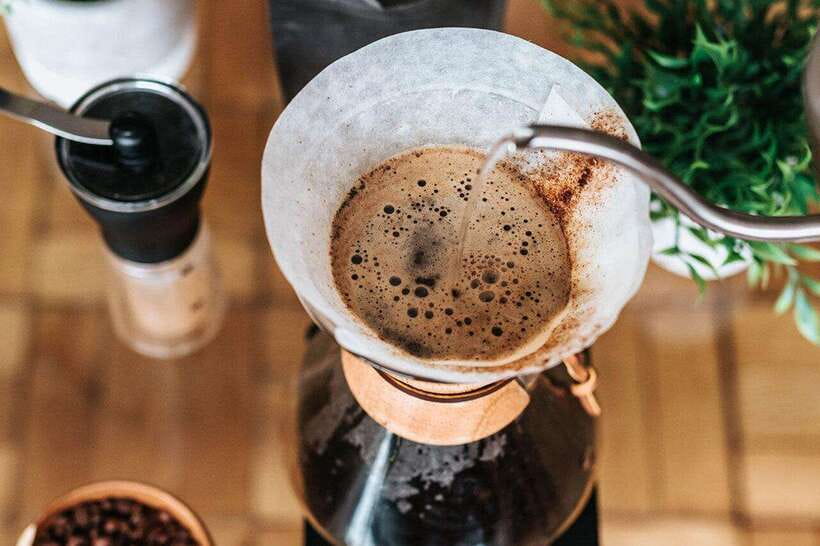
Phin filter coffee is the natural starting point if you want to understand the classic brewing method. The small metal filter sits over the cup and lets the coffee drip slowly. You learn the process directly, rather than simply being handed a finished drink.
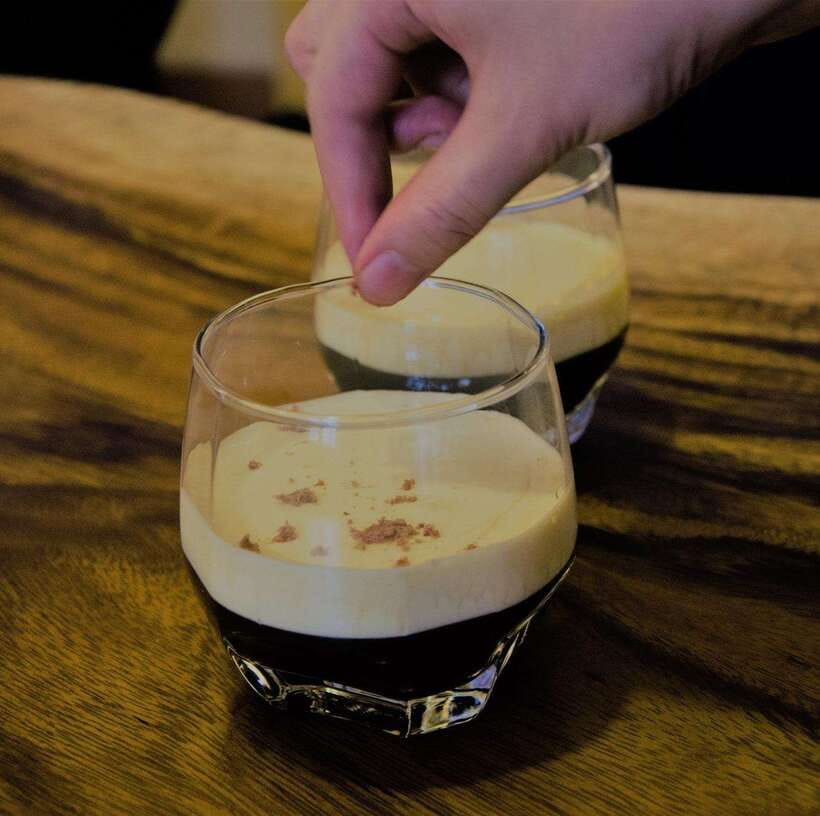
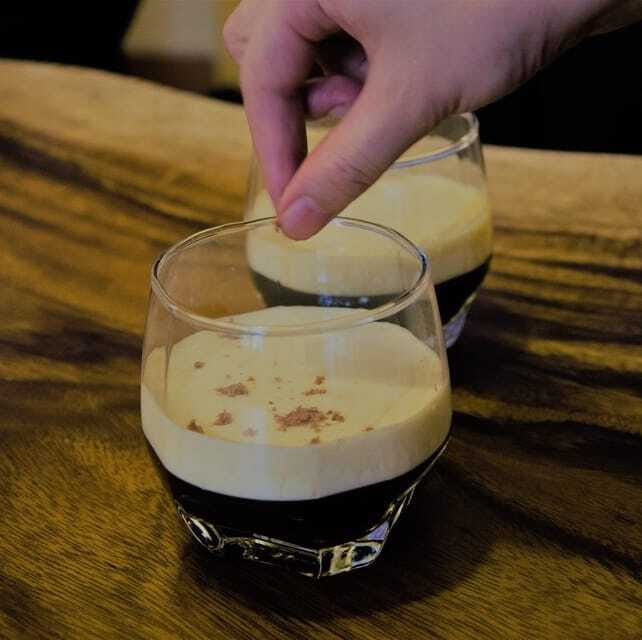
Egg coffee is the more dessert-like option. The egg mixture changes the body and texture of the coffee, making this a good choice if you want something beyond a basic brew. The class lets you prepare the drink yourself, so you can see how the ingredients come together.
Salt coffee is a particularly interesting pick. Salt may sound odd in coffee, but it is part of the drink’s appeal and gives you a chance to try a distinctly Vietnamese combination. One participant specifically learned salt coffee and planned to make it at home, which tells you this recipe is accessible enough to repeat.
Coconut coffee adds a cool, sweet element to the coffee experience. It is a useful choice if you prefer a softer, more refreshing drink. Some classes have included both coconut and salt coffee, allowing you to compare two very different preparations in the same hour.
The exact choice depends on the class arrangements, so ask Long or the staff what is available when you arrive. Recent sessions have involved making two coffee recipes, but the supplied activity details list the four styles as choices rather than guaranteeing every participant will make all four.
Making the drinks yourself

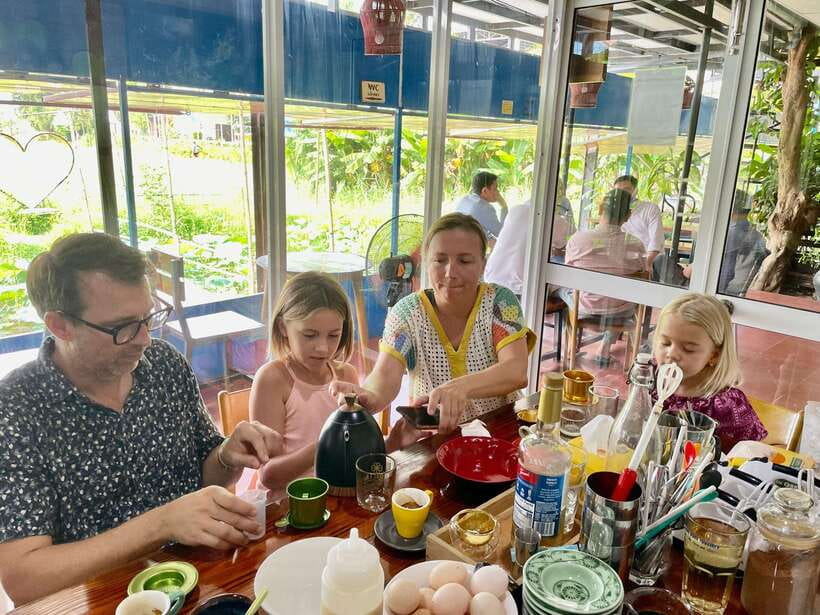
The class supplies the ingredients and equipment. You do not need to bring coffee tools, milk, eggs, coconut, or other supplies from your hotel. The point is to handle the preparation yourself, with the coffee specialist explaining each stage.
That hands-on approach is the strongest reason to choose this activity over simply ordering a Vietnamese coffee at a café. You learn the steps well enough to understand what you are drinking and, in many cases, to try the recipe again later.
The pace should be manageable for beginners. The guide is there to explain the method, answer questions, and help when needed. Direct feedback has especially praised the instructor’s patience, clarity, and friendly manner. Long is identified with the experience, though the available details do not provide a full list of possible instructors, so the guide on your date may vary.
You may also wear a hat and apron during the preparation. This adds a playful visual touch without changing the main purpose of the class: learning how the drinks are made.
Because the activity lasts only an hour, you should expect a compact lesson rather than a slow culinary workshop. The class has enough time for explanations, preparation, and tasting, but you will not cover every style in great depth. If you want maximum variety, ask whether you can make two different recipes.
More Vietnamese coffee stops in Hoi An:
- Hoi An: My Son Early Morning with Banh My and Coffee 6 am
★ 4.7 · 205 reviews - Hoi An: Vietnamese Coffee Making Workshop at Local Roastery
★ 4.8 · 174 reviews - Hoi An: Lantern and Coffee Making Class
★ 5.0 · 154 reviews - Hoi An: Vietnamese Coffee Making Course
★ 4.9 · 25 reviews
Tasting the coffee in a relaxed setting
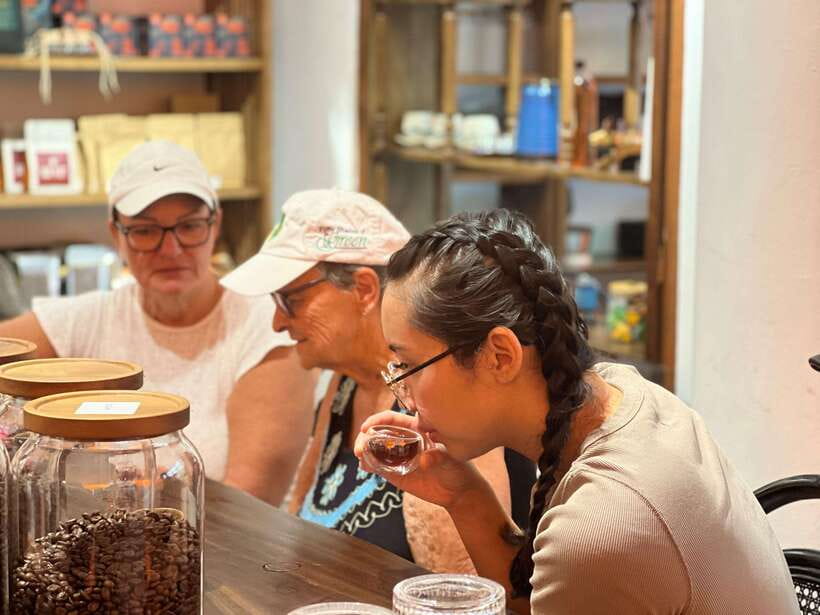
After you prepare the drinks, you sit down and taste what you made. The comfortable atmosphere and music give the final part a slower feel, even though the full activity is brief.
This tasting is not an extra café stop added after the class. It is the payoff for doing the work yourself. You can compare the smell and flavor of the roasted beans with the effect of egg, salt, coconut, or the phin method. You also have a chance to ask final questions before leaving.
The activity does not include a meal or other drinks. If you are hungry, plan to eat before or after the class. The coffee tasting is the central food and drink experience, so do not book this expecting a full breakfast, snack, or café crawl.
Recipe cards have been a useful part of the experience. They give you a way to recreate the coffees at home, and that adds real value for anyone who likes practical souvenirs. The card is more useful than another generic Hoi An keepsake because it connects directly to something you learned and tasted.
What the one-hour format is really worth

At $15 per person, this is reasonably priced for a short activity that includes a local roastery visit, an English-speaking coffee specialist, all equipment, ingredients, preparation, and tasting. You are paying for instruction as well as coffee, and the ability to make two recipes can make the price feel particularly fair.
The value is strongest for coffee fans, curious cooks, and visitors who want a cultural activity that does not take half a day. It also works well when you have limited time in Hoi An and want something more active than sitting down for another café order.
The value is less clear if you only want to drink coffee. You can sample Vietnamese coffee elsewhere for less, and the class will not give you a broad tour of the country’s coffee farms or a long roasting lecture. Its strength is participation, not scale.
The reported rating of 4.8 from 66 reviews points to a consistently well-received experience, and the praise is fairly specific: clear explanations, friendly help, tasty coffee, and recipes that can be used at home. I would pay most attention to those practical points when deciding, rather than expecting a large production or a formal barista qualification.
Group size, guide style, and the personal feel
The class can feel quite personal when attendance is low. One session had only two people, while another became a one-on-one class because no one else had booked. That is a major advantage if you like asking questions or want more help with the preparation.
A private or near-private session is not guaranteed, so do not book on the assumption that you will have the instructor alone. Still, the small roastery setting should feel more direct than a large group demonstration.
The guide’s role is central. The strongest feedback focuses on helpful explanations and a patient, friendly teaching style. That suits beginners who may not know the difference between the brewing styles or feel unsure about handling unfamiliar equipment.
English is the stated language of the tour. You should be comfortable receiving the explanations in English, and the activity does not list other language options.
Who should take this class
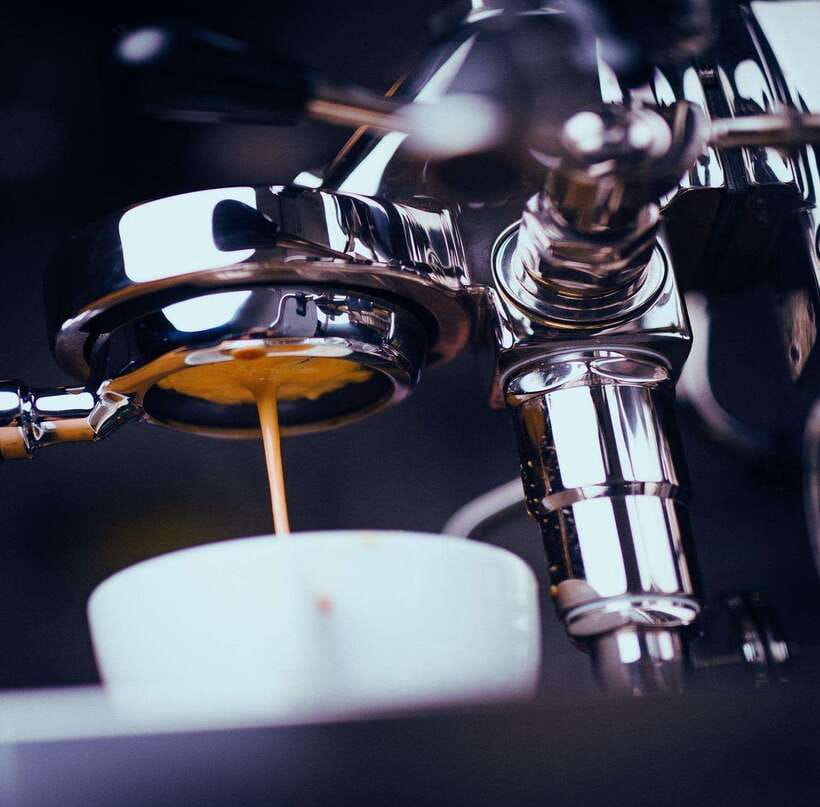
I would recommend this class to you if you:
- Enjoy coffee and want to understand Vietnamese preparation methods.
- Like short food activities with a practical result.
- Want to learn a recipe you can repeat at home.
- Prefer a small local shop to a large organized attraction.
- Have one free hour in Hoi An.
- Want to try salt or coconut coffee without guessing how to make it.
Families and groups should consider the one-hour length and the hands-on nature of the work. The activity is best for people who can participate at a counter or work area, as it is not suitable for wheelchair users or people with mobility impairments.
If you dislike sweet coffee, egg-based drinks, or unusual flavor combinations, choose the phin filter option. If you are curious about less familiar styles, salt coffee is likely the most distinctive choice. Coconut and egg coffee are better picks if you prefer a softer or more dessert-like drink.
A few practical points before arrival
Book with enough time to reach 88 Phan Chau Trinh Street. Since pickup and drop-off are not included, the class works best when you are already spending time in central Hoi An.
Check the start time when booking because the available sessions can vary. The activity offers free cancellation up to 24 hours before the start time, and you can reserve now and pay later, which helps if your Hoi An schedule is still changing.
Wear something comfortable for a short preparation session. The supplied information does not state a dress code, but you may use a hat and apron during the class. Personal expenses and anything not specifically listed are extra.
Should you book the Vietnamese coffee class?
Book it if you want to do more than order a coffee and take a photo. The combination of a small roastery, Vietnamese coffee background, hands-on preparation, tasting, and take-home recipes gives you a useful one-hour look at a familiar part of daily life.
Skip it if you want a full coffee-farm visit, a long roasting course, or a broad meal experience. This is a compact class, and its appeal comes from learning a few traditional drinks well enough to make them again.
For most coffee drinkers in Hoi An, $15 is a fair price for an easy, friendly activity with a clear result. I would choose two contrasting recipes, perhaps phin and salt coffee, then keep the recipe cards for a taste of Vietnam after you return home.
FAQ
Where does the coffee class take place?
The class takes place at Tri Long Coffee shop, at 88 Phan Chau Trinh Street in Hoi An.
How long does the experience last?
The activity lasts one hour.
How much does the class cost?
The listed price is $15 per person.
Which coffee styles can I learn to make?
You can choose from Vietnamese phin filter coffee, egg coffee, salt coffee, and coconut coffee.
Do I make the coffee myself?
Yes. The experience includes hands-on preparation and tasting of traditional Vietnamese coffee.
Are ingredients and equipment included?
Yes. All ingredients and equipment needed for the coffee activity are included.
Is a coffee specialist or guide provided?
Yes. An English-speaking coffee expert or specialist leads the class.
Is hotel pickup included?
No. Hotel pickup and drop-off are not included, so you need to reach the meeting point yourself.
Can I cancel for a refund?
You can cancel up to 24 hours in advance for a full refund.
Is the activity suitable for wheelchair users?
No. The activity is not suitable for wheelchair users or people with mobility impairments.
More Workshops in Hoi An
- Hoi An: Vietnamese Foldable Lantern Making Class
★ 4.9 · 3,742 reviews - Cooking Class Hoi An:Local Market, Basket Boat, Fishing & Cooking
★ 5.0 · 3,660 reviews - Hoi An Cooking Class(Market,BasketBoat Crabfishing&Cooking Class)
★ 5.0 · 3,386 reviews - From Hoi An: Market Tour, Basket Boat Ride and Cooking Class
★ 4.8 · 2,208 reviews
Recently reviewed around Hoi An
- Romantic Sunset Dinner Cruise in Hoi An★ 4.7 · 108 reviews
- Thanh Ha Village: Pottery Workshop with Locals★ 4.4 · 223 reviews
- Snorkeling Cham Island: Snorkeling Tour by Speed Boat★ 3.6 · 26 reviews
- Hoi An: Rural Cycling Tour to Village with Basket Boat Ride★ 5.0 · 174 reviews
- Private Car Hoi An to Hue Via Hai Van Pass, Lagoon & More★ 5.0 · 22 reviews
- From Hoi An: Day Tour of My Son Temples and Marble Mountain★ 4.8 · 44 reviews
- Market Tour – Cooking Class – Coconut Boat Riding★ 4.4 · 43 reviews
- From Hoi An: Marble Mountains and My Son Sanctuary Day Trip★ 4.7 · 209 reviews
Coffee Experiences, compared.

Vietnamese Coffee Culture and Coffee Making Class
Read our review →
Hanoi Coffee Experience: 6 Brews, 9 Recipes & 3 Liquor Tastings
Read our review →
Hanoi Coffee Workshop: Taste Salt, Coconut and Egg Coffee
Read our review →
Salt Coffee Workshop Awake Your Senses With 6 Brews
Read our review →
Early Morning My Son Sanctuary Trip w. Champa Food & Coffee
Read our review →
Da Nang Cooking Class with Coffee Tasting and Market Visit
Read our review →Browse the lists this tour appears in