
Reviewed · COFFEE EXPERIENCES
Hanoi: Salt Coffee Workshop Awake Your Senses With 6 Brews
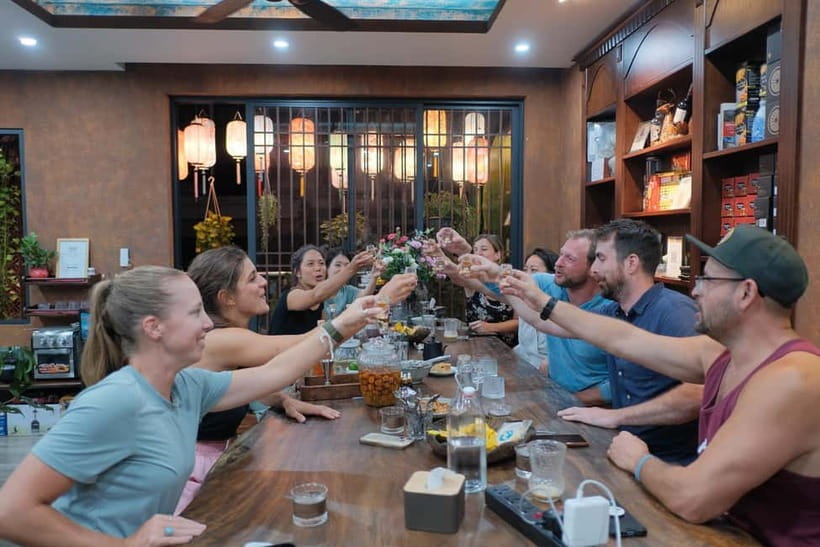
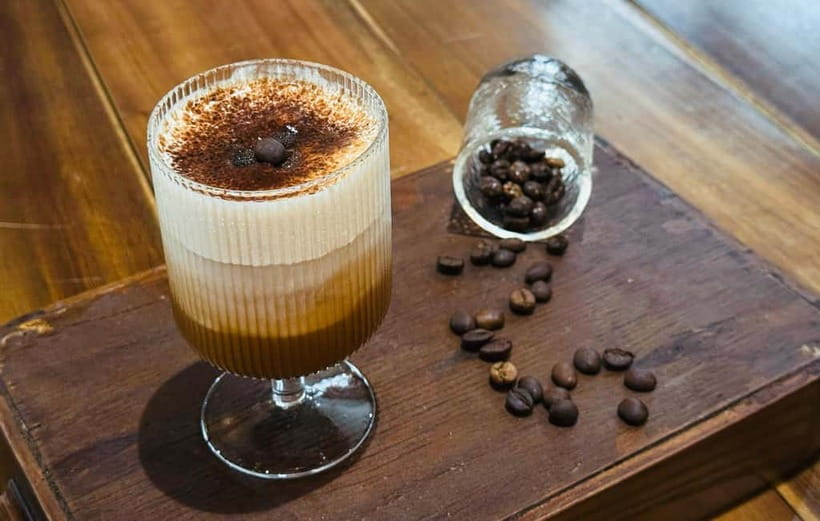
Vietnamese coffee is not simply a strong drink served over ice. It is a small lesson in local taste, history, and resourcefulness. This three-hour Hanoi workshop takes you from green coffee beans and roasting basics to six finished drinks, including salt coffee, egg coffee, coconut coffee, pour-over coffee, brown coffee, and a coffee cocktail.
I like the hands-on format, since you make the drinks rather than watch someone else do all the work. I also like the practical follow-up: recipes, digital coffee books, and tips for spotting poor-quality or fake coffee give you something useful after the class. The main caution is simple: six coffees, sugar, wine, and a cocktail can be a lot in one sitting, especially if you are sensitive to caffeine or alcohol.
In This Review
- Key Points
- Why This Hanoi Coffee Class Feels Different
- Arriving at the Café on Hoang Hoa Tham Street
- The First Lesson: From Coffee Tree to Roasted Bean
- Learning to Spot Better Coffee
- Making Salt Coffee, Hanoi’s Bold New Classic
- Egg Coffee and the Art of Texture
- Coconut, Brown Coffee, and Pour-Over Comparisons
- The Coffee Cocktail and Local Wine Tasting
- What You Actually Take Home
- Is Three Hours Too Long?
- The Instructors Make the Difference
- Who Should Book This Experience?
- Practical Value at $23
- My Verdict: A Good Choice for Coffee and Culture
- FAQ
- How long does the Hanoi coffee workshop last?
- How much does the experience cost?
- Which coffees will I make?
- Is the workshop taught in English?
- Where is the meeting point?
- Is hotel pickup available?
- Can I book a private group?
- Can the menu be changed for dietary requirements?
- Can I cancel or pay later?
Key Points
- Six Vietnamese-style drinks: Make and taste salt coffee, egg coffee, brown coffee, coconut coffee, pour-over coffee, and a coffee cocktail.
- Coffee beyond the cup: Learn about cultivation, green beans, roasting, brewing technique, and how to judge coffee quality.
- Traditional tools: Work with Vietnamese filters, grinders, and other equipment used to prepare the drinks.
- Strong English instruction: Guides including Lin, Val, Phil, Giang, Jessica, Luka, and others lead the session in English.
- Useful take-home material: You receive recipes and digital coffee books, with a professional certificate available on request.
- Good value at $23: The price covers a three-hour class, refreshments, snacks, several drinks, local wines, equipment, and instruction.
Why This Hanoi Coffee Class Feels Different
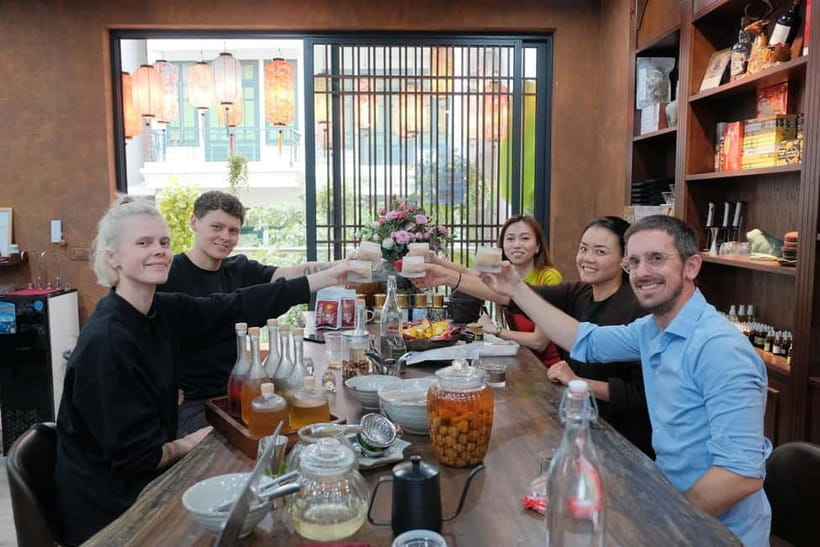
Many coffee tastings are passive affairs. You sit down, sample a few cups, and listen to a short talk. Here, you are expected to whisk, filter, stir, layer, and taste. That changes the experience. You see how much texture and balance depend on technique, not just ingredients.
The class also gives you a useful introduction to Vietnam’s place in the coffee world. You examine different beans and equipment, hear how coffee trees are grown, and learn what happens during roasting. The focus is not limited to fashionable café drinks. It connects each preparation to the way coffee is made and enjoyed in Vietnam.
I especially like the mix of classic and newer recipes. Egg coffee and brown coffee belong to Hanoi’s established café culture, while salt coffee has become a popular modern style. Coconut coffee offers a softer, cooler contrast, and pour-over preparation lets the character of the beans show more clearly.
The final coffee cocktail adds a social finish. It combines espresso, coffee liqueur, and vodka, with jam and local wine included in the broader tasting. This is not an ideal activity for someone avoiding alcohol, but it gives the class a playful ending and helps show how Vietnamese coffee can move beyond traditional recipes.
More Coffee Tours in Hanoi
- Hanoi Coffee Experience: 6 Brews, 9 Recipes & 3 Liquor Tastings
★ 5.0 · 2,945 reviews - Hanoi Coffee Workshop: Taste Salt, Coconut and Egg Coffee
★ 5.0 · 1,286 reviews - Hanoi: Vietnamese Street Food Tour with Egg Coffee
★ 4.9 · 315 reviews
Arriving at the Café on Hoang Hoa Tham Street
The meeting point is at Alley 75, Lane 173, Hoang Hoa Tham Street. Look for the intersection with the large yellow sign marked Bia Hoi Mau Dich. This detail matters because Hanoi’s narrow lanes can be confusing, and the sign is easier to spot than a generic café entrance.
If you choose pickup, hotel collection and return are available within Hanoi’s Old Quarter area. Pickup and drop-off usually fall within a 15 to 20 minute window, but traffic and weather can shift the timing. Hanoi traffic is rarely a precise science, so leave a little breathing room around the class.
The venue is described as a local café and a relaxed, classy place to work and drink. You begin with welcome refreshments for about 15 minutes before the workshop starts. That opening gives you time to settle in, meet the instructor, and look over the tools and beans before the caffeine arrives.
Private groups are available. For a private booking, pickup can be arranged within 10 kilometers of the Hanoi Post Office, including places outside the Old Quarter. The menu, start time, finish time, and pickup point can also be adjusted on request.
The First Lesson: From Coffee Tree to Roasted Bean
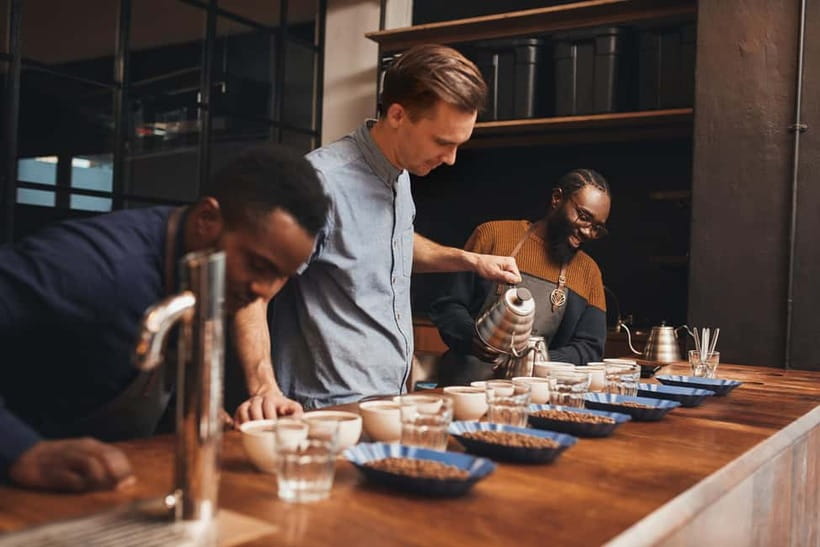
The first part covers coffee from the ground up. You see coffee beans in different forms, including special green beans, and learn about growing conditions, harvesting, and roasting. This is useful context because Vietnamese coffee is often reduced to one stereotype: very dark, very strong, and served with condensed milk.
The lesson shows that the result in your cup depends on several choices. Bean type, roast level, grind, water, filter, and timing all affect the final flavor. You also get a chance to see the equipment before using it, which makes the practical part easier to follow.
The instructors bring professional experience from more than 10 years in the coffee industry. Names vary by session, but Lin, Val, Phil, Giang, Jessica, Luka, CeCe, and Lyon have all led classes. The strongest feature of the teaching is the willingness to explain details and answer questions, which suits both complete beginners and people who already work with coffee.
Two baristas from the United Kingdom found that Phil still had plenty to teach them about Vietnamese coffee. That tells you something useful about the level: the session is beginner-friendly, but it is not designed only for people who know nothing about coffee.
Learning to Spot Better Coffee
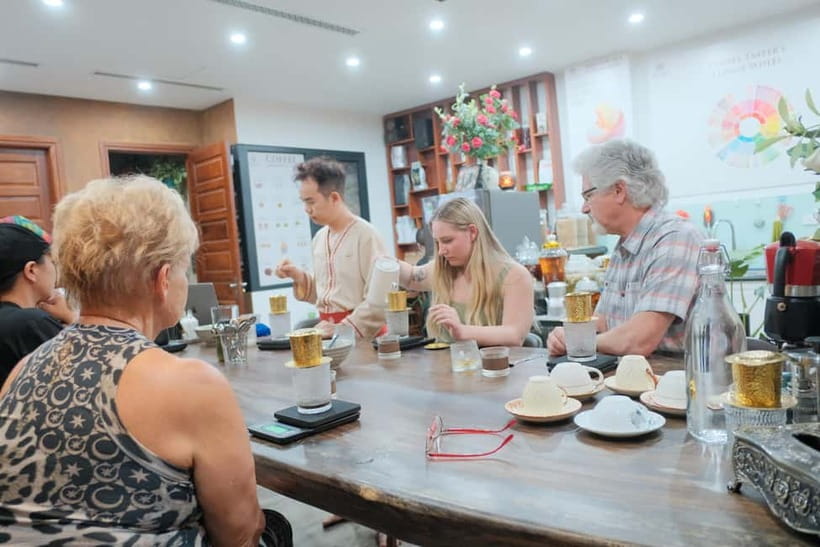
A particularly practical part of the class is the discussion of authentic coffee and poor-quality or counterfeit products. You learn what to look for and why certain brewing techniques produce a better cup.
This kind of advice has value beyond the workshop. Vietnam has a huge café culture, but not every dark, bitter drink is good coffee. The class helps you separate intensity from quality. A strong taste may come from roast, robusta beans, sweeteners, or preparation. It does not automatically mean the cup is well made.
The instructors also explain the technique needed for a good result. You learn to pay attention to the brewing process rather than simply adding coffee and water together. That makes the tasting more interesting, since you can compare your own work across several methods.
Do not expect a formal coffee certification course. This is a compact cultural and practical class, not a professional training program. Still, it offers enough detail to improve the way you order, taste, and prepare Vietnamese coffee after you leave Hanoi.
More Vietnamese coffee stops in Hanoi:
- Hanoi Cooking Class: Pho/Bun Cha/Banh Xeo…+Free Egg/Salt Coffee
★ 5.0 · 267 reviews - Ha Noi Egg Coffee Class
★ 5.0 · 227 reviews - Hanoi Coffee Workshop: Master 6 Signature Vietnamese Coffee
★ 5.0 · 171 reviews - Hanoi French Quarter: Coffee and Stories
★ 5.0 · 170 reviews
Making Salt Coffee, Hanoi’s Bold New Classic
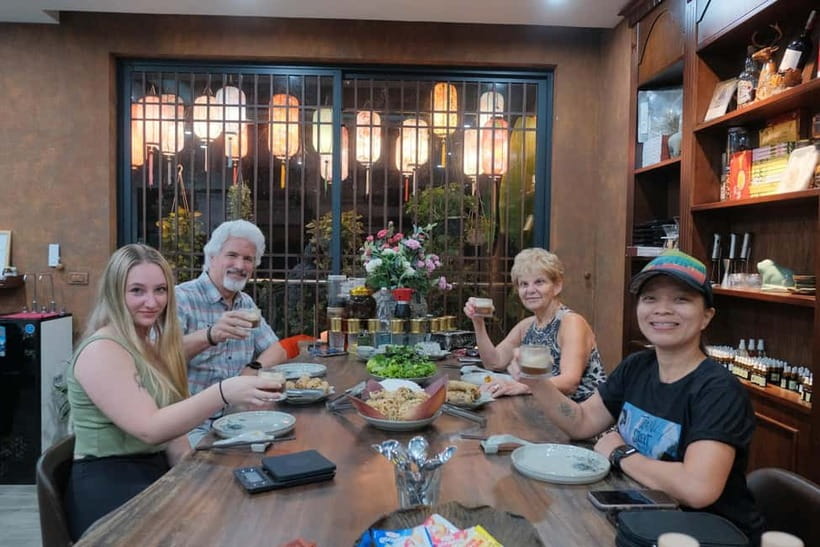
Salt coffee is the headline drink, and it is an excellent choice for showing how Vietnamese coffee balances strong flavors. Robusta coffee forms the base, while salted cream foam softens the bitterness and adds a savory edge.
The salt is not there to make the drink taste salty. Used carefully, it rounds the coffee and makes the sweetness and roast seem more balanced. You prepare the drink yourself, so you can see how the foam sits over the coffee and how the proportions affect the taste.
This is one of the better reasons to take the class instead of ordering a finished cup. A café can serve you salt coffee, but making it gives you a clearer sense of its structure. You can also recreate it later using the supplied recipe.
Egg Coffee and the Art of Texture
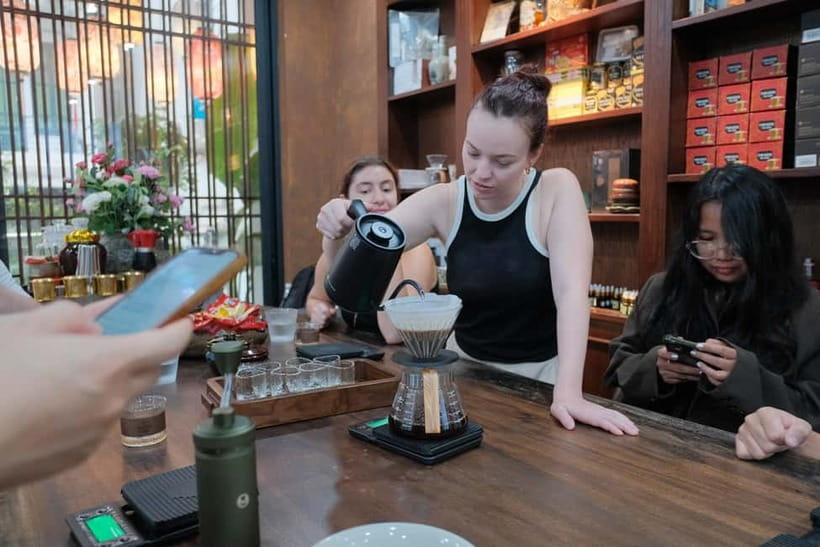
Vietnamese egg coffee is the most dramatic preparation in the group. A silky, airy egg yolk froth sits over dark coffee, creating a contrast between light foam and a powerful base.
The drink sounds unusual if you have not tried it, but the texture is the main event. The coffee underneath remains bold, while the froth adds a smooth, dessert-like quality. The workshop lets you see how the topping is made and how the final drink is assembled.
I would pay close attention here if you plan to make egg coffee at home. The charm depends on texture, and texture depends on preparation. You do not simply pour beaten egg over coffee and hope for the best.
Coconut, Brown Coffee, and Pour-Over Comparisons
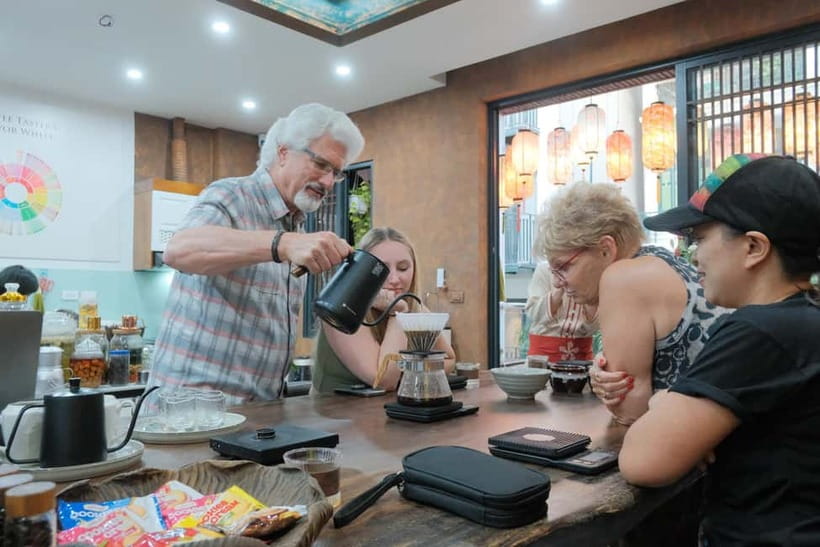
The coconut coffee is a gentler change of pace. Strong coffee is paired with coconut milk, creating a cooler, smoother drink with a softer profile. It is a good counterpoint to the salt and egg recipes, especially if dark coffee is not your usual choice.
Original Vietnamese brown coffee returns to the basics. Dark-roasted Vietnamese beans are brewed into an intense cup, often associated with the bold style many people first encounter in Hanoi. Compared with the more decorated drinks, this preparation makes the coffee itself the focus.
Pour-over coffee offers another useful comparison. This method can reduce bitterness and bring out natural sweetness and light fruit notes in the beans. It shows that Vietnamese coffee does not always have to be heavy or harsh.
Making these drinks side by side is the best part of the class for anyone trying to understand coffee taste. You are not just sampling six recipes. You are comparing roast, texture, sweetness, milk or coconut, filter style, and serving method.
The Coffee Cocktail and Local Wine Tasting
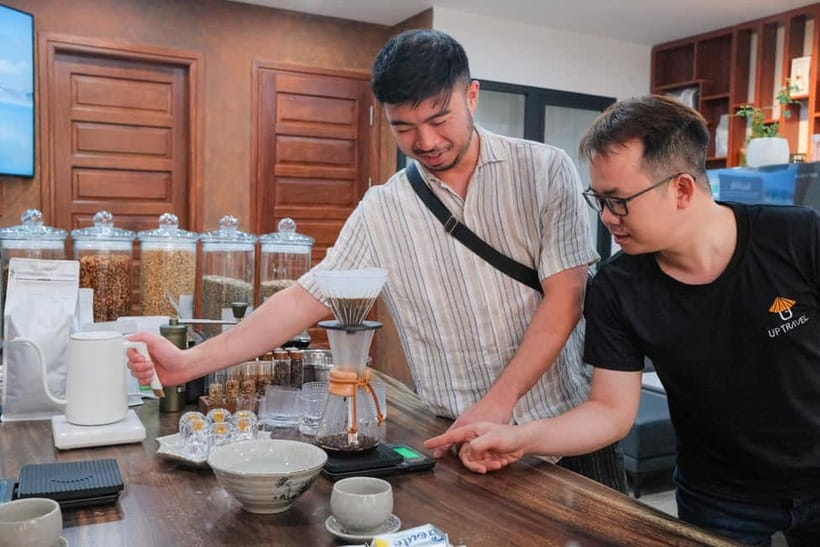
The last drink is an espresso martini-style cocktail made with espresso, coffee liqueur, and vodka. The workshop also includes signature coffee cocktails with jam and local wine, plus a selection of Vietnamese wines.
This portion adds variety, but it also changes the pace of the class. You move from coffee education into a more relaxed tasting session. It works well for adults who enjoy drinks and conversation, though you should plan around the alcohol.
One attendee made a useful observation: the combination of caffeine, sugar, and alcohol can be a lot to handle for the rest of the day. I would treat this as a tasting, not a drinking session. You can ask about menu changes if you have dietary needs, and the menu may be adjusted on request.
What You Actually Take Home
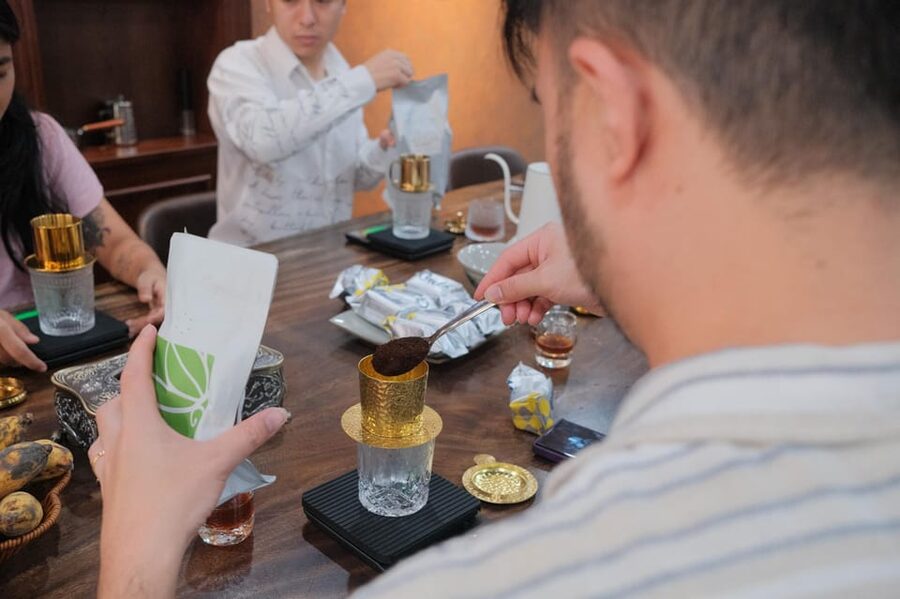
The class gives you more than a full stomach and a temporary caffeine rush. A recipe book is provided so you can prepare the drinks again at home. Digital copies of coffee books connected to the workshop are also included.
A professional certificate is available if requested. It is not the main reason to book, but it may be useful if you are collecting certificates from food and drink workshops or want a formal record of participation.
The take-home material makes the $23 price more convincing. You are paying for a three-hour activity, instruction, ingredients, use of equipment, refreshments, snacks, wines, and recipes. A simple coffee tasting might cost less, but it would not give you the same practical value.
Is Three Hours Too Long?
The timing is well suited to the amount of material. The welcome refreshments take about 15 minutes, followed by roughly two hours and 45 minutes of workshop time. Six drinks, coffee history, brewing instruction, and questions need that space.
The pace appears to be one of the class’s strengths. The instructors explain each recipe, let you take part, and leave room for questions. That matters because rushing through six drinks would turn the activity into a production line.
Still, three hours is a substantial block of your Hanoi day. If you want a quick tasting between sightseeing stops, this is too long. If you enjoy food workshops, café culture, or meeting people through a shared activity, the length feels justified.
The class can work for solo visitors because the format encourages conversation. It can also suit couples, friends, and private groups. English is the teaching language, and the sessions are designed to be social without requiring advanced coffee knowledge.
The Instructors Make the Difference
The quality of this experience depends heavily on the person leading your session. The instructors named for recent classes include Lin, Val, Phil, Giang, Jessica, Luka, Lyon, CeCe, and Lee.
The strongest descriptions of the class consistently focus on clear explanations, passion for Vietnamese coffee, humor, and patient answers. Lin is praised for her enthusiasm and careful teaching. Val is noted for helping with preparation before the class as well as guiding the session. Luka is described as funny and attentive, while Giang is known for cheerful English instruction and a talent for teaching.
You should not book because you expect one particular guide unless the operator confirms that person for your date. But the pattern is encouraging: the session is built around personal instruction rather than a recorded presentation.
Who Should Book This Experience?
I would recommend it most strongly to:
- Coffee fans who want more than a café tasting
- Curious beginners who want a friendly introduction
- Baristas and home brewers interested in Vietnamese methods
- Solo visitors looking for an easy social activity
- Couples who enjoy food and drink workshops
- Anyone wanting a cultural activity that fits into half a day
It is less suitable if you dislike caffeine, sugar, eggs, or alcohol. The menu can be changed for special dietary needs, but you should raise those needs before arriving.
You should also think about your preferred style of sightseeing. This is not a walking tour through Hanoi’s streets. It is a seated, practical workshop in a local café setting, with culture explained through ingredients, tools, and recipes.
Practical Value at $23
At $23 per person, the workshop offers solid value. You get three hours of instruction and participation, six drinks, refreshments, snacks, coffee tools, wine tasting, and written material to use later.
The price is especially fair if you would otherwise spend money ordering several specialty coffees around Hanoi. Here, you learn how each drink is made and can ask why it tastes the way it does. That educational part is what separates the class from a normal café crawl.
Private groups cost more in some situations, particularly if pickup is needed outside the Old Quarter. For a standard booking, hotel pickup is limited to the Old Quarter, while other areas can request collection for an additional fee.
You can cancel up to 24 hours before the activity for a full refund, and a reserve-now, pay-later option keeps your plans flexible. Availability and starting times depend on the date you choose.
My Verdict: A Good Choice for Coffee and Culture
I would book this workshop if you want a useful, sociable Hanoi activity with something to show for it afterward. The best elements are the hands-on brewing, the six contrasting drinks, and the instructors’ clear enthusiasm for their subject.
The only real drawbacks are the caffeine, sugar, and alcohol load, plus the fact that the workshop takes three hours. Those are easy to manage if you pace yourself and tell the team about dietary needs in advance.
Book it if salt coffee, egg coffee, roasting, brewing tools, and Vietnamese café culture sound more appealing than another standard sightseeing stop. Skip it if you want a short stop or prefer to experience coffee only by ordering a cup. For $23, this is a practical way to understand what is in that cup and learn to make it yourself.
FAQ
How long does the Hanoi coffee workshop last?
The activity lasts three hours. It includes about 15 minutes of welcome refreshments and roughly 2 hours and 45 minutes of workshop instruction and coffee making.
How much does the experience cost?
The listed price is $23 per person.
Which coffees will I make?
You can make Vietnamese salt coffee, Vietnamese egg coffee, original Vietnamese brown coffee, coconut coffee, and pour-over coffee. The program also includes a signature coffee cocktail, making six drinks in total.
Is the workshop taught in English?
Yes. English is the listed teaching language.
Where is the meeting point?
Meet at Alley 75, Lane 173, Hoang Hoa Tham Street. Stand at the intersection beside the large yellow Bia Hoi Mau Dich sign.
Is hotel pickup available?
Pickup and drop-off are available within Hanoi’s Old Quarter area. Pickup outside that area may be requested for an additional fee. Private groups can receive complimentary pickup within 10 kilometers of the Hanoi Post Office.
Can I book a private group?
Yes. Private groups are available, and the start time, finish time, pickup location, and menu can be customized on request.
Can the menu be changed for dietary requirements?
Yes. The menu can be changed upon request for special dietary requirements. Contact the provider before the workshop so the arrangements can be confirmed.
Can I cancel or pay later?
You can cancel up to 24 hours in advance for a full refund. A reserve-now, pay-later option is also available.
More Workshops in Hanoi
- Hanoi Cooking Class: Culture, Local Market & Meaning CSR Impact
★ 5.0 · 5,147 reviews - 5 Traditional Dishes Hanoi Cooking Class with Market Trip
★ 5.0 · 4,890 reviews - Vietnamese Food Cooking Class in Hanoi with Market Experience
★ 5.0 · 778 reviews - Hanoi: Handcrafted Wood Carving Workshop with Local Artisan
★ 5.0 · 733 reviews
Recently reviewed around Hanoi
- Female Riders Vespa Night Street Food + Train Street food 4 Hours★ 5.0 · 35 reviews
- Beautiful Female Riders Vespa Red River Countryside Tour 5 Hours★ 5.0 · 23 reviews
- Red River Delta Countryside+ Rural Villages, rice Paddies fields★ 5.0 · 134 reviews
- The insider’s Hanoi 4.5 hours All highlight Places & Train Street★ 5.0 · 41 reviews
- The insider’s Hanoi + Train Street 4,5 Hours Female Ao Dai Riders★ 5.0 · 53 reviews
- Street Foods Hanoi Kim Tours Vietnam★ 5.0 · 140 reviews
- Hanoi Jeep Tour – Ba Vi National Park Full Day Tour★ 5.0 · 21 reviews
- Ninh Binh Full Day Tour from Hanoi to Hoa Lu, Trang An & Mua Cave★ 5.0 · 31 reviews
Coffee Experiences, compared.

Vietnamese Coffee Culture and Coffee Making Class
Read our review →
Hanoi Coffee Experience: 6 Brews, 9 Recipes & 3 Liquor Tastings
Read our review →
Hanoi Coffee Workshop: Taste Salt, Coconut and Egg Coffee
Read our review →
Early Morning My Son Sanctuary Trip w. Champa Food & Coffee
Read our review →
Da Nang Cooking Class with Coffee Tasting and Market Visit
Read our review →
Fun & Easy Vietnamese Coffee Workshop in Hồ Chí Minh City
Read our review →Browse the lists this tour appears in