
Reviewed · COOKING CLASSES
Hanoi Cooking Class: Pho/Bun Cha/Banh Xeo…+Free Egg/Salt Coffee
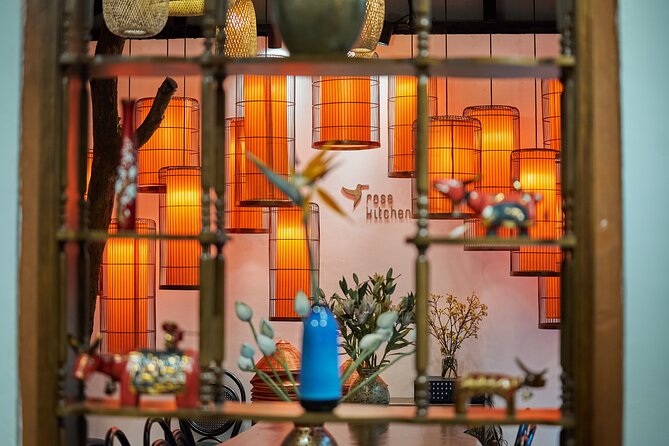
At Rose Kitchen, you escape Hanoi’s noisy streets for a small villa where the main event is not watching a chef, but cooking one Vietnamese dish yourself. You choose from pho, bun cha, banh xeo, spring rolls, grilled fish, or spring rolls, then finish with a local coffee.
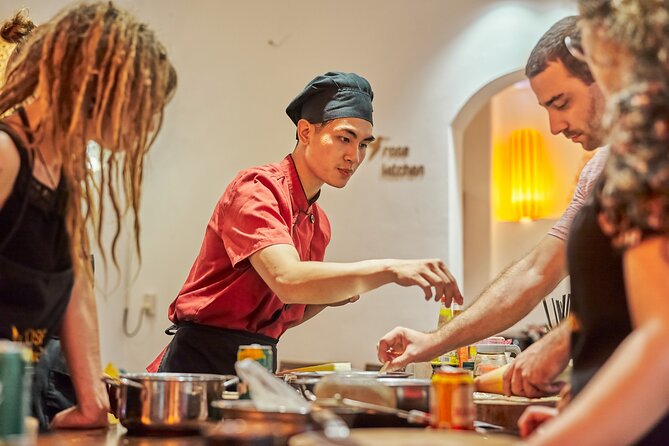
I like the personal teaching and the cultural stories behind each herb and sauce. I also like the chance to work with Simon, known locally as Tin, whose culinary training in Paris and easy conversation have made him a memorable guide for some classes.
The tradeoff is simple: this is a two-hour introduction, not a full Vietnamese feast or a long market-to-table course. You cook one dish only, and a market visit may depend on the group and the day.
In This Review
- Key points to know before booking
- Arriving at the garden villa on Hoang Hoa Tham Street
- Choosing one Vietnamese dish to cook
- The market lesson and the cultural stories
- Cooking the meal, not just watching it
- The coffee finish: egg, coconut, salt, or drip
- What the $19 price really includes
- Who will enjoy this class most
- Practical timing, transport, and cancellation
- The community purpose behind the kitchen
- Is Rose Kitchen worth booking?
- FAQ
- How long does the Hanoi cooking class last?
- Where does the cooking class meet?
- Which dishes can I choose to cook?
- How many dishes do I cook during the class?
- Which coffee is included?
- Is a market visit included?
- Can I cancel for a refund?
Key points to know before booking
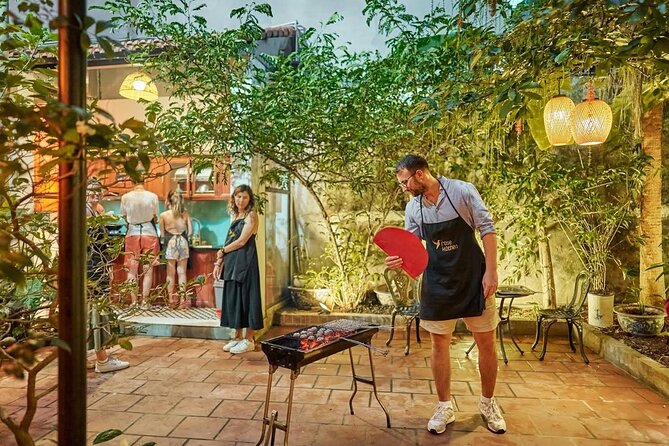
- You cook one dish from six choices: Pick pho bo, pho ga, bun cha, banh xeo, nem ran, goi cuon, or cha ca la vong, with vegetarian versions available.
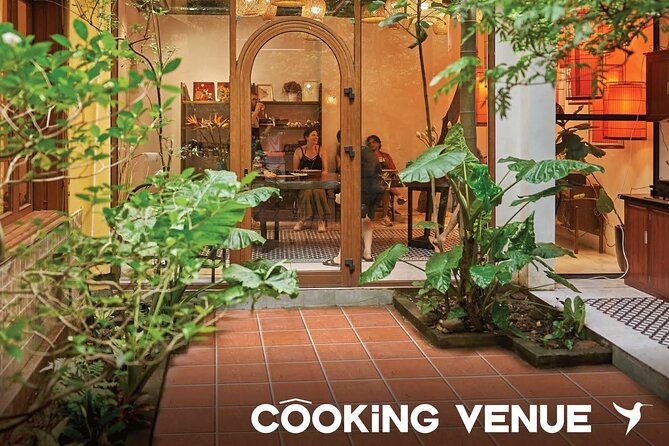
- The setting is a family-run villa: The class takes place away from the main street in a quiet garden-style home with air conditioning.
- Simon, or Tin, may be your teacher: He combines cooking instruction with language, food customs, and personal stories.
- Coffee is part of the lesson: Choose egg, coconut, salt, or classic Vietnamese drip coffee after cooking.
- The price is modest: At $19 per person, the class offers a hands-on meal, a guide, coffee, tea, and several useful extras.
- The class supports older rural women: The community project gives elder women stable, respectful work in the cooking school.
Arriving at the garden villa on Hoang Hoa Tham Street
The meeting point is Rose Kitchen Cooking Class at 7/32, alley 173/75, Hoang Hoa Tham Street, in Hanoi’s Ba Dinh district. The address sits inside an alley, so give yourself a little time to find the entrance rather than expecting a large shopfront on the main road.
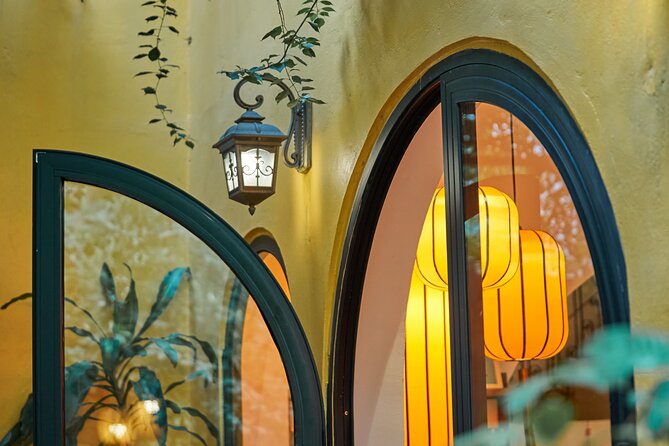
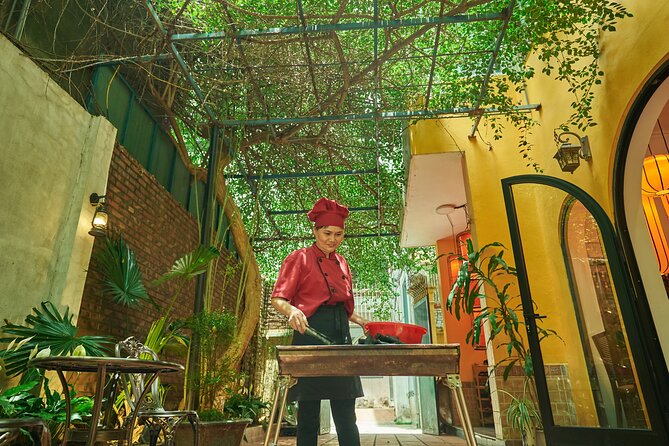
The reward for reaching the villa is a calmer setting than you get in central Hanoi. You step away from traffic and into a home-style cooking space with air conditioning, a useful comfort when you are handling hot pans and steaming broth.
This is a family-run operation, and that shapes the mood. The class is designed to feel personal rather than formal. You receive welcome herbal tea, meet the English-speaking Culture Storyteller, and settle in before choosing your dish or confirming the group menu.
The advertised maximum is 100 people, though that number is a capacity limit rather than a promise that every class will be huge. One session had a single participant, turning it into a one-on-one lesson. Your group size can vary, so ask at booking if personal attention is especially important to you.
More Coffee Tours in Hanoi
- Hanoi Coffee Experience: 6 Brews, 9 Recipes & 3 Liquor Tastings
★ 5.0 · 2,945 reviews - Hanoi Coffee Workshop: Taste Salt, Coconut and Egg Coffee
★ 5.0 · 1,286 reviews - Hanoi: Salt Coffee Workshop Awake Your Senses With 6 Brews
★ 5.0 · 792 reviews
Choosing one Vietnamese dish to cook
The central decision is which dish you want to make. You choose one, and the lesson follows that dish from ingredients to finished plate.
Here is what each option means for your time in the kitchen:
- Banh xeo: A crisp, sizzling pancake filled with savory ingredients and served with herbs and dipping sauce. It is an appealing choice if you want an active cooking moment, since getting the batter thin and crisp takes a little practice.
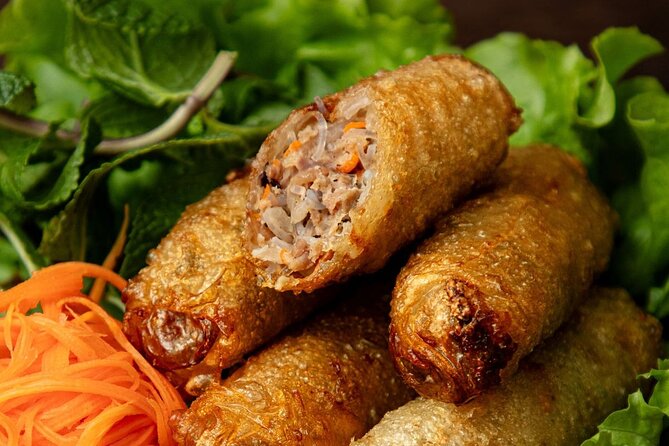
- Nem ran: Hanoi-style fried spring rolls. You learn how the filling is prepared, how the rolls are shaped, and how they are cooked until crisp.
- Goi cuon: Fresh spring rolls with herbs and dipping sauce. This is a lighter choice and a good fit if you prefer fresh ingredients over fried food.
- Bun cha: Grilled pork served with noodles and the familiar herbs and dipping elements of Hanoi’s best-known street dish. It gives you a taste of the balance between smoky meat, noodles, greens, and sauce.
- Cha ca la vong: Vietnamese grilled fish with dill. This dish offers a different route through Vietnamese cooking, with fish and fragrant herbs replacing the meat and broth of other choices.
- Pho bo or pho ga: Beef or chicken noodle soup. Pho is the most famous option, but remember that a two-hour class gives you an introduction to the method rather than a long restaurant-style study of broth making.
Vegetarian versions are available for all six dishes. Tell the school your preference when booking or at the start of the class so the ingredients and instructions can be handled properly.
The one-dish format is worth understanding. You are not sampling every item on the menu. Instead, you spend more time learning the chosen recipe, which makes the class easier to fit into a short Hanoi visit and less tiring than a half-day cooking course.
The market lesson and the cultural stories
One of the most useful details from the class format is the possible market visit. Simon has taken groups to buy the ingredients after everyone agreed on the menu. Along the way, he taught basic Vietnamese greetings and phrases for asking prices.
That market stop is particularly valuable because ingredients make more sense when you see them in their everyday setting. Herbs, vegetables, sauces, and cuts of meat can look unfamiliar when laid out in a cooking classroom. At a local market, you get a clearer sense of how Vietnamese cooks shop and how food fits into daily life.
The market visit should not be treated as guaranteed for every booking. The advertised experience centers on the villa cooking workshop, and the available details show that market shopping happened with at least some groups. Ask ahead if this part matters to you.
The cooking teacher also explains the meaning behind the ingredients and techniques. You learn not just what to add, but why herbs, spice, dipping sauce, texture, and cooking heat matter. That context helps you repeat the dish at home instead of simply copying a recipe by sight.
Simon, whose Vietnamese name is Tin, has culinary training in Paris and speaks some French. If you speak French, that can add a pleasant personal touch to the class. Other instructors may lead your session, including Maxi, who has also been praised for clear instruction and a warm manner.
Cooking the meal, not just watching it
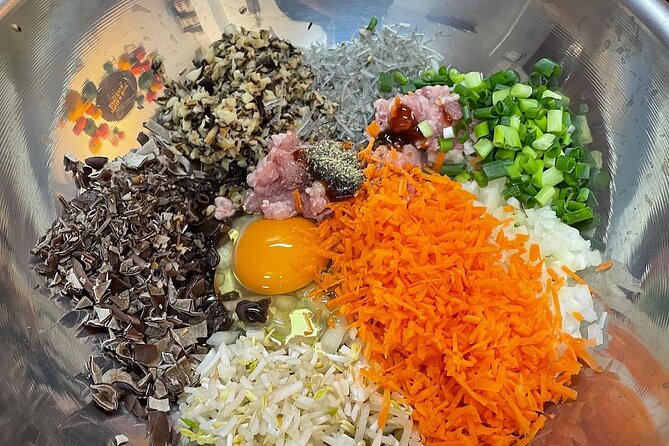
The strongest reason to book this class is the hands-on format. You prepare your chosen dish step by step with direct guidance instead of sitting at a demonstration counter while someone else does the work.
For a dish such as banh xeo, you can expect the cooking process to feel lively. The pancake needs the right heat and texture, and the fun is in learning how to handle it rather than receiving a perfect version from a professional cook. For bun cha, the lesson centers on the relationship between grilled pork, noodles, herbs, and sauce.
Pho requires a different pace and type of attention. You work with noodle soup rather than a single fried or rolled item, and the teacher explains the ingredients that give the broth its character. Since the entire activity lasts about two hours, the class is best viewed as a practical introduction to pho rather than a masterclass on long-simmered stock.
Fresh spring rolls are likely to suit cooks who enjoy assembly and balance. You work with herbs, fillings, wrapping, and dipping sauce. Fried spring rolls offer a crispier result and a little more heat at the cooking stage.
The guide’s teaching style matters here. Simon is described as interactive and professional, and the lesson includes conversation as well as cooking. That makes the activity a good choice if you want to ask questions freely or learn a few food-related Vietnamese expressions along the way.
More Cooking Classes in Hanoi
- Hanoi Cooking Class: Culture, Local Market & Meaning CSR Impact
★ 5.0 · 5,147 reviews - 5 Traditional Dishes Hanoi Cooking Class with Market Trip
★ 5.0 · 4,890 reviews - Vietnamese Food Cooking Class in Hanoi with Market Experience
★ 5.0 · 778 reviews - Hanoi: 5 Local Dishes Cooking Class with Meal & Market Visit
★ 5.0 · 420 reviews
The coffee finish: egg, coconut, salt, or drip
After cooking, you choose one complimentary coffee. This is more than a free drink tagged onto the end. Hanoi has a strong coffee culture, and each option gives you a different idea of how Vietnamese coffee is served.
Egg coffee is the Hanoi classic. It is creamy and sweet, with a soft topping that contrasts with strong coffee underneath. If you have never tried it, this is the obvious first choice.
Coconut coffee is sweeter and smoother, with a tropical flavor. It may appeal to you if egg coffee sounds too rich or if you prefer a colder, dessert-like drink.
Salt coffee is a modern Hue-style variation. The salty cream changes the usual sweet and bitter balance, making it the most unusual selection on the list.
You can also choose ca phe nau or ca phe den, the classic brown or black drip coffee. This is the most straightforward option: strong, dark, and less elaborate than the specialty drinks.
The coffee choice gives the experience a pleasant local ending. You finish the meal sitting down with a drink, rather than rushing out as soon as the last plate is served.
What the $19 price really includes
At $19 per person, the class is priced well for a two-hour activity that includes food preparation, an English-speaking guide, a meal, herbal tea, and one specialty coffee. The value is strongest if you want to cook rather than simply eat.
You also receive a digital guidebook covering must-try local food and favorite hangouts. That can help you plan the rest of your Hanoi meals, though the useful value will depend on how detailed the guidebook is and how closely its suggestions match your interests.
A digital certificate is available on request. It is a small extra rather than a reason to book, but families and first-time cooks may enjoy having a record of the class.
The school also offers complimentary luggage storage for up to three days and 20 percent off other hands-on cultural experiences. These extras matter most if you are moving between hotels or planning several activities through the same provider.
The class includes breakfast, lunch, or dinner depending on the scheduled time. Because you prepare one main Vietnamese dish, do not expect a large multi-course banquet. You should leave having eaten the recipe you made, with the coffee serving as the final treat.
Who will enjoy this class most
I would recommend Rose Kitchen to first-time visitors who want a gentle introduction to Vietnamese food. You get a meal, a recipe, cultural context, and a chance to ask questions without committing half a day.
It also suits couples, families, and solo visitors. A solo participant may receive especially close attention if the class is quiet. Families should note that the activity is practical and food-focused, rather than a sightseeing tour with several stops.
The class works well for people who enjoy making choices. You decide between pho, bun cha, banh xeo, spring rolls, fish, and vegetarian alternatives. That is better than a fixed menu if you already know what you want to learn.
Food lovers who want a serious study of Vietnamese cooking may find the format too short. You will not cover all six dishes in one visit, and the two-hour schedule leaves limited room for extended market shopping, complex broth work, or several cooking techniques.
You should also tell the school about dietary needs before you arrive. Vegetarian options are explicitly available, but the provided details do not explain every possible allergy substitution.
Practical timing, transport, and cancellation
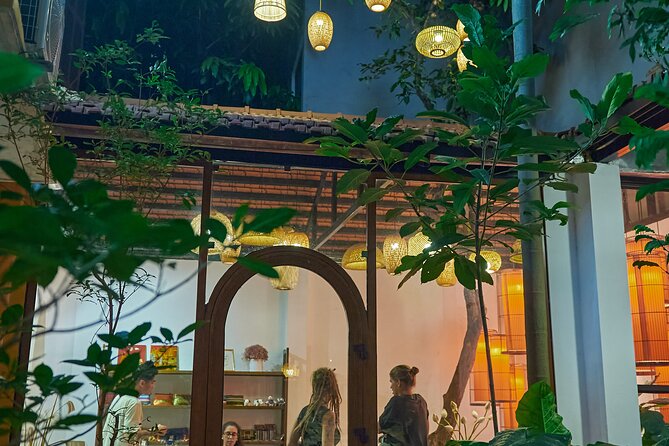
The experience lasts about two hours and ends back at the meeting point. It is near public transportation, and the mobile ticket makes it easy to keep the booking on your phone.
Wear something comfortable and suitable for kitchen work. The villa has air conditioning, but hot pans and cooking activity can still make the room warm at times.
Service animals are allowed. Confirmation is provided at booking, and the class can accommodate a large maximum capacity, although your actual session may be much smaller.
You can cancel for a full refund up to 24 hours before the start time. Changes or cancellations inside 24 hours are not accepted and are not refunded. Poor weather or failure to meet the minimum number of participants can lead to a rescheduled activity or a full refund.
The community purpose behind the kitchen
The school’s community initiative gives elder women from small rural towns stable and respectful work. Their presence adds a human side to the lesson, since cooking instruction becomes tied to lived food traditions rather than only restaurant technique.
That matters if you prefer activities that connect spending with local people. The role is not presented as a staged cultural show. Instead, the class uses cooking, conversation, and food knowledge to give older women a place in the experience.
You should still book this for the food and teaching first. The community purpose is a meaningful benefit, but the quality of your visit depends mainly on your instructor, chosen dish, group size, and how much interaction takes place that day.
Is Rose Kitchen worth booking?
Book it if you want an affordable, friendly cooking lesson in Hanoi where you make one dish instead of watching a demonstration. The strongest choices are banh xeo if you want an active cooking task, bun cha if you want a Hanoi specialty, and egg coffee if you want to try a local classic.
Choose another activity if you want a full market tour, several dishes, or a long technical session on Vietnamese cuisine. At $19, Rose Kitchen offers good value for a short, focused introduction, especially when you add the meal, coffee, tea, guidebook, and personal stories.
For most visitors, the best approach is to treat this as a relaxed food lesson with a cultural side, not as a complete cooking school. Pick the dish you most want to understand, arrive ready to participate, and save room for the coffee at the end.
FAQ
How long does the Hanoi cooking class last?
The class lasts approximately two hours and ends back at the Rose Kitchen meeting point.
Where does the cooking class meet?
It meets at Rose Kitchen Cooking Class, 7/32, alley 173/75, Hoang Hoa Tham Street, Ngoc Ho, Ba Dinh, Hanoi.
Which dishes can I choose to cook?
You can choose banh xeo, Hanoi-style nem ran, goi cuon, bun cha, cha ca la vong, pho bo, or pho ga. Vegetarian options are available for all dishes.
How many dishes do I cook during the class?
You cook one iconic Vietnamese dish during the workshop.
Which coffee is included?
You can choose one complimentary coffee: egg coffee, coconut coffee, salt coffee, or classic ca phe nau or ca phe den drip coffee.
Is a market visit included?
A market visit has been part of some sessions, including ingredient shopping and basic Vietnamese phrases for greetings and asking prices. The available details do not confirm that it happens on every class.
Can I cancel for a refund?
Yes. You can cancel at least 24 hours before the local start time for a full refund. Cancellations or changes made within 24 hours are not refunded.
More Workshops in Hanoi
- Hanoi: Handcrafted Wood Carving Workshop with Local Artisan
★ 5.0 · 733 reviews - Hanoi Cooking Class and Market Tour in Ancient House
★ 5.0 · 379 reviews - Hanoi Maya Kitchen: Traditional Cooking Class & Market Tour
★ 5.0 · 287 reviews - Bat trang Pottery Class in Hanoi Old Quarter/Handmade experience
★ 5.0 · 247 reviews
Recently reviewed around Hanoi
- Female Riders Vespa Night Street Food + Train Street food 4 Hours★ 5.0 · 35 reviews
- Beautiful Female Riders Vespa Red River Countryside Tour 5 Hours★ 5.0 · 23 reviews
- Red River Delta Countryside+ Rural Villages, rice Paddies fields★ 5.0 · 134 reviews
- The insider’s Hanoi 4.5 hours All highlight Places & Train Street★ 5.0 · 41 reviews
- The insider’s Hanoi + Train Street 4,5 Hours Female Ao Dai Riders★ 5.0 · 53 reviews
- Street Foods Hanoi Kim Tours Vietnam★ 5.0 · 140 reviews
- Hanoi Jeep Tour – Ba Vi National Park Full Day Tour★ 5.0 · 21 reviews
- Ninh Binh Full Day Tour from Hanoi to Hoa Lu, Trang An & Mua Cave★ 5.0 · 31 reviews
Cooking Classes, compared.

Hanoi Cooking Class: Culture, Local Market & Meaning CSR Impact
Read our review →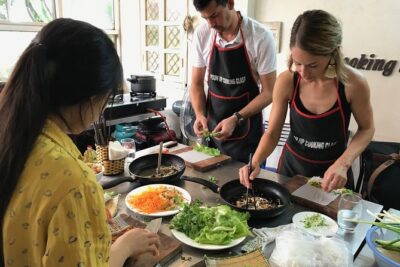
5 Traditional Dishes Hanoi Cooking Class with Market Trip
Read our review →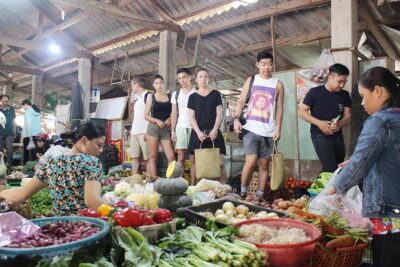
Cooking Class Hoi An:Local Market, Basket Boat, Fishing & Cooking
Read our review →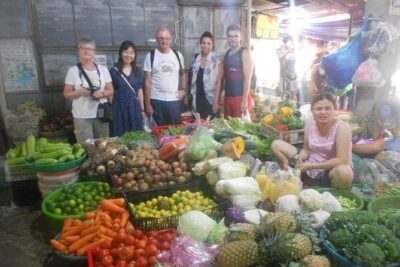
Hoi An Cooking Class(Market,BasketBoat Crabfishing&Cooking Class)
Read our review →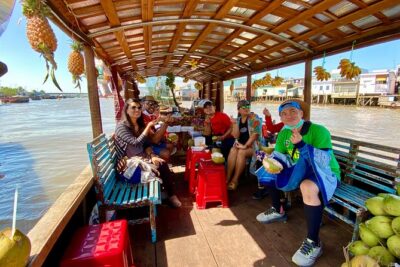
Cai Be Mekong Delta Tour: Cooking Class, Cycling & Craft Villages
Read our review →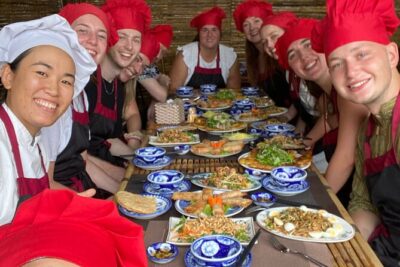
Hoi An Cooking Class(Local market,Basket Boat,Fishing & Cooking)
Read our review →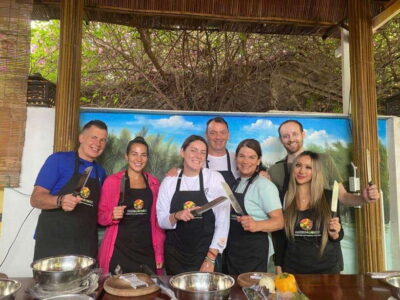
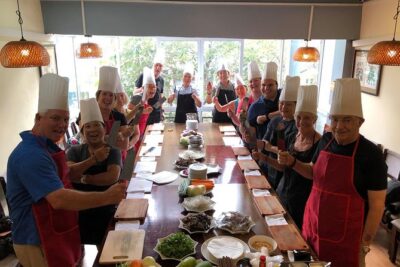
Vietnamese Food Cooking Class in Hanoi with Market Experience
Read our review →Browse the lists this tour appears in