
Reviewed · COOKING CLASSES
Hanoi: 5 Local Dishes Cooking Class with Meal & Market Visit
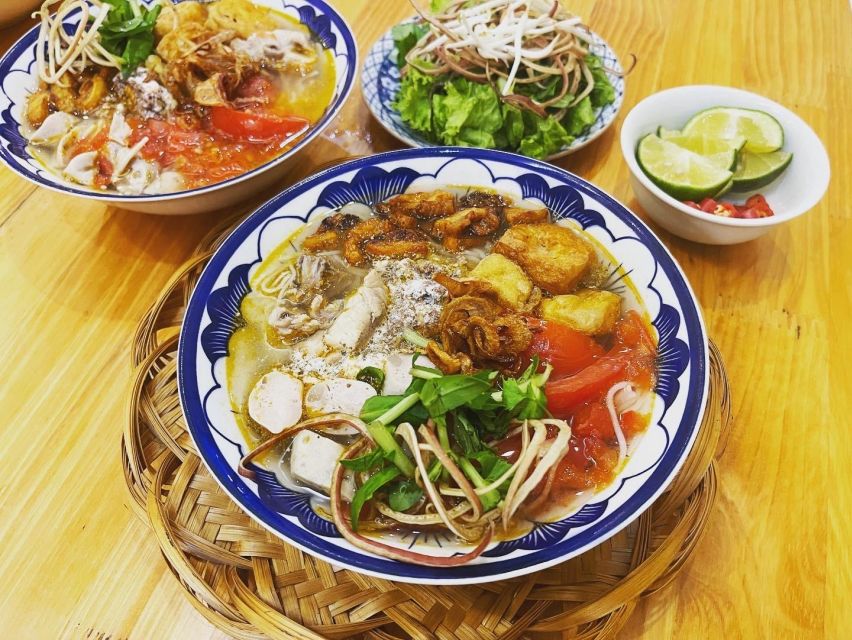
The best part of this 3.5-hour Hanoi cooking class is that the meal at the end is not simply served to you. You shop for ingredients at a local wet market, prepare five dishes with an English-speaking chef, then sit down to eat what you made. That makes lunch or dinner feel earned, and it gives you a better sense of how Vietnamese flavors come together.
I like the market visit because it turns a standard cooking lesson into a look at daily food shopping. I also like the choice between two menus, plus vegetarian versions of the dishes. The main consideration is practical: transportation is not included, and the class is not suitable for wheelchair users, people with mobility impairments, or children under four.
In This Review
- Key points to know before booking
- Why cooking five dishes makes this more than a meal
- Starting in Hanoi’s Old Quarter
- Shopping for ingredients at a Hanoi wet market
- Choosing between the two five-dish menus
- Hands-on cooking with clear guidance
- Eating the food you prepared
- What $40 per person gets you
- Who will enjoy this class most
- Practical details that affect your choice
- Should you book the Apron Up cooking class?
- FAQ
- Where does the Hanoi cooking class begin?
- Where does the activity end?
- How long does the cooking class last?
- How many dishes will I cook?
- What dishes can I choose from?
- Can the menus be adapted for vegetarians?
- Is transportation included?
- What is included besides the cooking lesson?
- Is the class suitable for children and people with mobility impairments?
Key points to know before booking
- Five dishes in one session: You cook a full spread, not just one signature recipe.
- A real market stop: Your chef selects fresh ingredients and explains how to shop for them.
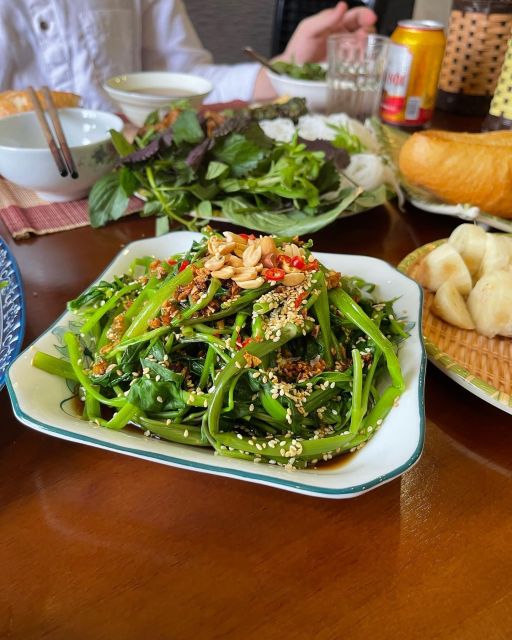
- Two menu choices: Pick the menu with pho, spring rolls, papaya salad, and egg coffee, or the menu with banh xeo, bun cha, noodle soup, fresh rolls, salad, and banana ice cream.
- Vegetarian adaptations: The set menus can be adjusted so you are not left with a token side dish.
- Useful take-home extras: You receive a cookbook and certificate, with rice whisky, tea, and fruit included.
- Strong teaching record: Instructors including Vy, Winnie, Bella, Ruby, Kim, and Perla are praised for patience, clear demonstrations, and friendly group spirit.
Why cooking five dishes makes this more than a meal
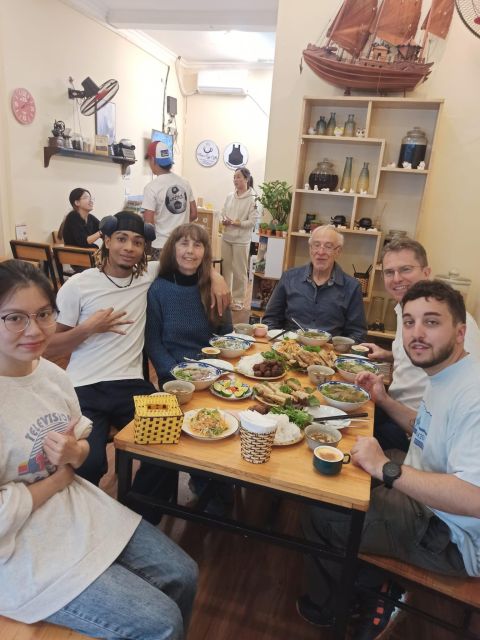
A cooking class can be a pleasant way to fill an afternoon, but this one gives you several useful layers in a short span. You learn about ingredients at the market, practice basic preparation, follow a sequence of dishes, and then eat the results together.
The five-dish format is especially good if you want a broad introduction to northern Vietnamese cooking. Instead of spending the whole class on one complicated recipe, you get a taste of several familiar Hanoi favorites. You may work with rice paper, noodles, herbs, vegetables, meat, dipping sauces, and coffee, depending on the menu you select.
I like this approach because Vietnamese food depends on balance. Fresh herbs, sour notes, sweetness, salt, texture, and heat all have to work together. A class that covers five dishes gives you more chances to see that balance in action.
The atmosphere also appears to suit mixed groups. Some people arrive with plenty of cooking experience, while others are just starting out. Ruby, Kim, and Vy are praised for repeating demonstrations and adjusting their help to different skill levels. That matters if you are nervous around a knife, unsure how to roll a spring roll, or simply not used to the order of Vietnamese preparation.
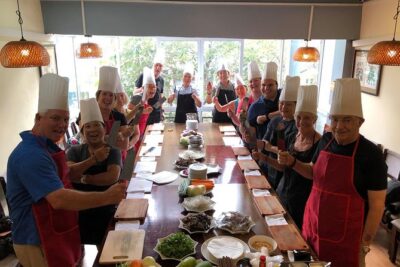
The format is social without requiring you to be especially outgoing. You work alongside other people, divide up tasks, and sit down together afterward. For solo visitors, this can be a pleasant way to meet people over a shared meal. For couples and families with older children, the hands-on work gives everyone something to do.
More Cooking Classes in Hanoi
- Hanoi Cooking Class: Culture, Local Market & Meaning CSR Impact
★ 5.0 · 5,147 reviews - 5 Traditional Dishes Hanoi Cooking Class with Market Trip
★ 5.0 · 4,890 reviews - Vietnamese Food Cooking Class in Hanoi with Market Experience
★ 5.0 · 778 reviews
Starting in Hanoi’s Old Quarter
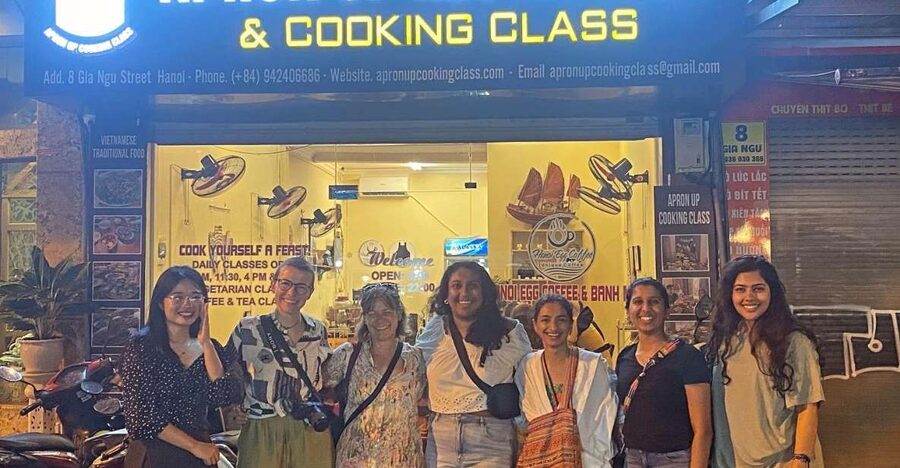
You meet at Apron Up Cooking Class, marked by a large Apron Up sign in front of the venue. The class begins and ends at this same meeting point, so you need to make your own way there. Since transportation is not included, allow extra time to reach the Old Quarter and locate the sign.
The meeting point is useful for a class like this. The Old Quarter puts you close to the everyday food culture that gives Hanoi its character, and the activity does not require a separate pickup arrangement. Still, you should not expect hotel transport as part of the $40 price.
An English-speaking instructor welcomes you and explains the plan. Past classes have been led by teachers including Winnie, Vy, Bella, Ruby, Kim, Perla, Ashley, and Vi. The individual instructor can affect the tone of the session, but the teaching style described across the class is consistent: clear demonstrations, encouragement to participate, and plenty of help when a step needs repeating.
The duration is 3.5 hours. That is long enough for a market visit, five dishes, and a sit-down meal, but the schedule is likely to keep moving. You will not be spending an hour chatting over coffee before cooking begins. If you prefer a slow, unstructured food tour, this may feel busy. If you want to make a lot in one morning or afternoon, the pace is a strength.
Shopping for ingredients at a Hanoi wet market
The market visit gives the class a useful start. You do not simply walk into a prepared kitchen with bowls of ingredients already measured. Instead, the chef takes you to a local wet market and selects fresh supplies for the dishes.
This part is less about buying souvenirs and more about learning how ingredients are chosen. Your instructor can point out what to look for when selecting produce and explain the ingredients used in the recipes. One particularly useful detail is learning how to judge freshness, something that is difficult to pick up from a printed recipe alone.
The market also helps put Vietnamese cooking in context. Herbs, vegetables, noodles, meat, and other ingredients are not abstract items from a supermarket shelf. You see them as part of ordinary food shopping, then use them a short time later.
You should wear comfortable shoes and expect a practical food market setting. The activity is not suitable for people with mobility impairments or wheelchair users, so the market portion is an important consideration when deciding if this is the right outing for you.
The market stop will likely be most valuable early in your Hanoi visit. It gives you names and visual clues for ingredients you may encounter at restaurants and street stalls later. Even if you never reproduce every dish at home, you will have a better idea of what goes into the food on your plate.
Choosing between the two five-dish menus
The two menus give you a real choice rather than a small variation. You can choose one class, or take two classes if you want to learn both sets of dishes.
The first menu includes:
- Banh xeo pancakes
- Bun cha, grilled pork with noodles
- Pork rib noodle soup
- Beef fresh rolls
- Chicken salad
- Banana ice cream
The second menu includes:
- Pho
- Bun cha
- Fried spring rolls
- Papaya salad
- Egg coffee
The exact balance of cooking time may vary by dish, but both menus cover a wide range of Vietnamese textures and techniques. Banh xeo and fried spring rolls give you crisp elements. Bun cha and noodle soup focus on broth, grilling, or savory seasoning. Fresh rolls bring in herbs and wrapping technique, while papaya salad and chicken salad add fresh, crunchy contrast.
The menu with pho and egg coffee may appeal most if you want two of Hanoi’s best-known food experiences in one session. The other menu offers more variety in the form of pancakes, fresh rolls, soup, salad, and banana ice cream.
Bun cha appears on both options. That is useful if grilled pork and noodles are high on your list, but it also means you should not choose a menu expecting five entirely unrelated dishes. The shared dish gives both menus a clear Hanoi connection.
Vegetarian adaptations are available for either set menu. This is more useful than a vague promise of vegetarian food because the class allows you to participate in the same meal structure. Still, if you have dietary restrictions beyond vegetarian preferences, the supplied details do not specify how those needs are handled, so ask before booking.
More Market Tours in Hanoi
- Hanoi Cooking Class and Market Tour in Ancient House
★ 5.0 · 379 reviews - Rose Kitchen Hanoi: Market, Cooking & Culture Tour + Free PickUp
★ 5.0 · 342 reviews - Hanoi Maya Kitchen: Traditional Cooking Class & Market Tour
★ 5.0 · 287 reviews - Hanoi: Old Quarter Market Tour and Cooking Class with Meal
★ 4.8 · 192 reviews
Hands-on cooking with clear guidance
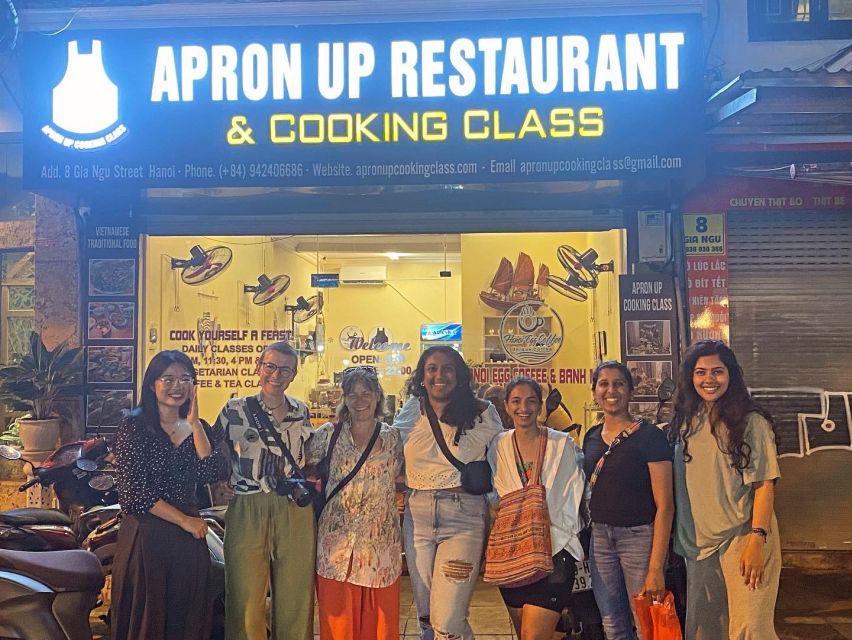
The class is designed around participation. You get step-by-step instruction, use the provided tools and ingredients, and help prepare each dish rather than watching a chef do everything.
That distinction matters. A demonstration-only class can be entertaining, but it may leave you unsure how to repeat the recipe. Here, you are expected to roll up your sleeves and take part. The value is in learning practical actions, such as preparing ingredients, assembling rolls, working with noodles, and following the order in which components come together.
The instructors receive particularly strong praise for patience. Kim has been described as happy to demonstrate a step more than once. Ruby is noted for clear explanations and support for beginners. Perla helped a young teenager take part and even introduced Vietnamese words for the ingredients being used.
The teaching appears to work well for groups with uneven cooking ability. You do not need to arrive as an experienced home cook. If you already cook often, you can focus on seasoning, technique, and the differences between Vietnamese and Western kitchen habits.
One honest point: a group class cannot give every person constant one-to-one attention. In quieter sessions, some groups have effectively received private instruction because no other bookings were present. That can happen, but you should book for the group-class format rather than assume you will have the chef alone.
Eating the food you prepared
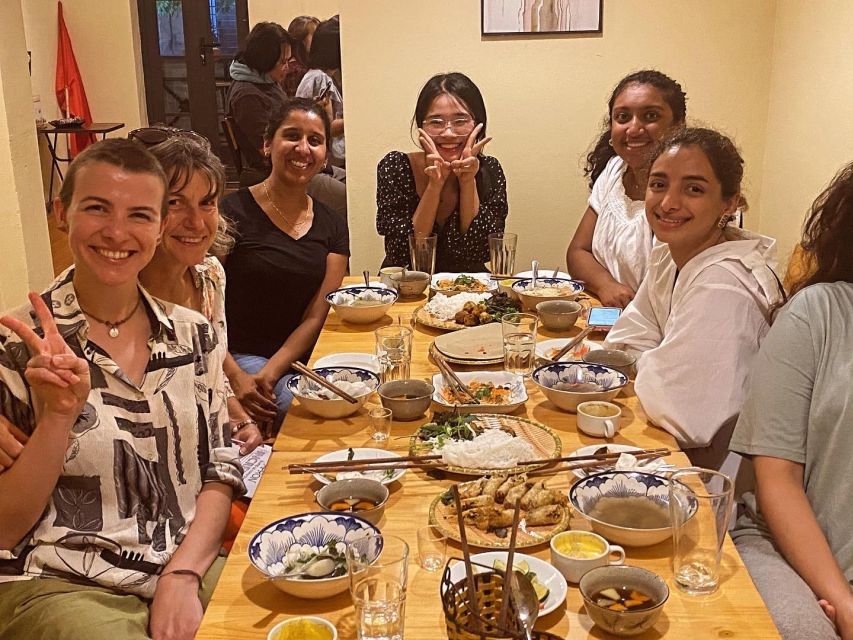
After the cooking is done, you sit down for lunch or dinner and eat the five dishes. This is the moment that makes the class feel complete. You can taste the results while the preparation is still fresh in your mind, and you can connect each dish to the steps you just practiced.
The shared meal also adds a friendly social element. You have worked as a team, so sitting together feels more natural than eating at separate tables in a restaurant. This is one reason the class suits solo visitors who want a low-pressure social activity.
Tea, homemade rice whisky, and seasonal fruit are included. The rice whisky is a small cultural extra, not a substitute for the meal. If you do not drink alcohol, the core cooking experience does not depend on it, though the details do not specify an alternative beverage beyond tea.
Egg coffee is included on one menu. If you have never tried this Hanoi specialty, the class gives you a chance to make it rather than only order it. Since it is part of a five-dish menu, it also provides a sweet finish to a meal that includes savory dishes and fresh salads.
The recipes are not just decorative. You receive a cookbook to take home, so you can refer back to the dishes after your trip. The certificate is a pleasant souvenir, while the cookbook is the more useful of the two for most people.
What $40 per person gets you
At $40 per person, the price covers an English-speaking instructor, the market trip, ingredients, tools, a hands-on class, a full meal, tea, rice whisky, fruit, a cookbook, and a certificate.
I consider that fair value if you take part fully. You are paying for more than a meal, but the meal alone is not the reason to book. The stronger value comes from combining a market visit with practical instruction and five dishes in 3.5 hours.
The price also removes several small costs that can add up in a cooking activity. You do not need to buy ingredients, rent equipment, or arrange a separate meal afterward. The class finishes back at the meeting point, which keeps the plan simple.
The value is weaker if you mainly want to watch a professional cook or eat restaurant-quality food without doing kitchen work. Hanoi offers many inexpensive meals, and a cooking class requires your time and attention. Book it for the skills, market experience, and shared meal, not just for lunch.
Some sessions may offer a premium package at a higher price. The details supplied here do not explain what that package includes, so compare the inclusions carefully before paying extra.
Who will enjoy this class most
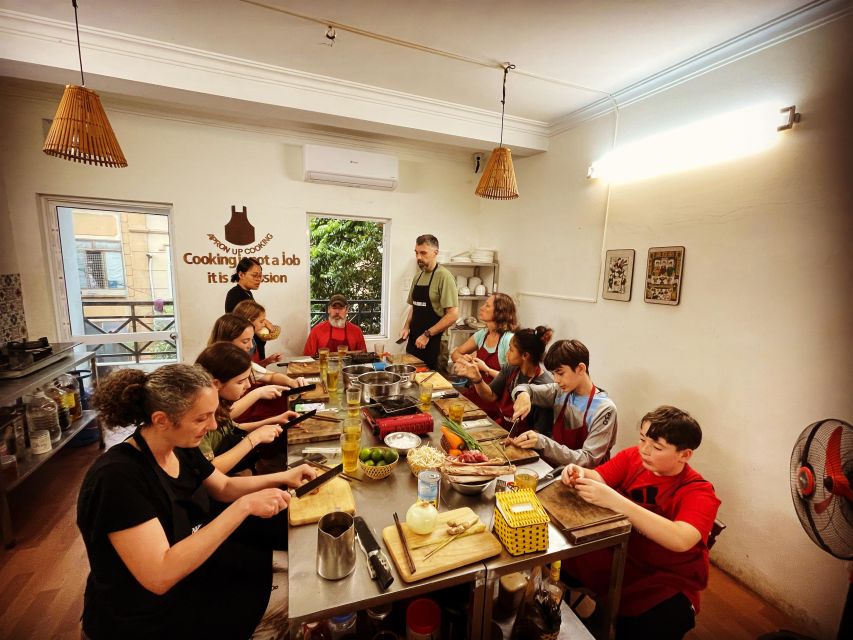
I would choose this activity if you want a practical introduction to Vietnamese food and prefer doing something rather than only sightseeing. It suits couples, solo visitors, food-focused families with children aged four and older, and small groups of friends.
Beginners should feel comfortable booking. The class is built around guided steps, and the teaching style is described as patient and easy to follow. You do not need to know Vietnamese cooking terms before arriving.
Vegetarians are also well served because both menus can be adapted. That is one of the stronger features here, since you can still take part in the same cooking process and sit down to a complete meal.
I would be more cautious if you have limited mobility, use a wheelchair, or need a fully accessible setting. The activity is specifically listed as unsuitable for wheelchair users and people with mobility impairments. It is also not suitable for children under four or people over 95.
If you have only one free morning or afternoon in Hanoi, the class gives you a lot in one block of time. If you have several days, you might consider taking both menu options, especially if pho, bun cha, spring rolls, and egg coffee are all on your food list.
Practical details that affect your choice
The class is conducted in English. That makes ingredient explanations and cooking instructions easier to follow, though one participant found Bella occasionally difficult to understand. Most of the feedback emphasizes clear teaching, but accents and kitchen noise can still matter in a group setting.
Starting times vary, so check availability when booking. The listed duration is 3.5 hours, and the activity ends at the Apron Up meeting point.
Cancellation is flexible up to 24 hours before the start time for a full refund. You can also reserve now and pay later, which helps if your Hanoi schedule is still shifting.
The most important preparation is simply arriving at the right place and wearing practical clothing. You will visit a market, handle ingredients, and cook several dishes, so comfortable shoes and clothes you do not mind wearing in a kitchen are sensible choices.
Should you book the Apron Up cooking class?
Book this class if you want to learn how Hanoi food is made, not just eat it. The market visit, five-dish format, vegetarian adaptations, cookbook, and shared meal give the $40 price solid value.
I especially recommend it early in your Hanoi stay. You will gain useful food vocabulary, recognize more ingredients, and understand several dishes you may order later. Pick the pho and egg coffee menu if those are priorities, or choose the other menu for banh xeo, fresh rolls, soup, salad, and banana ice cream.
Skip it if you dislike hands-on activities, need accessible facilities, or want a quiet meal with no schedule. For everyone else, this is a well-focused way to spend 3.5 hours, with enough food to make lunch or dinner and enough instruction to keep cooking after Vietnam.
FAQ
Where does the Hanoi cooking class begin?
You meet at Apron Up Cooking Class in Hanoi’s Old Quarter. Look for the large Apron Up sign in front of the venue.
Where does the activity end?
The class ends back at the same meeting point where it began.
How long does the cooking class last?
The activity lasts 3.5 hours. Starting times vary, so check availability for the date you want.
How many dishes will I cook?
You will take part in making five traditional Vietnamese dishes during the class.
What dishes can I choose from?
One menu includes banh xeo pancakes, bun cha, pork rib noodle soup, beef fresh rolls, chicken salad, and banana ice cream. The other includes pho, bun cha, fried spring rolls, papaya salad, and egg coffee.
Can the menus be adapted for vegetarians?
Yes. Both set menus can be adapted for vegetarian diets.
Is transportation included?
No. Transportation is not included, and you must make your own way to the Apron Up meeting point.
What is included besides the cooking lesson?
The price includes an English-speaking instructor, market visit, ingredients, tools, lunch or dinner, tea, rice whisky, fruit, a cookbook, and a certificate.
Is the class suitable for children and people with mobility impairments?
The class is not suitable for children under four, wheelchair users, or people with mobility impairments. It is also listed as unsuitable for people over 95.
More Workshops in Hanoi
- Hanoi Coffee Workshop: Taste Salt, Coconut and Egg Coffee
★ 5.0 · 1,286 reviews - Hanoi: Salt Coffee Workshop Awake Your Senses With 6 Brews
★ 5.0 · 792 reviews - Hanoi: Handcrafted Wood Carving Workshop with Local Artisan
★ 5.0 · 733 reviews - Hanoi Cooking Class: Pho/Bun Cha/Banh Xeo…+Free Egg/Salt Coffee
★ 5.0 · 267 reviews
More Shopping Tours in Hanoi
- Local Market Tour and Private Cooking Class
★ 5.0 · 104 reviews - Hanoi Cooking Class: Market Tour, Free Liquor & Coffee Tasting
★ 5.0 · 86 reviews - Cooking class with market visit
★ 5.0 · 49 reviews - Hanoi Cooking Class and Market Tour with Chef Tien
★ 5.0 · 35 reviews
Recently reviewed around Hanoi
- Female Riders Vespa Night Street Food + Train Street food 4 Hours★ 5.0 · 35 reviews
- Beautiful Female Riders Vespa Red River Countryside Tour 5 Hours★ 5.0 · 23 reviews
- Red River Delta Countryside+ Rural Villages, rice Paddies fields★ 5.0 · 134 reviews
- The insider’s Hanoi 4.5 hours All highlight Places & Train Street★ 5.0 · 41 reviews
- The insider’s Hanoi + Train Street 4,5 Hours Female Ao Dai Riders★ 5.0 · 53 reviews
- Street Foods Hanoi Kim Tours Vietnam★ 5.0 · 140 reviews
- Hanoi Jeep Tour – Ba Vi National Park Full Day Tour★ 5.0 · 21 reviews
- Ninh Binh Full Day Tour from Hanoi to Hoa Lu, Trang An & Mua Cave★ 5.0 · 31 reviews
Cooking Classes, compared.

Hanoi Cooking Class: Culture, Local Market & Meaning CSR Impact
Read our review →
5 Traditional Dishes Hanoi Cooking Class with Market Trip
Read our review →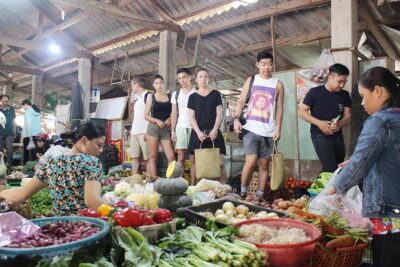
Cooking Class Hoi An:Local Market, Basket Boat, Fishing & Cooking
Read our review →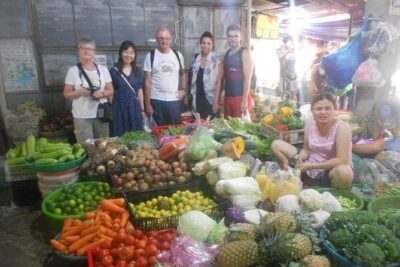
Hoi An Cooking Class(Market,BasketBoat Crabfishing&Cooking Class)
Read our review →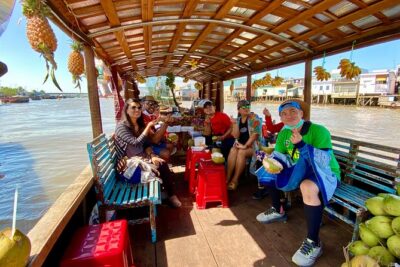
Cai Be Mekong Delta Tour: Cooking Class, Cycling & Craft Villages
Read our review →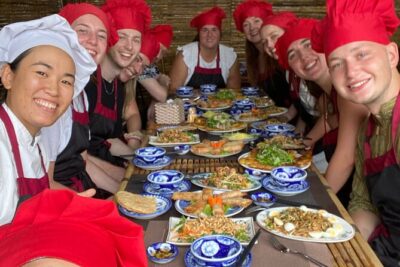
Hoi An Cooking Class(Local market,Basket Boat,Fishing & Cooking)
Read our review →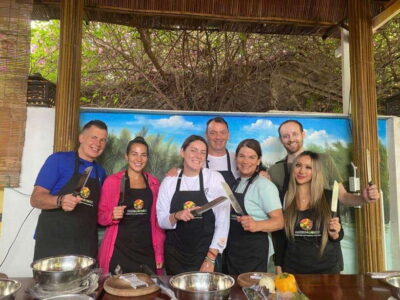
Vietnamese Food Cooking Class in Hanoi with Market Experience
Read our review →Browse the lists this tour appears in