
Reviewed · COOKING CLASSES
Hanoi Maya Kitchen: Traditional Cooking Class & Market Tour
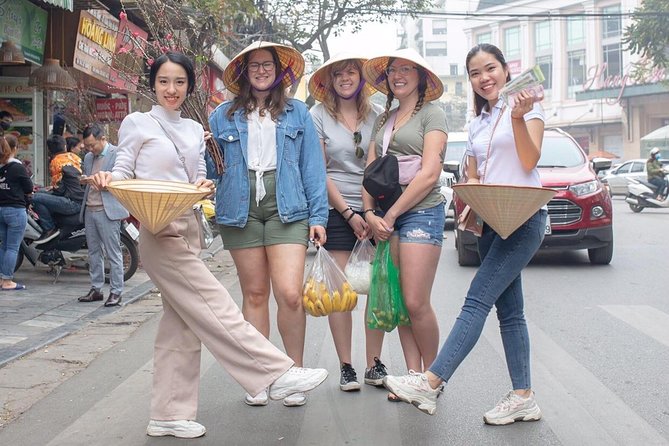
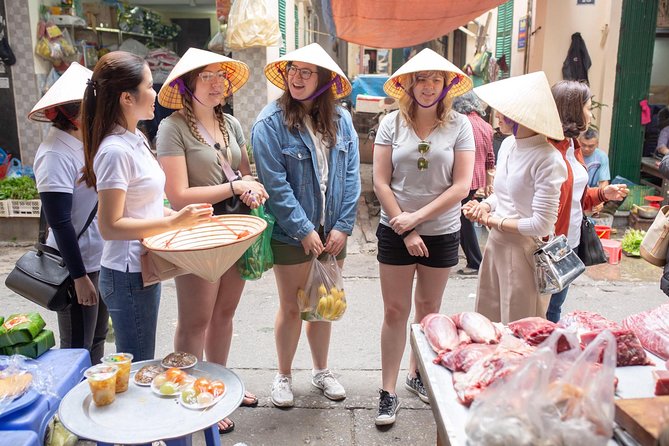
Hanoi Maya Kitchen begins with the best part: you go to a real neighborhood market before cooking. At Yen Thai or Hang Da Market, depending on the day’s arrangement, you see the ingredients, buy fresh food, and learn what Vietnamese cooks use at home. Then you return to the kitchen and make a full meal rather than watching a chef work.
I like the market-to-table format, and I like the sheer amount of food: four savory dishes, egg coffee, fruit, and a drink. Guides named Iris, Ruby, and Aurora have led sessions, with clear step-by-step help and, in Aurora’s case, even some singing. The main consideration is timing and meeting point confusion: the details list both 38 Bat Su Street and 47 Hang Bong Street, so confirm the exact start location before setting out.
In This Review
- Key points at a glance
- Starting in Hanoi’s Old Quarter
- Reading Hanoi through Yen Thai or Hang Da Market
- Making Nem Ran, Hanoi’s crisp spring rolls
- Balancing sour and sweet in papaya salad
- Folding Pho Cuon and mixing Pho Tron
- Whisking Vietnamese egg coffee
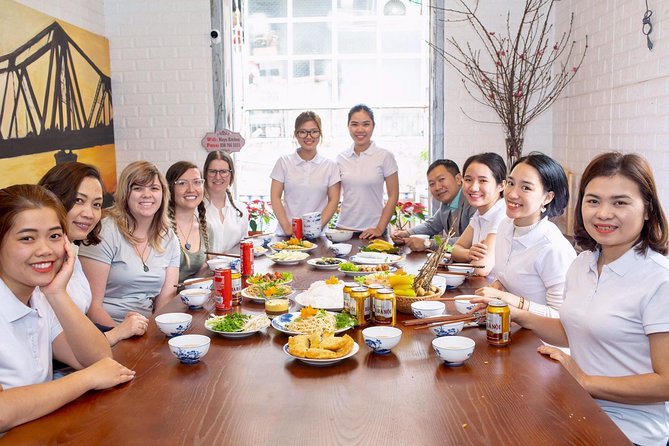
- Sitting down to the meal you made
- The instructors and teaching style
- Is $30 a good value?
- Who should book this Hanoi cooking class?
- Practical details before you book
- Should you book Hanoi Maya Kitchen?
- FAQ
- How long does the cooking class and market tour last?
- Where does the activity start?
- Which market does the tour visit?
- What dishes will I cook?
- Is a meal included?
- Is local wine included?
- Is transportation included?
- What is the cancellation policy?
Key points at a glance
- Four dishes plus egg coffee: Make fried spring rolls, papaya salad, pho rolls, mixed pho, and Vietnamese egg coffee.
- A genuine ingredient stop: Visit a local Hanoi market before class and see unfamiliar produce up close.
- A generous final meal: Eat what you prepare, with seasonal fruit, one drink, and local wine tasting included.
- Small enough for hands-on work: The group limit is 15 people, so you should have a fair chance to cook.
- Useful for first-time cooks: The English-speaking instructor works step by step, including the tricky rolling of spring rolls.
- Good value at $30: Four hours of instruction, market time, a meal, drinks, wine tasting, and a recipe make this a strong food experience for the price.
Starting in Hanoi’s Old Quarter
This four-hour class is built for people staying in or near the Old Quarter. You meet the group at the listed starting point, 38 P. Bat Su, Hang Bo, Hoan Kiem, Hanoi, then head to a nearby market. Another part of the booking information names the Crossing Vietnam Tour office at 47 Hang Bong Street as the meeting point, so I would not rely on memory or an old confirmation. Check the address sent with your booking.
No hotel pickup or drop-off is included. That keeps the cost down, but you need to reach the meeting point yourself. The activity ends back at the meeting point, which makes it easier to plan the rest of your day in Hanoi.
The group can have up to 15 people. That is not a private lesson, but it is still a manageable size for a class where you need to shape rolls, mix ingredients, and follow several recipes. If you want one-on-one instruction at every stage, a private class would suit you better. For most people, this group size offers a fair balance between social time and practical cooking.
More Cooking Classes in Hanoi
- Hanoi Cooking Class: Culture, Local Market & Meaning CSR Impact
★ 5.0 · 5,147 reviews - 5 Traditional Dishes Hanoi Cooking Class with Market Trip
★ 5.0 · 4,890 reviews - Vietnamese Food Cooking Class in Hanoi with Market Experience
★ 5.0 · 778 reviews
Reading Hanoi through Yen Thai or Hang Da Market
The market visit gives this class more purpose than a standard cooking demonstration. You do not simply arrive in a kitchen with premeasured ingredients. You first see the food in its everyday setting, then learn what you will use and what substitutes may work at home.
The detailed route names Yen Thai Market, while the stop heading lists Hang Da Market. Both are associated with the Old Quarter area, but the information does not make clear whether the provider uses one market or the other on different days. Treat the market name as something to confirm with the operator.
Expect a local food-buying stop, not a polished sightseeing attraction. You may see the vegetables, herbs, noodles, and other ingredients that give Vietnamese cooking its balance of fresh, sour, sweet, salty, and savory flavors. The useful part is learning how ingredients appear before they reach a restaurant kitchen.
This is also where the instructor can explain substitutes. That matters if you want to recreate the dishes after returning home, since some Vietnamese ingredients may be difficult to find. The market visit helps you connect a name on a recipe card with the actual food.
Allow for the fact that markets can be crowded and active. The tour information promises a look at local life and food buying, not a long guided history lesson. If your main goal is sightseeing, the market section may feel brief. If your goal is cooking, it sets up the class well.
Making Nem Ran, Hanoi’s crisp spring rolls
The first major cooking task is nem ran, or fried spring rolls. The instructor guides you step by step, with special attention to rolling them evenly. This sounds simple until you try to make several rolls that are the same size and hold together.
That hands-on part is one of the strongest reasons to book the class. You are not only tasting a finished spring roll. You are learning the hand movement, pressure, and shape needed to prepare one. The class describes this as a dish linked with holidays and family gatherings, so it gives you a small window into how food fits Vietnamese celebrations.
The cooking order also makes sense. Spring rolls require careful preparation and shaping, so starting with them gives you time to work through the fiddly part before moving to quicker dishes. You should expect the instructor to correct your technique as you go.
The final meal includes the spring rolls you make. One practical tip: do not eat a large breakfast before the class. The portions are generous, and the meal includes much more than a small sample of each dish. Some participants have had enough food to take leftovers away in special containers, though containers should not be treated as a guaranteed inclusion.
Balancing sour and sweet in papaya salad
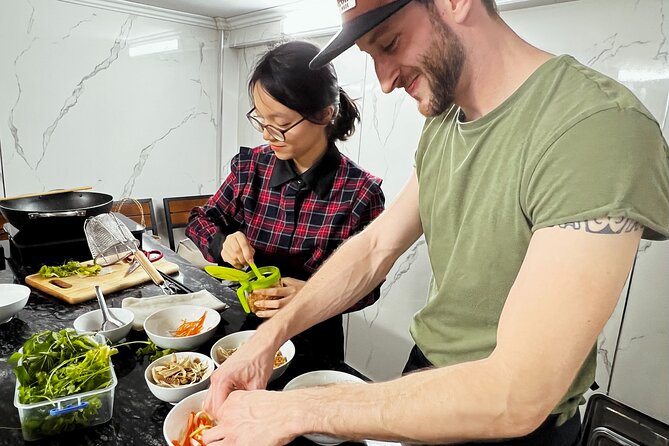
Next comes nom du du, Vietnamese papaya salad. Its central profile is sour and sweet, a useful introduction to the balance that runs through much Vietnamese food.
This is a good dish for understanding how a few fresh ingredients can create a sharp, lively side. The class lets you prepare it yourself rather than simply handing you a bowl. You can taste how the flavors come together and see how adjusting the balance changes the result.
Papaya salad also gives the meal contrast. The fried spring rolls are crisp and savory, while the salad brings freshness and acidity. That contrast is part of what makes the final spread feel like a proper meal instead of five unrelated recipes.
The provided menu repeats papaya salad under slightly different wording, but it appears to be one dish, not two separate salads. The menu also includes seasonal fruit for dessert, so the meal ends with something simple and fresh.
More Market Tours in Hanoi
- Hanoi: 5 Local Dishes Cooking Class with Meal & Market Visit
★ 5.0 · 420 reviews - Hanoi Cooking Class and Market Tour in Ancient House
★ 5.0 · 379 reviews - Rose Kitchen Hanoi: Market, Cooking & Culture Tour + Free PickUp
★ 5.0 · 342 reviews - Hanoi: Old Quarter Market Tour and Cooking Class with Meal
★ 4.8 · 192 reviews
Folding Pho Cuon and mixing Pho Tron
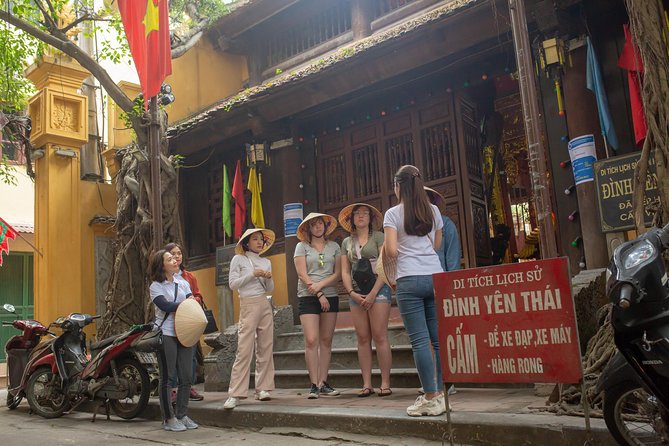
The class also covers pho cuon, or pho rolls, and pho tron, or mixed pho. These are useful choices for a cooking class because they show pho in forms beyond the familiar hot noodle soup.
Pho rolls give you another rolling exercise, this time using pho sheets. You can expect the instructor to explain how to assemble and handle them, though the available details do not list every filling or sauce. Mixed pho is prepared without the soup format associated with traditional pho, giving you a different way to work with noodles and Vietnamese flavors.
Together, these dishes broaden your picture of Vietnamese cooking. You leave having worked with rolls, salad, noodles, and coffee, rather than spending four hours on one specialty. That variety is especially useful if you are trying to decide what Vietnamese foods you enjoy before ordering more meals around Hanoi.
The tradeoff is depth. Four dishes and egg coffee in one session means the instructor must keep the class moving. You will learn the main method for each recipe, but you should not expect a professional chef’s full technical course on every sauce, cut, or regional variation.
Whisking Vietnamese egg coffee
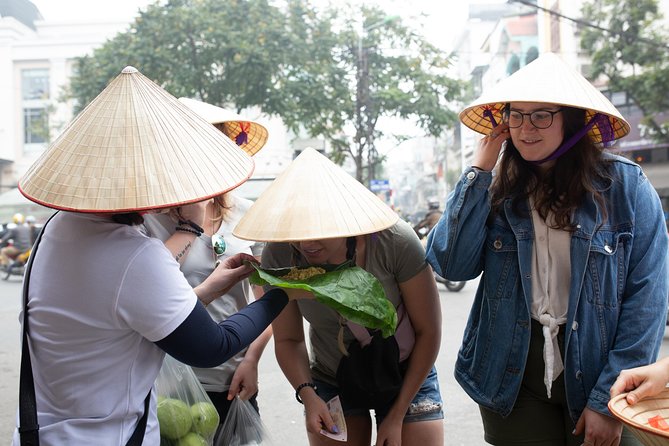
The last standout item is ca phe trung, Vietnamese egg coffee. It is a Hanoi specialty and a memorable finish to the cooking session.
Egg coffee is made by combining coffee with a whipped egg mixture. The supplied details do not provide the exact technique or equipment, so the instructor’s demonstration matters here. Ruby is specifically praised for the cooking lesson and egg coffee, while Iris and Aurora are also named as instructors from different sessions.
The coffee adds a local touch that a standard cooking class might leave out. You have already prepared savory food, and now you learn a drink strongly associated with Hanoi. It is also a good reason to book this experience even if you already know how to make spring rolls or salad.
The menu includes one drink, such as water, tea, or coffee, plus local wine tasting. Egg coffee is part of the cooking menu, so the drink inclusion appears to cover an additional beverage. Ask the instructor if you need to know exactly which option will be served on your date.
Sitting down to the meal you made
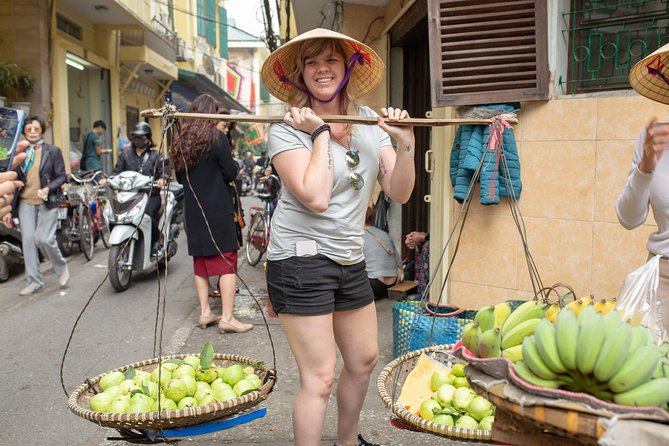
After the cooking, you eat the dishes together. The menu includes fried spring rolls, papaya salad, pho rolls, mixed pho, egg coffee, seasonal fruit, and one drink. Local wine tasting is also included.
I value this final meal because it gives the recipes a clear payoff. You can taste the results while the instructions are still fresh, compare the balance of each dish, and decide which recipes you want to repeat at home.
The portions appear generous. If you are a family or a group with light appetites, you may have leftovers. The experience is not a quick tasting, so plan your day around a substantial meal and avoid scheduling another major food activity immediately afterward.
The food is also social. You share the table with the people in your class, which can make the session feel more like a meal with new acquaintances than a private lesson. That is a plus if you enjoy conversation. It may be less appealing if you prefer quiet, individual cooking.
The instructors and teaching style
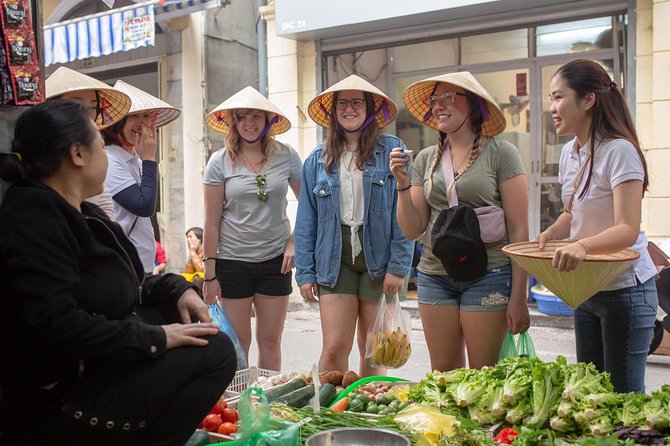
The English-speaking instructor is the key to how much you get from the class. Names connected with recent sessions include Iris, Ruby, and Aurora. Iris is associated with the market ingredient selection and step-by-step kitchen guidance. Ruby is noted for clear cooking instruction, egg coffee, and local food recommendations. Aurora is associated with Vietnamese stories, singing, and a well-organized market-to-kitchen session.
The teaching style appears practical and friendly rather than formal. You should expect to work with your hands, receive guidance as you cook, and hear some cultural explanation along the way.
Do not book this expecting a quiet lecture. The class can include conversation and, with Aurora, singing. That can be a welcome touch, but the personality of your instructor will shape the mood. The provider does not guarantee a particular guide, so you should see the listed names as examples rather than a promise.
A recipe is included, which gives the class lasting value. You can use it to try the dishes at home, though some ingredients may require substitutes. The market portion helps with that problem by showing what certain ingredients look like and discussing alternatives.
Is $30 a good value?
At $30 per person, this is a strong-value half-day food activity in central Hanoi. You receive a local market visit, ingredient buying, English instruction, preparation of four dishes, egg coffee, a full meal, seasonal fruit, one drink, local wine tasting, and a recipe.
The value is best if you plan to eat the meal as your main lunch or dinner. It is less compelling if you only want a short cooking demonstration, since the four-hour schedule includes several dishes and a market stop.
There are also savings in convenience. You do not need to find each ingredient, test an unfamiliar recipe, or arrange a separate market visit. The instructor organizes the sequence and provides the food.
The price does not include transportation to or from the meeting point. Since the activity begins and ends in the Old Quarter, that is a manageable limitation for people staying nearby, but it matters if your hotel is far away or you need a private transfer.
Who should book this Hanoi cooking class?
I would recommend it to first-time visitors who want a direct connection to Vietnamese food. It suits couples, families, and small groups who like eating as much as cooking.
Families may appreciate the generous meal and hands-on rolling work. The group limit is 15, and children can take part, though the provided details do not specify a minimum age or special child pricing. Ask before booking if that affects your plans.
It also suits people who want recipes they can repeat at home. The market explanation, ingredient substitutions, and printed recipe make the class more useful than a one-off meal.
You may want another option if you have strict dietary needs. The supplied information lists the dishes but does not explain vegetarian, vegan, gluten-free, allergy, or halal adaptations. Ask the provider before booking rather than assuming changes are available.
The class is also a weaker choice for anyone seeking a highly polished culinary school setting. Its strength is local food, direct instruction, and a relaxed meal, not advanced professional technique.
Practical details before you book
Confirmation is provided at booking. A mobile ticket is accepted, and the activity is near public transportation. Service animals are allowed.
Free cancellation is available if you cancel at least 24 hours before the start time. Cancellations or changes made within 24 hours are not refunded or accepted, based on local time.
Most important, confirm the meeting point. The supplied information names 38 P. Bat Su for the start and the Crossing Vietnam Tour office at 47 Hang Bong in another section. It also uses both Yen Thai Market and Hang Da Market. These may reflect different arrangements, but you should get the current address before leaving your hotel.
Should you book Hanoi Maya Kitchen?
Book this class if you want to cook a complete Vietnamese meal, not just watch a demonstration. The market visit, spring-roll practice, egg coffee, recipe, and generous final meal give the four-hour session real substance for $30.
I would make the booking after confirming the meeting address and market name. Once that is settled, this is a practical choice for food-focused visitors, families, and anyone who wants a friendly introduction to Hanoi cooking with enough food to count as a proper meal.
FAQ
How long does the cooking class and market tour last?
The experience lasts approximately four hours, including the market visit, cooking class, and meal.
Where does the activity start?
The listed starting point is 38 P. Bat Su, Hang Bo, Hoan Kiem, Hanoi. Another detail names the Crossing Vietnam Tour office at 47 Hang Bong Street, so confirm the current meeting address before you go.
Which market does the tour visit?
The detailed route names Yen Thai Market, while the stop information lists Hang Da Market. Confirm which market will be used on your booking date.
What dishes will I cook?
You will prepare papaya salad, fried spring rolls, pho rolls, mixed pho, and Vietnamese egg coffee. Seasonal fruit is served for dessert.
Is a meal included?
Yes. You eat the dishes prepared during the class. Seasonal fruit and one drink, such as water, tea, or coffee, are included.
Is local wine included?
Yes. Local wine tasting is listed among the inclusions.
Is transportation included?
No. Pickup and drop-off service are not included. The activity ends back at the meeting point.
What is the cancellation policy?
You can receive a full refund by canceling at least 24 hours before the experience starts. Cancellations or changes made less than 24 hours before the start time are not accepted, and the payment is not refunded.
More Workshops in Hanoi
- Hanoi Coffee Workshop: Taste Salt, Coconut and Egg Coffee
★ 5.0 · 1,286 reviews - Hanoi: Salt Coffee Workshop Awake Your Senses With 6 Brews
★ 5.0 · 792 reviews - Hanoi: Handcrafted Wood Carving Workshop with Local Artisan
★ 5.0 · 733 reviews - Hanoi Cooking Class: Pho/Bun Cha/Banh Xeo…+Free Egg/Salt Coffee
★ 5.0 · 267 reviews
More Shopping Tours in Hanoi
- Local Market Tour and Private Cooking Class
★ 5.0 · 104 reviews - Hanoi Cooking Class: Market Tour, Free Liquor & Coffee Tasting
★ 5.0 · 86 reviews - Cooking class with market visit
★ 5.0 · 49 reviews - Hanoi Cooking Class and Market Tour with Chef Tien
★ 5.0 · 35 reviews
Recently reviewed around Hanoi
- Female Riders Vespa Night Street Food + Train Street food 4 Hours★ 5.0 · 35 reviews
- Beautiful Female Riders Vespa Red River Countryside Tour 5 Hours★ 5.0 · 23 reviews
- Red River Delta Countryside+ Rural Villages, rice Paddies fields★ 5.0 · 134 reviews
- The insider’s Hanoi 4.5 hours All highlight Places & Train Street★ 5.0 · 41 reviews
- The insider’s Hanoi + Train Street 4,5 Hours Female Ao Dai Riders★ 5.0 · 53 reviews
- Street Foods Hanoi Kim Tours Vietnam★ 5.0 · 140 reviews
- Hanoi Jeep Tour – Ba Vi National Park Full Day Tour★ 5.0 · 21 reviews
- Ninh Binh Full Day Tour from Hanoi to Hoa Lu, Trang An & Mua Cave★ 5.0 · 31 reviews
Cooking Classes, compared.

Hanoi Cooking Class: Culture, Local Market & Meaning CSR Impact
Read our review →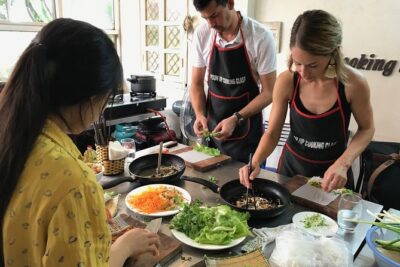
5 Traditional Dishes Hanoi Cooking Class with Market Trip
Read our review →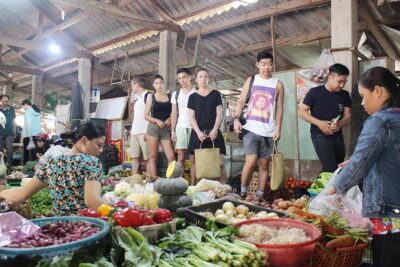
Cooking Class Hoi An:Local Market, Basket Boat, Fishing & Cooking
Read our review →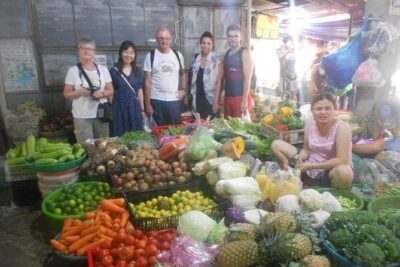
Hoi An Cooking Class(Market,BasketBoat Crabfishing&Cooking Class)
Read our review →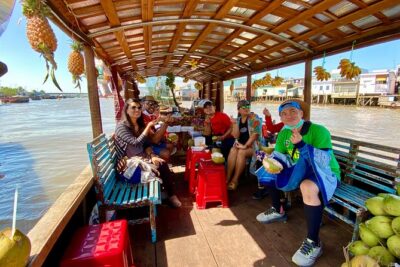
Cai Be Mekong Delta Tour: Cooking Class, Cycling & Craft Villages
Read our review →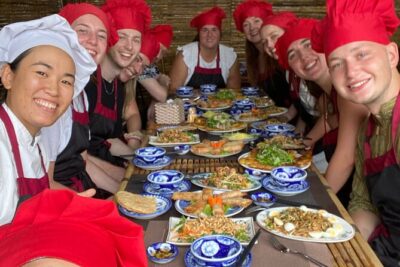
Hoi An Cooking Class(Local market,Basket Boat,Fishing & Cooking)
Read our review →
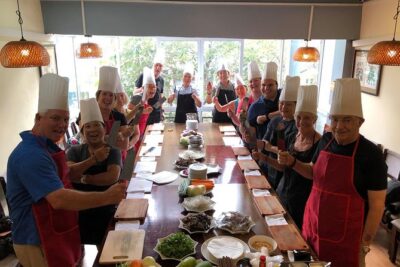
Vietnamese Food Cooking Class in Hanoi with Market Experience
Read our review →Browse the lists this tour appears in