
Reviewed · COFFEE EXPERIENCES
Hanoi Coffee Workshop: Taste Salt, Coconut and Egg Coffee
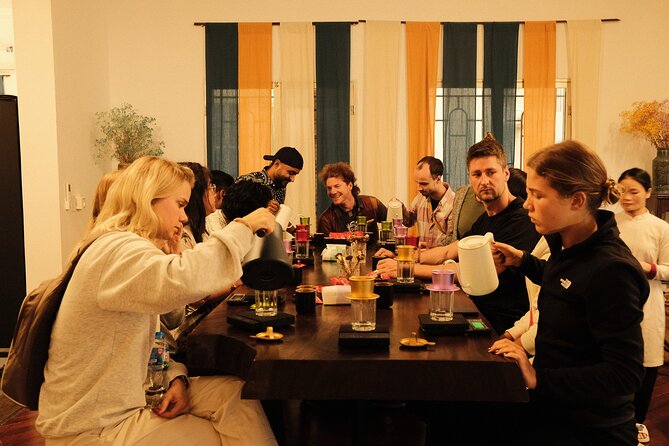
Vietnamese coffee is not just a strong drink with condensed milk. At Local Beans Roastery, you learn why salt, egg, coconut, jam, and even wine can belong in the cup. The 3.5-hour workshop moves from coffee farms and roast levels to hands-on brewing, with six drinks to prepare and taste.
I like two things right away: you make the drinks yourself, and the equipment is supplied, from grinders to phin filters. I also like the easygoing teaching style. Val, Lin, Luka, Giang, and Valerie are among the instructors named by the company, and the strongest praise centers on clear instruction, humor, and an inclusive class.
The main caution is the coffee volume. Six samples, plus tea, snacks, and rice wine, can be a lot in one sitting, especially if you rarely drink coffee. The class also presents robusta as an important part of Vietnamese coffee culture, which is fair, but anyone seeking only delicate specialty coffee may find the approach too broad.
In This Review
- Key points at a glance
- Starting at Local Beans Roastery on Hoang Hoa Tham Street
- From Vietnamese coffee farms to your first brew
- Learning the phin, Vietnam’s patient filter
- Salt coffee, egg coffee, and coconut coffee
- A coffee cocktail and a small taste of local wine
- Why the hands-on format is worth the $16 price
- The teaching style and what it means for you
- Dietary needs, timing, and practical planning
- Who should book this Hanoi coffee workshop?
- Should you book it?
- FAQ
- Where does the coffee workshop take place?
- How long does the activity last?
- What coffees will I make?
- Is hotel pickup available?
- Is transportation included outside the Old Quarter?
- Is coffee-making equipment provided?
- Can vegan participants join?
- Are food and non-coffee drinks included?
- Do I receive recipes after the workshop?
- Can I cancel for a full refund?
Key points at a glance
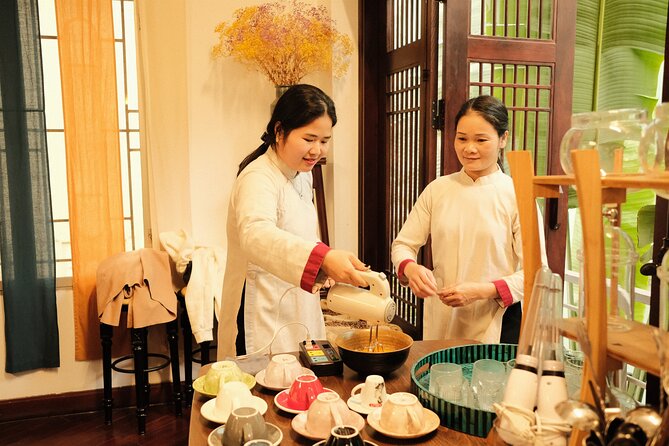
- Six Vietnamese recipes: Brew classic phin coffee, brown coffee, salt coffee, egg coffee, coconut coffee, and a coffee cocktail.
- Farm-to-cup context: Learn how coffee became part of everyday life in Vietnam and how roast levels affect taste.
- Real practice, not just tasting: Grinders, filters, and other equipment are provided so you can prepare each drink yourself.
- Friendly named instructors: Val, Lin, Luka, Giang, and Valerie have all led sessions, with teaching and organization receiving especially strong praise.
- Useful take-home material: You receive digital recipes, coffee books, and a recipe book for making the drinks later.
- Simple Old Quarter transport: Hotel pickup and drop-off are available within Hanoi’s Old Quarter, but the workshop itself takes place at 75/173 Hoang Hoa Tham Street.
Starting at Local Beans Roastery on Hoang Hoa Tham Street
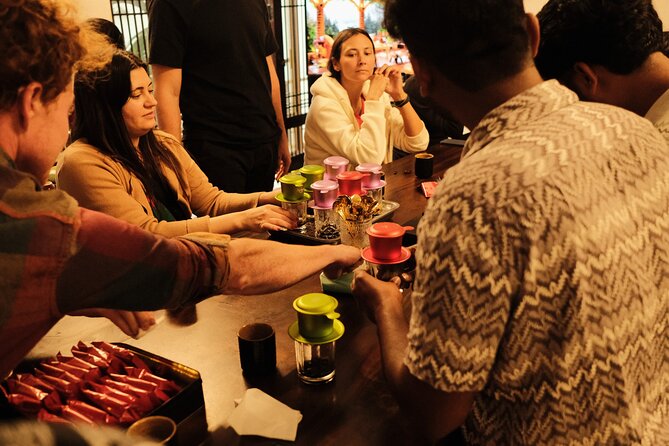
The workshop begins at Local Beans Roastery, at No. 75/173 Hoang Hoa Tham Street in Ba Dinh District. This is the fixed meeting point, and the activity ends there too. If you stay in Hanoi’s Old Quarter, you can request hotel pickup and return service, which makes the morning or afternoon easier to manage.
The location matters because this is not a street-side coffee stop squeezed between sightseeing errands. You spend several hours in one place with the tools laid out in front of you. That gives the instructor room to explain, demonstrate, let you try, and correct the process before moving to the next drink.
The maximum listed capacity is 100 people, so the booking terms allow for a potentially large group. Individual classes may feel smaller, but you should not assume a private or intimate lesson unless that is confirmed before booking. If personal attention is important to you, ask about the expected group size and session time.
You receive a welcome herbal ginger root and peach tea, along with snacks. That is a thoughtful start, particularly if you arrive without having eaten. It also gives you something caffeine-free before the coffee tasting begins.
More Coffee Tours in Hanoi
- Hanoi Coffee Experience: 6 Brews, 9 Recipes & 3 Liquor Tastings
★ 5.0 · 2,945 reviews - Hanoi: Salt Coffee Workshop Awake Your Senses With 6 Brews
★ 5.0 · 792 reviews - Hanoi: Vietnamese Street Food Tour with Egg Coffee
★ 4.9 · 315 reviews
From Vietnamese coffee farms to your first brew
The opening lesson puts coffee into a Vietnamese setting. Your barista explains how coffee became part of the country’s daily habits and cultural identity, with particular attention to the role of local coffee farms.
This part is useful because Vietnamese coffee can look unusual if you only know European-style espresso or American filter coffee. Robusta is central to the country’s coffee trade and drinking culture, and its bold flavor helps explain why Vietnamese preparations often include condensed milk, egg, salt, coconut, or ice.
The workshop does not simply treat one bean or one roast as the correct answer. You compare roast levels and learn how roasting changes aroma and taste. That gives you a better way to judge the cup in front of you. A dark, forceful brew may suit one recipe, while a gentler roast may work better in another.
One point deserves a little balance. The session’s focus is cultural and practical rather than a strict specialty-coffee evaluation. If you are hoping for a detailed lesson in single-origin sourcing, extraction ratios, or advanced sensory scoring, this may not go far enough. If you want to understand why Vietnamese coffee tastes and looks the way it does, it is a better match.
Learning the phin, Vietnam’s patient filter
The classic phin coffee is the foundation of the workshop. A phin is a small metal filter that sits directly over your cup. Water passes slowly through the grounds, producing a concentrated brew that can be served black or combined with other ingredients.
You learn how to grind and prepare the coffee, then watch the slow drip develop. That waiting period is part of the experience. Vietnamese coffee is not built around rushing from machine to counter. The phin turns brewing into a small pause in the day.
The practical value is clear: the special equipment is included during class, and the recipes are supplied afterward. You can take the method home instead of leaving with only a memory of the taste. The workshop also provides digital coffee books connected with the class, which adds useful reference material beyond the session itself.
The brown coffee variation introduces the familiar pairing of coffee and condensed milk. It is usually the easiest style for first-time tasters because the sweetness softens the coffee’s strength. You can compare it with the plain phin version and see how one ingredient changes the drink’s weight and balance.
Salt coffee, egg coffee, and coconut coffee

The salt coffee is one of the more interesting reasons to book this class. Salt does not turn the drink into a savory broth. Used carefully, it can soften bitterness and make the coffee taste rounder. It is also a good reminder that Vietnamese coffee recipes are built around adjustment, not rigid rules.
One useful tip comes from the teaching approach: taste each cup as you go. Do not wait until the end and try to remember six different drinks. The difference between a bitter coffee, a sweet coffee, and a well-balanced one is easier to understand when the samples follow one another.
Egg coffee is Hanoi’s famous contribution to the coffee menu. The workshop shows how the creamy egg mixture changes the drink, giving it a dessert-like texture while keeping the coffee beneath it. You will want to pay attention to the contrast between the warm coffee and the rich topping, since that contrast is central to the style.
Coconut coffee takes the drink in a cooler, sweeter direction. It adds another texture and flavor profile to the tasting, making the sequence feel varied rather than repetitive. These recipes are especially useful for anyone who wants to recreate Hanoi café favorites after returning home.
The class is not limited to people who already love black coffee. One participant described being a non-coffee drinker and still finding the workshop enjoyable, with the salt coffee becoming a favorite. That makes sense: the sweet and creamy recipes give you several ways into the subject.
More Vietnamese coffee stops in Hanoi:
- Hanoi Cooking Class: Pho/Bun Cha/Banh Xeo…+Free Egg/Salt Coffee
★ 5.0 · 267 reviews - Ha Noi Egg Coffee Class
★ 5.0 · 227 reviews - Hanoi Coffee Workshop: Master 6 Signature Vietnamese Coffee
★ 5.0 · 171 reviews - Hanoi French Quarter: Coffee and Stories
★ 5.0 · 170 reviews
A coffee cocktail and a small taste of local wine
The final drink is a creative coffee cocktail made with local jam and wine. It is less traditional than the phin, brown, salt, egg, or coconut preparations, but it shows how local flavors can be combined with coffee in a playful way.
You also receive a bonus tasting of homemade rice wine made by the hosts. This is a small addition, not the main point of the class, but it gives the workshop a wider food-and-drink setting. If you do not drink alcohol, keep in mind that the listed experience includes wine in the cocktail and a rice wine tasting. Dietary and drink preferences should be discussed with the provider in advance.
The cocktail also gives you a useful lesson in restraint. Coffee can dominate a mixed drink, while jam can make it overly sweet. Tasting the result after learning the basic recipes helps you see how coffee moves from a morning beverage into a broader part of local hospitality.
Why the hands-on format is worth the $16 price
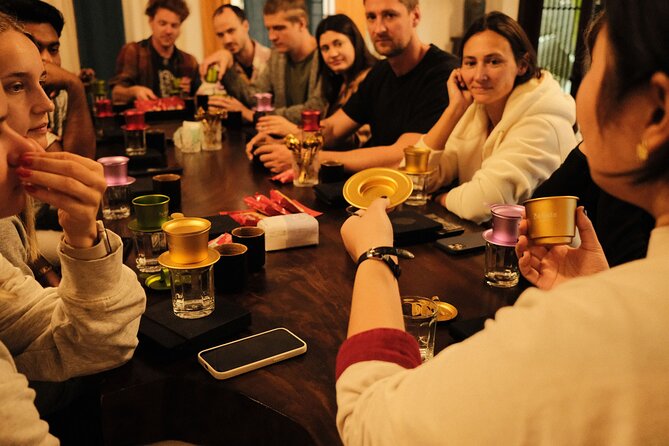
At $16 per person, this is a strong-value activity if you want more than a single coffee tasting. You receive about three and a half hours of instruction, snacks, welcome tea, multiple drinks, use of brewing equipment, take-home recipes, digital coffee books, and a certificate if requested.
The value is not only in the amount of coffee. A café visit may cost less, but it will not normally explain roast levels, give you a grinder and phin to practice with, or teach you how to repeat the recipes. The workshop makes sense for couples, friends, and small groups who want an activity they can continue at home.
Group discounts are available, which may improve the price for families or larger parties. Pickup and drop-off within the Old Quarter also save you the trouble of arranging transport to Ba Dinh District. Those services are limited to the Old Quarter area, so you should not assume pickup from every Hanoi hotel.
The certificate is optional and available on request. It is best viewed as a fun souvenir rather than a professional coffee qualification. The real keepsake is the recipe material, especially if you plan to buy coffee or filters later and try the drinks again.
The teaching style and what it means for you
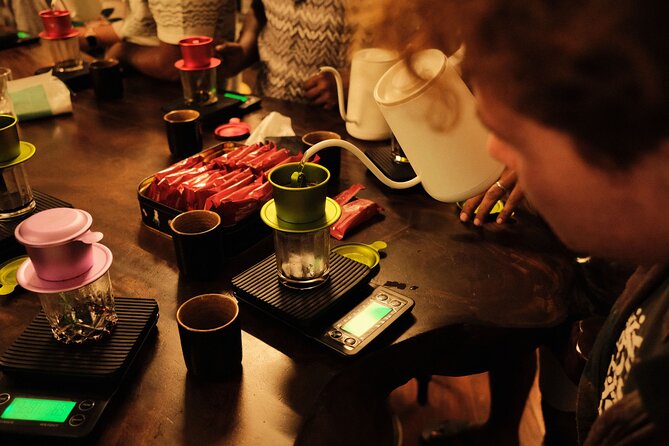
The clearest strength of the workshop is the instructors’ manner. Lin is described as engaging and inclusive, involving each person in the process and encouraging questions. Val receives repeated praise for humor, organization, and her explanations of coffee growing and drink origins. Luka is described as professional, organized, and helpful.
Those details matter because a workshop can easily become a demonstration where you watch someone else do the interesting part. Here, the stated format asks you to brew the drinks yourself. A good instructor makes the difference between a confusing filter and a method you can repeat at home.
Solo visitors should find the format workable. The class is designed around shared instruction, and the teaching style described for Lin is particularly welcoming to people arriving alone. You should still expect a group setting rather than a private lesson.
The tone also seems suitable for first-time coffee learners. You do not need advanced coffee vocabulary to take part. The class explains the drinks through taste, process, and local use, not only technical terms.
Dietary needs, timing, and practical planning
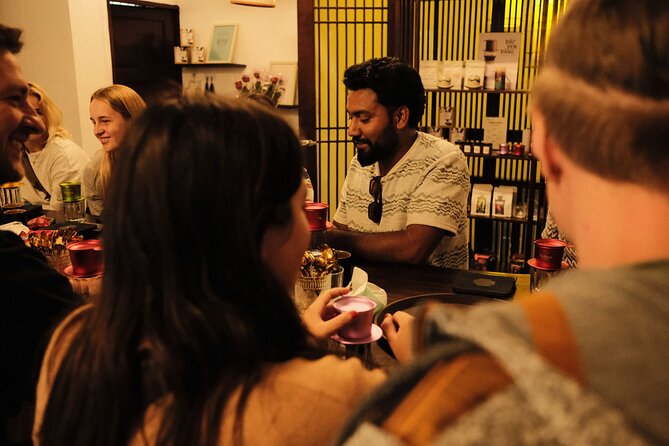
Vegan participants and people with dietary restrictions can be accommodated, but you should notify the provider before the class. Egg coffee contains egg unless adapted, and some of the drinks may use dairy or sweetened condensed milk. Do not wait until the first recipe is served to raise the issue.
The experience lasts approximately 3 hours and 30 minutes. That is long enough to feel like a proper workshop, not a quick demonstration. Plan it as a main activity for the day rather than something to squeeze between two tightly timed sights.
An early start can work well if you want the workshop before a full day of exploring Hanoi. One session praised by a participant began at 8 a.m., and a rainy-day booking was considered a particularly good use of time. Coffee preparation is indoors, so the activity can provide a useful break when the weather is wet.
Bring a comfortable appetite for tasting and allow time for caffeine. Six coffee styles can add up, even though you are sampling rather than drinking café-sized cups. The included ginger tea, peach tea, and snacks help, but they do not turn the session into a full meal.
Mobile tickets are accepted, and booking confirmation is sent at the time of booking. Service animals are allowed, and the meeting point is near public transportation. The activity is suitable for a wide range of participants, but anyone with a serious caffeine, egg, dairy, or alcohol concern should contact the provider first.
Who should book this Hanoi coffee workshop?
I would choose this workshop if you want to understand Hanoi through an everyday habit rather than only through major sights. Coffee is part of the city’s daily rhythm, and these recipes explain local preferences in a direct, edible way.
It is a particularly good fit for:
- Coffee beginners who want a relaxed introduction.
- Home brewers who would use a phin, grinder, and recipes after returning home.
- Food-focused visitors who enjoy tasting several local styles in one sitting.
- Solo visitors and small groups who like guided activities with room for questions.
- Rainy-day planners looking for an indoor Hanoi experience.
- Vegan participants and people with dietary restrictions, provided needs are shared ahead of time.
I would be more cautious if you dislike sweet drinks, avoid caffeine, or want a serious specialty-coffee course centered on rare beans and technical extraction. The session celebrates Vietnamese coffee as it is commonly prepared, including robusta and rich additions. That is its strength, but it may not match every coffee preference.
Should you book it?
Book the Hanoi Coffee Workshop if you want to taste the city’s coffee culture and learn recipes you can actually repeat. The $16 price is reasonable for a 3.5-hour class with six drinks, equipment, instruction, snacks, tea, and take-home material.
Before booking, check the pickup area, tell the provider about dietary needs, and ask about the expected group size if that matters to you. Also plan your caffeine intake for the rest of the day. For most visitors, this is a practical, friendly way to turn a famous Hanoi drink into a skill, not just a photograph.
Free cancellation is available if you cancel at least 24 hours before the start time. Cancellations within 24 hours are not refundable, and changes during that period are not accepted.
FAQ
Where does the coffee workshop take place?
The workshop starts and ends at Local Beans Roastery, No. 75/173 Hoang Hoa Tham Street, Ngoc Ha Ward, Ba Dinh, Hanoi.
How long does the activity last?
The workshop lasts approximately 3 hours and 30 minutes.
What coffees will I make?
You will prepare six Vietnamese coffee styles: classic phin coffee, brown coffee, salt coffee, egg coffee, coconut coffee, and a coffee cocktail made with local jam and wine.
Is hotel pickup available?
Yes. Hotel pickup and drop-off are available within Hanoi’s Old Quarter area.
Is transportation included outside the Old Quarter?
The provided pickup and drop-off service is specified for hotels within the Old Quarter area. The fixed meeting point is at Local Beans Roastery.
Is coffee-making equipment provided?
Yes. Filters, grinders, and other special coffee-making equipment are provided during the workshop.
Can vegan participants join?
Yes. Vegan participants and people with dietary restrictions can be accommodated. You should provide those details before the experience.
Are food and non-coffee drinks included?
Yes. The experience includes snacks, welcome herbal ginger root and peach tea, and a homemade rice wine tasting.
Do I receive recipes after the workshop?
Yes. A recipe book is provided, along with digital copies of coffee books related to the workshop.
Can I cancel for a full refund?
Yes, if you cancel at least 24 hours before the experience start time. Cancellations made within 24 hours are not refundable.
More Workshops in Hanoi
- Hanoi Cooking Class: Culture, Local Market & Meaning CSR Impact
★ 5.0 · 5,147 reviews - 5 Traditional Dishes Hanoi Cooking Class with Market Trip
★ 5.0 · 4,890 reviews - Vietnamese Food Cooking Class in Hanoi with Market Experience
★ 5.0 · 778 reviews - Hanoi: Handcrafted Wood Carving Workshop with Local Artisan
★ 5.0 · 733 reviews
Recently reviewed around Hanoi
- Female Riders Vespa Night Street Food + Train Street food 4 Hours★ 5.0 · 35 reviews
- Beautiful Female Riders Vespa Red River Countryside Tour 5 Hours★ 5.0 · 23 reviews
- Red River Delta Countryside+ Rural Villages, rice Paddies fields★ 5.0 · 134 reviews
- The insider’s Hanoi 4.5 hours All highlight Places & Train Street★ 5.0 · 41 reviews
- The insider’s Hanoi + Train Street 4,5 Hours Female Ao Dai Riders★ 5.0 · 53 reviews
- Street Foods Hanoi Kim Tours Vietnam★ 5.0 · 140 reviews
- Hanoi Jeep Tour – Ba Vi National Park Full Day Tour★ 5.0 · 21 reviews
- Ninh Binh Full Day Tour from Hanoi to Hoa Lu, Trang An & Mua Cave★ 5.0 · 31 reviews
Coffee Experiences, compared.

Vietnamese Coffee Culture and Coffee Making Class
Read our review →
Hanoi Coffee Experience: 6 Brews, 9 Recipes & 3 Liquor Tastings
Read our review →
Salt Coffee Workshop Awake Your Senses With 6 Brews
Read our review →
Early Morning My Son Sanctuary Trip w. Champa Food & Coffee
Read our review →
Da Nang Cooking Class with Coffee Tasting and Market Visit
Read our review →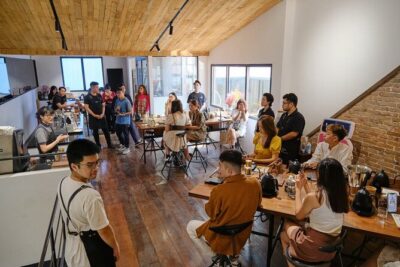
Fun & Easy Vietnamese Coffee Workshop in Hồ Chí Minh City
Read our review →Browse the lists this tour appears in