
Reviewed · COFFEE EXPERIENCES
Hoi An: Vietnamese Coffee Culture and Coffee Making Class
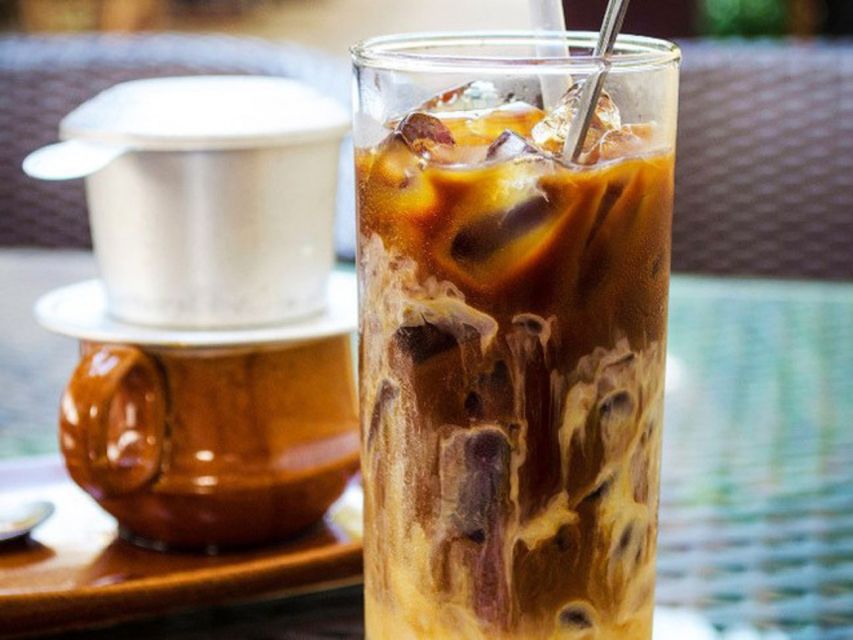
Vietnamese coffee culture gets personal in this two-hour workshop, where you do more than sip a café favorite. You follow coffee from bean to cup, operate the little metal phin filter yourself, and prepare five styles: black coffee, iced white coffee, Hue Imperial salt coffee, coconut coffee, and Hanoi egg coffee. Tan and Le lead the class with easy humor and plenty of hands-on help.
I like the family-run feel and the useful take-home value. You receive recipes, and many sessions include a small phin filter or another gift, so the class can continue in your own kitchen. I also like the way coffee is tied to Vietnamese history and daily café life instead of being treated as a simple cooking demonstration.
The main drawback is caffeine. Five coffee preparations in two hours is a lot, even when the portions are tasting-size. Eat beforehand, take your time, and consider booking a morning session if coffee tends to keep you awake.
In This Review
- Key points to know before booking
- Starting with tea beneath the silk lanterns
- From Vietnamese beans to the first phin brew
- Five recipes, from black coffee to Hanoi egg coffee
- Black coffee
- Iced white coffee
- Hue Imperial salt coffee
- Coconut coffee
- Hanoi egg coffee
- Stories, music, and a friendly family atmosphere
- The final tasting and the real caffeine question
- What the $14 price really includes
- Who will get the most from this Hoi An activity
- Should you book the Hoi An coffee class?
- FAQ
- How long does the Hoi An coffee class last?
- How many Vietnamese coffees will I make?
- Is the coffee-making class suitable for beginners?
- What is included in the $14 price?
- Is the workshop available in English?
- Can I cancel the booking for a refund?
Key points to know before booking

- Five coffee styles in one class: Prepare black, iced white, salt, coconut, and Hanoi egg coffee.
- A family-led workshop: Tan, Le, and their relatives bring humor, stories, and direct help to the demonstrations.
- Coffee from crop to cup: Learn about Vietnamese beans, dark roasting, phin brewing, and the role of condensed milk.
- Recipes and a take-home tool: You can recreate the drinks at home with the recipe information and, in many sessions, a small phin filter or gift.
- Small-group format: The class is limited to 10 people, which gives you a better chance to follow each step.
- Good value at $14: Ingredients, tools, coffee, tea, cookies, and an English-speaking local guide are included.
Starting with tea beneath the silk lanterns
You meet at a workshop marked by a board reading COFFEE MAKING WORKSHOP. The setting is decorated with silk lanterns, giving the room a clear Hoi An touch without turning the activity into a sightseeing tour. Hotel pickup is not included, so you need to make your own way to the meeting point.
The class begins with a cup of special herbal tea. That small pause matters. It gives the group time to settle in before the caffeine arrives, and it creates an easy opening for the instructor to explain how coffee fits into Vietnamese life.
Tan and Le are repeatedly praised for keeping the room relaxed and funny. Their style is light, playful, and direct. You should expect jokes and music along with the instruction, not a quiet technical seminar. That suits the subject: Vietnamese coffee is social, sweet, slow, and often enjoyed while sitting around with friends.
The group size is capped at 10 people. That is a useful limit for a practical class because you need to see the demonstrations and handle the tools yourself. A larger room might feel more anonymous, while this format gives you a better chance to ask for help with the phin or the egg mixture.
More Coffee Tours in Hoi An
- Early Morning My Son Sanctuary Trip w. Champa Food & Coffee
★ 5.0 · 629 reviews - Vietnamese Culture and Coffee Making Class
★ 5.0 · 497 reviews - Hoi An: My Son Early Morning with Banh My and Coffee 6 am
★ 4.7 · 205 reviews
From Vietnamese beans to the first phin brew
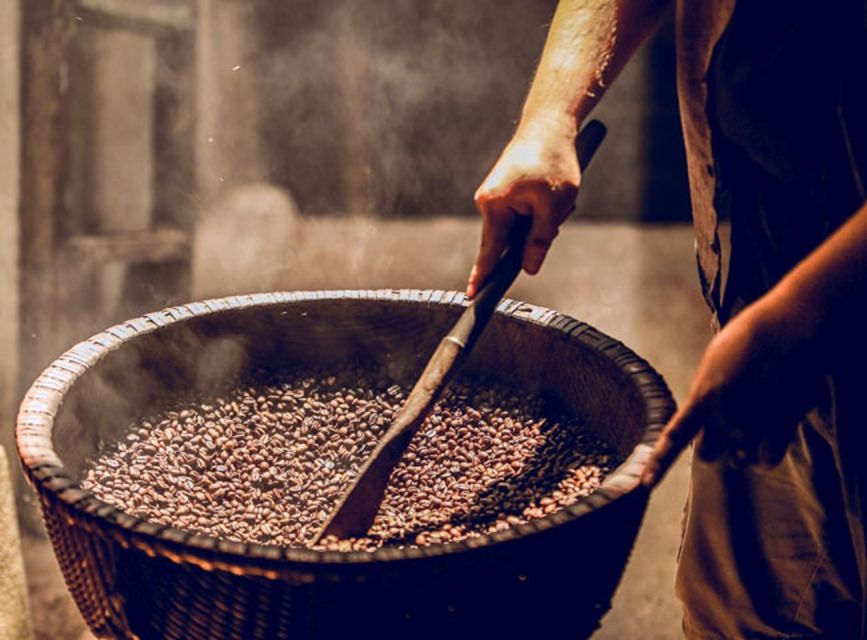
Before you make anything, the instructors explain how coffee reached Vietnam and how local café culture developed around it. You also hear about the family connection behind the coffee used in the class, including beans associated with the family’s grandfather’s farm.
The crop-to-cup section gives the drinks more meaning. You learn that the final flavor is not only about adding condensed milk or coconut. The bean, roast, grind, filter, and preparation all shape the cup.
The lesson covers dark roasting and why that style works well with sweet condensed milk. Vietnamese coffee is often bold enough to hold its own against sugar, milk, ice, egg, or coconut. If you normally drink mild coffee, the first taste may seem powerful. If you like strong coffee, you will understand quickly why the local style has such a devoted following.
The main tool is the phin, a small metal filter placed over the cup. It is not quite a French press, though the activity describes it as a related style of brewing. Water passes slowly through the grounds, producing a concentrated coffee that you can drink black or combine with other ingredients.
This is one of the most useful parts of the class. Watching a barista use a phin is simple. Adjusting the coffee, filter, and water yourself helps you understand the timing and the slow-drip character. You leave with a technique, not just a photograph of a drink.
Five recipes, from black coffee to Hanoi egg coffee
The exact wording of the activity description refers to four styles in one place and five in another. The repeated program details and the class content point to five preparations: black coffee, iced white coffee, Hue salt coffee, coconut coffee, and Hanoi egg coffee. That is the set you should expect when you book.
Black coffee
Black coffee is the cleanest way to meet the local roast. The phin slowly produces the base coffee, allowing you to see and taste the method before other ingredients change the character.
This first preparation is useful for comparison. Once you try it black, you can better understand what condensed milk, salt, coconut, and egg add to the same basic brew. You also get a feel for the strength of the coffee before deciding how much of it you want in later recipes.
More Vietnamese coffee stops in Hoi An:
- Hoi An: Vietnamese Coffee Making Workshop at Local Roastery
★ 4.8 · 174 reviews - Hoi An: Lantern and Coffee Making Class
★ 5.0 · 154 reviews - Hoi An: Hands-on Vietnamese Coffee Making Class with Long
★ 4.8 · 66 reviews - Hoi An: Vietnamese Coffee Making Course
★ 4.9 · 25 reviews
Iced white coffee
Iced white coffee combines coffee with sweetened condensed milk and ice. It is one of the most familiar Vietnamese café drinks, and the class explains why the dark roast pairs so well with the thick sweetness of the milk.
You prepare it yourself rather than receiving a finished glass. That makes the balance easier to understand. Too little condensed milk leaves the roast sharp. Too much can turn the drink into dessert. The recipe card or photographed recipe gives you a useful guide for trying it again at home.
Hue Imperial salt coffee
Salt coffee is the class’s most surprising recipe for many people. A small amount of salt changes the way you perceive sweetness and softens some of the coffee’s bitterness. The drink is associated with Hue, Vietnam’s former imperial capital, which gives this preparation a regional identity beyond the usual café menu.
The instructor explains the idea before you make it, so the salt does not feel like a random trick. Follow the measurements carefully. This is not a drink where more salt means more flavor.
Coconut coffee
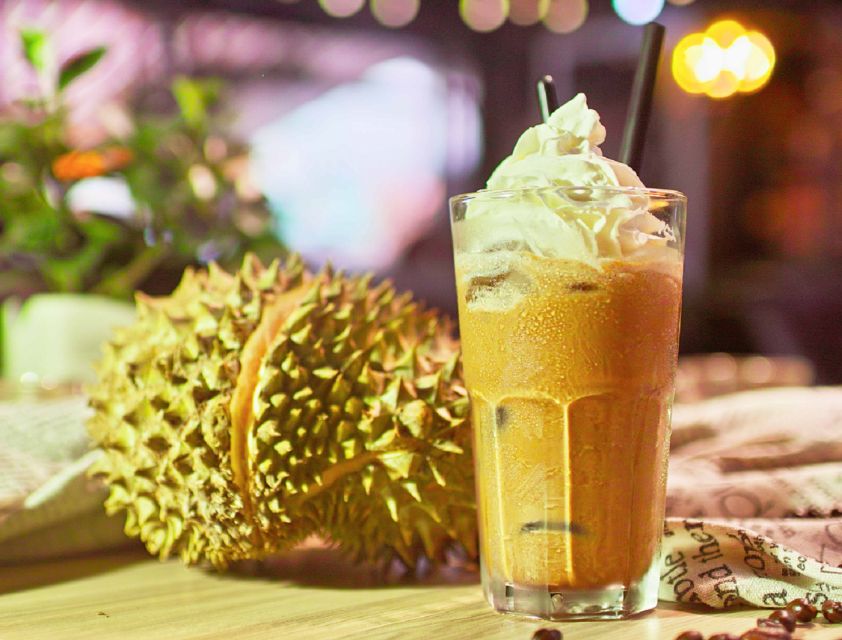
Coconut coffee brings a cooler, sweeter profile to the strong coffee base. It is a good contrast to black coffee and salt coffee, especially if you prefer something creamy or dessert-like.
The hands-on format lets you see how the ingredients combine instead of simply tasting the final result. You can decide which part you prefer, the coffee or the coconut, and adjust the recipe at home. The drink also gives the class a nice change of pace before the egg coffee.
Hanoi egg coffee
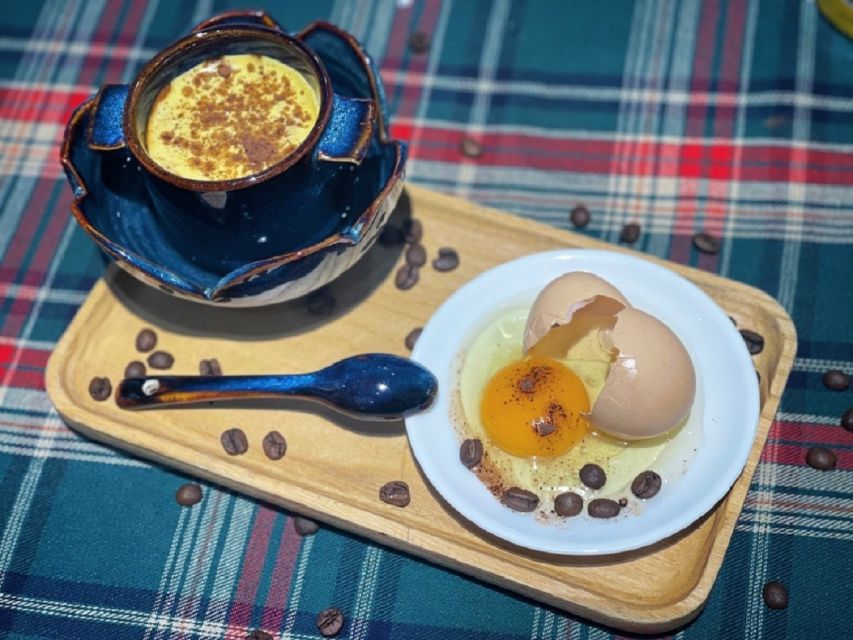
Egg coffee is the recipe most tied to Hanoi in this workshop. The topping is prepared from egg and sweet ingredients, then placed over strong coffee. It is soft, creamy, and more like a small dessert than a standard morning cup.
The class explains why making egg coffee takes time. You learn the basic technique behind the whipped topping and understand why a café may not serve it instantly. That is a practical lesson if you have ever waited for egg coffee and wondered what was happening behind the counter.
The egg preparation is also the point where dietary questions matter most. A vegan option may use non-dairy milk, but there is no vegan replacement for the egg itself. If you avoid dairy, the non-dairy option may help. If you are fully vegan, confirm what you can and cannot have before starting.
Stories, music, and a friendly family atmosphere

The strongest feature here is not a single recipe. It is the way the family presenters connect each drink to a story. Coffee history, café habits, regional recipes, and family business details are woven into the practical work.
Tan and Le are described as especially funny and welcoming, and that energy seems central to the experience. The humor helps when you are working with unfamiliar equipment or trying to copy a technique for the first time. It also makes it easier to talk with the other people in your group.
Music plays in the background, and the room is designed for a comfortable, social class. You should not expect an advanced barista qualification or a formal lecture. You should expect a clear introduction to Vietnamese coffee with enough context to make the drinks memorable.
The English instruction is supported by an English audio guide. English and Vietnamese are the listed languages. If a technical explanation moves quickly, the demonstration and repeated recipe steps should still make the process easier to follow.
The final tasting and the real caffeine question
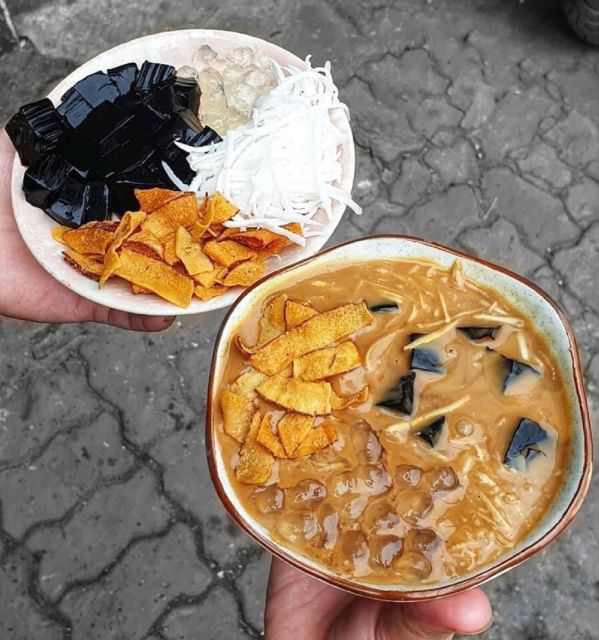
At the end, you taste the coffee you have made with a cookie. That cookie is a welcome extra because several preparations are sweet, concentrated, or both. The closing tasting also lets you compare the styles while the methods are still fresh in your mind.
The catch is quantity. Even if each serving is small, five coffees can add up. You may be tempted to finish every cup, especially when the group is having fun, but you do not need to treat it like a coffee-drinking contest.
If you are sensitive to caffeine, eat before arriving and pace yourself. A morning class may be more comfortable than an afternoon or evening session. The class schedule varies, so check the available start times when booking.
This is also worth considering if you are traveling with children or anyone who does not drink coffee. The included Vietnamese tea and cookies help, but the central activity is still coffee making. The information provided does not describe a separate non-coffee program.
What the $14 price really includes
At $14 per person, this is an unusually full two-hour activity. The price includes the coffee-making class, ingredients, tools, Vietnamese tea, coffee, cookies, and a local guide. You are paying for instruction and tasting, not just for one drink at a café.
The take-home value improves the deal. Recipes let you repeat the drinks, and many sessions provide a mini phin filter or small gift. That tool is simple, but it is the key to recreating the experience. You may also have the chance to buy family coffee afterward, which is optional and not part of the listed price.
The class does not include hotel pickup or drop-off. In Hoi An, that is usually easy to handle if you are staying near the center, but you should factor in your own transport time.
Free cancellation is available up to 24 hours before the activity for a full refund, and you can reserve now while paying later. Wheelchair access is listed, which is useful, though you should still confirm any specific mobility needs when arranging your booking.
Who will get the most from this Hoi An activity
I would choose this workshop if you want a cultural activity that fits neatly into half a day. Two hours is long enough to learn several recipes but short enough to leave room for Hoi An’s old town, markets, or riverside cafés.
It suits coffee drinkers, curious cooks, and people who like bringing home a skill rather than another souvenir. You do not need prior coffee experience. The tools and ingredients are supplied, and the instruction is built around demonstration and practice.
It is also a good choice for couples, friends, and solo visitors who enjoy meeting people in a small group. The light humor helps the session feel social, and the recipe format gives you something practical to discuss afterward.
I would hesitate if you cannot tolerate caffeine, dislike sweet drinks, or want a serious professional barista course. The class focuses on Vietnamese café recipes and cultural context, not espresso calibration or advanced café work. People over 95 are listed as unsuitable for the activity, and the booking information does not provide a reason, so keep that restriction in mind.
Should you book the Hoi An coffee class?
Book it if you want to understand why Vietnamese coffee is more than strong coffee with condensed milk. You will use the phin, prepare five distinct drinks, hear the stories behind them, and leave with recipes you can try at home.
The best reason to go is the combination of instruction and personality. Tan, Le, and the family team make the subject easy to follow, while the small group keeps the class active. Just plan around the caffeine, eat first if needed, and choose your start time with care.
At $14, the class offers strong value for anyone who wants a fun, useful taste of Hoi An’s café culture. I would make it a particularly good rainy-day or mid-afternoon plan, provided you are happy to drink a lot of coffee in a short time.
FAQ
How long does the Hoi An coffee class last?
The activity lasts two hours. Check the available start times when booking because the schedule can vary.
How many Vietnamese coffees will I make?
You should expect five styles: black coffee, iced white coffee, Hue Imperial salt coffee, coconut coffee, and Hanoi egg coffee. Some activity details describe four styles, but the repeated program information identifies five preparations.
Is the coffee-making class suitable for beginners?
Yes. The class supplies the ingredients and tools, and the instructor demonstrates the methods before you prepare the drinks yourself. No previous coffee-making skill is listed as a requirement.
What is included in the $14 price?
The price includes the coffee class, ingredients, tools, coffee, Vietnamese tea, cookies, and a local guide. Hotel pickup and drop-off are not included.
Is the workshop available in English?
Yes. English and Vietnamese are listed languages, and an English audio guide is included.
Can I cancel the booking for a refund?
You can cancel up to 24 hours in advance for a full refund. The activity also offers a reserve-now, pay-later option.
More Workshops in Hoi An
- Hoi An: Vietnamese Foldable Lantern Making Class
★ 4.9 · 3,742 reviews - Cooking Class Hoi An:Local Market, Basket Boat, Fishing & Cooking
★ 5.0 · 3,660 reviews - Hoi An Cooking Class(Market,BasketBoat Crabfishing&Cooking Class)
★ 5.0 · 3,386 reviews - From Hoi An: Market Tour, Basket Boat Ride and Cooking Class
★ 4.8 · 2,208 reviews
Recently reviewed around Hoi An
- Romantic Sunset Dinner Cruise in Hoi An★ 4.7 · 108 reviews
- Thanh Ha Village: Pottery Workshop with Locals★ 4.4 · 223 reviews
- Snorkeling Cham Island: Snorkeling Tour by Speed Boat★ 3.6 · 26 reviews
- Hoi An: Rural Cycling Tour to Village with Basket Boat Ride★ 5.0 · 174 reviews
- Private Car Hoi An to Hue Via Hai Van Pass, Lagoon & More★ 5.0 · 22 reviews
- From Hoi An: Day Tour of My Son Temples and Marble Mountain★ 4.8 · 44 reviews
- Market Tour – Cooking Class – Coconut Boat Riding★ 4.4 · 43 reviews
- From Hoi An: Marble Mountains and My Son Sanctuary Day Trip★ 4.7 · 209 reviews
Coffee Experiences, compared.
Hanoi Coffee Experience: 6 Brews, 9 Recipes & 3 Liquor Tastings
Read our review →
Hanoi Coffee Workshop: Taste Salt, Coconut and Egg Coffee
Read our review →
Salt Coffee Workshop Awake Your Senses With 6 Brews
Read our review →
Early Morning My Son Sanctuary Trip w. Champa Food & Coffee
Read our review →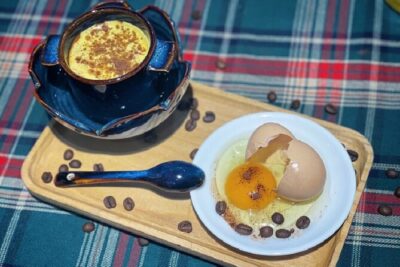
Da Nang Cooking Class with Coffee Tasting and Market Visit
Read our review →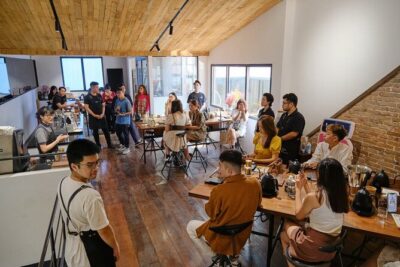
Fun & Easy Vietnamese Coffee Workshop in Hồ Chí Minh City
Read our review →Browse the lists this tour appears in