
Reviewed · COFFEE EXPERIENCES
Vietnamese Bread & Brew: Banh Mi Baking Class & Specialty Coffee
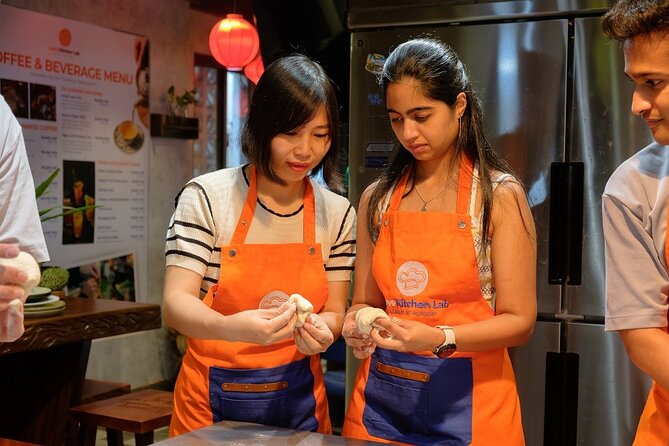
Hanoi’s street-food story fits neatly into this four-hour class: you make a French-style baguette, fill it with Vietnamese flavors, and finish with a cup of egg, coconut, or salt coffee. It takes place at Love Kitchen Lab, a local home kitchen in Tây Hồ, rather than a restaurant built only for quick demonstrations.
I like the hands-on format, where each person gets a role instead of simply watching a chef work. I also like the clear path from dough and pickles to sauces, fillings, and coffee, plus the practical recipe booklet you can use at home.
The main consideration is location. The class meets in Nhật Tân, Tây Hồ, away from Hanoi’s central Old Quarter, so you need to allow time to reach Đào Tạo Nghề Quốc Tế519 Đ. Âu Cơ. The activity also lasts about four hours, which is a sizable part of your day.
In This Review
- Key points at a glance
- Why banh mi makes a good Hanoi cooking class
- Arriving at Love Kitchen Lab in Tây Hồ
- The first lesson: how French bread became Vietnamese banh mi
- Kneading baguette dough from scratch
- Pickled vegetables, sauces, and filling choices
- Making Vietnamese egg, salt, and coconut coffee
- Sitting down to eat your own work
- What the teaching style means for you
- Is $34 a fair price?
- Who will get the most from this class?
- Final call: book it for skills, not just lunch
- FAQ
- How long does the banh mi and coffee class last?
- Where does the activity start?
- Where does the activity finish?
- What coffee will I learn to make?
- Is a vegetarian filling available?
- Are ingredients and cooking equipment included?
- What happens if I need to cancel?
Key points at a glance
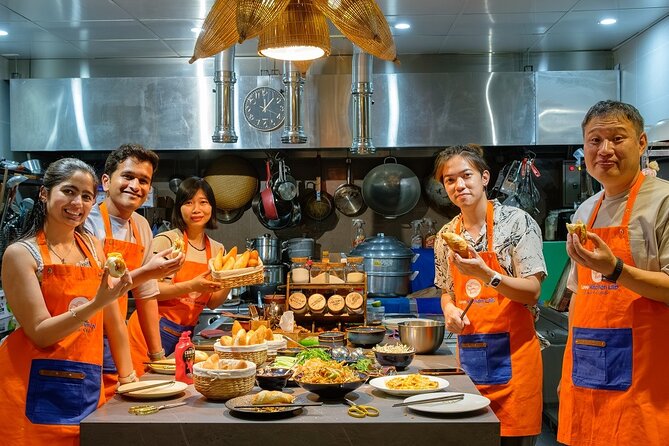
- Bake your own baguette: Knead banh mi dough from scratch and follow it through the bread-making process.
- Build the sandwich properly: Pickle vegetables, prepare sauces, and choose a meat or tofu filling.
- Learn Hanoi coffee traditions: Make egg coffee and explore salt or coconut coffee, depending on the class offering.
- Work in a capped group of 15: The shared format gives you a chance to take an active role, though the maximum group is not tiny.
- Eat what you make: The class ends with a meal of your homemade banh mi and coffee alongside the hosts and group.
- Take useful extras home: Ingredients and equipment are supplied, and you can request a digital recipe booklet and cooking certificate.
Why banh mi makes a good Hanoi cooking class
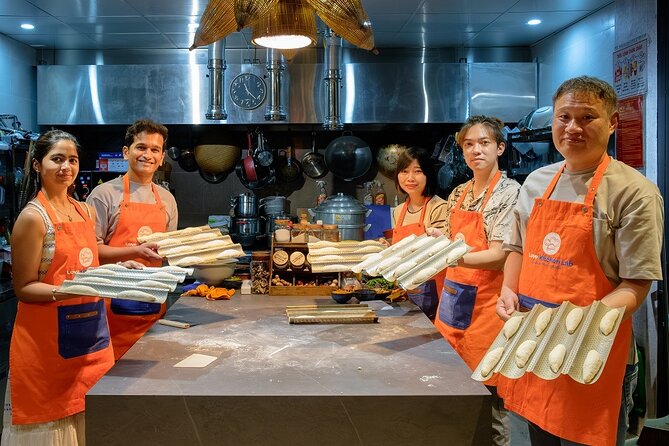
Banh mi is more than a filled roll. Its bread reflects French colonial influence, while its fillings, pickles, herbs, meat, tofu, and sauces belong firmly to Vietnamese food culture. That combination gives you a useful introduction to how Hanoi cooking often balances crisp texture, salt, sweetness, richness, and freshness in a single bite.
This class focuses on that one dish instead of trying to cover an entire national menu. I see that as a strength. A standard cooking lesson may rush through several recipes, but here you have time to understand why the bread matters, how the vegetables are prepared, and how the components work together.
The coffee adds a second layer to the experience. Vietnamese egg coffee is known for its creamy egg mixture over strong coffee, while salt and coconut coffee offer different ways to soften or reshape the drink. You learn the preparation rather than simply ordering a finished cup at a café.
More Coffee Tours in Hanoi
- Hanoi Coffee Experience: 6 Brews, 9 Recipes & 3 Liquor Tastings
★ 5.0 · 2,945 reviews - Hanoi Coffee Workshop: Taste Salt, Coconut and Egg Coffee
★ 5.0 · 1,286 reviews - Hanoi: Salt Coffee Workshop Awake Your Senses With 6 Brews
★ 5.0 · 792 reviews
Arriving at Love Kitchen Lab in Tây Hồ
The meeting point is Love Kitchen Lab at Đào Tạo Nghề Quốc Tế519 Đ. Âu Cơ, Nhật Tân, Tây Hồ, Hanoi 10000. The area is near public transportation, but it is not presented as an Old Quarter walking activity. Check the address carefully and plan your route before class, especially if you are staying in central Hanoi.
The same place serves as the end point. That makes the day simpler than a class that begins in one neighborhood and finishes in another. Free luggage storage is also available for up to two days, a useful extra if you are between hotels or carrying bags after checking out.
The activity runs for approximately four hours. That is long enough for the dough, vegetables, fillings, sauces, coffee, and meal to receive proper attention. It also means you should not book it alongside another fixed activity with a tight start time.
The first lesson: how French bread became Vietnamese banh mi
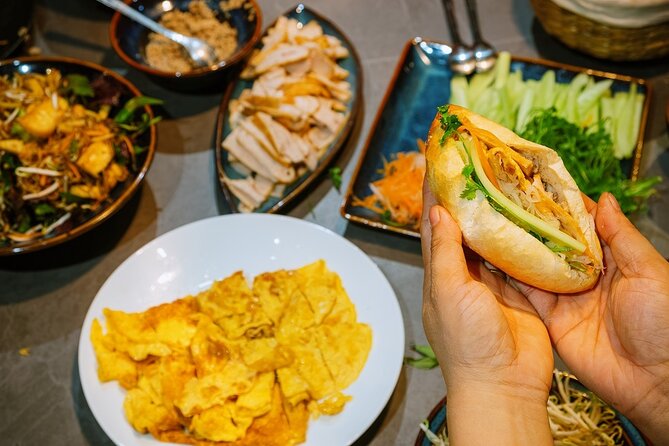
The opening talk places banh mi in its colonial context. French baguettes supplied the basic form, but Vietnamese cooks adapted the bread and turned it into something suited to local tastes and ingredients.
That short cultural explanation gives the practical work more meaning. You are not simply mixing flour for a sandwich. You are learning how a borrowed food became one of Vietnam’s most recognizable everyday dishes.
The class then moves into preparation. The professional English-speaking home chef guides the group through each step, and the teaching is designed to be methodical. This matters in a group setting. If you have never worked with bread dough, clear instructions can prevent the first stage from feeling like guesswork.
Kneading baguette dough from scratch
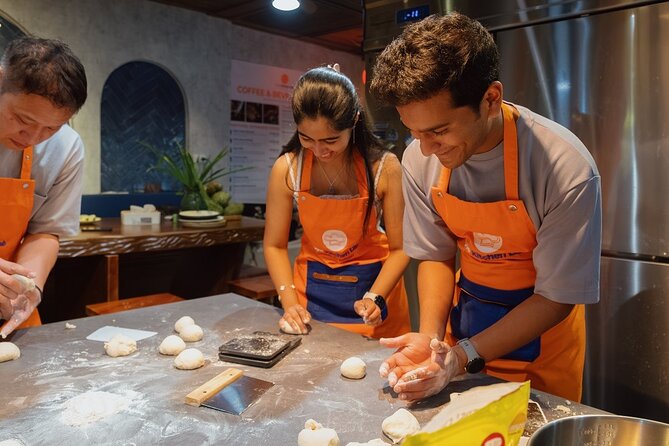
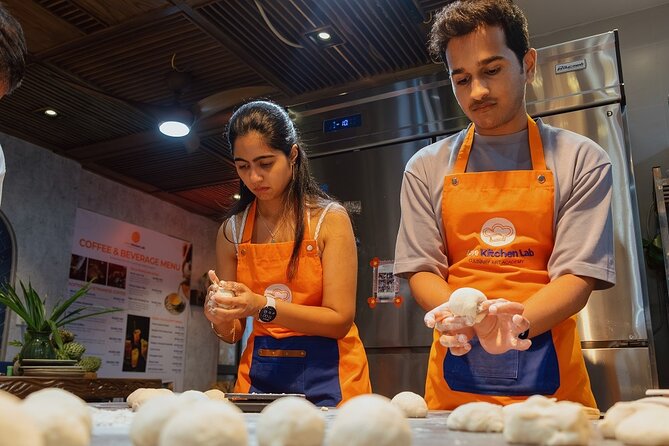
The bread begins with dough that you knead yourself. This is one of the most useful parts of the class because it shows you the texture and handling of the base, rather than presenting a finished loaf without explanation.
You should expect flour, mixing, kneading, and the general process of shaping the bread to take time. It is a real cooking task, not a photo stop. The exact baking setup and timing are not specified, so the host’s directions will determine how the class handles the final stage.
Making the bread from scratch also gives you a better sense of the banh mi balance. The roll must be sturdy enough to hold fillings and sauces but light enough to avoid overpowering them. That crisp outside and soft interior are a big part of why the sandwich works.
The class supplies all ingredients and equipment. You do not need to bring specialist tools or shop for flour, vegetables, coffee, or fillings before arriving.
More Vietnamese coffee stops in Hanoi:
- Hanoi: Vietnamese Street Food Tour with Egg Coffee
★ 4.9 · 315 reviews - Hanoi Cooking Class: Pho/Bun Cha/Banh Xeo…+Free Egg/Salt Coffee
★ 5.0 · 267 reviews - Ha Noi Egg Coffee Class
★ 5.0 · 227 reviews - Hanoi Coffee Workshop: Master 6 Signature Vietnamese Coffee
★ 5.0 · 171 reviews
Pickled vegetables, sauces, and filling choices
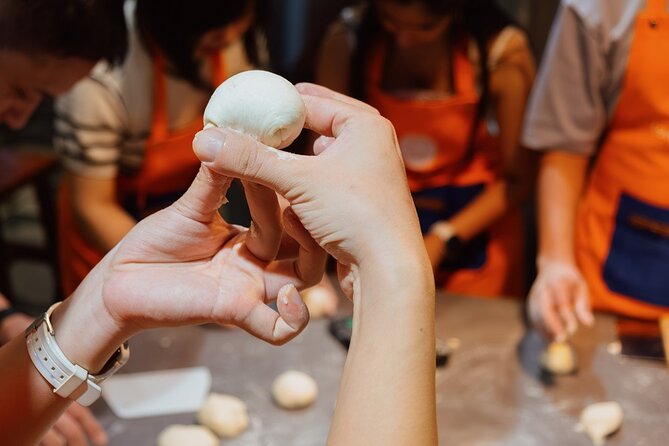
After the dough, you prepare the components that give banh mi its contrast. Pickled vegetables bring acidity and crunch, while sauces add moisture and seasoning. The fillings can include meat or tofu, so the class has an option for people who prefer a vegetarian-style sandwich.
The tofu option is especially helpful because it is stated clearly as part of the filling choices. Still, you should confirm any wider dietary needs directly with the provider before booking, since the available information does not specify allergies, vegan preparation, gluten-free substitutes, or cross-contamination procedures.
The class uses fresh, top-grade ingredients and never-used oil, with attention to hygiene and safe consumption. That is reassuring for a hands-on kitchen activity, where you are handling several ingredients over a long session.
I like that the work is divided among the group. Each person has a role and a purpose, so you are not left standing behind one person who does all the chopping and mixing. The maximum group size is 15, which allows interaction but does not guarantee the quiet, private feel of a very small class.
Making Vietnamese egg, salt, and coconut coffee
The coffee lesson changes the pace from bread and pickles. You learn traditional methods for Vietnamese specialty coffee, with egg coffee as a central part of the session. Salt coffee or coconut coffee may also be included, giving you a chance to compare different local styles.
Egg coffee is a particularly good fit for a home class because the texture matters. You are shown how the coffee and egg mixture come together, rather than simply being handed a sweet drink in a café. The process also explains why a strong coffee base can support a creamy topping.
Salt coffee offers a different flavor direction, while coconut coffee brings its own sweetness and texture. The precise selection may depend on the class, so do not assume all three versions will be made every time. The activity description names egg, salt, and coconut coffee as the featured possibilities.
The coffee portion is not an unrelated add-on. It makes the meal feel more like a small survey of Hanoi street-food habits, pairing a portable savory dish with a drink that has become a major part of the city’s café culture.
Sitting down to eat your own work
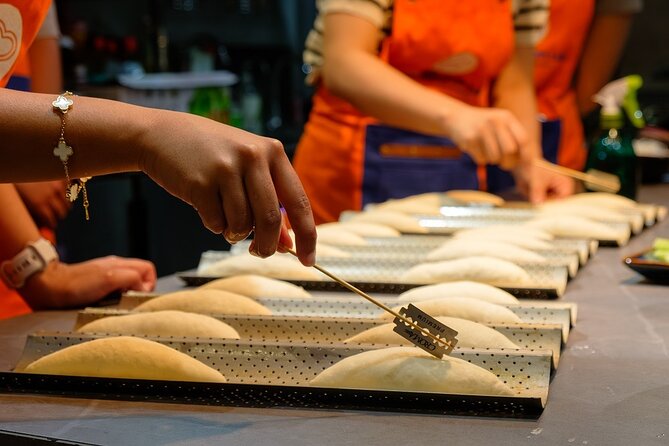
The class ends with a meal of your handmade banh mi and coffee. This is where the separate tasks make sense together. You can check the bread, pickles, filling, and sauce as one finished sandwich, then enjoy the coffee you prepared.
The meal is served with the hosts and fellow class members. That shared table is a social part of the activity, not just a final tasting. If you like meeting other people through food, the group setting is an advantage. If you prefer a private lesson, a group capped at 15 may feel less personal.
A homemade wine tasting is included as well. Soda and pop beverages are not included, so bring that expectation with you when considering the total cost. Tips and personal expenses are also separate.
What the teaching style means for you
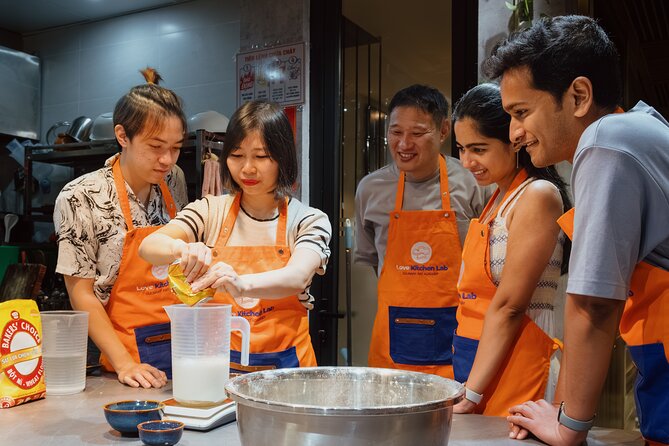
The class is led by an English-speaking home chef, and the teaching is described as detailed and easy to follow. The strongest practical sign is the way the roles are organized. You get a task, complete it, and then move to the next stage with guidance.
That structure suits beginners who want firm direction. You do not need to arrive with baking or coffee-making experience. At the same time, people who already cook Vietnamese food may find the cultural background and hands-on setting more rewarding than basic technique alone.
Jane is also associated with a notably considerate approach. When one booked participant became ill and could not attend, she offered a switch to the next day and later arranged gifts by courier after the person had left Hanoi. That does not change the food itself, but it suggests that the host team takes personal service seriously.
A cooking certificate is available upon request. The digital recipe booklet is the more useful takeaway for most people, since it gives you a way to repeat the dishes after returning home. Ask for both before leaving if you want the certificate and recipes documented.
Is $34 a fair price?
At $34 per person, the cost is reasonable for a four-hour activity that includes instruction, ingredients, equipment, a cooked meal, specialty coffee, wine tasting, luggage storage, and optional recipe materials. You are paying for time and participation, not just a plate of banh mi.
The value is strongest if you want to learn a repeatable skill. A café visit will cost less, but it will not teach you to knead the bread, pickle the vegetables, prepare the fillings, or make the coffee. A shorter demonstration may also be cheaper, but it gives you fewer chances to handle the food yourself.
Group discounts may improve the price for people booking together. Since the class is capped at 15, the group format helps keep the cost below a private lesson while still giving each person a role.
Remember that drinks outside the included coffee, tips, and personal expenses are extra. Those costs are small compared with the class fee, but they matter if you are comparing the total price of several food activities.
Who will get the most from this class?
I would recommend it to you if you want one focused food experience in Hanoi rather than a quick market tasting. It suits first-time cooks, home bakers, coffee fans, and people who like to understand the story behind a dish.
It is also a practical choice for anyone who wants to recreate Vietnamese food at home. The recipe booklet, step-by-step teaching, and hands-on preparation give you more to take away than a single meal.
Families and small groups may appreciate the shared roles and group discounts. People who need a meat-free option can choose tofu, though those with serious allergies or strict dietary requirements should ask the provider for more details before booking.
I would think twice if your schedule is packed, your hotel is far from Tây Hồ, or you want a fully private cooking lesson. The class takes about four hours and may include up to 15 people, so it is not designed as a quick stop or an intimate one-on-one session.
Free cancellation is available if you cancel at least 24 hours before the local start time. Within 24 hours, the payment is not refunded, and changes are not accepted, so keep that deadline in mind when planning your Hanoi days.
Final call: book it for skills, not just lunch
You should book this class if you want to make banh mi from the bread upward and understand how Vietnamese coffee fits into the meal. The combination of dough, pickles, sauces, meat or tofu, and egg or other specialty coffee makes the session more useful than a basic cooking demonstration.
The main tradeoff is the trip to Tây Hồ and the four-hour commitment. If you can spare the time, $34 buys a full kitchen lesson, a meal, practical recipes, and a friendly local setting. For a focused Hanoi food experience that you can repeat at home, I think it is a sound choice.
FAQ
How long does the banh mi and coffee class last?
The activity lasts approximately four hours.
Where does the activity start?
It starts at Love Kitchen Lab, Đào Tạo Nghề Quốc Tế519 Đ. Âu Cơ, Nhật Tân, Tây Hồ, Hanoi 10000, Vietnam.
Where does the activity finish?
The class ends back at the meeting point.
What coffee will I learn to make?
The class includes Vietnamese specialty coffee instruction, with egg coffee as a featured option. Salt coffee or coconut coffee may also be included.
Is a vegetarian filling available?
Yes. The filling choices include meat or tofu.
Are ingredients and cooking equipment included?
Yes. All ingredients and cooking equipment are included in the activity.
What happens if I need to cancel?
You can receive a full refund if you cancel at least 24 hours before the local start time. Cancellations or changes made within 24 hours are not accepted for a refund.
More Workshops in Hanoi
- Hanoi Cooking Class: Culture, Local Market & Meaning CSR Impact
★ 5.0 · 5,147 reviews - 5 Traditional Dishes Hanoi Cooking Class with Market Trip
★ 5.0 · 4,890 reviews - Vietnamese Food Cooking Class in Hanoi with Market Experience
★ 5.0 · 778 reviews - Hanoi: Handcrafted Wood Carving Workshop with Local Artisan
★ 5.0 · 733 reviews
Recently reviewed around Hanoi
- Female Riders Vespa Night Street Food + Train Street food 4 Hours★ 5.0 · 35 reviews
- Beautiful Female Riders Vespa Red River Countryside Tour 5 Hours★ 5.0 · 23 reviews
- Red River Delta Countryside+ Rural Villages, rice Paddies fields★ 5.0 · 134 reviews
- The insider’s Hanoi 4.5 hours All highlight Places & Train Street★ 5.0 · 41 reviews
- The insider’s Hanoi + Train Street 4,5 Hours Female Ao Dai Riders★ 5.0 · 53 reviews
- Street Foods Hanoi Kim Tours Vietnam★ 5.0 · 140 reviews
- Hanoi Jeep Tour – Ba Vi National Park Full Day Tour★ 5.0 · 21 reviews
- Ninh Binh Full Day Tour from Hanoi to Hoa Lu, Trang An & Mua Cave★ 5.0 · 31 reviews
Coffee Experiences, compared.

Vietnamese Coffee Culture and Coffee Making Class
Read our review →
Hanoi Coffee Experience: 6 Brews, 9 Recipes & 3 Liquor Tastings
Read our review →
Hanoi Coffee Workshop: Taste Salt, Coconut and Egg Coffee
Read our review →
Salt Coffee Workshop Awake Your Senses With 6 Brews
Read our review →
Early Morning My Son Sanctuary Trip w. Champa Food & Coffee
Read our review →
Da Nang Cooking Class with Coffee Tasting and Market Visit
Read our review →Browse the lists this tour appears in