
Reviewed · COFFEE EXPERIENCES
Hanoi Coffee Class with Egg, Coconut, Salt, and Dripping Coffee
Vietnamese coffee is not just strong coffee poured over ice. In this two-hour Hanoi class, you make five distinct drinks, including the famous egg coffee, coconut coffee, and salt coffee. You also learn how the metal phin filter turns a small serving of grounds into a slow, concentrated brew.
I like the small maximum of eight people, which gives the class a better chance of feeling hands-on rather than like a demonstration. I also like the setting: a creative recycling cafe in Hanoi’s Old Quarter, where reused furniture and decorations give the lesson a local character. The main consideration is simple: this is a coffee-making workshop, not a full food tour, so you should book it for the drinks and the cultural background.
I also appreciate that instructors named John and Riley have been singled out for making the session engaging and clear. One practical gap remains: recipes are not listed as a standard takeaway, so bring a phone or notebook if you want to record the quantities and steps.
In This Review
- Key points to know before booking
- Five Vietnamese coffees, not just one strong cup
- Starting with the phin filter at 1 Hàng Mắm
- From condensed milk to Hanoi’s signature cups
- A class shaped by the instructor
- Why the recycled cafe setting matters
- Is $25 a fair price for two hours?
- Who will enjoy this class most?
- Practical details that affect your plans
- Should you book the Hanoi Coffee Class?
- FAQ
- Where does the Hanoi Coffee Class meet?
- Where does the activity end?
- How long does the coffee class last?
- How many people can join the class?
- Which Vietnamese coffees will I make?
- Is the class only about making coffee?
- How much does the experience cost?
- Can I cancel for a full refund?
Key points to know before booking
- Five coffees in about two hours: Make drip black coffee, coffee with condensed milk, egg coffee, coconut coffee, and salt coffee.
- A small class of no more than eight: The group size should give you more room to ask questions and handle the ingredients yourself.
- A creative Old Quarter setting: The class takes place at Hidden Gem Cafe Hanoi, a recycling-focused coffee shop on 1 Hàng Mắm.
- More than a tasting: You learn preparation methods along with the background of Vietnamese and Hanoi coffee culture.
- A good value at $25: The price covers instruction and several prepared drinks, making it useful for coffee lovers who want a skill to take home.
- Easy planning: You receive confirmation at booking, use a mobile ticket, and return to the same cafe at the end.
Five Vietnamese coffees, not just one strong cup
The appeal of this class is its range. Vietnamese coffee can be bold and intense, but the country’s cafe tradition also turns it into something creamy, sweet, salty, cool, and almost dessert-like.
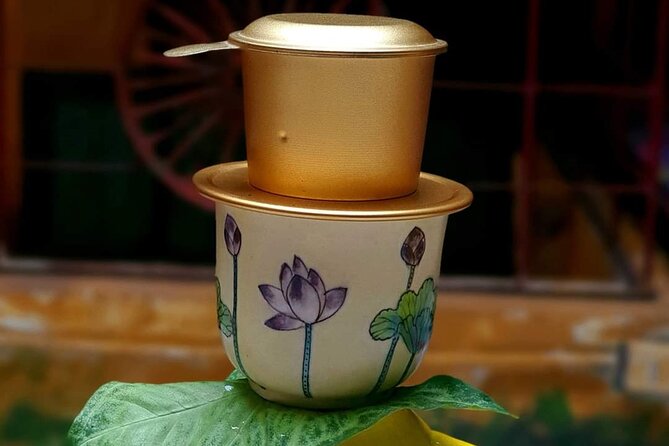
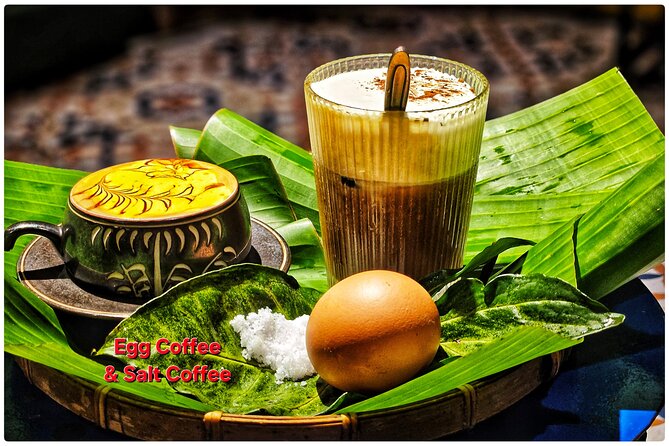
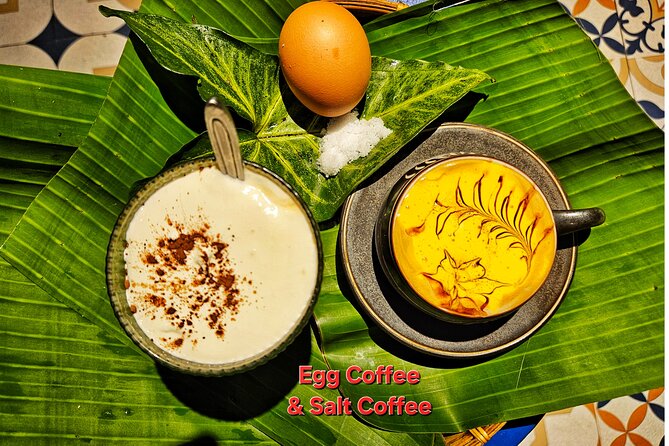
You work through five styles. The first is dripping black coffee, made with the small metal filter known as a phin. You also prepare coffee with condensed milk, then move into three Hanoi favorites: egg coffee, coconut coffee, and salt coffee.
That sequence matters. It lets you understand the base drink before adding richer ingredients. If you have only tried Vietnamese coffee at a cafe, the class shows you what happens before the cup reaches the table.
The drinks also give you useful comparisons. Black drip coffee lets you taste the coffee without a sweetener. Condensed milk softens the bitterness and adds body. Egg coffee shifts toward a dessert, while coconut coffee brings a cooler, sweeter profile. Salt coffee sounds unusual, but the salt is used as part of the drink’s balance rather than as a heavy savory flavor.
You are not simply handed five samples. The point is to prepare the drinks yourself. That makes the class more useful than a standard coffee tasting, especially if you want to recreate the drinks after returning home.
More Coffee Tours in Hanoi
- Hanoi Coffee Experience: 6 Brews, 9 Recipes & 3 Liquor Tastings
★ 5.0 · 2,945 reviews - Hanoi Coffee Workshop: Taste Salt, Coconut and Egg Coffee
★ 5.0 · 1,286 reviews - Hanoi: Salt Coffee Workshop Awake Your Senses With 6 Brews
★ 5.0 · 792 reviews
Starting with the phin filter at 1 Hàng Mắm
The meeting point is Hidden Gem Cafe Hanoi, at 1 Hàng Mắm in Hanoi’s Old Quarter. The activity begins and ends here, so you do not need to arrange a separate ride between parts of the class.
The cafe’s design is part of the experience. It uses recycled furniture and decorations, giving the room a distinctive look while matching the class’s focus on Vietnamese cafe culture. This is not a polished hotel meeting room or a large cooking school. The setting is a working cafe with an environmental idea behind it.
The first practical skill is the drip method. Vietnamese phin coffee is slower than a standard machine-made cup. Water passes through compacted grounds inside a small metal filter, producing a concentrated drink a few drops at a time.
You learn how to prepare the plain version first. That step is important because the phin is central to the other drinks. Once you understand the base coffee, the later recipes become variations rather than unrelated tricks.
I would pay close attention here. The method looks easy, but the result depends on how the grounds and water are handled. The class is a chance to watch the timing, texture, and strength before you start adding condensed milk, egg, coconut, or salt.
From condensed milk to Hanoi’s signature cups
After the black coffee, you prepare coffee with condensed milk. This is one of the best ways to understand why Vietnamese coffee is often served so sweet and strong. The condensed milk provides sweetness and a smooth texture, while the concentrated drip coffee keeps its force.
The class then moves into the specialty drinks. Egg coffee is the best-known of the group and one of Hanoi’s most distinctive cafe creations. It combines coffee with an egg-based mixture, producing a rich, creamy drink that can feel closer to a dessert than a breakfast cup.
The important lesson is not just the ingredient list. You get a sense of how Hanoi cafes adapted coffee into a local style. Egg coffee has become closely tied to the city, and making it yourself gives you more context than ordering it from a menu without knowing what goes into it.
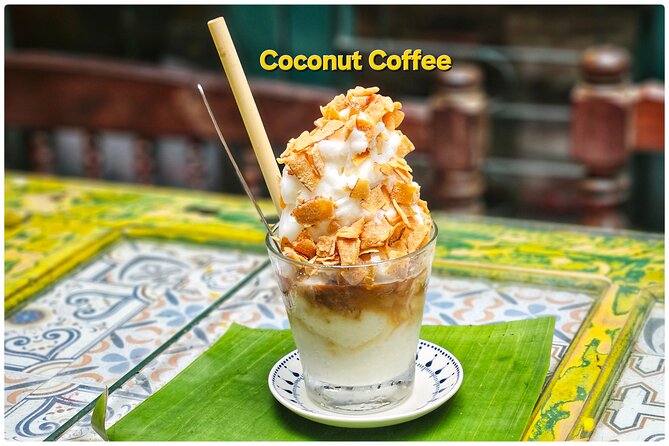
Coconut coffee takes the drink in a different direction. The coconut element changes both the texture and the sweetness, giving the strong coffee a softer, more tropical character. If you find black Vietnamese coffee too forceful, this may be the version you enjoy most.
Salt coffee is the class’s conversation starter. The name can make it sound strange, but the salt is part of the balance. It adds contrast to the coffee and dairy elements rather than turning the drink into soup. Preparing it yourself is useful because you can see how a small adjustment changes the entire cup.
You make all five drinks from scratch, so the session has a clear rhythm: learn the basic technique, prepare a variation, taste it, and compare it with the next one. That structure keeps the two hours active without making the class feel like a race.
A class shaped by the instructor
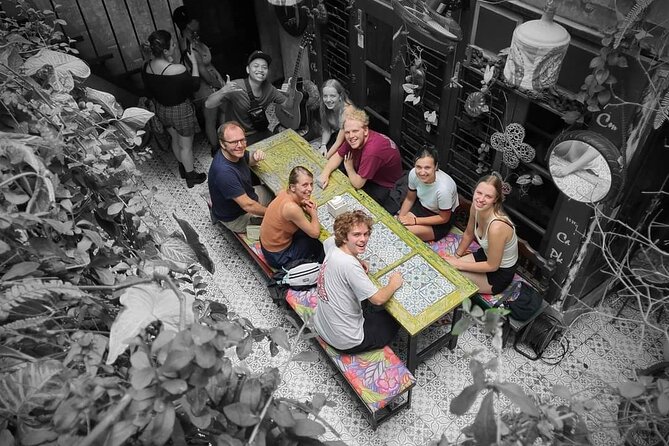
The instructor makes a large difference in an experience like this. The strongest comments about the class point to John and Riley as engaging hosts who explain both the preparation and the background.
The supplied information does not confirm which instructor leads every session, so you should not book expecting one particular person unless the operator confirms it. Still, the teaching style described is a useful clue. You can expect a host who does more than read instructions, with time for questions and conversation.
That matters because coffee techniques are easy to copy badly. A teacher can show you how the drip coffee should look, how the creamy ingredients change the drink, and why the recipes matter in Hanoi. The cultural explanation adds value, especially if this is your first visit to Vietnam.
The class also works well for people who do not think of themselves as coffee experts. The focus is on making and tasting, not on technical coffee vocabulary. You do not need prior experience to take part.
One improvement would make the class even more useful: a printed recipe sheet. At least one detailed account specifically wished for recipes to take home. I agree. After five drinks, it is easy to forget the proportions, so take notes during the session or photograph any written instructions that are provided.
More Vietnamese coffee stops in Hanoi:
- Hanoi: Vietnamese Street Food Tour with Egg Coffee
★ 4.9 · 315 reviews - Hanoi Cooking Class: Pho/Bun Cha/Banh Xeo…+Free Egg/Salt Coffee
★ 5.0 · 267 reviews - Ha Noi Egg Coffee Class
★ 5.0 · 227 reviews - Hanoi Coffee Workshop: Master 6 Signature Vietnamese Coffee
★ 5.0 · 171 reviews
Why the recycled cafe setting matters
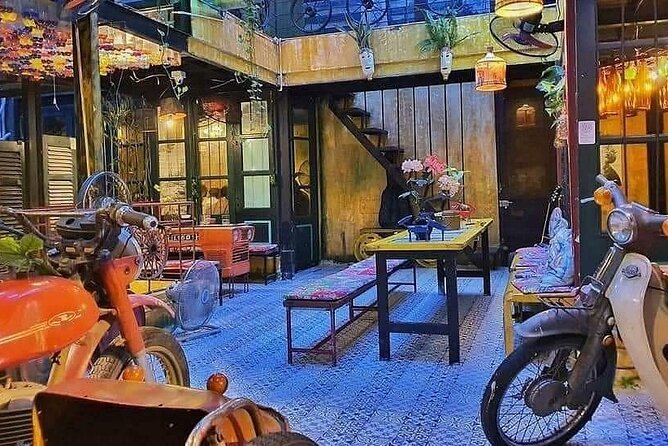
The cafe is described as eco-friendly, with furniture and decorations made through creative reuse. That gives the venue more personality than a neutral classroom and connects the activity to a wider idea about daily life in Hanoi.
You also get to see coffee in its natural setting. Vietnamese cafe culture is not only about the beverage. It is about taking time, talking, and treating the cafe as part of ordinary city life. A class inside a functioning cafe gives you a better sense of that habit than a lesson held in a generic event space.
The venue also serves healthy, organic Vietnamese food. The class information indicates that you have a snack with the coffee, but it does not promise a full meal or specify the snack menu. Keep your expectations at the level of a light accompaniment, not lunch.
Because the cafe is in the Old Quarter, you can pair the class with other sightseeing nearby. The activity itself ends at the starting point, which makes it easy to continue exploring on foot afterward. No separate transport is included or needed between class stages.
Is $25 a fair price for two hours?
At $25 per person, this class is priced above the cost of ordering one or two ordinary coffees in Hanoi, but the comparison is not quite fair. You are paying for instruction, ingredients, five different drinks, a snack, and an explanation of local coffee culture.
The value is strongest if you want to learn a method you can repeat. A cafe tasting would be cheaper, but it would not teach you how to use the phin or prepare egg, coconut, and salt coffee. The class also gives you a structured introduction in a small group rather than asking you to decode a menu on your own.
The price is less compelling if you only want one drink or dislike sweet, creamy coffee. Several of the featured versions use ingredients that turn coffee into a substantial treat. You should enjoy experimenting with different flavors to get the full benefit.
The maximum of eight helps support the price. A small group generally means more direct participation and a better chance to ask the instructor for help. It does not guarantee private instruction, but it is a much more manageable size than a large workshop.
The activity is also booked about nine days in advance on average. That suggests you should not leave it until the last morning of your Hanoi stay, especially if your schedule is tight.
Who will enjoy this class most?
I would recommend it to coffee drinkers who want an activity with a clear local connection. It is especially suitable if you like hands-on lessons, enjoy trying unusual flavors, or want to understand what makes Hanoi coffee different from a standard cafe drink.
It also fits a short Hanoi visit. Two hours is enough time to learn several recipes without taking up an entire day. Since you return to the same Old Quarter cafe, you can plan another activity before or after it.
Families and mixed-age groups may find the format appealing, though the provided information does not specify a minimum age. The class is also a good choice for couples and small groups of friends who want something more active than sitting down for coffee.
I would hesitate to recommend it to someone seeking a serious barista course. The focus is on Vietnamese traditional drinks and cafe culture, not advanced espresso skills, roasting, latte art, or professional coffee certification.
It may also be a poor fit if you need a full meal, dislike dairy or sweet flavors, or want a long city tour. The food element is limited to a snack, and the activity stays focused on coffee.
Practical details that affect your plans
You receive confirmation when you book, and the experience uses a mobile ticket. The meeting point is 1 Hàng Mắm, in Hanoi’s Old Quarter, near public transportation.
The activity lasts approximately two hours and finishes back at the cafe. The operator lists a maximum of eight participants, which is worth noting when you compare it with larger food and drink workshops.
Free cancellation is available if you cancel at least 24 hours before the start time. Cancel within 24 hours, and the payment is not refunded. The same 24-hour limit applies to changes, with cut-off times based on local time.
I would schedule this early enough in your Hanoi visit to leave room for a second attempt at the recipes later. If you are checking out a day trip or airport transfer, avoid placing the class too close to a fixed departure since the session takes about two hours.
Should you book the Hanoi Coffee Class?
Book it if you want to make, not merely drink, Vietnamese coffee. The five-drink format, small group size, Old Quarter setting, and cultural explanation give the $25 price a solid purpose.
The best reason to choose it is the range. You start with the phin and finish with egg, coconut, and salt coffee, so you leave with a clearer sense of how Vietnamese coffee can change from sharp and black to creamy and dessert-like.
Skip it if you want a full cooking class, a meal, or advanced coffee training. For everyone else, especially first-time visitors who enjoy local food traditions, this is a practical two-hour introduction with enough hands-on work to make the experience stick.
FAQ
Where does the Hanoi Coffee Class meet?
The class meets at Hidden Gem Cafe Hanoi, 1 Hàng Mắm, in Hanoi’s Old Quarter, Hoàn Kiếm, Hanoi, Vietnam.
Where does the activity end?
The activity ends back at the meeting point, the same cafe where the class begins.
How long does the coffee class last?
The class lasts approximately two hours.
How many people can join the class?
The activity has a maximum of eight participants.
Which Vietnamese coffees will I make?
You will prepare dripping black coffee, coffee with condensed milk, egg coffee, coconut coffee, and salt coffee.
Is the class only about making coffee?
No. Along with preparation techniques, the class covers Vietnamese and Hanoi coffee culture and history.
How much does the experience cost?
The listed price is $25 per person.
Can I cancel for a full refund?
Yes. You can cancel at least 24 hours before the start time for a full refund. Cancellations or changes made less than 24 hours before the start time are not refunded or accepted.
More Workshops in Hanoi
- Hanoi Cooking Class: Culture, Local Market & Meaning CSR Impact
★ 5.0 · 5,147 reviews - 5 Traditional Dishes Hanoi Cooking Class with Market Trip
★ 5.0 · 4,890 reviews - Vietnamese Food Cooking Class in Hanoi with Market Experience
★ 5.0 · 778 reviews - Hanoi: Handcrafted Wood Carving Workshop with Local Artisan
★ 5.0 · 733 reviews
Recently reviewed around Hanoi
- Female Riders Vespa Night Street Food + Train Street food 4 Hours★ 5.0 · 35 reviews
- Beautiful Female Riders Vespa Red River Countryside Tour 5 Hours★ 5.0 · 23 reviews
- The insider’s Hanoi 4.5 hours All highlight Places & Train Street★ 5.0 · 41 reviews
- The insider’s Hanoi + Train Street 4,5 Hours Female Ao Dai Riders★ 5.0 · 53 reviews
- Red River Delta Countryside+ Rural Villages, rice Paddies fields★ 5.0 · 134 reviews
- Street Foods Hanoi Kim Tours Vietnam★ 5.0 · 140 reviews
- Hanoi Jeep Tour – Ba Vi National Park Full Day Tour★ 5.0 · 21 reviews
- Ninh Binh Full Day Tour from Hanoi to Hoa Lu, Trang An & Mua Cave★ 5.0 · 31 reviews
Coffee Experiences, compared.

Vietnamese Coffee Culture and Coffee Making Class
Read our review →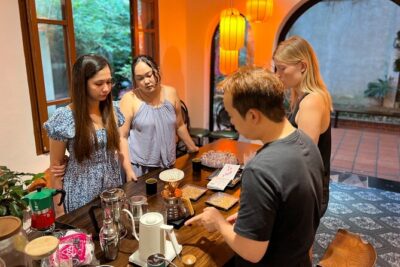
Hanoi Coffee Experience: 6 Brews, 9 Recipes & 3 Liquor Tastings
Read our review →
Hanoi Coffee Workshop: Taste Salt, Coconut and Egg Coffee
Read our review →
Salt Coffee Workshop Awake Your Senses With 6 Brews
Read our review →
Early Morning My Son Sanctuary Trip w. Champa Food & Coffee
Read our review →
Da Nang Cooking Class with Coffee Tasting and Market Visit
Read our review →Browse the lists this tour appears in