
Reviewed · COFFEE EXPERIENCES
Hanoi Coffee Class learning 5 famous coffee in Hanoi
Hanoi’s coffee culture comes alive in this hands-on class, where you handle beans, learn how Vietnamese coffee is made, and prepare five drinks yourself. I like the mix of short coffee lessons and real practice, plus the chance to try styles such as egg coffee and coconut coffee.
I also like the personal teaching style reported by guests, with instructors including Vy, Bella, and Ruby offering clear English and useful tips about Hanoi. The $18 price covers coffee, tea, snacks, tools, and the class, though five full drinks can make this a very caffeinated two hours.
The main consideration is that the exact coffee lineup depends on the option you choose. You may not make every style named in the description, so check your selected option if a particular drink, such as salted or matcha coffee, matters to you.
In This Review
- Key points to know before booking
- What this Hanoi coffee class actually offers
- From Vietnamese beans to five finished drinks
- Condensed milk filter coffee
- Pour-over and white coffee
- Egg coffee
- Coconut coffee
- Matcha and salted coffee
- The teaching style and the people leading the class
- Why the culture lesson matters
- Snacks, caffeine, and the pace of the two hours
- Is $18 good value?
- Meeting point, transport, and group size
- Who should book this experience?
- Booking and cancellation details
- My verdict: book it for the coffee story, not just the coffee
- FAQ
- How long does the Hanoi Coffee Class last?
- How much does the experience cost?
- Where does the class start?
- Where does the activity finish?
- How many people can join the class?
- Will I make five coffee drinks?
- Which coffee styles might be included?
- Is coffee and tea included?
- Are the coffee tools provided?
- Can I cancel for a full refund?
Key points to know before booking
- Five coffees in about two hours: You make and taste several Vietnamese coffee styles instead of only watching a demonstration.
- Hands-on from bean to cup: Depending on your option, you may roast beans, then grind, filter, brew, and mix the drinks yourself.
- Egg and coconut coffee included in some formats: These creative Hanoi favorites are among the most enjoyable possibilities.
- A small class capped at 15 people: The group size allows room for questions, though a private-feeling class is not guaranteed.
- Tea and snacks are part of the session: You are welcomed with Vietnamese tea and have small bites alongside the coffee.
- Easy Old Quarter meeting point: Start and finish at 8 P. Gia Ngư, near public transport in Hoàn Kiếm.
What this Hanoi coffee class actually offers
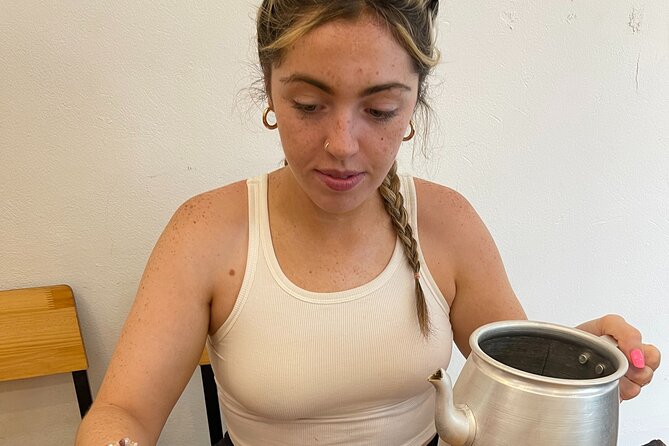
This is not simply a tasting where someone places five cups in front of you. You take part in the work. The class introduces Vietnamese beans in different forms, then shows you how coffee changes as you roast, grind, filter, brew, and combine it with other ingredients.
The setting is a coffee shop with a long connection to Hanoi coffee. That matters because the class is tied to the city’s everyday coffee culture, not just a generic cooking lesson adapted for visitors.
You begin with Vietnamese tea and a snack. It is a simple welcome, but a useful one. Coffee lessons can move quickly once the brewing starts, and the tea gives you a gentle start before the caffeine arrives.
The opening lesson covers the history of coffee in Vietnam and Hanoi, along with facts about the beans and local coffee habits. You get to see, touch, and smell the beans at different stages. That sensory part helps you understand the difference between a raw bean, a roasted bean, and the grounds used in the cup.
Depending on the option you book, you may roast a batch yourself. This is one of the more distinctive parts of the experience, though it should not be treated as guaranteed for every booking option. You then learn to grind the beans and use the coffee tools provided.
More Coffee Tours in Hanoi
- Hanoi Coffee Experience: 6 Brews, 9 Recipes & 3 Liquor Tastings
★ 5.0 · 2,945 reviews - Hanoi Coffee Workshop: Taste Salt, Coconut and Egg Coffee
★ 5.0 · 1,286 reviews - Hanoi: Salt Coffee Workshop Awake Your Senses With 6 Brews
★ 5.0 · 792 reviews
From Vietnamese beans to five finished drinks
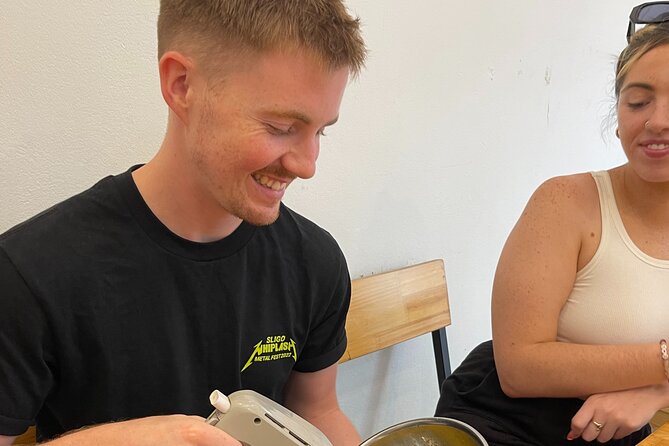
The class is built around making five drinks, but the exact set can vary. Possible recipes include condensed milk filter coffee, pour-over, white coffee, egg coffee, coconut coffee, matcha coffee, and salted coffee.
That range gives you a useful look at how Vietnamese coffee works. Some drinks focus on the bean and brewing method. Others use sweet, creamy, salty, or plant-based ingredients to change the taste and texture.
Condensed milk filter coffee
The Vietnamese filter coffee lesson is likely to be the most practical recipe for home use. You learn how a small coffee filter works and how it produces a slow, concentrated brew.
Condensed milk adds sweetness and body. This style is a good introduction to the balance that defines many Vietnamese coffee drinks: strong coffee softened by a rich sweet ingredient.
The class includes the filter and other tools, so you are not only tasting the result. You are learning a method you can repeat after returning home.
Pour-over and white coffee
The pour-over option offers a different way to notice the coffee itself. Compared with condensed milk coffee, it puts more attention on the brewing process and the flavor of the beans.
White coffee gives you another contrast. The name can refer to a milk-based drink in the class, but the exact preparation depends on the selected format. Your instructor explains the recipe as you make it, which helps keep the lesson practical rather than overly technical.
More Vietnamese coffee stops in Hanoi:
- Hanoi: Vietnamese Street Food Tour with Egg Coffee
★ 4.9 · 315 reviews - Hanoi Cooking Class: Pho/Bun Cha/Banh Xeo…+Free Egg/Salt Coffee
★ 5.0 · 267 reviews - Ha Noi Egg Coffee Class
★ 5.0 · 227 reviews - Hanoi Coffee Workshop: Master 6 Signature Vietnamese Coffee
★ 5.0 · 171 reviews
Egg coffee
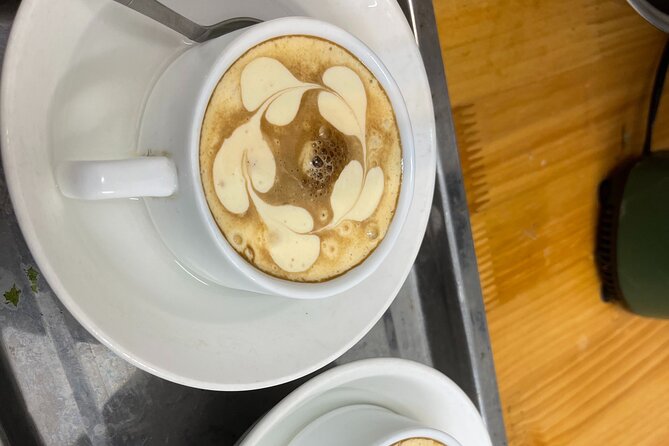
Egg coffee is one of Hanoi’s best-known coffee creations, and making it yourself gives the drink more context. The recipe combines coffee with a whipped egg mixture, creating a dessert-like top over a strong base.
This is also where the class connects food with local history. One instructor, Bella, has been specifically praised for explaining how egg coffee began in Hanoi. You get more than a sweet drink. You learn why this unusual combination became part of the city’s coffee identity.
The egg coffee also makes a good choice for people who do not usually drink black coffee. The topping changes the texture and softens the bitterness, although it remains a coffee drink rather than a light milkshake.
Coconut coffee
Coconut coffee is another fun recipe to make. It pairs coffee with coconut flavors and a cooler, creamier texture than a plain filter coffee.
You may particularly enjoy this one if you like dessert-style drinks. The practical value is in learning how a familiar local coffee can be changed with a few ingredients, rather than treating it as a fixed recipe.
Matcha and salted coffee
Matcha coffee and salted coffee may appear in some class options. These show how Hanoi’s coffee scene keeps adding new combinations while still using familiar local brewing methods.
Salted coffee is especially useful as a lesson in balance. A small salty element can reduce the sharp edge of coffee and make sweet flavors seem fuller. Matcha coffee combines coffee with green tea flavor, giving you a drink that is different from the more traditional egg or condensed milk styles.
Again, check the option you choose. The class promises five drinks, not necessarily every drink named in the full selection.
The teaching style and the people leading the class
The instructors are a major part of the experience. Names associated with the class include Vy, Bella, and Ruby, and the teaching style is described as friendly, patient, personal, and clear in English.
Vy is especially suited to visitors who want context as well as recipes. She explains coffee types and Vietnamese coffee history, and she may also offer practical suggestions for seeing Hanoi after class.
Bella’s strength is a relaxed teaching approach, with particular attention to egg coffee and the story behind it. Ruby is noted for clear English and steady guidance while you prepare each drink.
The group size can reach 15 people, so the experience is not automatically a private lesson. Still, the class has sometimes been small enough to feel close to one-on-one instruction. If you prefer plenty of individual attention, booking at a less busy time may help, though the available data does not specify which sessions are quietest.
The short theory section is followed by practice, which is the right balance for this subject. You get enough background to understand what you are doing, but most of the two hours is spent handling coffee and making drinks.
Why the culture lesson matters
Coffee is not just a beverage in Vietnam. It is tied to daily routines, social life, local cafés, and the country’s own way of adapting a crop and brewing tradition.
The class helps you see that through several small details. You learn how coffee is produced and prepared, why the filter method matters, and how Hanoi developed drinks that are now closely linked with the city.
I like this cultural layer because it gives purpose to the recipes. Without it, egg coffee is simply coffee with a sweet whipped topping. With the background, it becomes part of Hanoi’s food story.
The lesson also helps you order with more confidence during the rest of your visit. After making five drinks, you will recognize the difference between a slow filter coffee, a milk-based drink, and more modern combinations.
Snacks, caffeine, and the pace of the two hours
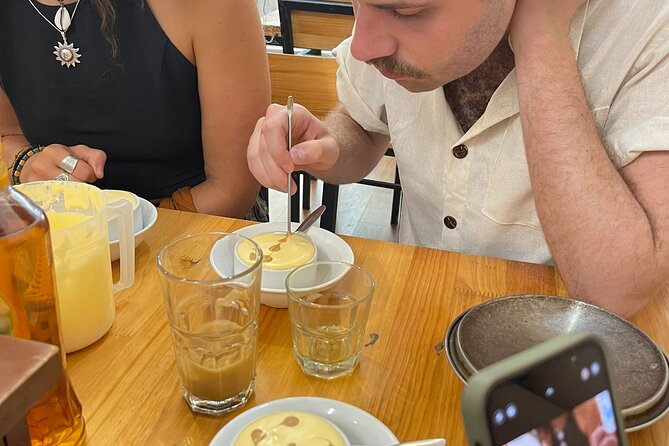
Small snacks are served during the class, beginning with tea and continuing as you work through the drinks. They are a useful companion to the coffee, particularly because five samples can add up to a lot of caffeine.
The pace sounds active rather than rushed. You learn a method, prepare a drink, taste it, then move to the next style. That repeated pattern makes the class easy to follow and gives you time to compare the results.
Still, you should plan the rest of your morning with some care. If you drink all five coffees, you may feel the caffeine. The class does not state that decaffeinated coffee or smaller tasting portions are available, so ask the instructor if caffeine is a concern.
The snacks are included, but they are described as small snacks rather than a meal. Do not book this as a substitute for breakfast or lunch.
Is $18 good value?
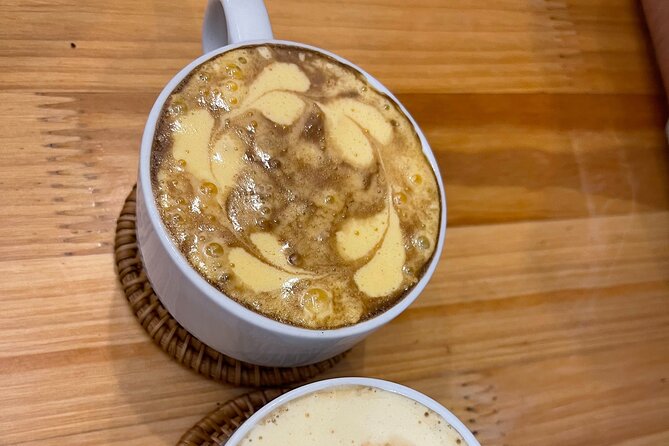
At $18, this is a strong-value activity if you want to learn rather than simply stop for one cup of coffee. The price includes the class, coffee and tea, snacks, filters, roasting equipment, and other tools.
You also get five drinks, a cultural lesson, and practical brewing skills. A single café visit may cost less, but it will not usually teach you how to recreate the drink at home or explain the role of coffee in Hanoi.
The value is highest for couples, families, and people who enjoy food workshops. One family of five found the class accommodating to different preferences, which is useful if everyone in your group likes a different coffee style.
It is also a good pick for a rainy morning or for a short break from walking around the Old Quarter. Since the class starts and ends at the same location, you do not lose time traveling across the city.
The price is less compelling if you dislike coffee, avoid caffeine, or only want a quick tasting. Two hours is a fair commitment for a workshop, and the experience is built around drinking several prepared cups.
Meeting point, transport, and group size
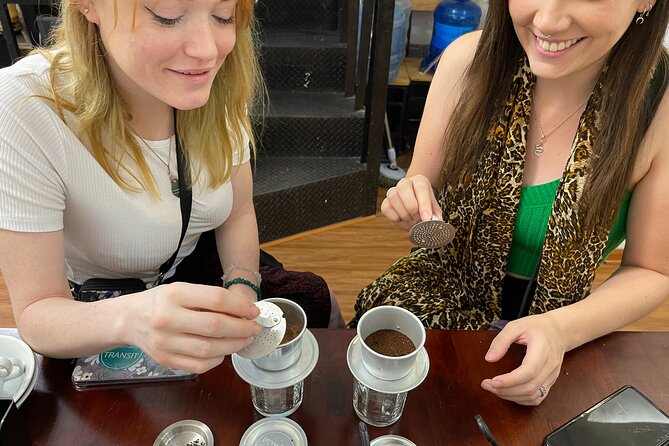
The class begins at 8 P. Gia Ngư, Hàng Bạc, in Hanoi’s Hoàn Kiếm district. It finishes back at the same meeting point, so you can plan another Old Quarter activity afterward.
The location is near public transport. Your mobile ticket is accepted, and booking confirmation is provided at the time of booking.
The maximum group size is 15 people. That is small enough for a teaching class, though the level of personal attention will depend on how many people attend and how actively you take part.
Service animals are allowed. The supplied information does not give details about wheelchair access, stairs, seating, or specific dietary substitutions, so contact the provider before booking if any of those points are important to you.
Who should book this experience?

You should book it if you want a practical introduction to Vietnamese coffee and enjoy making food or drinks with your own hands.
It suits:
- First-time visitors who want cultural context without a long lecture
- Coffee fans interested in egg, coconut, salted, or matcha combinations
- Couples looking for a shared activity
- Families with mixed coffee preferences
- Anyone who wants to repeat Vietnamese coffee recipes at home
- People staying near Hanoi’s Old Quarter who value a convenient start and finish
It may not suit you if you want a quiet coffee tasting, dislike sweet drinks, or prefer not to consume several cups in one sitting. The class is interactive, so you should be ready to grind, brew, mix, and taste rather than sit back.
Booking and cancellation details
The experience costs $18 and lasts about two hours. Free cancellation is available if you cancel at least 24 hours before the local start time.
Cancellations made within 24 hours are not refunded, and changes in that final 24-hour period are not accepted. The class also requires a minimum number of participants. If that minimum is not reached and the activity is canceled, you are offered another date or experience, or a full refund.
My verdict: book it for the coffee story, not just the coffee
I would book this class if you want to understand why Hanoi coffee tastes and looks different from coffee at home. The best parts are the hands-on brewing, the chance to make egg and coconut coffee, and the friendly instruction from teachers such as Vy, Bella, and Ruby.
The class offers real value at $18, especially for a family or couple. Just confirm which five drinks your chosen option includes, and remember that five coffees can be a serious caffeine load.
If you want a useful, social Old Quarter activity with something to eat and skills to take home, this is an easy choice. If you only want one excellent cup, spend the $18 at a café instead.
FAQ
How long does the Hanoi Coffee Class last?
The class lasts approximately two hours.
How much does the experience cost?
The listed price is $18.
Where does the class start?
It starts at 8 P. Gia Ngư, Hàng Bạc, Hoàn Kiếm, Hanoi, Vietnam.
Where does the activity finish?
The class ends back at the meeting point.
How many people can join the class?
The maximum group size is 15 people.
Will I make five coffee drinks?
The class includes making five coffee drinks. The exact recipes depend on the option you choose.
Which coffee styles might be included?
Possible styles include condensed milk filter coffee, pour-over, white coffee, egg coffee, coconut coffee, matcha coffee, and salted coffee.
Is coffee and tea included?
Yes. Coffee and/or tea are included, along with small snacks.
Are the coffee tools provided?
Yes. The included equipment can include coffee filters, a coffee roaster, and other brewing tools.
Can I cancel for a full refund?
Yes, if you cancel at least 24 hours before the experience start time. Cancellations within 24 hours are not refunded.
More Workshops in Hanoi
- Hanoi Cooking Class: Culture, Local Market & Meaning CSR Impact
★ 5.0 · 5,147 reviews - 5 Traditional Dishes Hanoi Cooking Class with Market Trip
★ 5.0 · 4,890 reviews - Vietnamese Food Cooking Class in Hanoi with Market Experience
★ 5.0 · 778 reviews - Hanoi: Handcrafted Wood Carving Workshop with Local Artisan
★ 5.0 · 733 reviews
Recently reviewed around Hanoi
- Female Riders Vespa Night Street Food + Train Street food 4 Hours★ 5.0 · 35 reviews
- Beautiful Female Riders Vespa Red River Countryside Tour 5 Hours★ 5.0 · 23 reviews
- Red River Delta Countryside+ Rural Villages, rice Paddies fields★ 5.0 · 134 reviews
- The insider’s Hanoi 4.5 hours All highlight Places & Train Street★ 5.0 · 41 reviews
- The insider’s Hanoi + Train Street 4,5 Hours Female Ao Dai Riders★ 5.0 · 53 reviews
- Street Foods Hanoi Kim Tours Vietnam★ 5.0 · 140 reviews
- Hanoi Jeep Tour – Ba Vi National Park Full Day Tour★ 5.0 · 21 reviews
- Ninh Binh Full Day Tour from Hanoi to Hoa Lu, Trang An & Mua Cave★ 5.0 · 31 reviews
Coffee Experiences, compared.

Vietnamese Coffee Culture and Coffee Making Class
Read our review →
Hanoi Coffee Experience: 6 Brews, 9 Recipes & 3 Liquor Tastings
Read our review →
Hanoi Coffee Workshop: Taste Salt, Coconut and Egg Coffee
Read our review →
Salt Coffee Workshop Awake Your Senses With 6 Brews
Read our review →
Early Morning My Son Sanctuary Trip w. Champa Food & Coffee
Read our review →
Da Nang Cooking Class with Coffee Tasting and Market Visit
Read our review →Browse the lists this tour appears in