
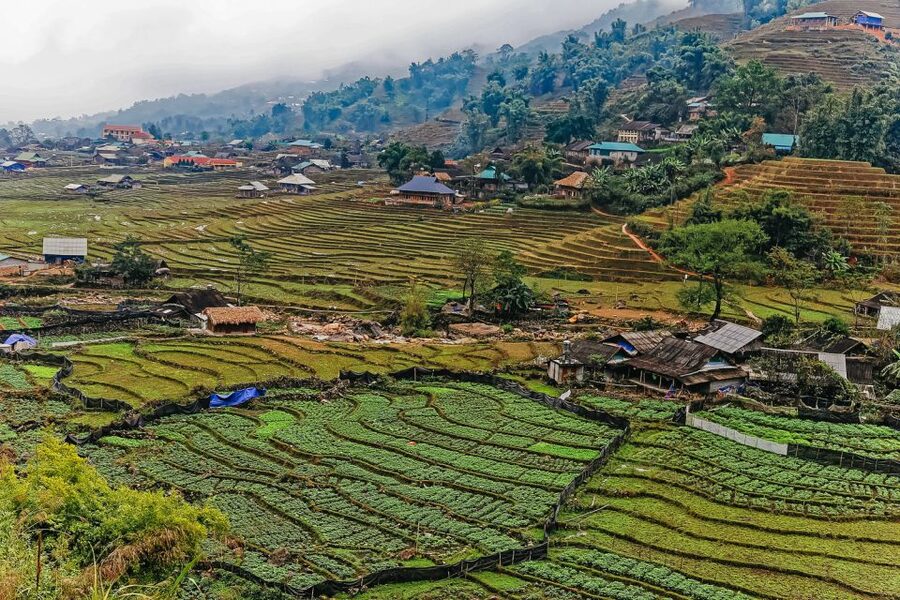
Reviewed · HIKING & TREKKING
Sapa: 3-Day, 3-Night Trek and Hotel with Overnight Train
Sapa’s best moments happen on foot, among rice terraces and small villages rather than in town. This trip takes you through Muong Hoa Valley, from Black Hmong communities to Zay and Red Zao villages, then gives you a night in Ta Van with a local family.
I like the mix of a comfortable Sapa hotel and a simple homestay, and I like that the overnight train saves a hotel night while adding a distinctly Vietnamese travel experience. The main catch is the pace: one trek covers about 9 kilometers, and steep, wet paths can be hard work.
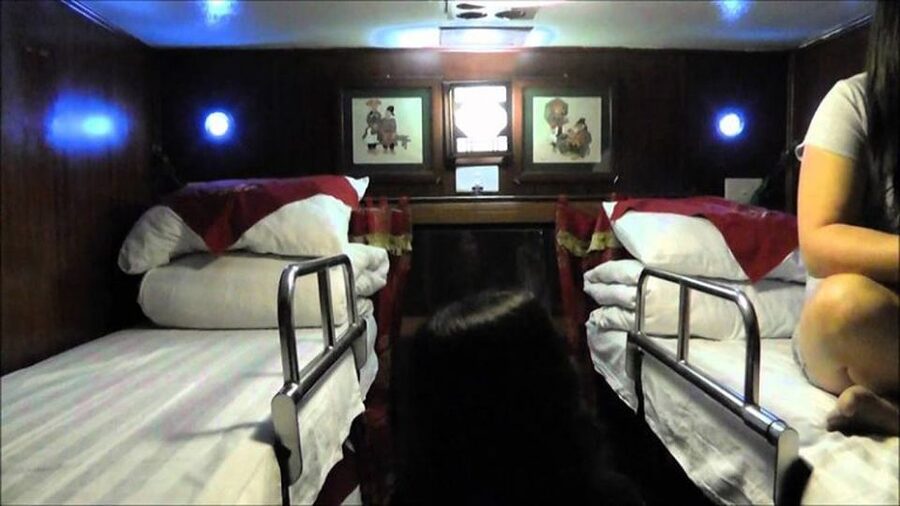
- Overnight train from Hanoi: Travel in a shared, air-conditioned four-bed cabin to Lao Cai.
- Three ethnic communities: Visit Black Hmong, Zay, and Red Zao villages around Muong Hoa Valley.
- Ta Van homestay: Spend one night in the village with the Zay Hill Tribe.
- Three different walks: See Sin Chai, Y Linh Ho, Lao Chai, Ta Van, Giang Ta Chai, and Su Pan.
- Meals included: Breakfast, lunch, and dinner are covered on the Sapa portion of the trip.
- Useful warning: Women and children may approach you along the trail to sell goods, sometimes at high prices.
In This Review
- A train ride that starts the Sapa adventure
- Sin Chai and the Black Hmong foothills
- Y Linh Ho and Lao Chai along Muong Hoa Valley
- A night in Ta Van with the Zay people
- Waterfalls, bamboo forest, and the return to Sapa
- What the $212 price really covers
- Guides, group size, and the human side of the walk
- How hard are the hikes?
- Who should book this Sapa trip?
- FAQ
- How long does the experience last?
- Where does the train depart from?
- What accommodation is included?
- Are meals included?
- What should I bring for the trek?
- Can solo visitors join the tour?
- Should you book it?
A train ride that starts the Sapa adventure

The trip begins in Hanoi at about 9 PM, with the train leaving around 10 PM for Lao Cai. You can arrange pickup from a hotel in Hanoi’s Old Quarter, or make your own way to the railway station and meet the staff for your tickets.
The shared four-bed cabin has air-conditioning and soft berths. For many people, it is a comfortable way to travel, though you should expect noise, bumps, and a basic train toilet. You may not get to choose a top or bottom berth, so pack light enough to handle your bag in a compact compartment.
The train arrives at Lao Cai early in the morning. A shared minibus takes you up to Sapa, where you meet your guide, leave your luggage at the hotel, and have breakfast. This early transfer is practical, but the first morning can feel long after a night on rails.
Your room in the three-star Sapa hotel is normally available from 2 PM. If you want to shower and sleep as soon as you arrive, early check-in costs extra and needs to be selected when booking.
Sin Chai and the Black Hmong foothills
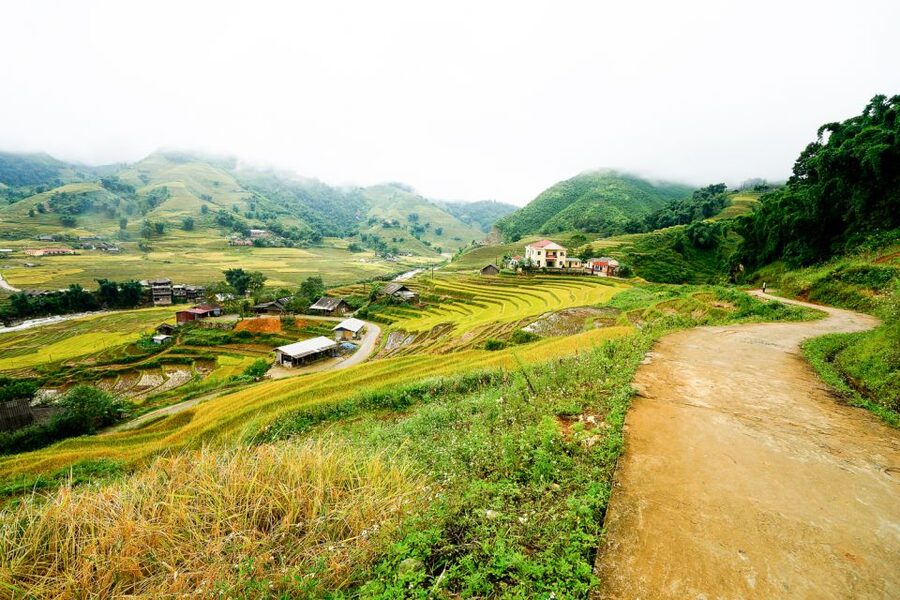
After breakfast, the first walk heads southwest from Sapa to Sin Chai Village. It sits a little over 2 kilometers from the town center and is home to the Black Hmong people.
Sin Chai is a useful first stop because it gives you a quieter introduction to village life before the longer valley walk. The village is described as simple and rustic, with a way of life less tied to the main streets of Sapa. Your guide can help explain local customs and the role of the Black Hmong community in the region.
This first trek also lets you test your shoes and clothing. Sapa’s weather changes quickly, and a path that feels easy in dry sunshine can turn slippery after rain. Bring proper trekking shoes, not smooth-soled sneakers.
After the walk, you return to the hotel for lunch and free time. That pause matters. You can rest, explore Sapa, or visit the town’s shops before dinner at about 6 PM.
An evening in Sapa can be fun and informal. You might see roasted corn and baked eggs cooked beside charcoal fires, or browse local goods. Drinks are not included with meals, so keep some Vietnamese dong handy.
More Hiking Tours in Hanoi
- Halong Bay Full Day with Kayaking, Hiking viewpoint, Cave – Deluxe To Luxury
★ 5.0 · 884 reviews - From Hanoi: 2-Day Sapa Trekking Trip with Homestay & Meals
★ 4.8 · 704 reviews - Sapa 3 Days 2 Nights Trekking Tour (1 Night In Ta Van Village, 1 Night In Hotel)
★ 5.0 · 699 reviews
Y Linh Ho and Lao Chai along Muong Hoa Valley
Day two is the main trekking day. After breakfast, you follow the side of Muong Hoa Valley toward Y Linh Ho, a village associated with the Black Hmong. The route then continues down toward Lao Chai, another Hmong village.
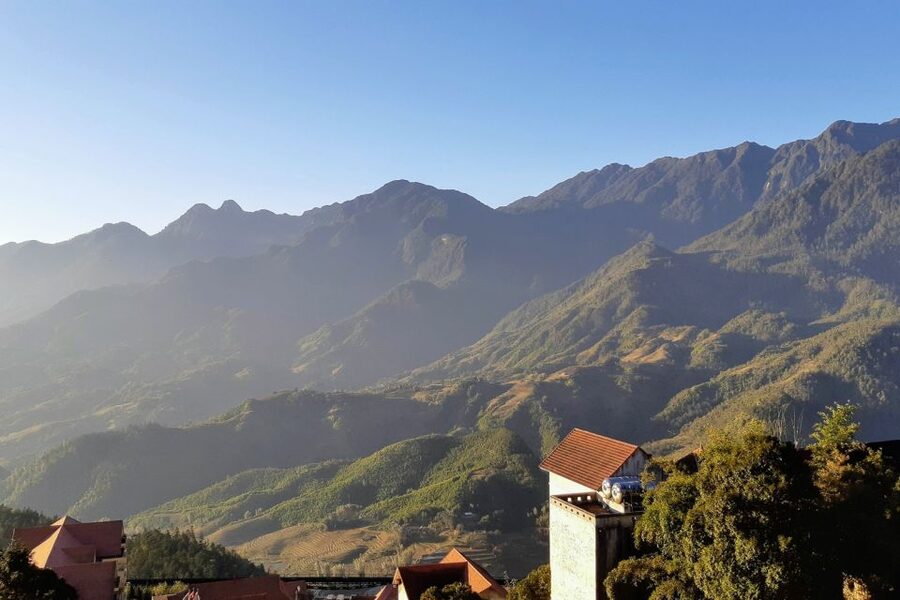
This is the part of the trip that rewards a good level of fitness. The walk passes rice terraces and open valley views, with plenty of places to stop for photographs. In May, you may see people planting rice and, if conditions allow, take part in the work yourself. From September to March, Sapa is normally cold, while December through March can bring fog.
Lao Chai gives the walk a stronger sense of daily life. You may see people cutting wood for winter, making traditional clothing, or moving through the fields. This is also where the commercial side of Sapa becomes more noticeable.
Local women and children may walk beside you, offer handicrafts, or wait at stops and lunch points. Some may follow for part of the route. The tour operator asks you to ignore persistent sales attempts and stay with your guide, but a more useful approach is to remain polite and set a clear limit.
If you want to buy something, agree on the price before handing over money. Do not feel obliged to purchase because someone has walked with you. Carrying small amounts of cash can help, but keep your spending deliberate.
After lunch, the route continues through terraced fields to Ta Van Village, home to the Zay minority. The gradual change from Hmong villages to Zay country is one of the strongest features of the trip. You are not simply looking at mountain scenery. You are moving between communities with different traditions and identities.
A night in Ta Van with the Zay people
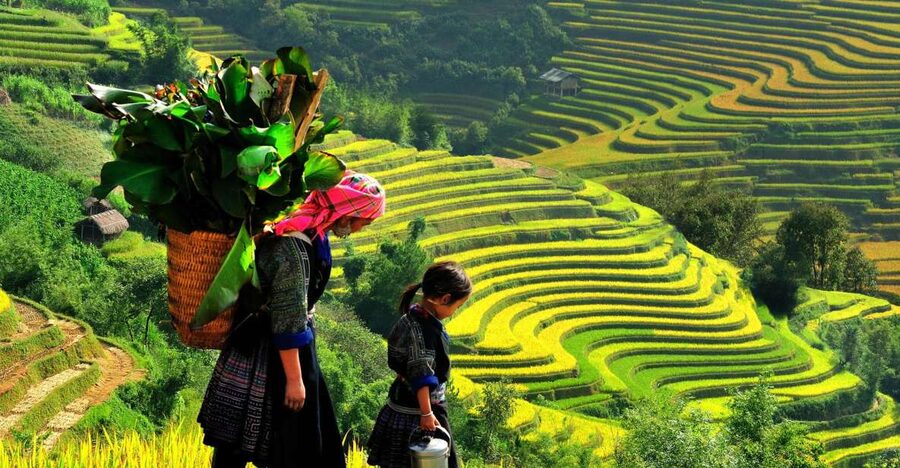
The Ta Van homestay is the heart of the experience. You spend the night in the village with the Zay Hill Tribe instead of returning to a standard hotel in Sapa.
Do not expect hotel-style privacy or a polished resort. A homestay is valuable because it brings you closer to local village life, but it also means accepting a simpler setting. Solo visitors should note that a single supplement applies for two nights in a three-star hotel and private bungalow, with the amount confirmed at booking.
Dinner is included, and the food receives strong praise in the available feedback. Meals are part of the social side of the stay, so this is a good time to ask your guide questions about the village, farming, clothing, and local customs.
A local handicraft center is also part of the program. Women gather there to exchange skills, giving you a chance to see traditional work as a living activity rather than a display made only for tourists.
The homestay is not the right choice if you need a fully private room, a quiet hotel environment, or complete control over your evening. It is a good fit if you can trade some comfort for a closer connection to the area.
Waterfalls, bamboo forest, and the return to Sapa
On day three, you continue from Ta Van toward Giang Ta Chai and Su Pan. These villages are linked with the Red Dzao and Hmong communities.
The walk includes a waterfall, a rattan bridge, and views through bamboo forest. These details give the final trek a different feel from the open rice terraces of the previous day. The trail is varied, but it can also be demanding, especially in heavy showers.
Once you reach the main road, a vehicle brings you back to Sapa. The schedule allows you to pack and prepare for departure at about 2 PM. You then take a limousine back toward Hanoi, arriving around 8 or 9 PM.
The limousine is a welcome contrast to the train. It is described as comfortable, and the driver may drop you at your hotel, but the listed arrangements also describe the activity as ending at the meeting point. Confirm your exact Hanoi drop-off before departure, especially if you are arriving late or carrying heavy luggage.
More Hanoi trips worth a second look
- 3-Day Trekking Adventure of Sapa from Hanoi – Stay Ta Van Village
★ 5.0 · 611 reviews - 2-Day Sa Pa Ethnic Homestay Tour & Trek with Limousine Bus
★ 4.8 · 440 reviews - Hanoi – Sapa 3 Day 2 Night Trekking With Hotel & Homestay
★ 5.0 · 389 reviews - Ninh Binh: Cuc Phuong Jungle Hike & Wildlife Day Trip
★ 4.4 · 327 reviews
What the $212 price really covers
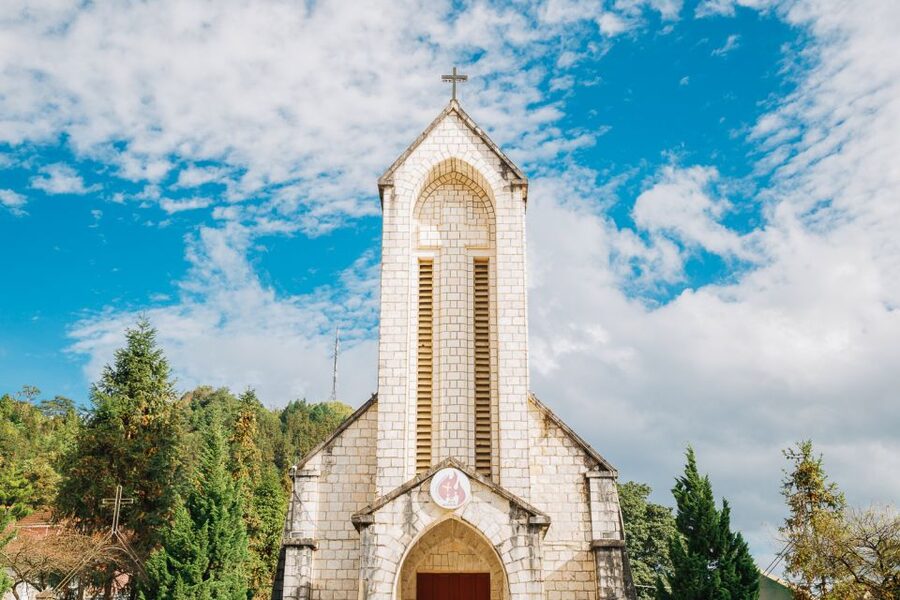
At $212 per person, the price includes a great deal of transport and accommodation for a three-day, three-night trip. You get the Hanoi to Lao Cai train cabin, the Lao Cai to Sapa minibus, a hotel night, a Ta Van homestay night, meals listed in the schedule, a local English-speaking guide, sightseeing fees, taxes, and the return limousine.
The value is strongest if you want one booking to handle the difficult connections. Organizing the railway tickets, early morning station transfer, village walks, lodging, and return to Hanoi on your own would take more time and coordination.
The price is less attractive if you mainly want to hike independently or spend several days in Sapa at a slower pace. The itinerary moves efficiently through several villages, but you have limited control over where you stay and how long you linger.
Budget for drinks, snacks, personal expenses, and souvenirs. Bring Vietnamese dong because banking services in Sapa can sometimes fail. US dollars, euros, and Australian dollars are also accepted in Sapa, but local currency is usually the simpler choice for small purchases.
The tour has a rating of 4.2 from 64 reviews, which fits the overall picture: the guides, food, organization, and scenery earn strong approval, while the train, sales pressure, and occasional communication issues keep it from being perfect.
Guides, group size, and the human side of the walk

The tour uses local English-speaking guides. Names praised in the feedback include Su Su, Ai, Mai, and Chu. You may not have the same guide on every section, especially if you are traveling alone, so ask clearly about the next meeting point and guide before leaving each location.
Small hiking groups are a real advantage. A guide can stop for photographs, explain village life, and adjust the pace more easily than a large coach group. One guide, Mai, was especially appreciated for allowing time for conversation, photos, and optional participation in rice planting when it was in season.
The tour can also be booked as a private group. That is worth considering if you want more control over walking speed, stops, and questions. A solo booking may involve moving between different groups and guides, so check how your arrangements will work before the train leaves Hanoi.
You should also understand the role of the guide during sales encounters. The guide cannot control every person who approaches you. Stay close, be courteous, and decide in advance whether you want to buy anything.
How hard are the hikes?

The 9-kilometer trek is not recommended for older people or children, and the program is not suitable for anyone with mobility impairments or wheelchair users. The distance is only one part of the challenge. Hills, mud, rain, and uneven surfaces can make the walk tiring.
Comfortable shoes are essential. Add a scarf, hat or cap, sunglasses, sunscreen, insect repellent, and warm layers. Sapa can be cool from September to March, and fog is common in December, January, February, and March.
Pack a small day bag with medicine, water money, and anything you need during the walk. The hotel holds your main luggage, but the information does not specify a luggage transfer service to the homestay, so ask what you should carry for the overnight stay.
This trip suits you if you regularly walk several hours and do not mind basic trail conditions. It is a poor match if you want gentle sightseeing from a vehicle or a highly predictable schedule.
Who should book this Sapa trip?
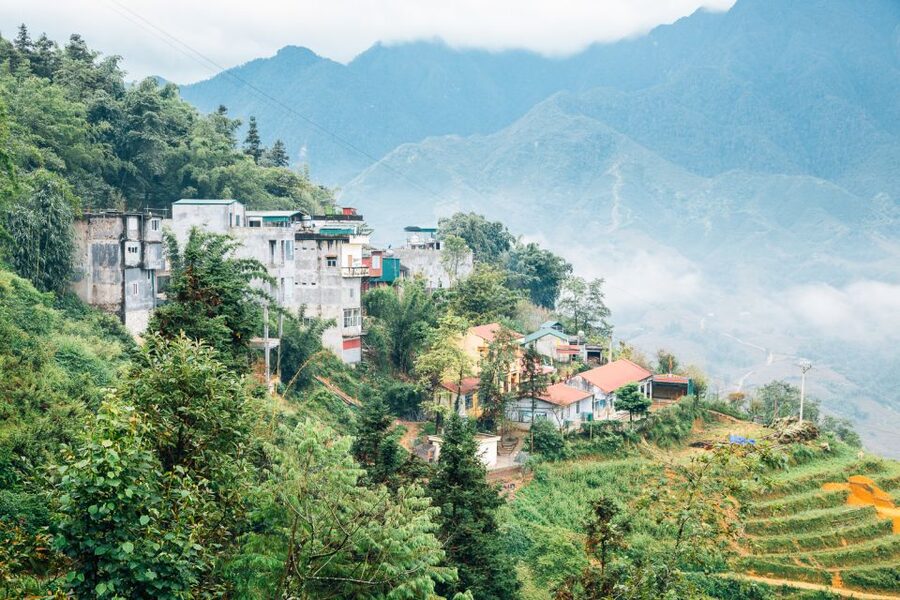
I would choose this tour if you have limited time in northern Vietnam and want to combine transport, village walks, meals, and lodging in one plan. It gives you a broad taste of the Muong Hoa Valley and introduces three ethnic communities without requiring you to arrange separate local services.
It also suits first-time visitors who want a guide to explain what they are seeing. The itinerary balances one hotel night with one homestay night, which is more comfortable than a full rural stay but more personal than staying in Sapa throughout.
You may prefer a longer independent stay if you want to add Fansipan, spend more time in town, or walk at your own pace. Fansipan is not part of the listed schedule, although it can be added separately. Sapa has more to offer than this compact route allows.
The program is not ideal for families with young children, people with limited mobility, or anyone who dislikes overnight trains and shared accommodation. It is also not the best fit if you want a fully quiet, private experience because of the shared cabin, homestay, and frequent sales approaches.
FAQ
How long does the experience last?
It lasts about three to three and a half days, with two nights of scheduled accommodation in the Sapa area and one night on the train from Hanoi to Lao Cai.
Where does the train depart from?
You meet the staff at Hanoi Railway Station around 9 PM for the train departing at about 10 PM. Go to the elevator, take it to the second floor, and proceed to gate 2A.
What accommodation is included?
You receive one night in a shared four-bed, air-conditioned train cabin, one night at a homestay in Ta Van Village, and one night in a three-star hotel in central Sapa.
Are meals included?
Breakfast, lunch, and dinner listed in the schedule are included. Drinks and meals not shown in the itinerary cost extra.
What should I bring for the trek?
Bring trekking shoes, warm clothing, a scarf, hat or cap, sunglasses, sunscreen, insect repellent, medicine, and cash in Vietnamese dong. Sapa weather can change quickly.
Can solo visitors join the tour?
Yes. Solo visitors should expect a single supplement for two nights in a three-star hotel and private bungalow. You may also be placed with different people or guides on different parts of the trip.
Should you book it?
Book this Sapa trek if you want efficient transport and real time in the villages, especially a night in Ta Van with the Zay community. The strongest parts are the local guides, tasty included meals, wide valley walks, and the chance to see daily work in the rice fields and villages.
Before paying, be ready for a noisy train, basic homestay conditions, changing guides, and persistent sellers on the trail. Pack well, confirm the Hanoi return drop-off, and choose this trip for its access to village life, not for luxury.
More Evening Experiences in Hanoi
- Sapa 2 Days 1 Night From Hanoi – Overnight in Ta Van Village
★ 5.0 · 2,669 reviews - Hanoi Motorbike Tours Led By Women: Hanoi By Night Foodie Motorbike Tours
★ 5.0 · 1,734 reviews - From Hanoi: Ha Long – Bai Tu Long Bay 2-Day 1-Night Cruise
★ 4.6 · 1,113 reviews - Halong Bay Cruise 2 days 1 night from Hanoi included transfer
★ 5.0 · 1,061 reviews
More Train Experiences in Hanoi
- Hanoi: Guided Food Tour with Train Street Visit
★ 4.9 · 6,239 reviews - Hanoi: Street Food Tour with Train Street & Hidden Alleyways
★ 5.0 · 2,831 reviews - Hanoi: Guided Street Food Tour with Train Street Experience
★ 4.9 · 2,479 reviews - Hanoi City Tour Highlight, Train Street Combine visit Countryside
★ 5.0 · 925 reviews
Recently reviewed around Hanoi
- Female Riders Vespa Night Street Food + Train Street food 4 Hours★ 5.0 · 35 reviews
- Beautiful Female Riders Vespa Red River Countryside Tour 5 Hours★ 5.0 · 23 reviews
- Red River Delta Countryside+ Rural Villages, rice Paddies fields★ 5.0 · 134 reviews
- The insider’s Hanoi 4.5 hours All highlight Places & Train Street★ 5.0 · 41 reviews
- The insider’s Hanoi + Train Street 4,5 Hours Female Ao Dai Riders★ 5.0 · 53 reviews
- Street Foods Hanoi Kim Tours Vietnam★ 5.0 · 140 reviews
- Hanoi Jeep Tour – Ba Vi National Park Full Day Tour★ 5.0 · 21 reviews
- Ninh Binh Full Day Tour from Hanoi to Hoa Lu, Trang An & Mua Cave★ 5.0 · 31 reviews
Hiking & Trekking, compared.

Halong Bay Full Day with Kayaking, Hiking viewpoint, Cave – Deluxe To Luxury
Read our review →
Muong Hoa Valley Trek and Local Ethnic Villages
Read our review →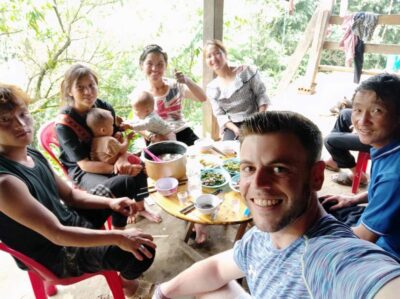
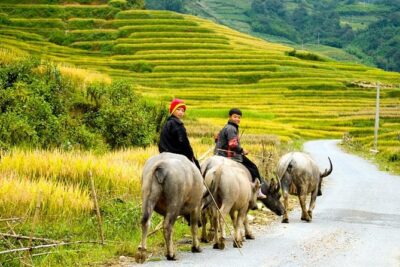
Sapa 3 Days 2 Nights Trekking Tour (1 Night In Ta Van Village, 1 Night In Hotel)
Read our review →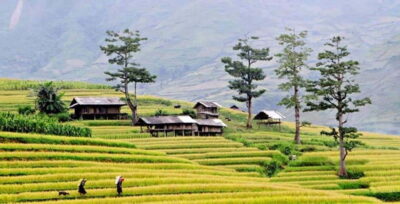
Eco Adventure Terrace Fields and Local Villages Trek
Read our review →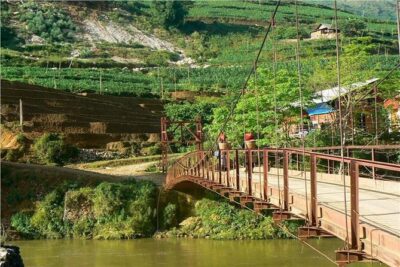
3-Day Trekking Adventure of Sapa from Hanoi – Stay Ta Van Village
Read our review →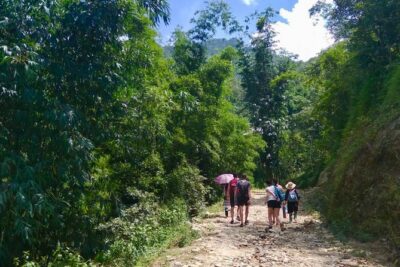
Number one top rated ethical cultural trekking and homestay by ETHOS
Read our review →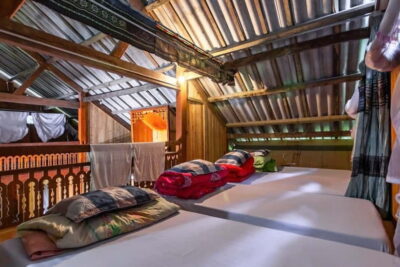
2-Day Sa Pa Ethnic Homestay Tour & Trek with Limousine Bus
Read our review →Browse the lists this tour appears in