
Reviewed · HIKING & TREKKING
Hanoi- SaPa: 3-Day Homestay Trek to Explore Ethnic cultures
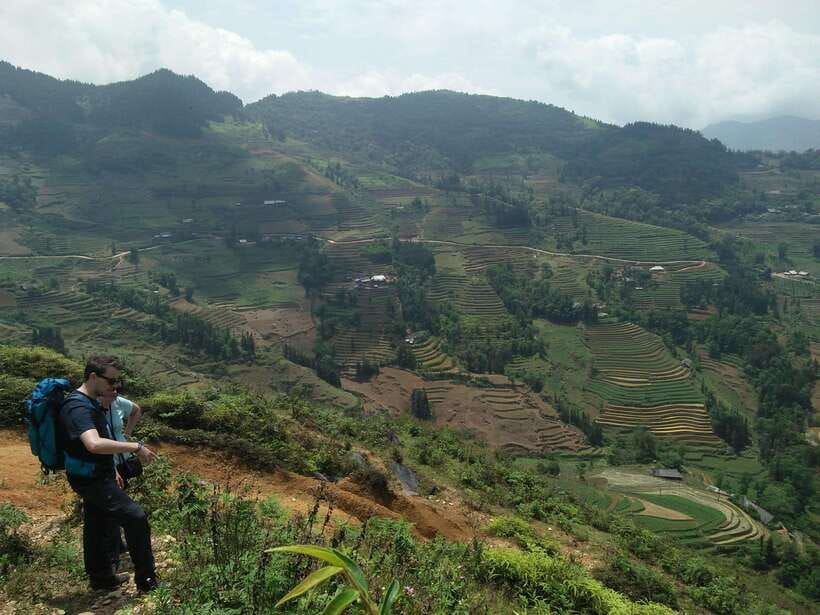
The best part of this three-day Sa Pa trek is the chance to sleep in two homestays instead of simply photographing rice terraces from a roadside stop. You walk through Hmong, Giay, and Red Dzao villages, eat meals with local families, and see daily life at a slower pace. I especially like the route through bamboo forest and the chance to visit a Dzao family home. The small group, capped at 14 people, also gives guides such as Su and Sang room to adjust the pace and answer questions.
The main drawback is the transport. You leave Hanoi at about 8:45 PM on a sleeping bus, arrive around 4:00 AM, and spend more time resting on the bus before breakfast. The trekking can be challenging, weather may hide the rice terraces, and the bus rides have drawn complaints about comfort and cleanliness. Still, at $139 per person, the package offers a lot for three days if you value village contact over polished hotels.
In This Review
- Key Points Before You Book
- The Overnight Ride From Hanoi to Sa Pa
- Day One: Y Linh Ho, Lao Chai, and Ta Van
- Day Two: Bamboo Forests and Ban Ho
- Day Three: Sunrise in Ban Ho and Nam Tong
- What the Homestays Are Really Like
- The Rice Terraces and the Weather Gamble
- Guides, Group Size, and Communication
- Is $139 Good Value?
- Who Should Book This Sa Pa Homestay Trek?
- Should You Book It?
- FAQ
- Where does the tour start in Hanoi?
- What time does the overnight bus leave Hanoi?
- What ethnic communities will I meet?
- Are the meals and accommodation included?
- Is the trek suitable for children or people with limited mobility?
- Can I cancel the booking?
Key Points Before You Book
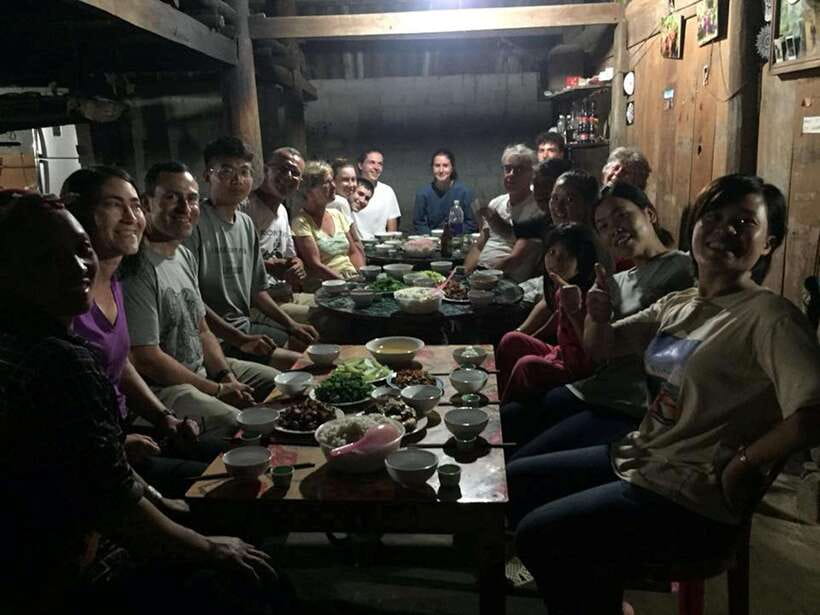
- Two nights in village homestays: Sleep in Ta Van with Giay hosts, then in Ban Ho with local residents.
- Three ethnic communities in one route: Meet Hmong people in Lao Chai, Giay people in Ta Van, and Red Dzao communities around Giang Ta Chai and Nam Tong.
- A demanding overnight schedule: The trip begins with a late Hanoi departure and ends with a return to Hanoi around 10:00 PM on day three.
- A guide can make a big difference: Guides including Su and Sang have been praised for care, local knowledge, and flexibility.
- Meals are covered: The price includes three breakfasts, three lunches, two dinners, and mineral water.
- Weather shapes the views: October through March can be cold, and wet weather may block the famous terrace views.
The Overnight Ride From Hanoi to Sa Pa
Your official tour date begins with the Hanoi departure, not with the morning trek. Pickup is around 8:45 PM from 30 Hang Muoi in Hanoi’s Old Quarter, in the Ly Thai To area. If you stay outside the Old Quarter, you must make your own way to the bus station.
The sleeping bus reaches Sa Pa at about 4:00 AM. You can remain on the bus until roughly 6:00 AM, then move to a boutique hotel for breakfast. This early stop matters. After a night on the road, having food and a place to freshen up makes the morning start more manageable.
Do not expect a full hotel night at this point. One person reported having to use a shared bathroom near reception rather than receiving a private room to rest. That arrangement may feel rough after the overnight ride, so pack a small wash kit, warm layer, and anything you need close at hand.
The bus is the weakest part of the experience. Some departures have been described as dirty or uncomfortable, and holiday travel has caused confusion over pickup times and transfers. Keep your confirmation messages handy, allow some patience around Tet, and do not judge the whole trip by the first few hours.
More Hiking Tours in Hanoi
- Halong Bay Full Day with Kayaking, Hiking viewpoint, Cave – Deluxe To Luxury
★ 5.0 · 884 reviews - From Hanoi: 2-Day Sapa Trekking Trip with Homestay & Meals
★ 4.8 · 704 reviews - Sapa 3 Days 2 Nights Trekking Tour (1 Night In Ta Van Village, 1 Night In Hotel)
★ 5.0 · 699 reviews
Day One: Y Linh Ho, Lao Chai, and Ta Van
After breakfast and time to meet the group, your guide collects you at about 9:00 AM. The trek begins toward Y Linh Ho and Lao Chai, an area associated with the Hmong community.
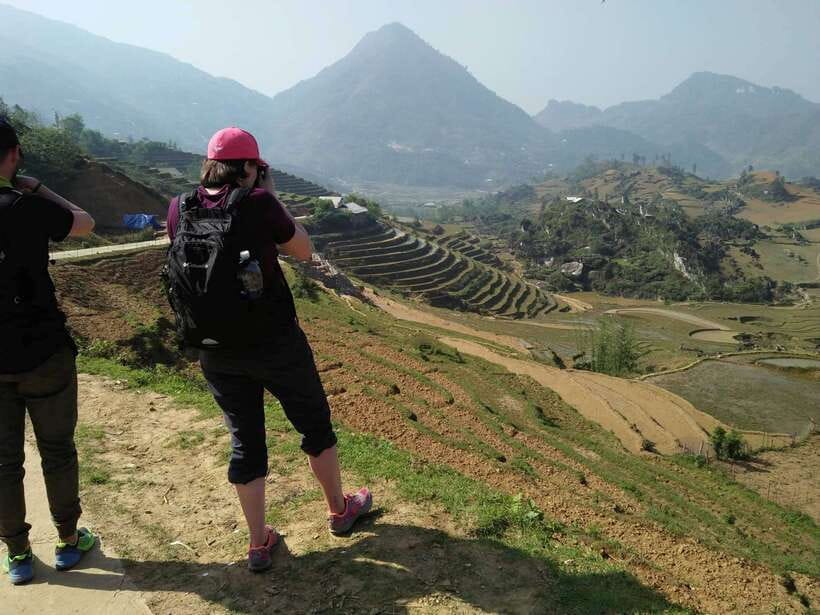
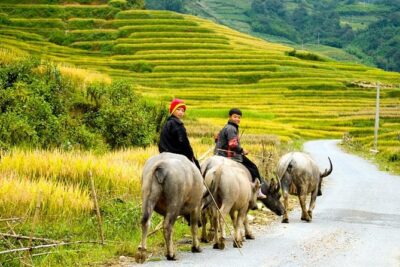
This first section introduces the main appeal of the route: you are on foot among fields, village paths, and mountain scenery rather than moving from one coach stop to another. The rice terraces are the star when the weather cooperates. In fog or heavy rain, visibility can shrink sharply, so you need to see the walking itself as part of the experience, not just a way to reach a viewpoint.
Lunch is served in Lao Chai at a local family’s home. Meals are included, and generous portions have been a consistent strength of the trip. You may also find drinks available for purchase, so carry enough cash in Vietnamese dong for personal refreshments.
The afternoon continues toward Ta Van, home to Giay people. The walking is not described as a gentle stroll. Mud, rain, uneven paths, and changing weather can make this a real hike, particularly if you are carrying more than a daypack.
Ta Van is where the cultural side of the trip becomes more personal. You spend the night in a homestay and learn about Giay customs and traditions through the household and your guide. Homestay standards are basic but generally described as clean and suitable. Think shared living spaces and a simple local setting, not a private hotel room with full tourist facilities.
A good guide helps here. Su has been praised for explaining local culture, answering questions, and paying attention to individual needs. One guide adapted the route when the group wanted more time in nature. That sort of flexibility is valuable, though it can depend on the guide assigned to your departure.
Day Two: Bamboo Forests and Ban Ho
Day two starts with breakfast at the Ta Van homestay. You then walk through bamboo forest toward Giang Ta Chai, where Red Dzao families live.
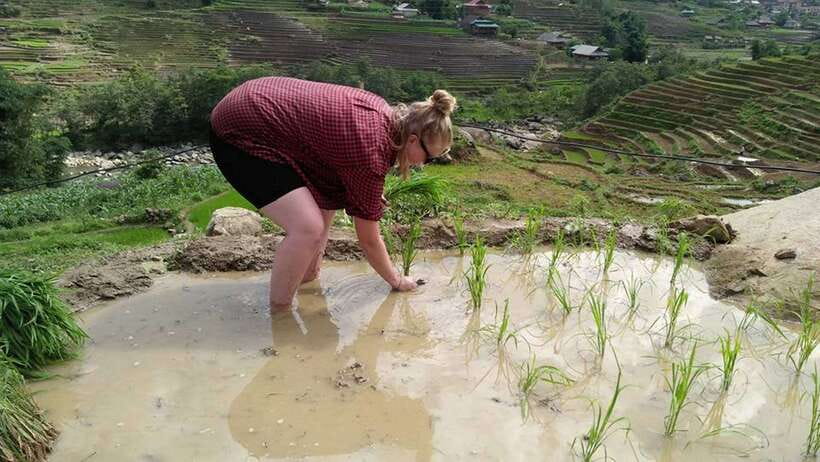
The route gives you a different feel from day one. Instead of focusing only on terraces, you pass through woodland and countryside, with the trail itself providing much of the interest. A stop at Rattan Bridge adds a clear landmark, and a visit to a Dzao family home gives you a closer look at household life.
The cultural encounters are not staged performances. They can also be limited by language. Some hosts speak little English, while guides use translation when needed. I would approach this part with patience and respect. A smile, a few simple questions, and careful attention to local customs will do more than expecting a formal presentation.
Lunch comes along the footpath before you continue toward Ban Ho. This is another reason to bring proper trekking shoes. Comfortable city trainers may be fine in dry conditions, but wet ground and rough paths call for shoes with a firm sole and good grip.
When you reach Ban Ho, you have free time to relax and stroll around the village. That pause is welcome after two days of walking. You can slow down, look at the valley, and let the place feel less like a stop on a schedule.
The second night is again in a homestay. The hosts are described as friendly and generous, with plenty of food. Rice wine may be offered, sometimes repeatedly, so accept only what you genuinely want. On one memorable evening, a host family invited visitors into the kitchen to help prepare the meal. That kind of invitation is one of the strongest reasons to choose a homestay trek instead of a standard Sa Pa day trip.
Water deserves attention. Mineral water is included, but the supply may not last through a full day of walking. Bring a refillable bottle and budget for extra water and drinks at the homestays or along the route.
Day Three: Sunrise in Ban Ho and Nam Tong
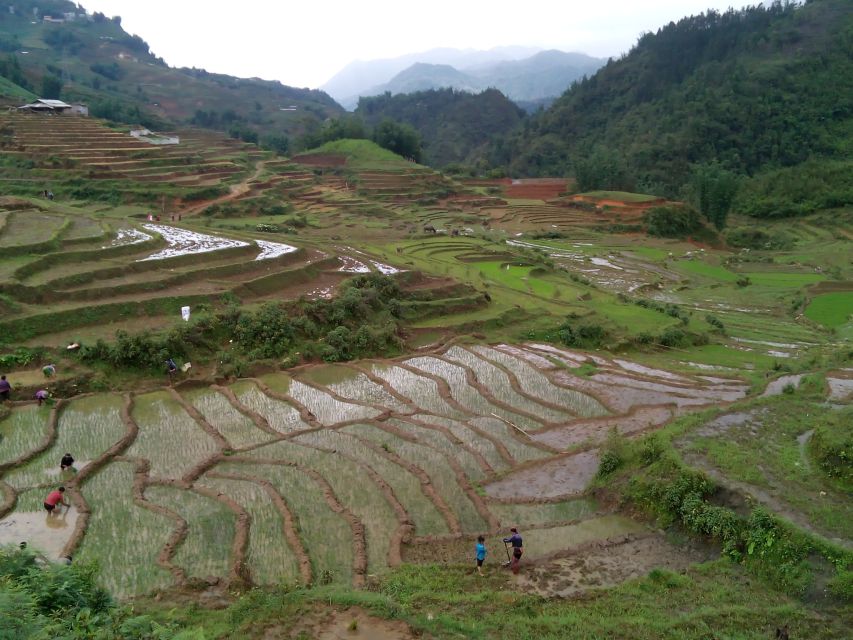
The final morning begins with breakfast and, weather permitting, sunrise views over Ban Ho valley. Early light can make the valley especially rewarding, but clouds and mist are common in mountain areas, so treat the sunrise as a possibility rather than a guarantee.
The day’s hike is shorter. You walk to Nam Tong, a village inhabited by Red Dzao people, and learn more about their traditions and culture. Because this is a shorter section, day three feels less punishing than the previous day, though you will still appreciate supportive footwear and a light pack.
You return to Ban Ho, where a van takes you back to Sa Pa. There is time to relax at a hotel before boarding the bus to Hanoi at about 4:00 PM. The bus reaches Hanoi around 10:00 PM, ending the activity at the original meeting point.
This last day is useful for anyone worried about a nonstop hiking schedule. The program still covers several villages, but the final trek is short and leaves time for the return journey. The tradeoff is a long overall day, with the bus ride back extending well into the evening.
More Hanoi trips worth a second look
- 3-Day Trekking Adventure of Sapa from Hanoi – Stay Ta Van Village
★ 5.0 · 611 reviews - 2-Day Sa Pa Ethnic Homestay Tour & Trek with Limousine Bus
★ 4.8 · 440 reviews - Hanoi – Sapa 3 Day 2 Night Trekking With Hotel & Homestay
★ 5.0 · 389 reviews - Ninh Binh: Cuc Phuong Jungle Hike & Wildlife Day Trip
★ 4.4 · 327 reviews
What the Homestays Are Really Like
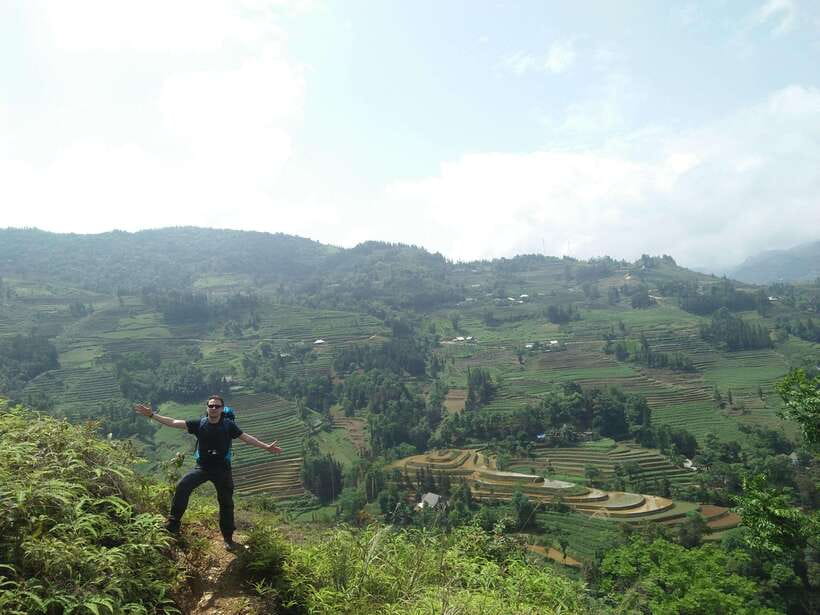
The homestays are the heart of this trip, but you should set the right expectations. You are not booking a private room in a rural boutique hotel. You are choosing a simple stay with local families, shared facilities, and a more direct connection to village life.
The accommodations have been described as clean and suitable, with a homey feel. Food is a strong point, and the hosts are often willing to share meals and conversation even when English is limited. The setting lets you see how a family prepares food, welcomes visitors, and organizes its household.
I would choose this trip if you want cultural contact and do not mind giving up some privacy. If you need a quiet private room, dependable hot water, or hotel-style service every night, book a Sa Pa hotel and arrange day hikes instead.
Respect matters. Dress modestly, ask before photographing people or homes, and follow your guide’s advice around family spaces. The trip asks you to be a polite visitor, not a spectator collecting quick pictures.
The Rice Terraces and the Weather Gamble
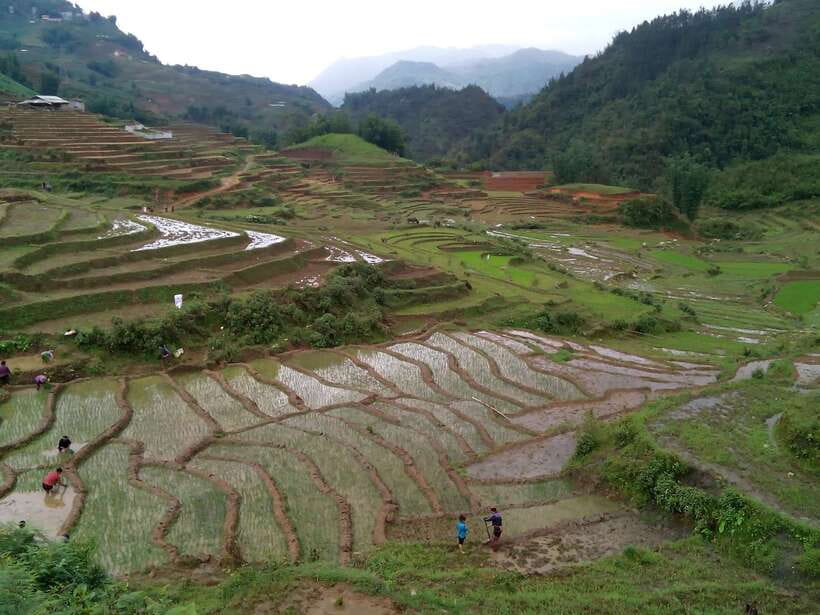
Sa Pa’s terraces are one of the main reasons people come, but the weather controls how much you see. One departure had cold, wet conditions with visibility of less than 100 meters on day one. The following two days brought much clearer weather and impressive views.
That contrast is worth keeping in mind. If you go in expecting postcard skies every day, you may be disappointed. If you enjoy walking through mist, changing conditions, and rural scenery even when the views are hidden, the trip is easier to appreciate.
October through March calls for warm clothing. Bring a waterproof layer, sun protection, and insect repellent. Your basic packing list should include:
- Trekking shoes with good grip
- Warm layers from October through March
- Sunglasses and a sun hat
- Sunscreen and insect repellent
- A small daypack
- Extra cash for drinks and personal expenses
You do not need to carry three days of food because meals are included. Keep your luggage light enough for the walking and overnight transport.
Guides, Group Size, and Communication
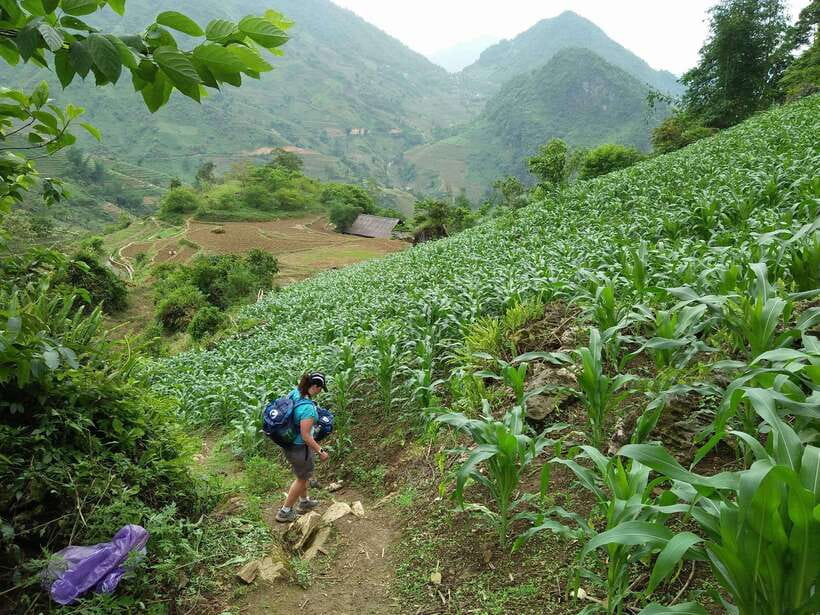
The tour runs in English with a small group of no more than 14 people. That is a sensible size for narrow village paths and homestay visits. It also makes it easier for a guide to notice when someone is tired or struggling.
Su and Sang have received especially strong praise for being attentive, flexible, and closely connected to the villages. Local guides know the routes and can explain customs in a way a city-based escort may not. One guide rearranged plans when people felt unwell, while another adjusted the walking route to spend more time in nature.
Communication can still be imperfect. Some cultural questions may require phone translation, and not every host speaks much English. I would keep questions simple and specific, and remember that silence does not mean a host is unfriendly.
The guide’s role is also practical. Muddy trails, changing weather, and tired legs are easier to manage with someone who knows the route. The strongest part of the tour depends less on formal sightseeing commentary than on having a guide who can connect you with families and keep the group moving safely.
Is $139 Good Value?
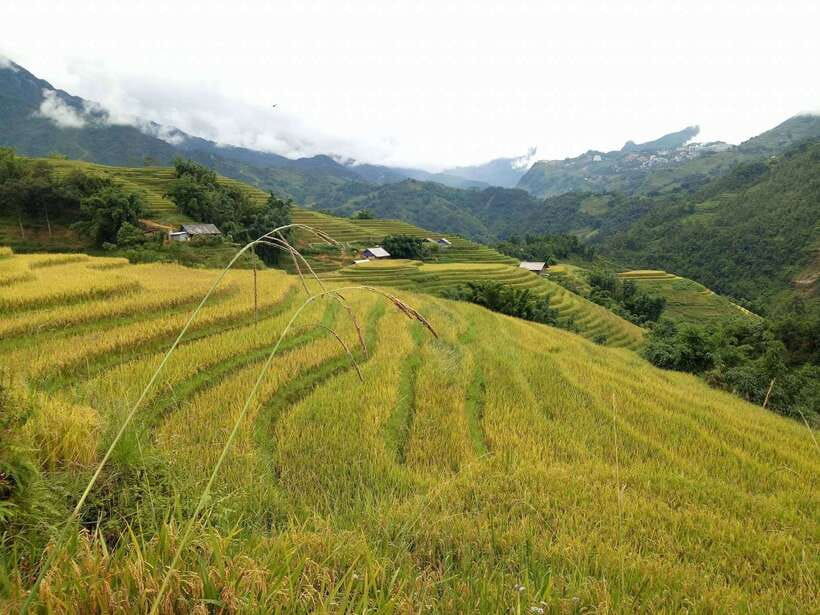
At $139, the price covers round-trip bus travel between Hanoi and Sa Pa, an English-speaking guide, two homestay nights, three breakfasts, three lunches, two dinners, and mineral water.
That is good value for a three-day trip, especially since the package handles the difficult connection between Hanoi and the mountain area. You also avoid arranging separate transport, village guides, meals, and accommodation yourself.
The price does not include beverages, travel insurance, VAT, or personal spending. A $75 per-person surcharge applies at the meeting point during Lunar New Year, from January 26 through February 2, 2025. Check the current date and price before booking, since that holiday supplement is date-specific.
The value is strongest for an active visitor who wants a compact cultural trip. It is weaker if you mainly want high-end comfort or a relaxed schedule. The overnight buses save money and time, but they also reduce comfort.
Who Should Book This Sa Pa Homestay Trek?
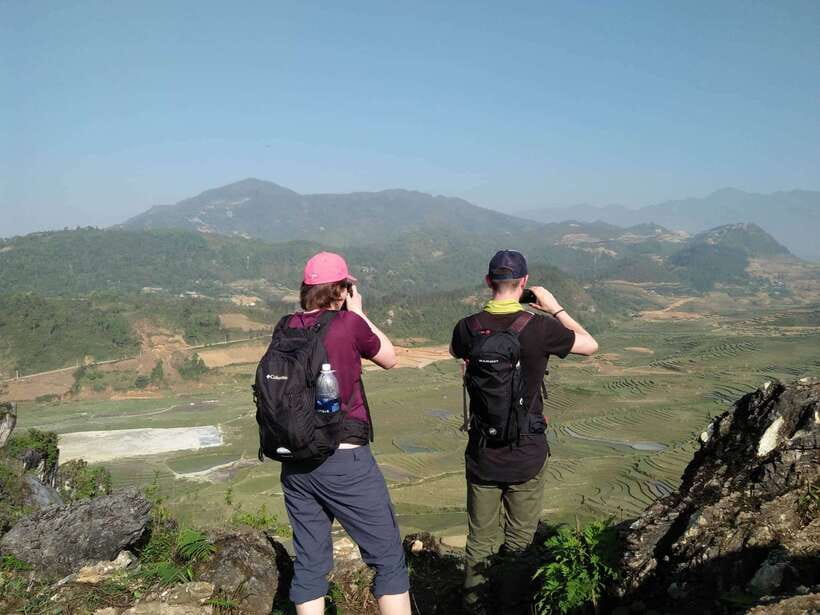
I would recommend this experience to you if you:
- Want to walk through villages rather than only visit Sa Pa viewpoints
- Are curious about Hmong, Giay, and Red Dzao cultures
- Can handle two overnight bus rides and three days of trekking
- Enjoy basic accommodation and shared local meals
- Prefer a small group to a large coach tour
- Are comfortable with changing weather and limited facilities
I would not choose it for children under six, pregnant people, wheelchair users, or anyone with limited mobility. The tour is not suitable for people who need accessible paths. It is also a poor match if you dislike early starts, muddy trails, or uncertain mountain weather.
The cultural side deserves the same attention as the physical side. Sa Pa is changing quickly, and development is altering some villages. A respectful visitor can still find meaningful encounters, but you should avoid treating local homes and people as photo props.
Should You Book It?
Book this tour if you want a demanding but rewarding village trek with two nights spent close to local families. The strongest elements are the guides, the included meals, the small group, and the chance to move through several ethnic communities on foot.
Skip it if a clean, comfortable bus and private hotel room matter more than direct contact with village life. If you book, prepare for the overnight transport, carry warm and waterproof clothing, bring extra water money, and leave room in your plans for weather and holiday confusion. Those small preparations can turn a rough start into a memorable three days.
FAQ
Where does the tour start in Hanoi?
The meeting point is 30 Hang Muoi, Ly Thai To, Hoan Kiem, Hanoi. Pickup is available only from Hanoi’s Old Quarter. If you stay elsewhere, you must go to the bus station.
What time does the overnight bus leave Hanoi?
Pickup is around 8:45 PM. The bus reaches Sa Pa at about 4:00 AM the next morning, and you can sleep on the bus until around 6:00 AM before breakfast.
What ethnic communities will I meet?
The route includes Hmong communities around Y Linh Ho and Lao Chai, Giay people in Ta Van, and Red Dzao communities in Giang Ta Chai and Nam Tong.
Are the meals and accommodation included?
Yes. The price includes two nights in homestays, three breakfasts, three lunches, two dinners, and mineral water. Beverages and personal expenses are not included.
Is the trek suitable for children or people with limited mobility?
The activity is not suitable for children under six, pregnant people, wheelchair users, or people with limited mobility. Trekking shoes and comfortable clothing are recommended.
Can I cancel the booking?
You can cancel up to 24 hours in advance for a full refund. The activity also offers a reserve-now, pay-later option.
More 3-Day Experiences in Hanoi
- Amanda Cruise – Ha Long, Lan Ha Bay – All Inclusive 2D1N & 3D2N
★ 5.0 · 4,358 reviews - Hanoi: 3-Day Ninh Binh, Ha Long, & Lan Ha Bay 5-Star Cruise
★ 4.8 · 1,401 reviews - Mon Chéri Cruises 5 star: Amazing 3 days exploring Halong & Cat Ba island
★ 5.0 · 1,280 reviews - Ha Giang Loop 3 days Small group- From Ha Noi
★ 5.0 · 1,114 reviews
Recently reviewed around Hanoi
- Female Riders Vespa Night Street Food + Train Street food 4 Hours★ 5.0 · 35 reviews
- Beautiful Female Riders Vespa Red River Countryside Tour 5 Hours★ 5.0 · 23 reviews
- Red River Delta Countryside+ Rural Villages, rice Paddies fields★ 5.0 · 134 reviews
- The insider’s Hanoi 4.5 hours All highlight Places & Train Street★ 5.0 · 41 reviews
- The insider’s Hanoi + Train Street 4,5 Hours Female Ao Dai Riders★ 5.0 · 53 reviews
- Street Foods Hanoi Kim Tours Vietnam★ 5.0 · 140 reviews
- Hanoi Jeep Tour – Ba Vi National Park Full Day Tour★ 5.0 · 21 reviews
- Ninh Binh Full Day Tour from Hanoi to Hoa Lu, Trang An & Mua Cave★ 5.0 · 31 reviews
Hiking & Trekking, compared.

Halong Bay Full Day with Kayaking, Hiking viewpoint, Cave – Deluxe To Luxury
Read our review →
Muong Hoa Valley Trek and Local Ethnic Villages
Read our review →
Sapa 3 Days 2 Nights Trekking Tour (1 Night In Ta Van Village, 1 Night In Hotel)
Read our review →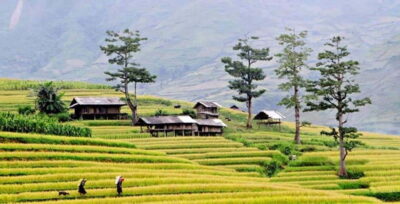
Eco Adventure Terrace Fields and Local Villages Trek
Read our review →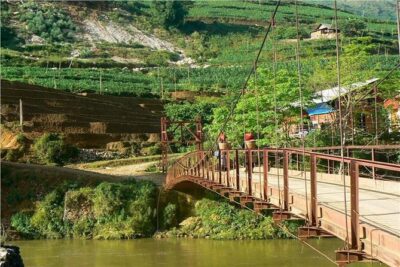
3-Day Trekking Adventure of Sapa from Hanoi – Stay Ta Van Village
Read our review →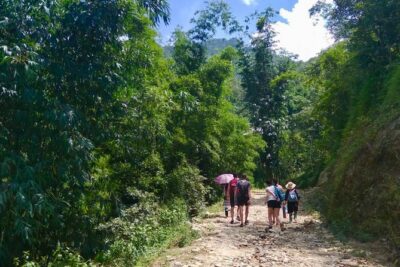
Number one top rated ethical cultural trekking and homestay by ETHOS
Read our review →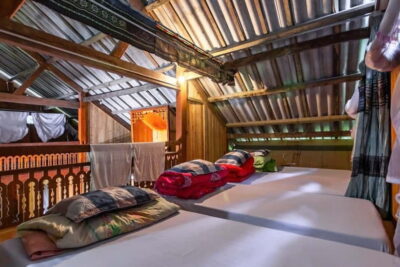
2-Day Sa Pa Ethnic Homestay Tour & Trek with Limousine Bus
Read our review →Browse the lists this tour appears in