
Reviewed · COFFEE EXPERIENCES
Experience specialty coffee with sustainable coffee farmers
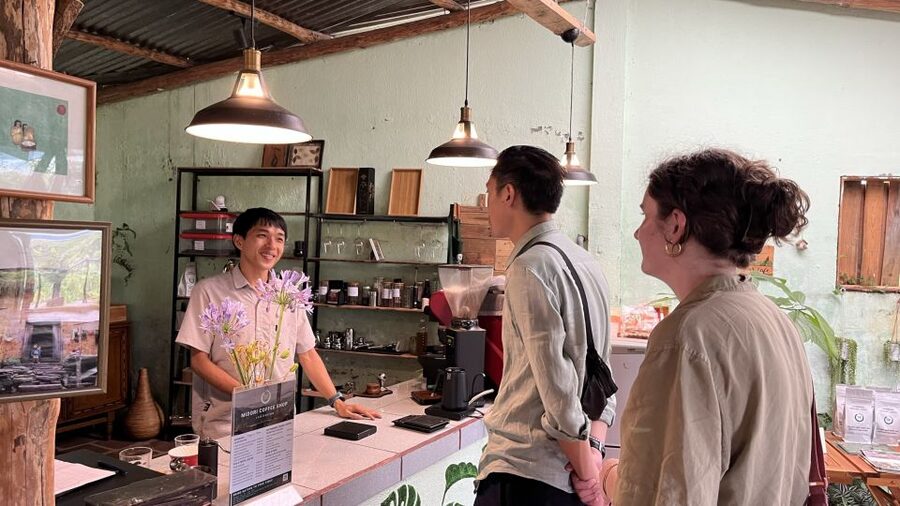
Da Lat is Vietnam’s coffee country, but many café menus bury the bean under condensed milk, sugar, butter, or other blends. At HuyEco Coffee & Culture, farmer Huy puts the bean first. You taste coffee from his own farm, including Arabica and Robusta, and learn why one cup can taste sour, sweet, fruity, light, or dark without anything added.
I like two things here. First, you do the roasting and brewing yourself, so this is more than a tasting flight. Second, Huy explains sustainable growing in plain language and links farm work to what you taste in the cup. The main consideration is the broad 90-minute to five-hour duration, plus some past bookings have taken place at a farm outside the city, so confirm the exact meeting point and format before you go.
In This Review
- Key points at a glance
- Why Da Lat coffee tastes different
- Meeting farmer Huy at HuyEco Coffee & Culture
- Five coffees, two species, several ways to taste
- Roasting green beans into coffee
- Brewing the same idea in different cups
- What the sustainability talk adds
- Café session or longer farm visit?
- Is $14 a good price?
- Who will enjoy this most?
- Practical tips for a smoother coffee session
- Should you book HuyEco Coffee & Culture?
- FAQ
- Where does the coffee experience take place?
- How much does the experience cost?
- How long does the activity last?
- What coffees will I taste?
- Will I roast coffee myself?
- Will I learn to make Vietnamese phin coffee?
- Are drinks included?
- Is transportation included?
- Can I cancel or pay later?
Key points at a glance
- Five coffees from one farmer’s work: Compare Arabica and Robusta, along with different processing and roast styles.
- Hands-on roasting: Start with green beans and roast them yourself until they reach a familiar brown color.
- Brewing is part of the lesson: Taste light, medium, and dark roasts through different methods.
- A traditional Vietnamese finish: Make your own phin coffee while looking over Da Lat.
- Small and personal: Groups are limited to 10, with English and Vietnamese guiding.
- Strong value at $14: Five coffee drinks and the guide are included, with no food or transport included.
Why Da Lat coffee tastes different
Da Lat sits in Vietnam’s Central Highlands, a region known for coffee farming. The city’s cool climate gives it a different feel from Vietnam’s hot coastal towns, and coffee is part of daily life here rather than a tourist prop.
Still, the coffee you find in ordinary cafés may not show the full range of local beans. Vietnamese coffee is often served strong and dark, sometimes with sweetened condensed milk. That is delicious, but it can hide the bean’s natural character.
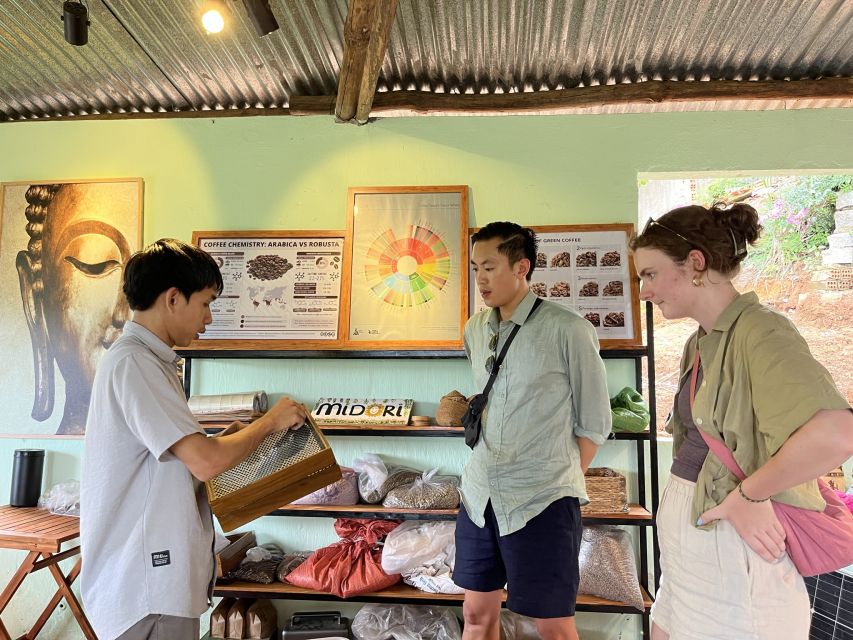
This experience takes the lid off that familiar cup. Huy presents coffee with no added flavorings, so you can notice the bean itself. Some cups may seem sour, sweet, or fruity. That does not mean the coffee has gone bad. It reflects the bean, processing method, roast, and brewing style.
I find this useful even if you already drink coffee every morning. The point is not simply to decide which cup tastes best. You learn to ask why the cups differ.
More Vietnamese coffee stops in Dalat:
- Dalat: MOTORBIKE TOUR TO PONGOUR FALLS- SILK- COFFEE FARM
★ 4.9 · 52 reviews - Hoi An: Vietnamese Coffee Culture and Coffee Making Class
★ 4.9 · 4,006 reviews - Hanoi Coffee Experience: 6 Brews, 9 Recipes & 3 Liquor Tastings
★ 5.0 · 2,945 reviews
Meeting farmer Huy at HuyEco Coffee & Culture
The meeting point is HuyEco Coffee & Culture, a café in central Da Lat. You can reach it on foot, by motorbike, taxi, or booking app. Search the full name carefully in Google Maps, since the business name is specific and the experience information advises checking the location closely.
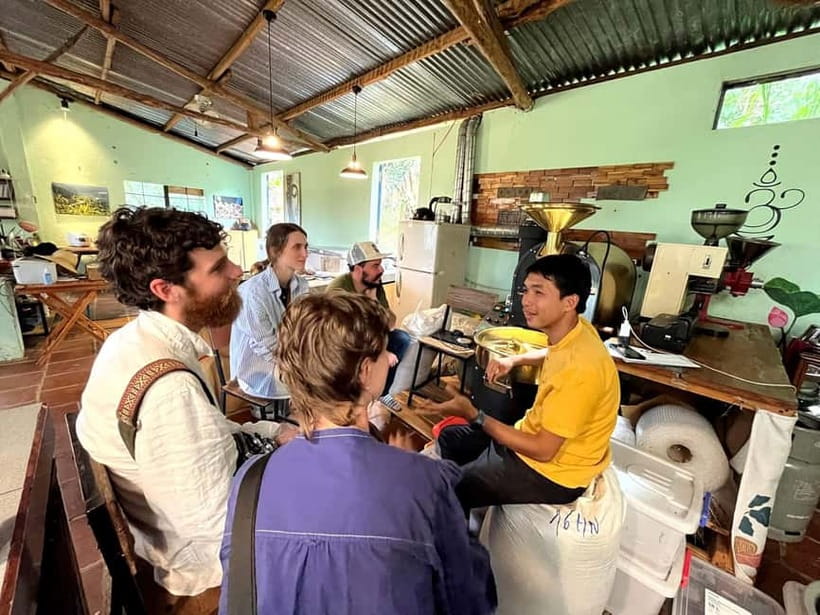
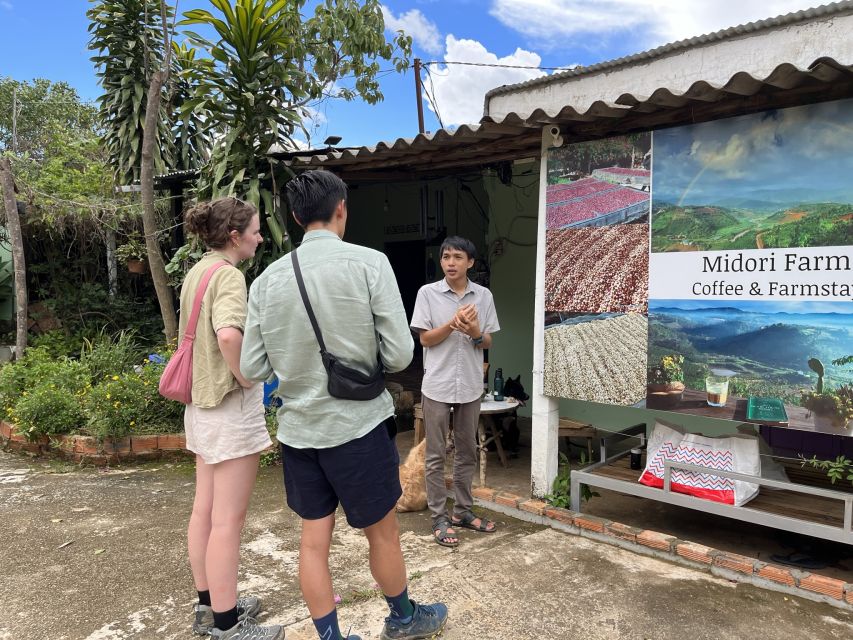
Huy leads the session in English or Vietnamese. The group limit is 10 people, which matters here. Coffee tasting works better when you can ask questions and watch the preparation without standing behind a crowd.
Huy is also the farmer behind the coffee. That gives the talk a useful connection between field and cup. He can explain how his coffee is grown, how sustainable methods affect the crop, and what happens before the beans reach a café or a bag at home.
The setting is part of the appeal. The café has a relaxed atmosphere, pleasant verandas, and city views. One past booking described the site as especially peaceful, while another noted that the space was well equipped and comfortable. Da Lat can be cold, particularly compared with much of southern Vietnam, so bring a jacket. One person arrived without one and was lent a coat by the owners, but your own warm layer is the safer plan.
Five coffees, two species, several ways to taste
The central part of the session is a comparison of five coffees from Huy’s farm. The selection includes both Arabica and Robusta, two species with different reputations and uses.
Arabica is often associated with softer acidity and more delicate flavors. Robusta tends to have more body and a stronger, heavier profile. Those are broad guideposts, not strict rules, and the processing and roast can change what you notice.
You will compare beans prepared and roasted in different ways. This is where the activity earns its keep. A coffee can taste very different after a change in processing, even when it comes from the same general growing area. Roasting then adds another layer.
The tasting is not just a line of cups placed in front of you. Huy explains the differences and gives you time to try them. You can compare the smell, body, acidity, sweetness, and aftertaste as you move from one sample to the next.
I suggest taking small sips and allowing a few seconds between cups. You do not need formal tasting skills. Notice the simple things: Is this cup sharp or smooth? Does it feel light or heavy? Does the flavor disappear quickly or stay around?
Some people arrive expecting Vietnamese coffee to be only dark, bitter, and powerful. This session is a good correction. Others may prefer the familiar dark style. That is fine too. The value is in learning what creates the difference.
Roasting green beans into coffee
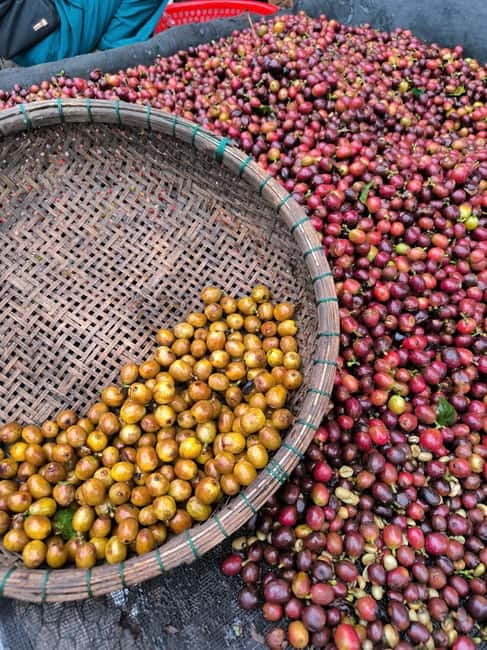
The hands-on roasting section gives you one of the clearest moments in the whole experience. You begin with green coffee beans, then roast them until they turn the dark brown color most people recognize.
This is a practical lesson in how much change happens before brewing. The beans alter in color, smell, and flavor as the roast develops. The three roast levels used in the experience are light, medium, and dark.
Light roast coffee generally keeps more of the bean’s original character, including sharper or fruitier notes. Medium roast offers a middle ground. Dark roast brings a deeper, stronger flavor and may suit people who like a bold Vietnamese-style cup.
The key word is compare. You are not being told that one roast is correct and the others are wrong. You get to see how roast level changes the final drink.
A past participant described watching the beans go from green to the brown beans people recognize, then tasting five coffees from two types of bean. That gives you a clear idea of the session’s practical side. You are not merely watching Huy work behind a counter.
Roasting also makes the sustainable farming discussion easier to understand. Coffee begins as an agricultural product, not a finished beverage. The farmer’s work comes first, then processing, roasting, grinding, and brewing. Each stage affects the result.
A different kind of day out, same stretch of Vietnam:
- Dalat: Three Waterfalls Small Group Tour – Alpine Coaster
★ 4.9 · 1,256 reviews - Dalat: 3 Waterfalls Day Tour — Datanla, Pongour & Elephant
★ 4.9 · 931 reviews - Dalat: Go Kart – Mongo Land – Countryside Small Group
★ 5.0 · 600 reviews - Dalat: Countryside Tour with Silk Village & Elephant Falls
★ 5.0 · 300 reviews
Brewing the same idea in different cups
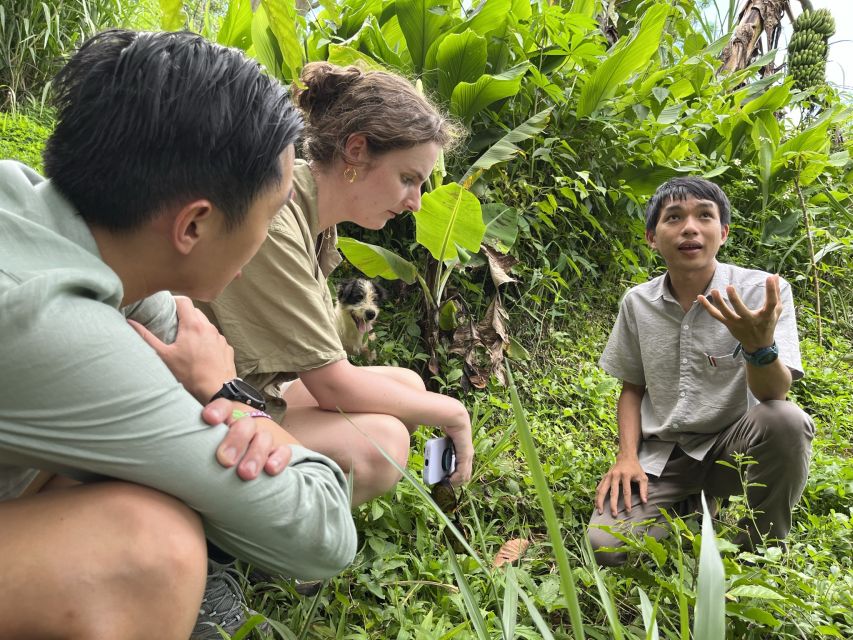
After roasting and tasting, you try different brewing techniques. The included drinks let you compare what happens when the same coffee is prepared in different ways.
Brewing changes the speed at which water passes through the grounds and how much flavor enters the cup. It can make coffee feel lighter, fuller, sharper, or more intense. You may find that a bean you disliked in one method works better in another.
The final hands-on step is making your own traditional Vietnamese phin coffee. A phin is a small metal filter that sits over the cup. Water slowly passes through the coffee, producing the concentrated drink familiar throughout Vietnam.
The phin matters because it connects the lesson to local café culture. You are not only sampling specialty coffee in an international style. You are learning how to prepare a traditional Vietnamese drink yourself.
You make the cup while looking over Da Lat, which gives the final tasting a pleasant sense of place. The city view is not a separate sightseeing stop, but it adds something to the experience. You can finish slowly rather than rushing from one sample to the next.
Five drinks are included in the price. Extra drinks and food cost more, so plan to eat beforehand if you need a full meal. The activity is built around coffee, not lunch.
What the sustainability talk adds
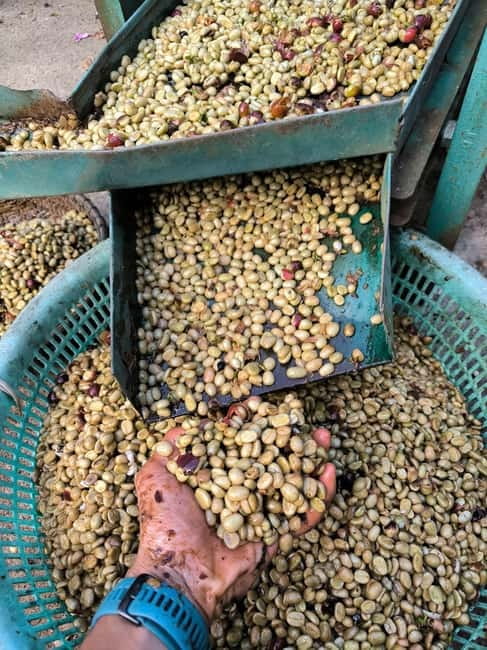
The farm story gives the tasting a purpose beyond flavor. Huy explains how he grows coffee sustainably, allowing you to connect farming choices with the quality of the final beans.
The supplied information does not spell out every farming technique, so I would not expect a formal lecture on certification, supply chains, or environmental data. Instead, expect a direct account from the person growing and processing the coffee.
That personal link is important. You can ask how the coffee is produced, what changes its taste, and why the same species can result in different cups. If you are curious about organic farming, ask Huy exactly which methods he uses, since the wording in past bookings refers to an organic coffee farm while the current activity description focuses on sustainable farming.
The experience also gives you a better way to shop for coffee later. Rather than choosing a bag because it says Arabica or Robusta, you can pay attention to roast level, processing, origin, and brewing advice.
Café session or longer farm visit?
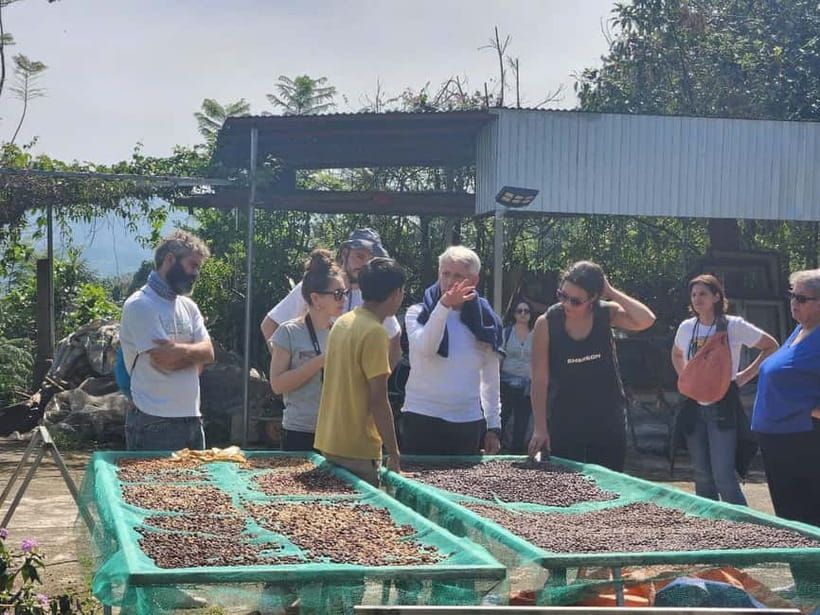
The advertised duration ranges from 90 minutes to five hours. Most of the detailed accounts describe a session of about one to one and a half hours, focused on tasting, roasting, and brewing at the café.
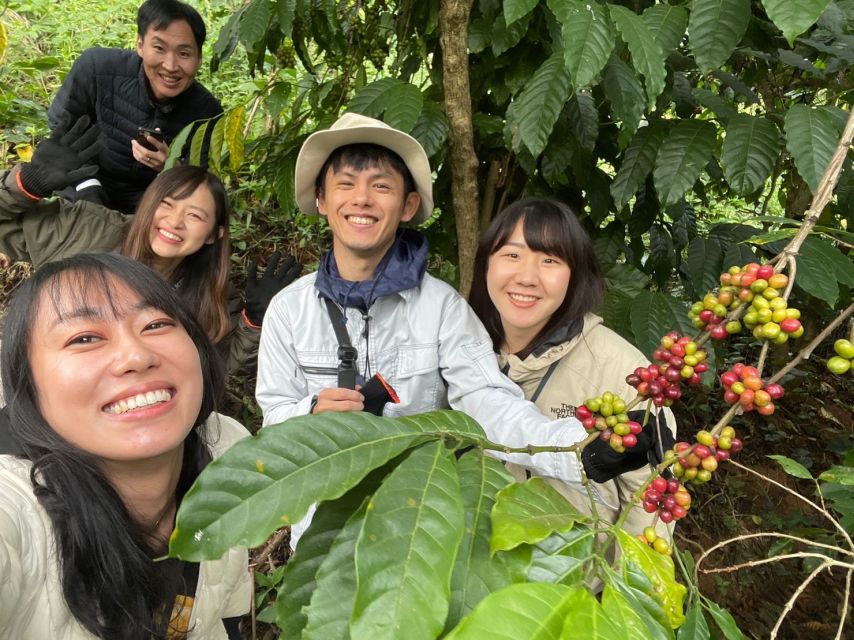
Some earlier bookings describe a longer farm visit, including time at the coffee farm and a vegetable garden. One account says the farm was a little outside Da Lat, and the guide helped arrange taxis. This suggests the exact format may vary, or that a longer farm version has been offered at times.
That difference matters when you plan your day. If you want a compact coffee lesson between other Da Lat sights, the roughly 90-minute version fits well. If you want to see the farm itself, ask before booking whether the farm visit is included, where it takes place, and how much transport time is involved.
Do not assume the café meeting point means hotel pickup. Transfers from your hotel or the airport are not included. You arrange your own way to the stated meeting point unless the provider confirms another plan.
Is $14 a good price?
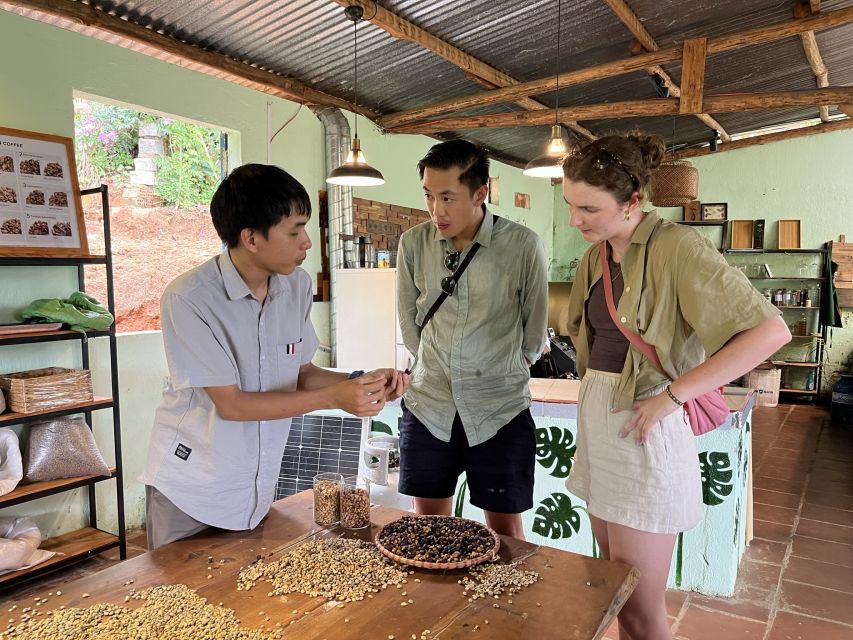
At $14 per person, I consider this strong value for anyone who takes coffee seriously. You receive five coffee drinks, a guided explanation, hands-on roasting, several brewing comparisons, and the chance to make phin coffee yourself.
The price is especially fair because the group is limited to 10. A private class would cost more, while a standard café tasting would usually give you less control over the roasting and brewing.
The value is lower if you only want a quick cup or dislike coffee without milk and sugar. This is a learning session, not simply a scenic café stop. You will taste several coffees in a fairly short period, and the flavors may be more acidic, fruity, or intense than the sweetened Vietnamese coffee you already know.
Food, extra drinks, and hotel or airport transfers are not included. Those are small costs compared with the $14 booking price, but you should add them to your plan.
Free cancellation is available up to 24 hours before the activity for a full refund. You can also reserve now and pay later, which helps if your Da Lat schedule is still changing.
Who will enjoy this most?
I would choose this for:
- Coffee drinkers who want to understand Vietnamese beans rather than simply order a familiar cup.
- Anyone interested in sustainable farming and the path from crop to drink.
- People who enjoy hands-on activities and want to roast and brew coffee themselves.
- Couples, solo visitors, or small groups who prefer a personal session.
- Anyone planning to buy Vietnamese coffee and wanting a better sense of what to look for.
- Visitors with about 90 minutes available for a focused activity.
I would think twice if you dislike black coffee, have no interest in tasting several versions of one product, or want a full farm excursion guaranteed. The broad duration and the difference between the central café format and past farm visits make it worth confirming your exact booking.
Practical tips for a smoother coffee session
Bring your passport, as requested in the activity information. Also bring a warm layer. Da Lat’s cool weather can surprise you, and the experience may include time on verandas or in open areas.
Arrive at the exact Google Maps location for HuyEco Coffee & Culture. Check the spelling before setting out and confirm whether your booking is the café session or a longer farm option.
If you are sensitive to caffeine, tell Huy at the start. Five drinks can be a lot, even when each tasting portion is modest. You can also pace yourself and focus on comparing aromas and texture rather than finishing every cup quickly.
Ask questions about the farm, processing, and roast levels. The session is strongest when you treat it as a conversation rather than a demonstration. Huy’s friendly, funny manner has been a recurring part of the experience, and the small group makes it easier to speak up.
The café is also a relaxed place to spend time after the formal tasting, though extra drinks are not included. Past bookings have noted friendly owners, pleasant outdoor areas, and even two small kittens around the property. Those details may vary, but they fit the informal feel of the business.
Should you book HuyEco Coffee & Culture?
Book it if you want to understand what is inside a Vietnamese coffee cup. For $14, you get five drinks and a real process lesson, from green bean to roast to phin. The strongest parts are the direct connection with farmer Huy, the Arabica and Robusta comparison, and the chance to handle the roasting and brewing yourself.
I would book the shorter café session when you want a useful Da Lat activity that fits between sightseeing plans. If the farm visit is your main reason for going, confirm the location and duration first, since the experience has been described in both a central café format and a longer farm format.
This is not a coffee-themed photo stop. It asks you to taste carefully, listen, and notice small changes. If that sounds like your kind of hour, HuyEco Coffee & Culture is an easy recommendation.
FAQ
Where does the coffee experience take place?
The meeting point is HuyEco Coffee & Culture, a café in central Da Lat. Search that exact name in Google Maps and check the location carefully.
How much does the experience cost?
The price is $14 per person.
How long does the activity last?
The stated duration is 90 minutes to five hours. Check the available start times and confirm which format you are booking.
What coffees will I taste?
You will taste five coffees from Huy’s farm, including Arabica and Robusta prepared with different processing and roasting methods.
Will I roast coffee myself?
Yes. You will roast coffee beans yourself, starting with green beans and developing them into roasted beans.
Will I learn to make Vietnamese phin coffee?
Yes. The activity finishes with you making your own traditional phin coffee.
Are drinks included?
Five coffee drinks at the coffee shop are included. Extra drinks and food are not included.
Is transportation included?
No. Hotel and airport transfers are not included. You arrange your own way to the café by walking, motorbike, taxi, or booking app.
Can I cancel or pay later?
You can cancel up to 24 hours in advance for a full refund. Reserve now and pay later is also available.
Recently reviewed around Dalat
- From Nha Trang: Best Seller Top Site Luxury Da Lat City Trip★ 4.5 · 32 reviews
- Dalat: Best of the Countryside Tour in a Private Car★ 5.0 · 35 reviews
- 7-hour Datanla waterfall, Clay Tunnel and Holy See temple★ 4.7 · 47 reviews
- Datanla, Pongour, Elephant: 3 stunning and majestic falls★ 4.8 · 110 reviews
- Dalat: The Secret Tour Plus Pongour Fall – Small Group★ 5.0 · 32 reviews
- Dalat Easy Rider Motorbike Loop Day Tour★ 4.8 · 32 reviews
- Dalat: MOTORBIKE TOUR TO PONGOUR FALLS- SILK- COFFEE FARM★ 4.9 · 52 reviews
- Dalat Top Tourists Sights – Waterfall & luge kart/Mario kart★ 4.9 · 91 reviews
Coffee Experiences, compared.

Vietnamese Coffee Culture and Coffee Making Class
Read our review →
Hanoi Coffee Experience: 6 Brews, 9 Recipes & 3 Liquor Tastings
Read our review →
Hanoi Coffee Workshop: Taste Salt, Coconut and Egg Coffee
Read our review →
Salt Coffee Workshop Awake Your Senses With 6 Brews
Read our review →
Early Morning My Son Sanctuary Trip w. Champa Food & Coffee
Read our review →
Da Nang Cooking Class with Coffee Tasting and Market Visit
Read our review →Browse the lists this tour appears in