
Reviewed · COFFEE EXPERIENCES
Coffee, History, and Architecture of the French Quarter
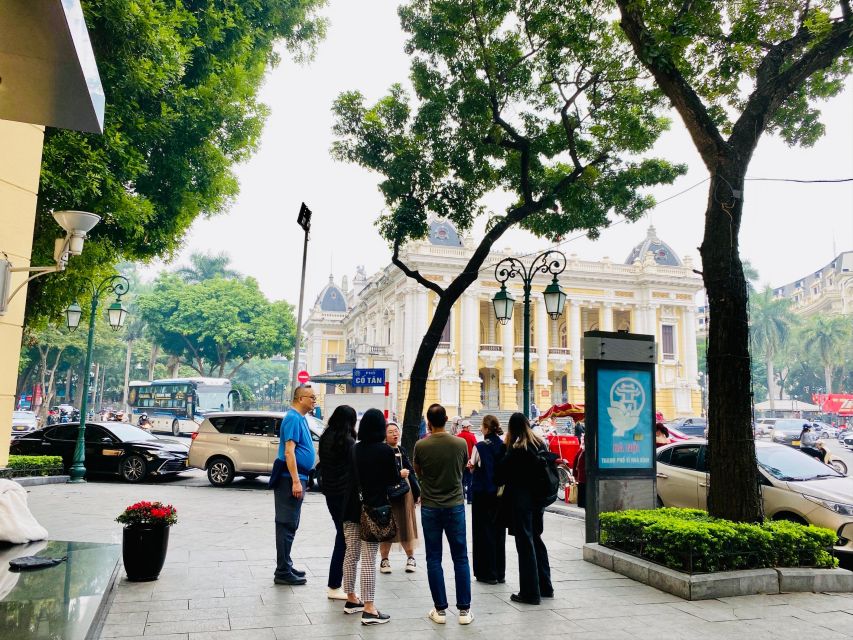
Hanoi’s French Quarter makes the most sense when you hear the stories behind its grand facades. This 2.5-hour walk links French colonial rule, Vietnamese resistance, the Vietnam War, local coffee culture, and everyday city life, with stops for egg coffee and Trang Tien ice cream.
I like the conversation-style guiding, which leaves room for questions instead of forcing you through a speech. I also like the mix of architecture and local treats, especially coffee in an old French villa. The main consideration is the heat, traffic, and occasional rain. You will be walking outdoors, so comfortable shoes, a hat, sunscreen, and rain protection matter.
In This Review
- Key points at a glance
- Why Hanoi’s French Quarter is worth a guided walk
- Starting beside St. Joseph’s Cathedral
- Vietnamese coffee in an old French villa
- French rule through buildings and daily life
- Hanoi Opera House and the French idea of grandeur
- Hoan Kiem Lake and the city beyond the colonial grid
- The Metropole and the memory of war
- Trang Tien Street and a well-timed ice cream stop
- What the $31 price really covers
- Pace, group feel, and practical comfort
- Who will get the most from this experience
- Should you book the French Quarter coffee walk?
- FAQ
- How long does the Hanoi French Quarter walking tour last?
- What language is the tour conducted in?
- Where does the tour start?
- Where does the tour finish?
- Are coffee and ice cream included?
- What should I bring?
Key points at a glance
- Coffee in an old French villa: Begin with Vietnamese coffee or tea while the guide sets up the country’s wider story.
- More than 15 sights: See major landmarks including St. Joseph’s Cathedral, the Opera House, Hoan Kiem Lake, the Metropole, and Trang Tien Street.
- History with context: Learn about both the useful changes and harsh costs of French colonial rule, as well as the Vietnam War.
- Guides who welcome questions: Mina and Dung are named guides connected with this experience, and the tour is designed around discussion.
- Two Hanoi classics included: Try Vietnamese coffee, with egg and coconut versions possible, then finish with Trang Tien ice cream.
- Good value at $31: The price covers a live English-speaking guide, coffee or tea, and ice cream during a focused half-day walk.
Why Hanoi’s French Quarter is worth a guided walk
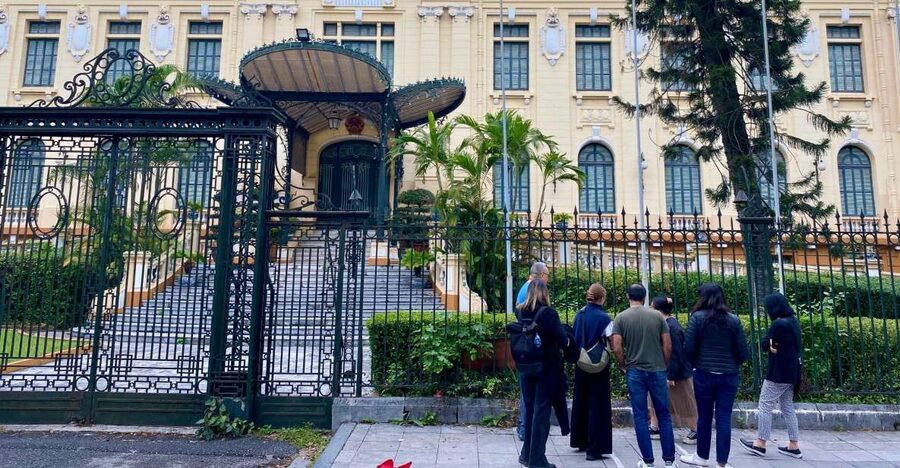
Hanoi’s French Quarter is not just a collection of old buildings. It is a record of power, trade, education, religion, war, and adaptation. French planners reshaped the southern part of the city, but Vietnamese people gave those streets their own uses, customs, and meaning.
That mixture can be easy to miss if you explore alone. You may notice a cathedral, a hotel, or an opera house, but not understand how each building fits into the story of French Indochina and modern Vietnam.
This tour gives you that framework early. The opening coffee stop is used for a general explanation of Vietnamese history before the walk moves into French influence, colonial society, and the Vietnam War. That order is useful. It keeps the French period from becoming a detached architecture lesson.
I especially like that the tour treats colonial rule as a complicated period. You learn about changes in buildings, education, transport, and city planning, but also about control and inequality. That balance gives you a better way to look at Hanoi’s elegant streets without mistaking pretty architecture for a pleasant past.
More Coffee Tours in Hanoi
- Hanoi Coffee Experience: 6 Brews, 9 Recipes & 3 Liquor Tastings
★ 5.0 · 2,945 reviews - Hanoi Coffee Workshop: Taste Salt, Coconut and Egg Coffee
★ 5.0 · 1,286 reviews - Hanoi: Salt Coffee Workshop Awake Your Senses With 6 Brews
★ 5.0 · 792 reviews
Starting beside St. Joseph’s Cathedral
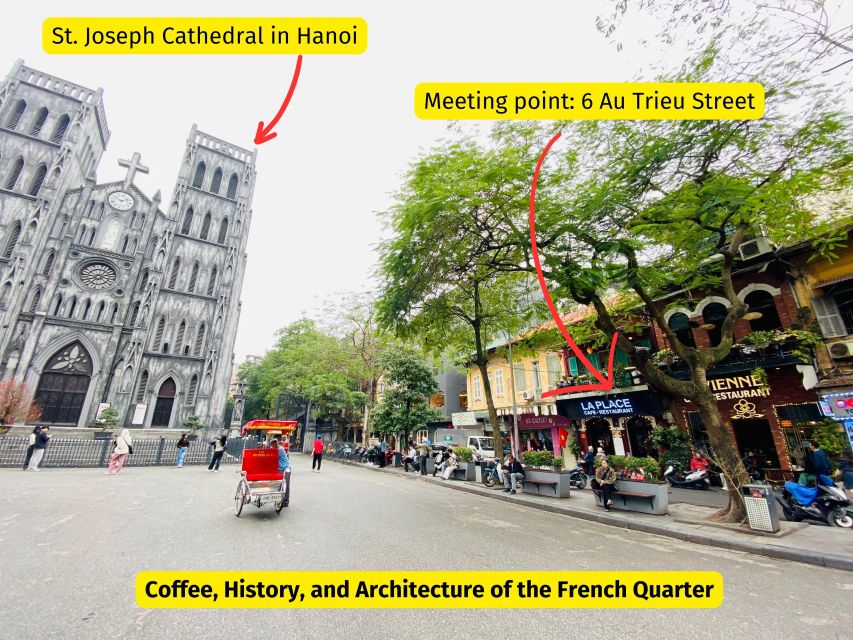
The meeting point is at 6 Au Trieu Street, right beside St. Joseph’s Cathedral. This is a practical start because the cathedral is one of Hanoi’s clearest French-era landmarks and an easy visual reference point.
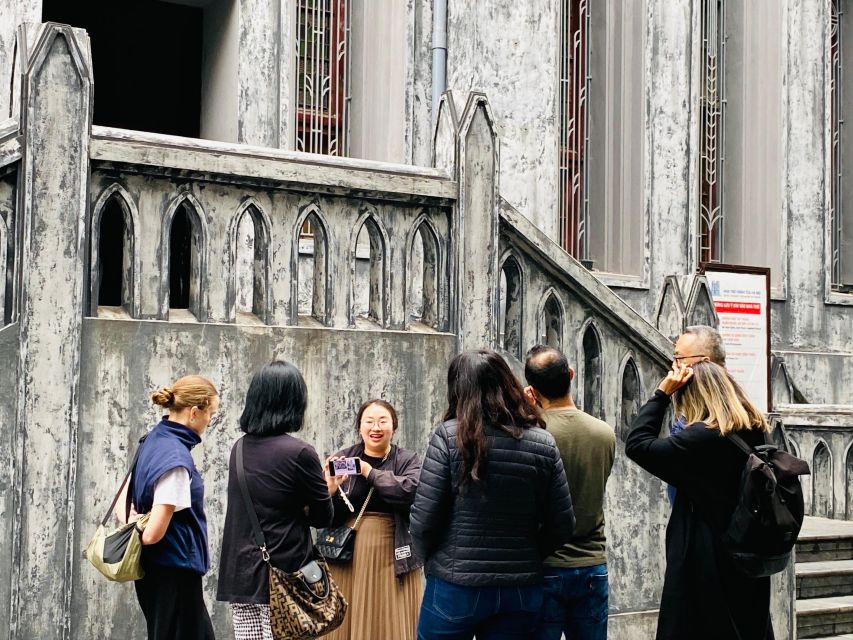
The cathedral stop lasts about 15 minutes and includes time to look around, take photographs, and hear the guide explain its place in the city. Its Gothic appearance immediately sets up the contrast between imported French design and the Vietnamese city around it.
You are not simply checking off a church. The guide uses the building to explain French religious influence and the wider reshaping of Hanoi. This is also a good moment to ask questions, since the tour aims for a relaxed exchange rather than a fixed lecture.
The starting street is in a busy part of central Hanoi, so arrive ready for motorbikes, pedestrians, and uneven movement around the sidewalks. The walk is not described as strenuous, but city walking here requires attention.
Vietnamese coffee in an old French villa
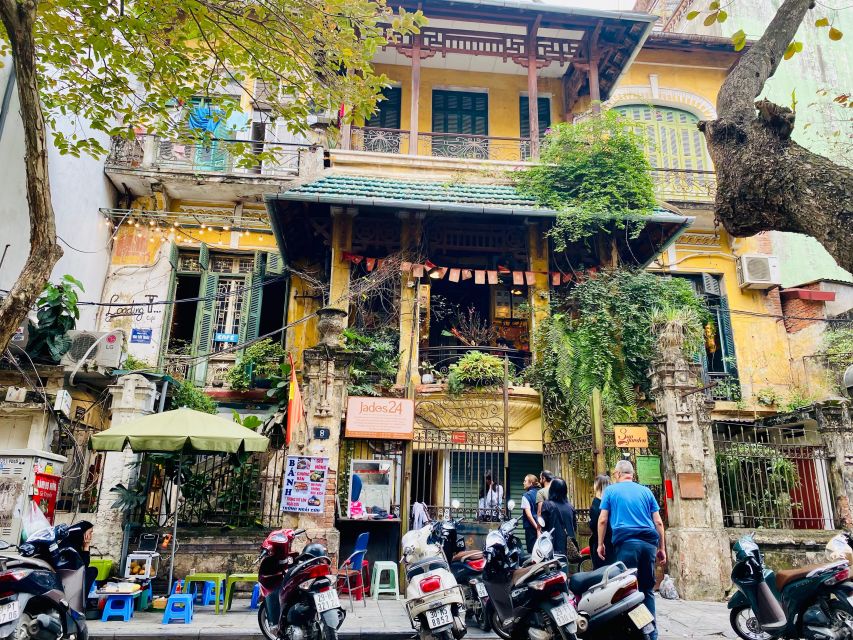
The coffee stop is one of the experience’s best ideas. Rather than waiting until the end for a drink, you begin with a cup of Vietnamese coffee or tea in a local café housed in an old French villa.
The stop lasts about 30 minutes. That gives you time to sit down, settle into the tour, and listen without standing in the sun. Depending on what is available, you may try egg coffee or coconut coffee, both of which are repeatedly singled out as memorable parts of the experience.
Egg coffee is especially useful as a cultural introduction. It is sweet, creamy, and unlike the plain coffee many visitors expect. The tour connects the drink to Vietnamese coffee culture, so you get more than a beverage break.
The setting matters, too. A café in a French villa shows how old buildings continue to serve modern Hanoi. This is the kind of detail that photographs alone do not explain. You see a colonial structure, then use it as a working local café, with coffee traditions that are distinctly Vietnamese.
If you do not drink coffee, tea is included. You should still tell the guide about dietary needs or preferences at the start. One strength of guides such as Mina is their willingness to adjust parts of the walk around personal interests, energy levels, and food concerns.
French rule through buildings and daily life
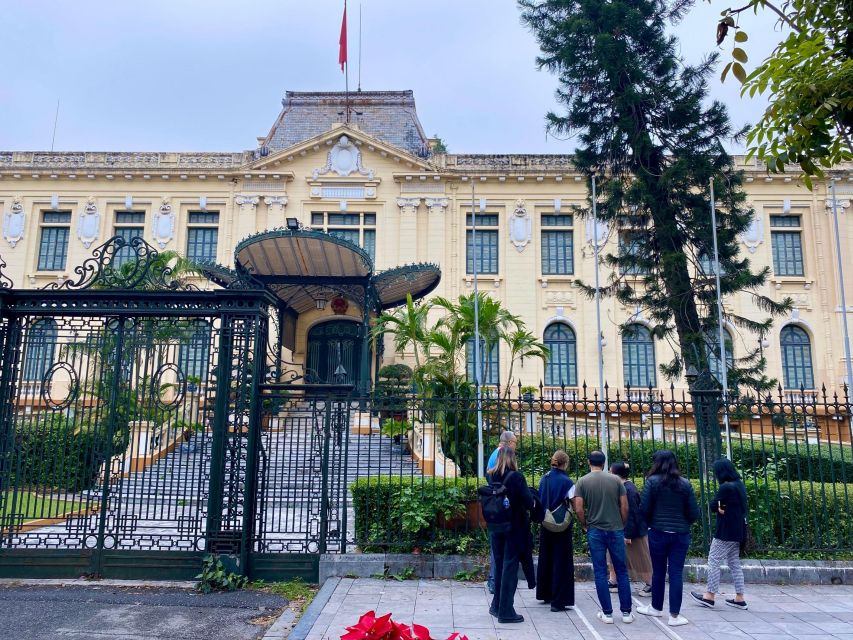
After coffee, the route moves through the French Quarter for about 15 minutes of guided explanation before continuing toward the Opera House and other sights. This is where the tour’s history and architecture work together.
The guide explains how Vietnamese society changed under French rule, including both positive developments and damaging forms of colonial control. You can ask about education, religion, city design, language, and the social divide created during the colonial era.
The use of historical photographs adds real value. The guide can show images on a phone to help you compare past events with the streets in front of you. For history, this is more useful than a string of dates. You see how places changed and how major events affected ordinary life.
Mina is repeatedly described as clear, funny, and willing to answer detailed questions. Dung is also associated with the tour and is noted for her enthusiasm and ability to explain the area. The exact guide is not guaranteed, but the experience is built around an English-speaking local guide who can discuss the subject rather than recite a script.
More Historical Tours in Hanoi
- Ninh Binh Heritage Full Day Tour with Buffet Lunch and Limousine
★ 5.0 · 2,692 reviews - Hanoi Heritage Premium Daily Tour
★ 5.0 · 914 reviews - Halong Heritage Luxury Day Cruise-Buffet lunch&Limousine transfer
★ 5.0 · 846 reviews - Heritage Binh Chuan 2 Days 1 Night discovery in Lan Ha Bay
★ 5.0 · 470 reviews
Hanoi Opera House and the French idea of grandeur
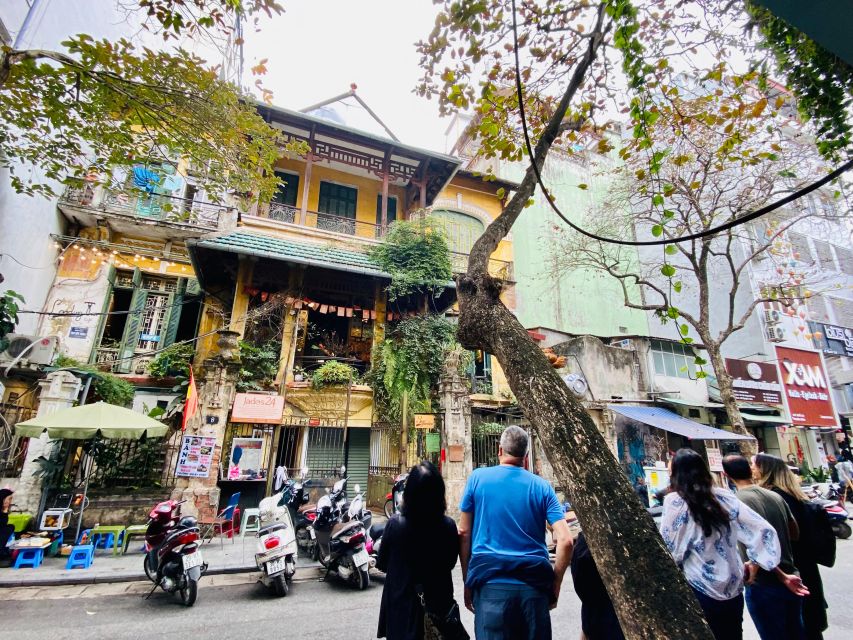
The Hanoi Opera House receives about 15 minutes. Its formal design is one of the most obvious signs of French influence in the city, and the building helps explain the social order the colonial administration wanted to project.
Here, look beyond the facade. Ask what kind of city the French were trying to create, who had access to its cultural institutions, and how Vietnamese life fit, or failed to fit, into that plan. The guide’s role is particularly useful at this stop because architecture can otherwise become a shallow photo pause.
You should not expect a long interior visit or a performance. The supplied schedule describes a guided outdoor stop, not admission to the Opera House. That keeps the walk moving, but it also means the value comes from explanation and viewing rather than an extended building tour.
Hoan Kiem Lake and the city beyond the colonial grid
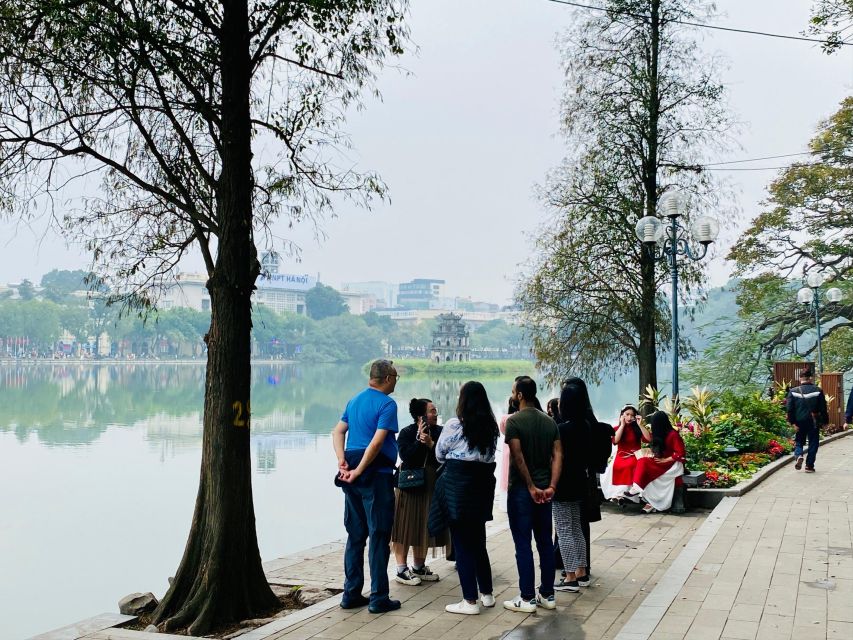
The route then reaches Hoan Kiem Lake for another 15-minute guided stop. The lake helps broaden the story beyond French buildings. It is a major part of Hanoi’s identity and gives you a chance to see how the colonial quarter connects with older Vietnamese traditions and modern public life.
This is a useful contrast. The French Quarter can look orderly and European in places, while Hoan Kiem Lake reminds you that Hanoi is not defined by its colonial layer. The tour places those different histories near each other.
The lake stop also breaks up the architecture focus. You get a more open setting, a change of pace, and time to absorb the guide’s explanation. In warm weather, that pause can be welcome, though you should still carry water and protect yourself from the sun.
The tour is intended to operate rain or shine. Check the forecast the day before and bring an umbrella or raincoat if needed. Rain can make sidewalks slippery and photography less convenient, but it does not cancel the basic structure of the walk.
The Metropole and the memory of war
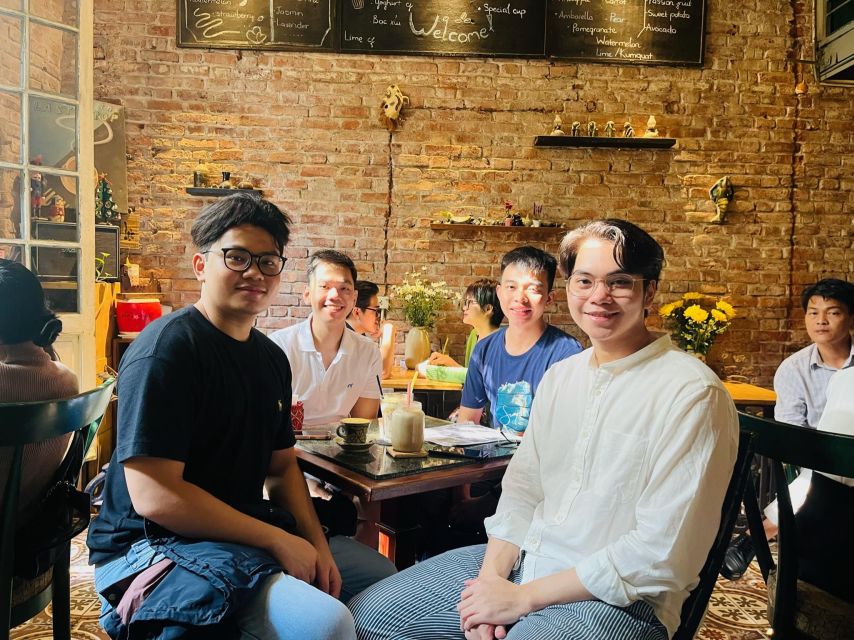
The Sofitel Legend Metropole Hanoi is another 15-minute stop. This hotel is tied to the city’s colonial history and later wartime memory, making it a natural place to discuss how the French period continued to shape Hanoi after colonial rule ended.
The experience also covers the Vietnam War. The guide uses major sites, photographs, and questions to connect political events with the physical city. That approach helps if you know only the broad outline of Vietnam’s modern history and want a clearer sequence of events.
Do not expect a museum visit at the Metropole. The schedule calls for an outdoor guided explanation. You are there to understand the building and its place in the city, not to tour every room.
This is one reason the tour suits people who prefer context to formal admission tickets. You move through the streets, hear the story, and keep seeing Hanoi as a living city rather than a row of preserved monuments.
Trang Tien Street and a well-timed ice cream stop
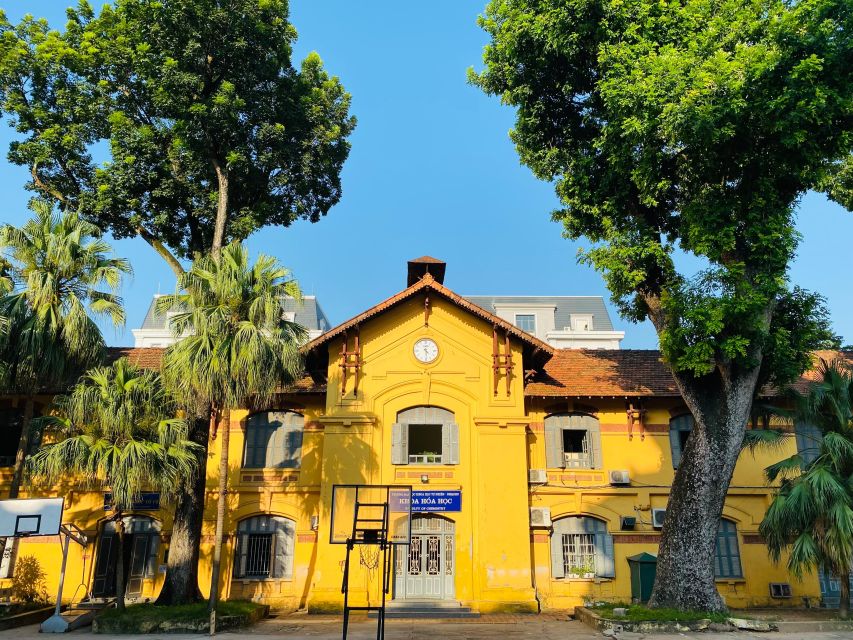
Trang Tien Street receives its own 15-minute guided stop. The street is important to the French Quarter route because it links architecture, commerce, and the city’s changing social life.
The famous Trang Tien ice cream parlor is included. You can sit down, use the restroom, and take a short break while enjoying a local favorite. This is more than a sugary finish. It gives you a taste of a familiar Hanoi institution and a chance to cool off after walking.
The ice cream stop is also a smart part of the pacing. A history walk can feel dense if every stop requires concentration. Coffee near the beginning and ice cream later create natural pauses, helping the information settle in.
If you are visiting Hanoi with teenagers or anyone who tires during sightseeing, this stop adds practical appeal. It is a simple treat, but it makes the route feel less formal and more connected to local routines.
What the $31 price really covers
At $31 per person, the tour offers a good value if you want an introduction to Hanoi’s French Quarter with a real history focus. The price includes a 2.5-hour English-language walking tour, a cup of Vietnamese coffee or tea in the villa café, and Trang Tien ice cream.
You are paying for interpretation as much as for movement. The landmarks are free to view from outside, so the guide’s explanations are the main product. If you would rather explore silently and take your own photographs, you can cover much of the route without booking a tour.
For me, the price makes more sense for a first visit, a short stay, or anyone interested in architecture and modern Vietnamese history. You also get local suggestions about food and other sights, including advice that has helped people decide to visit Hoa Lo Prison afterward.
The flexible booking terms add some comfort. You can reserve now and pay later, and cancellation is free up to 24 hours before the start time. These terms are useful if your Hanoi plans are still shifting, but the tour itself remains weather-dependent.
Pace, group feel, and practical comfort
The stated duration is 2.5 hours, though one account describes a tour closer to three hours. Allow at least three hours in your schedule so you are not rushing to another appointment.
The experience appears suited to small groups. A small group makes it easier to hear the guide, ask questions, and stop for photographs without blocking the entire sidewalk. Still, the exact group size is not specified, so do not book on the assumption that it will be private.
Wear breathable clothing and comfortable shoes. Add sunscreen and a hat, and carry water. Hanoi’s weather can make a modest walk feel much harder, especially when you are standing outside during explanations.
The route is suitable for people who want a relaxed pace, but it is still a city walk. Expect traffic, pavement changes, and outdoor exposure. Free admission is available for people assisting guests with disabilities, though the supplied details do not promise a fully step-free route. Contact the provider before booking if you need specific mobility arrangements.
The stated finish is Hanoi University of Pharmacy, while the meeting information also says the activity ends back at the meeting point. Confirm the exact endpoint when you book, especially if you need to meet a driver or return to your hotel.
Who will get the most from this experience
I would choose this tour for a first or second day in Hanoi. It gives you useful bearings in the southern city center and helps you recognize the French Quarter as more than a collection of handsome buildings.
It is a strong fit for:
- People who enjoy history but dislike long formal lectures
- Visitors interested in French colonial architecture
- First-time visitors who want local food and coffee built into sightseeing
- Couples and families who prefer a short, manageable walk
- Anyone who wants to ask questions about Vietnam’s past and present
- Visitors who want suggestions for further sights and places to eat
It may be less suitable if you want interior access to every landmark, a museum-heavy experience, or a private vehicle. The tour is about walking, conversation, and street-level context.
Should you book the French Quarter coffee walk?
Book it if you want Hanoi’s colonial architecture explained alongside Vietnamese history, coffee, and ordinary city life. The strongest parts are the old villa café, the question-friendly guiding style, the historical photographs, and the clear balance between French influence and Vietnamese resilience.
Mina and Dung are both associated with warm, engaging guiding, though your guide may differ. The tour earns its price through explanation rather than entry tickets, so it is best for curious visitors who want to understand what they are seeing.
Skip it if you already know Hanoi’s French Quarter well and prefer to explore independently. For most first-time visitors, though, this is a friendly, useful way to get oriented, with coffee at the start and ice cream at the finish.
FAQ
How long does the Hanoi French Quarter walking tour last?
The activity is scheduled for 2.5 hours. One description of the experience refers to a tour of about three hours, so allow a little extra time.
What language is the tour conducted in?
The live tour guide speaks English.
Where does the tour start?
Meet the host at 6 Au Trieu Street, right next to St. Joseph’s Cathedral of Hanoi.
Where does the tour finish?
The itinerary gives Hanoi University of Pharmacy as the finish point. The meeting information also says the activity ends back at the meeting point, so confirm the exact endpoint when booking.
Are coffee and ice cream included?
Yes. The experience includes Vietnamese coffee or tea in a local café in an old French villa and ice cream at the Trang Tien ice cream parlor.
What should I bring?
Bring sunscreen, breathable clothing, a hat, and comfortable shoes. The tour operates rain or shine, so take an umbrella or raincoat if the forecast calls for rain.
Recently reviewed around Hanoi
- Female Riders Vespa Night Street Food + Train Street food 4 Hours★ 5.0 · 35 reviews
- Beautiful Female Riders Vespa Red River Countryside Tour 5 Hours★ 5.0 · 23 reviews
- Red River Delta Countryside+ Rural Villages, rice Paddies fields★ 5.0 · 134 reviews
- The insider’s Hanoi 4.5 hours All highlight Places & Train Street★ 5.0 · 41 reviews
- The insider’s Hanoi + Train Street 4,5 Hours Female Ao Dai Riders★ 5.0 · 53 reviews
- Street Foods Hanoi Kim Tours Vietnam★ 5.0 · 140 reviews
- Hanoi Jeep Tour – Ba Vi National Park Full Day Tour★ 5.0 · 21 reviews
- Ninh Binh Full Day Tour from Hanoi to Hoa Lu, Trang An & Mua Cave★ 5.0 · 31 reviews
Coffee Experiences, compared.

Vietnamese Coffee Culture and Coffee Making Class
Read our review →
Hanoi Coffee Experience: 6 Brews, 9 Recipes & 3 Liquor Tastings
Read our review →
Hanoi Coffee Workshop: Taste Salt, Coconut and Egg Coffee
Read our review →
Salt Coffee Workshop Awake Your Senses With 6 Brews
Read our review →
Early Morning My Son Sanctuary Trip w. Champa Food & Coffee
Read our review →
Da Nang Cooking Class with Coffee Tasting and Market Visit
Read our review →Browse the lists this tour appears in