
Reviewed · HIKING & TREKKING
3 Day 2 Night Trek
Sapa’s best moments happen away from the town center, where rice terraces drop into the Muong Hoa Valley and village paths lead to family homes. This three-day private trek takes you through Y Linh Ho, Lao Chai, Ta Van, Giang Ta Chai, Su Pan, Ban Ho, and Nam Toong, with nights spent in local homes rather than standard hotels.
I like the chance to sleep with Dzay and Tay families, eat meals prepared at home, and see how daily life works beyond the photo stops. I also like the small-group setup and the personal help offered by guides such as Giang, who can assist with Hanoi-to-Sapa arrangements and practical details such as taxi pickup and luggage storage.
The main consideration is the walking. Day one alone covers about 12 kilometers over roughly three and a half hours, and the trail conditions can make that feel like a serious half-day. You need a moderate fitness level, and you should be ready for simple accommodation, changing weather, and a less polished style of travel.
In This Review
- What makes this Sapa trek different
- Starting at 9 a.m. in Sapa
- Day one: Y Linh Ho, Lao Chai, and Ta Van
- Day two: bamboo forest, Giang Ta Chai, and Ban Ho
- Day three: sunrise at Ban Ho and the return to Sapa
- The homestays are the heart of the trip
- Guide support and the private format
- Is $180 a fair price?
- What to pack and how to judge the physical demand
- Best time to book and cancellation terms
- Who should book this Sapa trek?
- Should you book it?
- FAQ
- Where does the Sapa trek start and finish?
- How long is the trekking on day one?
- Which villages and ethnic communities are included?
- Are meals included?
- Is this a private tour?
- Can I cancel for a refund?
What makes this Sapa trek different
- Local homes replace ordinary hotel nights: You stay with Dzay and Tay families in Ta Van and Ban Ho, with the chance to share meals, cook, farm, or sit around an open fire.
- A route through several ethnic villages: The trek connects Black Hmong, Dzay, Red Dzao, Tay, and other local communities rather than focusing only on Sapa town.
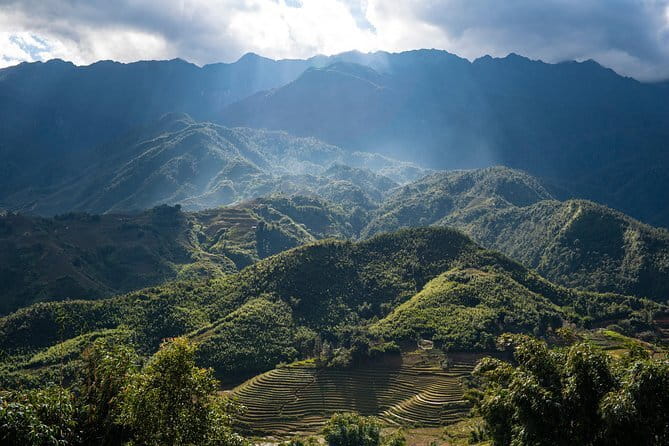
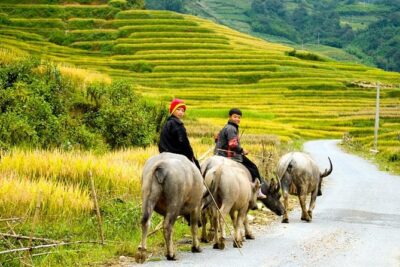
- Day one brings the signature views: The route from Y Linh Ho through Lao Chai and toward Ta Van follows rice terraces beside the Muong Hoa Stream.
- The second day gets quieter: Bamboo forest, rice fields, and the route toward Su Pan and Ban Ho offer a more peaceful setting with fewer other visitors expected.
- A private trip gives you flexibility: Only your group participates, and guides can adjust routes and timing to suit your needs.
- The $180 price covers the main meals and guiding: Two breakfasts, three lunches, and two dinners are included, while travel insurance is your responsibility.
Starting at 9 a.m. in Sapa
The listed meeting point is 690 Đường Điện Biên Phủ in central Sapa, with a 9 a.m. start. Pickup is offered, but you should confirm the arrangement when booking rather than assume a door-to-door transfer is included.
The tour ends back at the same meeting point on day three. If you are arriving from Hanoi, Giang has helped with bus-related logistics, including arranging a taxi from a bus office and finding a place to store luggage. That kind of help can be useful because Sapa connections often leave you juggling bags, bus times, and a new town at once.
The activity is private, so you are not placed into a large walking group. That matters on narrow village paths and at homestays, where a smaller party is less intrusive and easier to manage. It also gives you a better chance to ask questions about local customs, farming, crafts, and the different communities along the route.
More Hiking Tours in Hanoi
- Halong Bay Full Day with Kayaking, Hiking viewpoint, Cave – Deluxe To Luxury
★ 5.0 · 884 reviews - From Hanoi: 2-Day Sapa Trekking Trip with Homestay & Meals
★ 4.8 · 704 reviews - Sapa 3 Days 2 Nights Trekking Tour (1 Night In Ta Van Village, 1 Night In Hotel)
★ 5.0 · 699 reviews
Day one: Y Linh Ho, Lao Chai, and Ta Van
The first day introduces the cultural range of the Sapa area. You may see the traditional clothing of H’Mong, Dzao, Tay, Zay, and Xa Pho people, then stop for lunch at a restaurant or in a local family home.
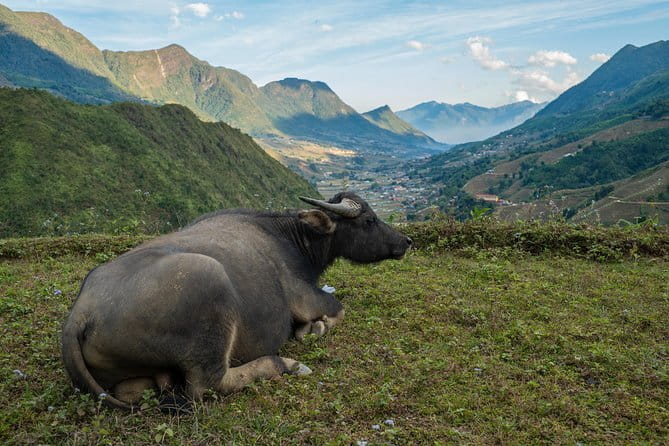
From there, the route reaches Y Linh Ho before following rice terraces and the Muong Hoa Stream toward Lao Chai, a Black Hmong village. The main reward here is the combination of walking and scale. The Hoang Lien Son mountains rise around the valley, while the terraces create long, curved lines across the hillsides.
This is the part of the trek most likely to fill your camera. It is also the part where sensible footwear matters most. The supplied details give a distance of about 12 kilometers and a walking time of around three and a half hours, but uneven paths, slopes, weather, and photo stops can affect how hard the day feels.
You continue toward Ta Van in the late afternoon, home to Dzay people. Arriving later in the day gives you time to watch the sunset and settle into the homestay instead of rushing straight through dinner.
The first night is meant to be social, but you are not forced into a performance of local life. You can spend time getting to know the family, share dinner, and sit near an open fire with rice wine and local food. If you prefer quiet, the schedule also allows you to enjoy the evening in peace.
Accommodation can vary. One option offers Wi-Fi and hot showers, while another is a more authentic local house with a family. Ask what style is available for your dates if shower facilities and internet access matter to you. The simpler option is likely the better fit for someone who wants a close look at village life, but it will not feel like a conventional Sapa hotel.
Day two: bamboo forest, Giang Ta Chai, and Ban Ho
After breakfast prepared by your host family, you begin the longest-feeling day of the experience, even though no total distance is provided. The route crosses rice fields and continues through bamboo forest before stopping at a high viewpoint over Ta Van and Giang Ta Chai.
Giang Ta Chai is associated with Red Dzao people. The walk gives you a change from the open terraces of day one. Bamboo forest adds shade and a more enclosed setting, while the viewpoints open back onto the valley.
Lunch is planned at a H’Mong or Dzao family home in Su Pan. This is one of the more valuable parts of the trip because meals are not treated only as fuel between viewpoints. Eating in a home gives you a natural reason to sit, talk, and watch how food is prepared and served.
After lunch, you continue through rice terraces and along the valley toward Ban Ho. The route is described as peaceful, with few other visitors expected. That sounds appealing, but it also means you should not expect a steady chain of cafes, shops, or transport options along the way. Bring what you need for the walking portion and keep your day bag light.
Ban Ho is home to Tay people and becomes your second overnight stop. You may be able to help with farming or cooking local food, depending on the family and the timing. This is not a scripted show with a fixed list of activities. The value comes from having a little unhurried time in one place.
The second homestay is another reason to choose this trek over a standard day tour. A day trip can show you the terraces, but it usually sends you back to town before evening. Here, you have dinner with a Tay family or time to yourself, followed by a night in the village.
Day three: sunrise at Ban Ho and the return to Sapa

The last morning begins with sunrise and breakfast prepared by the host family. The early start offers a quiet look at Ban Ho before the walking begins, and it gives you a final chance to say goodbye to your hosts.
You then trek through Nam Toong village, where Tay and Red Dzao communities live. Lunch is served at a restaurant or local house, followed by time to meet local people and learn about their daily way of life.
The return to Sapa comes after lunch. Since the precise walking distance and transport details for the final return are not provided, ask your guide how much walking remains and how the last stretch is handled. The activity does end back at the original meeting point, so you are not left in another village.
Three days is a good length for this route. One day would give you a taste of the valley, but two nights let you move at a calmer pace and experience both Ta Van and Ban Ho after the day visitors have gone. The tradeoff is that you give up two nights of standard accommodation and carry the practical demands of a mountain trek.
More Hanoi trips worth a second look
- 3-Day Trekking Adventure of Sapa from Hanoi – Stay Ta Van Village
★ 5.0 · 611 reviews - 2-Day Sa Pa Ethnic Homestay Tour & Trek with Limousine Bus
★ 4.8 · 440 reviews - Hanoi – Sapa 3 Day 2 Night Trekking With Hotel & Homestay
★ 5.0 · 389 reviews - Ninh Binh: Cuc Phuong Jungle Hike & Wildlife Day Trip
★ 4.4 · 327 reviews
The homestays are the heart of the trip

The scenery gets people to Sapa, but the family stays are what give this tour its character. You sleep in homes connected to Dzay and Tay communities, eat some meals with local families, and have time to see village life outside a quick roadside stop.
The accommodation can include Wi-Fi and hot showers, but the tour also offers an authentic local house with a family. Those are different experiences, and you should decide which matters more to you. Hot water and internet make the trip easier. A basic home and an evening around an open fire may feel more personal, but also less predictable.
Rice wine and local food are part of the evening atmosphere. You can chat with your hosts and learn about their routines, or take a quieter approach. That flexibility is useful if you enjoy cultural contact but do not want every moment turned into a group activity.
The local benefit also matters. Booking with Sapa Tribal Trekking supports H’Mong guides and local people through paid work in an area where the provided information says about 70 percent of the population lives below the poverty line. You should not treat a homestay as a poverty exhibit, but as a chance to pay for local knowledge, hospitality, and labor directly.
Guide support and the private format
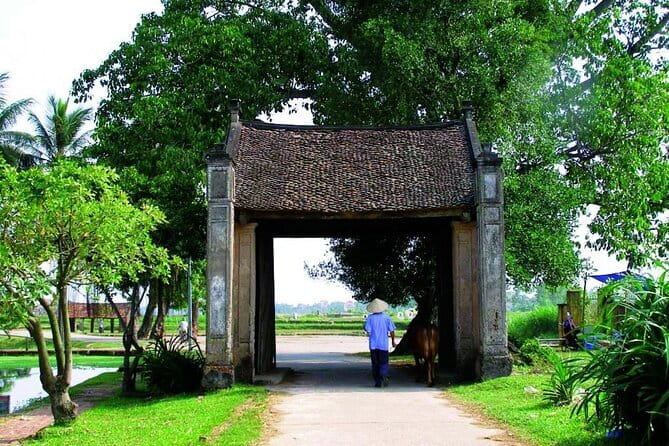
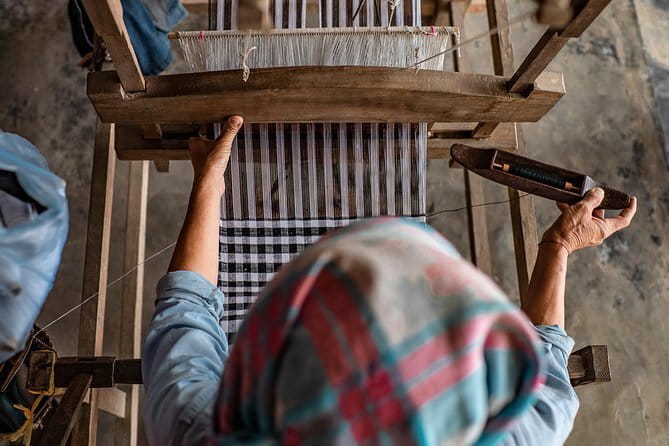
The guide is central to this experience. The tour uses one or more English-speaking local guides who explain Sapa, local history, customs, crafts, and the different ethnic groups along the route.
Giang is the named guide connected with the trip, and the supplied guest accounts also refer to her family and her nieces Zo and Ma as guides on part of the trek. If having Giang lead your group matters to you, request her by name and confirm availability rather than assuming every departure uses the same person.
One benefit of a local guide is practical judgment. Trail timing, weather, family arrangements, and route choices can all affect the day. The guide can also help you understand the difference between communities rather than treating every village as interchangeable.
The private format is especially useful if your group has mixed walking speeds or wants to spend more time taking photographs. It does not make the trek easy, though. A private guide can adapt timing, but the valleys, slopes, and distance remain.
Is $180 a fair price?
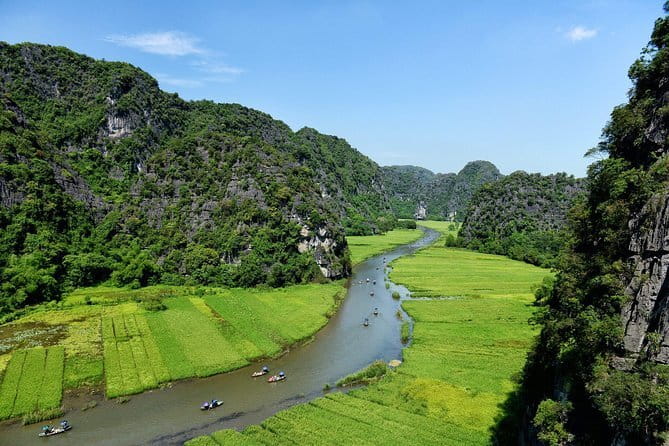
At $180 per person, the trip is not the cheapest way to see Sapa, but the price covers more than a guided walk. It includes two breakfasts, three lunches, and two dinners, plus two nights of homestay accommodation and local guiding.
You are also paying for a route that links several villages and for the time spent with local families. The private setup adds value if you want your own group rather than a large departure with fixed pacing.
The price makes less sense if you only want the famous rice terraces and a comfortable bed. In that case, a shorter excursion from Sapa may suit you better. It makes more sense if you want two nights outside town, local meals, and a slower look at village life.
Travel insurance is not included, and you are told to arrange comprehensive coverage yourself. That is important for any trek, especially since you should consult a medical professional before booking if you have a health condition.
What to pack and how to judge the physical demand
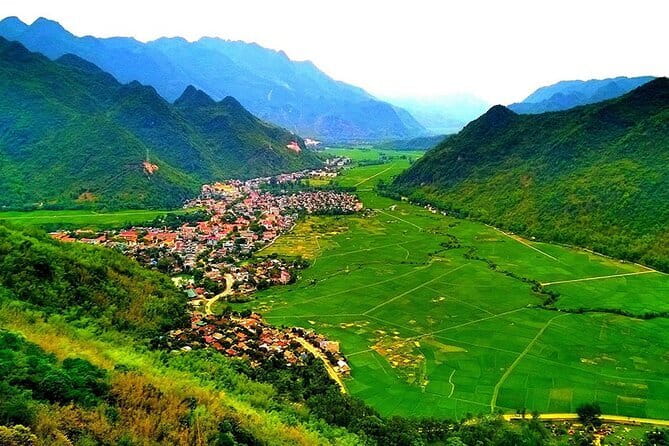
The tour requires moderate physical fitness. Day one is clearly defined at about 12 kilometers and three and a half hours, while the other days include extended walking through fields, forests, terraces, and villages.
Pack light, but bring useful basics:
- Comfortable walking shoes with reliable grip
- Light layers for changing mountain weather
- Rain protection
- A small day bag
- Any personal medication
- A phone or battery pack if you need to stay reachable
The supplied information does not specify a luggage transfer service, so ask before the start if you plan to bring a larger bag. Giang has helped with luggage storage in connection with Hanoi arrivals, but that does not automatically mean storage is included for every booking.
This is a better choice for someone who enjoys walking with a purpose than for someone seeking a relaxed sightseeing shuttle. You do not need to be an athlete, but you should be comfortable with several hours on foot and with basic rural accommodation.
Best time to book and cancellation terms
The experience is booked an average of 65 days ahead, so planning early is sensible, especially if you want a particular guide or homestay style. Confirmation is received at booking, and mobile tickets are available.
You can cancel for a full refund up to 24 hours before the 9 a.m. start time. Changes made less than 24 hours before the start are not accepted, and late cancellations are not refunded.
Good weather is required. If poor weather forces a cancellation, you are offered another date or a full refund. Sapa weather can change quickly, so keep some flexibility in your schedule if this trek is a major part of your Vietnam plans.
Who should book this Sapa trek?
I would choose this experience if you want:
- A private trek rather than a large group
- Local guides from the Sapa area
- Several ethnic villages in one route
- Two nights with local families
- Rice terraces, bamboo forest, and valley walking
- A cultural experience that supports local guides and households
I would hesitate if you want air-conditioned transport, firm hotel standards, or a short and easy outing. The homestays are part of the point, but they also mean you need to accept some variation in facilities.
The tour is suitable for adults and groups with moderate fitness. Service animals are allowed, and the meeting point is near public transportation, but the trail itself remains a mountain route. Anyone with a medical condition should seek medical advice before booking.
Should you book it?
Book this trek if you want Sapa as a place where people live, not simply as a backdrop for terrace photographs. The strongest parts are the family homestays, the private guiding, the quieter route toward Ban Ho, and the chance to eat and talk with Dzay, Tay, H’Mong, and Red Dzao families.
The best practical choice is to confirm three things before paying: who will guide your group, which homestay facilities are available, and how your luggage will be handled. If you are comfortable with 12 kilometers on day one and a basic rural stay, $180 offers a solid three-day introduction to the valleys around Sapa.
FAQ
Where does the Sapa trek start and finish?
The trek starts at 690 Đường Điện Biên Phủ, TT. Sa Pa, Sa Pa, Lào Cai, Vietnam, at 9 a.m. It ends back at the same meeting point on day three.
How long is the trekking on day one?
Day one covers about 12 kilometers and takes roughly three and a half hours of trekking.
Which villages and ethnic communities are included?
The route includes Y Linh Ho, Lao Chai, Ta Van, Giang Ta Chai, Su Pan, Ban Ho, and Nam Toong. You may encounter Black Hmong, H’Mong, Dzay, Tay, Red Dzao, Zay, and Xa Pho communities.
Are meals included?
Yes. The price includes two breakfasts, three lunches, and two dinners. Meals may be served at a restaurant or in a local family home, depending on the day.
Is this a private tour?
Yes. Only your group participates, with one or more English-speaking local guides.
Can I cancel for a refund?
You can cancel at least 24 hours before the local start time for a full refund. If poor weather cancels the experience, you are offered another date or a full refund.
More 3-Day Experiences in Hanoi
- Amanda Cruise – Ha Long, Lan Ha Bay – All Inclusive 2D1N & 3D2N
★ 5.0 · 4,358 reviews - Hanoi: 3-Day Ninh Binh, Ha Long, & Lan Ha Bay 5-Star Cruise
★ 4.8 · 1,401 reviews - Mon Chéri Cruises 5 star: Amazing 3 days exploring Halong & Cat Ba island
★ 5.0 · 1,280 reviews - Ha Giang Loop 3 days Small group- From Ha Noi
★ 5.0 · 1,114 reviews
More Evening Experiences in Hanoi
- Sapa 2 Days 1 Night From Hanoi – Overnight in Ta Van Village
★ 5.0 · 2,669 reviews - Hanoi Motorbike Tours Led By Women: Hanoi By Night Foodie Motorbike Tours
★ 5.0 · 1,734 reviews - From Hanoi: Ha Long – Bai Tu Long Bay 2-Day 1-Night Cruise
★ 4.6 · 1,113 reviews - Halong Bay Cruise 2 days 1 night from Hanoi included transfer
★ 5.0 · 1,061 reviews
Recently reviewed around Hanoi
- Female Riders Vespa Night Street Food + Train Street food 4 Hours★ 5.0 · 35 reviews
- Beautiful Female Riders Vespa Red River Countryside Tour 5 Hours★ 5.0 · 23 reviews
- The insider’s Hanoi + Train Street 4,5 Hours Female Ao Dai Riders★ 5.0 · 53 reviews
- Red River Delta Countryside+ Rural Villages, rice Paddies fields★ 5.0 · 134 reviews
- The insider’s Hanoi 4.5 hours All highlight Places & Train Street★ 5.0 · 41 reviews
- Street Foods Hanoi Kim Tours Vietnam★ 5.0 · 140 reviews
- Hanoi Jeep Tour – Ba Vi National Park Full Day Tour★ 5.0 · 21 reviews
- Ninh Binh Full Day Tour from Hanoi to Hoa Lu, Trang An & Mua Cave★ 5.0 · 31 reviews
Hiking & Trekking, compared.

Halong Bay Full Day with Kayaking, Hiking viewpoint, Cave – Deluxe To Luxury
Read our review →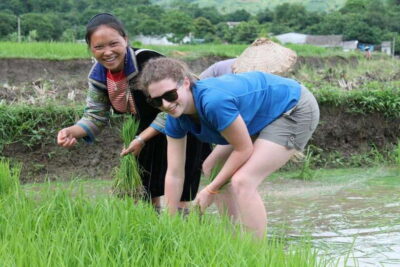
Muong Hoa Valley Trek and Local Ethnic Villages
Read our review →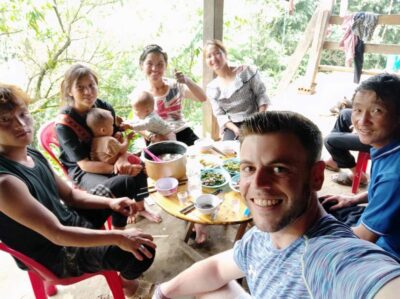
Sapa 3 Days 2 Nights Trekking Tour (1 Night In Ta Van Village, 1 Night In Hotel)
Read our review →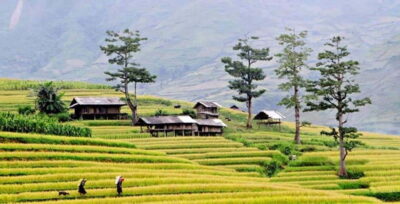
Eco Adventure Terrace Fields and Local Villages Trek
Read our review →
3-Day Trekking Adventure of Sapa from Hanoi – Stay Ta Van Village
Read our review →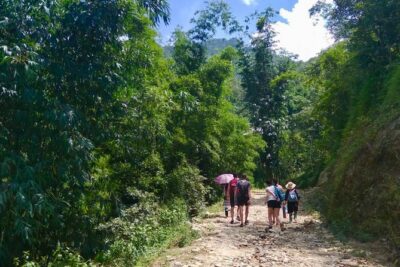
Number one top rated ethical cultural trekking and homestay by ETHOS
Read our review →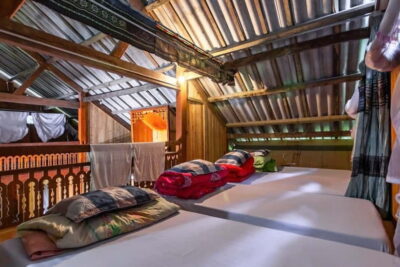
2-Day Sa Pa Ethnic Homestay Tour & Trek with Limousine Bus
Read our review →Browse the lists this tour appears in