
Reviewed · WORKSHOPS
Da Nang: Tandoori Naan Bread-Making Class
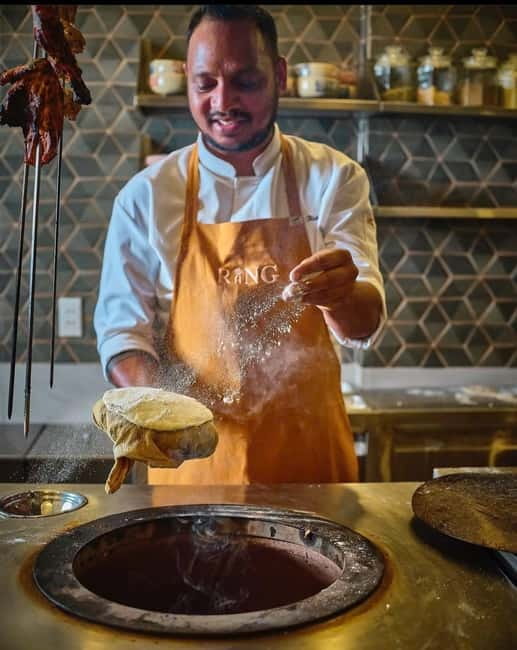
The best part of this Da Nang class is that you make naan from the dough onward, then slap it onto a hot tandoor and eat it fresh. At RANG, Chef Manku and the kitchen team teach the process in the restaurant’s working kitchen, so you get both a cooking lesson and a close look at how an Indian restaurant operates.
I like the small group of eight because you should get real hands-on time, not just a quick demonstration. I also like the practical home-cooking advice, especially the tips for baking naan without a tandoor. The one thing to consider is that this is a focused bread class, not a full Indian cooking course, and children under seven cannot join.
In This Review
- Key points to know before booking
- Making naan from flour to tandoor
- A working kitchen, not a staged demonstration
- The people guiding the class
- What each part of the experience gives you
- Why the home oven advice matters
- Add lunch at RANG if you want a full meal
- Group size, age limits, and comfort
- What the excellent rating tells you, and what it does not
- Who should book this naan class?
- Should you book the RANG naan class?
- FAQ
- Where does the Tandoori Naan Bread-Making Class take place?
- How much does the class cost?
- How many people can join the class?
- Is previous cooking experience required?
- Which languages are available?
- What will I make during the class?
- Is tasting included?
- Can I eat a full meal at RANG after the class?
- Can children join the class?
- Can I cancel the booking?
Key points to know before booking
- You make the naan yourself: Knead, season, shape, and bake the dough with chef guidance.
- Several styles may be covered: Plain, garlic, butter, and stuffed versions such as paneer or keema are part of the class focus.
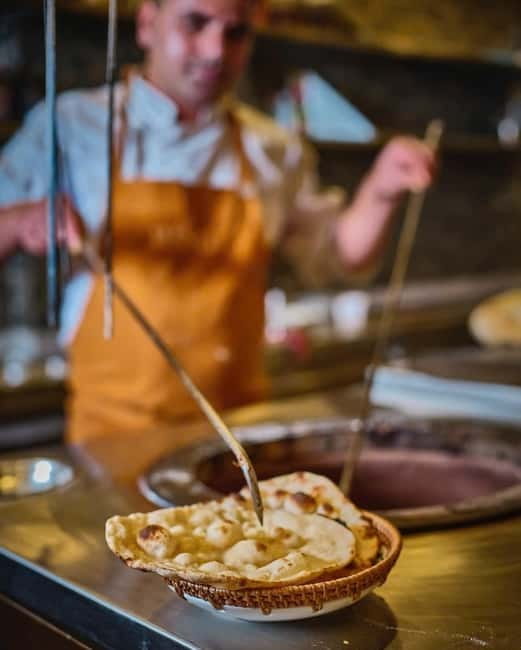
- The tandoor is the main event: You get to experience the fast, dramatic baking method that gives naan its characteristic texture.
- RANG is a Michelin Bib Gourmand restaurant: The Da Nang restaurant received the award in 2024 and 2025 for good food at moderate prices.
- The class fits beginners: No previous cooking experience is needed, and instruction is available in English, Vietnamese, and Hindi.
- Fresh naan tasting is included: Eat your bread with signature dips, and you can pair it with a restaurant lunch if you wish.
Making naan from flour to tandoor
Naan looks simple on a plate, but good naan depends on a few small choices. The dough needs the right texture, the bread must be shaped without tearing, and the heat has to be strong enough to cook it quickly while keeping the inside soft.
This class takes you through that full chain. You knead the dough, season it with authentic spices, shape it, and prepare it for the oven. That matters because you are not simply copying a chef’s movements. You learn what each stage does, which gives you a better chance of repeating the result at home.
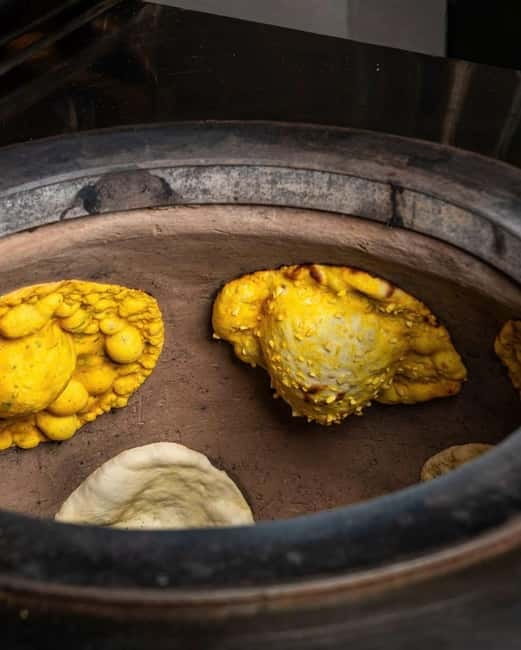
The final step is the most entertaining. You experience the traditional method of placing the naan against the inside of a tandoor. The supplied details also allow for an oven alternative when you cook at home, so the class does not leave you with a technique you cannot use outside a restaurant.
You may make classic plain naan along with garlic, butter, or stuffed versions. Paneer and keema are listed as examples of fillings. Exact options can depend on the class session, but the main lesson is how one basic bread can change with toppings, seasonings, and fillings.
More Da Nang trips worth a second look
- 5 Dishes Cooking Class with Market Trip in Da Nang
★ 5.0 · 466 reviews - Da Nang Authentic Home Cooking Class
★ 5.0 · 354 reviews - 5 traditional dishes Da Nang cooking class with market trip
★ 5.0 · 331 reviews
A working kitchen, not a staged demonstration
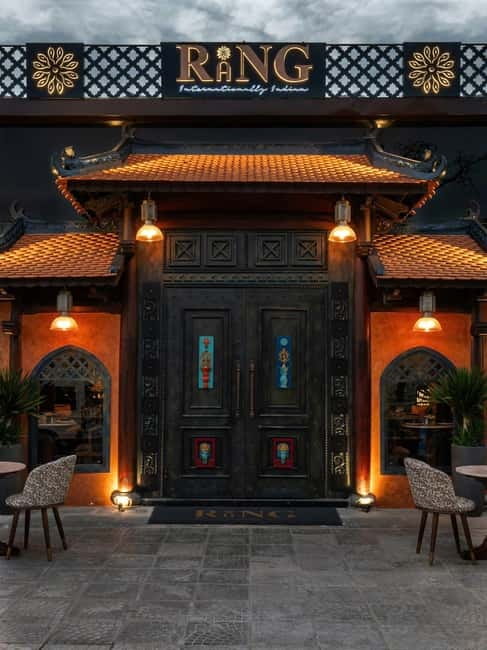
RANG is an international Indian restaurant in Da Nang, and the class takes place in its real kitchen while the restaurant continues preparing food. That gives the activity a useful sense of place. You see naan as part of a working meal rather than as an isolated craft project.
The kitchen setting can also make the class feel more lively. Chefs are preparing food for diners at the same time, and you are working alongside that activity. For some people, this is the best feature of the experience. You get a direct look at restaurant routines and can ask questions in a practical setting.
There is a small tradeoff. A real kitchen is not the same as a quiet teaching studio. You may have activity around you, and the class can feel less private than a standalone workshop. If you prefer a polished, silent demonstration with every minute planned around you, this may not be the right format. If you like seeing how a restaurant actually works, the setting adds value.
RANG has received the Michelin Bib Gourmand in both 2024 and 2025. That award recognizes restaurants offering good-quality food at moderate prices. It does not turn the class into a formal Michelin event, but it makes the restaurant meal an appealing addition, especially if you want to try your naan with a proper curry.
The people guiding the class
Instruction is available in English, Vietnamese, and Hindi. That is useful in a hands-on class because dough texture and shaping are easier to understand when someone can correct you clearly at the work surface.
Chef Manku is specifically associated with the class, and Amit is part of the restaurant team. The personal side of the instruction matters here. You are not being sent through a self-guided recipe station. The chefs explain the steps, show you the technique, and help you understand why the bread behaves as it does.
The class is designed for beginners, so you do not need experience with Indian cooking, bread making, or tandoors. You should still expect to get your hands messy. Kneading and shaping are central to the activity, not optional extras.
The language choices also make this a good pick for mixed groups. If you and your companions speak different languages, confirm that the language you need is available at your chosen start time. The activity lists all three languages, but individual sessions may vary.
What each part of the experience gives you
The class follows a clear cooking sequence, even though the exact timing and start time depend on availability.
First comes the introduction to naan. You learn why naan is commonly served with curry and how it fits into Indian food traditions. The class connects the bread with regional food culture, including hearty meals in Punjab and royal feasts associated with Delhi.
This background is brief but useful. Naan is not just a soft side dish. Its shape, toppings, and cooking method help it work with rich sauces, grilled foods, and dips. The class gives you enough context to understand why it appears so often at an Indian table.
Next comes the dough. You knead it under expert direction and learn the preparation points that affect the finished bread. The important takeaway is not just a list of ingredients. It is learning how the dough should feel before you move on.
Then you season and shape. This is where you can compare plain naan with garlic, butter, or stuffed versions. Stuffed breads require care because the filling must stay inside while the dough is stretched thin enough to cook properly.
After that comes the tandoor. You experience the distinctive process of placing naan against the hot interior so it cooks rapidly. This is the moment that makes the activity feel different from an ordinary home baking lesson.
Finally, you taste the result. Freshly baked naan is served with signature dips. The tasting lets you compare the bread immediately after cooking, when the outside is hot and the inside remains soft. You can also combine the class with a meal at RANG and use your own bread with a curry. This restaurant meal is optional, and the class does not require you to buy more food.
A different kind of day out, same stretch of Vietnam:
- Full Day Golden Bridge and Ba Na Hills Small Group Tour
★ 5.0 · 2,369 reviews - Morning Small group to Marble Mountains – Am Phu Cave – Monkey Mountain
★ 5.0 · 1,097 reviews - Da Nang: Ba Na Hills and Golden Bridge Tour
★ 5.0 · 938 reviews - Da Nang & Hoi An: Food, Sightseeing, Culture & Hidden Gems
★ 5.0 · 806 reviews
Why the home oven advice matters
A tandoor is the hardest part of naan making to reproduce at home. Most kitchens do not have one, and a standard oven does not behave in exactly the same way. That is why the home oven advice is one of the most useful parts of the class.
You learn how to adapt the technique rather than giving up when you return home. The class covers dough preparation, oven methods, and creative toppings, so you can make a workable version without specialist equipment.
This is also where the low price makes sense. At $2.60 per person, you are paying very little for an activity that includes instruction, hands-on cooking, tasting, and dips. Even if you never make naan again, the class is inexpensive entertainment. If you do cook at home, the practical tips can make the fee especially good value.
Keep your expectations sensible. A short class cannot turn you into a professional bread maker, and a home oven will not produce precisely the same result as a tandoor. The value is in learning the basic method and gaining enough confidence to keep practicing.
Add lunch at RANG if you want a full meal
The class includes freshly baked naan and signature dips, but a full restaurant meal is not listed as part of the activity. You can combine the lesson with lunch at RANG, and the setting makes that an obvious option.
The advantage is simple: you can use your own bread with an Indian curry while the cooking process is still fresh in your mind. It turns the class from a snack-sized activity into a fuller food experience, but you remain free to leave after the tasting.
One of the strongest details from the experience is that the restaurant team does not pressure you to order extra food. That gives you a practical choice. Book the class alone if you want a short, low-cost activity, or plan a meal afterward if you want to explore more of RANG’s menu.
Because the class takes place in a functioning restaurant, check the available start time and plan your meal around it. The activity is listed as valid for one day, with starting times shown according to availability. The provided information does not give a fixed class length, so do not build a tight schedule around an assumed finish time.
Group size, age limits, and comfort
The group is limited to eight participants. For a bread class, that is a helpful limit. You should have a better chance to handle the dough and receive corrections than you would in a large tour group.
The experience is not suitable for children under seven. Older children may find the shaping and tandoor work fun, but the supplied information does not give a recommended age range beyond that minimum. If you are booking for a family, check that the activity’s hands-on kitchen setting suits everyone in your party.
Alcohol and drugs are not allowed. There is no special experience requirement, and the class is explicitly intended for beginners.
You should also consider the heat and movement involved in tandoor cooking. The information does not specify seating, clothing guidance, or accessibility arrangements, so ask RANG directly if you have mobility needs or concerns about working near a hot oven.
What the excellent rating tells you, and what it does not
The activity has a 4.9 rating from 19 reviews, with repeated praise for friendly chefs, clear explanations, and the pleasure of making the bread from scratch. Those are the areas I would treat as the class’s strongest points.
The personal attention seems especially important. Sophie described the kitchen as clean and professional and singled out Chef Manku and Amit for making the activity welcoming. Jens appreciated the advice for making naan without a tandoor and enjoyed pairing his bread with lamb curry afterward.
The practical lesson is that this experience works best when you want contact with the cooking team, not just a finished plate. You take part in every major stage and get to know something about the people preparing the food.
Still, 19 ratings are a modest sample. A high score is encouraging, but it cannot guarantee that every session will feel identical. Your experience can depend on the group, the available chefs, and the pace of the kitchen that day.
Who should book this naan class?
I would choose this for a food-focused afternoon in Da Nang, especially if you like learning one useful skill rather than collecting another sightseeing photo. It is a good fit for first-time Indian cooks, couples, solo visitors, and small groups who enjoy sharing a kitchen task.
It also suits anyone curious about the difference between restaurant bread and homemade bread. The tandoor demonstration gives the class a memorable center, while the oven advice keeps it relevant after you leave Vietnam.
I would think twice if you want a long cooking course covering several curries, chutneys, and desserts. This is about naan. The restaurant meal is optional, not the main class, and the duration is not specified in the supplied details.
At $2.60, the decision is easy for most food lovers. The main question is not price. It is whether you want to spend part of your Da Nang day making bread in a working Indian restaurant.
Should you book the RANG naan class?
Book it if you want an inexpensive, hands-on activity with a clear result: freshly baked naan that you make yourself. The small group, multilingual instruction, Chef Manku’s involvement, tandoor work, and home oven advice give it more substance than a simple restaurant tasting.
Pair it with lunch at RANG if you want to dip your bread into curry and try more of the restaurant’s cooking. Skip the extra meal if you prefer a quick activity with no pressure to spend more.
For me, the strongest reason to book is the mix of fun and usefulness. You get the satisfying drama of the tandoor, but you also leave with techniques you can try in an ordinary home oven. Just remember that children under seven are not allowed, the class is focused on bread rather than a full menu, and you should check the available start time before planning the rest of your day.
FAQ
Where does the Tandoori Naan Bread-Making Class take place?
The class takes place at RANG, an Indian restaurant in Da Nang, Vietnam.
How much does the class cost?
The listed price is $2.60 per person.
How many people can join the class?
The class is a small-group activity limited to eight participants.
Is previous cooking experience required?
No. The class is beginner-friendly, and no prior experience is needed.
Which languages are available?
Instruction is available in English, Vietnamese, and Hindi.
What will I make during the class?
You will work through naan preparation from dough kneading and seasoning to shaping and baking. Possible styles include plain, garlic, butter, and stuffed naan such as paneer or keema.
Is tasting included?
Yes. Freshly baked naan and signature dips are included.
Can I eat a full meal at RANG after the class?
Yes. You can combine the activity with a meal at the restaurant, but the additional meal is optional and is not listed among the class inclusions.
Can children join the class?
Children under seven are not allowed to participate.
Can I cancel the booking?
You can cancel up to 24 hours in advance for a full refund. A reserve-now, pay-later option is also available.
Recently reviewed around Da Nang
- Private car from Danang to Hoi An★ 5.0 · 20 reviews
- Your Incredible Scooter Adventure On Hai Van Pass★ 5.0 · 67 reviews
- Private Customize car rental 4 hours – 8 hours- 12 hours Da Nang★ 5.0 · 22 reviews
- Surf Lessons★ 5.0 · 42 reviews
- Four-Hands Harmony (Perfect · Synchronized · Flow)★ 5.0 · 78 reviews
- Da Nang Street Food Private Tour With Local Students★ 5.0 · 24 reviews
- Dry Deep Bodywork (Dry | Thai–Shiatsu based)★ 5.0 · 45 reviews
- Monkey mountain-Huge Lady Buddha-Marble mountains & Am Phu caves★ 5.0 · 210 reviews
Workshops, compared.

Hanoi Cooking Class: Culture, Local Market & Meaning CSR Impact
Read our review →
5 Traditional Dishes Hanoi Cooking Class with Market Trip
Read our review →
Vietnamese Coffee Culture and Coffee Making Class
Read our review →

Cooking Class Hoi An:Local Market, Basket Boat, Fishing & Cooking
Read our review →
Hoi An Cooking Class(Market,BasketBoat Crabfishing&Cooking Class)
Read our review →
Hoi An Full Lantern Making Class- A special Foldable lantern
Read our review →
Cai Be Mekong Delta Tour: Cooking Class, Cycling & Craft Villages
Read our review →Browse the lists this tour appears in