
Reviewed · WORKSHOPS
Hanoi Tea Workshop: Specialty Fresh Lotus Tea from West Lake
West Lake lotus tea is made with remarkable patience: more than 1,000 fresh lotus flowers may be needed to scent one kilogram of tea. This two-hour workshop gives you a close look at that careful process, along with a tasting, brewing practice, snacks, and stories about Hanoi’s tea culture.
I like the focus on craft rather than factory production, and I like that part of the fee supports children’s education at the farm. The main thing to check before booking is the description’s mixed identity: the experience is presented as a lotus-tea workshop, but the provider name and several attached comments describe Vietnamese coffee classes at Su Quan Roastery.
In This Review
- Key points to know before booking
- Why West Lake lotus tea matters in Hanoi
- Starting at Su Quan Roastery in Ba Dinh
- A welcome drink, snacks, and the first taste
- How fresh lotus becomes scented tea
- Tasting premium West Lake lotus tea
- Practicing the Vietnamese tea-brewing method
- Cultural stories and time for questions
- What the $23 price really covers
- Group size, timing, and seasonal limits
- Who will enjoy this tea workshop most
- Booking advice and cancellation terms
- Should you book the West Lake lotus tea workshop?
- FAQ
- Where does the Hanoi lotus tea workshop begin?
- Where does the activity end?
- How long does the workshop last?
- What is included in the price?
- Is a certificate included?
- Are fresh lotus flowers guaranteed?
- How many people can join the activity?
- Can I cancel for a full refund?
Key points to know before booking

- More than 1,000 lotus flowers: The scale of the scenting process helps explain why genuine West Lake lotus tea is a prized specialty.
- A hands-on two-hour class: You do more than taste tea. You practice brewing and take home a PDF guide for Vietnamese lotus tea.
- Fresh lotus is seasonal: The flower-based parts of the workshop can change depending on the harvest.
- A small-group setting: The maximum group size is 20 people, large enough for a social class but still limited.
- A useful cultural stop in Ba Dinh: The meeting point is Su Quan Roastery at 75/173 Hoàng Hoa Thám, near public transportation.
- Important booking check: The supplied provider title refers to a five-coffee workshop, and the attached comments praise coffee instructors rather than lotus tea instruction.
Why West Lake lotus tea matters in Hanoi
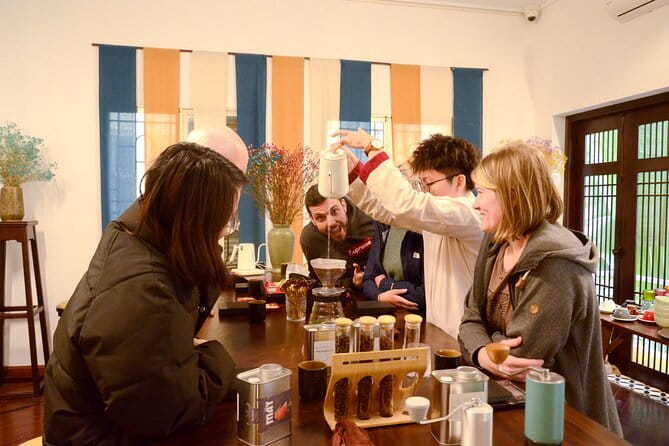
Hanoi’s West Lake, or Hồ Tây, is closely tied to lotus growing and the city’s tea customs. Lotus tea is not simply green tea with a lotus flavor added at the end. The appeal comes from the slow exchange between tea leaves and fresh lotus blossoms.
The process described here uses a large number of flowers for a relatively small amount of tea. That detail tells you what you are paying for. This is labor-intensive work, and it depends on timing, flowers, handling, and patience rather than a quick flavoring trick.
The experience presents West Lake lotus tea as a tradition once associated with royalty and scholars. You will hear cultural stories alongside the practical steps, so the class is meant to explain why the tea matters, not just how it tastes.
I find that useful because tea can otherwise become a vague souvenir purchase. Here, you get a better sense of the work behind the finished leaves and the value placed on quiet, careful preparation in Hanoi.
More Hanoi trips worth a second look
- Hanoi Cooking Class: Culture, Local Market & Meaning CSR Impact
★ 5.0 · 5,147 reviews - 5 Traditional Dishes Hanoi Cooking Class with Market Trip
★ 5.0 · 4,890 reviews - Hanoi Coffee Workshop: Taste Salt, Coconut and Egg Coffee
★ 5.0 · 1,286 reviews
Starting at Su Quan Roastery in Ba Dinh
The workshop begins at Su Quan Roastery, at 75/173 Hoàng Hoa Thám in Ngọc Hồ, Ba Đình. The activity returns to the same meeting point, so you do not need to arrange a separate end location.
The meeting place is near public transportation, which helps if you are staying elsewhere in Hanoi. The supplied information does not include hotel pickup, so plan on reaching the roastery yourself. A mobile ticket is provided, and booking confirmation is issued at the time of booking.
The venue name deserves a careful note. Su Quan Roastery is also associated with Vietnamese coffee classes, and the provider title supplied for this experience refers to making and tasting five signature coffee brews. That does not match the lotus-tea description.
I would confirm the exact class before paying, especially if you are booking for a particular date or hoping to work with fresh lotus flowers. This is not a complaint about the tea format. It is a practical warning that the product information appears to combine two different workshops.
A welcome drink, snacks, and the first taste

The session includes a welcome herbal drink and traditional Vietnamese snacks. These are small details, but they make a difference in a two-hour class. You get a gentle start before the more focused tasting and brewing work begins.
The snacks also give the tea a cultural setting. Rather than treating lotus tea as an isolated beverage, the workshop places it within the social habit of sitting, sharing food, and taking time with a cup.
The exact snacks are not specified, so you should not book this expecting a set menu or a full meal. Think of them as a light accompaniment. If you have dietary restrictions, personal food expenses are not included, and the supplied information does not promise substitutions.
The welcome drink may also be herbal rather than lotus tea. That gives you a chance to notice how the session moves from a simple refreshment into the more prized tea tasting.
How fresh lotus becomes scented tea
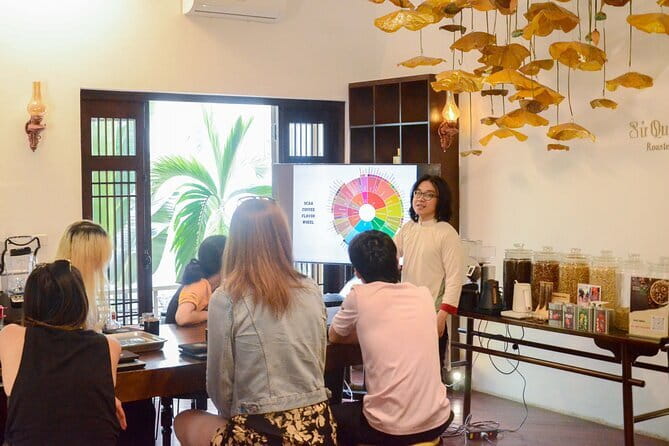
The central part of the class explains how natural lotus fragrance is infused into green tea. Fresh flowers are the key seasonal element, and their availability can vary according to the harvest.
That seasonal point matters. A workshop using fresh lotus cannot offer exactly the same flower material all year. If you book outside the strongest harvest period, the demonstration may be adjusted, or some fresh-lotus elements may not be available in the same form.
The description emphasizes authentic craftsmanship rather than commercial tea production. You should expect an explanation of the traditional method and the care involved, not a tour of a large industrial facility.
The figure of over 1,000 fresh lotus flowers for one kilogram of tea gives the process its proper scale. It also explains why premium lotus tea is more expensive than ordinary flavored tea. The work is slow, and the raw material is delicate.
I like this part because it gives you something concrete to remember. Instead of simply hearing that the tea is special, you learn the labor count behind it. That makes the final cup easier to appreciate and helps you judge quality when shopping later.
A different kind of day out, same stretch of Vietnam:
- Hanoi Jeep Tour: Food, Culture and Fun by Vietnam Army Jeep
★ 5.0 · 15,222 reviews - Full-Day Ninh Binh Highlights Tour from Hanoi
★ 5.0 · 7,761 reviews - Hanoi: Ha Long Bay Day Cruise – Swimming, Meal, Kayaking
★ 4.7 · 7,415 reviews - Hanoi: Water Puppet Show Tickets
★ 4.6 · 7,029 reviews
Tasting premium West Lake lotus tea
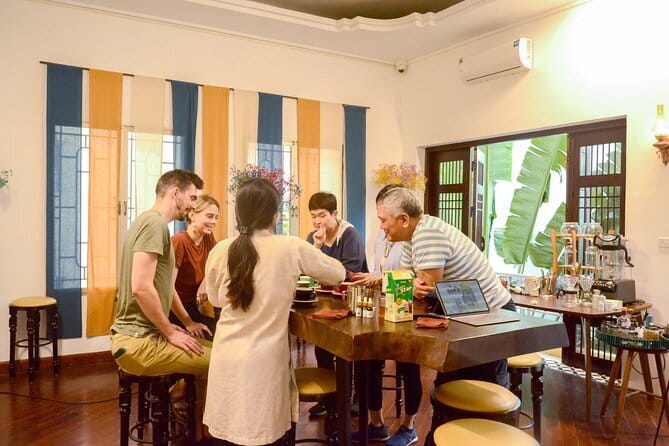
The tasting includes fresh lotus tea and premium West Lake lotus tea. The wording suggests that tasting is a central part of the workshop, not a quick sip at the end.
You will have a chance to pay attention to fragrance, tea flavor, and the balance between the green tea and lotus. The class may be especially useful if you normally judge tea only by sweetness or strength. Lotus tea is valued for its aroma and refinement, so the instructor’s explanation should help you notice quieter qualities.
The information does not specify the tea cultivar, the number of cups, or the exact tasting sequence. I would not assume that you will sample a large flight of different teas. The clear promise is a fresh lotus tea tasting and a premium West Lake lotus tea tasting.
That distinction still gives the session a useful structure. You can compare the experience of tasting with the context provided by the workshop, then decide what style of lotus tea you prefer.
This is also where the activity’s quiet character comes through. There is no promise of a busy sightseeing schedule or a long list of attractions. The reward is concentration, conversation, and a closer look at one Hanoi specialty.
Practicing the Vietnamese tea-brewing method
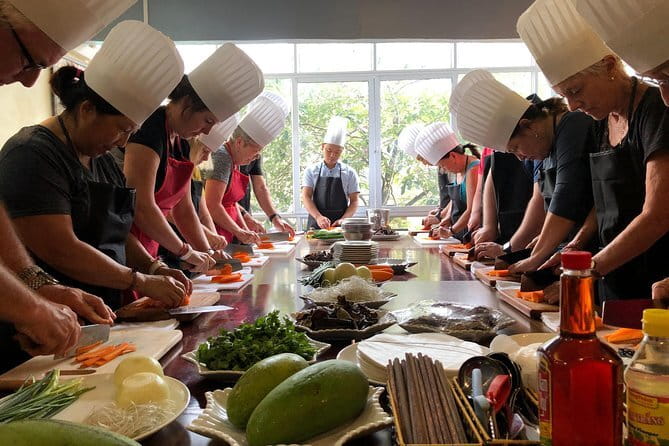
The class includes tea-brewing practice, which is one of its strongest features. You are not limited to watching an instructor handle the leaves. You get a chance to work through the basic brewing method yourself.
The PDF file about Vietnamese lotus-tea brewing adds value after the class. It gives you a reference when you return home and want to recreate the experience. Tea instructions are easy to forget, especially when you are moving from one stop to another during a trip, so a written guide is useful.
The supplied information does not state the equipment used, the brewing ratios, or whether participants prepare individual pots. You should expect guided practice, but not assume a full professional tea ceremony or a take-home tea set.
A certificate is available if requested. I would treat it as a pleasant souvenir rather than a formal qualification. The more useful keepsake is likely to be the brewing PDF and the knowledge of how the scenting process works.
Cultural stories and time for questions
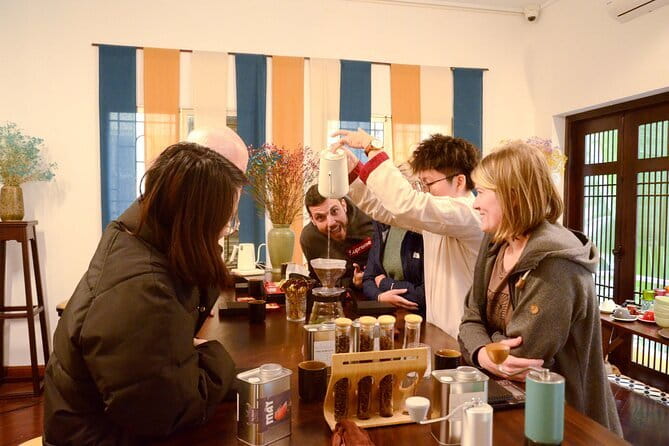
The workshop includes cultural storytelling and Q&A. This is important because lotus tea has meaning beyond its flavor. The class connects the drink with Hanoi, West Lake, and older traditions linked with scholars and royal circles.
The question period also lets you make the session more relevant to your interests. You might ask about serving customs, the role of lotus flowers, or how to recognize a tea made with care. The supplied information does not list the instructor’s name for the lotus class, so I would not book it expecting a particular guide.
Several comments attached to the activity praise instructors named Simone, Simon, Tiung, Phuong Anh, and Piet, but those comments discuss coffee. They describe egg coffee, coconut coffee, salt coffee, coffee history, and brewing demonstrations at Su Quan Roastery.
Those comments do show that the venue has experience with friendly, patient teaching and English-language coffee instruction. They do not confirm who teaches the lotus workshop or what the lotus-tea class will be like. Keep that distinction in mind when making your decision.
What the $23 price really covers
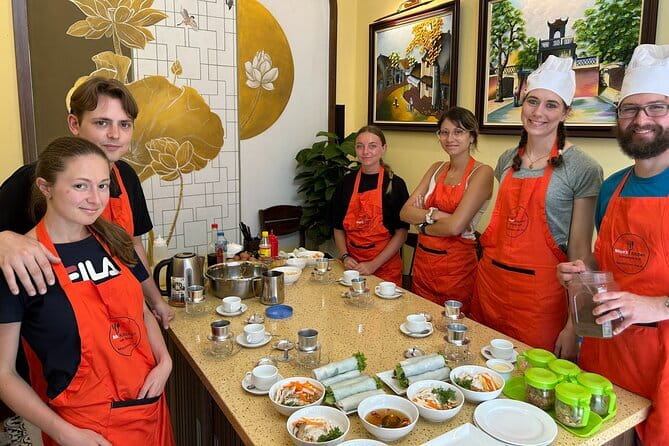
At $23 per person, the experience costs more than a simple cup of tea in Hanoi. That comparison is not quite fair, though. You are paying for a roughly two-hour guided class, tasting, snacks, brewing practice, cultural explanation, a digital brewing guide, and the chance to learn about a demanding local craft.
The value is strongest if you enjoy tea, food traditions, or hands-on cultural activities. It is also a sensible choice for someone who wants a slower Hanoi experience instead of packing every hour with landmarks.
The value is weaker if you only want to drink lotus tea or buy a packet to take home. A tea shop or café may meet that need for less money, though it would not give you the same guided explanation or practice.
The farm education contribution adds a social purpose to the purchase. According to the supplied information, part of the experience supports children’s education at the farm. That does not turn the class into a charity visit, but it does give the fee a wider purpose beyond the two hours at the table.
Group size, timing, and seasonal limits
The maximum group size is 20 people. That is not an intimate private lesson, but it is still limited enough to keep the class manageable. Your experience will depend partly on attendance and on how much time the instructor gives each participant during brewing practice.
Two hours is a good length for this subject. It allows time for an introduction, tasting, instruction, practice, and questions without turning the activity into a full-day commitment.
Fresh lotus is seasonal. This is the most important timing issue. If your main reason for booking is to handle or smell freshly harvested flowers, ask about availability for your date. The description clearly warns that seasonal elements may vary depending on harvest time.
The activity ends back at the meeting point. That makes it easy to continue sightseeing in Ba Dinh or arrange your next Hanoi stop, but no onward transport is included.
Who will enjoy this tea workshop most
I would recommend this experience to:
- Tea drinkers who want to understand what makes lotus tea different from flavored tea
- Visitors interested in Vietnamese craft and food traditions
- Couples or friends looking for a calm, indoor activity
- People who enjoy learning a practical skill they can repeat at home
- Anyone who wants a cultural experience that does not require a full day
It may be less suitable for children who need constant movement, or for anyone looking for a broad tour of West Lake. This is a focused workshop, not a walking tour or a sightseeing circuit.
It is also not the right booking if you specifically want the coffee class described in the provider title. The supplied comments repeatedly discuss coffee, including egg, coconut, and salt coffee. If coffee is your priority, confirm the product carefully because the lotus-tea details point to a different activity.
Booking advice and cancellation terms
You can cancel for a full refund if you do so at least 24 hours before the local start time. Cancellations made less than 24 hours before the activity are not refunded, and changes inside that window are not accepted.
Because fresh lotus is seasonal and the product information contains coffee references, I would use the booking confirmation as a chance to verify three things: that you have the lotus-tea session, that fresh lotus elements are available for your date if that matters to you, and that you know the correct meeting point.
The meeting point is specific, but the activity does not include hotel pickup. Allow enough time to reach Su Quan Roastery at Hoàng Hoa Thám, particularly if you are crossing Hanoi from the Old Quarter or another district.
Should you book the West Lake lotus tea workshop?
Book it if you want a thoughtful, hands-on introduction to one of Hanoi’s most labor-intensive tea traditions. The combination of tasting, brewing practice, cultural stories, snacks, and a take-home PDF gives the $23 fee reasonable value, especially for tea lovers.
I would hold off if you are booking mainly for a guaranteed fresh-lotus demonstration without first checking the harvest timing. I would also confirm the exact activity before purchase, since the provider name and attached coffee comments do not match the lotus-tea description.
With that clarification handled, this could be a fine two-hour pause in Hanoi: focused, practical, and centered on the care behind a single fragrant cup.
FAQ
Where does the Hanoi lotus tea workshop begin?
The workshop begins at Su Quan Roastery, 75/173 Hoàng Hoa Thám, Ngọc Hồ, Ba Đình, Hanoi 100000, Vietnam.
Where does the activity end?
The activity ends back at the meeting point at Su Quan Roastery.
How long does the workshop last?
The workshop lasts approximately two hours.
What is included in the price?
The experience includes a welcome herbal drink, traditional Vietnamese snacks, fresh lotus tea tasting, premium West Lake lotus tea tasting, a guided workshop, tea-brewing practice, cultural storytelling, Q&A, and a PDF file about Vietnamese lotus tea brewing.
Is a certificate included?
A certificate is available if requested.
Are fresh lotus flowers guaranteed?
No. Fresh-lotus elements may vary depending on the harvest season.
How many people can join the activity?
The activity has a maximum group size of 20 people.
Can I cancel for a full refund?
Yes. You can receive a full refund if you cancel at least 24 hours before the experience’s start time. Cancellations or changes made less than 24 hours before the start time are not accepted for a refund.
Recently reviewed around Hanoi
- Female Riders Vespa Night Street Food + Train Street food 4 Hours★ 5.0 · 35 reviews
- Beautiful Female Riders Vespa Red River Countryside Tour 5 Hours★ 5.0 · 23 reviews
- Red River Delta Countryside+ Rural Villages, rice Paddies fields★ 5.0 · 134 reviews
- The insider’s Hanoi 4.5 hours All highlight Places & Train Street★ 5.0 · 41 reviews
- The insider’s Hanoi + Train Street 4,5 Hours Female Ao Dai Riders★ 5.0 · 53 reviews
- Street Foods Hanoi Kim Tours Vietnam★ 5.0 · 140 reviews
- Hanoi Jeep Tour – Ba Vi National Park Full Day Tour★ 5.0 · 21 reviews
- Ninh Binh Full Day Tour from Hanoi to Hoa Lu, Trang An & Mua Cave★ 5.0 · 31 reviews
Workshops, compared.

Hanoi Cooking Class: Culture, Local Market & Meaning CSR Impact
Read our review →
5 Traditional Dishes Hanoi Cooking Class with Market Trip
Read our review →
Vietnamese Coffee Culture and Coffee Making Class
Read our review →
Cooking Class Hoi An:Local Market, Basket Boat, Fishing & Cooking
Read our review →
Hoi An Cooking Class(Market,BasketBoat Crabfishing&Cooking Class)
Read our review →
Hoi An Full Lantern Making Class- A special Foldable lantern
Read our review →
Cai Be Mekong Delta Tour: Cooking Class, Cycling & Craft Villages
Read our review →Browse the lists this tour appears in