
Reviewed · HUE TOURS
From Hue: DMZ Tour with Vinh Moc Tunnels and Khe Sanh Base
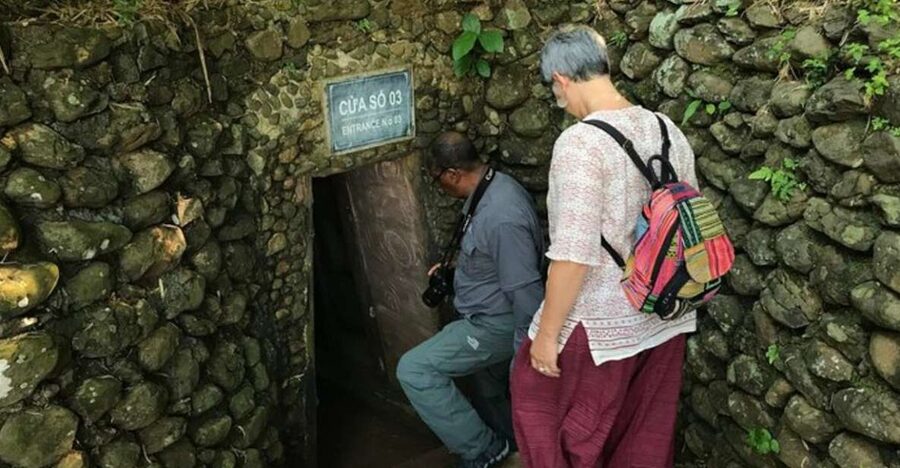
The most powerful part of this Hue DMZ tour is Vinh Moc Tunnels, where you walk through the underground world built by villagers under relentless bombing. It is not a polished war museum. It is a cramped, practical place that shows how ordinary families lived, worked, and survived below ground.
I like the way the tour connects several sites instead of treating the war as a single battlefield. Khe Sanh and Ta Con Airport show the military side, while Vinh Moc, the Ben Hai River, and Hien Luong Bridge bring the story back to divided families and civilian life. The guides, including Hoa, also called Flower, Thuy, Thai, and Morning, are praised for clear English and strong storytelling.
The catch is simple: this is a very long day with many hours in the vehicle. Some stops are brief, and the trip can feel road-heavy if you mainly want the tunnels. Bring water and snacks, and book this full-day version only if you want the wider story.
In This Review
- Key points at a glance
- Why the DMZ deserves a full day from Hue
- The Horror Highway and Long Hung Church
- Quang Tri Ancient Citadel and a useful clothing tip
- Dakrong Bridge and the Ho Chi Minh Trail
- Ta Con Airport and the Khe Sanh Combat Base
- Hien Luong Bridge and the Ben Hai River
- Vinh Moc Tunnels are the day’s main event
- The guides make the road time count
- Lunch, inclusions, and the $54 value
- How to prepare for the 10-hour schedule
- Who should book this DMZ tour?
- FAQ
- How long does the DMZ tour from Hue last?
- What sites are included?
- Is hotel pickup included?
- Is lunch included?
- Is the tour conducted in English?
- How many people are in the group?
- Are entrance tickets included?
- Do I need formal clothing?
- Is coffee included?
Key points at a glance
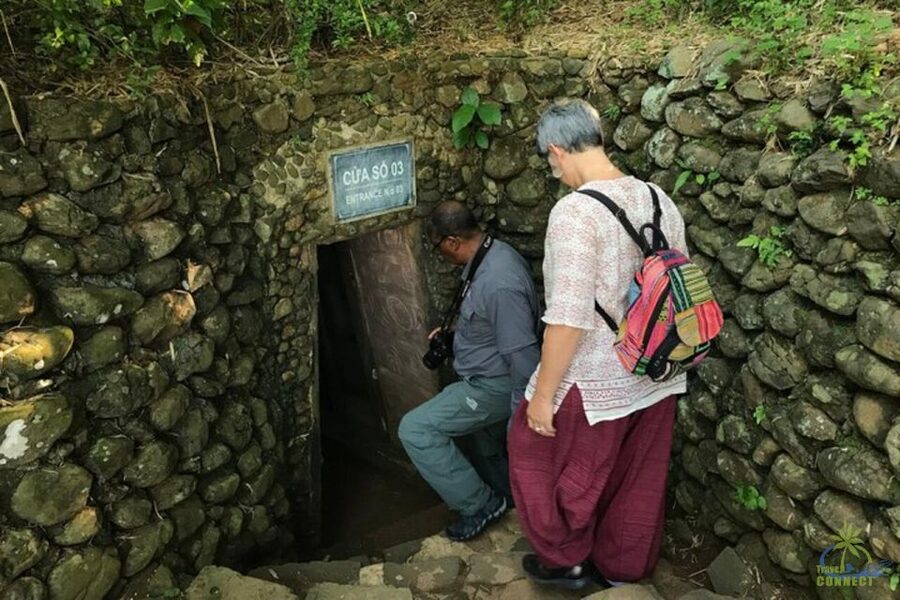
- Walk through Vinh Moc’s three-level tunnel complex: This is the emotional center of the day, with underground spaces built to shelter local people.
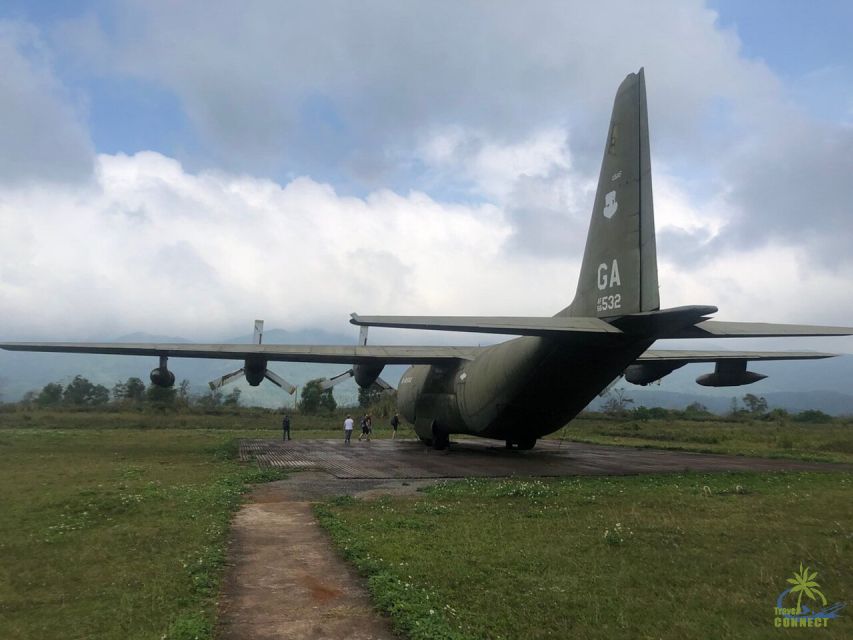
- See the military remains at Ta Con Airport: The Khe Sanh Combat Base Museum preserves aircraft, tanks, and other remnants from the 170-day battle.
- Cross the former dividing line at Hien Luong Bridge: The bridge over the Ben Hai River marks the 17th Parallel, the boundary created in 1954.
- Hear the story during the long drives: Guides such as Hoa and Flower use detailed explanations, wartime songs, and local context to make the road time useful.
- Eat lunch locally and keep the group small: Lunch, bottled water, tickets, transport, and insurance are included, with no more than 12 participants.
- Plan for a full 7:30am to 6pm day: The $54 price is fair for the number of sites and inclusions, but the value depends on your interest in military history.
Why the DMZ deserves a full day from Hue
Hue is famous for imperial history, but the former Demilitarized Zone lies farther north in Quang Tri province. This tour takes you from the city into one of Vietnam’s most heavily fought-over areas, where the story includes the French war, the division of Vietnam in 1954, and the later conflict usually called the Vietnam War or American War.
You leave Hue around 7:30am and return to your hotel around 6pm. That gives you enough time to visit the major sites, but it also means long stretches on the road. I would not choose this trip as a light sightseeing day. You are signing up for a serious history lesson with several stops spread across a wide area.
The small-group limit of 12 matters. It gives the guide a better chance to answer questions, and it avoids the feel of a large coach excursion. The vehicle is described as clean and comfortable, though no vehicle type is specified. Expect a full day rather than a quick half-day outing.
Other Hue Vietnam days travellers weigh against this one:
- Hue Customizable Tour with Imperial Citadel & Forbidden City
★ 4.9 · 937 reviews - Hue :Exploring Royal City with Multi Options and Dragon Boat
★ 5.0 · 675 reviews - Hue City Tour Full Day – Group Tour
★ 4.7 · 518 reviews
The Horror Highway and Long Hung Church
The first section of the journey introduces the human cost of the fighting. The road known as the Horror Highway recalls the killings of May 1, 1972, when civilians and soldiers were caught in intense artillery and infantry fire along Highway 1.
This stop works best when you listen closely to the guide. There may not be a grand structure to photograph, but the point is to understand what happened to people trying to flee or move through the area. The story is grim, so this part can feel heavy early in the day.
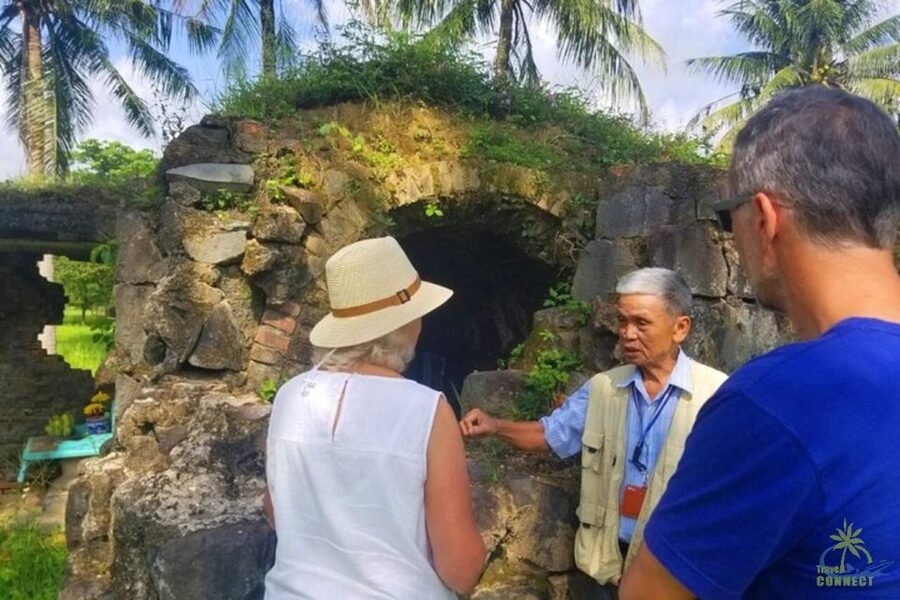
Long Hung Church is one of the few buildings left in Quang Tri town after the 1972 fighting, known locally as the Fire Summer or Eastern Offensive. Its damaged walls give you a physical reminder of the destruction. I like this kind of stop because it does not turn the war into a collection of equipment and dates. A ruined building can say plenty on its own.
Quang Tri Ancient Citadel and a useful clothing tip
The ancient citadel was the scene of 81 days of fighting in 1972. Thousands of tons of bombs hit the site, leaving it almost destroyed. Today it serves as a national relic and a place of remembrance for the Vietnamese army and local people.
Your guide will put the battle into context, which helps you understand why the citadel matters beyond its remaining walls. The site also has a formal atmosphere. Wear trousers or other respectful clothing, because shorts are not accepted without a cover. If needed, you can rent one for 10,000 Vietnamese dong.
This is a good example of why practical preparation matters on this trip. You move between open historical sites, museums, and places of remembrance, and each has a slightly different tone. Modest clothing keeps you from having to pause at the entrance and sort it out.
Dakrong Bridge and the Ho Chi Minh Trail
Dakrong Bridge was considered the beginning of the Ho Chi Minh Trail network in this area. During the war, it was fought over repeatedly and fell several times. The current suspension bridge is a modern replacement, but its location carries the story of a route that was vital to the conflict.
The bridge itself is more scenic than the ruined church or citadel, and you may have a chance to meet people from a local Paco minority village along the way. The supplied details do not promise a formal village visit, so think of this as a chance encounter rather than a staged cultural program.
I like this part of the itinerary because it shows how geography shaped the war. Roads, bridges, rivers, and mountain routes were not background scenery. They determined how troops, supplies, and civilians moved.
A different kind of day out, same stretch of Vietnam:
- Hue: Private Car to Hoi An via Fabulous Stops
★ 5.0 · 371 reviews - From Hue: Hoi An Bus Transfer with 4 Sightseeing Stops
★ 4.6 · 366 reviews - Hue Imperial Ancient City Walking Tour
★ 4.8 · 308 reviews - From Da Nang/Hoian/Hue: Hue Imperial City Full-Day Tour
★ 4.8 · 295 reviews
Ta Con Airport and the Khe Sanh Combat Base
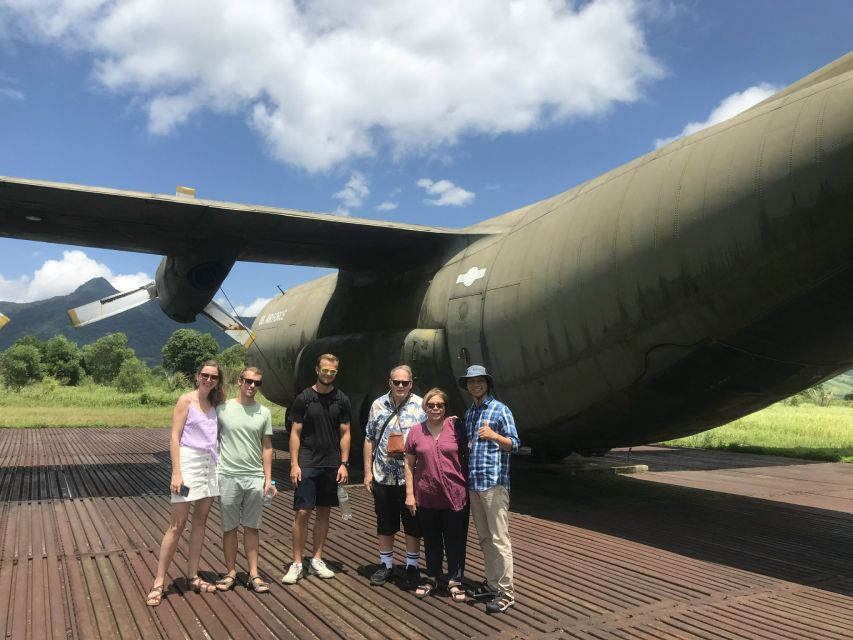
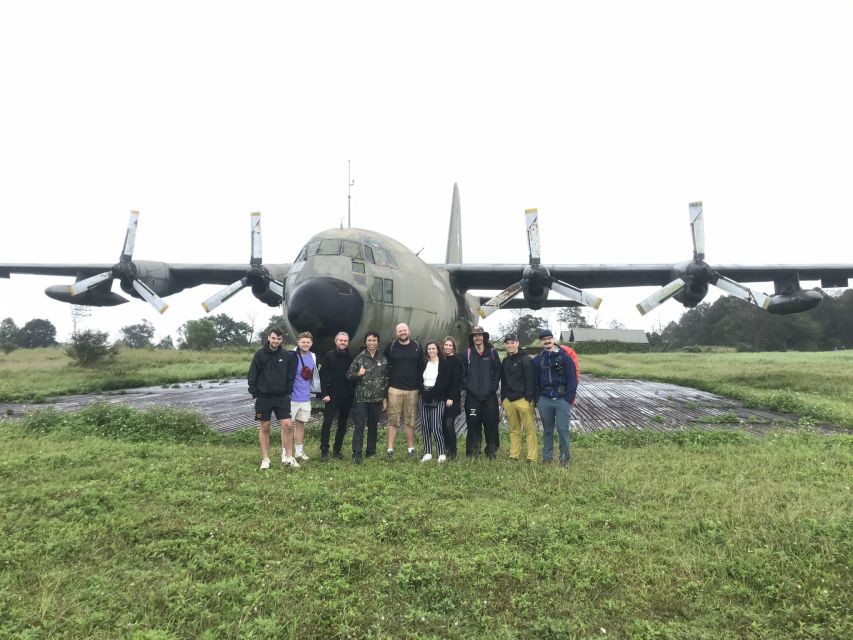
Ta Con Airport is now the Khe Sanh Combat Base Museum. The preserved area includes aircraft, tanks, artillery, and other war remnants, including captured US equipment and damaged aircraft. Museum information states that 197 US planes were shot down or captured during the 170-day Battle of Khe Sanh.
For anyone interested in military history, this is likely one of the day’s strongest stops. The equipment makes the battle easier to picture, while the guide explains how the base fit into the wider conflict. One guide, Hoa, is especially praised for connecting military events with Vietnam’s political and social story.
You can stop for local Khe Sanh coffee here, but it costs extra. Snacks are provided, which is helpful after the morning drive. I would still pack something small of your own because the schedule is long and the distance between stops can be substantial.
The limitation is time. Some people find that Ta Con Airport adds a great deal to the day, while others feel the extra driving is not worth it compared with spending longer at the tunnels. If your main goal is Vinh Moc, a shorter tour may suit you better.
Hien Luong Bridge and the Ben Hai River
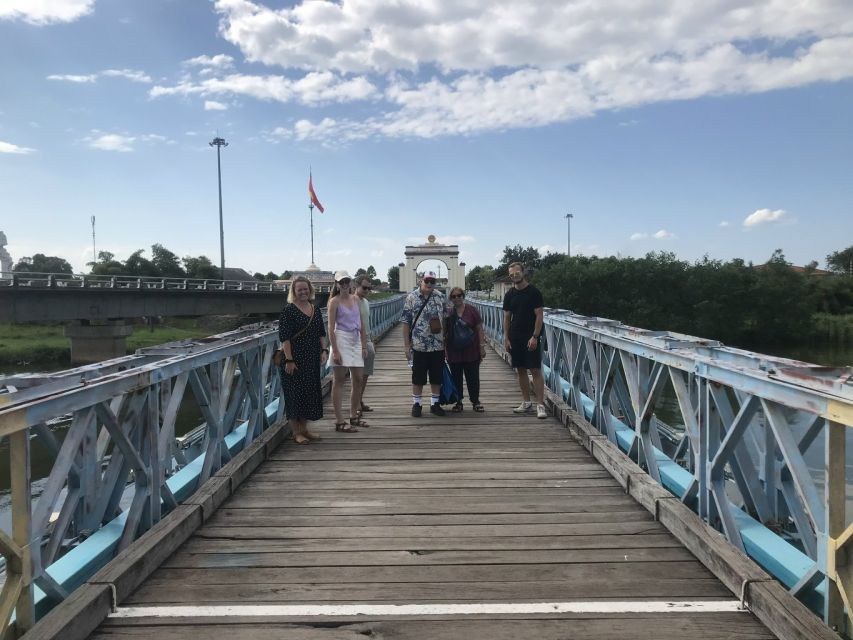
The Ben Hai River became the dividing line between North and South Vietnam under the 1954 Geneva Agreements. Hien Luong Bridge crosses the river and is also known as the Peace Bridge. It was built by the French in 1950 and measures 178 meters.
The bridge is more than a crossing. It represents a division that lasted 21 years, separating Vietnamese people from the north and south. Walking across it gives the political story a clear physical shape. You can see how a line on a map affected families, travel, and daily life.
This stop pairs well with Vinh Moc. Hien Luong shows the national division, while Vinh Moc shows how local people adapted to the violence that followed. The two sites make the day feel connected rather than like a random list of war relics.
Vinh Moc Tunnels are the day’s main event
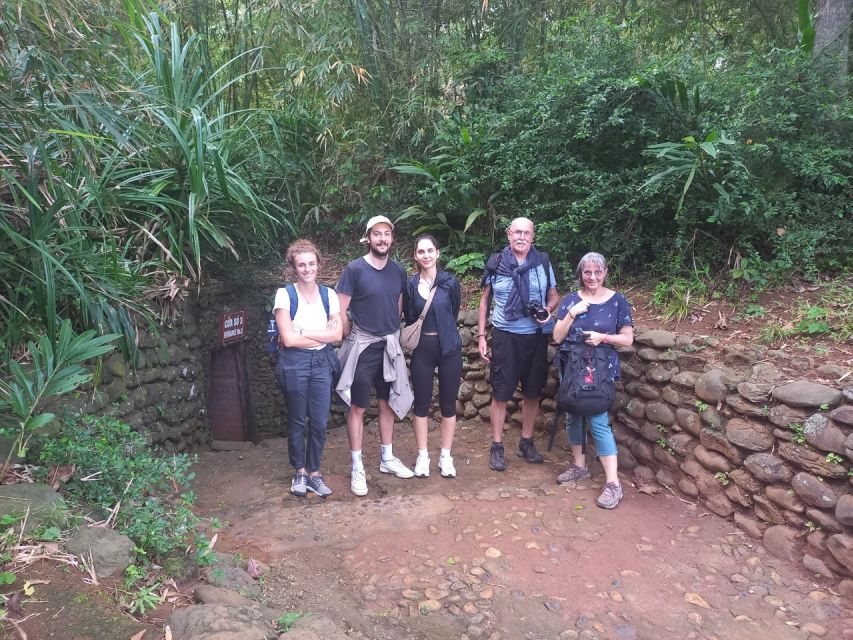
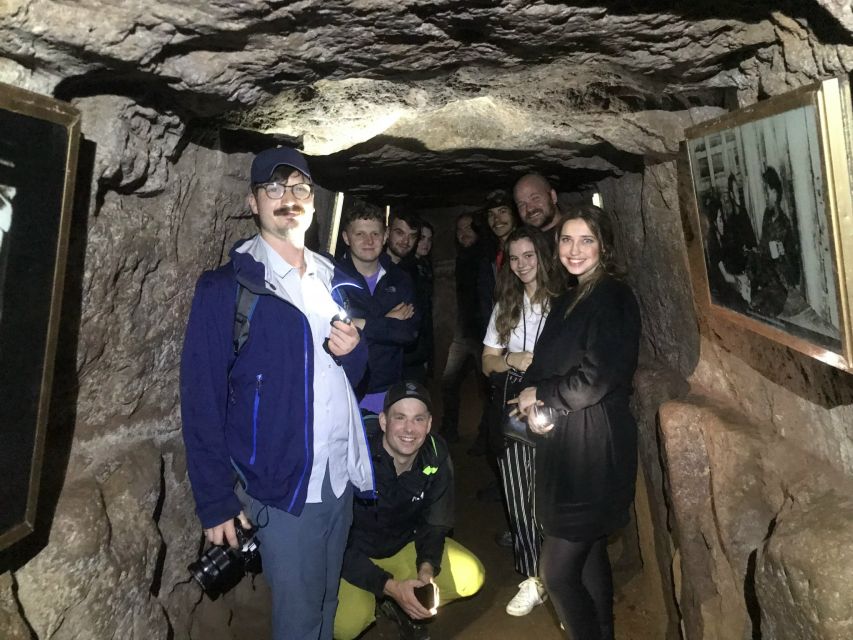
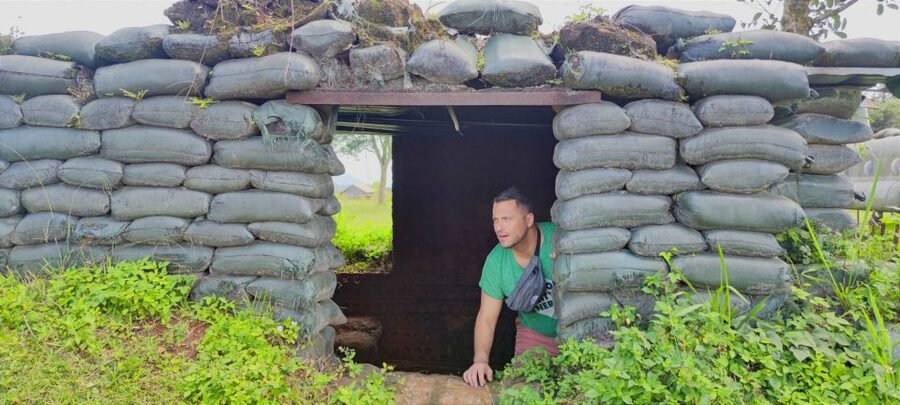
Vinh Moc is the highlight for good reason. The tunnel complex sheltered people from Vinh Linh County during intense bombing and provided space for daily life and resistance work. It is described as the largest and longest tunnel system in Vietnam.
You can walk through the underground levels and see how the complex was organized. The lowest two levels are often the most memorable parts of the visit, though the tunnels are confined and may not suit everyone. The supplied information does not give exact dimensions of every passage, so do not assume the route will feel spacious.
What makes Vinh Moc different from a simple bunker is its role as a living community below ground. These tunnels were not only for soldiers. They helped protect villagers and supported the basic conditions needed to survive during the war.
The museum beside the tunnels adds context before or after your walk. I would pay close attention here, since the tunnel visit can otherwise become a quick photo stop. The guide’s explanation is what turns narrow corridors and underground rooms into a story about families, danger, and endurance.
The guides make the road time count
The drive between sites is the biggest practical issue, but it is also where the guide can make or break the experience. Guides such as Hoa, Flower, Thuy, Thai, and Morning are praised for strong English, clear explanations, and an ability to tell the history as a connected story.
Some guides use music during the journey, including English-language songs linked to the war and Vietnamese songs about the conflict. That will not appeal to everyone, but it gives the long drive a more human tone. You also get background on Vietnam’s wars, politics, economy, and local life rather than only battlefield facts.
I would ask questions as you go. The small group gives you a better chance to do that, and the most useful parts of the day may happen in the vehicle between sites. A cautious, courteous driver is also important on such a long route, and the driving is described positively.
Lunch, inclusions, and the $54 value
At $54 per person, the tour includes hotel pickup and drop-off in central Hue, transport, an English-speaking guide, lunch, bottled water, entry tickets, travel insurance, snacks, and a souvenir. Khe Sanh coffee and other personal spending are extra.
That is a fair package for a 10-hour day covering sites in Quang Tri province. You are not paying only for entry tickets. You are also paying for the long-distance transport, the guide’s interpretation, and the convenience of seeing far-flung places without arranging several separate transfers.
Lunch is described as a local meal, with some trips stopping at a family restaurant or home. One detailed account describes a local farm meal, and the food is consistently treated as a positive part of the day. Do not expect a luxury restaurant experience. The appeal is a simple meal tied to the local setting.
The value drops if you dislike long drives or have little interest in war history. In that case, the Vinh Moc Tunnels may be enough reason to choose a shorter outing. If you want Khe Sanh, Hien Luong, Quang Tri, and the wider story, the full-day price makes more sense.
How to prepare for the 10-hour schedule
You should be ready at your central Hue hotel by 7:30am. The return is planned for about 6pm, though the exact timing can shift slightly. One group even needed help reaching a bus station after the tour ran a little over, so avoid booking a tight onward connection.
Bring snacks even though some are provided, especially if you prefer food at set times. Wear comfortable clothing and sensible shoes for the tunnel walk. Remember the formal dress rule at Quang Tri Ancient Citadel, and budget separately for Khe Sanh coffee or other personal expenses.
The tour offers free cancellation up to 24 hours before departure and allows you to reserve now and pay later. Those terms are useful when your Hue plans are still moving, but the main decision is not booking flexibility. It is deciding if you are happy to spend much of the day on the road.
Who should book this DMZ tour?
I would recommend it to you if you want a broad, guided introduction to Vietnam’s DMZ and do not want to arrange transport between distant sites. It suits history fans, couples, and curious visitors who want both military sites and the civilian story. The guide-led format is especially useful if you want explanations rather than silent museum visits.
You may want a shorter option if Vinh Moc is your only priority, if you tire easily on long drives, or if you prefer spending more time at fewer places. Several stops are important, but not all receive equal time.
The tour earns its strong reputation through its guides, especially the clear storytelling associated with Hoa and Flower, the local lunch, and the chance to walk through Vinh Moc. Just make the choice with open eyes: this is a long, road-heavy history day. If that sounds worthwhile, the $54 cost is reasonable and the full route gives you a much better sense of how war and division shaped central Vietnam.
FAQ
How long does the DMZ tour from Hue last?
The tour lasts about 10 hours. Pickup begins around 7:30am, and the planned return to hotels in Hue is around 6pm.
What sites are included?
The route includes the Horror Highway, Long Hung Church, Quang Tri Ancient Citadel, Dakrong Bridge, Ta Con Airport and the Khe Sanh Combat Base Museum, Hien Luong Bridge, the Ben Hai River, and Vinh Moc Tunnels with the tunnels museum.
Is hotel pickup included?
Yes. Pickup and drop-off are included for hotels in central Hue.
Is lunch included?
Yes. Lunch is included, and it is described as a local meal at a family restaurant, home, or farm setting.
Is the tour conducted in English?
Yes. The tour has a live English-speaking guide.
How many people are in the group?
The tour is limited to 12 participants.
Are entrance tickets included?
Yes. Entry tickets for the included sites are covered in the tour price.
Do I need formal clothing?
Yes, Quang Tri Ancient Citadel requires formal dress. If you wear shorts, you can rent a cover for 10,000 Vietnamese dong.
Is coffee included?
No. Local Khe Sanh coffee is available at your own expense. Bottled water, snacks, lunch, transport, tickets, insurance, and a souvenir are included.
Recently reviewed around Hue Vietnam
- Phong Nha National Park: Paradise Cave Half-Day Tour★ 5.0 · 23 reviews
- Official Hue: Dragon Boat, Imperial Citadel, & Market tour★ 4.7 · 32 reviews
- Hue to Hoi An/Da Nang: Private Scenic Motorbike Tour★ 4.9 · 63 reviews
- Hue: Royal Tombs Private Tour with 3 Best Tombs & Pagoda★ 4.9 · 213 reviews
- Hue: Private Transfer to/from Hoi An via Sightseeing Stops★ 4.9 · 111 reviews
- Hue Royal Tombs Tour: Visit Best Pagodas & Mausoleums★ 4.9 · 19 reviews
- Hue to Hoi An by bus: Hai Van Pass, Lang Co, Marble mountain★ 4.6 · 27 reviews
- Hue Private Tour with Local Guide – Customize Your Itinerary★ 4.8 · 28 reviews
Hue Tours, compared.
Hue to Hoi An ( Hoi An to Hue) Top Gear with Lefamily Riders Tours ( 1 way)
Read our review →
Easy Rider private tour via Hai Van pass from Hue – Da Nang – Hoi An (1Way|Loop)
Read our review →
Hue Customizable Tour with Imperial Citadel & Forbidden City
Read our review →
Imperial City, Hue: Day Tour from Hoi An and Da Nang
Read our review →
Easy Rider From Hue Da Nang Hoi An Via Hai Van Pass With Mister T
Read our review →
Hue to Dn/Hoi An: Hai Van Pass, beaches & Mt Monkey or vice versa
Read our review →
Imperial City Walk, Motorbike Tour & Private Car Options
Read our review →
Exploring Royal City with Multi Options and Dragon Boat
Read our review →Browse the lists this tour appears in