Reviewed · COOKING CLASSES
DaNang Farm-to-Table Cooking Class with Market and Coffee Tasting
The best part of this Da Nang cooking class happens before you reach the stove. You walk through a local vegetable village, learn why fresh herbs matter so much in Vietnamese food, taste Vietnamese coffee, then shop for ingredients at a market before preparing lunch in a local home.
I like the farm-to-table sequence and the small-group limit of 10 people. You are not simply handed a recipe and sent home. You see where key ingredients grow, learn how to choose them, and then use them in a meal. The instructors, including Hana, Hannah, and Blue, are described as lively and attentive, with English and French support available.
The main consideration is the price: at $60 per person, this is not the cheapest cooking class in Da Nang. Also, hotel pickup and drop-off are not included, and the cooking portion follows visits to the garden and market, so you should be ready for a fairly active morning.
In This Review
- Key points to know before booking
- From garden rows to a Vietnamese lunch
- Vietnamese coffee before the market
- Shopping at a local market
- Cooking in a local home
- Eating what you prepared
- Timing, transport, and group size
- Who will enjoy this Da Nang cooking class
- Should you book it?
- FAQ
- How long does the Da Nang cooking class last?
- Where does the activity begin?
- Where does the activity end?
- Is hotel pickup and drop-off included?
- Does the tour include a market visit?
- Is Vietnamese coffee included?
- How many people can join the class?
- What is included in the cooking class?
- Can I cancel for a full refund?
Key points to know before booking
- A vegetable village comes first: See local herbs and produce growing near the city, and learn about everyday farming life.
- The market visit has a purpose: You learn how to select the fresh ingredients used in Vietnamese home cooking.
- Coffee is part of the experience: Vietnamese coffee tasting gives you a short cultural stop before the class.
- You cook and eat your own lunch: The meal is prepared step by step, then enjoyed family-style.
- Small groups keep questions easy: The class accepts no more than 10 people, with English and French guidance.
- The meeting point is in Ngũ Hành Sơn: Start and finish at 9 Hàm Tử, with transport provided during the experience but not to and from your hotel.
From garden rows to a Vietnamese lunch
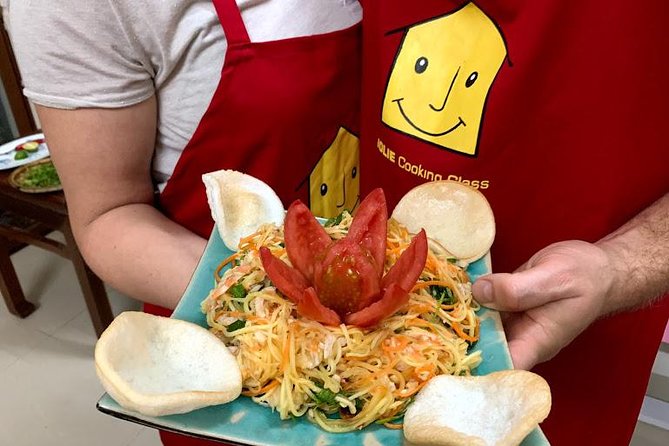
I like cooking classes that explain the shopping before the cooking. Vietnamese food depends on fresh herbs, crisp vegetables, savory sauces, and contrasting textures, so a market visit can teach you as much as the recipe itself.
This experience begins at 9 Hàm Tử in Bắc Mỹ Phú, part of Da Nang’s Ngũ Hành Sơn area. From there, you take a short walk to a nearby vegetable village. The setting is not presented as a grand rural excursion. Instead, it offers a look at small-scale growing close to town, where herbs and vegetables used in daily meals are raised.
That small scale is part of the appeal. You get a practical look at local food production rather than a broad lecture about Vietnamese agriculture. Your guide explains how local families grow fresh produce and why herbs and leaves are important in Vietnamese cooking.
You should pay attention to the ingredients you see here. Vietnamese dishes often rely on fresh additions for fragrance and texture, not just as decoration. The garden stop helps you understand why a bowl of noodles or a savory pancake can taste light, fresh, and layered even when the main ingredients are simple.
The walk also gives the experience a gentler start. You are not rushed straight into a classroom. You have time to ask questions, look closely at the plants, and connect the meal ahead with the place where some of its ingredients begin.
More Cooking Classes in Da Nang
- 5 Dishes Cooking Class with Market Trip in Da Nang
★ 5.0 · 466 reviews - Da Nang Authentic Home Cooking Class
★ 5.0 · 354 reviews - 5 traditional dishes Da Nang cooking class with market trip
★ 5.0 · 331 reviews
Vietnamese coffee before the market
After the vegetable village, the experience includes a Vietnamese coffee tasting. Coffee is a useful pause in the schedule, especially during a morning that combines walking, shopping, and cooking.
The details of the tasting are not fixed in the information provided, so you should think of it as a cultural introduction rather than a full coffee workshop. You get the chance to taste a familiar part of daily Vietnamese life before moving on to the market.
I appreciate this stop because it breaks up the food lesson. The experience is not only about recipes. It also shows how food and drink fit into an ordinary day in Da Nang. If you already enjoy Vietnamese coffee, this is a pleasant extra. If you are new to it, ask your guide about the style you are tasting and how it is usually served.
The coffee stop may also be useful for pacing. The full activity lasts about four and a half hours, and the morning includes several parts. A short refreshment break helps keep the class from feeling like one long block of instruction.
Shopping at a local market
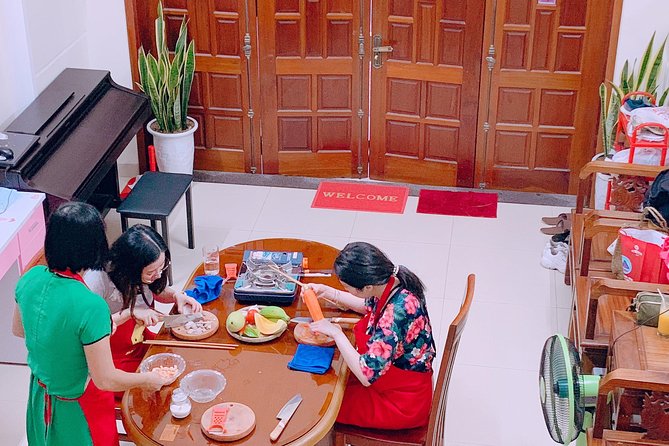
The market visit is where the farm-to-table idea becomes practical. You see the ingredients in the form you might encounter when shopping for a Vietnamese meal, then learn how to identify suitable produce and other essentials.
The experience is designed to teach you to shop for freshness like a local. That does not mean you need advanced cooking skills. The value is in learning what to notice, which ingredients belong together, and how Vietnamese cooks build flavor from fresh products.
I would treat this as one of the most useful parts for anyone who plans to cook Vietnamese food at home. A recipe may tell you to buy herbs, vegetables, noodles, or sauces, but it cannot always explain how to choose them. A guide can point out the signs of good produce and explain the role each item plays.
The market also gives context to the dishes prepared later. You are not working from an anonymous tray of ingredients. You have already seen the shopping process, which makes the final meal feel more connected to daily life in Da Nang.
Do not expect a long, independent shopping session. This is a guided stop within a larger class, and the group must stay together. The advantage is that you can ask questions as you go. The tradeoff is that you will not have unlimited time to browse at your own pace.
Cooking in a local home
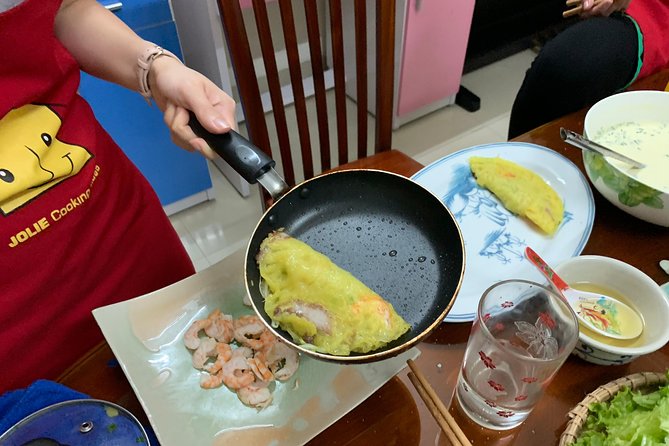
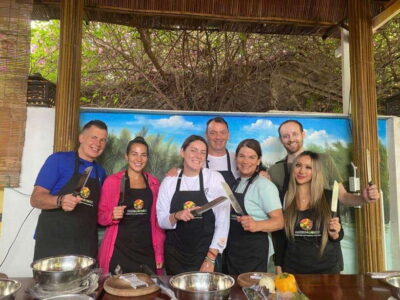
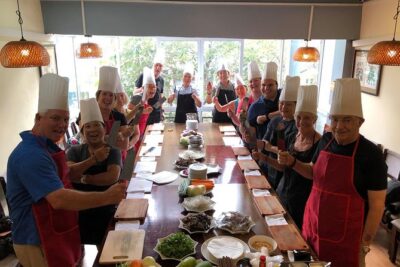
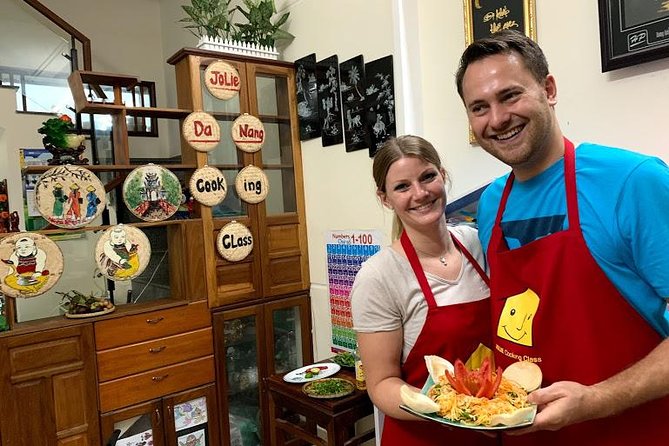
After the garden and market, you head to a welcoming local home for the hands-on class. This is the heart of the experience, and the home setting gives lunch a more personal feel than a standard restaurant kitchen.
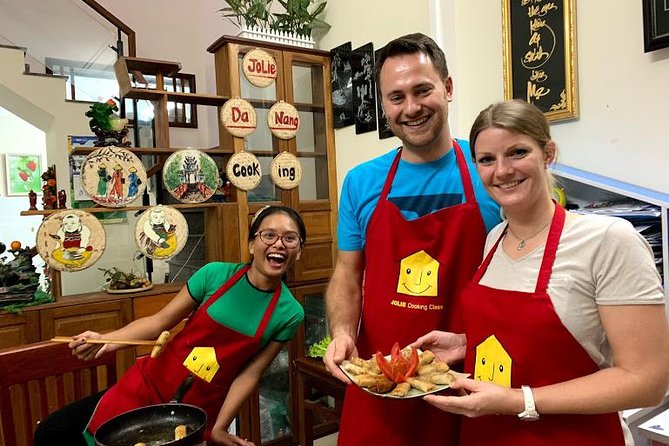
You prepare traditional Vietnamese dishes step by step, with ingredients and equipment supplied. The class is intended for participation, not just watching. That matters if your main goal is to return home with the confidence to repeat the meal.
The specific dishes can vary, but the cooking program has highlighted foods such as pho bo, papaya salad, pancake rolls, and aubergine hot pot. You should confirm the exact menu when booking if one particular dish is important to you. The available information supports these examples, but it does not promise that every class prepares all four.
The instructors are a major part of the experience. Hana, Hannah, and Blue are associated with the class, and the teaching style is described as energetic, friendly, and attentive. That can make a real difference in a cooking lesson. A patient instructor helps you understand not only what to do, but why a particular step matters.
You can ask questions in English or French. This is especially helpful when a recipe uses unfamiliar ingredients or techniques. Vietnamese cooking often depends on small adjustments in balance, texture, and seasoning. You should use the question time rather than trying to copy every movement silently.
The cooking room is described as clean and well organized. That is a practical benefit, not just a nice extra. A tidy space makes it easier to follow the stages of a recipe, find equipment, and keep track of several ingredients at once.
More Food Tours in Da Nang
- Da Nang & Hoi An: Food, Sightseeing, Culture & Hidden Gems
★ 5.0 · 806 reviews - Da Nang Cooking Class with Coffee Tasting and Market Visit
★ 5.0 · 310 reviews - Da Nang Evening Food Tour
★ 5.0 · 231 reviews - Da Nang Food Tour Motorbike & Sightseeing By Ao Dai Lady Rider
★ 5.0 · 121 reviews
Eating what you prepared
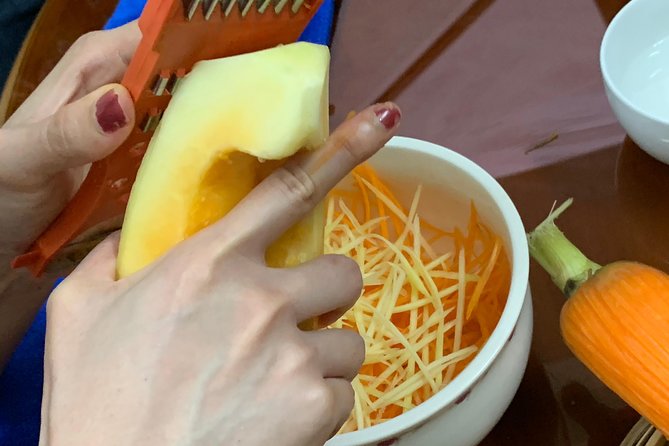
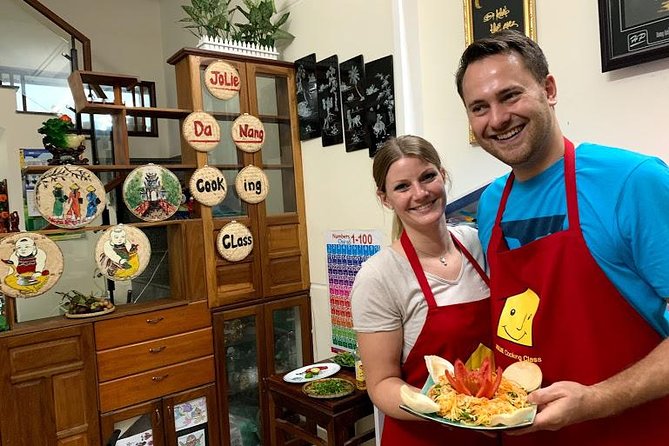
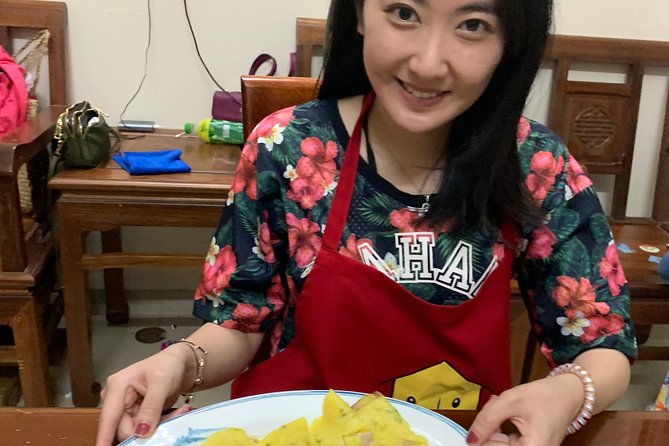
Once the dishes are finished, you sit down to eat the meal you made. The food is served in a relaxed, family-style setting, which fits the purpose of the class well.
I prefer this arrangement to ending with a quick sample at the counter. Sitting down lets you see how the separate dishes work together as a Vietnamese lunch. It also gives you time to talk with the group and ask last questions while the recipes are still fresh in your mind.
The meal is included in the $60 price, along with the ingredients and equipment. You are not paying for a demonstration and then buying lunch separately. That makes the cost easier to assess, especially because the price also covers the garden visit, coffee tasting, market stop, and transport during the activity.
The real value depends on what you want. If you only want a cheap meal, you can find less expensive ways to eat in Da Nang. If you want a guided food experience that combines shopping, local agriculture, instruction, and lunch, the price is more reasonable.
You also leave with more than a full stomach. The goal is to give you enough understanding to prepare Vietnamese food for friends and family at home. I would still take notes, photograph ingredients if permitted, and ask about substitutions you can find outside Vietnam.
Timing, transport, and group size
The activity lasts about four hours and 30 minutes. That is long enough to include several distinct stops without taking your entire day. You begin in the morning, visit the vegetable area and market, and finish back at the original meeting point.
Transportation during the experience is included. Hotel pickup and drop-off are not. You need to make your own way to 9 Hàm Tử, Bắc Mỹ Phú, Ngũ Hành Sơn, Da Nang 550000, and return there at the end.
The meeting point is near public transportation, which helps if you are staying elsewhere in Da Nang. Build in extra time to arrive. A cooking class is not the place to start the day flustered or late, particularly when the first part includes a walk.
The maximum group size is 10 people. That is small enough to keep the class fairly personal, while still giving the cooking session some social energy. If you want a completely private lesson, this may not be the right format. If you enjoy meeting a few other people and sharing lunch, the group size should work well.
You receive confirmation at booking, and the experience is offered with a mobile ticket. Cancellation is free if you cancel at least 24 hours before the start time. Last-minute cancellations and changes are not accepted, and the activity requires a minimum number of participants.
Who will enjoy this Da Nang cooking class
I would recommend this experience most strongly to food-focused visitors who want context, not just a recipe card. The garden and market make the class useful for anyone curious about how Vietnamese ingredients move from local growing areas to the home kitchen.
It also suits first-time cooks. You do not need to arrive with a strong culinary background because the class is hands-on and guided. The step-by-step format gives you a clear path through the meal.
Families and small groups may like the relaxed lunch at the end, though the provided information does not specify a minimum age or child arrangements. If you are booking with children, ask the provider about suitability before paying.
The class may be less suitable if you dislike walking, market visits, or group instruction. It is also not the best choice for someone seeking a short, highly focused lesson. Much of the value comes from the full sequence, so skipping the garden or market would change the experience.
The class has received a top rating from 131 reviews, with 100 percent recommending it. I would not use numbers alone to make the decision, but they fit the consistent strengths of the program: an engaging instructor, a clean cooking space, a useful market visit, and a meal you prepare yourself.
Should you book it?
Book this Da Nang farm-to-table cooking class if you want a half-day activity that connects food with local life. The vegetable village and market give the lesson a stronger sense of place, while the home cooking session turns that background into something you can use.
At $60, it is best viewed as a complete food experience rather than a basic cooking lesson. You receive transport during the class, coffee, ingredients, equipment, instruction, and lunch, but you must reach the meeting point yourself.
I would choose it for a first visit to Da Nang, especially if Vietnamese food is high on your list. I would skip it only if you want a private class, need hotel transfers, or prefer to spend the morning simply eating rather than shopping and cooking.
FAQ
How long does the Da Nang cooking class last?
The experience lasts approximately four hours and 30 minutes.
Where does the activity begin?
It begins at 9 Hàm Tử, Bắc Mỹ Phú, Ngũ Hành Sơn, Da Nang 550000, Vietnam.
Where does the activity end?
The experience ends back at the same meeting point.
Is hotel pickup and drop-off included?
No. Hotel pickup and drop-off are not included, but transportation during the experience is provided.
Does the tour include a market visit?
Yes. The experience includes a local market visit where you learn about ingredients used in everyday Vietnamese cooking.
Is Vietnamese coffee included?
Yes. Vietnamese coffee tasting is included in the experience.
How many people can join the class?
The activity has a maximum of 10 people.
What is included in the cooking class?
Ingredients, cooking equipment, the meal you prepare, the vegetable village visit, market visit, Vietnamese coffee tasting, transportation during the experience, and the small-group class are included.
Can I cancel for a full refund?
Yes. You can cancel at least 24 hours before the local start time for a full refund. Cancellations or changes made less than 24 hours before the start time are not accepted.
More Shopping Tours in Da Nang
- Home Cooking Class: Market, Garden and cooking 4 dishes
★ 5.0 · 61 reviews - Cook 5 Dishes Authentic Vietnam Food and Market Adventure
★ 5.0 · 56 reviews - Da Nang By Night: Seafood dinner, night market and cruise trip
★ 5.0 · 38 reviews - From Da Nang: Hoi An Old Town Tour, Night Market & Boat Ride
★ 4.5 · 35 reviews
More Market Tours in Da Nang
- Guided Tour to Marble Mountains & Hoi An Walking Tour , Night Market, Boat Ride
★ 5.0 · 218 reviews - Hoi An Night Market with Hoi an walking Tour , Colourful Lanterns, Boat Ride
★ 5.0 · 142 reviews - Market Tour, Basket Boat Ride & Cooking Class by Hangcoconut
★ 4.8 · 95 reviews - Marble Mountain – Hoi An Colour Lanterns & Night Market from DN
★ 5.0 · 67 reviews
Recently reviewed around Da Nang
- Private car from Danang to Hoi An★ 5.0 · 20 reviews
- Your Incredible Scooter Adventure On Hai Van Pass★ 5.0 · 67 reviews
- Private Customize car rental 4 hours – 8 hours- 12 hours Da Nang★ 5.0 · 22 reviews
- Surf Lessons★ 5.0 · 42 reviews
- Four-Hands Harmony (Perfect · Synchronized · Flow)★ 5.0 · 78 reviews
- Da Nang Street Food Private Tour With Local Students★ 5.0 · 24 reviews
- Dry Deep Bodywork (Dry | Thai–Shiatsu based)★ 5.0 · 45 reviews
- Sport Revival (Sports | Muscle Recovery)★ 5.0 · 46 reviews
Cooking Classes, compared.

Hanoi Cooking Class: Culture, Local Market & Meaning CSR Impact
Read our review →
5 Traditional Dishes Hanoi Cooking Class with Market Trip
Read our review →
Cooking Class Hoi An:Local Market, Basket Boat, Fishing & Cooking
Read our review →
Hoi An Cooking Class(Market,BasketBoat Crabfishing&Cooking Class)
Read our review →
Cai Be Mekong Delta Tour: Cooking Class, Cycling & Craft Villages
Read our review →
Hoi An Cooking Class(Local market,Basket Boat,Fishing & Cooking)
Read our review →