
Reviewed · WORKSHOPS
Bat trang Pottery Ceramics Class in Hanoi’s Old Quarter | VN
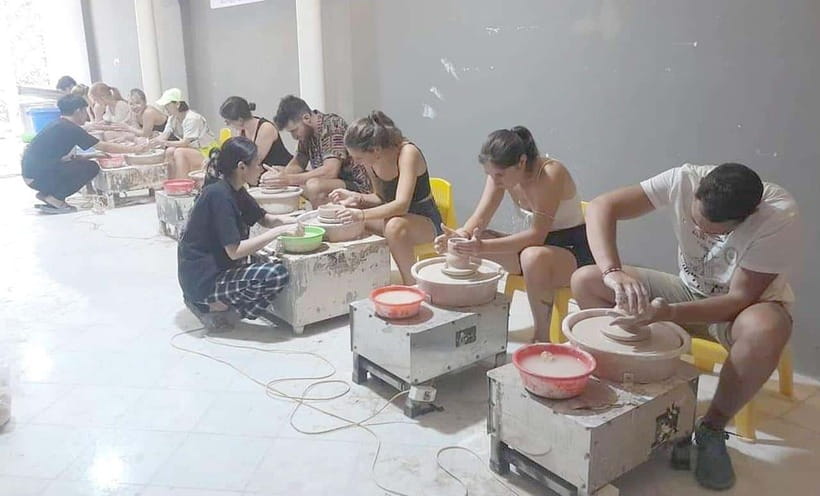
Making pottery in Hanoi is a fine way to spend three hours, especially when Bat Trang’s generations-old craft comes to you instead of requiring a trip outside the city. At 115 Hang Gai in the Old Quarter, you learn on an electric wheel, try bowls, cups, plates, and vases, then choose a piece to glaze and fire.
I like two things here: you can keep experimenting instead of stopping after one attempt, and the instructors patiently rescue lopsided clay without making beginners feel clumsy. The main catch is timing. Glazing and firing normally take two to three days, so this works best early in your Hanoi stay.
In This Review
- Key points to know
- A Bat Trang workshop at 115 Hang Gai
- What happens during the three-hour class
- Why the electric wheel helps beginners
- Your pottery is smaller after firing
- The free piece and the extra-cost choices
- Picking up, shipping, and planning your Hanoi days
- The room, seating, and comfort
- A good choice for children, couples, and solo visitors
- How the value compares with ordinary sightseeing
- Small details that make the session better
- Should you book the Bat Trang pottery class?
- FAQ
- Where is the pottery class held?
- How long does the pottery class last?
- Do I need pottery experience?
- How many pottery pieces can I make?
- Is glazing and firing included?
- Can the finished pottery be shipped?
Key points to know
- Central Old Quarter setting: The workshop is at 115 Hang Gai, Hoan Kiem, close to Hanoi’s main sightseeing area.
- Electric wheels for beginners: You receive hands-on help with centering, shaping, and correcting mistakes.
- Make several pieces: There is no stated limit during the class, so you can practice cups, bowls, plates, and vases.
- One piece included: One creation is covered for glazing and firing. Extra pieces cost more.
- Plan around the kiln: Finished pottery usually takes two to three days, with a white-glaze option taking about one to two days.
- Good for families and dates: Children, couples, solo visitors, and first-time potters all have room to try.
A Bat Trang workshop at 115 Hang Gai
Bat Trang pottery comes from the ceramics village of the same name, where the craft has passed through families for many generations. The village is known for handmade and hand-painted ceramics, and this class gives you a small, practical introduction without sending you across Hanoi.
That location matters. You can fit the activity between Old Quarter walks, shopping on Hang Gai, or a meal around Hoan Kiem Lake. There is no hotel pickup or village excursion in this experience. You simply make your way to the shop and workshop at 115 Hang Gai.
The class runs in two sessions: 8:30 to 11:30 in the morning and 14:00 to 17:00 in the afternoon. I would choose the morning if you want a calmer start. One session had fewer people, while an afternoon class with about 12 participants added another instructor so everyone still received personal help.
The room has a fan and a cooling area, which is useful during Hanoi’s hot months. Pottery is not a polished, hands-off activity. You will sit close to the wheel, work with wet clay, and probably leave with clay on your hands and clothes. Wear something practical.
More Hanoi trips worth a second look
- Hanoi Cooking Class: Culture, Local Market & Meaning CSR Impact
★ 5.0 · 5,147 reviews - 5 Traditional Dishes Hanoi Cooking Class with Market Trip
★ 5.0 · 4,890 reviews - Hanoi Coffee Workshop: Taste Salt, Coconut and Egg Coffee
★ 5.0 · 1,286 reviews
What happens during the three-hour class
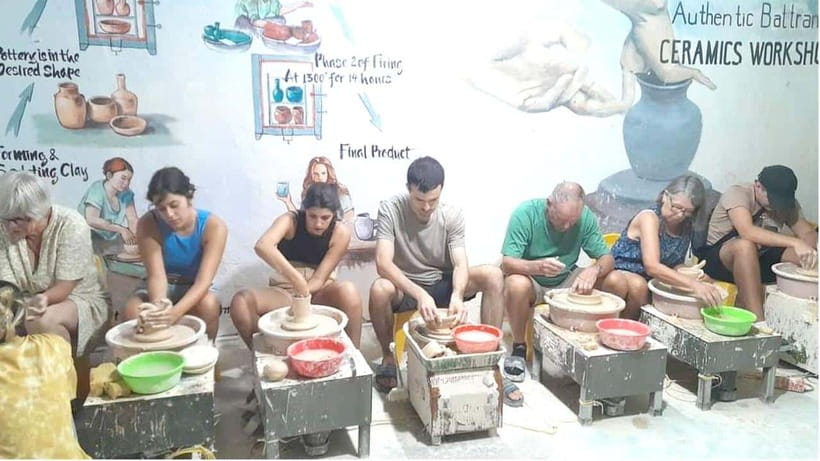
The class begins with an introduction to Bat Trang pottery and the basic principles of working with clay. Your instructor then demonstrates how to use the electric wheel and explains where to place your hands.
The first hard lesson is centering the clay. If the lump wobbles, the finished form will wobble too. Your instructor will help you steady it, apply pressure, and keep the clay under control. This is where the class earns its keep. First-time potters often fail several times before the clay begins to cooperate, and the teachers are used to that.
Once the clay is centered, you can pull the walls upward and shape the form. The instructors show you how to make different designs and how to protect the structural strength of each piece. That advice is more useful than simply copying a finished model. A tall vase needs different handling from a shallow plate, and a thin rim can collapse quickly.
The advertised session lasts three hours, though some participants describe about two and a half hours of active making. The remaining time can include explanations, choosing colors, cleaning up, and selecting the piece you want finished. In practical terms, you have enough time to make several attempts rather than one precious object.
Why the electric wheel helps beginners
The class is taught entirely on an electric pottery wheel. That keeps the lesson focused on shaping rather than learning to operate a manual wheel.
You should not expect to produce a professional vase on your first try. The wheel still takes patience. Clay can slump, walls can become too thin, and a promising form may need to be cut away and started again. That is normal here, not a sign that you are doing badly.
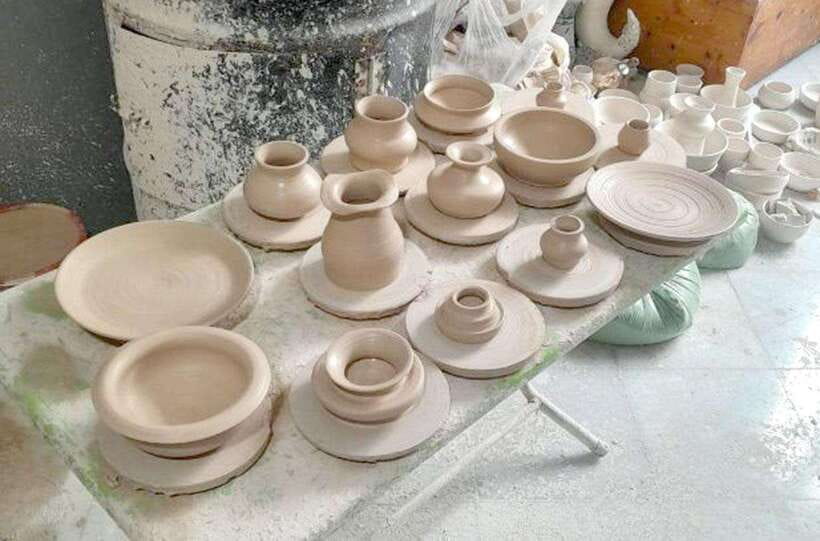
The useful part is the freedom to try again. You can make as many pieces as time allows, and the instructors help turn rough attempts into recognizable bowls, cups, plates, or vases. Several people managed three to six pieces, depending on pace and confidence.
The teachers are the strongest part of the activity. Names recorded by participants include Hang, Han, and Tuan Vu, though the specific instructor depends on the session. Hang was praised for explaining why certain hand positions protect the structure of the clay. Han was noted for clear English, patience, and a friendly teaching style. The lesson is available in English and Vietnamese.
Your pottery is smaller after firing
One practical detail deserves more attention: clay shrinks in the kiln. One finished dinner-plate attempt came back closer to a side plate, and another participant noted shrinkage of roughly 20 percent.
That is not a flaw in the service. It is part of the firing process. Still, ask the instructor about expected shrinkage before you choose a final shape. If you want a usable plate or mug, make it larger than your ideal finished size.
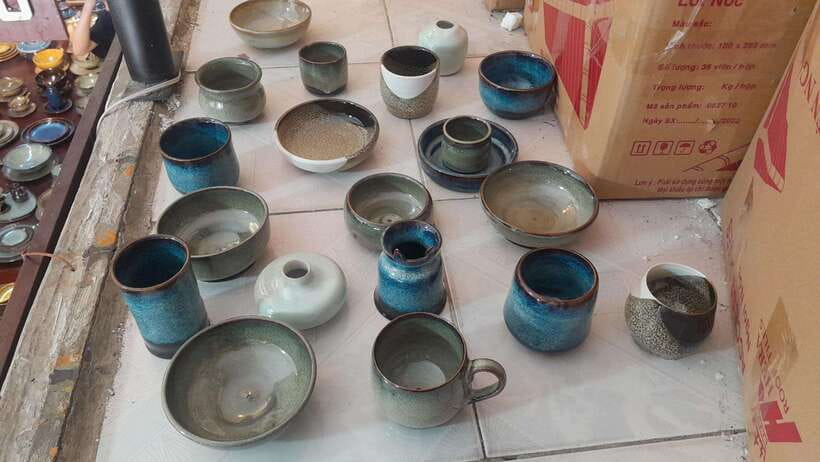
You also choose the color for the piece that will be glazed and fired. The free item includes the baking, glazing, and return of one product. If you want more than one finished, additional pieces carry an extra fee. A recent price given for extra firing and glazing was about $5 per piece, but confirm the current amount at the workshop.
The finished color is part of the surprise. What you select before firing may look different once the glaze is baked. The result can be a charming, slightly imperfect souvenir with a real connection to your time in Hanoi.
A different kind of day out, same stretch of Vietnam:
- Hanoi Jeep Tour: Food, Culture and Fun by Vietnam Army Jeep
★ 5.0 · 15,222 reviews - Full-Day Ninh Binh Highlights Tour from Hanoi
★ 5.0 · 7,761 reviews - Hanoi: Ha Long Bay Day Cruise – Swimming, Meal, Kayaking
★ 4.7 · 7,415 reviews - Hanoi: Water Puppet Show Tickets
★ 4.6 · 7,029 reviews
The free piece and the extra-cost choices
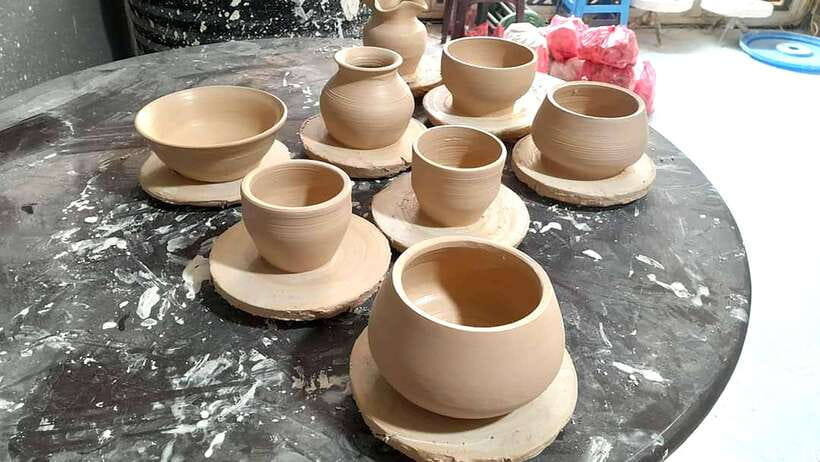
The $33 price includes the electric wheel, clay and other materials, an English or Vietnamese instructor, three hours of practice, and one product to glaze and fire.
That is good value if you want an activity rather than another purchased souvenir. You are paying for instruction and creative time, not just a small ceramic object. The chance to make several pieces also gives you a fair shot at producing one you actually like.
The free item is the key limit. You may create several pieces, but only one is included in the finishing service. If you want to glaze and fire four or five pieces, the extra charge can add up. Still, the additional fee is modest compared with buying handmade ceramics elsewhere, especially if you value the fact that you made them yourself.
You can also decide to leave with an unfired piece, but it will not have the strength or finished surface of kiln-fired pottery. For most people, the sensible choice is to select the best item, choose a color, and let the workshop complete it.
Picking up, shipping, and planning your Hanoi days
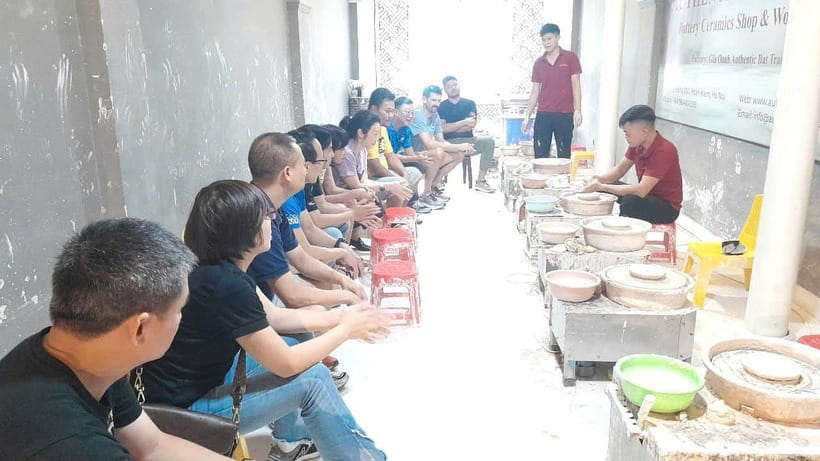
Glazing and firing usually take two to three days. Book this near the beginning of your Hanoi visit if you want to collect your pottery in person.
For a faster option, the workshop can fire a piece with white glaze only in about one to two days. The available information also says the shop may offer free items instead, or ship your finished pottery later. Shipping is not included in the class price.
Shipping can be expensive for a bulky or fragile item. One US-bound shipment was about $30, and the final cost depends on the destination and the package. If you are leaving Hanoi soon, ask about shipping before committing to several large pieces.
The timing became less predictable around Tet, Vietnam’s Lunar New Year, when one pickup schedule needed sorting out. The problem was resolved, but the lesson is simple: avoid scheduling collection on the day you leave, especially during holiday periods.
Pack space matters too. A finished bowl or vase is not as easy to carry as a silk scarf. If you are traveling with a small bag, one modest piece is more sensible than several ambitious vessels.
The room, seating, and comfort
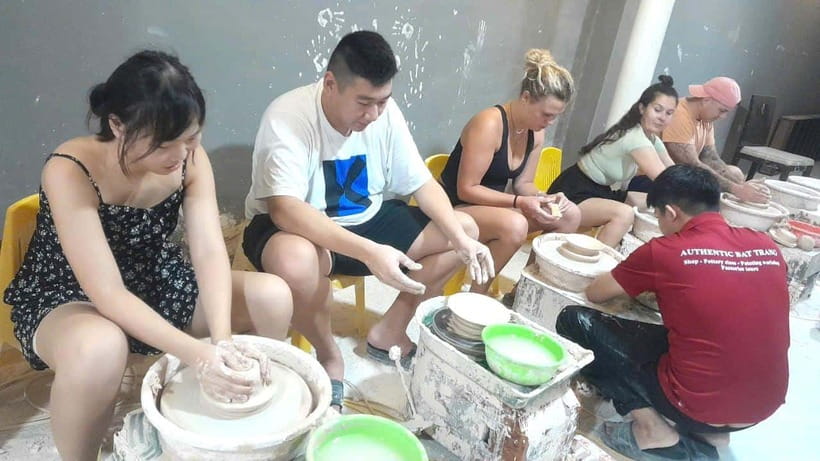
This is a hands-on workshop above a pottery shop, not a formal art school. You work close to the wheel, with teachers moving around the room to assist.
The cooling room and fan are welcome in Hanoi’s heat. The main comfort complaint is the seating. At least one participant found the small chair uncomfortable during the long session, and another wished for higher chairs. If you have back or knee concerns, ask about seating when you arrive and take short pauses when possible.
You may also get dirty. Clay splashes and sticks to your hands, so this is not the place for delicate clothing. The process is relaxed, but it is still work. You will need to wedge, center, pull, shape, and clean clay from your hands.
That physical element is part of the appeal. You are not merely watching an artisan. You are learning how quickly a soft lump changes under pressure.
A good choice for children, couples, and solo visitors
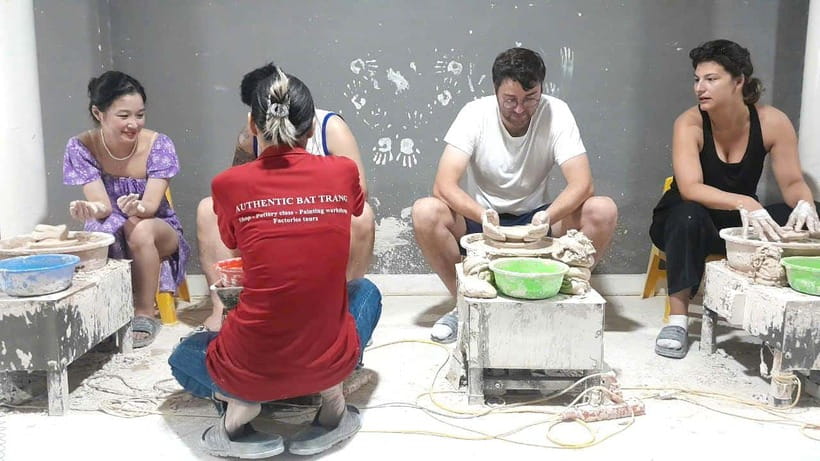
This class suits families particularly well. A group that included four children had a good time, and a parent with a 10-year-old found the activity engaging enough that the child wanted to repeat it.
For couples, the wheel makes a pleasant date activity. You can compare misshapen first attempts, help each other choose colors, and leave with a souvenir that is more personal than a shop purchase. It also works for solo visitors, especially if you enjoy learning a skill without committing to a full-day course.
Beginners are the target audience. You do not need prior pottery experience, and the instructors expect mistakes. A first attempt may collapse, but the class gives you enough time to try again. One person failed three times before leaving with three pieces they liked.
I would be less keen on this for someone seeking advanced ceramic instruction. The class is built around accessible, short-form practice, not technical study of glazing chemistry or professional studio methods. You receive useful guidance, but the goal is a fun handmade souvenir.
How the value compares with ordinary sightseeing
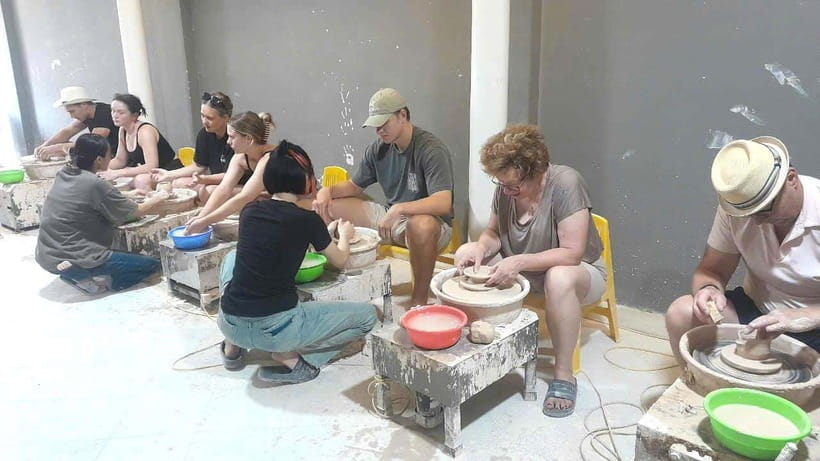
At $33, this costs more than simply browsing a ceramics shop, but you receive three hours of activity and instruction. That changes the value equation.
A purchased bowl may be more polished. Your own bowl may be uneven, smaller than expected, or slightly crooked. Yet the handmade object carries the memory of sitting at the wheel in Hanoi and learning a local craft linked to Bat Trang village.
It is also a strong rainy-day or hot-afternoon plan. You stay indoors, get a break from street noise and heat, and still do something tied to Vietnamese culture. The shop itself has attractive finished pieces to browse, so you can see what experienced ceramic makers produce before or after your lesson.
The class is especially good if you prefer experiences that leave you with something physical. Just count the extra costs for more than one fired piece and possible shipping when working out your budget.
Small details that make the session better
Ask the instructor to explain how much your piece may shrink before you settle on its shape. Make larger forms if you want a substantial finished item.
Choose your best piece near the end, rather than automatically selecting the first one that survives. Your later attempts may be more even because your hands have learned the pressure needed.
If you are traveling for only a short time, take the morning or afternoon class at the start of your stay. The kiln work needs time, and collecting pottery on your final morning is risky.
If your schedule is tight, ask about the white-glaze option or shipping before you begin. Shipping costs extra, and you should not assume the finished item will be ready the next day.
For a group, the quieter morning session may offer more space. Larger afternoon groups can still work well when an extra instructor is present, but the level of personal attention may depend on attendance.
The activity allows free cancellation up to 24 hours before the start time, and you can reserve now and pay later. Those policies help if your Hanoi plans are still shifting, but the kiln schedule is the part you need to plan carefully.
Should you book the Bat Trang pottery class?
I would book this if you want a creative Hanoi activity, have at least two or three days in the city, and like the idea of making a slightly imperfect souvenir yourself. The patient teachers, central location, generous practice time, and included finishing for one piece make the $33 reasonable.
Skip it if you are leaving Hanoi immediately, dislike getting messy, or need a guaranteed large piece that fits neatly into your luggage. In that case, buying a finished Bat Trang ceramic may be easier.
For most first-time visitors, this is a worthwhile change of pace. Book early in your stay, wear ordinary clothes, ask about shrinkage and shipping, and treat the first collapsed pot as part of the lesson rather than a disaster.
FAQ
Where is the pottery class held?
The class takes place at 115 Hang Gai Street, Hoan Kiem, in Hanoi’s Old Quarter.
How long does the pottery class last?
The scheduled duration is three hours. Morning sessions run from 8:30 to 11:30, and afternoon sessions run from 14:00 to 17:00.
Do I need pottery experience?
No. The class is designed for beginners, and the instructors guide you step by step on an electric pottery wheel.
How many pottery pieces can I make?
You can make as many pieces as time allows during the session. You may create bowls, plates, cups, vases, and other designs.
Is glazing and firing included?
One product includes glazing and firing. Additional products require an extra fee. The finished pieces usually take two to three days, while white glazing only can take about one to two days.
Can the finished pottery be shipped?
Shipping may be arranged if you cannot return for pickup, but the shipping fee is not included. Ask the workshop about the current shipping options and cost for your destination.
Recently reviewed around Hanoi
- Female Riders Vespa Night Street Food + Train Street food 4 Hours★ 5.0 · 35 reviews
- Beautiful Female Riders Vespa Red River Countryside Tour 5 Hours★ 5.0 · 23 reviews
- Red River Delta Countryside+ Rural Villages, rice Paddies fields★ 5.0 · 134 reviews
- The insider’s Hanoi 4.5 hours All highlight Places & Train Street★ 5.0 · 41 reviews
- The insider’s Hanoi + Train Street 4,5 Hours Female Ao Dai Riders★ 5.0 · 53 reviews
- Street Foods Hanoi Kim Tours Vietnam★ 5.0 · 140 reviews
- Hanoi Jeep Tour – Ba Vi National Park Full Day Tour★ 5.0 · 21 reviews
- Ninh Binh Full Day Tour from Hanoi to Hoa Lu, Trang An & Mua Cave★ 5.0 · 31 reviews
Workshops, compared.

Hanoi Cooking Class: Culture, Local Market & Meaning CSR Impact
Read our review →
5 Traditional Dishes Hanoi Cooking Class with Market Trip
Read our review →
Vietnamese Coffee Culture and Coffee Making Class
Read our review →

Cooking Class Hoi An:Local Market, Basket Boat, Fishing & Cooking
Read our review →
Hoi An Cooking Class(Market,BasketBoat Crabfishing&Cooking Class)
Read our review →
Hoi An Full Lantern Making Class- A special Foldable lantern
Read our review →
Cai Be Mekong Delta Tour: Cooking Class, Cycling & Craft Villages
Read our review →Browse the lists this tour appears in