
Reviewed · PHOTOGRAPHY SESSIONS
Ultimate Hanoi Photography Tour
Hanoi reveals itself best before breakfast, when train tracks, park exercise, street markets, and village workshops give you far more than the usual postcard views. This 16-hour private photography tour moves from dawn through night, with Brian or Tung among the guides named by the company.
I like the access to ordinary Hanoi life, especially the early tai chi and aerobics at Reunification Park and the working craft villages south of town. I also like the small group limit of five, which gives you room to ask for help with exposure, composition, and timing instead of simply following a flag.
The main drawback is the pace. A 5:30 am start, an eight-hour village outing, and a second pickup at 7:30 pm make this a serious photography day, not a relaxed sightseeing trip. At $359 per person, it makes the most sense if you want instruction and unusual images, not just transport between famous sights.
In This Review
- Key points before you book
- Why this tour works for serious picture-making
- 5:30 am at train street and Reunification Park
- The one-hour drive south to Cu Da
- Back to the hotel, then Hanoi after dark
- What the guide adds to the day
- Is $359 a fair price?
- Who will enjoy this, and who should skip it?
- Should you book the Ultimate Hanoi Photography Tour?
- FAQ
- What time does the tour start?
- How long does the experience last?
- What is included in the price?
- How many people can join the tour?
- Is hotel pickup or drop-off available?
- Can I cancel for a full refund?
Key points before you book
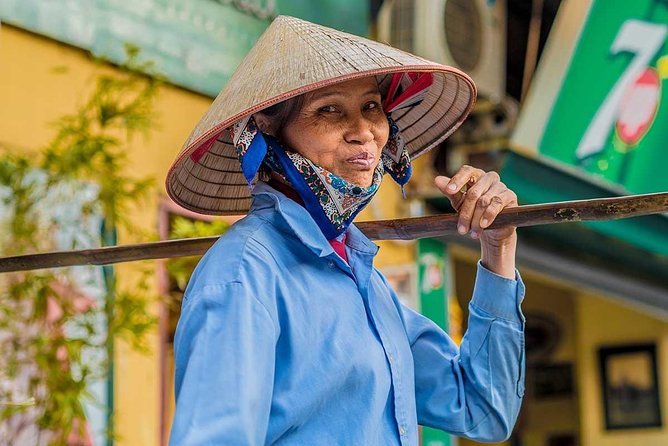
- Start before sunrise: Meet at 5:30 am for train street, park exercise, and Hanoi’s early city routines.
- Two very different Hanois: Photograph inner-city public life, then travel about one hour south to Cu Da village.
- A working village, not a museum: Cu Da is known for producing vermicelli noodles in an old village setting.
- Practical photography teaching: Your guide can work with you on exposure, composition, angles, and timing at each location.
- A full day plus night session: You return to your hotel to refresh and eat before the 7:30 pm evening pickup.
- Small-group value: The maximum is five people, and private transport, breakfast, lunch, and a professional photographer guide are included.
Why this tour works for serious picture-making
Many Hanoi sightseeing tours give you a quick stop, a few facts, and a chance to take photographs on your own. This experience is built around the camera. You move slowly enough at each setting to try different approaches, then change subjects and light as the day develops.
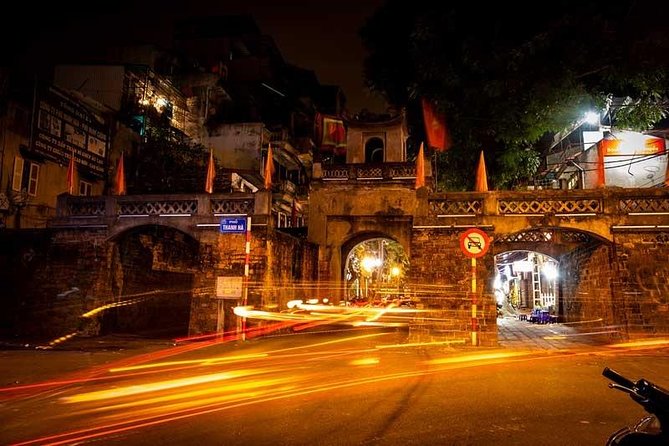
That changing light is the real strength. Dawn gives you softer conditions and a city just beginning its routines. Midday at Cu Da shifts the focus to people, tools, production, and old buildings. Night brings a different set of problems, including movement, artificial light, and exposure choices.
The guide is not simply there to point out locations. Brian has been praised for helping with exposure and composition, while Tung is described as combining photography instruction with local culture and history. The company has also used guides such as Hung as drivers on longer northern trips, so you may encounter a team approach rather than one person handling every part of the day.
You should bring a camera you know how to operate, but you do not need professional-level skill. The useful part of the day is learning how to make decisions in changing conditions. If you already shoot often, you can use the guide to refine angles and timing. If you are still learning, you can ask for help before missing the moment.
More Hanoi trips worth a second look
- Hanoi Private Photoshoot – Iconic Spots & Hidden Gems
★ 5.0 · 118 reviews - Hanoi Explorer Photo Tour
★ 5.0 · 40 reviews - Hanoi On the Tracks Photo Tour
★ 5.0 · 33 reviews
5:30 am at train street and Reunification Park
The morning begins at 5:30 am with a lesser-known section of Hanoi’s train street. This is an early start, but it gives you a chance to photograph the area before the day fills in. Your guide can help you pay attention to framing, exposure, and the relationship between the tracks, buildings, and people nearby.
Train street is a familiar Hanoi subject, so the quieter timing matters. You are not relying only on the obvious track photograph. The guide can help you look for layers, leading lines, changing light, and human activity around the railway.
Next comes Reunification Park, where morning tai chi and aerobics provide movement and public life. This is a fine setting for practicing timing. Slow tai chi gestures call for patience, while aerobics offer quicker action and repeated poses. You can try a series of frames rather than hoping one picture works.
The first section lasts about four hours and includes breakfast. That meal matters because you will have been up for several hours before the main drive south. The tour does not list an admission charge for these stops, so your cost is tied to the guide, transport, instruction, and full-day arrangement rather than entrance tickets.
The morning also includes Hanoi’s infamous Thieves Market. The name alone signals a less polished subject than the city’s standard monuments. You will be photographing a working part of town, where observation and discretion matter more than simply standing in front of a landmark.
This section will suit you if you like candid street scenes and public routines. It may feel too early if your idea of a holiday begins after coffee and a late breakfast. Be honest about that before booking. The dawn hours are not optional decoration. They shape the whole experience.
The one-hour drive south to Cu Da
After the city morning, you leave Hanoi by private car and travel roughly one hour south to Cu Da village in the Ứng Hòa area. Private transport is a practical advantage here. You are carrying camera gear, moving between city and countryside, and avoiding the hassle of arranging a separate vehicle.
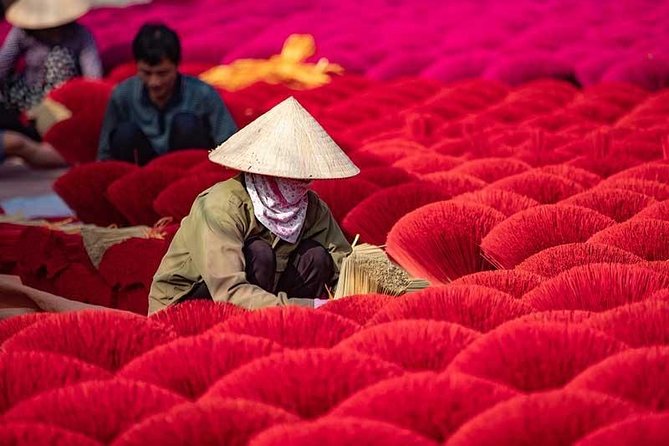
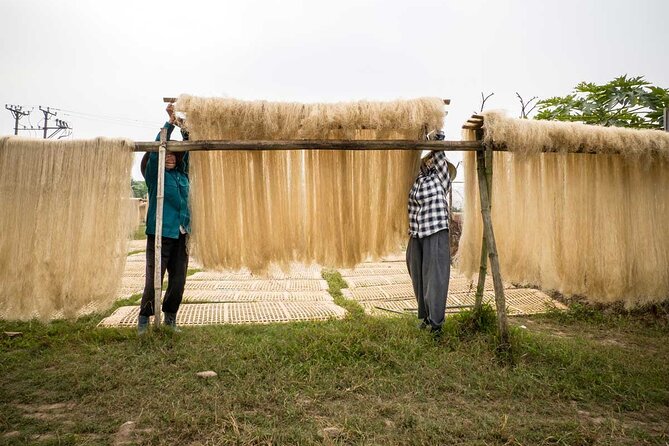
Cu Da is described as one of the best-preserved ancient villages within reach of central Hanoi. Its main working trade is vermicelli noodle production. That gives you a subject with a clear visual process, from preparation and handling to the finished product, rather than a village visit based only on old walls and general scenery.
The eight-hour section is the longest part of the day. You should expect time for photography, movement through the village, and lunch. The included meal helps keep the schedule moving, though dinner is not included because you return to your hotel before the evening session.
A working food village also offers better context than a staged photo stop. You can photograph materials, hands, tools, textures, and the people involved in production. Ask your guide how close to stand and when to pause. Good documentary photographs depend on respect as much as camera settings.
Cu Da is especially useful for practicing visual variety. One image might show the broader setting. Another might focus on a worker’s hands or a bundle of noodles. A third could use repetition, color, or pattern. Your guide can help you avoid filling a memory card with the same frame from slightly different positions.
The village visit may be less comfortable than a standard attraction. You are spending a long period outside the city, and conditions can change with the weather and activity at the workshops. The supplied information does not promise air-conditioned indoor stops or a fixed production demonstration, so keep your expectations practical.
The long village block is also why this tour is not ideal for someone who wants a quick introduction to Hanoi. You will spend a meaningful portion of the day away from the center. That is a strength if you want working life and craft production. It is a weakness if your priority is temples, museums, or a checklist of central sights.
Back to the hotel, then Hanoi after dark
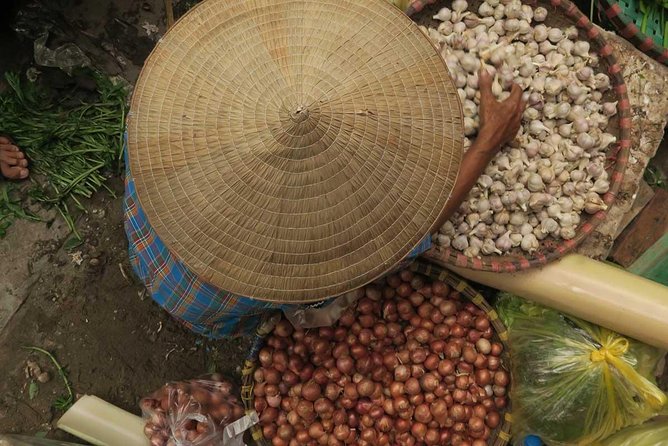
The schedule returns you to Hanoi after the village portion. You are dropped at your hotel to refresh, have dinner, and prepare for the final pickup at 7:30 pm. This pause is essential. Without it, the day would run from early morning straight into the night.
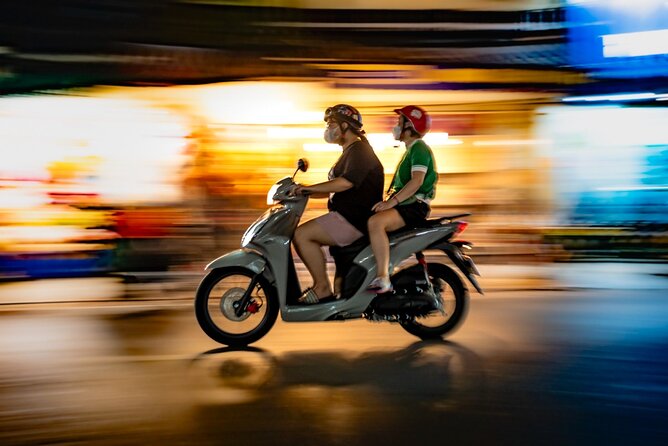
The evening is the final four-hour adventure in the city. It focuses on Hanoi after dark, including night-market scenes and daily public life. Night photography asks different questions from the morning session. You may need to manage slower shutter speeds, higher ISO settings, mixed lighting, and moving subjects.
This is where the guide’s teaching can become especially useful. Rather than telling you to raise the ISO and move on, a good photography guide can help you decide what mood you want. A sharp action frame, a blur of movement, and a carefully exposed street scene all tell different stories.
Some of the company’s longer or customized photography programs also include an incense village, with time to see production and photograph the workshops. The clearly described day route centers on Cu Da and the Hanoi night outing, so you should confirm the exact evening stops if an incense village is a priority.
The night segment is a good reason to bring a second battery and enough memory cards, though the tour details do not state that equipment is supplied. You should also dress for a long day on foot and keep your camera setup manageable. A huge kit will become tiring by the final hours.
A different kind of day out, same stretch of Vietnam:
- Hanoi Jeep Tour: Food, Culture and Fun by Vietnam Army Jeep
★ 5.0 · 15,222 reviews - Full-Day Ninh Binh Highlights Tour from Hanoi
★ 5.0 · 7,761 reviews - Hanoi: Ha Long Bay Day Cruise – Swimming, Meal, Kayaking
★ 4.7 · 7,415 reviews - Hanoi: Water Puppet Show Tickets
★ 4.6 · 7,029 reviews
What the guide adds to the day
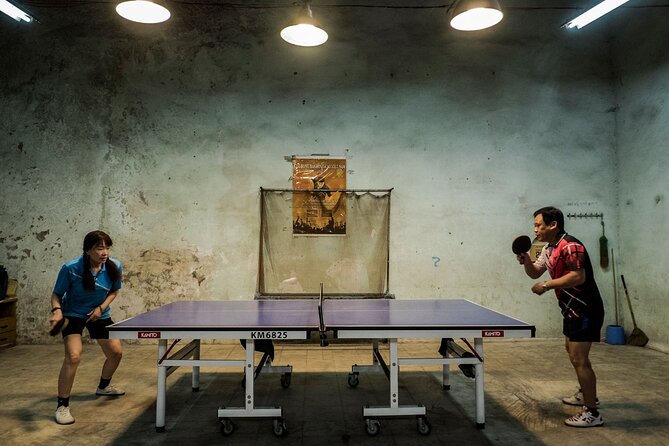
The guide is the difference between a photo outing and a photography lesson. At each location, you are introduced to new photographic situations rather than repeating one formula. That can include exposure and composition at train street, timing in the park, detail work in the village, and low-light decisions at night.
Tung is the name most closely associated with the strongest praise for the guiding on this experience. He has been described as an excellent teacher and a strong cultural interpreter. Brian is also specifically linked with the early train street section and advice on exposure and composition.
You should still take an active role. Tell the guide what you want to improve. If you care about portraits, say so. If you struggle with manual exposure, ask for a simple exercise. If you want to build a visual story rather than collect isolated images, ask how to connect the train street, park, village, and night scenes.
The small group limit helps here. With no more than five people, the guide can spend time looking at your camera settings and offering suggestions. A private format also gives you more freedom to pause, change position, or ask for a second attempt at a scene.
The experience is not described as a formal classroom course, so do not expect a printed syllabus or a guaranteed portfolio review. Its value lies in field instruction, local access, and the chance to practice repeatedly across one long day.
Is $359 a fair price?
At $359 per person, this is expensive compared with a basic Hanoi walking tour. The comparison is not quite fair, though. You are paying for about 16 hours, private transportation, breakfast, lunch, hotel drop-off between sessions, and a professional photographer guide.
The maximum of five is important. A large group tour can offer a lower price, but the guide may not have time to adjust your settings or help you find a better angle. Here, the instruction is part of the product, and the private car makes the out-of-town village visit far easier.
The price is strongest for solo photographers, couples, and small groups who would otherwise hire transport and seek out these places independently. It is weaker for people who already know Hanoi well, do not need photography help, or mainly want famous central attractions.
Group discounts are available, but no discount amount is provided. Ask for the current group rate before booking. Confirmation is received at booking, and free cancellation is allowed up to 24 hours before the local start time. A late cancellation or change is not accepted for a refund.
Who will enjoy this, and who should skip it?
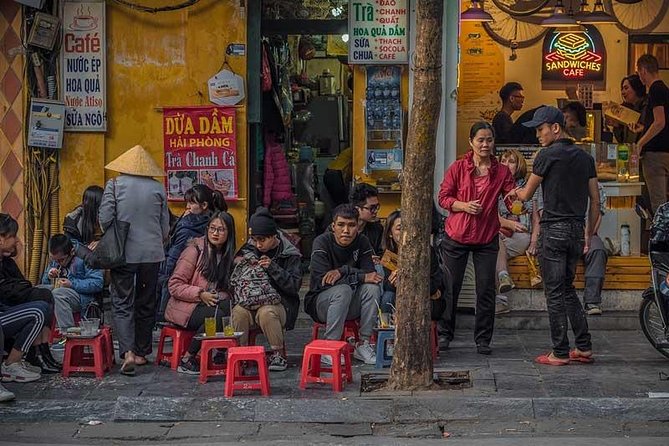
You are a good match if you want to photograph people, work, movement, and changing light. The day suits photographers who enjoy street scenes and want direct help from someone who understands both camera technique and Hanoi.
It also works for a keen beginner. You get repeated chances to practice instead of one short lesson. The guide can help you move from automatic snapshots toward deliberate choices about framing, exposure, and timing.
You may not enjoy it if you dislike early mornings, long days, or rural detours. The schedule is demanding, and the night session means your day does not truly finish when you return from Cu Da. This is also not the right pick if you want a slow food tour or a conventional history tour.
Most people can participate, and no health restrictions are listed. Still, you should be comfortable with a dawn start, walking at several locations, and carrying your own camera gear for much of the day.
Should you book the Ultimate Hanoi Photography Tour?
Book it if your best Hanoi memory would be a well-timed photograph of daily life rather than another landmark. The combination of dawn train street, park exercise, a vermicelli village, and night scenes gives you a broad look at the city and its nearby working communities.
I would especially recommend it to photographers who want instruction without giving up a private feel. The guide names, small group size, private car, meals, and hotel return make the high price easier to justify.
Skip it if you want a gentle schedule or a standard first-day city tour. Sixteen hours is a lot. For the right photographer, though, the long day is the point: Hanoi keeps changing, and your subject matter changes with it.
FAQ
What time does the tour start?
The tour starts at 5:30 am.
How long does the experience last?
The experience lasts approximately 16 hours.
What is included in the price?
Breakfast, lunch, private transportation, and a professional photographer guide are included.
How many people can join the tour?
The maximum group size is five people.
Is hotel pickup or drop-off available?
Pickup is offered, and you are dropped back at your hotel before the evening session so you can refresh and have dinner.
Can I cancel for a full refund?
Yes. You can cancel at least 24 hours before the local start time for a full refund. Cancellations or changes made less than 24 hours before the start are not accepted.
Recently reviewed around Hanoi
- Female Riders Vespa Night Street Food + Train Street food 4 Hours★ 5.0 · 35 reviews
- Beautiful Female Riders Vespa Red River Countryside Tour 5 Hours★ 5.0 · 23 reviews
- The insider’s Hanoi + Train Street 4,5 Hours Female Ao Dai Riders★ 5.0 · 53 reviews
- Red River Delta Countryside+ Rural Villages, rice Paddies fields★ 5.0 · 134 reviews
- The insider’s Hanoi 4.5 hours All highlight Places & Train Street★ 5.0 · 41 reviews
- Street Foods Hanoi Kim Tours Vietnam★ 5.0 · 140 reviews
- Hanoi Jeep Tour – Ba Vi National Park Full Day Tour★ 5.0 · 21 reviews
- Ninh Binh Full Day Tour from Hanoi to Hoa Lu, Trang An & Mua Cave★ 5.0 · 31 reviews
Photography Sessions, compared.
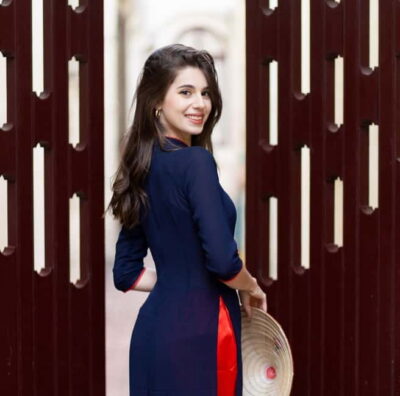
Hanoi Private Photoshoot – Iconic Spots & Hidden Gems
Read our review →
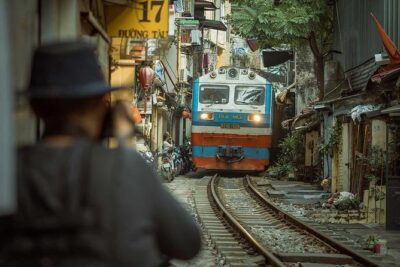
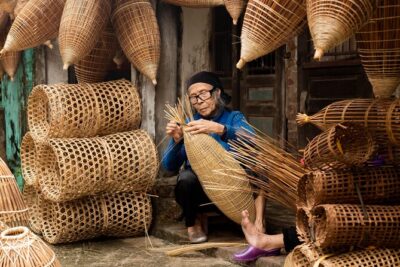
Photo Tour to Capture The Vanishing Craft of Making Fish Traps
Read our review →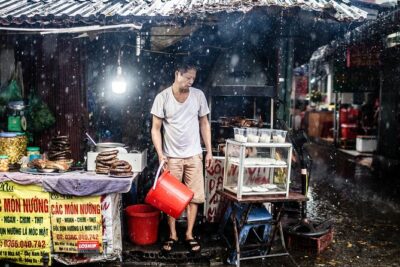
Hanoi Street Photography with a Pro – Phone & Camera
Read our review →
Browse the lists this tour appears in