
Reviewed · FOOD & DRINK
Hai Phong City Historical and Food Tour
Hai Phong is best understood through its food, old streets, and everyday places, and this 13-hour train journey gives you all three. From Hanoi, you ride to the port city for crab soup, Du Hang Pagoda, local markets, and French colonial landmarks before returning by rail.
I like the train travel, which turns the trip into more than a standard city transfer. I also like the food focus: Banh Da Cua, Cột Đèn breadsticks, fermented pork rolls, and market visits give you a practical introduction to Hai Phong cooking.
The main drawback is the length. With roughly two hours to Hai Phong, 2.5 hours back, and many stops in between, this is a full day with little downtime. The food arrangements also deserve a quick check, since lunch is clearly included while the package description uses broader wording about meals.
In This Review
- Key Points to Know Before You Book
- Why Hai Phong Works as a Food-and-History Day Trip
- Leaving Hanoi by Train from Long Bien
- Starting With Hai Phong Crab Soup
- Du Hang Pagoda and Hai Phong’s Spiritual Side
- Cột Đèn Breadsticks and Small Local Flavors
- Walking Beside Tam Bac Lake
- Opera House, Le Chan Statue, and the City Center
- Choosing Between Sat Market and Cat Bi Market
- Returning Through Hai Phong Railway Station
- Is the $69 Price Good Value?
- Who Will Enjoy This Day Most?
- Should You Book the Hai Phong City Historical and Food Tour?
- FAQ
- Where does the tour start?
- Where does the tour end?
- How long does the tour last?
- How do I travel from Hanoi to Hai Phong?
- Is lunch included?
- Which Hai Phong foods are included?
- Which market will I visit?
- Is this a private tour?
- Are entrance fees included?
- What is the cancellation policy?
Key Points to Know Before You Book
- Train ride from Hanoi: Travel from Long Bien Station to Hai Phong and return by rail, with travel time included in the 13-hour schedule.
- Hai Phong food trail: Try crab noodle soup, Cột Đèn breadsticks, and fermented pork rolls, with time at either Sat Market or Cat Bi Market.
- Du Hang Pagoda: Visit one of Hai Phong’s oldest pagodas and hear about its cultural role and past.
- Private touring: Only your group takes part, making the day more personal than a large coach excursion.
- City landmarks: See the Opera House, Le Chan statue, Hai Phong Railway Station, and Tam Bac Lake.
- Guide-led experience: Geni provides cultural explanations throughout the day, while Bryan organizes the tour.
Why Hai Phong Works as a Food-and-History Day Trip
Hanoi has enough sights to fill several days, but Hai Phong offers a different feel. It is a coastal city with its own dishes, public spaces, markets, and colonial-era buildings. A day trip here makes sense if you want to see a second Vietnamese city without arranging hotels, local transport, meals, and entry tickets yourself.
The food is the real thread running through the day. Hai Phong’s signature Banh Da Cua is a crab noodle soup, and it gives you a direct taste of the city rather than a generic Vietnamese meal designed for tourists. The itinerary adds small bites and regional specialties, so you are not limited to one restaurant stop.
I also appreciate the way the tour mixes formal sights with ordinary city life. Du Hang Pagoda and the Opera House provide historical context, while the market and train station show how Hai Phong functions today. That balance is more useful than a quick ride past a long list of monuments.
The private format matters here. You are not joining a large group that must wait for dozens of people at every stop. Geni can provide explanations suited to your group, and the schedule has a better chance of feeling flexible, although the day still follows a fairly full plan.
More City Tours in Hanoi
- Private Walking Tour of Hanoi City
★ 5.0 · 1,251 reviews - Hanoi City Tour Highlight, Train Street Combine visit Countryside
★ 5.0 · 925 reviews - Hanoi Motorbike Tours Led By Women: Hanoi City Insight Motorbike Tours
★ 5.0 · 816 reviews
Leaving Hanoi by Train from Long Bien
The day begins with pickup from your hotel in Hanoi’s Old Quarter, with the listed meeting point at Hanoi Opera House. You then travel to Long Bien Station for the train to Hai Phong, a ride of about two hours.
That first train ride is part of the experience, not just a way to reach the next stop. Geni begins sharing information about Vietnamese people and culture during the journey, giving you useful context before you arrive. One especially praised part of the day is this early conversation, since it helps connect the food and places later on.
You should allow for an early start and a long day. The total duration is about 13 hours, and the train timetable controls part of the schedule. If you prefer a relaxed morning or dislike spending several hours in transit, this may feel demanding. If you enjoy seeing a destination through public transport, the train is a strong part of the value.
An air-conditioned vehicle is included for road transfers, though the supplied details do not specify exactly which parts of the city route use it. Pickup is offered, but confirm the precise collection point when booking because the information gives both Old Quarter hotel pickup and Hanoi Opera House as the meeting location.
Starting With Hai Phong Crab Soup
After arriving in Hai Phong, the first major food stop is at 195 Cau Dat for lunch. The dish identified here is crab soup, one of the city’s best-known specialties.
This is a useful opening meal because it introduces Hai Phong through a local classic rather than a familiar international menu. You get about an hour for lunch, which should provide enough time to eat without turning the first meal into a rushed stop.
The inclusion of lunch helps justify the $69 price. You are paying for the return rail journey, a private guide, local transportation, entrance fees, and at least the main meal. The tour also includes additional food tastings, though you should clarify exactly what is covered beyond lunch if you want to budget carefully.
Food preferences are not described in the available information. If you have allergies, dietary restrictions, or a strong dislike of seafood, tell the provider before the day begins. Crab soup is central to the experience, so this outing is a better match for people who want to try regional dishes than for anyone seeking a neutral sightseeing tour.
Du Hang Pagoda and Hai Phong’s Spiritual Side

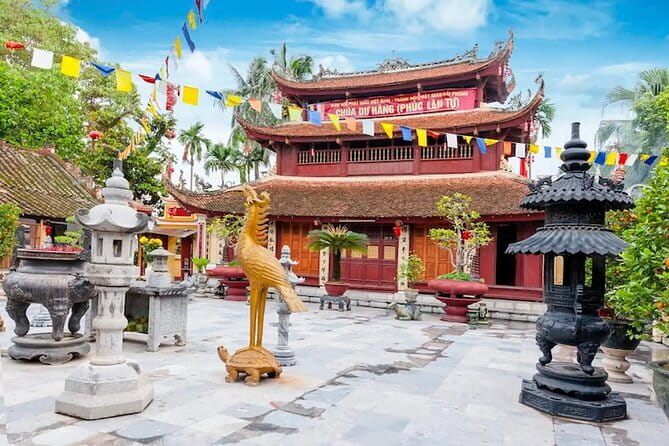
Du Hang Pagoda receives about an hour. It is presented as one of Hai Phong’s oldest pagodas, with time to learn about its cultural importance and history.
This stop slows the pace after lunch. Pagodas are not just photo stops, and a guide can help you understand how the site fits into local religious and community life. Geni’s explanations are especially useful here because the value of the visit comes from context, not from size alone.
Dress and behavior should be respectful at any religious site. The supplied details do not list a specific dress code, so use sensible clothing and follow the guide’s instructions. The entrance fee is included, which removes one small decision during a busy day.
An hour is enough for an introduction, but not for a very detailed study of every feature. Think of Du Hang Pagoda as a focused cultural stop within a wider city tour, not as a specialist architectural visit.
More Food Tours in Hanoi
- Hanoi Jeep Tour: Food, Culture and Fun by Vietnam Army Jeep
★ 5.0 · 15,222 reviews - Hanoi Motorbike Tour: Food, Culture and Fun by Vintage Motorbike
★ 5.0 · 6,699 reviews - Hanoi: Guided Food Tour with Train Street Visit
★ 4.9 · 6,239 reviews - Small Group Hanoi Street Food Tour with a Real Foodie
★ 5.0 · 4,682 reviews
Cột Đèn Breadsticks and Small Local Flavors
The next food stop lasts about 20 minutes and focuses on Banh My Que Cột Đèn, Hai Phong’s famous narrow breadsticks.
This is the sort of brief tasting that makes a city tour feel grounded. You get a smaller local snack rather than another full meal, and the short stop keeps the schedule moving. The breadsticks also give you a chance to compare Hai Phong’s street-food style with the better-known baguette traditions found elsewhere in Vietnam.
Because the stop is short, do not expect a long cooking demonstration or a sit-down meal. It is a quick taste, best treated as part of the food trail. If you like trying several dishes in small amounts, this format works well.
The tour description also refers to unique dishes and all meals, while the inclusion section specifically lists lunch. I would ask Bryan or SONDAX TRAVEL what food costs are covered at each stop, especially at the market. That simple question can prevent confusion over small purchases.
Walking Beside Tam Bac Lake

Tam Bac Lake is the day’s walking break. You spend about an hour beside the water and try Hai Phong-style fermented pork rolls.
This stop gives you a change of rhythm. After train travel, meals, and the pagoda visit, a walk helps you see the city at street level. The lake also gives the guide a natural place to explain local life while you sample another regional flavor.
Fermented pork rolls are distinctive, and they may not suit every palate. That is part of the point of this tour: you are being introduced to foods tied to Hai Phong rather than served only safe, familiar choices. If you are cautious with fermented food, ask Geni what to expect before tasting.
The schedule allows one hour, so this should feel less hurried than the breadstick stop. Still, the day includes many activities, and the exact pace may depend on train timing, traffic, and how long your group spends eating.
Opera House, Le Chan Statue, and the City Center

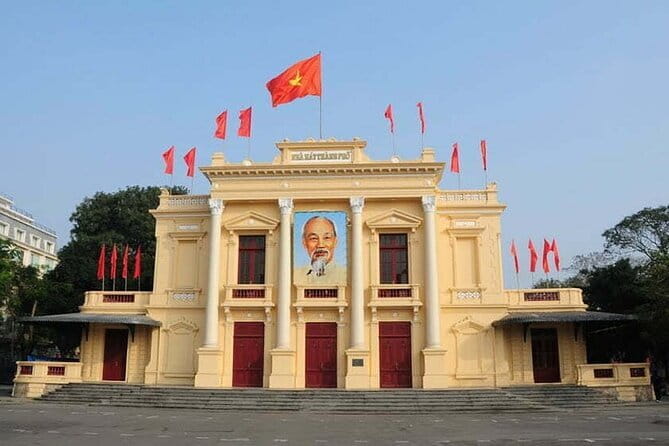
A two-hour portion of the tour covers points of interest such as Hai Phong Opera House, the statue of female general Le Chan, Hai Phong Railway Station, and other city sights.
These stops help connect the food visits to the city’s public identity. The Opera House reflects the French colonial period, while the Le Chan statue points to a major figure in Vietnamese history. Hai Phong Station, built during the French colonial period, adds another architectural link to the city’s past.
The details describe these sights as part of a broader walking and sightseeing section rather than promising interior visits. You should expect to admire the buildings and monuments from the route, with Geni explaining their importance. If you want long museum visits or extensive time inside the Opera House, this tour is not designed for that.
I like this section because it prevents the day from becoming one long meal crawl. You get a clearer sense of Hai Phong as a city, with civic spaces and historical figures alongside shops and food stalls.
Choosing Between Sat Market and Cat Bi Market

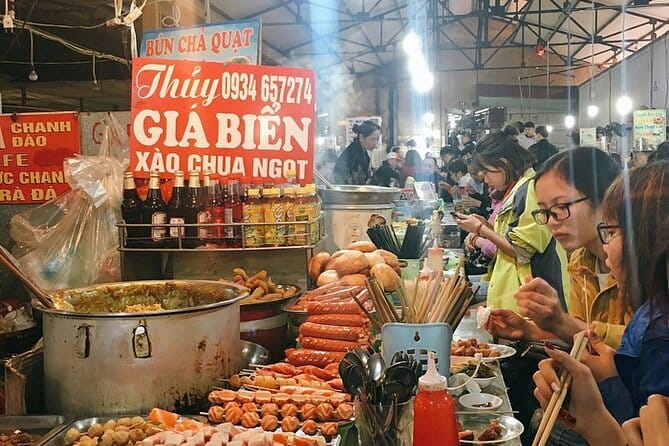
The market section lasts about three hours, making it one of the most substantial parts of the day. The tour may visit Sat Market or Cat Bi Market, where you can see local food, speak with vendors through the guide, and learn how Hai Phong ingredients fit into daily cooking.
The exact market is not fixed in the supplied details. That flexibility may reflect operating conditions or the best fit for the day, but you should not book expecting one specific market every time.
Three hours gives this stop real weight. You have time to look at the stalls, ask questions, and notice the ingredients behind the dishes you have already tasted. This is where the tour’s food focus becomes most useful, because you can connect a bowl of crab noodles with the seafood, herbs, noodles, and other products sold locally.
Markets can be crowded, noisy, and full of unfamiliar smells. That is normal, not a flaw, but it may be tiring after such a long day. Keep your belongings secure and follow Geni’s lead when approaching vendors. The tour promises contact with local sellers, but it does not promise private tastings or shopping credit, so plan to pay separately for personal purchases unless told otherwise.
The market time also includes Banh Da Cua in the itinerary. Since crab soup already appears at lunch, ask whether this means a second serving, a market explanation, or a separate food stop. Either way, the repeated focus shows how central the dish is to Hai Phong’s food identity.
Returning Through Hai Phong Railway Station
Before heading back, you spend about 30 minutes admiring Hai Phong Railway Station. The station was built during the French colonial period, and its older architecture makes it a fitting final city sight.
The station is more than a departure point here. It brings the day back to the same transport story that began in Hanoi. You start by rail, see Hai Phong through food and landmarks, then return to the station for the journey home.
The train from Hai Phong to Hanoi takes about 2.5 hours. That is a significant ride after a full day of walking and eating, so bring water and be ready for a quiet final stretch. You arrive at Hanoi Station, and the tour ends back at the meeting point.
Is the $69 Price Good Value?
At $69 per person, this is a solid package if you want Hai Phong handled in one day. The price includes lunch, all listed fees and taxes, an air-conditioned vehicle, guided visits, the private format, and round-trip train travel. The itinerary also includes several tastings and market time.
The value is strongest for you if you would otherwise need to arrange train tickets, find a Hai Phong guide, choose restaurants, and pay for city transfers separately. You also avoid the guesswork of deciding which local foods and landmarks deserve your limited time.
The price is less compelling if you only want transportation to Hai Phong or prefer to explore at your own pace. A private day with a fixed schedule costs more than a basic rail trip, but it includes the structure that makes a distant day trip practical.
Group discounts are offered, though the discount amount is not stated. Since this is a private activity, the price may work better when shared by several people, but confirm the current group rate before booking.
Who Will Enjoy This Day Most?
I would choose this tour if you have a full day available in Hanoi and want food to guide your sightseeing. It suits first-time visitors who want an organized introduction to Hai Phong, couples or families who prefer a private group, and curious eaters who are happy to try crab soup, fermented pork rolls, and local breadsticks.
It also works for people who enjoy rail journeys. The train rides take up several hours, but they are part of the day’s character. You get a view of travel between two northern Vietnamese cities rather than a sealed car ride from one hotel to another.
I would think twice if you want a slow, flexible day, dislike seafood, or need a short outing. Thirteen hours is a serious commitment. The plan includes many separate stops, and the market, station, and return train all require you to keep an eye on the clock.
The experience has a 5 out of 5 rating from 19 reviews, with 100 percent recommending it. The strongest praise centers on the warm guidance from Geni and the cultural information shared from the first train ride onward. That personal guide element is important, since it turns a collection of food stops into a more connected day.
Should You Book the Hai Phong City Historical and Food Tour?
Book it if you want to see Hai Phong through its signature dishes, old religious sites, colonial-era buildings, markets, and railway connection. The private format, included lunch, and guide support make the $69 fare reasonable for a long day away from Hanoi.
Before paying, confirm the Old Quarter pickup details, which market you are likely to visit, and what food beyond lunch is included. If you are comfortable with a full schedule and enjoy trying unfamiliar local dishes, this is one of the more useful ways to get a first look at Hai Phong without staying overnight.
FAQ
Where does the tour start?
Pickup is offered from hotels in Hanoi’s Old Quarter, and the listed meeting point is Hanoi Opera House at 1 Trang Tien, Phan Chu Trinh, Hoan Kiem, Hanoi.
Where does the tour end?
The experience ends back at the meeting point after you return to Hanoi by train.
How long does the tour last?
The tour lasts approximately 13 hours. Travel time is included in the total duration.
How do I travel from Hanoi to Hai Phong?
You travel by train from Long Bien Station in Hanoi to Hai Phong, then return by train from Hai Phong Railway Station to Hanoi Station.
Is lunch included?
Yes. Lunch is included, and the itinerary identifies crab soup at 195 Cau Dat as the main lunch stop.
Which Hai Phong foods are included?
The food program includes crab soup, Banh My Que Cột Đèn breadsticks, fermented pork rolls, and Banh Da Cua crab noodle soup. The description uses broader wording about meals, so confirm the exact coverage of each tasting before departure.
Which market will I visit?
The tour visits either Sat Market or Cat Bi Market. The supplied information does not guarantee one specific market.
Is this a private tour?
Yes. Only your group participates in the activity.
Are entrance fees included?
Yes. All fees and taxes are included, and the Du Hang Pagoda visit specifically includes admission.
What is the cancellation policy?
You can cancel up to 24 hours before the start time for a full refund. Cancellations or changes made less than 24 hours before the start time are not refunded or accepted. If poor weather causes cancellation, you will be offered another date or a full refund.
More Food in Hanoi
- Hanoi: Street Food Tour with Train Street & Hidden Alleyways
★ 5.0 · 2,831 reviews - Hanoi: Guided Street Food Tour with Train Street Experience
★ 4.9 · 2,479 reviews - [HOT] Hanoi Old Quarter Walking Street Food – Small Group Tour
★ 5.0 · 2,163 reviews - Hanoi Motorbike Tours Led By Women: Hanoi By Night Foodie Motorbike Tours
★ 5.0 · 1,734 reviews
More Historical Tours in Hanoi
- Ninh Binh Heritage Full Day Tour with Buffet Lunch and Limousine
★ 5.0 · 2,692 reviews - Hanoi Heritage Premium Daily Tour
★ 5.0 · 914 reviews - Halong Heritage Luxury Day Cruise-Buffet lunch&Limousine transfer
★ 5.0 · 846 reviews - Heritage Binh Chuan 2 Days 1 Night discovery in Lan Ha Bay
★ 5.0 · 470 reviews
Recently reviewed around Hanoi
- Female Riders Vespa Night Street Food + Train Street food 4 Hours★ 5.0 · 35 reviews
- Beautiful Female Riders Vespa Red River Countryside Tour 5 Hours★ 5.0 · 23 reviews
- Red River Delta Countryside+ Rural Villages, rice Paddies fields★ 5.0 · 134 reviews
- The insider’s Hanoi 4.5 hours All highlight Places & Train Street★ 5.0 · 41 reviews
- The insider’s Hanoi + Train Street 4,5 Hours Female Ao Dai Riders★ 5.0 · 53 reviews
- Street Foods Hanoi Kim Tours Vietnam★ 5.0 · 140 reviews
- Hanoi Jeep Tour – Ba Vi National Park Full Day Tour★ 5.0 · 21 reviews
- Ninh Binh Full Day Tour from Hanoi to Hoa Lu, Trang An & Mua Cave★ 5.0 · 31 reviews
Food & Drink, compared.

Hanoi Jeep Tour: Food, Culture and Fun by Vietnam Army Jeep
Read our review →
Ho Chi Minh City Street Food Tour & Sightseeing By Motorbike
Read our review →
Hanoi Motorbike Tour: Food, Culture and Fun by Vintage Motorbike
Read our review →
Small Group Hanoi Street Food Tour with a Real Foodie
Read our review →
Saigon By Night and Street Food By Motorbike | Opt: Ao Dai Riders
Read our review →
Private Street Food Tour by Motorbike/Car with Local Students
Read our review →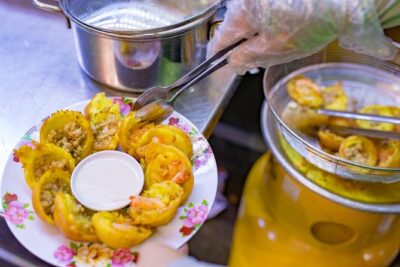
Private Street Food Evening Walking Tour in Ho Chi Minh City
Read our review →Browse the lists this tour appears in