Reviewed · GUIDED
Full-day Guided Meditation Experience in Ha Noi
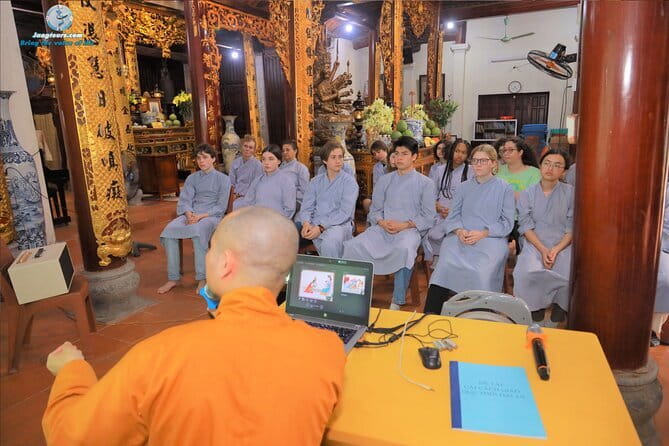
The heart of this Hanoi experience is not sightseeing. It is a full day of Buddhist teaching and guided meditation, held at a pagoda rather than in a hotel meeting room. You learn about the Buddha’s life, practice stillness, explore loving-kindness and compassion, and take part in simple qigong movements.
I like two things right away: the personal guidance and the chance to ask real questions in a calm setting. Guides including Naya, Hung, and Hieu are praised for patience, clear English, and thoughtful answers. I also like the mix of sitting meditation, movement, rituals, and pagoda history, which keeps the day from becoming eight hours of silence.
The main caution is value. At $85 per person, this is more than a standard pagoda visit, and lunch and dinner are not included in the stated price. It suits you best if you want a structured spiritual experience, not simply a quick cultural stop.
In This Review
- Key Points to Know Before You Book
- What This Hanoi Meditation Day Really Offers
- Meeting at 8:00 a.m. in Quan Nhân
- Walking Around the Pagoda Before the Meditation
- The Main Hall and the Life of Buddha
- Guided Meditation for Beginners and Curious Minds
- Loving-Kindness, Compassion, and Ritual
- Qigong Movements Add Some Physical Energy
- Guide Quality Makes or Breaks the Day
- Food, Duration, and the $85 Question
- Who Will Appreciate This Experience Most?
- Practical Details to Keep in Mind
- Should You Book This Hanoi Meditation Experience?
- FAQ
- Where does the meditation experience begin and end?
- What time does the activity start?
- What is included in the price?
- Are lunch and dinner included?
- How large can the group be?
- Can I cancel for a full refund?
Key Points to Know Before You Book
- A full Buddhist learning day: Expect teachings on the Buddha, Buddhist doctrines, meditation, gratitude, compassion, and moral living.
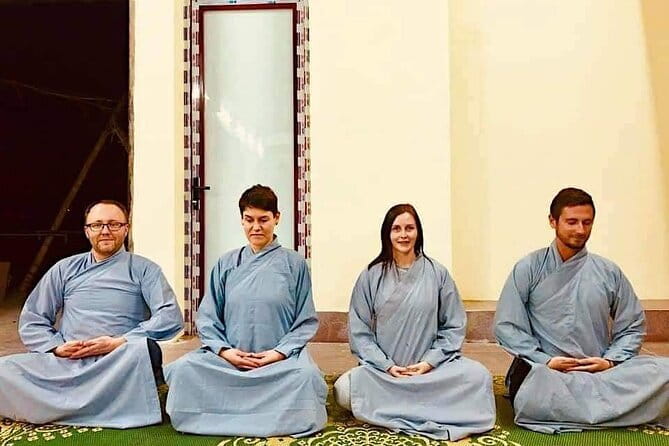
- Several forms of practice: The day includes guided meditation, rituals connected with loving-kindness, compassion, and qigong movements.
- A peaceful pagoda setting: Your guide takes you around the pagoda before leading you into the main hall for teaching and reflection.
- Guides who make the material approachable: Naya, Hung, and Hieu are named in the feedback, with particular praise for patience, kindness, and clear explanations.
- A potentially intimate experience: The group limit is 100, but one guest had the guide and pagoda experience almost entirely to themselves.
- Plan for food and timing: The day begins at 8:00 a.m., lasts about eight hours, ends where it starts, and does not include lunch or dinner.
What This Hanoi Meditation Day Really Offers
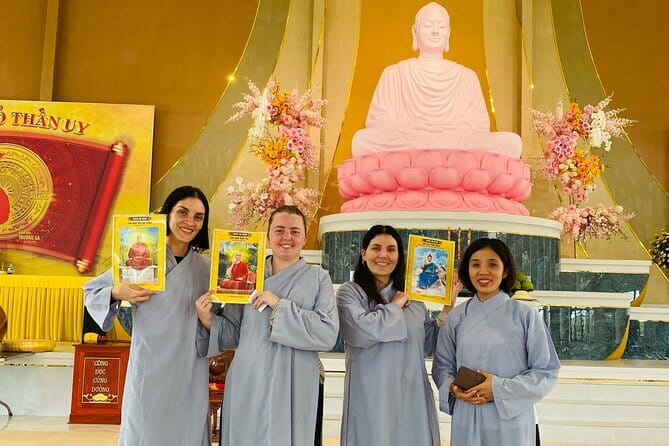
Many Hanoi sightseeing tours move quickly from one famous place to another. This experience asks you to slow down. You spend the day at a pagoda learning how Buddhist ideas can shape daily choices, relationships, and your response to difficulty.
That makes this less like a sightseeing excursion and more like an introduction to Buddhist practice. You do not need to arrive with a background in meditation. The program is designed for beginners, curious visitors, people at a turning point, and anyone who wants a quiet day away from the usual city schedule.
The stated themes are broad but practical: gratitude, loving-kindness, compassion, moral living, and a humane society. You are not simply told what Buddhism means. You are shown practices intended to help you focus the mind and carry those ideas into your own life.
I would approach the day with an open mind but modest expectations. One session will not transform your life. It can, however, give you a clearer sense of Buddhist teachings and a few simple methods for settling your attention.
More Hanoi trips worth a second look
- Full-Day Ninh Binh Highlights Tour from Hanoi
★ 5.0 · 7,761 reviews - Ninh Binh Full-Day Tour from Hanoi to Hoa Lu, Tam Coc & Mua Cave Via Boat & Bike
★ 5.0 · 4,384 reviews - Ninh Binh Heritage Full Day Tour with Buffet Lunch and Limousine
★ 5.0 · 2,692 reviews
Meeting at 8:00 a.m. in Quan Nhân
The meeting point is Ngõ 68 Phố Quan Nhân, Trung Hoà, Cầu Giấy, Hanoi, written in the local address format as Ng. 68 P. Quan Nhân. The activity starts at 8:00 a.m. and returns to this same meeting point at the end of the day.
This detail matters. You are not being collected from a chain of hotel lobbies or taken on a mystery route. You need to make your own way to the pagoda meeting point, so check the address carefully before leaving. One person arrived at the wrong pagoda, which is an easy mistake in Hanoi when several religious sites have similar names.
The experience is near public transportation, and parking fees are included. A mobile ticket is accepted, and confirmation is provided when you book. Since the day lasts about eight hours, arrive ready for a long, unhurried program rather than a short morning appointment.
The group limit is 100 people. That is a fairly large maximum for a meditation experience, although the actual feel may be much smaller on a particular date. One especially personal day took place with only one participant, allowing plenty of time for questions and individual instruction.
Walking Around the Pagoda Before the Meditation
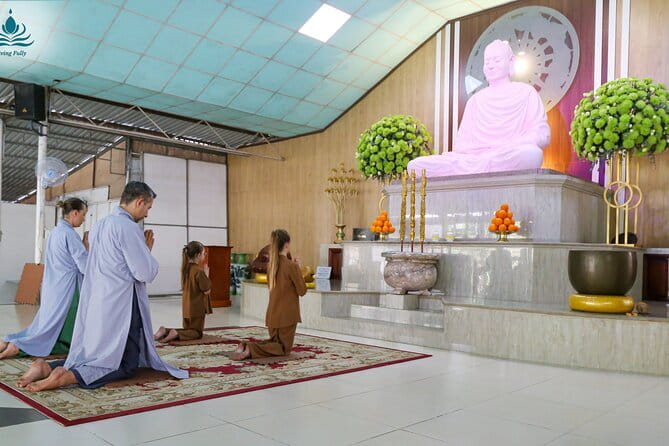
Your licensed guide meets you at the pagoda and begins with a short introduction to the plan for the day. You then walk around the site, learning about its history and architecture.
This opening is useful because it gives the practices a physical setting. You are not trying to absorb Buddhist ideas in an anonymous room. You can look at the pagoda, notice its religious spaces, and understand where the later teaching and rituals fit.
The tour does not provide a detailed list of every building or object you will see, so you should not expect a standard architecture tour. The pagoda visit is there to prepare you for the spiritual work that follows.
I like this order. A quick explanation of place and purpose helps you feel less like an outsider when you enter the main hall. It also gives you a chance to ask basic questions before the more serious teaching begins.
The Main Hall and the Life of Buddha
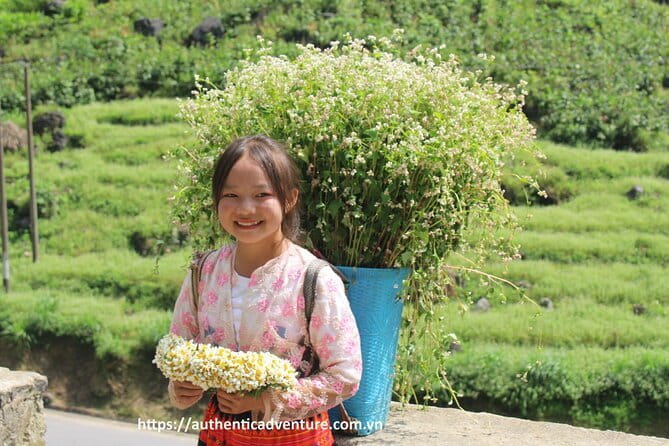
After the introduction, you go to the main hall to learn about the life of Buddha and central Buddhist doctrines. The guide explains these teachings as lessons that can be applied to ordinary life.
For a first visit to a Buddhist setting, this may be the most valuable part of the day. Meditation can feel mysterious if you do not understand the beliefs behind it. Hearing about the Buddha’s life and the principles that guide Buddhist practice gives the later exercises some context.
The teaching is intended to be accessible rather than academic. Guides Naya, Hung, and Hieu are each described as patient and willing to answer questions. That is important here, because Buddhism includes ideas that can be interpreted in different ways. A guide who welcomes questions is far more useful than one who simply recites a prepared speech.
You might discuss how Buddhist thought relates to suffering, attachment, compassion, gratitude, and responsible living. The supplied description presents these as practical lessons, but it does not promise a formal religious course or a scholarly lecture. If you want a detailed study of Buddhist schools, texts, or Vietnamese religious history, this day may feel introductory.
A different kind of day out, same stretch of Vietnam:
- Hanoi Jeep Tour: Food, Culture and Fun by Vietnam Army Jeep
★ 5.0 · 15,222 reviews - Hanoi: Ha Long Bay Day Cruise – Swimming, Meal, Kayaking
★ 4.7 · 7,415 reviews - Hanoi: Water Puppet Show Tickets
★ 4.6 · 7,029 reviews - Hanoi Motorbike Tour: Food, Culture and Fun by Vintage Motorbike
★ 5.0 · 6,699 reviews
Guided Meditation for Beginners and Curious Minds

The central practice is guided meditation based on the Buddha’s teachings. Your guide explains the method, then gives you time to practice in quiet.
This is where the day asks the most from you. Listening to a talk is easy. Sitting still with your own thoughts can be harder, especially after a busy Hanoi morning. The guide’s role is to help you focus rather than to demand perfect silence or instant calm.
The experience is suitable for beginners, and one beginner described the setting as a good place to learn foundational ideas. That is a useful distinction. You are not expected to arrive already knowing how to meditate, and you do not need to treat the session as a test.
You should still be comfortable with a slower pace. If you prefer constant activity, this program may feel long. If you have been looking for a gentle first step into meditation, the structure can be helpful. The guide gives you a method, time to try it, and space to ask what felt difficult.
The stated aim is mental tranquility and better mental and physical health. Those are intentions, not guaranteed results. Think of the session as practice, not a promise of a cure for stress or emotional pain.
Loving-Kindness, Compassion, and Ritual

Meditation is only part of the day. You also take part in rituals connected with loving-kindness and compassion.
This adds a social and ethical side to the experience. You are not only learning how to quiet your mind. You are considering how Buddhist practice shapes the way you treat other people and respond to hardship.
The activity is presented as helpful for people facing life’s challenges, feeling spiritually hurt despite material comfort, raising children with moral values, or searching for a more humane way of living. Those descriptions may sound lofty, but they point to the intended audience: people interested in meaning and conduct, not only relaxation.
Rituals can feel unfamiliar if you have never taken part in Buddhist practice. Your guide should explain what you are doing and why, but respectful attention is essential. You do not need to pretend to hold beliefs you do not share. You should be willing to observe and participate with care.
A useful way to approach this portion is to treat it as cultural and spiritual learning at the same time. You are seeing how ideas such as compassion become actions, gestures, or shared habits.
Qigong Movements Add Some Physical Energy

The day also includes qigong movements to support health. These exercises give you a physical change of pace after sitting and listening.
That balance matters in an eight-hour program. A day made entirely of talks and meditation could become tiring, especially for a beginner. Gentle movement helps you reset your attention and notice the connection between posture, breathing, and focus.
The information provided does not specify the intensity, length, or exact sequence of the qigong practice. You should therefore expect an accessible introduction rather than a demanding workout. Most people can participate, according to the activity information, but you should still tell the guide about any physical limits before taking part.
I like that the program does not treat meditation as only an exercise for the mind. The combination of stillness, movement, ritual, and discussion gives you several ways to connect with the material.
Guide Quality Makes or Breaks the Day
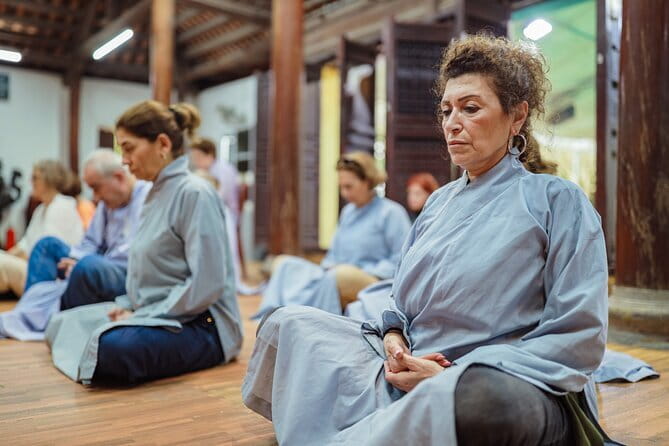
For this kind of experience, the guide matters more than almost any other feature. You are spending most of a day listening, asking questions, and trying unfamiliar practices.
Naya is described as friendly, patient, and able to personalize the discussion. Hung is praised for kindness, patience, and a warm welcome. Hieu is described as an excellent teacher who explains Buddhist basics and helps with meditation. These names may not be assigned on every date, but they give you a sense of the guide style to expect.
The strongest pattern is not theatrical storytelling. It is patience and accessibility. The guides answer many questions, explain difficult ideas in clear English, and create a relaxed atmosphere.
That is especially useful if you are new to Buddhism or unsure how to behave in a pagoda. You can ask what a ritual means, how to sit during meditation, or how a teaching applies outside the pagoda.
The experience may feel less polished if your expectations are for a tightly timed luxury retreat. Its strength is personal conversation and simple practice, not elaborate production.
Food, Duration, and the $85 Question
The price is $85 per person for about eight hours. Parking fees and a licensed guide are included. Lunch and dinner are not included in the stated package.
That price can be fair if you value a full day of instruction, personal questions, and guided practice. You are paying for time and access to a guide, not just entry to a pagoda. A private or very small group can make the cost feel stronger, particularly if you want a direct conversation about Buddhism and meditation.
The value is less clear if you mainly want to see a pagoda. In that case, an eight-hour program may be too much, and the cost may feel high for a cultural visit.
Food needs careful planning. Some personal accounts describe an excellent meal during the day, but lunch is officially listed as not included. Do not assume food is covered. Ask the provider what arrangements apply on your date or bring money and a plan for eating.
The early start and long duration also shape the value. You give up most of a day in Hanoi, so book this when you genuinely want a retreat-style experience. It is not a convenient add-on between major city sights.
Who Will Appreciate This Experience Most?
I would recommend it most strongly to you if you:
- Want a calm day focused on Buddhist ideas rather than sightseeing
- Are new to meditation and would like a guide to explain the basics
- Have questions about compassion, gratitude, moral living, or Buddhist practice
- Are at a personal crossroads and want time for quiet reflection
- Prefer asking questions in a small or potentially private setting
- Enjoy combining cultural learning with simple physical and spiritual practices
Families may also find the themes useful, particularly if you are interested in how moral values and compassion can be discussed with children. The activity description specifically presents Buddhist teachings as a way to support a humane society and family life.
I would be more cautious if you dislike religious settings, need a highly active day, or want a standard Hanoi sightseeing route. The program has a spiritual purpose, and that purpose shapes the pace.
Practical Details to Keep in Mind
You receive confirmation at booking, and the activity accepts a mobile ticket. The experience begins and ends at the same Quan Nhân meeting point.
Most people can participate, and the program is near public transportation. Still, the information does not give detailed accessibility or seating arrangements. If you need specific support, ask before booking rather than guessing.
Free cancellation is available until 24 hours before the local start time for a full refund. Cancellations or changes made less than 24 hours before the 8:00 a.m. start are not accepted for a refund.
Should You Book This Hanoi Meditation Experience?
Book it if you want to spend a full day learning, sitting quietly, moving gently, and asking sincere questions about Buddhism. The strongest reasons to choose it are the patient guides, the peaceful pagoda setting, and the mix of teaching with actual practice.
Think twice if your interest is only in architecture or if $85 feels high without meals included. Before paying, confirm the meeting point, ask about food arrangements, and decide if you are comfortable giving up eight hours of your Hanoi schedule.
For the right person, this is a thoughtful introduction to Buddhist practice. It is not a quick attraction, and it is not a guaranteed life change. It is a structured pause, led by people who can help you understand what you are seeing and try the practices for yourself.
FAQ
Where does the meditation experience begin and end?
It begins at Ngõ 68 Phố Quan Nhân, Trung Hoà, Cầu Giấy, Hanoi, Vietnam, and ends back at the same meeting point.
What time does the activity start?
The experience starts at 8:00 a.m. and lasts approximately eight hours.
What is included in the price?
Parking fees and a licensed guide are included. A mobile ticket is accepted.
Are lunch and dinner included?
No. Lunch and dinner are listed as not included. Some arrangements may mention food, so confirm the details for your chosen date before you go.
How large can the group be?
The maximum group size is 100 people. The actual group may be smaller, and a one-person experience has taken place.
Can I cancel for a full refund?
Yes. You must cancel at least 24 hours before the local start time to receive a full refund. Changes or cancellations made less than 24 hours before the start are not accepted.
Recently reviewed around Hanoi
- Female Riders Vespa Night Street Food + Train Street food 4 Hours★ 5.0 · 35 reviews
- Beautiful Female Riders Vespa Red River Countryside Tour 5 Hours★ 5.0 · 23 reviews
- The insider’s Hanoi 4.5 hours All highlight Places & Train Street★ 5.0 · 41 reviews
- The insider’s Hanoi + Train Street 4,5 Hours Female Ao Dai Riders★ 5.0 · 53 reviews
- Red River Delta Countryside+ Rural Villages, rice Paddies fields★ 5.0 · 134 reviews
- Street Foods Hanoi Kim Tours Vietnam★ 5.0 · 140 reviews
- Hanoi Jeep Tour – Ba Vi National Park Full Day Tour★ 5.0 · 21 reviews
- Ninh Binh Full Day Tour from Hanoi to Hoa Lu, Trang An & Mua Cave★ 5.0 · 31 reviews
Guided, compared.
Mekong Delta Guided Tour from Ho Chi Minh City
Read our review →

Guided Street Food Tour with Train Street Experience
Read our review →
Ninh Binh Full-Day Small Group of 9 Guided Tour from Hanoi
Read our review →Mekong Delta Guided Tour from Ho Chi Minh City
Read our review →