
Reviewed · EVENING EXPERIENCES
From Hanoi: Sapa Real Experience 2-Day 1 Night at Ethnic Homestay
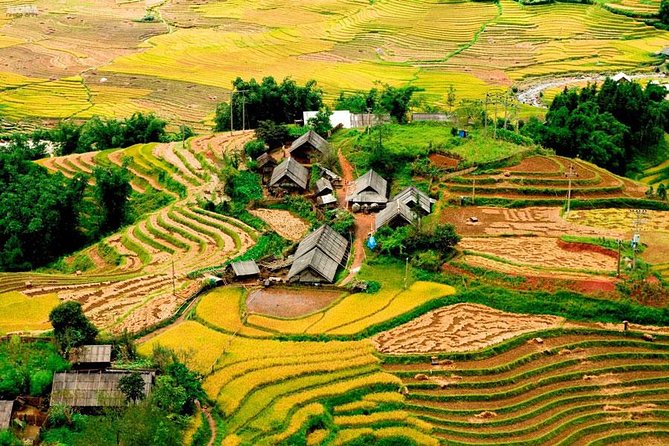
Sapa’s best moments happen away from the town center, where steep paths lead through rice terraces, bamboo forest, and Hmong, Tay, and Dao villages. This two-day homestay trip gives you that rural setting, plus time to cook dinner with a local family rather than simply photograph village life from a roadside stop.
I like the family meal in Ta Van and the chance to help with garden vegetables and cooking. I also like the local guides, including Mama Zuzu, Mama Linh, and Cat Mimi, who explain family customs and rural routines as you walk. The catch is clear: this is a demanding trek, not a gentle countryside stroll, and wet paths can be slippery.
In This Review
- Key points to know before booking
- Leaving Hanoi for the Hoang Lien Son Mountains
- Sapa town gives you a short pause
- Trekking toward Ta Van village
- Cooking dinner with a Tay family
- What the homestay is really like
- Morning routines and the second walk
- Weather, views, and the best season to go
- Is $70 a fair price?
- Who will enjoy this Sapa experience?
- Should you book it?
- FAQ
- Where does the tour start in Hanoi?
- How long is the bus journey from Hanoi to Sapa?
- Where do I stay overnight?
- Are meals included?
- How difficult is the trekking?
- What happens if bad weather cancels the experience?
Key points to know before booking
- The trekking is serious: Some walks cover more than 10 kilometers over steep, muddy paths.
- You sleep in a real family home: The homestay is clean and comfortable, but simple, with shared bathroom and shower facilities.
- Dinner is part of the experience: You can help pick vegetables and prepare local dishes with your host family.
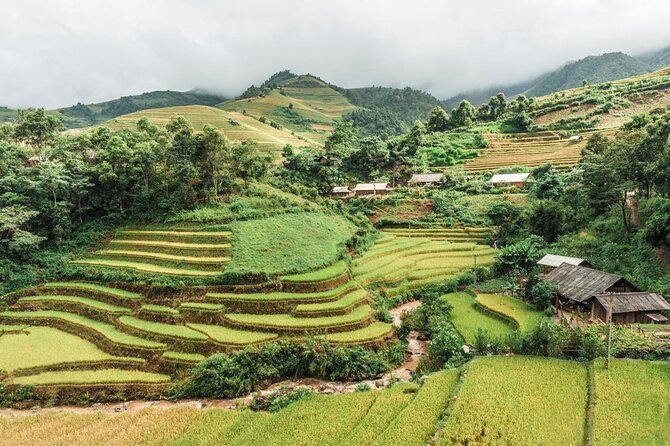
- The scenery changes with weather: Fog and rain can hide the rice terraces, especially in February.
- Hanoi transport takes time: The sleeper bus ride lasts roughly six to eight hours each way.
- The group can be small: The maximum is 15 people, and some departures have been much smaller.
Leaving Hanoi for the Hoang Lien Son Mountains
Your day begins early, with a 6:30 a.m. meeting time at 204 Tran Quang Khai Street. The bus staff identify your group and take you to the air-conditioned sleeper bus bound for Sapa.
The ride is long. The stated travel time is about six hours, though one account describes closer to eight hours. That difference matters if you have tightly packed plans in Hanoi or Sapa. The sleeper bus is designed for rest, and several people found it comfortable enough to sleep, but you should still treat this as a full travel day rather than a quick transfer.
Pickup and drop-off cover the Hanoi Old Quarter, but not every address in the city. The return bus drops you at 30 Ly Thai To Street, where you make your own way back to your hotel. If you stay outside the Old Quarter, you will need to arrange your own connection.
The transport cost is included in the $70 price, along with air-conditioning and return service. For a short trip from Hanoi, that makes the package good value, especially since it also covers meals, guiding, accommodation, trekking, and entrance fees. The tradeoff is that you spend a large part of both days on the road.
More Hanoi trips worth a second look
- Sapa 2 Days 1 Night From Hanoi – Overnight in Ta Van Village
★ 5.0 · 2,669 reviews - Hanoi Motorbike Tours Led By Women: Hanoi By Night Foodie Motorbike Tours
★ 5.0 · 1,734 reviews - From Hanoi: Ha Long – Bai Tu Long Bay 2-Day 1-Night Cruise
★ 4.6 · 1,113 reviews
Sapa town gives you a short pause
The bus reaches Sapa at about 12:45 p.m. Your local guide meets you there and starts the countryside portion of the experience.
The schedule allows some free time in Sapa for shopping or sightseeing. That is useful because the village walk is the main event, but Sapa town gives you a chance to see the busy mountain center before heading into quieter communities. Do not expect hours of free time, though. The first trek begins the same day, and the route to the homestay can take around three to four hours.
Sapa is also where you should make any last-minute adjustments. Check your shoes, refill water if needed, and keep your rain layer accessible. The weather can shift quickly. Fog may roll in and cover the rice terraces, while rain can turn a firm trail into slick mud.
Trekking toward Ta Van village
The first walk takes you through the Hoang Lien Son Mountains and village areas associated with Hmong, Tay, and Dao communities. The appeal is not one grand monument. It is the steady change in scenery: terraces, footpaths, village homes, animals, bamboo forest, and people moving through the countryside as part of daily life.
You walk with a local host guide rather than following a large tour leader with a flag. Mama Zuzu is one of the hosts connected with this experience, while Mama Linh and Cat Mimi have also guided departures. Cat Mimi, described as Mama Zuzu’s daughter, has explained family traditions, local routines, and village life while walking.
That local connection changes the pace. You can stop for photographs, ask questions, and learn about the places you pass without turning the walk into a formal lecture. The guides also keep an eye on the group’s safety, which matters on steep sections.
The route is challenging in places. Some people cover more than 10 kilometers across the two days, with frequent climbs and descents. One route took about four hours from Sapa to the homestay. Slippery sections are possible, and cloud cover may lead the guide to choose a different uphill route.
You need proper hiking shoes with good grip. Trainers with smooth soles are a poor choice in wet conditions. Long trousers can help on rough paths, and a change of clothes is practical because the walk can leave you sweaty. Pack a light waterproof layer and something warm for the evening. The mountains can feel cold after sunset, even when the walk was warm.
Cooking dinner with a Tay family
By late afternoon or evening, you reach the guide’s family home in Ta Van village. The welcome is personal and informal. You are treated as part of the household, not placed in a separate tourist dining room.
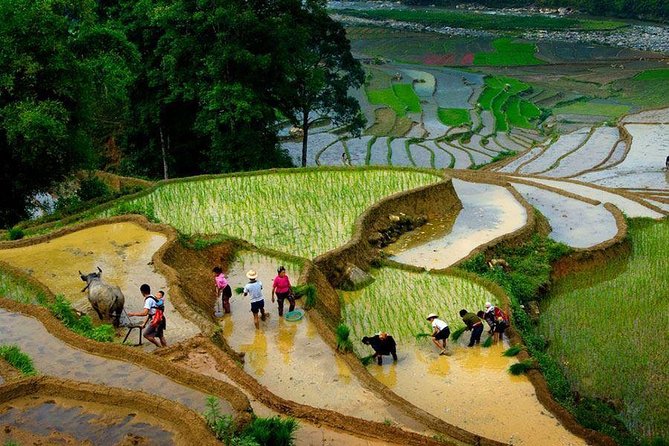
You can help pick vegetables from the garden and prepare dinner with the family. This is one of the strongest parts of the trip because the food is connected to the place and the people hosting you. Meals include local dishes, and dinner is prepared by the guide’s family.
The evening may include shared drinks, local homemade rice wine, cold beer, or karaoke with other people at the homestay. These are optional social moments, but they add warmth to an otherwise simple rural stay. You can also meet members of the wider family and ask about traditions and everyday work.
The food has been a major strength of this experience. Breakfast and dinner are included, as are two lunches according to the inclusions. Drinks are not always covered, so budget a little extra for beverages. The supplied details also exclude personal spending and tips.
A different kind of day out, same stretch of Vietnam:
- Hanoi Jeep Tour: Food, Culture and Fun by Vietnam Army Jeep
★ 5.0 · 15,222 reviews - Full-Day Ninh Binh Highlights Tour from Hanoi
★ 5.0 · 7,761 reviews - Hanoi: Ha Long Bay Day Cruise – Swimming, Meal, Kayaking
★ 4.7 · 7,415 reviews - Hanoi: Water Puppet Show Tickets
★ 4.6 · 7,029 reviews
What the homestay is really like
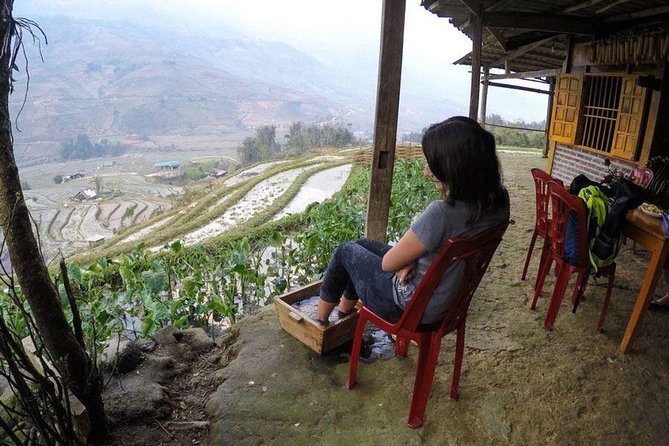
The accommodation is a local house, not a hotel dressed up as a village experience. That distinction is important.
The sleeping room is reported to be clean, with a comfortable bed. The toilet and shower facilities are shared, but they have been described as clean and well kept. The facilities remain basic, and one account called the comfort very modest. You should expect a rural home with practical conveniences, not a private bathroom, resort service, or polished guesthouse.
For many people, that simplicity is the point. You hear and see more of family life, and you are closer to the routines the trip is meant to show you. Still, you should be comfortable giving up hotel privacy for one night.
The house can also feel cold at night. A Japanese-language account specifically advised older people to bring proper warm clothing. The operator does not recommend the activity for people over 60 or for anyone with physical difficulties. That warning is worth taking seriously rather than treating it as boilerplate.
Morning routines and the second walk
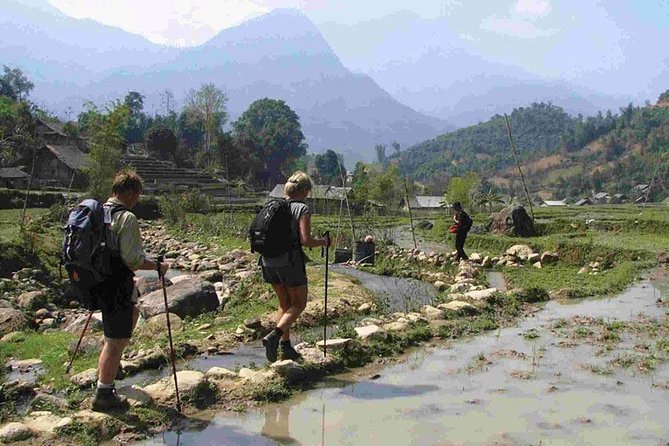
On the second morning, you can wake early and watch the household begin its day. The family prepares breakfast, and you eat together before setting out again.
The second trek continues through village scenery, terrace fields, and bamboo forest. This is not simply a return walk along the same road. You get more time on foot and another chance to see how the mountain communities connect with their surroundings.
The route can still be strenuous. Mud, steep slopes, and changing weather remain part of the deal. A guide may adjust the route if conditions make a planned section unsafe. One departure finished with a short scooter ride back toward Sapa, described as scenic and enjoyable, though that should not be treated as guaranteed for every departure.
The second day gives you the clearest sense of the trip’s purpose. You are not just being driven to a photo stop. You are walking between communities, spending time with a family, and seeing how farming, cooking, transport, and hospitality fit together.
Weather, views, and the best season to go
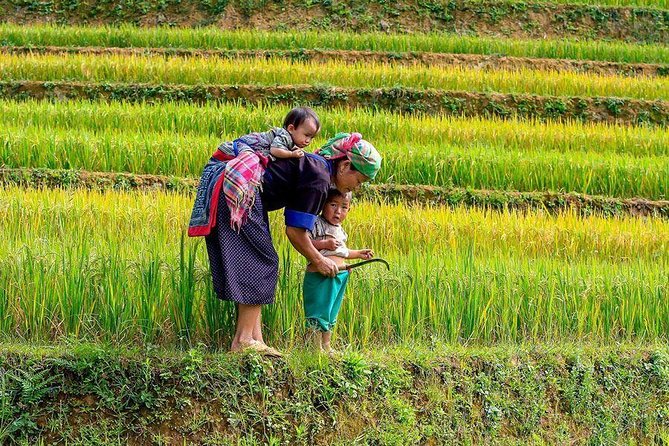
Weather will shape this experience more than any fixed schedule. Clear conditions bring wider views across the terraces and mountains. Fog can make the scenery mysterious but also hides the views. Rain increases the physical difficulty and makes the paths slippery.
February may be a poor choice if your main goal is to see green rice terraces. One account specifically noted bad weather and limited views of the fields during that month. The activity requires good weather, and if the operator cancels because of conditions, you are offered another date or a full refund.
Even in good weather, conditions can change quickly. Bring layers rather than relying on a single warm jacket. Keep electronics in a waterproof bag, and pack spare socks. Those small preparations make the difference between enjoying the muddy path and spending the evening trying to dry out.
Is $70 a fair price?
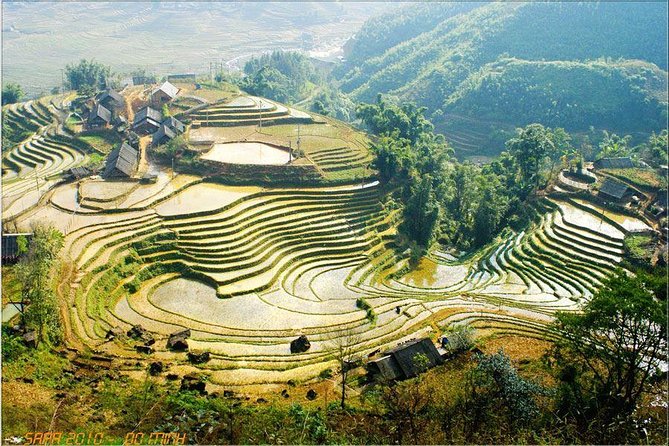
At $70 per person, this is strong value if you want transport and a full overnight experience handled in one booking. The price includes return sleeper bus travel from Hanoi, a local English-speaking guide, accommodation, breakfast, dinner, two lunches, entrance fees, and the trekking program.
The value is less compelling if you want a relaxed Sapa visit. You spend many hours on the bus, and the walking is hard. You also give up the comfort and privacy of a conventional hotel.
I would compare this price with the cost of arranging separate Hanoi to Sapa transport, a guide, meals, and a homestay. The package saves planning time and puts you with a local host who can explain the area. It is especially useful for a short Vietnam trip when you want a rural experience without organizing every piece yourself.
The maximum group size is 15, though some departures have been as small as a handful of people. That makes the experience more personal than a large coach excursion, but you should not assume every date will be private. The description uses private-experience language, while the transport and group limit point to a small shared departure.
Who will enjoy this Sapa experience?
You are a good match if you:
- Enjoy long walks on uneven mountain paths.
- Want a family-run homestay rather than a standard hotel.
- Like helping with cooking and eating local dishes.
- Can handle a long sleeper-bus journey from Hanoi.
- Want cultural contact that feels informal and practical.
- Are comfortable with changing weather and simple facilities.
You should think twice if you have knee, balance, or other physical difficulties. The operator does not recommend the trip for people over 60, and it is not suited to anyone looking for an easy walk. It is also a poor fit if your main priority is luxury accommodation, fixed weather, or lots of free time in Sapa town.
Bring hiking shoes, warm layers, rain protection, spare clothes, and money for drinks and personal expenses. Service animals are allowed, and the meeting point is near public transportation, but pickup outside Hanoi’s Old Quarter is not included.
You can cancel for a full refund up to 24 hours before the start time. Changes made inside that window are not accepted, so check the date carefully before you commit.
Should you book it?
Book this trip if you want Sapa through village paths, shared meals, and a family home rather than from a bus window. The strongest features are the welcoming hosts, the fresh home cooking, and the chance to learn from guides such as Mama Zuzu, Mama Linh, or Cat Mimi while walking through the countryside.
Do not book it expecting an easy weekend. The bus ride is long, the paths can be steep and muddy, and the homestay is comfortable but basic. For fit visitors who value genuine contact more than polished service, $70 buys a lot: two mountain walks, several meals, a local guide, one night with a family, and return transport from Hanoi.
FAQ
Where does the tour start in Hanoi?
The stated start time is 6:30 a.m. at 204 Tran Quang Khai Street. The meeting information also lists 30 P. Ly Thai To Street in the Old Quarter, so you should confirm the exact pickup point at booking.
How long is the bus journey from Hanoi to Sapa?
The bus ride takes about six hours according to the schedule, though it can be closer to eight hours depending on conditions and timing.
Where do I stay overnight?
You stay at the guide’s family home in Ta Van village. It is a local house with a clean sleeping room and shared toilet and shower facilities.
Are meals included?
Yes. Breakfast, dinner, and two lunches are included, along with local dishes. Drinks and meals not specifically mentioned are not included.
How difficult is the trekking?
The trekking can be strenuous, with steep and slippery sections. Across the two days, some people walk more than 10 kilometers. The operator does not recommend the experience for people over 60 or for anyone with physical difficulties.
What happens if bad weather cancels the experience?
If poor weather causes the operator to cancel, you are offered a different date or a full refund. You can also cancel for a full refund if you do so at least 24 hours before the start time.
Recently reviewed around Hanoi
- Female Riders Vespa Night Street Food + Train Street food 4 Hours★ 5.0 · 35 reviews
- Beautiful Female Riders Vespa Red River Countryside Tour 5 Hours★ 5.0 · 23 reviews
- Red River Delta Countryside+ Rural Villages, rice Paddies fields★ 5.0 · 134 reviews
- The insider’s Hanoi 4.5 hours All highlight Places & Train Street★ 5.0 · 41 reviews
- The insider’s Hanoi + Train Street 4,5 Hours Female Ao Dai Riders★ 5.0 · 53 reviews
- Street Foods Hanoi Kim Tours Vietnam★ 5.0 · 140 reviews
- Hanoi Jeep Tour – Ba Vi National Park Full Day Tour★ 5.0 · 21 reviews
- Ninh Binh Full Day Tour from Hanoi to Hoa Lu, Trang An & Mua Cave★ 5.0 · 31 reviews
Evening Experiences, compared.
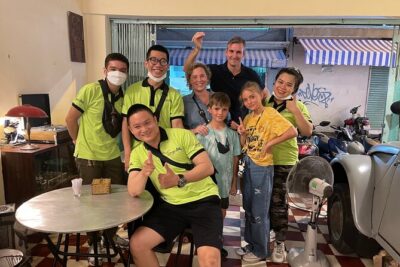
Saigon By Night and Street Food By Motorbike | Opt: Ao Dai Riders
Read our review →
Private Street Food Evening Walking Tour in Ho Chi Minh City
Read our review →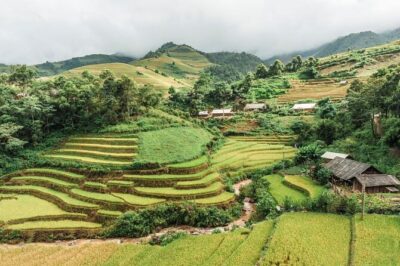
Sapa 2 Days 1 Night From Hanoi – Overnight in Ta Van Village
Read our review →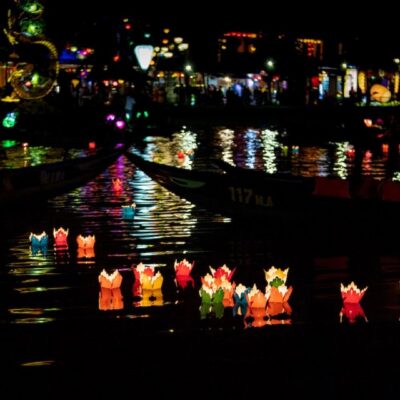
Hoai River Boat Trip by Night and Floating Lantern
Read our review →
Hanoi Motorbike Tours Led By Women: Hanoi By Night Foodie Motorbike Tours
Read our review →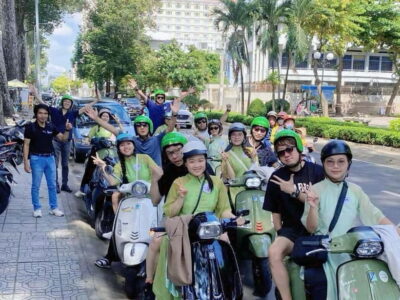
Day-Night Sights & Local Food Tour l Female Option
Read our review →
Ho Chi Minh Night Tour by Motorbikes with Female Rider | KissTour
Read our review →
Browse the lists this tour appears in