
Reviewed · 2-DAY EXPERIENCES
From Hanoi: Premium 2-Day Sapa Adventure with DCAR Limousine
Sapa’s best moments come on foot, among rice terraces and mountain villages rather than from the town center. This two-day trip gives you that choice: a more active route through Y Linh Ho, Lao Chai, and Ta Van, or a hotel-based plan with Cat Cat Village and optional Fansipan.
I like the comfortable DCAR limousine, with Wi-Fi, bottled water, and rest stops, and I like the small group limit of nine people. The local village guides add useful cultural context, especially around Hmong and Red Dao life. The catch is time: you spend many hours on the road, and the walking can feel short if you want a serious mountain trek.
In This Review
- Key points at a glance
- What this Sapa tour is really offering
- The DCAR ride from Hanoi to Sapa
- Route one: Ta Van homestay and the longer village walk
- Day two in Giang Ta Chai and the Red Dao villages
- Route two: Cat Cat Village and a central Sapa hotel
- Fansipan: a useful option with two warnings
- Accommodation choices: comfort versus local setting
- How the guiding and group setup affect the day
- Weather, footwear, and the reality of the trails
- Is $109 good value?
- Who should book this two-day Sapa adventure?
- FAQ
- Where does pickup take place?
- How large is the tour group?
- Is the Hanoi to Sapa transfer guided?
- What accommodation options are available?
- Is dinner included?
- Is the Fansipan cable car included?
- What happens if weather or traffic changes the plan?
Key points at a glance
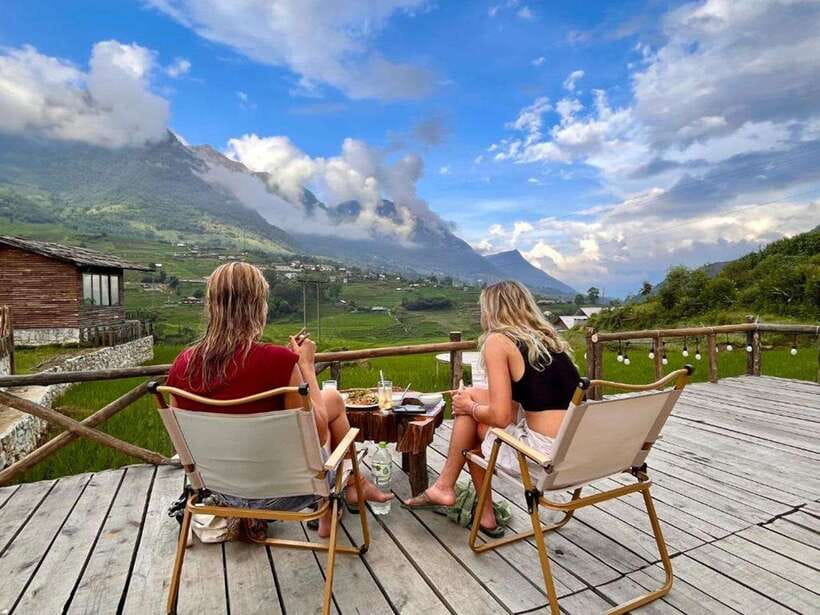
- Two distinct Sapa programs: Choose a homestay or bungalow outside town for longer village walks, or a 3, 4, or 5-star hotel in central Sapa.
- A comfortable Hanoi transfer: The DCAR limousine includes bottled water, wet tissues, Wi-Fi, and two rest stops on the road.
- The strongest walking route: The homestay option links Y Linh Ho, Lao Chai, Ta Van, Ancient Rock Beach, Cau May, and Giang Ta Chai.
- Fansipan is optional: Cable-car admission costs extra, and poor weather or maintenance can prevent access.
- A small but structured group: The tour accepts up to nine participants, though the Hanoi to Sapa transfer has no guide.
- Dinner is your responsibility: Budget for an evening meal at your hotel or from Sapa’s street-food stalls.
What this Sapa tour is really offering
At $109 per person, this is a convenient two-day introduction to northern Vietnam’s mountain country. You get round-trip transport from Hanoi’s Old Quarter, one night of accommodation, an English-speaking guide for the local activities, two lunches, breakfast, drinking water, and entrance fees to the listed attractions.
The value depends heavily on the package you choose. The homestay or bungalow route gives you more village time and a closer look at local life. The central hotel route gives you a softer landing, easier access to Sapa town, and the choice of Cat Cat Village or Fansipan on the second day.
This is not a remote expedition. It is a tightly arranged weekend from Hanoi. That makes it useful if you have limited time, but the schedule leaves little room for wandering or changing plans.
The tour is rated 4.3 from 74 ratings, which fits the overall picture: transport and organization are strong, the accommodation can be very good, and the walking experience varies with weather, route, and expectations. If you want a polished way to see Sapa without arranging every transfer yourself, the price is reasonable. If you want a private guide and long, quiet hours on the trails, a custom trip may suit you better.
More Hanoi trips worth a second look
- Amanda Cruise – Ha Long, Lan Ha Bay – All Inclusive 2D1N & 3D2N
★ 5.0 · 4,358 reviews - Hanoi: 2-Day Halong & Lan Ha Bay 5-Star Cruise with Balcony
★ 4.8 · 3,300 reviews - Sapa 2 Days 1 Night From Hanoi – Overnight in Ta Van Village
★ 5.0 · 2,669 reviews
The DCAR ride from Hanoi to Sapa
Pickup takes place from hotels, hostels, or Airbnbs in Hanoi’s Old Quarter, generally between 6:30 and 6:45 in the morning. The stated departure window is 6:00 to 6:30, so confirm the exact time after booking and be ready early.
The DCAR limousine is one of the trip’s best features. It is described as a comfortable, upscale minibus with Wi-Fi, bottled water, and two rest stops. For a long road journey, those details matter. You can settle in without worrying about finding a bus station, and the rest stops break up the ride.
Do not expect a guide during the Hanoi to Sapa transfer. The road portion is simply transportation, and the local guide joins once you begin the Sapa activities. Seating and accommodation are assigned by the operator, so you do not control every detail of the ride.
You arrive in Sapa around lunchtime, eat at a local restaurant, and then follow the plan tied to your accommodation. Traffic, weather, and road conditions can change the order. The organizer says the main attractions will still be included, but exact timing may shift.
Route one: Ta Van homestay and the longer village walk

The homestay and bungalow program is designed for people who want to sleep outside central Sapa and spend more time walking through the Muong Hoa Valley. After lunch, you trek about 6 kilometers to Y Linh Ho, continue roughly 3 kilometers to Lao Chai, and then reach Ta Van Village.
That distance is listed as about 9 kilometers for the first day, followed by an 8-kilometer walk to Giang Ta Chai on day two. These are not casual town strolls. You need comfortable shoes, warm clothing, water, and rain protection. Mud can make the route harder after wet weather, especially around the rice fields.
Y Linh Ho and Lao Chai are valued for their open valley views, terraced fields, and mountain setting. The walk gives you a better sense of how villages connect across the hills. You will also see how much the experience depends on the season and weather. Clear skies can open up wide views, while fog and rain can reduce the outlook and make the paths slippery.
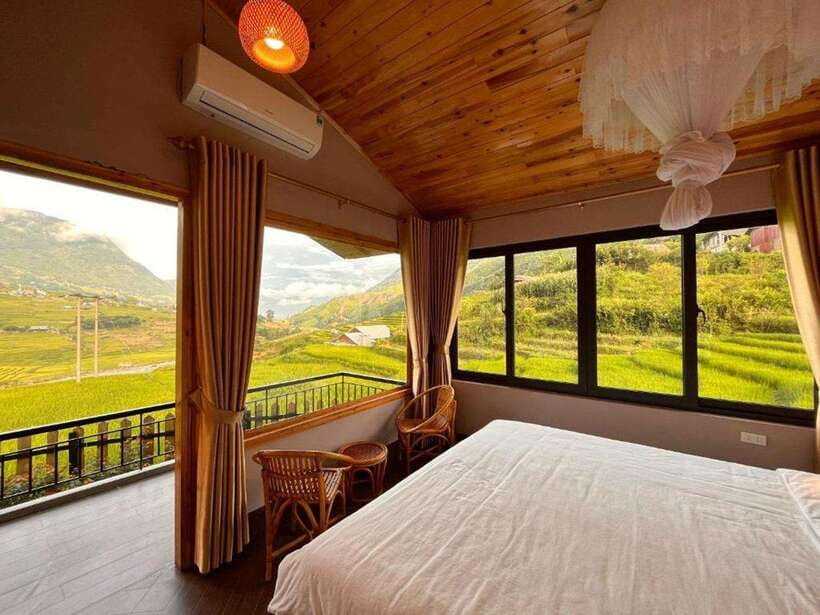
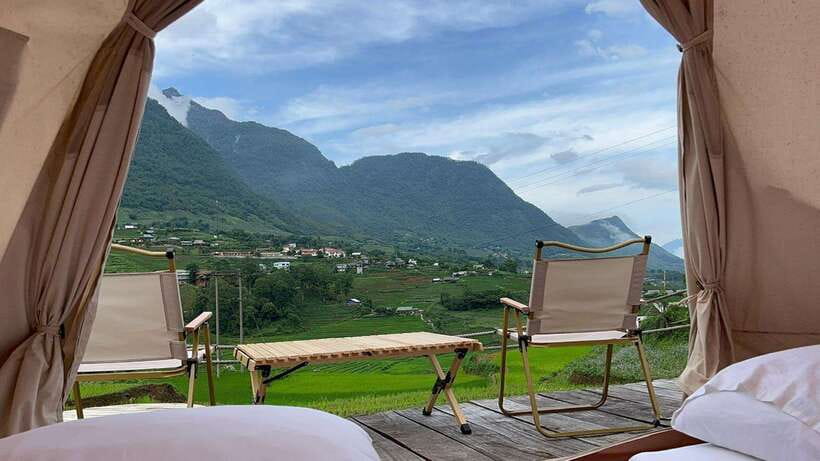
Ta Van is the overnight base. The route includes Ancient Rock Beach and Cau May, two named stops that add variety to the walk before check-in. The accommodation may be a homestay or bungalow rather than a central hotel, so expect a more rural setting and fewer town conveniences.
A cooking class follows check-in, with spring rolls as the featured dish. Dinner is not included, so ask how the evening meal works at your specific accommodation or plan to buy food nearby. The tour includes lunch and breakfast, but not dinner, snacks, or personal purchases.
This route is the better choice if your priority is terraced fields and village walking. It is also the more demanding option. The itinerary is packed, and you should not choose it if you need an easy-paced break or have mobility concerns.
Day two in Giang Ta Chai and the Red Dao villages
Breakfast comes at the homestay at 7:00. The group then walks about 8 kilometers to Giang Ta Chai, an area associated with Red Dao traditions.
This is where the trip’s cultural purpose becomes clearest. The route is not only about taking photographs of mountains and rice terraces. Your local guide can explain elements of village life and the traditions of the Red Dao community. The quality of that explanation matters, so the local guide is an important part of the day.
After the walk, you eat lunch at a local restaurant. Around 2:00 to 2:30 in the afternoon, the group returns to Sapa by car and begins the trip back to Hanoi. Arrival is expected around 9:00 to 9:30 at Tran Quang Khai or Ly Thai To Street.
That return is late. You may still need a taxi or a short walk to your accommodation, depending on where you are staying. Do not book a fixed evening activity in Hanoi unless it can be changed easily.
A different kind of day out, same stretch of Vietnam:
- Hanoi Jeep Tour: Food, Culture and Fun by Vietnam Army Jeep
★ 5.0 · 15,222 reviews - Full-Day Ninh Binh Highlights Tour from Hanoi
★ 5.0 · 7,761 reviews - Hanoi: Ha Long Bay Day Cruise – Swimming, Meal, Kayaking
★ 4.7 · 7,415 reviews - Hanoi: Water Puppet Show Tickets
★ 4.6 · 7,029 reviews
Route two: Cat Cat Village and a central Sapa hotel
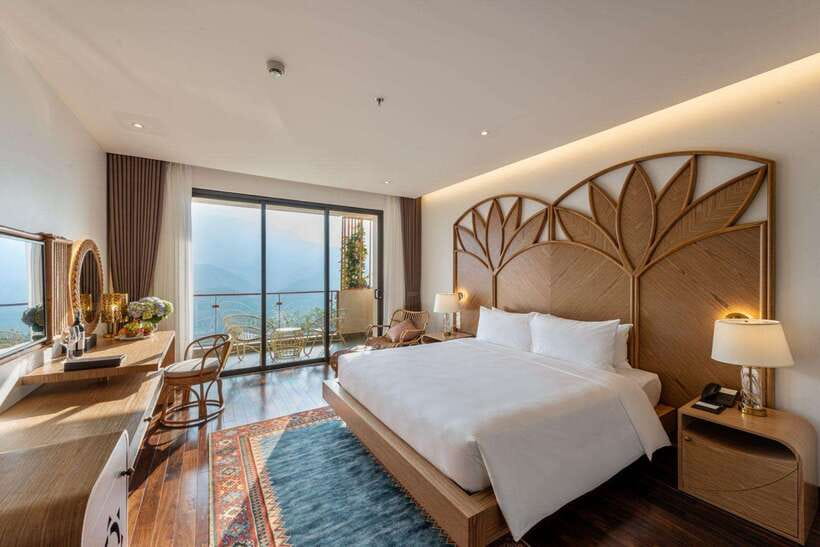
The hotel program works differently. You stay in a 3-star, 4-star, or 5-star hotel in central Sapa, rather than at a homestay or bungalow outside town.
After lunch and hotel check-in on day one, you visit Cat Cat Village. The walk focuses on Hmong culture, Cat Cat Waterfall, and a French-built hydroelectric plant. Cat Cat is close to Sapa and easier to reach than the farther valley villages, making it a practical first outing after the long ride from Hanoi.
There is a tradeoff. Cat Cat is a popular attraction, and the walk can feel more arranged and less rural than the Ta Van route. One reported experience found the guided walk longer than necessary and short on explanation while walking, with most information coming near the end. I would choose this option for convenience, not for the quietest village experience.
Dinner is again self-arranged. Central Sapa gives you more choice than a rural homestay, and you can eat at the hotel or seek out street food. That flexibility is useful, but remember to add the meal to your budget.
Your second day offers two choices. You can take the cable car toward Fansipan Peak, or walk through Y Linh Ho, Lao Chai, and Ta Van. The village route is the better match for someone who wants walking and cultural contact. Fansipan is the stronger choice for high mountain views, if the weather cooperates.
Fansipan: a useful option with two warnings
Fansipan is Vietnam’s highest mountain, but this tour does not include the cable-car ticket. You pay that cost separately, and the hotel or organizer may help arrange tickets and transport to the cable-car station.
There are two practical risks. Fansipan is sometimes closed for safety maintenance, and fog or cloud can hide the views even when the cable car operates. In poor weather, you may spend extra money for a summit experience with limited visibility.
If you choose Fansipan, keep your expectations flexible. On a clear day, the high viewpoint can be the highlight of a short Sapa visit. On a cloudy day, the village walk may give you a more satisfying sense of the area.
The itinerary says Fansipan may not be accessible because of maintenance. That is not a minor footnote, so check conditions before departure and ask what alternative plan will be used if access is unavailable.
Accommodation choices: comfort versus local setting
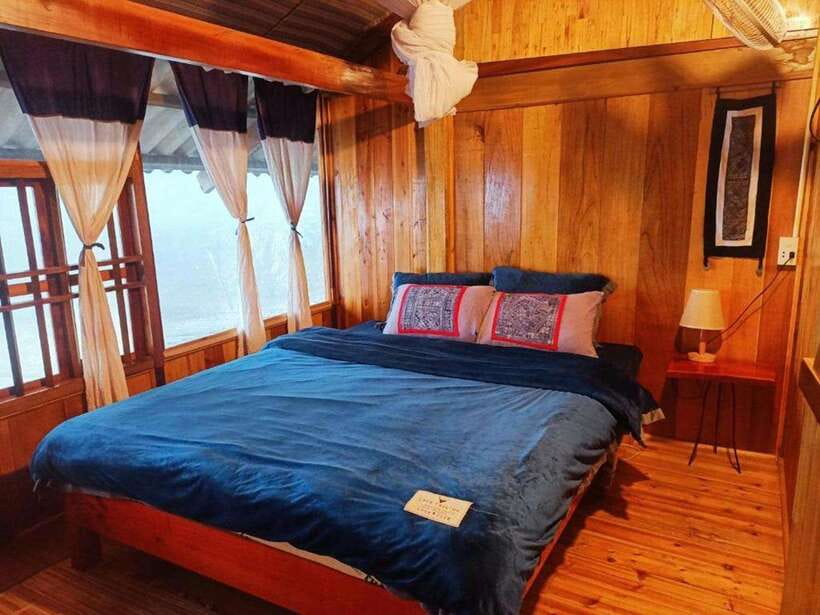
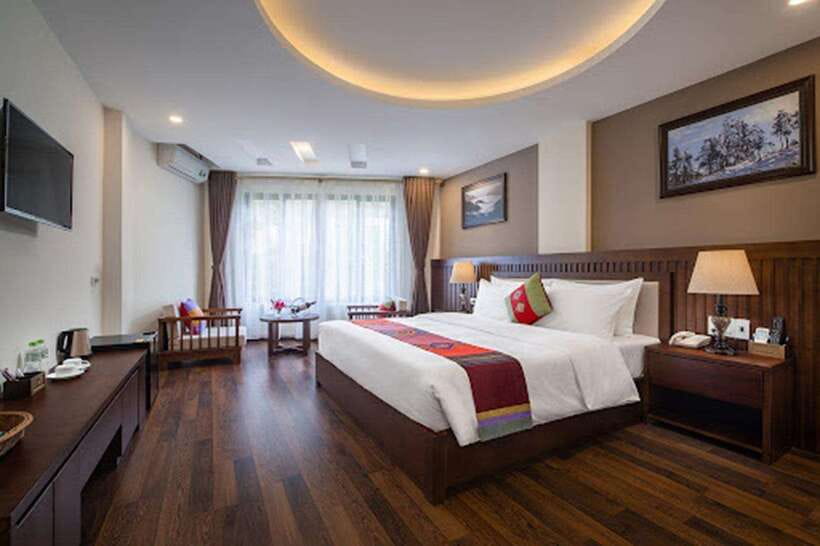
The 3-star, 4-star, and 5-star choices are aimed at different kinds of trips. A central hotel gives you a proper room, town access, and an easier evening after the long transfer. The homestay or bungalow option gives you a rural base near Ta Van and puts you closer to the walking route.
The exact property depends on the selected package. The 3-star arrangement may use Unique Hotel Sapa, while the 5-star option may use KK Sapa Hotel. These examples should not be treated as guaranteed properties, so confirm the hotel name and room details before paying.
A single room supplement is mandatory for solo travelers. Accommodation and limousine seating are assigned by the organizer, which is common on a combined small-group tour but worth knowing if you care about room type or seating position.
The hotel upgrade can be good value if you want comfort for one night, but it does not necessarily improve the walking program. In fact, the homestay option may be the better buy if the main reason you are going to Sapa is the valley trek.
How the guiding and group setup affect the day
The group is limited to nine people, a useful size for narrow paths and village visits. It is small enough to feel more manageable than a large coach group, though it is not a private tour.
This is a combined tour with two different local routes, so you should expect two different guides. The guide leading the Hmong or Red Dao village walk is from the local area and can provide useful details about community life. The experience is strongest when you ask questions and make clear that you want cultural information, not just directions along the path.
The transfer from Hanoi and back has no tour guide. Once you reach Sapa, the local program takes over. This division keeps the transport efficient, but it also means you should not expect a single escort to manage every part of the trip.
One past experience found the logistics well handled, while another felt the Cat Cat guide offered too little explanation during the walk. That tells you what to watch for: the organization is likely to be stronger than the interpretive guiding on every route. Ask questions, and choose the village trek if cultural explanation is a priority.
Weather, footwear, and the reality of the trails
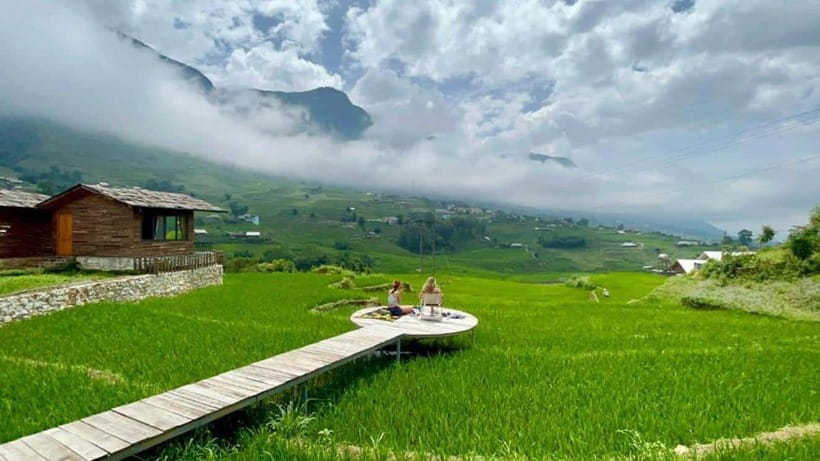
Sapa’s views are weather-dependent. Cloud, fog, and rain can appear quickly, and wet paths around the rice terraces may become muddy. You should bring sturdy, comfortable shoes, warm layers, a camera, snacks, water, and rain gear.
The itinerary includes bottled drinking water, but extra snacks are not provided. Pack something for the road and for the walking sections, especially if you prefer not to rely on the scheduled meal stops.
The homestay route lists substantial distances, but one experience described a trek from Sapa to Lao Chai as closer to 5 kilometers and more like a simple walk. Route details can vary with the selected package, conditions, and the guide’s choices. If you want a strenuous hike, ask for the expected walking distance and terrain before departure.
This trip is not suitable for pregnant women, people with back problems, or wheelchair users. It also does not allow smoking. Those restrictions make sense given the long road transfer and uneven mountain paths.
Is $109 good value?
The $109 starting price covers a great deal for a two-day trip from Hanoi. Round-trip limousine transport alone removes a major planning headache, and the package also includes one night, breakfast, two lunches, local guiding, water, tissues, and attraction admission.
The figure is less complete than it first appears. You still pay for dinner, personal spending, Fansipan’s cable car if you choose it, a single room supplement when required, and holiday surcharges. The listed surcharges are 500,000 VND for the 3-star option, 850,000 VND for 4-star, and 1,200,000 VND for 5-star dates.
Those holiday fees apply to the listed periods, including January 1 to 3, April 29 to May 2, September 2, and December 31 to January 1, 2026. Confirm the current dates and charges before booking, especially if your visit falls around a major holiday.
For a first visit, I consider the price fair if you value convenience and want a compact introduction. The package saves you from arranging Hanoi transport, Sapa accommodation, village transfers, and a guide separately. It is weaker value for someone who wants a slow, private, or highly customized mountain trip.
Who should book this two-day Sapa adventure?
I would recommend it to a first-time visitor with only two days, a base in Hanoi’s Old Quarter, and a preference for organized transport. The small group, comfortable limousine, and included meals make the trip easier than building the same plan from scratch.
Choose the homestay or bungalow route if you want the strongest connection to Ta Van, Lao Chai, Giang Ta Chai, and the Muong Hoa Valley. Choose the central hotel route if you want more comfort, easier access to Sapa town, Cat Cat Village, and the option to try Fansipan.
I would hesitate if you dislike long transfers, need a slow pace, or want a private guide who can adjust every walking hour. The Hanoi to Sapa journey takes much of both days, and the return to Hanoi around 9:00 to 9:30 at night can be tiring.
Free cancellation up to 24 hours before departure and reserve-now, pay-later booking add flexibility. Still, the real booking decision is the route choice. For rice terraces and village life, pick the homestay trek. For comfort and a more compact plan, pick the central hotel.
FAQ
Where does pickup take place?
Pickup is included from hotels, hostels, or Airbnbs in Hanoi’s Old Quarter. Pickup generally takes place between 6:30 and 6:45 in the morning.
How large is the tour group?
The tour is a small-group experience limited to nine participants.
Is the Hanoi to Sapa transfer guided?
No. The transfer between Hanoi and Sapa is provided without a tour guide. Local English-speaking guides lead the activities in Sapa.
What accommodation options are available?
You can choose a homestay or bungalow outside central Sapa, or select a 3-star, 4-star, or 5-star hotel in central Sapa.
Is dinner included?
No. Dinner is self-arranged. You can eat at the hotel or find street food in Sapa.
Is the Fansipan cable car included?
No. The Fansipan cable-car ticket is not included. Fansipan may also be inaccessible during safety maintenance or because of conditions.
What happens if weather or traffic changes the plan?
The tour order may change because of weather, traffic, or other unexpected conditions. The organizer states that the included attractions will still be covered.
Recently reviewed around Hanoi
- Female Riders Vespa Night Street Food + Train Street food 4 Hours★ 5.0 · 35 reviews
- Beautiful Female Riders Vespa Red River Countryside Tour 5 Hours★ 5.0 · 23 reviews
- Red River Delta Countryside+ Rural Villages, rice Paddies fields★ 5.0 · 134 reviews
- The insider’s Hanoi 4.5 hours All highlight Places & Train Street★ 5.0 · 41 reviews
- The insider’s Hanoi + Train Street 4,5 Hours Female Ao Dai Riders★ 5.0 · 53 reviews
- Street Foods Hanoi Kim Tours Vietnam★ 5.0 · 140 reviews
- Hanoi Jeep Tour – Ba Vi National Park Full Day Tour★ 5.0 · 21 reviews
- Ninh Binh Full Day Tour from Hanoi to Hoa Lu, Trang An & Mua Cave★ 5.0 · 31 reviews
2-Day Experiences, compared.

Amanda Cruise – Ha Long, Lan Ha Bay – All Inclusive 2D1N & 3D2N
Read our review →
Lan Ha – Ha Long Bay – Dau Be island 2D/1N from Cat Ba in less touristy areas.
Read our review →
2-Day Halong & Lan Ha Bay 5-Star Cruise with Balcony
Read our review →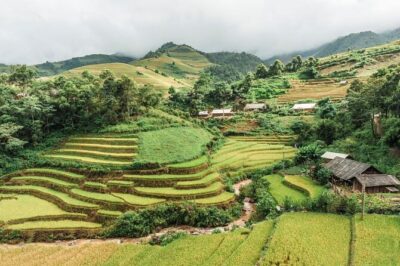
Sapa 2 Days 1 Night From Hanoi – Overnight in Ta Van Village
Read our review →
Mon Chéri Cruise 5 star: Unique 2 Days Tuan Chau – Halong bay – Lan Ha Bay
Read our review →
Doris Cruise 5 star cruise 2 days visiting Halong Bay Lan Ha Bay private balcony
Read our review →
CozyBay Cruise-The Best Small Group 2D/1N inHalong-All inclusive
Read our review →