
Reviewed · HA GIANG LOOP TOURS
From Hanoi: Ha Giang Loop 3-Day Self-Driving Motorbike Tour
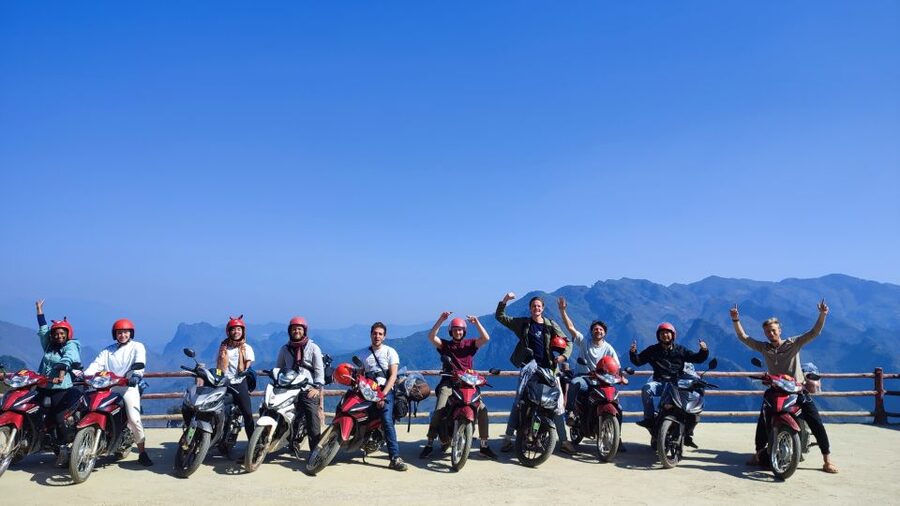
The best part of this Ha Giang Loop tour is the road itself. Over roughly 350 kilometers, you climb narrow mountain passes, roll past rice fields and Hmong villages, and stop often for views that are hard to reach by ordinary bus. The Nho Que River boat trip and a swim at Du Gia Waterfall add welcome breaks from the saddle.
I like the small group, limited to 15 people, and the practical setup: transport from Hanoi, a motorbike with fuel, accommodation, meals, and an English-speaking guide are included. I also like the choice between self-driving and riding with an easy rider. The main drawback is the pace. Three days means long hours on a motorbike, a night bus each way, and basic accommodation.
In This Review
- Key points to know before booking
- Why the Ha Giang Loop is worth three demanding days
- Getting from Hanoi to Ha Giang overnight
- Day 1: Bac Sum Pass, Heaven Gate, and Dong Van
- Day 2: Ma Pi Leng Pass and the Nho Que River
- Day 3: Du Gia Waterfall and the ride back
- Self-driving, easy riders, and road safety
- Food, rooms, and group atmosphere
- What to pack for the 350-kilometer ride
- Who should book this tour?
- Should you book the Ha Giang Loop?
- FAQ
- How long is the Ha Giang Loop tour?
- How far do you ride?
- Is hotel pickup included in Hanoi?
- Can I drive my own motorbike?
- Is an international motorbike license required?
- What accommodation is included?
- What meals are included?
- What are the main stops?
Key points to know before booking
- 350 kilometers of mountain roads: This is a proper road trip, not a gentle sightseeing outing.
- Self-drive or easy rider: Confident motorbike users can ride themselves, while an easy rider can handle the bike for you.
- Ma Pi Leng and Nho Que River: The second day pairs the loop’s most famous pass with a river boat trip.
- Simple but social nights: Stay in a Dong Van hotel and a Du Gia homestay, with local food and group time.
- Sleeper buses from Hanoi: The overnight journey saves daytime hours but may not suit light sleepers.
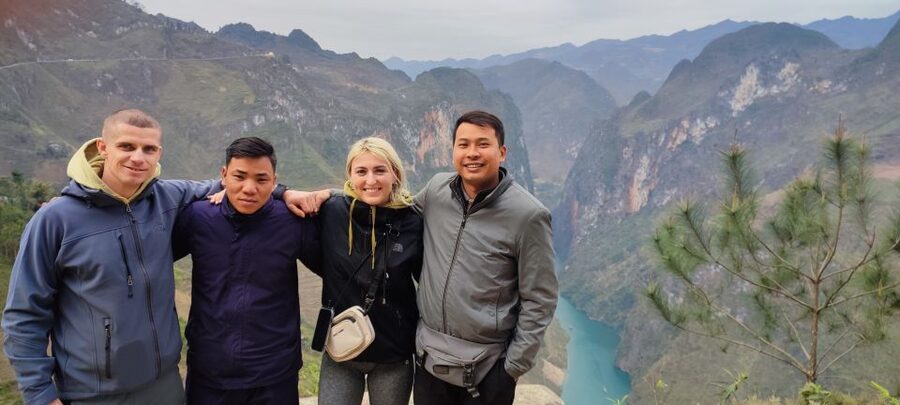
- Strong guide support: Guides named in tour feedback include Linh, Lo, Tom, Happy, Dai, Ha, and Dany, though your assigned guide can vary.
Why the Ha Giang Loop is worth three demanding days
Northern Vietnam’s Ha Giang region is made for slow travel. Roads curl around limestone peaks, pass through high valleys, and link small towns where daily life still feels closely tied to farming and local markets. A motorbike gives you the right scale for the area. You can stop for a photograph, take in a bend in the road, and move on without being sealed inside a large coach.
This trip is not only about viewpoints. You pass through areas associated with Hmong culture, visit the Hmong King’s Palace, eat simple Vietnamese meals, and spend a night in Du Gia among rice fields. That mix gives the route more meaning than a string of scenic stops.
The price is $187 per person. For that sum, you receive Hanoi to Ha Giang and return by sleeper bus, a motorbike with fuel, a guide, three breakfasts, three lunches, two dinners, one hotel night, one homestay night, entrance fees, and the Nho Que River boat ride. Drinks and personal expenses are extra.
That is strong value if you would otherwise arrange several transfers, hire a bike, find accommodation, and pay for meals and attractions separately. The value is less clear if you want private rooms, a luxury bus, or plenty of free time. You can ask the operator about upgrading the sleeper bus to a VIP or luxury service. Several people found the VIP bus more comfortable and considered it worth the added cost.
More Hanoi trips worth a second look
- Amanda Cruise – Ha Long, Lan Ha Bay – All Inclusive 2D1N & 3D2N
★ 5.0 · 4,358 reviews - Hanoi: 3-Day Ninh Binh, Ha Long, & Lan Ha Bay 5-Star Cruise
★ 4.8 · 1,401 reviews - Mon Chéri Cruises 5 star: Amazing 3 days exploring Halong & Cat Ba island
★ 5.0 · 1,280 reviews
Getting from Hanoi to Ha Giang overnight
Pickup from hotels and hostels in Hanoi’s Old Quarter is scheduled between 7:30 and 8 PM. A shuttle takes you to the bus station, where you board a sleeper bus at about 8:30 PM. The ride usually takes seven to eight hours.
If you stay outside the Old Quarter, you need to reach Chestnut Travel’s office at 6th floor, 95H Ly Nam De Street, Hoan Kiem. This is worth sorting out before departure. You do not want to begin a three-day road trip by rushing across Hanoi with luggage.
You arrive in Ha Giang around 3:30 AM, check into a hostel, and rest for a few hours. That early arrival is useful because it avoids spending the first morning on the road, but your sleep may be broken. Pack earplugs, a light layer, and only a small bag for the loop.
Large suitcases and nonessential belongings can be stored at a hostel in Ha Giang City. Bring a compact backpack with clothes, toiletries, a phone, sunscreen, and any medicine you need on the road.
Day 1: Bac Sum Pass, Heaven Gate, and Dong Van
After meeting the guide at about 8:30 AM, you begin with Bac Sum Pass. This first climb gives you an immediate taste of the route: winding roads, steep hills, and open views across the northern highlands. If you are self-driving, this is when you start learning the group’s pace and road habits.
At around 10 AM, the route reaches Heaven Gate. From here, you look over the twin mountains and toward Tam Son town. The stop is a useful early viewpoint, but do not treat it as the day’s main event. The scenery keeps changing as you ride.
Lunch comes in Yen Minh Town at noon. Meals are included, though the food is simple local cuisine rather than restaurant dining aimed at foreign tastes. That is part of the deal. Expect shared dishes and straightforward Vietnamese cooking, with drinks paid separately.
The afternoon continues toward Dong Van over Chin Khoanh Pass. This section brings more bends, climbs, and open views across the Dong Van Karst Plateau. The road demands attention, especially if you have limited motorbike experience. Guides make frequent photo and drink stops, which helps break up the riding.
At about 4 PM, you visit the Hmong King’s Palace in Sa Phin. This is one of the trip’s most useful cultural stops. It gives context to the Hmong royal family and local power structures, so the people and villages you pass feel less like scenery and more like part of a living region.
You reach Dong Van around 6 PM. Dinner is included, and the evening may include local music. After a full day on the bike, the social side of the tour matters. Groups often eat together, play music, and share a few drinks. If you prefer quiet evenings, you can step back from the group without needing to join every activity.
Your first night on the loop is in a hotel in Dong Van. Facilities are basic, but this stop is more comfortable than the bus night and gives you a proper chance to rest.
Day 2: Ma Pi Leng Pass and the Nho Que River
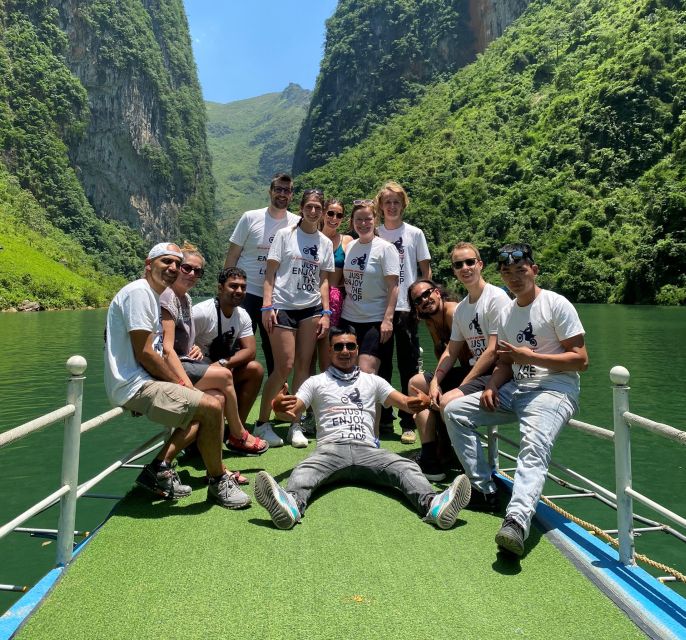
Day two is the visual high point for many people. You leave Dong Van after breakfast at 8 AM and head toward Ma Pi Leng Pass, one of the best-known roads in the region.
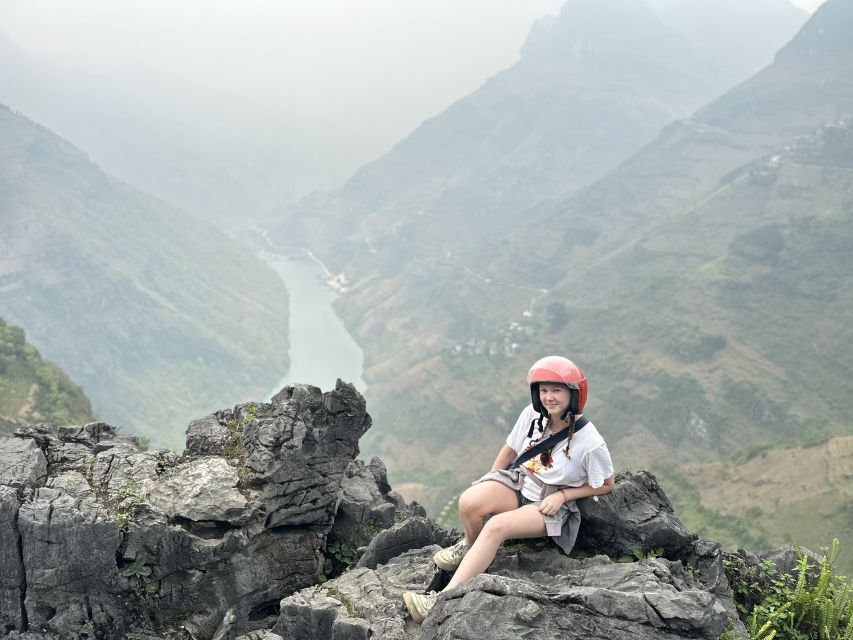
The pass is famous for its steep mountain setting and views over the Nho Que River far below. A short trek along the Sky Path provides a better outlook than simply stopping beside the road. Bring sturdy shoes and keep your camera secure, but remember that the trip still involves a full day of riding after this walk.
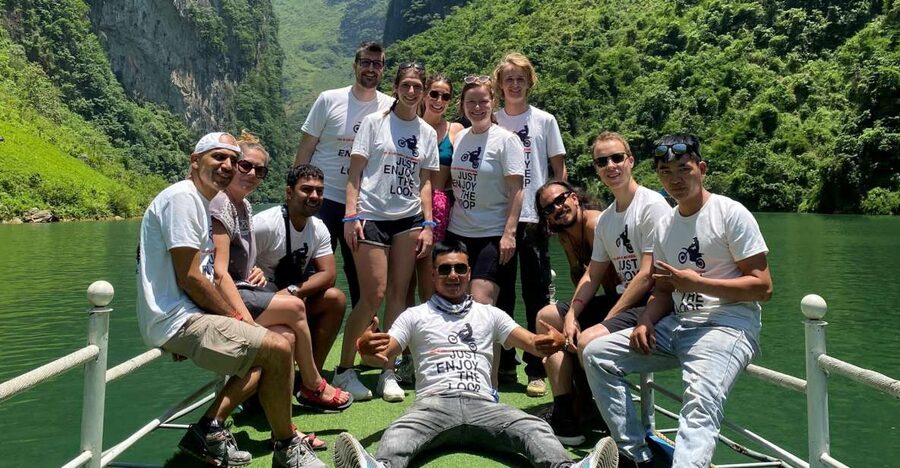
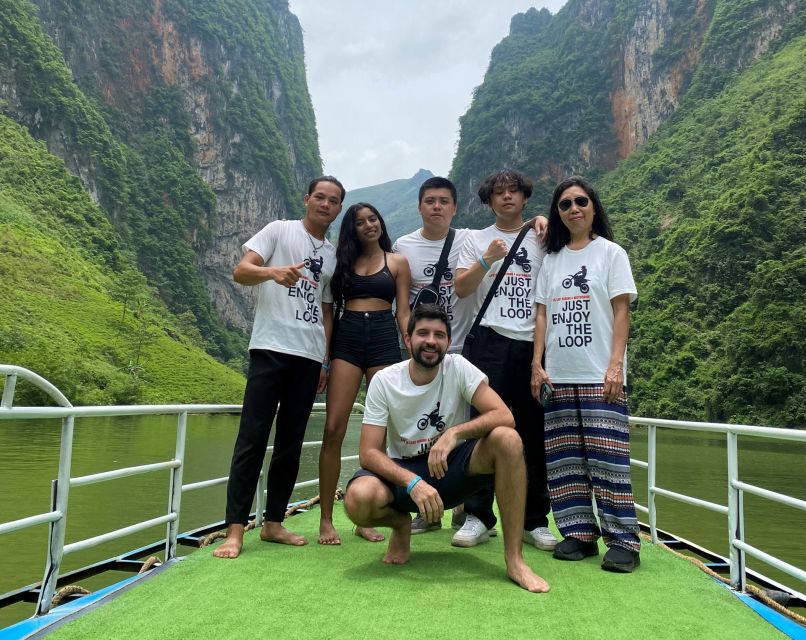
At about 11 AM, you descend toward the Nho Que River for a boat trip. This changes the rhythm completely. From the water, the towering cliffs appear from a lower angle, and the river gives you a quiet pause after the exposed mountain roads.
Lunch follows at around 12:30 PM, with the exact stop in Meo Vac, Mau Due, or Lung Ho depending on the day’s route. This flexible timing is sensible on a road trip through mountainous country, but it means the schedule may shift.
The afternoon ride heads through the mountains toward Du Gia. You reach the village at roughly 4 PM and stay in a local homestay surrounded by green rice fields. This is the most atmospheric accommodation of the trip, though it is also the most basic. Prepare for shared or simple facilities rather than hotel-style privacy.
The homestay is valuable because it puts you closer to local rural life. You are not simply checking into a generic room on the edge of town. You eat, rest, and spend the evening in a setting tied to the surrounding farms and hills.
Some groups enjoy music, games, karaoke, and a little happy water, a local rice spirit. The social mood is part of the appeal, especially in a group of nine or ten. It is not mandatory, and you will be glad of an early night if the road has left you tired.
A different kind of day out, same stretch of Vietnam:
- Hanoi Jeep Tour: Food, Culture and Fun by Vietnam Army Jeep
★ 5.0 · 15,222 reviews - Full-Day Ninh Binh Highlights Tour from Hanoi
★ 5.0 · 7,761 reviews - Hanoi: Ha Long Bay Day Cruise – Swimming, Meal, Kayaking
★ 4.7 · 7,415 reviews - Hanoi: Water Puppet Show Tickets
★ 4.6 · 7,029 reviews
Day 3: Du Gia Waterfall and the ride back
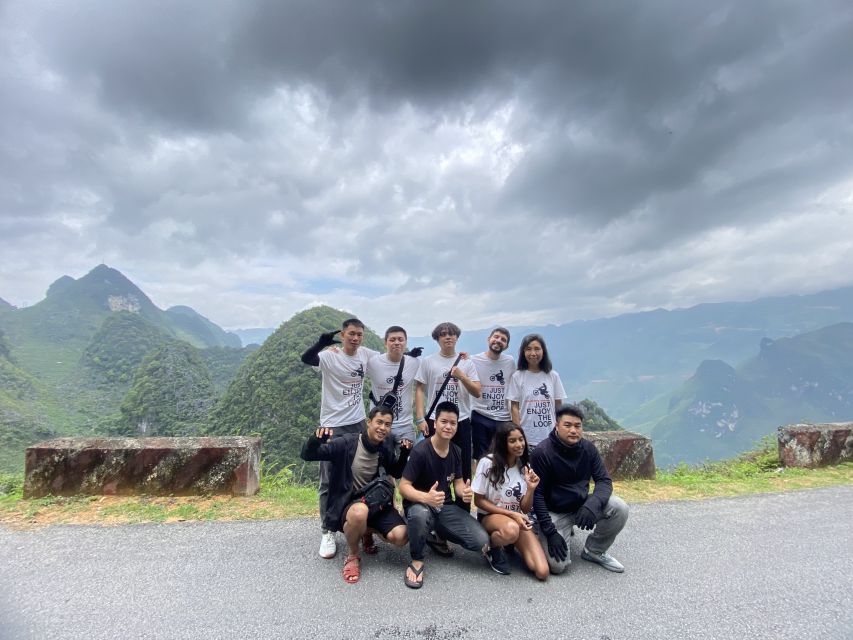
Breakfast at the homestay starts the final day. At about 9 AM, you have time to relax and swim at Du Gia Waterfall. This is a welcome reward after two long riding days, especially if you bring swimwear and a quick-drying towel.
The waterfall stop is weather dependent in practical terms, even though the itinerary includes it. Cold conditions can make swimming less inviting. One useful planning point is that the waterfall comes on the third day, so you do not get this rest stop earlier in the loop.
At noon, you cross Lung Ho and stop to observe Nui Doi Mountain. This keeps the final day scenic rather than turning it into a single long return ride. Lunch follows at a local restaurant before the group continues to Ha Giang City.
You arrive around 4 PM and prepare for the return journey. Dinner is on your own, so keep some Vietnamese dong available. The return sleeper bus leaves at either 7:30 or 9 PM, depending on the arrangement.
That final waiting period can feel long after a tiring day. It is also useful time to collect stored luggage, charge your phone, shower if available, and buy snacks for the bus.
Self-driving, easy riders, and road safety
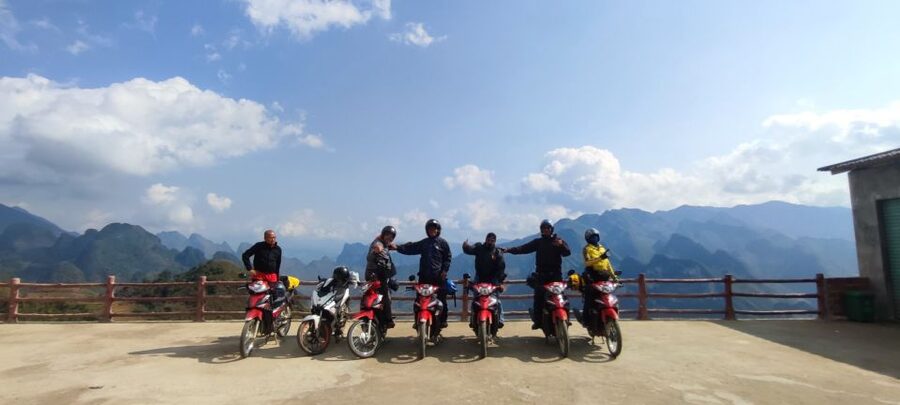
The self-drive option is best for a confident motorbike rider, not simply someone who has ridden a scooter around town. The route includes mountain bends, long riding periods, and roads that can feel intimidating. One person described an accident during a trip, while also noting that the guide team and group offered strong support. That is a reminder to take the roads seriously.
Helmets are required at all times, and you must follow the guide’s instructions. An international driving permit with the correct motorbike category, listed as category A in the supplied advice, is important. Police checkpoints can be an issue, and riding without the proper license may lead to fines.
The easy rider option is a sensible alternative if you lack confidence, do not hold the right license, or want to spend more time looking at the views. You still experience the road and can ride yourself in suitable sections if the arrangement allows, but the easy rider handles the difficult parts. This option also helps if you are too tall or uncomfortable sitting behind someone for several hours, so discuss the setup before departure.
Ask about the motorbike at the start and make sure you are comfortable with the controls. A cushion or seat pad may help. One rider found the long hours surprisingly uncomfortable, particularly on a first extended motorbike trip.
Food, rooms, and group atmosphere
The package includes three breakfasts, three lunches, and two dinners. Meals are generally simple local dishes served along the route or at the accommodation. I would bring snacks and a refillable water bottle, since drinks are not included.
The first night is spent on the bus, the second in a Dong Van hotel, and the third in a Du Gia homestay. The accommodation has reportedly exceeded expectations for some groups, but you should still pack for basic amenities. This is a road adventure, not a resort break.
A group capped at 15 people is a good compromise. It is large enough for conversation and evening fun, but small enough for the guide team to keep track of riders. Groups of around nine or ten have been especially comfortable for shared meals and a more personal feel.
Guides named in the tour feedback include Linh, Lo, Tom, Happy, Dai, Ha, and Dany. The names are useful because they show the operator uses a team of guides rather than one fixed leader, but your guide depends on the departure. English is the stated tour language.
The strongest part of the service is the human support. Guides are expected to manage the route, watch the group, explain stops, and help when transport problems arise. Communication with Chestnut Travel has also been praised before, during, and after trips.
What to pack for the 350-kilometer ride
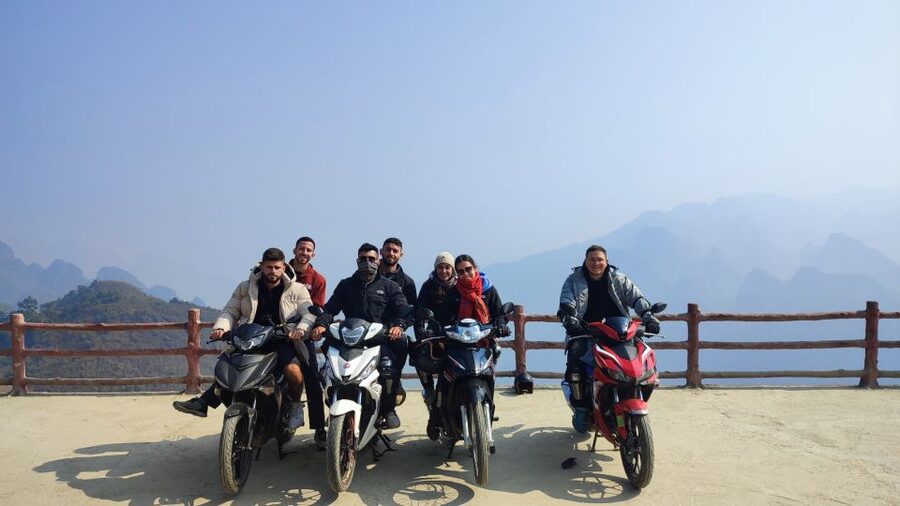
Pack light. Your large suitcase can remain in Ha Giang, while a small backpack travels with you on the motorbike.
Useful items include:
- Passport
- Comfortable clothes
- Warm layers for the bus and high passes
- Shoes suitable for the Sky Path
- Swimwear and a towel for Du Gia Waterfall
- Camera or phone
- Sunscreen and personal medicine
- Cash for drinks, snacks, dinner on the final day, and personal purchases
Weather can change the feel of the trip. Cold conditions make the open roads much tougher, while wet weather can affect comfort and road confidence. Check the forecast before leaving Hanoi and pack layers rather than relying on one heavy jacket.
Who should book this tour?
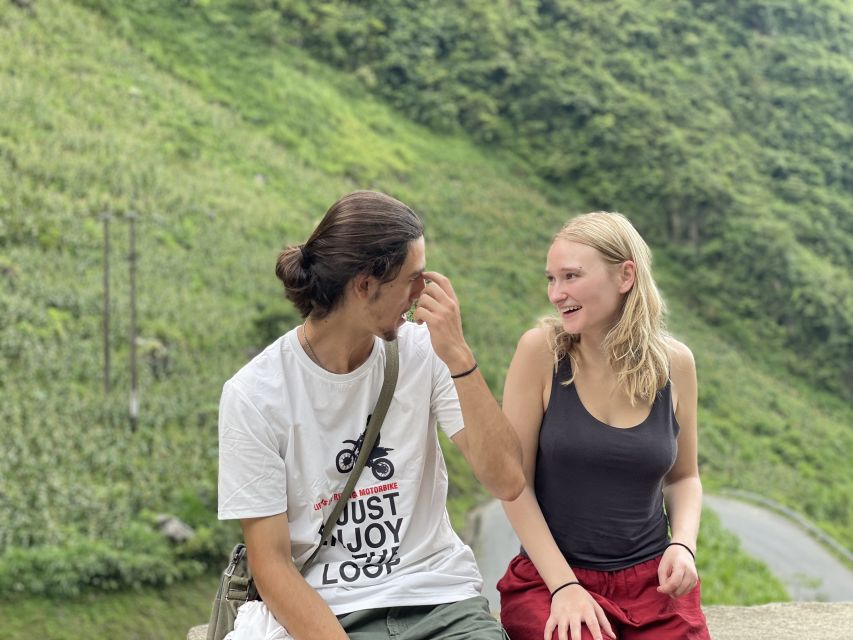
I would choose this trip if you want a tightly organized first visit to Ha Giang and like the idea of meeting people along the way. It suits confident riders who want to drive, but the easy rider option makes it accessible to people who would rather enjoy the scenery without controlling a motorbike.
It is also a good fit if you value cultural stops, local food, and a homestay more than polished accommodation. The price covers the major costs, and three days gives you the main passes and river excursion without requiring a longer stay.
I would think twice if you dislike sleeper buses, need private rooms, have little tolerance for long road days, or want a slow photographic trip. The schedule is full, and the roads are the reason for the journey, not a short transfer between attractions.
Free cancellation is available up to 24 hours before departure, and you can reserve now and pay later. Pickup is included from the Hanoi Old Quarter, while those staying elsewhere need to reach the Ly Nam De Street office.
Should you book the Ha Giang Loop?
Book it if you want one of northern Vietnam’s big outdoor experiences with the main planning handled for you. The combination of Ma Pi Leng Pass, the Nho Que River, the Hmong King’s Palace, Du Gia Waterfall, local meals, and two different types of accommodation gives the three days real variety.
Before paying, decide two things: can you safely self-drive, and do you want a standard or upgraded sleeper bus? If your license is not valid for motorbikes, choose an easy rider and bring proper gear. If you accept basic rooms, long riding days, and a social group atmosphere, $187 is a very fair price for a memorable route through Ha Giang.
FAQ
How long is the Ha Giang Loop tour?
The tour lasts three days and two nights on the loop, with an overnight sleeper bus from Hanoi before the riding begins and another sleeper bus back to Hanoi at the end.
How far do you ride?
The route covers around 350 kilometers, or about 218 miles, over three days. You should be ready for long periods on a motorbike.
Is hotel pickup included in Hanoi?
Pickup is included from hotels and hostels in Hanoi’s Old Quarter between about 7:30 and 8 PM. If you stay outside the Old Quarter, go to the Chestnut Travel office at 6th floor, 95H Ly Nam De Street, Hoan Kiem.
Can I drive my own motorbike?
Yes. The tour includes a motorbike in good condition with fuel. You can also request an easy rider if you prefer someone else to drive.
Is an international motorbike license required?
The tour information advises bringing the correct international driving permit for a motorbike, category A. Riding without the proper license may cause problems at police checkpoints or result in fines.
What accommodation is included?
You spend one night on the sleeper bus, one night in a hotel in Dong Van, and one night in a local homestay in Du Gia Village. Facilities are generally basic.
What meals are included?
The package includes three breakfasts, three lunches, and two dinners. Drinks and personal expenses are not included.
What are the main stops?
The route includes Bac Sum Pass, Heaven Gate, Chin Khoanh Pass, the Dong Van Karst Plateau, the Hmong King’s Palace, Ma Pi Leng Pass, the Sky Path, a Nho Que River boat trip, Lung Ho, Nui Doi Mountain, and Du Gia Waterfall.
Recently reviewed around Hanoi
- Female Riders Vespa Night Street Food + Train Street food 4 Hours★ 5.0 · 35 reviews
- Beautiful Female Riders Vespa Red River Countryside Tour 5 Hours★ 5.0 · 23 reviews
- Red River Delta Countryside+ Rural Villages, rice Paddies fields★ 5.0 · 134 reviews
- The insider’s Hanoi 4.5 hours All highlight Places & Train Street★ 5.0 · 41 reviews
- The insider’s Hanoi + Train Street 4,5 Hours Female Ao Dai Riders★ 5.0 · 53 reviews
- Street Foods Hanoi Kim Tours Vietnam★ 5.0 · 140 reviews
- Hanoi Jeep Tour – Ba Vi National Park Full Day Tour★ 5.0 · 21 reviews
- Ninh Binh Full Day Tour from Hanoi to Hoa Lu, Trang An & Mua Cave★ 5.0 · 31 reviews
Ha Giang Loop Tours, compared.
Ha Giang Loop 3 days Small group- From Ha Noi
Read our review →
Ha Giang Loop 3D/2N Private Room+Free Dorm Hotel 1N before tour
Read our review →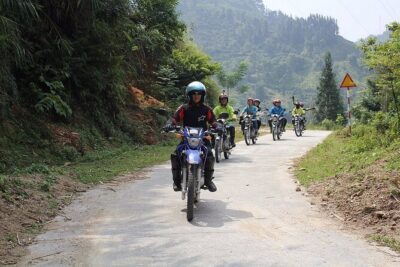
Ha Giang Loop 4 Days 3 Nights Motorbike Tour with easy Rider
Read our review →
Ha giang loop 3days and 2nights with easy rider
Read our review →
Ha Giang Loop 3 Days 2 Nights with Ha Giang Vision Tour
Read our review →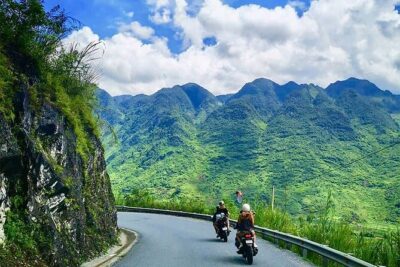
3-Day Ha Giang Loop Tour from Ha Noi and Return
Read our review →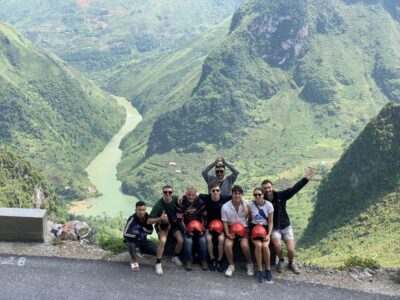
Ha Giang loop 3 or 4 Days, Small Group Tour (within easy riders)
Read our review →Browse the lists this tour appears in