Reviewed · 2-DAY EXPERIENCES
From Hanoi: 2-Day Sapa, Fansipan, and Muong Hoa Valley Tour
Fansipan is the star here. You ride a cable car high into the Hoang Lien Son mountains, then climb roughly 600 steps to Vietnam’s highest peak, known as the Roof of Indochina. On a clear day, the views are superb. On a cloudy one, you may see little more than mist, so luck and weather matter.
I like the pairing of Fansipan’s dramatic summit with the quieter rice terraces of Muong Hoa Valley. I also like the local guiding. Sue and Chia have been especially attentive, explaining rice farming, natural cloth dyeing, village life, and the customs of the Hmong and Dzay communities. The main drawback is the pace: a long road journey, a demanding walk, and a return to Hanoi on the same day can leave you worn out.
In This Review
- Key points to know before booking
- What this two-day Sapa trip really gives you
- Leaving Hanoi by limousine bus at 6:30 am
- Riding the cable car toward Fansipan
- The 600 steps to Vietnam’s highest peak
- Walking through Muong Hoa Valley on day two
- Meeting Hmong and Dzay communities
- Lunch in Ta Van and time by the stream
- Is $169 a fair price?
- Timing, fitness, and what to pack
- Who should book this Sapa tour?
- Should you book the two-day Hanoi to Sapa trip?
- FAQ
- How long does the tour last?
- Where does pickup take place?
- How do I get from Hanoi to Sapa?
- Is the Fansipan cable car included?
- Do I still need to walk after taking the cable car?
- Which villages are visited?
- How difficult is the Muong Hoa Valley walk?
- What accommodation is included?
- Which meals are included?
- What languages are available for the guide?
- Can I cancel the booking?
- Is the tour suitable for people with health or mobility concerns?
Key points to know before booking
- Fansipan by cable car: The ride takes about 25 minutes, followed by a climb of around 600 steps to the summit.
- A real Muong Hoa walk: You pass rice terraces and visit Lao Chai and Ta Van, with a choice of a lighter or harder trek.
- Strong local guides: Sue and Chia are praised for their care, patience, and explanations of local life.
- Small groups: The tour is limited to 10 people, though the group size can vary by day.
- Good coverage for $169: Bus transport, one hotel night, cable car, guide, breakfast, lunch, and valley fees are included.
- Bring proper footwear: Mud and slippery terrace paths can make ordinary trainers a poor choice.
What this two-day Sapa trip really gives you
This is a compact introduction to northern Vietnam’s mountains. You get two very different experiences: a major engineered attraction at Fansipan and a guided walk through working villages and rice fields.
The schedule is full, but it makes sense for people with limited time. You leave Hanoi at about 6:30 am, reach Sapa around 12:30 pm, visit Fansipan in the afternoon, walk through Muong Hoa Valley the next morning, and return to Hanoi by about 7:30 pm on day two.
You should see this as an active short break rather than a restful overnight excursion. The road journey alone takes much of the first and final days, and the walk can last three to five hours depending on the route and group pace.
More Hanoi trips worth a second look
- Amanda Cruise – Ha Long, Lan Ha Bay – All Inclusive 2D1N & 3D2N
★ 5.0 · 4,358 reviews - Hanoi: 2-Day Halong & Lan Ha Bay 5-Star Cruise with Balcony
★ 4.8 · 3,300 reviews - Sapa 2 Days 1 Night From Hanoi – Overnight in Ta Van Village
★ 5.0 · 2,669 reviews
Leaving Hanoi by limousine bus at 6:30 am
Pickup is arranged from Hanoi’s Old Quarter or from your Old Quarter hotel. The bus follows the Hanoi to Lao Cai highway, giving you a quick route toward Sapa and the northern mountains.
The transport is practical, but not the strongest part of the experience. One account describes a 45-minute delay at the start and an uncomfortable middle seat for a tall passenger. Another reports a rough return ride and a driver who drove too fast, causing some passengers to feel sick.
That does not mean every transfer will be unpleasant, but you should prepare for a long road journey. If you are tall, prone to motion sickness, or particular about road comfort, ask about seating when you meet the operator. Carrying medication for personal needs is sensible, as is keeping the early start in mind.
You arrive in Sapa around midday and meet the local guide. The schedule allows time to check into the hotel, take a hot shower, and rest before heading to Fansipan at about 2:00 pm. That short break is useful after the morning bus ride.
Riding the cable car toward Fansipan
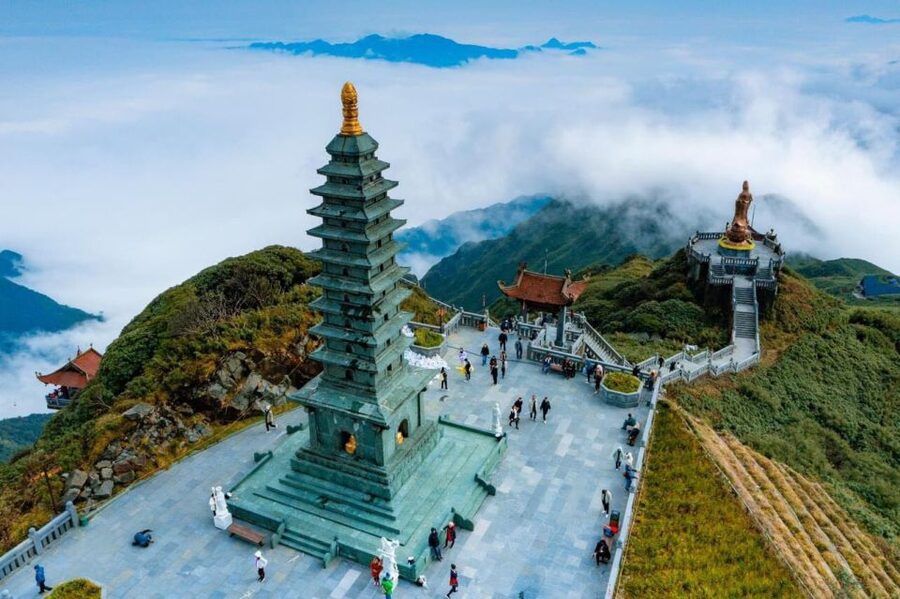
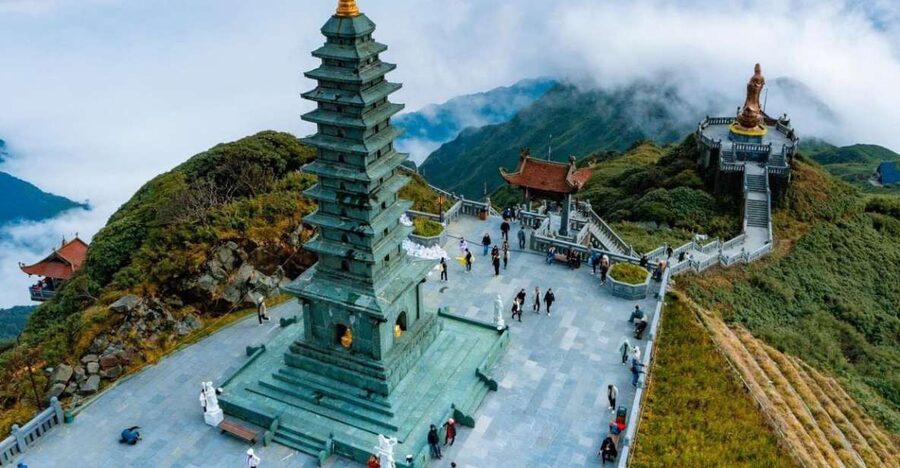
The cable car ride takes roughly 25 minutes. It carries you to an altitude of about 2,800 metres, where you can stop for views, photographs, and visits to pagodas and other spiritual sites.
This part is accessible to anyone comfortable with heights, but the cable car does not take you directly to the summit. You still climb approximately 600 steps after getting off. The elevation and stairway make Fansipan a genuine physical challenge, even though you are not walking up the entire mountain.
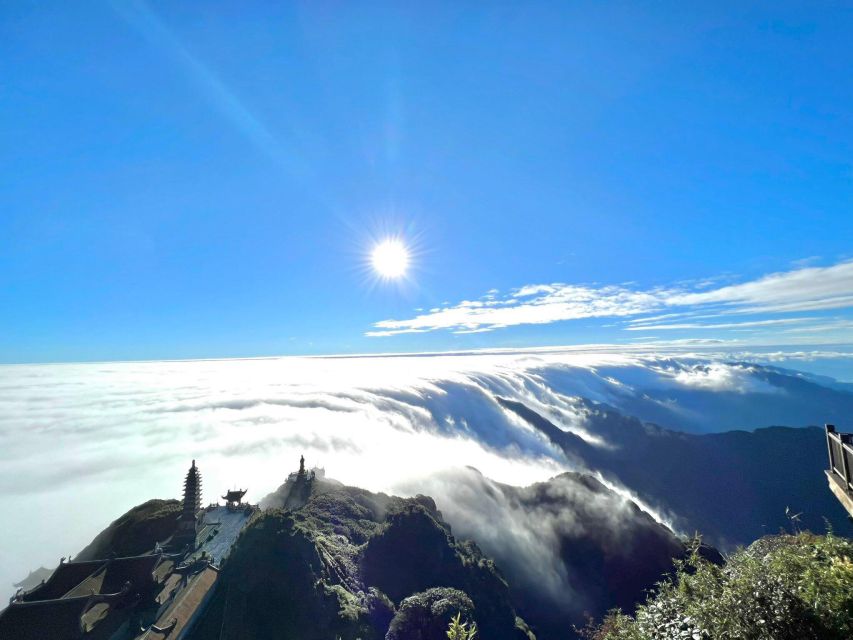
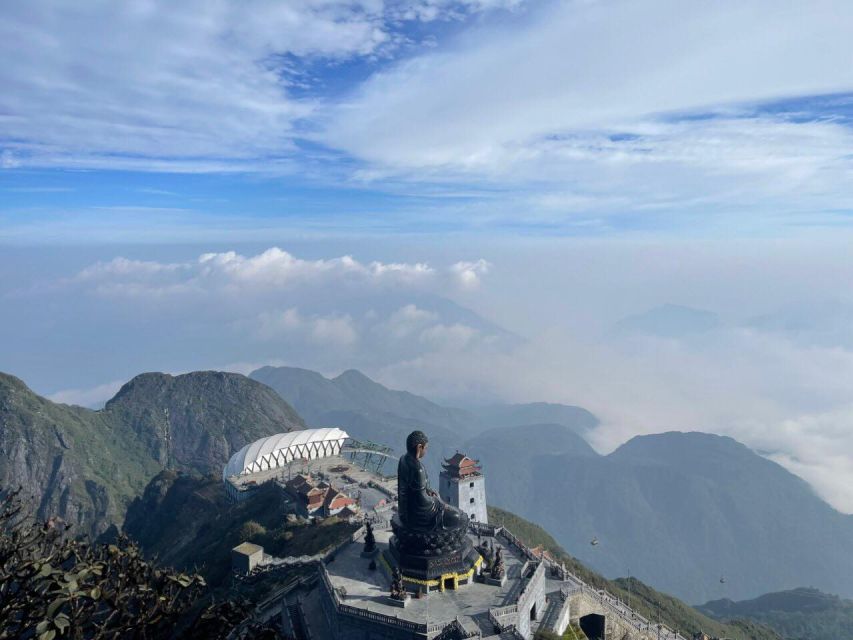
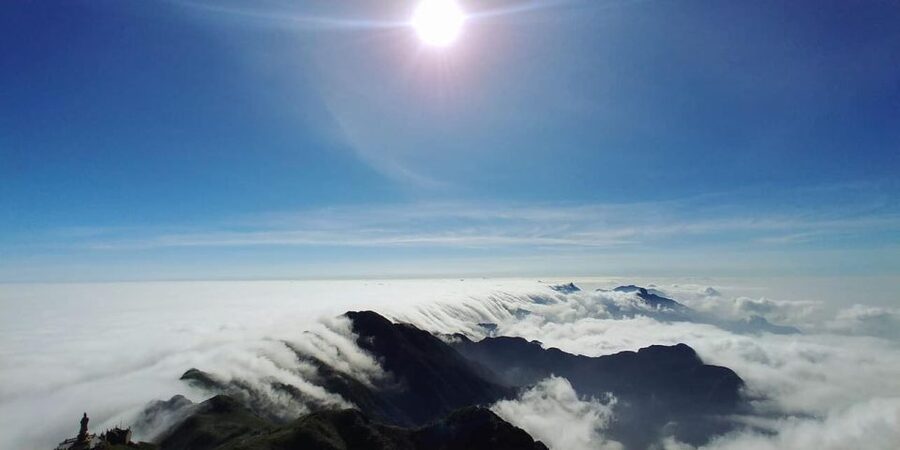
The summit experience depends heavily on the weather. Clear conditions can reveal wide mountain views, while cloud and fog can hide almost everything. One lucky group reached the top just as the mist lifted, turning an uncertain afternoon into the highlight of the trip.
The tour can delay or cancel the Fansipan climb in bad weather. That is a reasonable safety measure, but it means you should not book this trip expecting guaranteed summit views. People with acrophobia, heart problems, high blood pressure, or poor general fitness should choose another outing.
The optional monorail and funicular tickets are not included. The return cable car ticket is included, so you can reach the main summit area without paying for the core ride again. Budget extra only if you decide to use those additional transport options.
The 600 steps to Vietnam’s highest peak
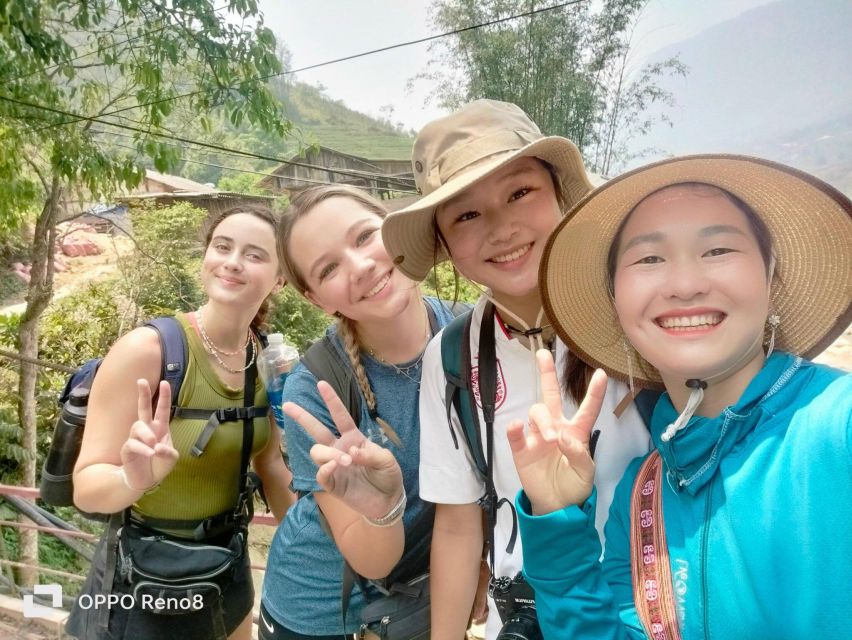
The final stair climb is where the day becomes more active. You will stop often if needed, take photographs, and visit the pagoda sites along the route.
Fansipan is Vietnam’s highest mountain, and the tour presents it as the highest point in Indochina. Reaching the top gives you a clear sense of place, especially if the clouds open. It is not a long mountain expedition, but the combination of altitude, steps, and cold or wet weather can make it tiring.
Wear hiking shoes with a firm grip. A tennis shoe that feels fine in Hanoi may not be enough for the valley walk or wet stairs around Fansipan. Bring a light layer, sunscreen, insect repellent, and any medication you need.
After the mountain visit, you return to Sapa and spend the night in a deluxe double, twin, or triple room at a 3-star hotel. The accommodation is included, though the standard can vary. One stay was described as comfortable with friendly staff and a good breakfast, while another had an old bathroom and a leaking toilet.
That mixed picture is worth keeping in mind. The hotel is mainly a convenient base between two busy touring days, not a reason to choose the trip.
A different kind of day out, same stretch of Vietnam:
- Hanoi Jeep Tour: Food, Culture and Fun by Vietnam Army Jeep
★ 5.0 · 15,222 reviews - Full-Day Ninh Binh Highlights Tour from Hanoi
★ 5.0 · 7,761 reviews - Hanoi: Ha Long Bay Day Cruise – Swimming, Meal, Kayaking
★ 4.7 · 7,415 reviews - Hanoi: Water Puppet Show Tickets
★ 4.6 · 7,029 reviews
Walking through Muong Hoa Valley on day two
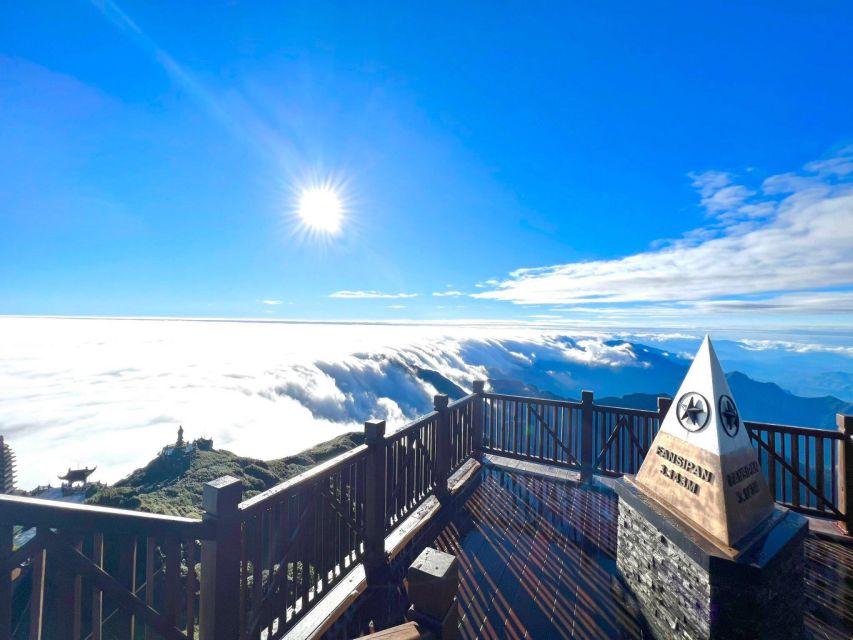
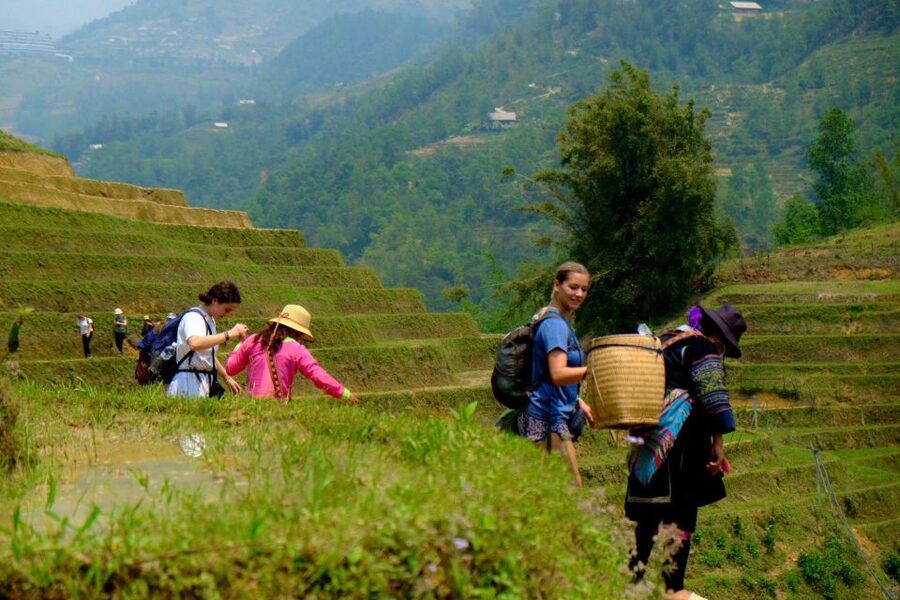
After breakfast, you begin the valley walk. The route takes you through Muong Hoa Valley toward Lao Chai, a village associated with the Hmong, and Ta Van, home to the Dzay people.
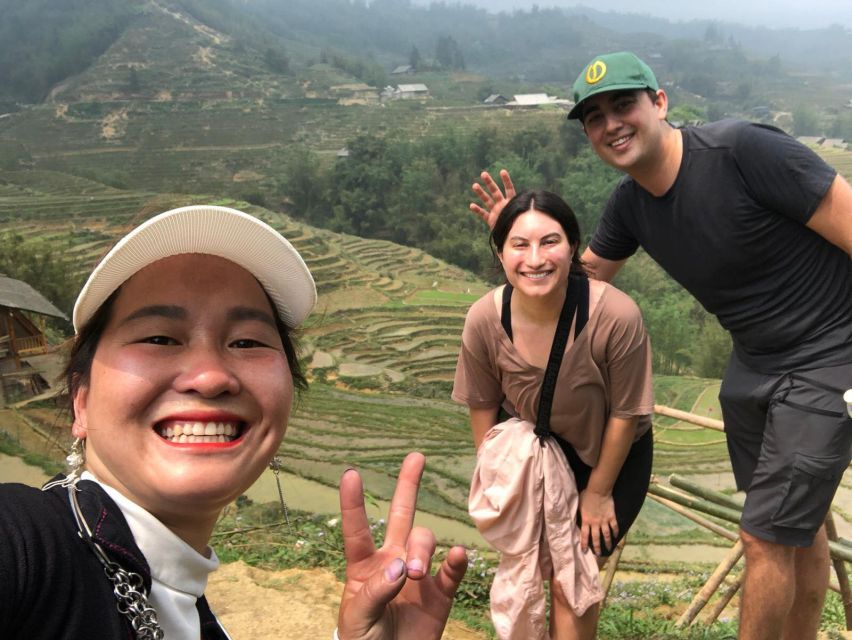
The setting is the most grounded part of the tour. You pass rice terraces, homes, schools, and village paths rather than simply looking at the mountains from a vehicle. Your guide can explain rice harvesting, traditional clothing, and natural methods of making and dyeing cloth.
You can choose a lighter or harder trek based on your fitness. Still, the walk can be muddy and slippery after rain. One group spent more than three hours on difficult ground, while another described the full valley walk as about five hours. The exact duration depends on the chosen route and the group’s pace.
This is not a polished city walking tour. You may cross muddy paths and uneven rice-field terraces, and you need to watch your footing. That is also why the walk feels more connected to local daily life than a short viewpoint stop.
The local guide is important here. Sue has been praised for staying patient with slower walkers and for helping people through slippery sections. Chia has also been described as attentive and entertaining, with a local helper assisting the group across the wet terrace paths.
Meeting Hmong and Dzay communities
The village visits are not built around a long list of monuments. Their value comes from the chance to see homes, schools, farming areas, and ordinary village settings while your guide explains what you are seeing.
The Hmong and Dzay communities have distinct traditions, and the guide provides the cultural context. You can ask about rice farming, clothes, dyeing, and local village life instead of walking past the fields without understanding them.
You should approach this part with respect. The experience is about observing and listening, not treating homes and communities as a photo set. The tour includes interaction with local people, but the information does not promise a formal craft workshop or a guaranteed home visit at a particular address.
The small-group format helps. With a maximum of 10 participants, the guide can usually keep an eye on the group and answer questions. On different dates, the tour may feel almost private or may fill to its stated limit.
Lunch in Ta Van and time by the stream
Lunch is served at a local home in Ta Van. This is one of the tour’s useful breaks because it places the meal within the village setting rather than sending you back to Sapa for a standard restaurant.
The included meal is lunch on day two, along with breakfast at the hotel. Soft drinks are not included, so carry money for drinks if needed. The activity information also lists food and drinks among items not allowed, so follow the operator’s instructions about what you bring onto the tour and transport.
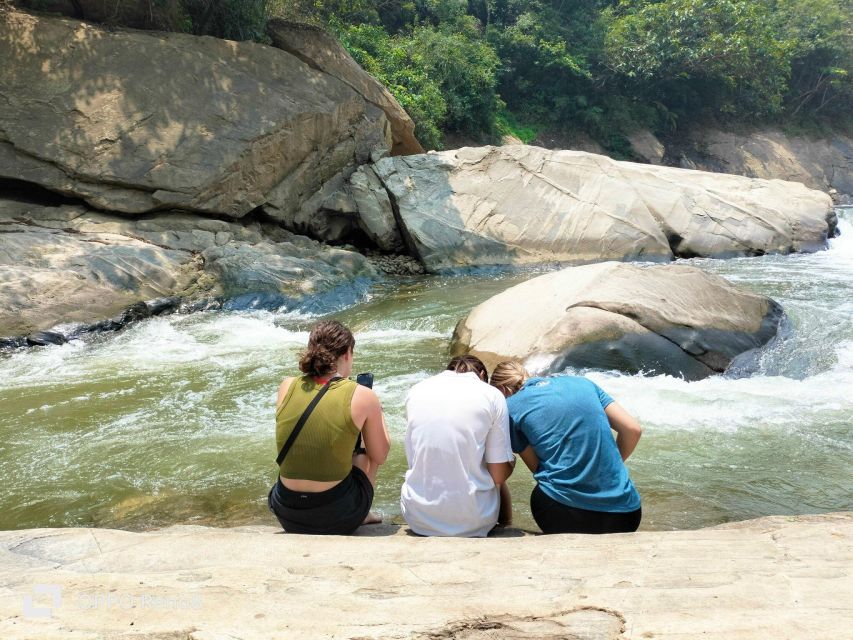
After lunch, you have time to walk around or swim in the Muong Hoa stream. Swimming is not the main feature and conditions can vary, so treat it as an optional pause rather than a guaranteed water activity.
A van takes you back to Sapa town. You then have some free time to wander around before the 2:30 pm transfer to Hanoi. That free period is short, but it gives you a chance to buy a snack, see a little more of town, or simply rest before the return road trip.
Is $169 a fair price?
At $169 per person, the tour is not the cheapest way to see Sapa, but it covers several costs that quickly add up. The price includes return bus transport from Hanoi, the return Fansipan cable car, one night in a 3-star hotel, breakfast, lunch, a local English-speaking guide, transport to and from the cable car station, the village return transfer, and the Muong Hoa sightseeing fee.
That package makes good financial sense if you want both Fansipan and the valley in a short window. Booking the transport, cable car, hotel, and village transfer separately would require more planning and might not save much.
The price does not include 10 percent government tax, travel insurance, soft drinks, or the monorail and funicular. A French-speaking guide costs an additional $15 per person. There is also a $30 per person Lunar New Year surcharge for January 26 to February 2, 2025.
The biggest value comes from the guide. A good local guide turns the valley walk into something more than a muddy hike and helps you understand what you are seeing. Sue and Chia receive the strongest praise for their care, humour, patience, and ability to explain local customs in clear English.
Timing, fitness, and what to pack
You need to be comfortable with an early departure, a long bus ride, high-altitude cable car travel, stairs, and a multi-hour walk. The tour is not suitable for wheelchair users, people with heart problems, people with high blood pressure, or people over 95 years old.
Pack:
- Passport or ID card
- Hiking shoes with good grip
- Comfortable clothing
- Sunscreen
- Insect repellent
- Personal medication
Do not rely on the weather being dry. Mud can make the rice terraces hard to cross, and wet conditions may also affect Fansipan access. The guide can adjust the walk between a lighter and harder option, but you should still have enough fitness for uneven ground.
The tour is offered with English, French, or Vietnamese guides. A French guide has an extra charge, payable at the meeting point. The group is limited to 10 people, which is small enough for regular contact with the guide without promising a private tour.
Free cancellation is available up to 24 hours before departure for a full refund. You can also reserve now and pay later, which helps if your Hanoi schedule is still changing.
Who should book this Sapa tour?
I would choose this for a first visit to Sapa when you want the two headline experiences without spending several nights in the mountains. It suits active couples, families with older children who can manage the walk, and anyone who values a local guide over a luxury hotel.
It also works well if Fansipan is a priority. The cable car removes the need for a full mountain ascent, while the final steps still give you a physical sense of reaching the summit.
I would think twice if you dislike long bus rides, need a slow schedule, or want reliable clear views. I would also avoid it if muddy paths, steep stairs, or heights are a serious problem.
Should you book the two-day Hanoi to Sapa trip?
Book it if you want a tightly packed introduction to Sapa, with Fansipan, rice terraces, village visits, and one hotel night handled in a single package. The strongest reasons are the local guides, the small group, and the combination of mountain views with time in Hmong and Dzay communities.
Skip it if you want a relaxed mountain holiday or a carefully controlled transport experience. Before booking, check the forecast, bring real hiking shoes, and accept that the hotel and bus may be functional rather than polished.
For $169, this is a solid choice for an active short trip. The weather may hide Fansipan, the transfer may test your patience, and the valley walk can be muddy. But with a good guide such as Sue or Chia, you get far more than a cable car ride and a quick photograph at the top.
FAQ
How long does the tour last?
The tour lasts two days. It begins with pickup in Hanoi at about 6:30 am and returns to Hanoi at around 7:30 pm on the second day.
Where does pickup take place?
Pickup is available from hotels in Hanoi’s Old Quarter or from a meeting point in the Old Quarter.
How do I get from Hanoi to Sapa?
The tour uses a limousine bus traveling along the Hanoi to Lao Cai highway.
Is the Fansipan cable car included?
Yes. A return Fansipan cable car ticket is included in the tour price.
Do I still need to walk after taking the cable car?
Yes. After reaching about 2,800 metres, you climb approximately 600 steps to reach the summit area of Fansipan.
Which villages are visited?
The walking route includes Lao Chai village of the Hmong people and Ta Van village of the Dzay people.
How difficult is the Muong Hoa Valley walk?
You can choose a lighter or harder trek depending on your fitness. The route may be muddy and slippery, and some groups spend more than three hours walking through the valley.
What accommodation is included?
You receive one night in a deluxe double, twin, or triple room at a 3-star hotel in Sapa.
Which meals are included?
The tour includes one breakfast and one lunch. The lunch is served at a local home in Ta Van. Soft drinks are not included.
What languages are available for the guide?
Guides are available in English, French, and Vietnamese. A French-speaking guide has a $15 per person surcharge.
Can I cancel the booking?
Yes. You can cancel up to 24 hours in advance for a full refund.
Is the tour suitable for people with health or mobility concerns?
The tour is not suitable for wheelchair users, people with heart problems, people with high blood pressure, or people over 95 years old. It is also not recommended for people with acrophobia.
Recently reviewed around Hanoi
- Female Riders Vespa Night Street Food + Train Street food 4 Hours★ 5.0 · 35 reviews
- Beautiful Female Riders Vespa Red River Countryside Tour 5 Hours★ 5.0 · 23 reviews
- Red River Delta Countryside+ Rural Villages, rice Paddies fields★ 5.0 · 134 reviews
- The insider’s Hanoi 4.5 hours All highlight Places & Train Street★ 5.0 · 41 reviews
- The insider’s Hanoi + Train Street 4,5 Hours Female Ao Dai Riders★ 5.0 · 53 reviews
- Street Foods Hanoi Kim Tours Vietnam★ 5.0 · 140 reviews
- Hanoi Jeep Tour – Ba Vi National Park Full Day Tour★ 5.0 · 21 reviews
- Ninh Binh Full Day Tour from Hanoi to Hoa Lu, Trang An & Mua Cave★ 5.0 · 31 reviews
2-Day Experiences, compared.

Amanda Cruise – Ha Long, Lan Ha Bay – All Inclusive 2D1N & 3D2N
Read our review →
Lan Ha – Ha Long Bay – Dau Be island 2D/1N from Cat Ba in less touristy areas.
Read our review →
2-Day Halong & Lan Ha Bay 5-Star Cruise with Balcony
Read our review →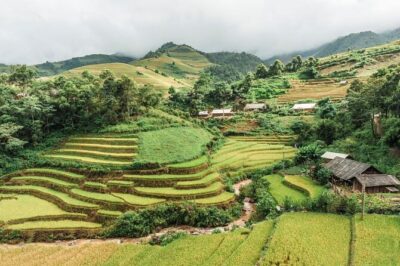
Sapa 2 Days 1 Night From Hanoi – Overnight in Ta Van Village
Read our review →
Mon Chéri Cruise 5 star: Unique 2 Days Tuan Chau – Halong bay – Lan Ha Bay
Read our review →
Doris Cruise 5 star cruise 2 days visiting Halong Bay Lan Ha Bay private balcony
Read our review →
CozyBay Cruise-The Best Small Group 2D/1N inHalong-All inclusive
Read our review →