Reviewed · 2-DAY EXPERIENCES
From Hanoi: 2-Day Sapa Cultural Exchange Tour with Homestay
Sapa’s best moments come on foot, and this tour gets you away from town quickly. You’ll walk through the Muong Hoa Valley, pass rice terraces and hill villages, and spend the night with a Dzay family in Ta Van. Guides such as Sung, Lily, Chun, and Za are praised for their care, clear answers, and help with photos.
I like the small group of up to 15 and the sensible transport plan from Hanoi. I also like that your overnight stay gives you more time in the valley than a rushed day trip. The catch is the long, sometimes slippery walking, plus a basic homestay with shared facilities.
In This Review
- Key points to know before booking
- From Hanoi to Sapa by sleeping bus
- Day 1: Muong Hoa Valley and the walk to Ta Van
- What the Dzay homestay is really like
- Day 2: Bamboo forest, Giang Ta Chai, and the return to Sapa
- Why the small group helps
- Is the $100 price good value?
- Weather, clothing, and trail conditions
- Who will enjoy this Sapa trip most?
- Should you book this two-day Sapa tour?
- FAQ
- Where does the tour start in Hanoi?
- Where does the tour end?
- How long does the tour last?
- What language does the guide speak?
- How large is the group?
- What meals are included?
- What are the homestay facilities?
- Is the tour suitable for people with limited mobility?
Key points to know before booking
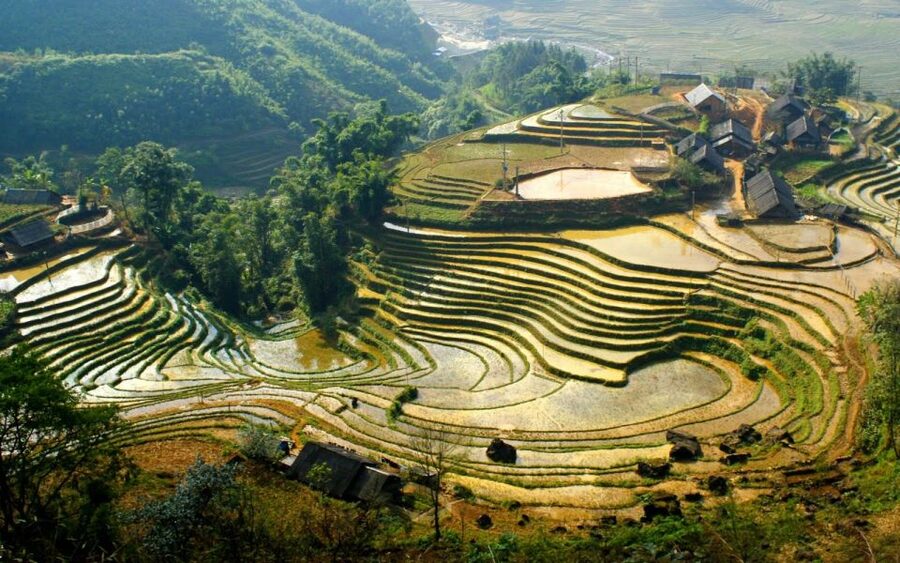
- The first day is the main walking day: Expect a long downhill route from Y Linh Lo through the Muong Hoa Valley to Ta Van.
- The Dzay homestay is simple: You get a basic bed and mosquito net, with a public bathroom and hot water.
- The scenery depends heavily on weather: Fog, rain, and cloud can hide the rice terraces, especially from December through March.
- The second trek is shorter: The route to Giang Ta Chai covers about 4 kilometers and takes around two hours.
- Transport saves time and energy: Round-trip bus travel from Hanoi, plus local pickup in Sapa, is included.
- Bring Vietnamese cash: Banking services in Sapa can be unreliable, and drinks and personal costs are not covered.
From Hanoi to Sapa by sleeping bus

The trip begins with pickup from a hotel in Hanoi’s Hoan Kiem district, or from the meeting point at 204 Tran Quang Khai Street near Hong Ha Hotel. If you stay outside the Old Quarter area, you’ll need to make your own way there.
The bus leaves Hanoi in the morning and stops a couple of times for comfort breaks. The ride gets you to Sapa around lunchtime, which is useful because you can begin walking on the first afternoon instead of losing the day to transport.
The bus is air-conditioned, and some departures are described as VIP buses. That usually means a more comfortable setup than a standard coach, but you should still expect a long road journey. Keep water, snacks, medication, and a light layer within reach rather than buried in luggage.
Your larger bags do not need to go with you on the trail. A practical arrangement is in place for luggage, so you can walk without dragging a suitcase through muddy village paths. Still, pack a small overnight bag with warm clothes, toiletries, and anything you need at the homestay.
The return journey follows the same general pattern. After the second trek, a local bus brings you back to Sapa town. You can shower at your hotel, check out, eat, or rest until the group is ready to return to Hanoi. The final drop-off is on Tran Quang Khai Street.
More Hanoi trips worth a second look
- Amanda Cruise – Ha Long, Lan Ha Bay – All Inclusive 2D1N & 3D2N
★ 5.0 · 4,358 reviews - Hanoi: 2-Day Halong & Lan Ha Bay 5-Star Cruise with Balcony
★ 4.8 · 3,300 reviews - Sapa 2 Days 1 Night From Hanoi – Overnight in Ta Van Village
★ 5.0 · 2,669 reviews
Day 1: Muong Hoa Valley and the walk to Ta Van
After lunch in Sapa, the walking begins near Y Linh Lo. The route heads downhill through the Muong Hoa Valley, with rice paddies, hamlets, and broad views across the valley. This is the part of the trip that gives you the clearest sense of how villages in the Sapa area connect to one another.
The route is not mainly about reaching a single sight. The pleasure comes from the changing view as you move through fields and small settlements. Your guide can explain local life, point out village areas, and help you communicate with people along the way.
The first day is also the more demanding one. The downhill sections can be tiring, and wet ground turns the route slippery. One useful piece of advice is simple: wear proper hiking shoes with a firm sole. Comfortable trainers may be fine in dry weather, but they are less reassuring on muddy or slick paths.
As you pass through Lao Chai, you have a chance to speak with local villagers. This is one of the more human parts of the route, though it can also feel a little awkward. Local women may join the walking group and later offer goods for sale. You can be polite without feeling pressured to buy anything.
The path continues through rice terraces and village areas toward Ta Van. Ta Van is associated with the Dzay people and is often regarded as one of the prettiest village settings around Sapa. The route gives you time to see the village as part of a wider valley rather than as a quick photo stop.
That extra time matters. A day trip can show you the terraces, but an overnight route lets you arrive in Ta Van, settle in, and enjoy the evening at a slower pace. If your main goal is to photograph every viewpoint in clear sunshine, weather may frustrate you. If your goal is to walk through the countryside and spend time in a local home, the overnight format is the better choice.
What the Dzay homestay is really like

The overnight stay is the heart of the cultural exchange. You sleep with a local Dzay family in Ta Van and eat one dinner and the next morning’s breakfast there. The food is described as good, and the shared evening gives the group and guide time to talk and relax together.
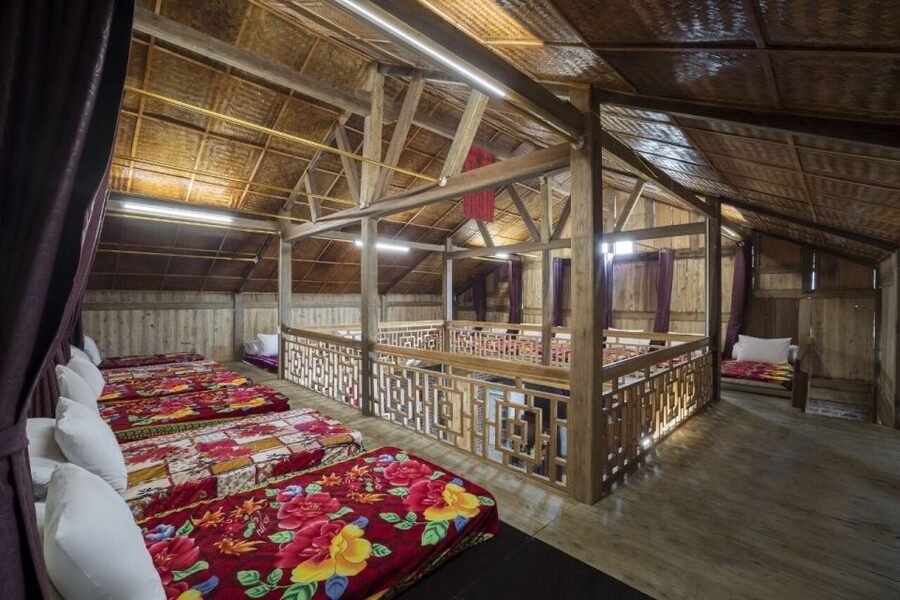
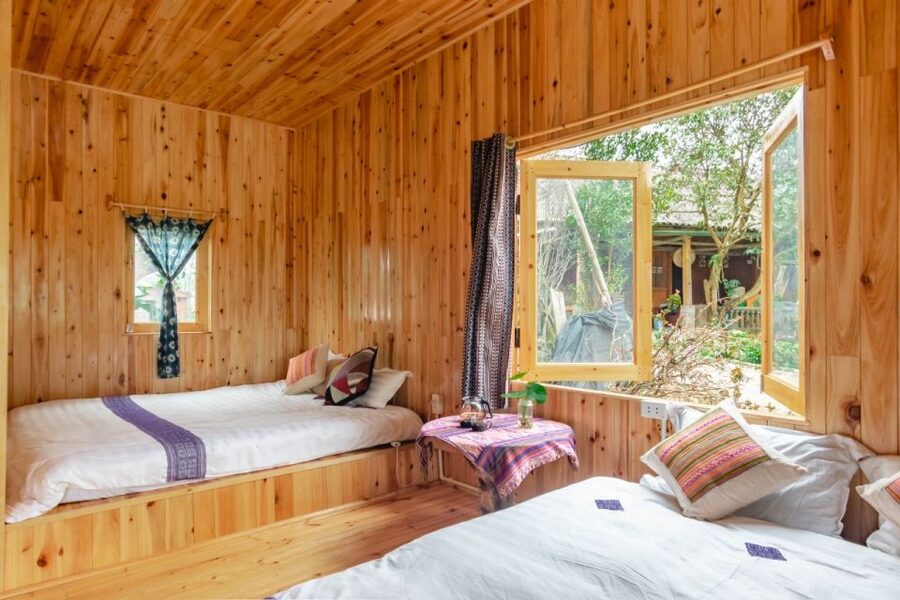
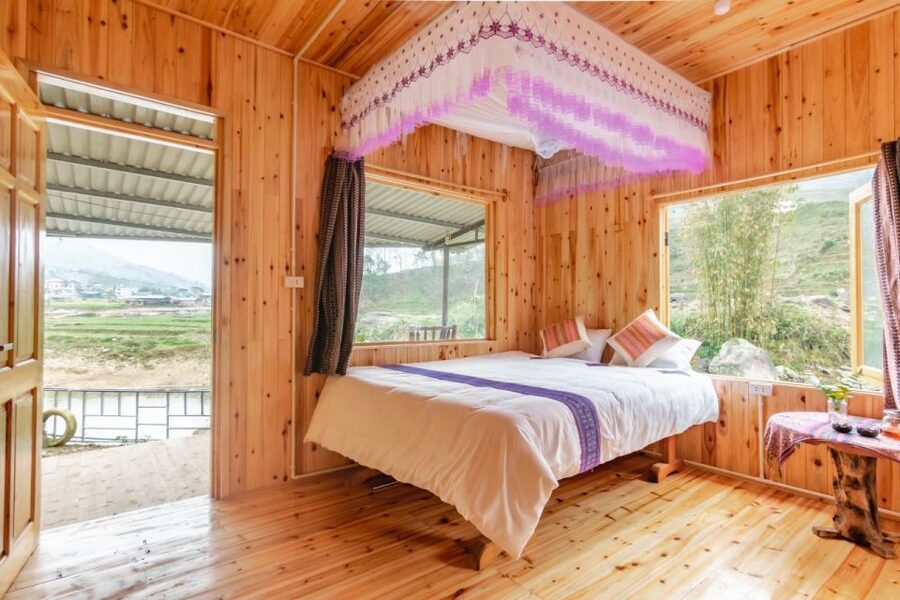
Keep your expectations sensible. This is not a private guesthouse or a comfortable hotel. You receive a single basic bed with a mosquito net, and the bathroom is public, though hot water is available. Some people may find the setup feels closer to a simple hostel than a private family home.
That is not necessarily a weakness. The basic conditions are part of the experience, but they do mean you should pack for comfort rather than style. A warm layer, scarf, hat, and dry clothes are important. Sapa can be cold from September through March, and fog is common from December through March.
The evening is a good chance to ask your guide about the Dzay people and the villages you have just crossed. Guides have been especially well received for their kindness and personal attention. Sung is praised for taking care of the group, while Lily is remembered for helping with a traditional treatment when one participant became sick. Chun is noted for taking photos and answering questions about local culture, and Za is singled out for making the trip feel special.
Guide quality can vary by departure, so do not book solely around one name. These guides are examples of the kind of support provided, not a guarantee of who will lead your group.
Day 2: Bamboo forest, Giang Ta Chai, and the return to Sapa
After breakfast prepared by the family, you set out for a shorter trek. The stated distance is about 4 kilometers, taking roughly two hours. Compared with the first day, this section is easier to fit into a morning, though wet weather can still make it hard underfoot.
The route passes rice paddies and offers another chance for photos. In clear conditions, you can see the valley in broad sections, with terraces and village scenery spread below. Fog can change the experience completely. You may still enjoy the walk, but the views will be more muted.
A bamboo forest adds variety to the route. You then stop for a panoramic view of Giang Ta Chai, a village associated with the Red Dao people. This gives the morning a different cultural focus from Ta Van and the Dzay community.
The trek continues across the Giang Ta Chai Bridge before meeting the main road. From there, a bus takes you back into Sapa. The route is short on paper, but rain can make the second hike feel more serious. One account describes it as dangerous after heavy rain, so your guide’s pace and instructions matter.
Back in Sapa, you have some flexible time before the Hanoi bus. You can shower at your hotel, check out, eat, or sit and recover. That pause is welcome after two days of walking, especially if your legs are not used to uneven paths.
The return bus makes two comfort stops and ends at Tran Quang Khai Street in Hanoi. The fixed drop-off is convenient if you are staying nearby, but you should plan your onward transport if your hotel is elsewhere.
A different kind of day out, same stretch of Vietnam:
- Hanoi Jeep Tour: Food, Culture and Fun by Vietnam Army Jeep
★ 5.0 · 15,222 reviews - Full-Day Ninh Binh Highlights Tour from Hanoi
★ 5.0 · 7,761 reviews - Hanoi: Ha Long Bay Day Cruise – Swimming, Meal, Kayaking
★ 4.7 · 7,415 reviews - Hanoi: Water Puppet Show Tickets
★ 4.6 · 7,029 reviews
Why the small group helps
The maximum group size is 15 people. That is large enough to keep the price down but small enough for the guide to keep an eye on the walking pace and slippery sections.
A small group also works better at a homestay. You are not arriving with a full coach of people and trying to share one family’s space. The atmosphere still depends on the group you get, but the format gives you a reasonable chance to talk with fellow participants and your guide.
This tour is not a private cultural visit. You are following a set route, eating arranged meals, and moving according to the bus schedule. That structure is useful if you have limited time in Vietnam, but it leaves less room for changing the route or stopping whenever you wish.
The walking pace may also feel uneven if the group contains people with different fitness levels. The guide needs to balance the faster walkers with those who need more time. If you are looking for a hard mountain trek, this may feel too gentle. If you normally prefer city sightseeing, the first day may feel demanding.
Is the $100 price good value?
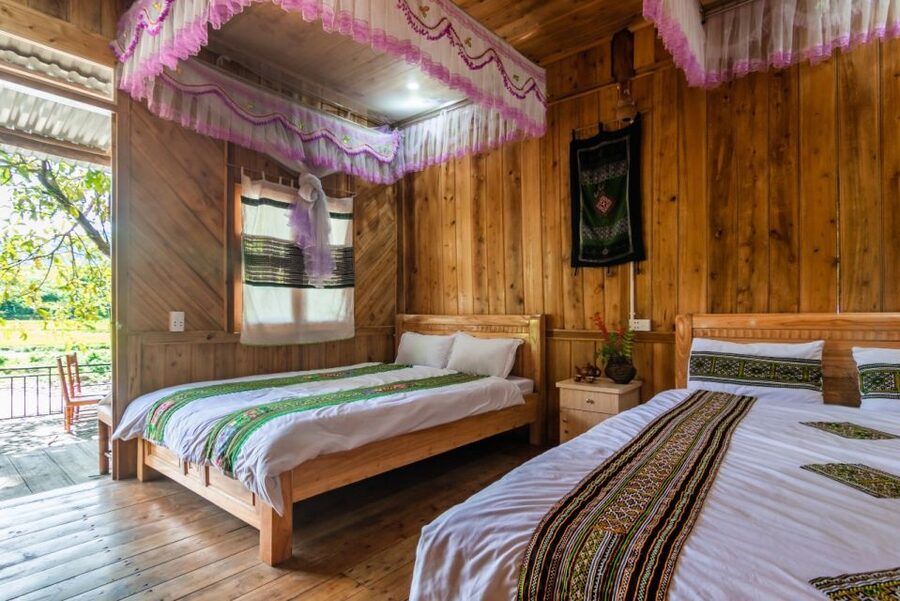
At $100 per person, the price covers quite a lot for two days: hotel pickup in the Old Quarter, return bus travel from Hanoi, local transport in Sapa, a guide, one breakfast, two lunches, one dinner, and the homestay.
The biggest value is the transport. Organizing Hanoi to Sapa bus tickets, local transfers, village walking, and a one-night stay separately can take time and may not save much money. Here, the moving parts are arranged together.
You should remember what the price does not cover. Drinks, travel insurance, and personal expenses are extra. Bring Vietnamese Dong for drinks, snacks, and purchases. US Dollars, Euros, and Australian Dollars are accepted in Sapa, but local currency is more useful for small payments.
The tour is also good value if you want a first look at Sapa without arranging a longer northern Vietnam trip. It is less attractive if you already have accommodation in Sapa and want to choose your own trails, or if you want a private guide and more control over the schedule.
Weather, clothing, and trail conditions
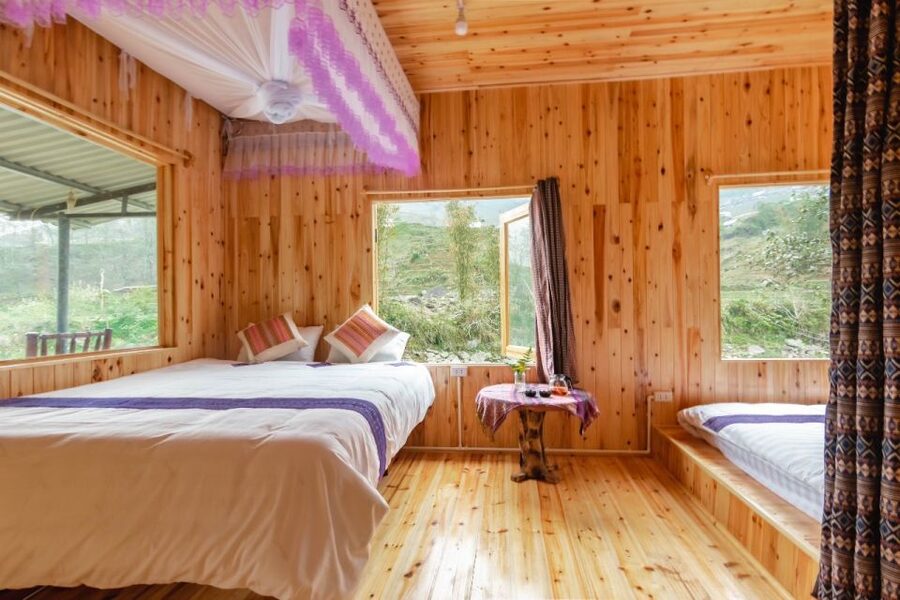
Weather is the main wildcard. Sapa can be cold and foggy, with conditions changing quickly. From December through March, fog may block the wide views. Rain can make the paths slick and make the second hike more difficult.
Bring:
- Hiking shoes with good grip
- Warm clothing, including a jacket, scarf, and hat
- Comfortable clothes that can handle mud
- Water and some cash in Vietnamese Dong
- Your passport or ID card
- A small overnight bag
Do not treat this as a casual stroll in town. You will walk on village paths, through fields, over uneven ground, and along routes that can become slippery. The tour is not suitable for children under 6, pregnant women, or people with limited mobility.
You should also carry water. Food is included, but drinks are not, and the walking can feel harder than the distance suggests.
Who will enjoy this Sapa trip most?
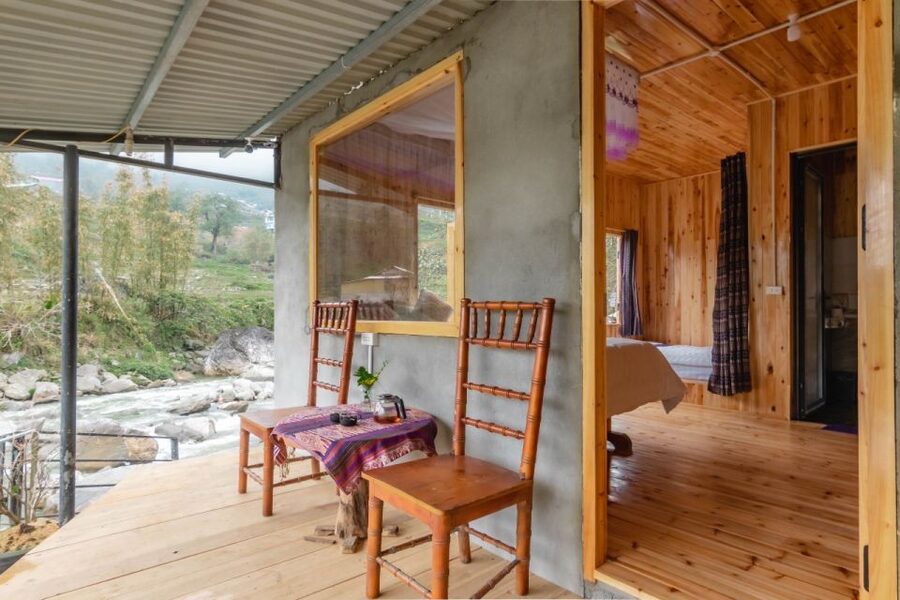
I would choose this tour if you want a direct introduction to Sapa’s villages and rice terraces without spending several nights planning transport. It suits people who like walking, simple accommodation, and the chance to ask questions about local communities.
It is especially useful for first-time visitors who want the security of a guide and a set return to Hanoi. The English-language guide can help with communication, explain village life, and keep the route moving.
You may want a different option if you need a private bathroom, dislike shared sleeping arrangements, or want a guaranteed clear-weather view. The homestay is basic, and the scenery can be obscured by cloud.
The cultural element also works best when you approach it with respect. You are visiting a working village, not a staged attraction. Listen, ask questions, and be aware that some local sellers may approach the walking group.
Free cancellation is available up to 24 hours before departure, and you can reserve now and pay later. That flexibility helps when Sapa’s weather forecast looks uncertain, though it does not remove the need to pack properly.
Should you book this two-day Sapa tour?
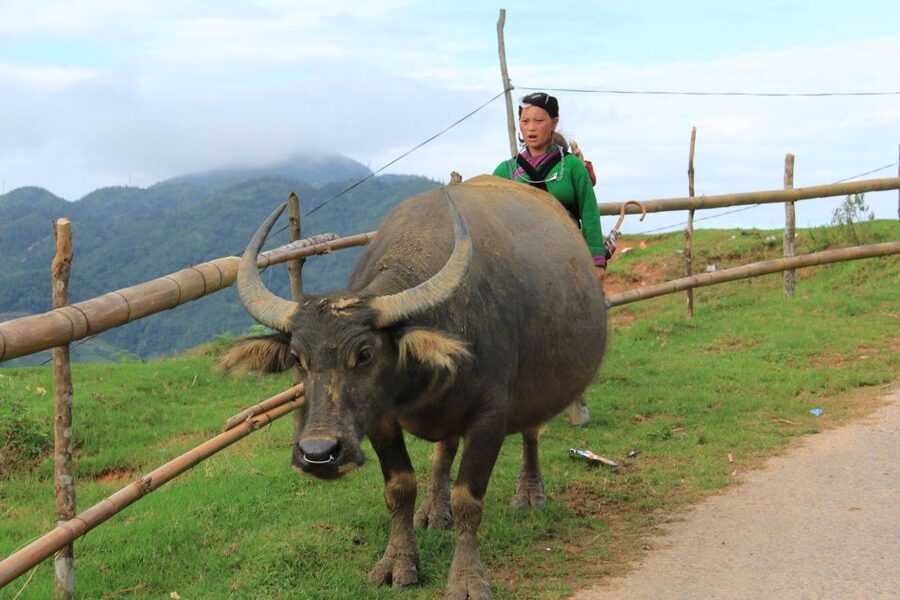
Book it if you want a well-organized first taste of rural Sapa, with transport from Hanoi and one night in a Dzay homestay. The combination of Muong Hoa Valley, Ta Van, Giang Ta Chai, and the family meal gives you more than a quick viewpoint visit.
The strongest reasons to go are the overnight stay, the caring guide support, and the chance to walk between villages instead of only seeing Sapa town. The main compromises are the basic facilities, the long first day, and weather that may hide the best views.
For many visitors, $100 is a fair price for the transport, meals, guide, and homestay. Pack for cold and wet conditions, wear shoes with grip, carry water, and expect a simple night. If that sounds like a worthwhile trade for two days in the valley, this tour is a sensible choice.
FAQ
Where does the tour start in Hanoi?
Pickup is available from hotels in Hanoi’s Hoan Kiem district. The stated meeting point is 204 Tran Quang Khai Street, near Hong Ha Hotel.
Where does the tour end?
The activity ends back at the meeting point on Tran Quang Khai Street in Hanoi.
How long does the tour last?
The tour lasts two days. Starting times depend on availability.
What language does the guide speak?
The live tour guide speaks English.
How large is the group?
The tour is limited to 15 participants.
What meals are included?
The price includes one breakfast, two lunches, and one dinner.
What are the homestay facilities?
You receive a basic single bed with a mosquito net. The homestay has a public bathroom with hot water.
Is the tour suitable for people with limited mobility?
No. The tour is not suitable for people with mobility impairments, pregnant women, or children under 6.
Recently reviewed around Hanoi
- Female Riders Vespa Night Street Food + Train Street food 4 Hours★ 5.0 · 35 reviews
- Beautiful Female Riders Vespa Red River Countryside Tour 5 Hours★ 5.0 · 23 reviews
- Red River Delta Countryside+ Rural Villages, rice Paddies fields★ 5.0 · 134 reviews
- The insider’s Hanoi 4.5 hours All highlight Places & Train Street★ 5.0 · 41 reviews
- The insider’s Hanoi + Train Street 4,5 Hours Female Ao Dai Riders★ 5.0 · 53 reviews
- Street Foods Hanoi Kim Tours Vietnam★ 5.0 · 140 reviews
- Hanoi Jeep Tour – Ba Vi National Park Full Day Tour★ 5.0 · 21 reviews
- Ninh Binh Full Day Tour from Hanoi to Hoa Lu, Trang An & Mua Cave★ 5.0 · 31 reviews
2-Day Experiences, compared.

Amanda Cruise – Ha Long, Lan Ha Bay – All Inclusive 2D1N & 3D2N
Read our review →
Lan Ha – Ha Long Bay – Dau Be island 2D/1N from Cat Ba in less touristy areas.
Read our review →
2-Day Halong & Lan Ha Bay 5-Star Cruise with Balcony
Read our review →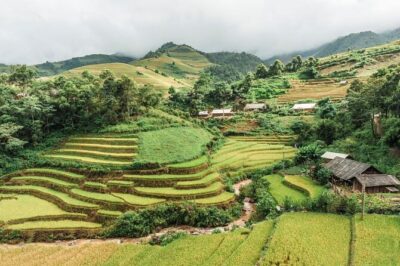
Sapa 2 Days 1 Night From Hanoi – Overnight in Ta Van Village
Read our review →
Mon Chéri Cruise 5 star: Unique 2 Days Tuan Chau – Halong bay – Lan Ha Bay
Read our review →
Doris Cruise 5 star cruise 2 days visiting Halong Bay Lan Ha Bay private balcony
Read our review →
CozyBay Cruise-The Best Small Group 2D/1N inHalong-All inclusive
Read our review →