
Reviewed · VIP
From Hanoi: 2-Day Overnight Sapa Tour by Luxury Van Limousine
Sapa is at its best away from town, where narrow paths cut through rice terraces and Black Hmong and Dzay villages sit below the Hoang Lien Son mountains. This two-day trip gets you there from Hanoi, then puts you on foot for several hours across steep, muddy country roads.
I like the small group size, capped at 14, and the chance to choose between a dorm, homestay, bungalow, or 3-star or 4-star hotel. I also like the local guides, including Ai, Lilly, May, Su, and Zua, who have been praised for tailoring the pace and explaining village life in clear English.
The catch is the long road journey, usually five to six hours each way, followed by serious walking. Communication can be loose, transport standards vary, and the muddy trails are not suitable for anyone expecting a gentle sightseeing stroll.
In This Review
- Key points to know before booking
- What this Sapa trip is really like
- The six-hour ride from Hanoi to Sapa
- Choosing between Cat Cat and the longer village trek
- Cat Cat Village: waterfalls, costumes, and crowds
- Y Linh Ho, Lao Chai, and Ta Van: the main event
- Giang Ta Chai for the homestay option
- Overnight choices: hotel, bungalow, homestay, or dorm
- Meals and what to budget for
- Weather, footwear, and the real level of effort
- How the $117 price holds up
- Who should choose this two-day Sapa tour?
- Should you book the Hanoi to Sapa overnight tour?
- FAQ
- Where does the tour start and end?
- What time does the tour start?
- How long does the journey from Hanoi to Sapa take?
- How large is the tour group?
- Which villages are included?
- Is accommodation included?
- Are meals included?
- What should I wear for the trek?
- Can I cancel for a full refund?
Key points to know before booking
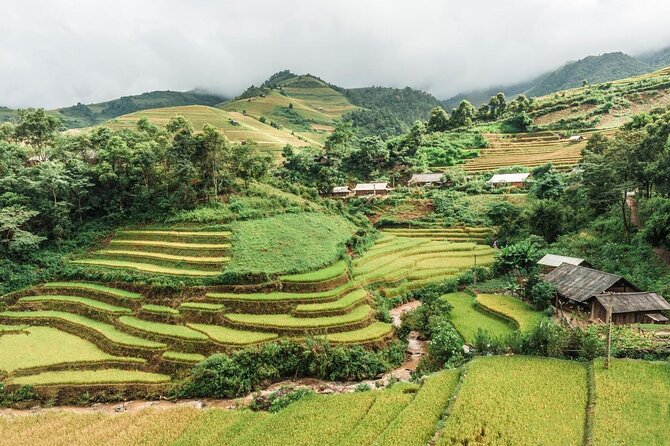
- The best walking is outside Sapa town: The route through Y Linh Ho, Lao Chai, and Ta Van gives you the most memorable rice-terrace views.
- Cat Cat is scenic but touristy: Its waterfall, costumes, music, and photo spots are appealing, though it feels less like an ordinary village.
- You can choose your overnight style: Options range from a dormitory and private homestay to a bungalow or hotel.
- The limousine ride saves you from a crowded coach: It is generally more comfortable, though several hours on mountain roads is still a long haul.
- Good shoes matter more than fancy luggage: Steep slopes become slippery after rain, and the walking can reach roughly 11 kilometers.
- The guides often make the trip: Ai, Lilly, May, Su, Zua, and Mu have all been praised for warmth, English skills, and adapting walks to the group.
What this Sapa trip is really like

This is a fast, active introduction to northern Vietnam’s mountain country. You leave Hanoi early, arrive in Sapa around lunchtime, walk that afternoon, sleep one night, walk again the next day, and return to Hanoi late.
That schedule works if you have limited time. It does not give you much slack. A delayed pickup, a slow meal, bad weather, or a vehicle problem can squeeze the walking portion. Think of it as a compact mountain trek with transport and meals attached, not a relaxed weekend retreat.
The main reward is access. From Sapa town, you can easily reach the famous villages by taxi or on an organized outing, but a local guide helps you find footpaths, understand who lives in the area, and manage the rougher sections. The strongest moments come when the town drops behind you and the trail opens onto terraces, streams, wooded hills, and scattered homes.
More Hanoi trips worth a second look
- Amanda Cruise – Ha Long, Lan Ha Bay – All Inclusive 2D1N & 3D2N
★ 5.0 · 4,358 reviews - Hanoi: 2-Day Halong & Lan Ha Bay 5-Star Cruise with Balcony
★ 4.8 · 3,300 reviews - Sapa 2 Days 1 Night From Hanoi – Overnight in Ta Van Village
★ 5.0 · 2,669 reviews
The six-hour ride from Hanoi to Sapa
Pickup begins early in Hanoi’s Old Quarter, generally around 6:00 to 7:10 depending on the accommodation option and pickup route. The advertised meeting area is Hoan Kiem, and hotel pickup and drop-off are limited to the Old Quarter.
The ride covers more than 250 kilometers and usually takes five to six hours. There are breaks along the way, but this is still the least exciting part of the experience. The limousine van is intended to be roomier than a regular bus, and several passengers found it comfortable enough to sleep in.
Do not take the word luxury too literally. Vehicle quality is not perfectly consistent. Some people have had a smooth, comfortable trip, while others found the van dirty, bumpy, poorly air-conditioned, or lacking good suspension. The ride back has also drawn complaints about rough driving and late drop-offs.
Pickup can be slow in central Hanoi traffic. If you are the last person collected, you may end up in the rear seats for much of the journey. I would confirm your pickup window through the operator before departure and keep your phone available on the morning of the trip.
Choosing between Cat Cat and the longer village trek
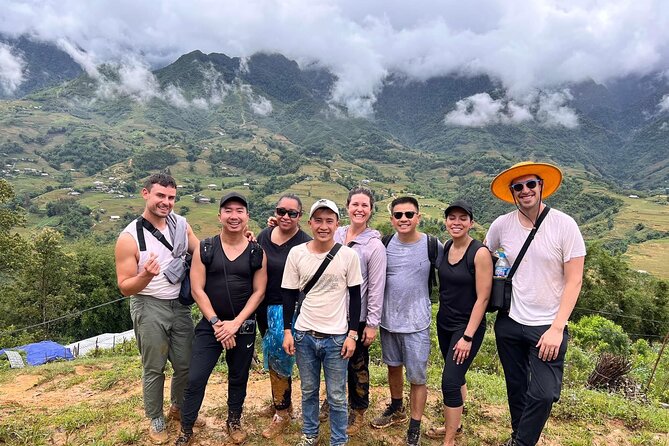
Your accommodation choice changes the order of the walking. That is important, because the two versions do not offer exactly the same first day.
With the 3-star or 4-star hotel option, the first afternoon is usually a short, easier walk to Cat Cat Village. With the dormitory, bungalow, or private homestay option, the first day generally follows the longer route through Y Linh Ho, Lao Chai, and Ta Van instead.
The trip description groups the main villages together, but the practical schedule depends on where you sleep. Ask the operator to confirm your route, lodging, walking distance, and meal plan before you leave Hanoi.
Cat Cat Village: waterfalls, costumes, and crowds
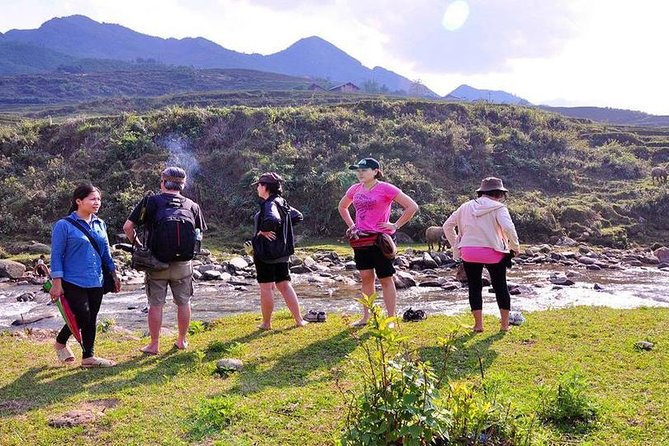
Cat Cat is close to Sapa and makes sense after a long drive. The walk is shorter than the next day’s route, and you get a quick introduction to local architecture, crafts, traditional clothing, music, and a waterfall.
It is also the most commercial stop. The paths can feel designed for sightseeing, and some people find the village too polished and tourist-focused to feel fully authentic. You may see visitors renting traditional clothes for photographs, along with shops and vendors.
I would still include Cat Cat if your time in Sapa is short. The waterfall and mountain setting are worthwhile, and the route helps you get moving without immediately tackling the hardest walk. Just do not judge the whole Sapa region by Cat Cat. The quieter trails beyond Lao Chai and Ta Van are much more rewarding.
A different kind of day out, same stretch of Vietnam:
- Hanoi Jeep Tour: Food, Culture and Fun by Vietnam Army Jeep
★ 5.0 · 15,222 reviews - Full-Day Ninh Binh Highlights Tour from Hanoi
★ 5.0 · 7,761 reviews - Hanoi: Ha Long Bay Day Cruise – Swimming, Meal, Kayaking
★ 4.7 · 7,415 reviews - Hanoi: Water Puppet Show Tickets
★ 4.6 · 7,029 reviews
Y Linh Ho, Lao Chai, and Ta Van: the main event
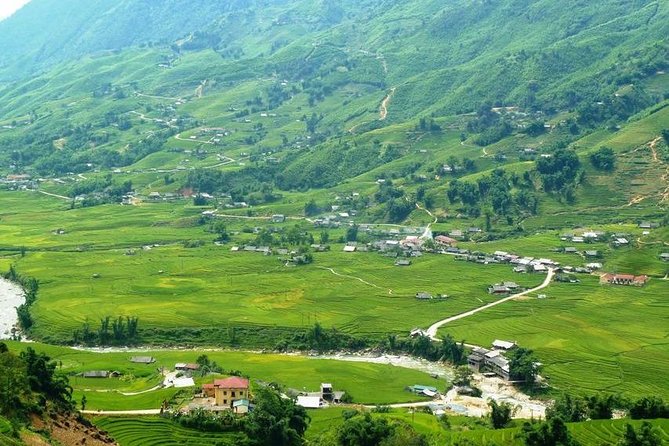
The second route is the heart of the trip. It usually takes about four to five hours, though pace and weather can change that. You walk through rice terraces and rural paths toward villages associated with Black Hmong and Dzay communities.
This is not a flat country walk. The route includes descents, climbs, uneven ground, and slippery sections. In wet weather, mud can make the trail difficult and at times unsafe. A guide may help you over tricky patches, but you should still be comfortable walking for several hours.
The scenery is the reason to accept the effort. Terraces step down the mountain slopes, and the views change as you move from open fields to village paths. The guide can point out good photo spots and explain how local families live, farm, and work with visitors.
The strongest guiding comes from people with a direct connection to the area. Ai has been praised for adjusting the walk to fitness and weather. May has been especially valued for explaining Black Hmong life and arranging a gentler alternative for an older member of the group. Lilly has been praised for her English, humor, and ability to explain local customs. Su, Zua, Mu, and Rua have also received warm praise for their care and local knowledge.
Guide quality can vary, so the experience may feel more cultural with one guide than another. Some guiding is focused on getting everyone along the trail and identifying photo stops, while some guides offer much more background about history, language, farming, and daily life. If cultural explanation matters to you, say so early.
Giang Ta Chai for the homestay option

If you choose the dormitory, bungalow, or private homestay, the second morning generally includes a trek to Giang Ta Chai Village. Breakfast is prepared by the family, followed by another walk through the surrounding hills.
This version gives you more time in a rural setting and can feel more personal than a hotel-based stay. The setting is a major part of the appeal, and the simple bungalow or homestay arrangement suits you if you want a closer look at village life rather than a standard hotel room.
The tradeoff is comfort and consistency. A homestay is not one fixed product. One family may be warm and eager to talk, while another may offer little interaction or speak almost no English. Basic facilities and shared arrangements are part of the deal.
If you choose this option, bring patience and modest expectations. The homestay can be one of the most memorable parts of the trip, but it is not guaranteed to feel like a hosted cultural exchange.
Overnight choices: hotel, bungalow, homestay, or dorm

The tour offers several accommodation levels, and they affect both comfort and routing.
A 3-star or 4-star hotel is the safer choice if you value a private room, a proper breakfast, and a predictable place to rest after walking. Sapa Charm Hotel and Sapa Vista Hotel have both been used, with some strong comments about spacious rooms, meals, and friendly staff. Standards are not always as high as the star label suggests, however. One stay was described as far below four-star quality, with hard beds and a poor breakfast.
A bungalow or private homestay gives you a more rural atmosphere. You may eat with a family, sleep in a simple building, and have a more direct connection to village surroundings. It can also mean less privacy and fewer English-speaking staff.
A dormitory is the budget choice. At $117 per person, the overall package is reasonably priced for transport, lodging, entrance fees, a guide, breakfast, dinner, and two lunches. Still, you should compare the accommodation option carefully. The price is best viewed as a convenient bundle, not a promise of luxury.
Meals and what to budget for

Breakfast, dinner, and two lunches are included, along with the accommodation and entrance tickets. The food is generally Vietnamese and practical, with hot pot and hotel meals receiving some praise.
Quality can be uneven. Some meals have been considered delicious, while others were basic, small, or poorly suited to the group. One arrival lunch was particularly sparse, and breakfast at one hotel was not well received. You can also choose to eat out in Sapa, but drinks and personal expenses are not included.
Bring Vietnamese dong. The operator advises carrying cash because the banking system in Sapa may not work reliably. US dollars, euros, and Australian dollars are also accepted in Sapa, but local currency is the more useful option for small purchases.
The villages are known for handmade scarves, bracelets, bags, clothing, and wall hangings. Buying directly can support local sellers, but you may encounter persistent vendors on the trails and in town. A polite but firm refusal is useful. Set your souvenir budget before the walk, since the sales pitches can become part of the day.
Weather, footwear, and the real level of effort
Sapa weather changes quickly. September through March can be cold, with December through March often bringing fog. Pack warm layers, a scarf, a hat, and something that handles light rain.
The most important item is proper footwear. Wear hiking shoes or boots with real grip, not casual trainers. Add sunscreen, sunglasses, insect repellent, and a small day pack. Large luggage can be awkward during the village sections, so keep what you need for one night accessible.
The trail can be muddy, steep, and slippery even when the air feels mild. One person with walking difficulties found the first afternoon tiring and declined the longer second-day route. The guide may help, but this is not a suitable trip if you cannot manage hills for several hours.
The tour is not recommended for people taller than 190 centimeters, likely because of the van seating and limited space. Most people can participate, but you should bring any medicine you may need. Pharmacies exist in Sapa, though it is better not to rely on finding a particular medication there.
How the $117 price holds up
At $117, this is good value if you want a quick Sapa visit and would otherwise need to arrange transport, a room, village access, meals, and a guide separately. The group limit of 14 keeps it smaller than a standard large coach excursion, and the included entrance fees remove a few small decisions during the day.
The price does not buy a polished luxury product. The van may be comfortable, or it may be less impressive than expected. Hotel quality can vary, and communication about pickup times, lodging, and village transfers has sometimes been unclear.
I would book it for convenience and access, not for premium service. If you want high-end transport, carefully selected dining, a fixed private itinerary, or a guaranteed four-star hotel, this is not the right package. If you want mountain scenery, local walking, and a manageable way to reach Sapa from Hanoi, the price makes sense.
The tour is usually booked well ahead, around seven weeks in advance on average. Free cancellation is available up to 24 hours before the start time. A minimum group size applies, so a cancellation by the operator may result in another date, another experience, or a full refund.
Who should choose this two-day Sapa tour?
This trip suits you if:
- You have only two days for Sapa.
- You want village walking rather than spending most of your time in town.
- You are comfortable with long bus rides and changing plans.
- You like having meals, transfers, tickets, and lodging arranged together.
- You are willing to walk steep and muddy trails.
- You want the chance to meet a local guide from the area.
It is less suitable if you have limited mobility, need a gentle walking schedule, dislike wet or uneven ground, or expect luxury transport because of the limousine label. It may also frustrate you if you need exact timings and constant updates.
Should you book the Hanoi to Sapa overnight tour?
Book it if you want a compact, active trip with excellent mountain views and a strong chance of meeting a warm local guide. The route through Y Linh Ho, Lao Chai, and Ta Van is the reason to go, and guides such as Ai, Lilly, May, Su, and Zua can add real meaning to the walk.
Choose the hotel option for more comfort and Cat Cat for a shorter first-day outing. Choose the homestay or bungalow route for a more rural stay and longer village walks. Either way, pack for cold weather, bring cash, wear serious shoes, and expect some organizational rough edges.
If you can give Sapa three days instead of two, do so. If you cannot, this tour offers a practical way to see the best countryside without arranging every piece yourself.
FAQ
Where does the tour start and end?
The tour starts in Hoan Kiem, Hanoi, with pickup offered from hotels in the Old Quarter only. It ends back at the meeting point in Hanoi.
What time does the tour start?
The stated start time is 6:30 am. Pickup may occur between about 6:00 and 7:10 am depending on your hotel and selected accommodation option.
How long does the journey from Hanoi to Sapa take?
The limousine journey generally takes five to six hours each way, covering more than 250 kilometers.
How large is the tour group?
The tour has a maximum of 14 travelers.
Which villages are included?
Depending on your selected accommodation and schedule, the tour visits Cat Cat, Y Linh Ho, Lao Chai, Ta Van, and Giang Ta Chai.
Is accommodation included?
Yes. You can choose among a dormitory, homestay, bungalow, private homestay, 3-star hotel, or 4-star hotel option.
Are meals included?
Yes. Breakfast, dinner, and two lunches are included. Beverages and personal expenses are not included.
What should I wear for the trek?
Bring warm clothes, a scarf, a hat, trekking shoes or boots, sunglasses, sunscreen, and insect repellent. Sapa can be cold, foggy, muddy, and slippery, especially from December through March.
Can I cancel for a full refund?
Yes, if you cancel at least 24 hours before the experience starts. Cancellations or changes made less than 24 hours before departure are not accepted for a refund.
Recently reviewed around Hanoi
- Female Riders Vespa Night Street Food + Train Street food 4 Hours★ 5.0 · 35 reviews
- Beautiful Female Riders Vespa Red River Countryside Tour 5 Hours★ 5.0 · 23 reviews
- Red River Delta Countryside+ Rural Villages, rice Paddies fields★ 5.0 · 134 reviews
- The insider’s Hanoi 4.5 hours All highlight Places & Train Street★ 5.0 · 41 reviews
- The insider’s Hanoi + Train Street 4,5 Hours Female Ao Dai Riders★ 5.0 · 53 reviews
- Street Foods Hanoi Kim Tours Vietnam★ 5.0 · 140 reviews
- Hanoi Jeep Tour – Ba Vi National Park Full Day Tour★ 5.0 · 21 reviews
- Ninh Binh Full Day Tour from Hanoi to Hoa Lu, Trang An & Mua Cave★ 5.0 · 31 reviews
VIP, compared.

Cu Chi Tunnels & Mekong Delta Tour with VIP Limousine Transfer
Read our review →
Cu Chi Luxury Group Tour – Tapioca and Cake Half Day
Read our review →
VIP Tour Cuchi Tunnels & Mekong Delta Cruise Full Day Group 12pax
Read our review →
2-Day Luxury Halong Bay Aspira Cruise from Hanoi
Read our review →

Overnight Luxury 5 Star Alisa Cruise with Meals, Kayak or Bamboo Boat
Read our review →
Halong Bay Full Day with Kayaking, Hiking viewpoint, Cave – Deluxe To Luxury
Read our review →