
Reviewed · CU CHI TUNNELS TOURS
Cu Chi Tunnels tour In The Morning by DGT
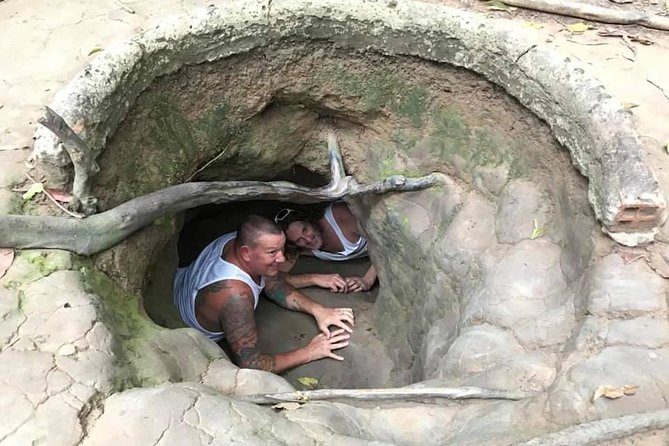
The most striking part of this Cu Chi Tunnels tour is the chance to enter the cramped underground passages built and used by Viet Cong fighters. A tunnel opening only about two feet across gives you a quick, physical sense of how confined life underground could be.
I like the small group, capped at 12, and the practical half-day schedule. I also like that the $31 price includes transport, an English-speaking guide, entrance, a drink, tapioca, and tea. The main caution is that traffic can stretch the drive, and the jungle site is hot, humid, crowded, and not always easy to follow if your guide’s English is difficult for you.
In This Review
- Key points at a glance
- What the $31 morning tour really covers
- The drive from Saigon to Ben Dinh
- Ben Dinh begins with a political viewpoint
- Command centers, bunkers, traps, and kitchens
- Crawling through the narrow tunnels
- Tapioca, tea, and the small comforts of the stop
- The shooting range and the noise issue
- How the guides shape the experience
- Crowds, pacing, and the unlisted stops
- Who should book this half-day outing
- Should you book the DGT Cu Chi Tunnels morning tour?
- FAQ
- How long does the Cu Chi Tunnels morning tour last?
- What time does the tour start?
- Where does the tour start?
- Where does the tour finish?
- Is hotel pickup included?
- What is included in the price?
- Is lunch included?
- How large is the group?
- Can I cancel for a full refund?
Key points at a glance
- Two-foot tunnel openings: The narrow entry points and crawl-through sections make the site more than a museum visit.
- Ben Dinh in about two hours: You see a documentary, command center, bunkers, traps, kitchens, and a smoke-free stove.
- Small groups capped at 12: This gives you a better chance to hear the guide and keep moving with the group.
- Pickup in Districts 1 and 3: Transport is included, though several hotel pickups can delay the morning start.
- A Vietnamese view of the war: The presentation reflects the country’s political perspective, so listen carefully and keep that context in mind.
- Bring patience for the road: The trip from central Ho Chi Minh City can take about 90 minutes each way without traffic.
What the $31 morning tour really covers
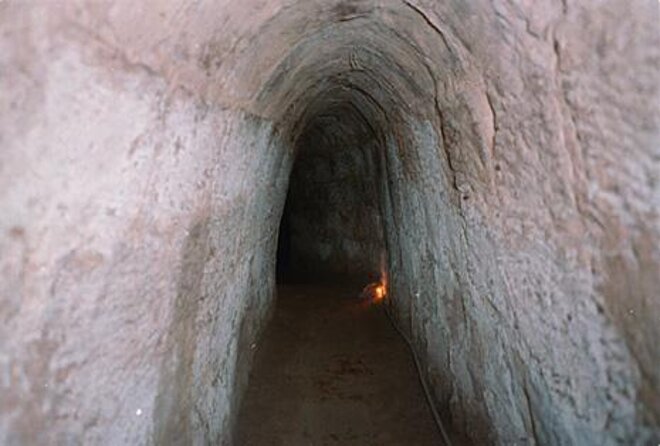
For $31, this is a useful package for a first visit to the Cu Chi Tunnels. You are not paying only for admission. The price also covers round-trip transport from Districts 1 or 3, a guide, a drink, tapioca, tea, and the entrance fee at Ben Dinh.
That combination makes the tour good value if you are staying in central Ho Chi Minh City and do not want to arrange your own vehicle. A private car would give you more control, but this small-group option keeps the cost low while still limiting the group to 12 people.
The tour runs for about five hours, though the exact return time depends on traffic and hotel pickups. It begins at 8:00 am, either from the office at 210 Lê Thánh Tôn or from an arranged pickup point in Districts 1 and 3.
I would confirm the pickup time and place before bed. The booking information asks for your exact address and WhatsApp number, and the operator sends a reconfirmation before 8:00 pm on the day before departure. That matters because pickup times can shift. One morning began later than expected after several passenger pickups, and another group waited because the start window was not clear.
More Ho Chi Minh City trips worth a second look
- Cu Chi Tunnels Tour from HCM City – Morning or Afternoon
★ 5.0 · 15,833 reviews - HCM: Cu Chi Tunnels-Tapioca Small Group Tour Morning or Afternoon
★ 5.0 · 7,485 reviews - Small-Group Cu Chi Tunnel Half-day Tour: Morning or Afternoon
★ 5.0 · 1,521 reviews
The drive from Saigon to Ben Dinh
The road trip is part of the experience, but it is not the polished part. The journey from Ho Chi Minh City to Cu Chi takes about 90 minutes without traffic, and city congestion or poor road conditions can make it longer.
The vehicle is described as comfortable by some people, while others found a full van uncomfortable or felt queasy because of the driving and road conditions. If you get motion sick, sit near the front, carry water, and consider taking your usual travel-sickness precautions before leaving. This is a sensible tip for any road trip outside Ho Chi Minh City.
Pickup is offered from Districts 1 and 3, and the activity ends back at the meeting point. That is convenient, but multiple pickups can eat into the morning. I would not schedule a tight lunch reservation or an afternoon flight after this tour.
The best part of the drive is the guide’s commentary. Guides such as Tommy, Timmy, Leo, Henry, Lyn, Vu, Sonny, and Thuong have been praised for mixing city advice, daily life in Saigon, humor, and wartime background into the journey. Guide quality can vary, though, and several people found certain accents hard to follow. A small group helps, but it cannot fully solve unclear English.
Ben Dinh begins with a political viewpoint
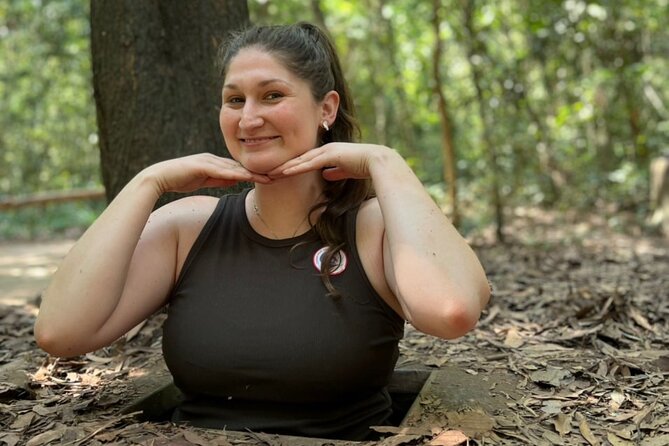
At Ben Dinh, you first watch a documentary about the tunnels and the war. This gives you the official Vietnamese framing for what you are about to see.
You should expect a strong political viewpoint that presents the Viet Cong and North Vietnamese struggle from Vietnam’s side. That does not make the site unworthy. It means you should separate the historical setting from the political language used to explain it.
I found that this is best treated as one important perspective, not the only possible account of the war. Some guides provide a measured explanation with little editorial comment. Others use more patriotic language or repeat details that may feel simplified. Ask questions if you want clarification, and pay attention to the physical evidence around you as well as the spoken account.
This mix of politics and history is one reason the visit has more weight than a standard sightseeing stop. The tunnels are not simply clever construction. They show how military strategy, local survival, and civilian life became tangled together during a long and destructive war.
Command centers, bunkers, traps, and kitchens
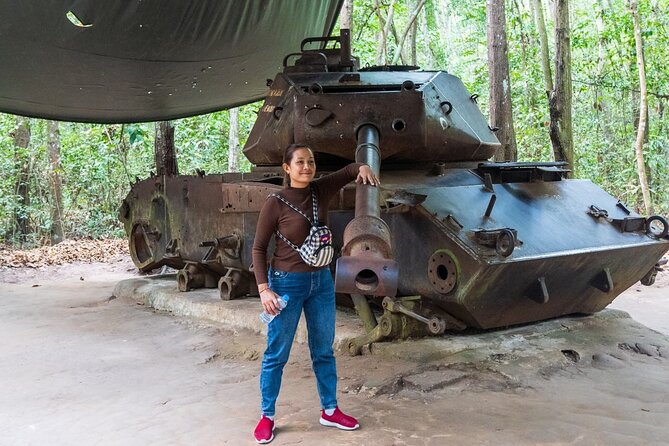
The site tour introduces the underground network and the ways it supported guerrilla operations. You see a command center, fighting bunkers, handmade booby traps, weapons-related areas, and spaces connected with daily life.
The details help you picture a settlement below ground rather than a simple hiding place. The tunnels included living quarters, meeting rooms, kitchens, weapons, and supplies, and the wider network extended toward the Cambodian border.
One especially memorable feature is the Hoang Cam smoke-free stove. Its design helped move smoke away from the cooking area, reducing the chance that soldiers above ground would spot where food was being prepared. Small features like this reveal the practical problems the tunnel builders had to solve.
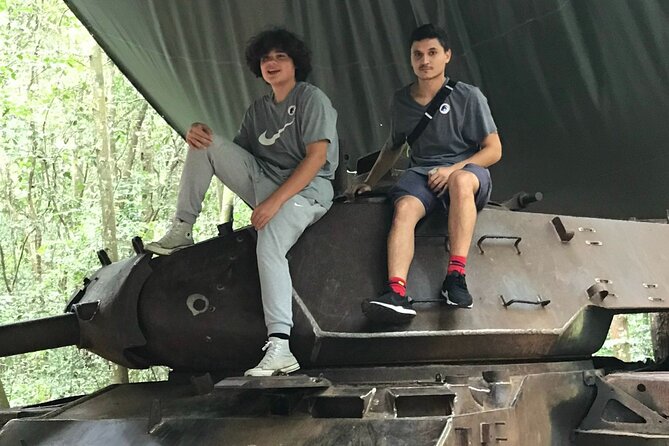
You also see bomb craters and disappearing positions. These are stark reminders that the area was a place of active fighting, not a harmless underground village. The handmade traps can be uncomfortable to examine, but they explain the fear and danger faced by soldiers moving through the forest.
Some guides move quickly from one feature to the next. If you want time to take photographs or ask questions, stay close and raise your hand before the group leaves. The site can be crowded, and a good guide needs to keep the group together while still allowing short pauses.
A different kind of day out, same stretch of Vietnam:
- From HCM City: Mekong Delta Tour with Sampan Journey
★ 4.5 · 13,132 reviews - Ho Chi Minh City Street Food Tour & Sightseeing By Motorbike
★ 5.0 · 9,413 reviews - Cu Chi Tunnels and Mekong Delta Signature Tour
★ 5.0 · 7,328 reviews - Mekong Delta Guided Tour from Ho Chi Minh City
★ 4.5 · 7,192 reviews
Crawling through the narrow tunnels
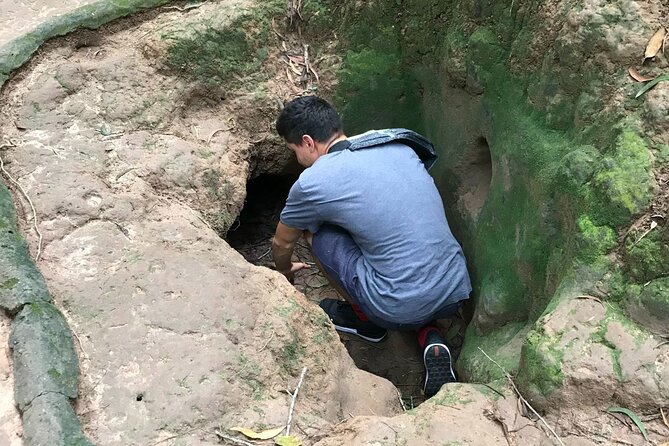
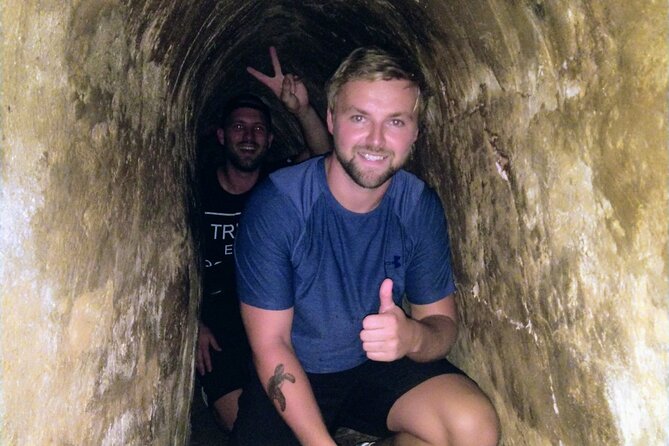
The tunnel section is the physical heart of the morning. You can enter selected passages and crawl through sections of the underground system, with experienced staff leading the way so you do not get lost.
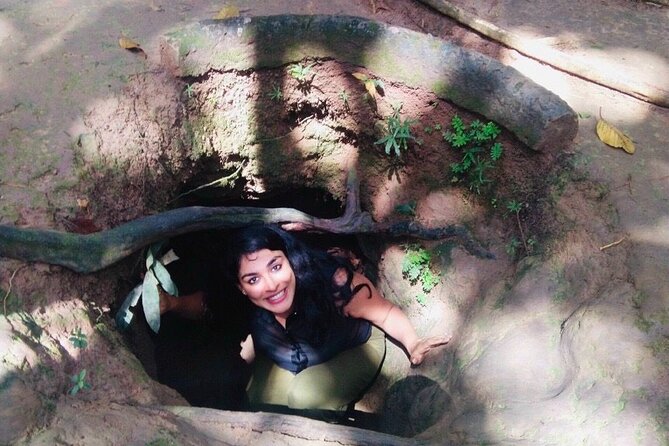
The openings are remarkably small. One visitor described lowering into a hole about two feet across, and that alone made the underground conditions feel real. The passage itself gives you a quick lesson in darkness, low ceilings, heat, and restricted movement.
You do not need to be an athlete, but you should be comfortable walking a moderate distance in hot, humid conditions. The ground can feel demanding in the heat, and the narrow passages are not suitable for everyone. The tour information says most people can participate, but that does not mean every person will want to crawl through the tightest sections.
Children can find this part exciting. Families have taken children as young as 11, and younger children might also enjoy the experience if they are comfortable with the heat and confined spaces. Keep close watch on children and follow the guide’s instructions inside the tunnels.
Some commentary has made assumptions about how far women can go in the tunnel. I would ignore that sort of broad claim and make your own decision based on your comfort, fitness, and tolerance for tight spaces. You can see a great deal without forcing yourself through every section.
Tapioca, tea, and the small comforts of the stop
The included refreshment is simple: steamed tapioca and hot tea. It is not a meal, and lunch is not included, so plan to eat before departure or after returning to the city.
The tapioca offers a small taste of what people living in the tunnels ate, though the serving can be modest. On one tour, the group shared a small packet, and the explanation was rushed. On another, the snack formed a pleasant part of the visit.
The drink included with the tour may be Vietnamese coffee, fresh coconut, juice, a smoothie, beer, or a soft drink. The exact choice appears to vary. Water has been provided, though one group received it later than expected. I would bring your own bottle anyway, especially because the site is hot and humid.
The refreshment stop is also where you may have time to regroup and ask questions. If the tour is running behind, this can become a quick pause rather than a relaxed break.
The shooting range and the noise issue
A shooting range operates near part of the site. You do not have to take part, and the shooting activity is not included in the basic tour price.
Some people choose to visit the range, while others find the gunfire unsettling beside a place connected with wartime suffering. That reaction is personal, but the noise is not. Gunfire can be extremely loud, especially near the final refreshment area, and ear protection was not always offered.
If you are sensitive to loud sounds, move away from the range and ask the guide where your group will wait. The firing can add an artificial layer of combat atmosphere to an already serious place, so I would not treat it as essential to understanding the tunnels.
The tunnel visit itself provides enough impact. You can learn about military tactics, inspect traps and bunkers, and crawl through a confined passage without firing a weapon.
How the guides shape the experience
The guide can make or break this tour. Good guides keep the history clear, answer questions, use humor carefully, and manage the group through a crowded site.
Tommy has been praised for strong English and a thorough explanation of the war. Sonny was described as entertaining and well-informed, while Foo was patient and allowed plenty of time to look around. Guides such as Vu, Thanh, Typhoon Honey, Leo, and Henry have also been praised for warmth, humor, and useful background.
That praise is not universal. A few guides have had accents that were hard for some English speakers to understand. One particularly poor experience involved a guide whose explanations could not be followed, leaving the group to listen to other guides nearby.
The operator is A Travel Mate and Trading Company Limited, while the experience is marketed under DGT or Deluxe Group Tours. Guide assignments can change, so you cannot book this outing expecting a particular person. Still, these names show the range of styles you might encounter.
I would stay near the guide during the documentary and site walk. If you miss an explanation, ask for it to be repeated. The small group size gives you a reasonable chance of being heard.
Crowds, pacing, and the unlisted stops
Ben Dinh can be crowded, particularly at popular tunnel entrances and viewing points. A small group helps your own movement, but it does not remove the larger crowd around you.
The listed route focuses on the city meeting point, Ben Dinh, and the return to Ho Chi Minh City. Some outings have also included a stop at a workshop selling lacquerware made by people with disabilities. This may be worthwhile if you want to support local craft work, but it can feel like a sales stop, and prices may be high.
Time is the issue. Several people found the tunnel visit rushed, while the workshop received more attention than expected. If your priority is the tunnels, make that clear to the guide and keep your group moving toward the historical sections.
The official itinerary allows about two hours at Ben Dinh. That is enough for a useful introduction, but not enough for a slow, private-style visit. If you want to study every display or spend a long time taking photographs, a larger custom arrangement may suit you better.
Who should book this half-day outing
I would choose this tour if you want a straightforward introduction to the Cu Chi Tunnels from central Ho Chi Minh City. It suits first-time visitors, families with children who can handle heat and confined spaces, and anyone who wants to keep the afternoon free.
It is also a good choice if you value transport and a guide more than complete control over the schedule. The small group is a meaningful advantage over a large coach, especially when the site gets crowded.
I would think twice if you need precise pickup times, dislike long van rides, or have difficulty with narrow passages. You should also look elsewhere if you want a neutral, academic account of the war. The tour presents a Vietnamese viewpoint, and the quality of the English explanation depends on the assigned guide.
The activity requires good weather. If poor weather cancels the tour, you are offered another date or a full refund. You can cancel for a full refund up to 24 hours before the start time, but late cancellations and changes are not accepted.
Should you book the DGT Cu Chi Tunnels morning tour?
Yes, if you want good basic value, central pickup, a capped group of 12, and a direct look at one of Vietnam’s most important wartime sites. The included entrance, transport, drink, tapioca, and tea make $31 a fair price for a five-hour outing.
Book it with realistic expectations. The ride may be slow, the site may be crowded, the tunnel passage is tight, and the political presentation reflects Vietnam’s official viewpoint. Confirm your pickup details, bring water, prepare for humidity, and stay close enough to hear the guide.
For the strongest experience, hope for a guide in the style of Tommy, Sonny, Lyn, Vu, or Henry, but remember that assignments change. The tunnels themselves are the reason to go, and even a rushed visit can leave you with a vivid sense of the planning, danger, and endurance required to live and fight underground.
FAQ
How long does the Cu Chi Tunnels morning tour last?
The tour lasts approximately five hours, including transport between Ho Chi Minh City and Ben Dinh.
What time does the tour start?
The stated start time is 8:00 am. Pickup timing can vary, so provide your exact address and WhatsApp number and wait for the operator’s reconfirmation.
Where does the tour start?
The meeting point is 210 Lê Thánh Tôn, Phường Bến Thành, District 1, Ho Chi Minh City. Free hotel pickup is also offered in Districts 1 and 3.
Where does the tour finish?
The activity ends back at the meeting point in Ho Chi Minh City.
Is hotel pickup included?
Yes. Free hotel pickup and drop-off are included for hotels in Districts 1 and 3.
What is included in the price?
The price includes transport from Districts 1 and 3, an English-speaking guide, the Cu Chi Tunnels entrance fee, tapioca and tea, and one drink such as Vietnamese coffee, fresh coconut, juice, a smoothie, beer, or a soft drink.
Is lunch included?
No. Lunch and personal expenses are not included.
How large is the group?
The group has a maximum of 12 people.
Can I cancel for a full refund?
Yes. You must cancel at least 24 hours before the local start time for a full refund. Cancellations or changes made less than 24 hours before departure are not refunded or accepted.
Recently reviewed around Ho Chi Minh City
- Cai Be Village – One-Day Mekong Delta Adventure★ 5.0 · 42 reviews
- Black Virgin Mountain, Cao Dai Temple, Cu Chi Tunnel Private Tour★ 5.0 · 29 reviews
- Black Virgin Mountain Sightseeing Day Tour in Tay Ninh★ 5.0 · 18 reviews
- Black Virgin Mountain, Cao Dai Temple & Ben Duoc Cu Chi Tunnel★ 5.0 · 87 reviews
- Highlights & Hidden Gems With Locals: Best of Ho Chi Minh City Private Tour★ 5.0 · 223 reviews
- Big Eats & Small Seats★ 5.0 · 41 reviews
- From Ho Chi Minh: Mekong Delta Can Tho Floating Market 2-Day Tour★ 5.0 · 41 reviews
- Exploring Saigon by Scooter, Day or Night★ 5.0 · 68 reviews
Cu Chi Tunnels Tours, compared.

Cu Chi Tunnels Tour from HCM City – Morning or Afternoon
Read our review →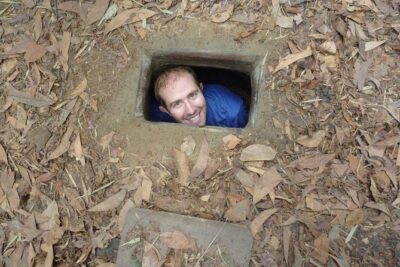
Cu Chi Tunnels-Tapioca Small Group Tour Morning or Afternoon
Read our review →
Cu Chi Tunnels and Mekong Delta Signature Tour
Read our review →
Cu Chi Tunnels & Mekong Delta Tour with VIP Limousine Transfer
Read our review →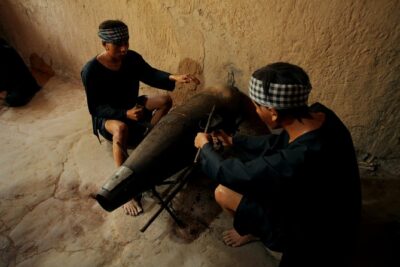
Cu Chi Tunnels and Mekong Delta Full Day Tour – Max 12
Read our review →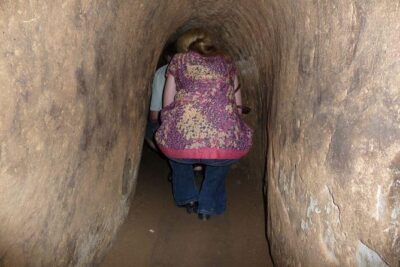
Cu Chi Luxury Group Tour – Tapioca and Cake Half Day
Read our review →
Adventure Cu Chi Tunnels and Mekong Delta Tour From HCM
Read our review →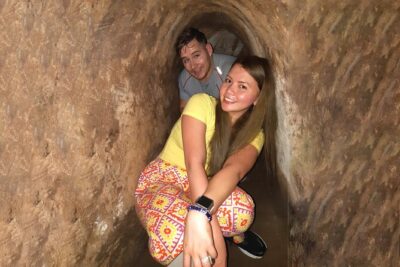
Cu Chi Tunnels and Mekong Delta – Small Group Tour
Read our review →Browse the lists this tour appears in